Moses Blessed the World Noah Could Only Begin
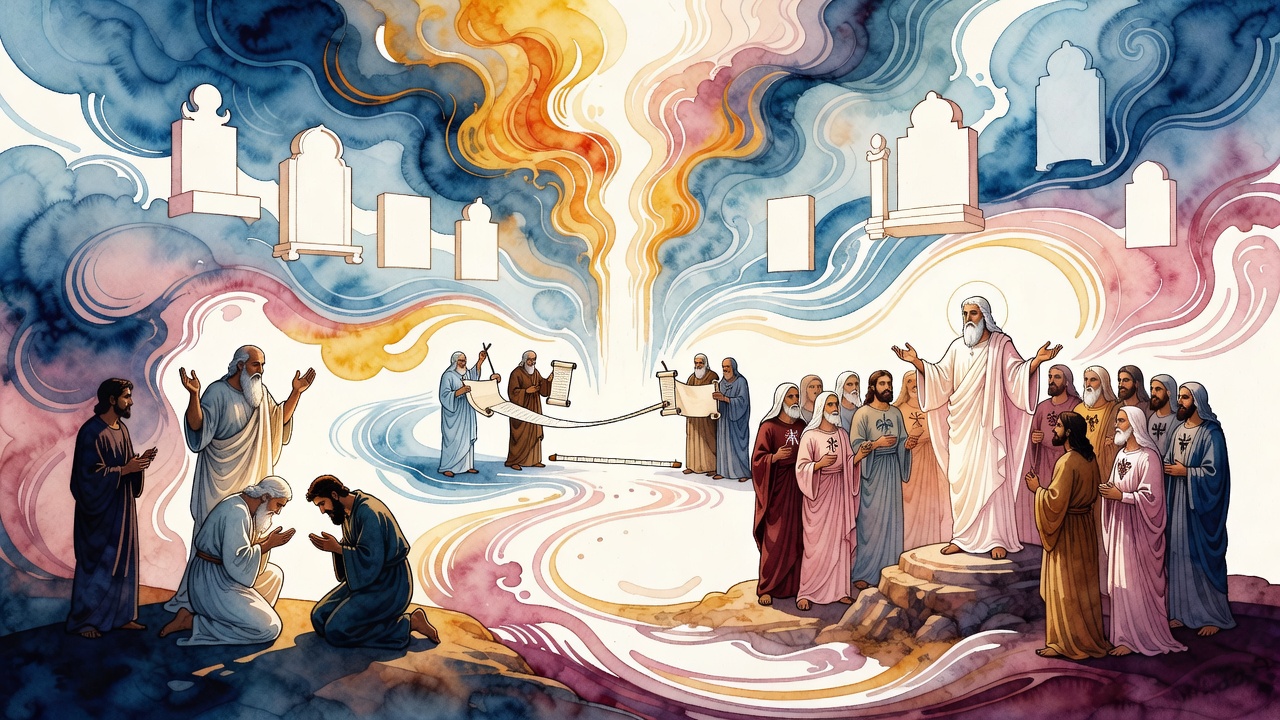
Noah blessed two of his sons and cursed a third. Moses blessed all twelve tribes. The rabbis measure the distance between the two blessings and find a world.
Table of Contents
 Click for full size
Isaac's Face Silenced the Doubters
When Abraham and Sarah had a child in extreme old age, the world was not quietly impressed. It was loudly skeptical. People said the couple had adopted a foundling. The baby was not theirs. It was too impossible. God answered not with argument but with resemblance. The angel appointed over embryos formed Isaac's face in the image of his father's. Anyone who saw the son had to acknowledge the father. The tradition in Legends of the Jews carries the report that Abraham held the feast of Isaac's weaning, and Shem, Eber, Abimelech, Phicol, Terah, and Nahor all came. A private miracle was made communal evidence. Blessing in this world does not only need to be given; it needs to be seen by skeptical witnesses and survive their scrutiny. Isaac's face was an argument that needed no words.
Moses Came Out of Water and Wept
Generations later, the covenant seemed to be drowning in the Nile. Pharaoh had ordered Hebrew baby boys thrown into the river. One mother put her infant in a waterproofed basket and let it float among the reeds. Pharaoh's daughter came to bathe, heard crying, looked inside, and her heart opened. When she lifted the child out, he was weeping. The Midrash dwells on that detail. Moses cried and she saw him. His helplessness was the argument that saved him. An Egyptian princess broke her father's decree because a baby's tears reached her before any principle could stop her. Compassion moved faster than policy. Moses, who would one day stand before a burning bush and argue with God about whether he was the right man for the task, began his life as a child whose only power was grief, and it was enough.
Moses Was Named Before His Birth
The Midrash finds Moses in the record of things set aside before creation. On the twenty-third day of Adar, in the cosmic calendar of things prepared before the world was made, Moses was already there. He arrives in time at the right moment because he had been designated for the moment long before the moment existed. This is not fate in the sense of rigid predetermination. It is covenant-memory: God had been planning the rescue of Israel since before Egypt existed, and Moses was the person the plan required. The basket in the Nile was not an accident improvised by a desperate mother. It was the instrument through which the pre-appointed deliverer arrived at the pre-arranged moment. The weeping helped, but the weeping was also part of the plan.
Noah Blessed Only Two of His Sons
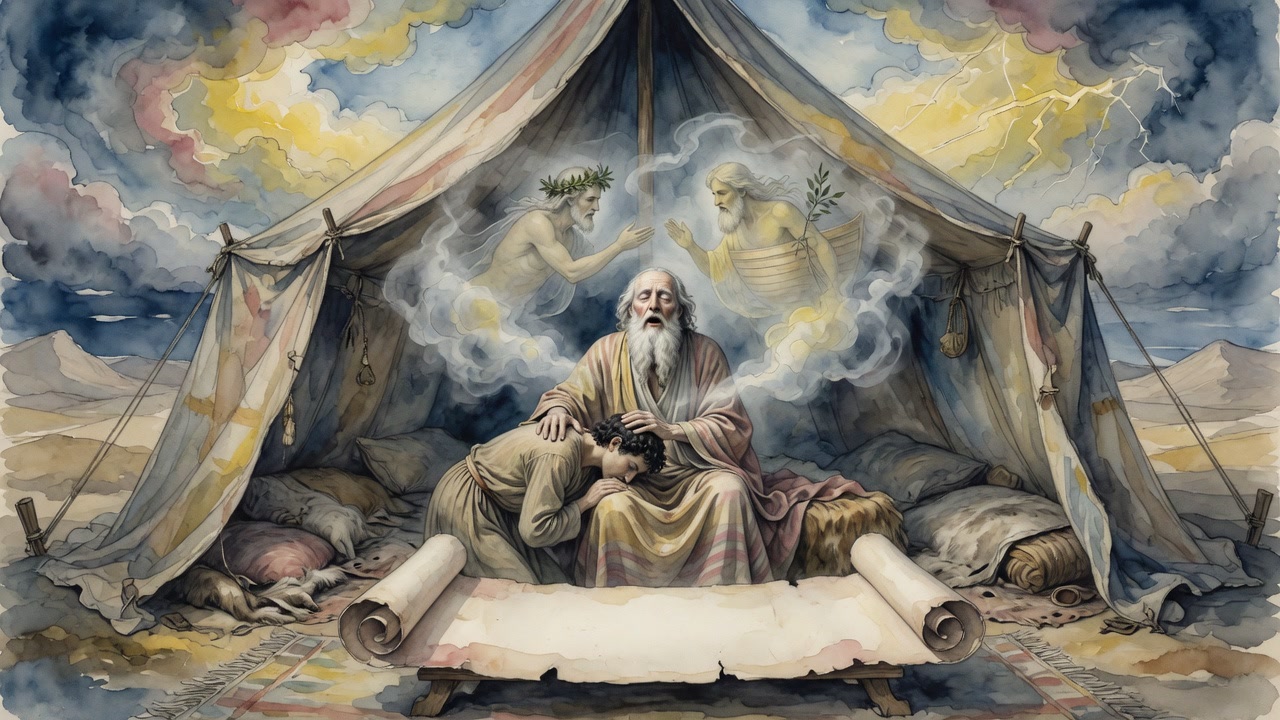
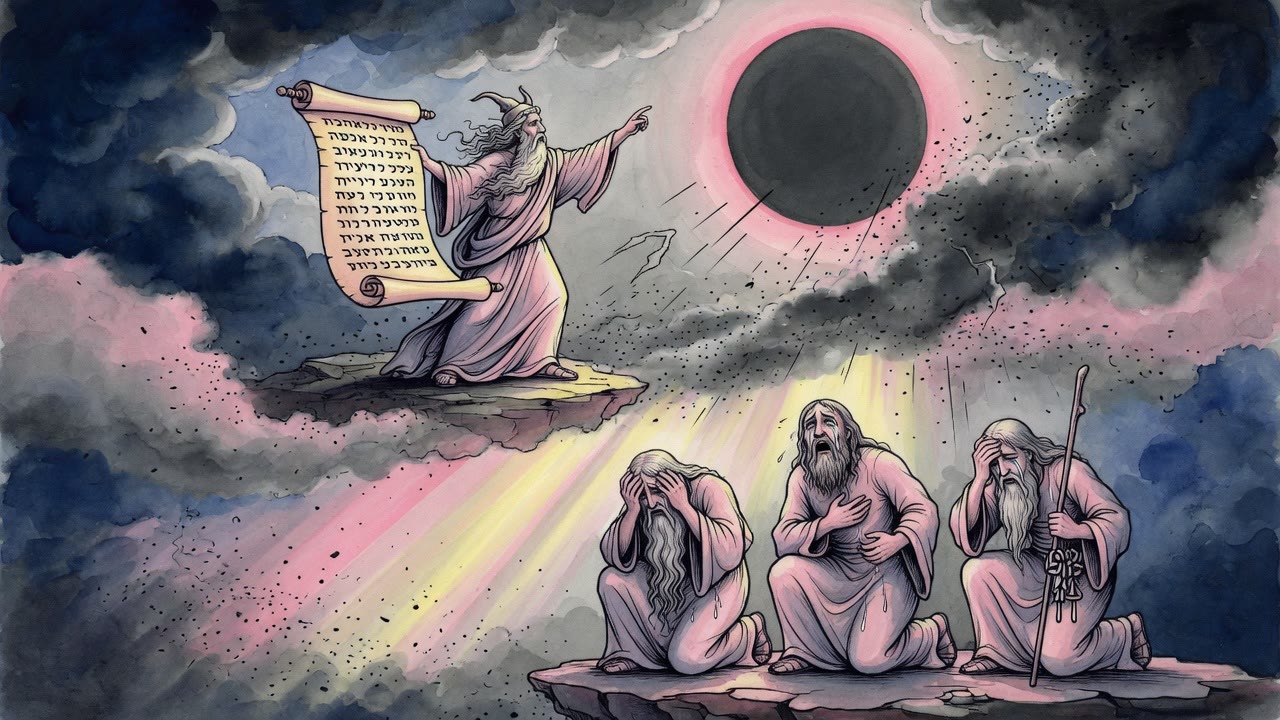
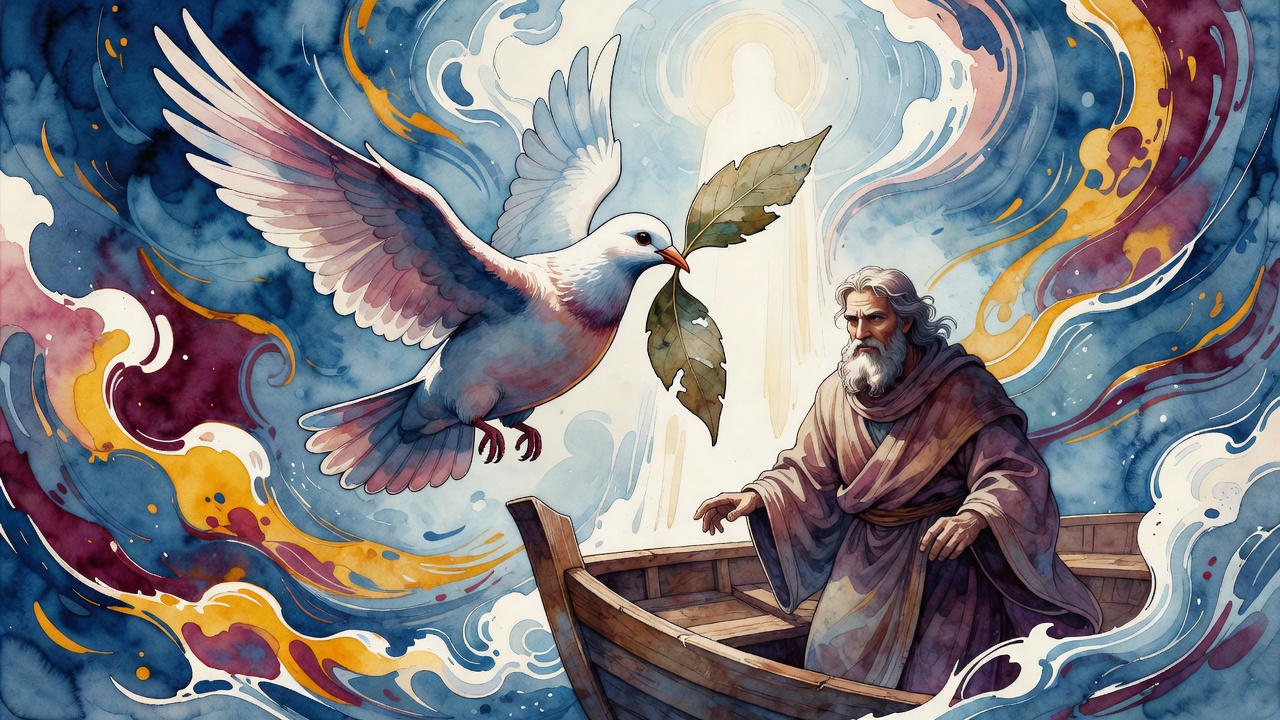
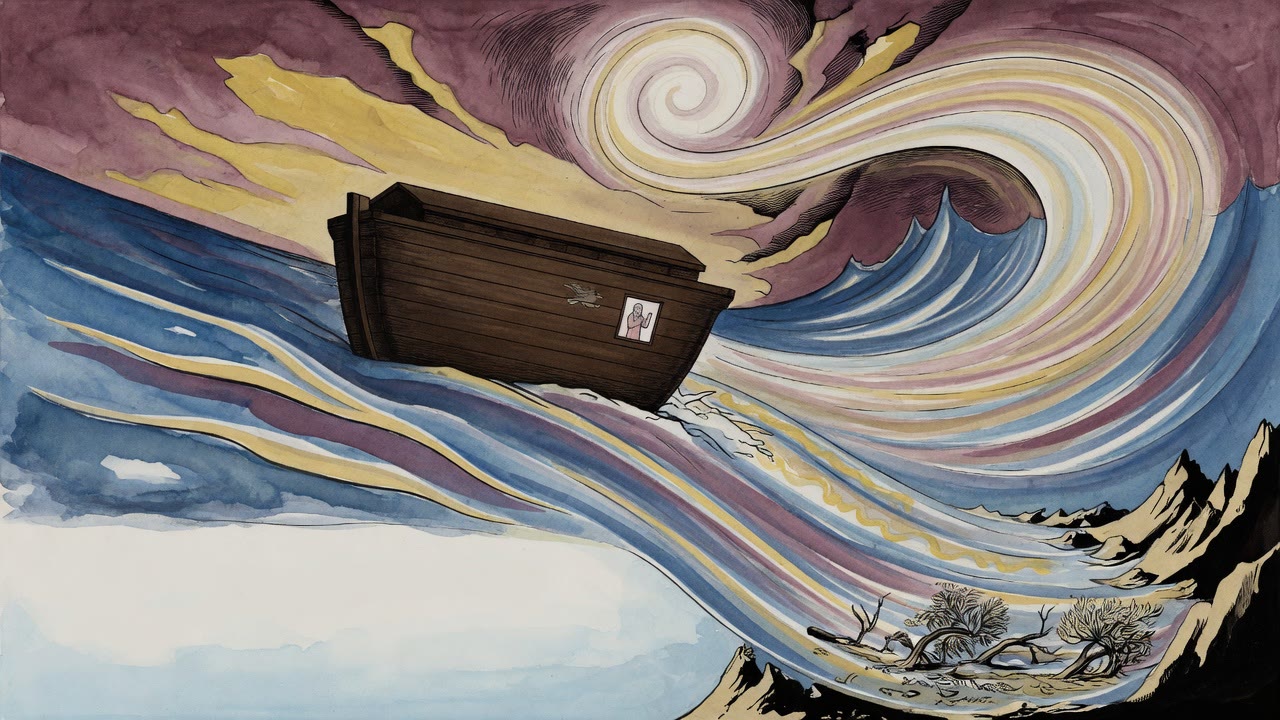
Noah was righteous in his generation. He built the ark. He preserved the living world through the catastrophe. He planted a vineyard, made wine, became drunk, and woke to find that his son Ham had exposed his nakedness. He cursed Canaan. He blessed Shem and Japheth. The tradition in Legends of the Jews weighs those blessings carefully against what Moses would do at the end of his life. Noah blessed two sons. He cursed a third. Three children, and the father's final words divided them. Moses stood before all twelve tribes at the end of Deuteronomy and blessed each one. The scope of Moses's blessing dwarfed Noah's. Not because Moses was holier than Noah in some personal sense, but because Moses had a covenant behind him that Noah did not yet have. Noah began a world that was still mostly formless blessing. Moses concluded a world that had been structured by law, organized by tribe, directed toward a land and a purpose. A blessing's size reflects the covenant that carries it.
Elijah Carried the Thread to the End
The final vision in this chain belongs to Elijah. He fled from Jezebel into the wilderness, sat under a broom tree, and asked to die. An angel touched him and told him to eat, because the way was too long for him. He ate, rose, and walked forty days to Horeb, the mountain of God, the same mountain where Moses had stood before the burning bush. At Horeb, God asked: what are you doing here, Elijah? He answered that he was the only one left. God answered with a still, small voice and sent him back with three tasks. Elijah believed he was alone. God told him there were seven thousand in Israel who had not bowed to Baal. The covenant was not extinguished. The thread that ran from Noah's rainbow to Abraham's face to Moses's blessing to the weeping infant in the basket had not been cut. It had only been hidden.
← All myths