Aaron's Rod Blossomed Overnight to Settle the Priesthood
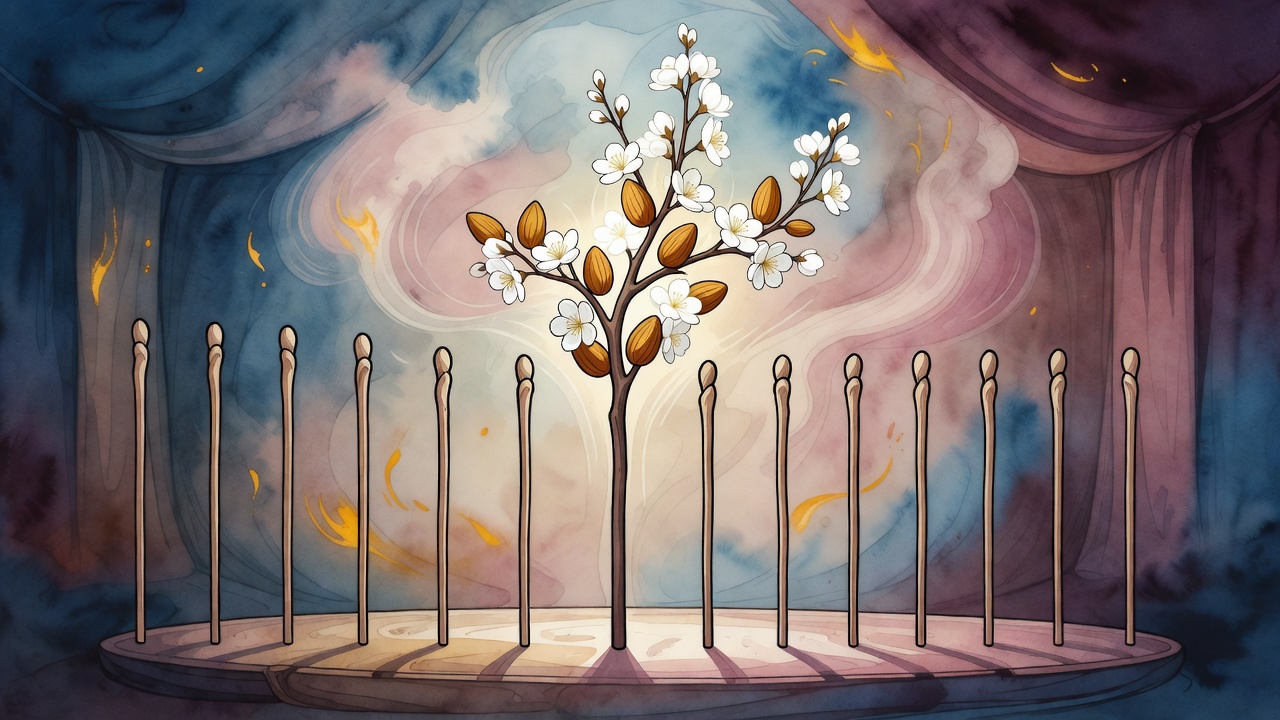
Twelve dry staves lay before the Ark until morning. One of them held blossoms, buds, and ripe almonds on the same wood.
Table of Contents
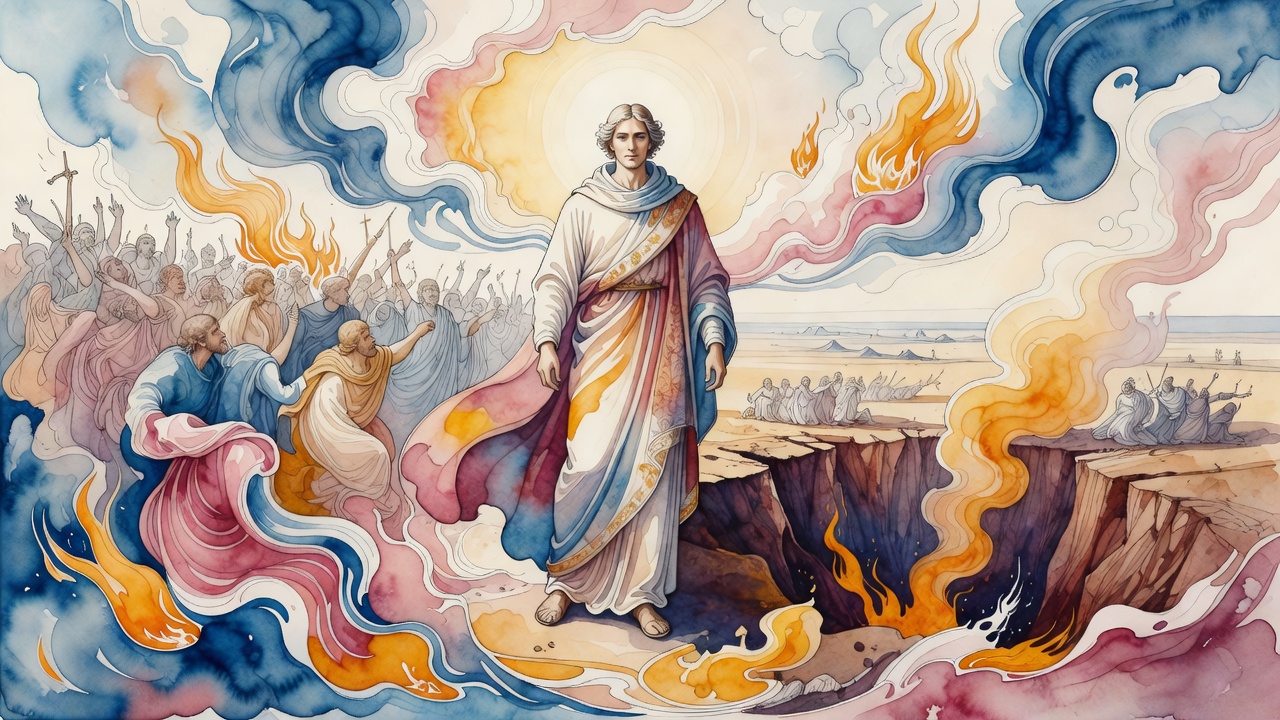
The ground had swallowed Korah. Fire had consumed the two hundred and fifty men who brought their censers forward. The next morning the people turned on Moses and Aaron and called them murderers, as if the pit and the fire had chosen at random.
 Click for full size
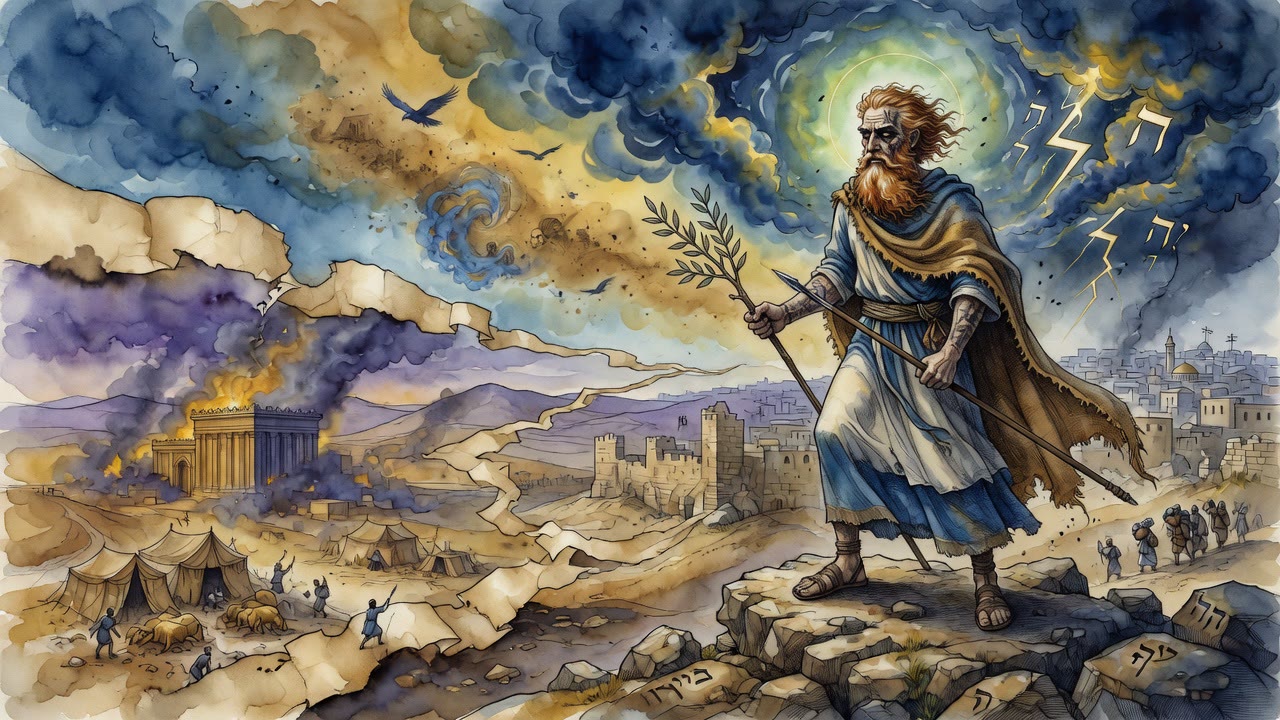
God sent a plague. Fourteen thousand seven hundred died before Aaron ran through the camp with burning incense and stood between the living and the dead. The dying stopped. Even that was not enough. Too much had happened in too short a time. The camp still wanted a sign it could not argue with.
Incense That Carried a Poison
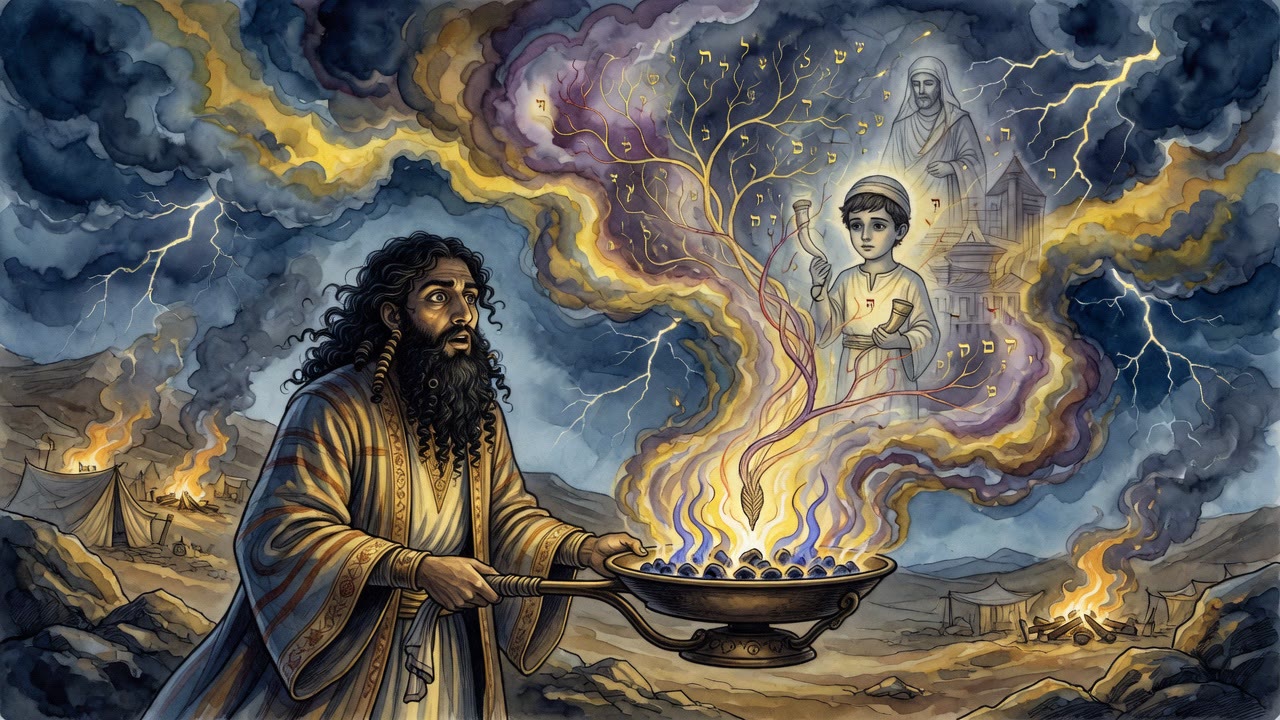
Korah's challenge had begun with pans. Moses told him and his congregation to take fire pans, put fire in them, and set incense on them before the Lord. Israel has one Lord, one Torah, one altar, and one High Priest. Two hundred and fifty men reaching for that office treated a singular service like a crowd's prize.
Moses warned them. The ketoret (קטרת), the incense, is the most beloved of the services and the most dangerous. Nadav and Avihu had already offered strange fire and been consumed (Leviticus 10:1-2). A deadly poison sat inside that sweetness. Only the one God chose would live. They took the pans anyway. The fire pans of those sinners against their souls went in with them.
Aaron, whose priesthood they had questioned, was the one who later ran the same incense through the camp and halted the plague. The people watched him save them and still did not rest.
Twelve Names on Twelve Staves
God gave them the rods. Moses took a beam and divided it into twelve. Every tribal prince inscribed his name on his own staff. On Levi's rod Moses wrote Aaron's name, and he set that staff not at the edge but in the very middle, so no one could whisper that it had caught the fragrance of the Presence and bloomed by chance.
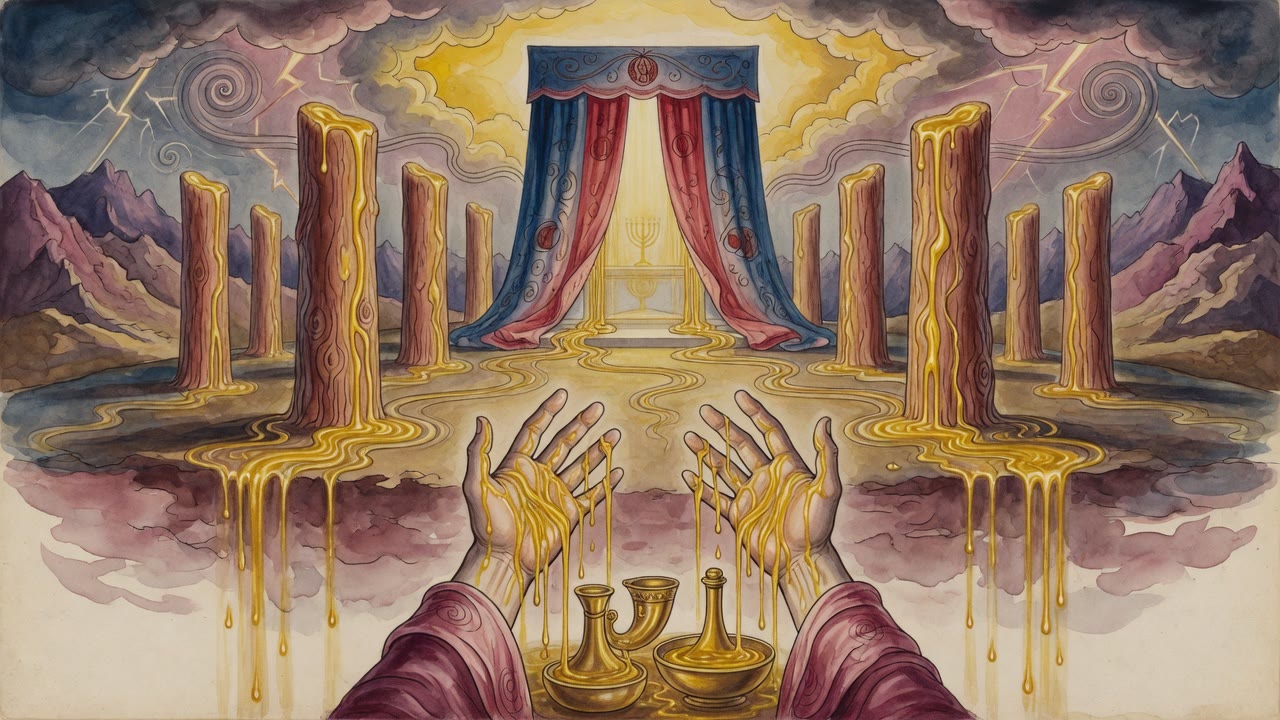
They carried all twelve into the Tabernacle and laid them before the Ark. Twelve dry wooden staves went in. Twelve men went home to sleep, each one knowing where his rod lay. The camp fell quiet. The tent held its watch alone.
By morning Aaron's rod had done what the others had not. Blossoms opened. Buds showed. Almonds grew to ripeness on the same wood, all marked with the Ineffable Name. A staff that had not been a living branch for years ran the whole life of a tree in one dark night inside a tent.
Almonds in a Single Night
Moses brought the rods out and showed them to Israel. Each leader found his own unchanged. Eleven were wood. Aaron's was a flowering, fruiting branch. The hierarchy was not a speech. It was a stick that had refused to stay dead.
The people who had spent the night guessing rushed the sanctuary at dawn and stopped arguing. Almonds ripen faster than most fruit. The wood had paid them back in the same speed. Whoever rose to contest the priesthood would be answered without delay, the way a leper's affliction breaks out, the way King Uzziah was struck when he reached for a censer that was not his.
Moses placed Aaron's rod before the Holy Ark and left it there. It would not decay the way a cut branch decays. It had never been alive in the ordinary way, so it would not die in the ordinary way.
Dry Wood Lived and Living Sons Burned
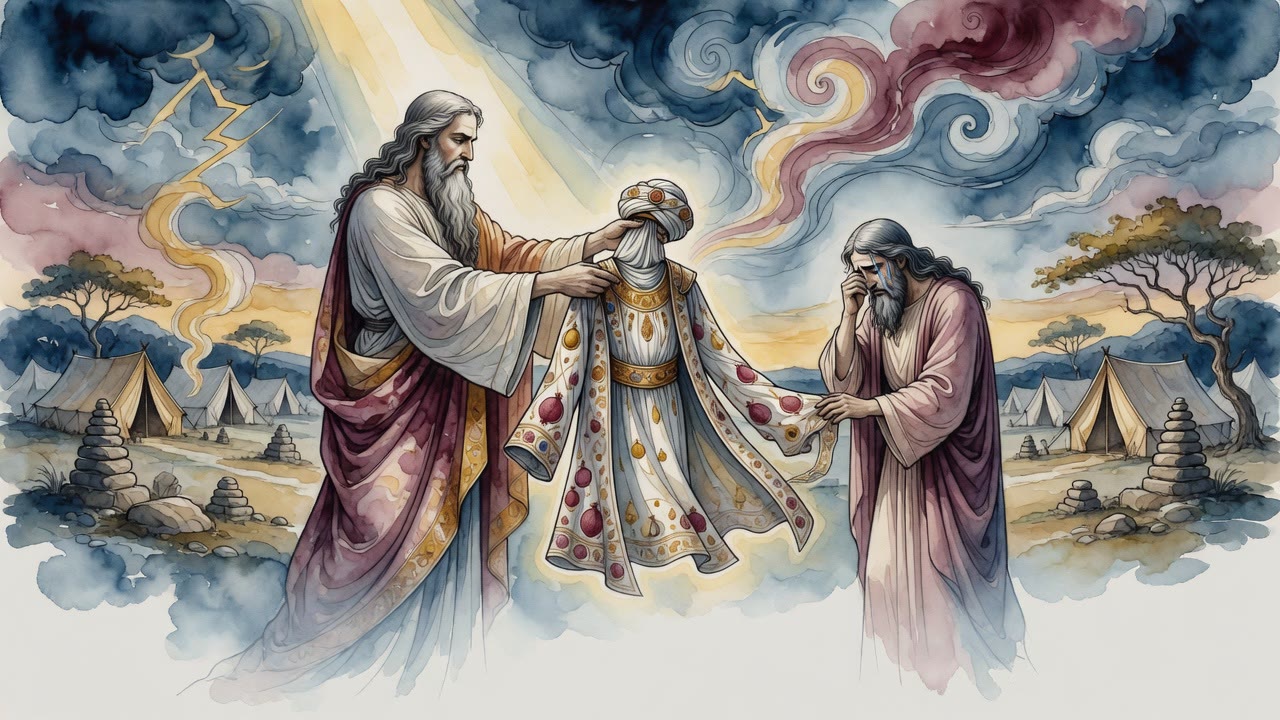
Elihu stood watching, and his heart would not be still. He had seen the sons of Aaron walk into the holy place alive to offer before the Lord, and he had seen them carried out as ash. "At this also my heart trembles," he cried, "and leaps from its place."
Dry sticks of dead wood had drawn breath, blossomed, and come out bearing fruit. Aaron's own sons, who walked in living and warm, had come out consumed by fire. Elihu looked at the staff and he looked at the sons, and he trembled. The same house had been chosen in the night and burned in the day. The rod proved the office. It did not make the office safe.
Kings used that rod until the Temple fell. Then it vanished. The promise of its return stayed attached to it, a piece of wood that had already done its work once in the dark and could be asked to do it again.
← All myths