Everything in Potiphar's House Grew While Joseph Was a Slave
Potiphar asked for one wine, then another. The cup in Joseph's hand changed with the wish, and the master stopped counting his own stores.
Table of Contents
Potiphar asked for a cup of hippocras, the spiced wine of the house. Then, on a whim, he said he would rather have wine mixed with absinthe. The cup in Joseph's hand changed with the wish. The master watched it happen and stopped pretending this slave was ordinary.
 Click for full size
Joseph had been sold by his brothers, hauled down to Egypt, and registered as property at seventeen. His world had collapsed into a single Egyptian household. Then the household began to grow around him.
The House Would Not Stay Small
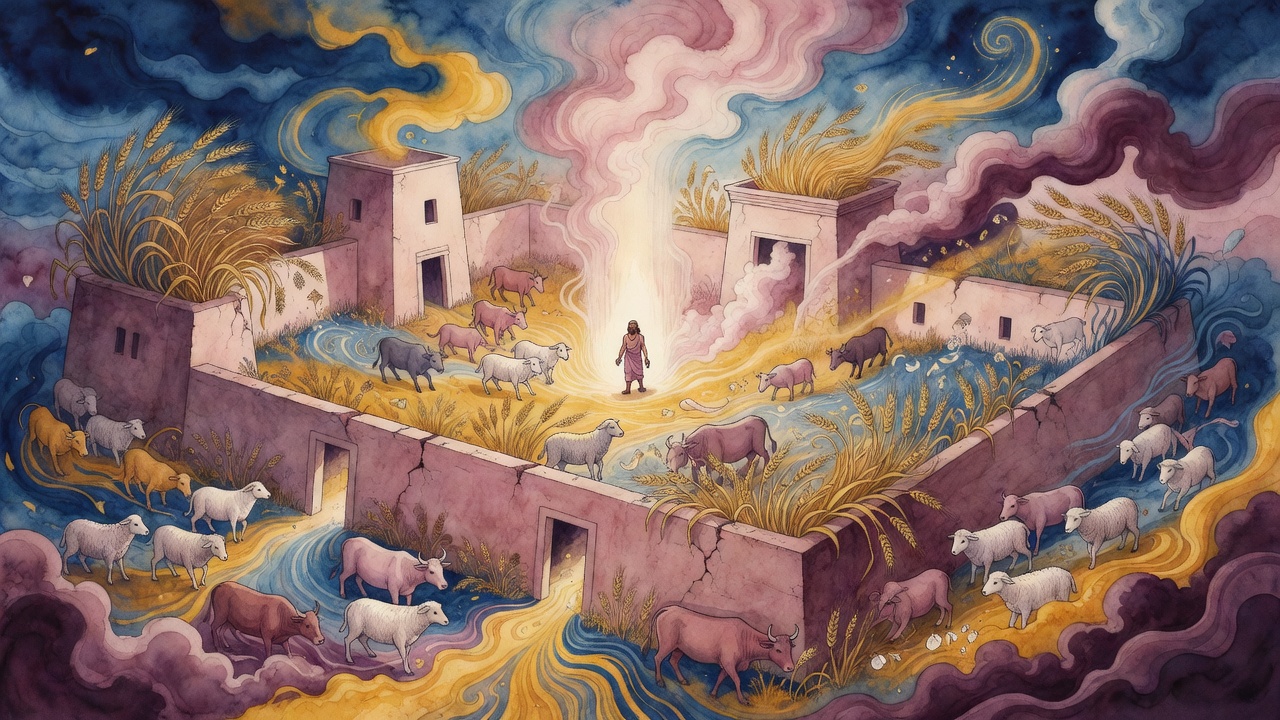
Fruit trees bore out of season. Livestock multiplied past ordinary rates. Bread tasted richer when Joseph had handled the preparations. Whatever Potiphar desired seemed to arrive through the young man's hands. The master saw the Shechinah (שכינה), God's divine presence, resting on him, and said it plainly. "This youth is not cut out for a slave's work. He is worthy of a prince's place."
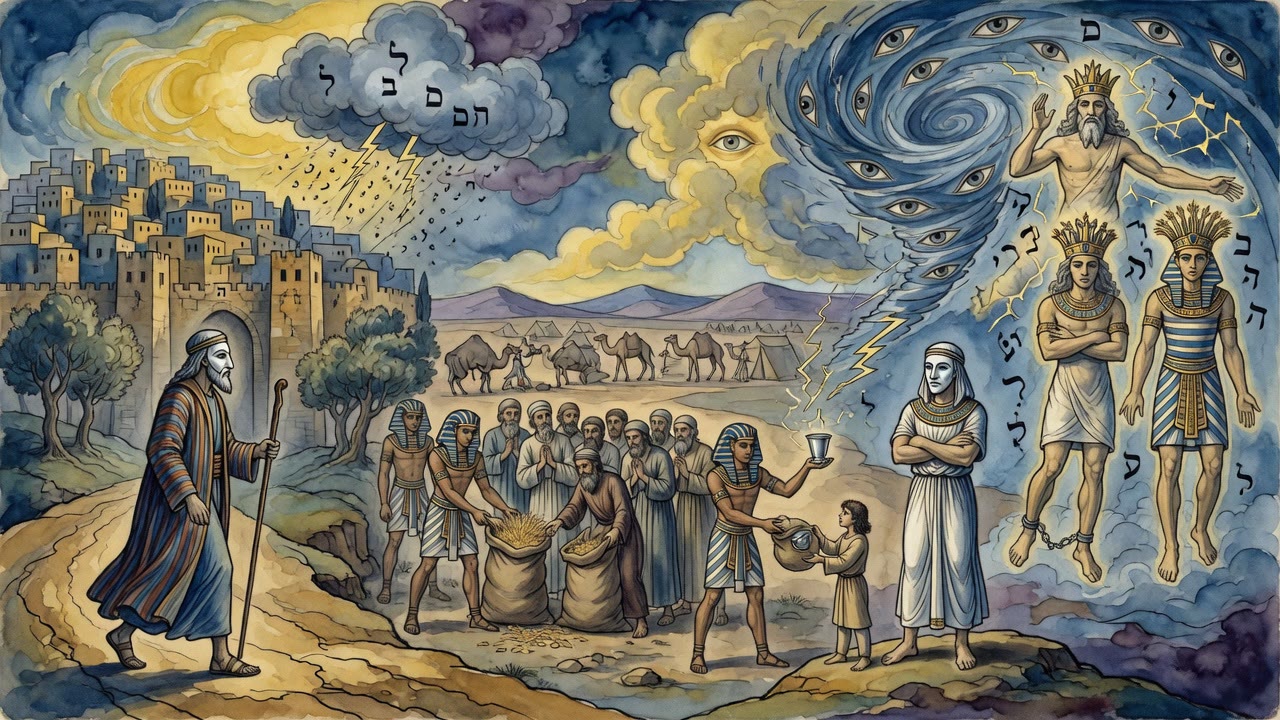
He handed Joseph control of everything he owned, and took no knowledge of any of it, except the wife with whom he lay (Genesis 39:6). Granaries, silver, who entered, who left. The only door he kept shut was the one that would later be used to ruin the steward.
Joseph fasted. He gave his own rations to the poor and sick of the house and refused the fine food his new rank afforded him. He grew thinner by human measures. He became more beautiful. Those who fast for the glory of God are made beautiful of countenance, and Potiphar's household watched it happen in real time. The slave who gave away his food was the most radiant person in the rooms.
She Tried Every Door
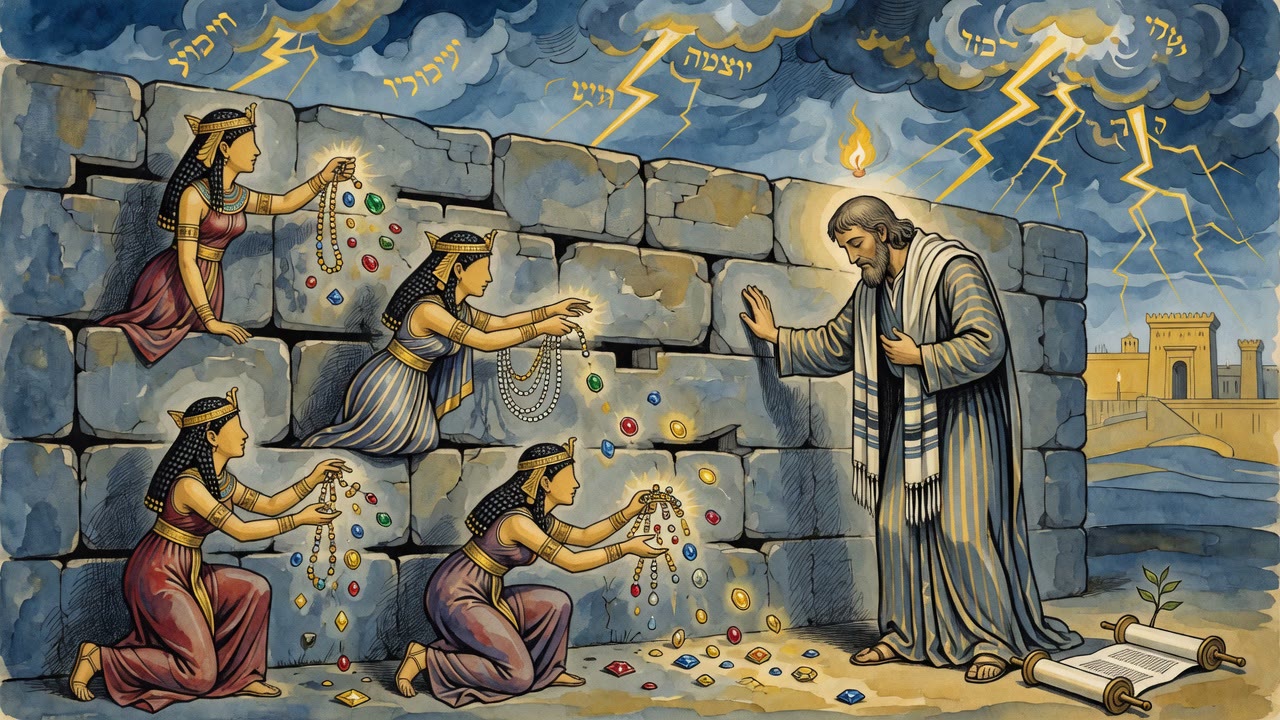
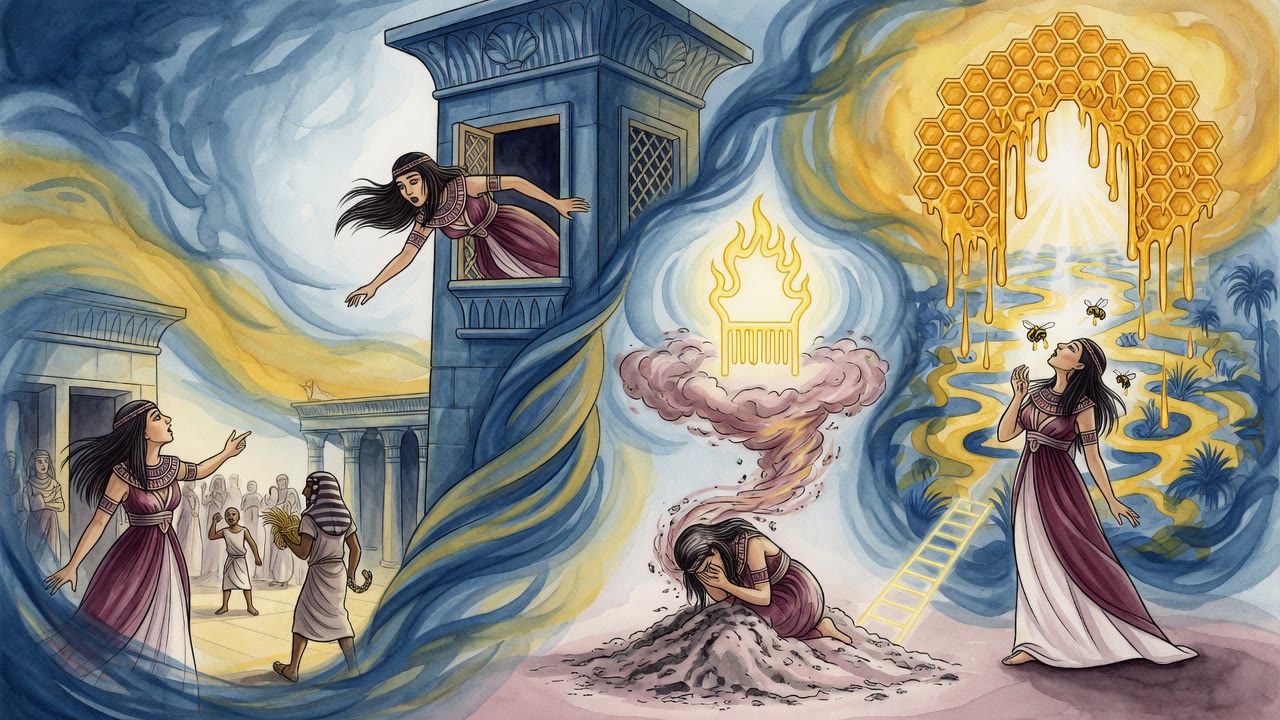
Potiphar's wife began watching Joseph too, for different reasons. She praised his chastity to her husband, a cover that also tested the air. She told Joseph privately that even if someone gossiped, Potiphar would not believe it. Then she asked him to teach her the word of God. If he would fulfill her desire, she said, she would persuade her Egyptian husband to forsake the idols, and they would walk in the law of Joseph's God.
Joseph refused. "The Lord desireth not that those who fear Him shall walk in impurity, nor hath He pleasure in the adulterer."
She raised the stakes. "If thou wilt not do my desire, I will murder the Egyptian and wed with thee according to the law." Joseph tore his garment and rebuked her. Fear the Lord, he said. Do not do this. He would proclaim her purpose in public if she pressed it.
She sent him a dish prepared with spells. When the eunuch presented it, Joseph saw a man handing him a sword along with the food. He refused to eat. A few days later she asked why he had not touched her offering. He told her the God of his fathers had revealed her iniquity through an angel. Then, to prove that the wicked have no power over those who fear God, he ate the food before her eyes. She fell at his feet, weeping, and promised she would not repeat the sin.
She repeated it. The campaign did not end because a promise had been spoken. At the last she caught his garment, and he fled, leaving it in her hand (Genesis 39:12).
The Beating She Could Not Watch
She showed the garment to Potiphar and accused Joseph of assault. Potiphar had him stripped and beaten before ordering him held. Watching the blows, she sent word that the verdict was unjust. He was punishing a free-born youth stolen from his place as though he were the one who had committed a crime.
Joseph stood his ground and kept his innocence. Potiphar, caught between his wife's accusation and the young man who had made the house flourish, threw him in prison "until his masters should return," to wait until the Ishmaelites who had sold him came back. Joseph waited twenty-four days in that compound jail. The wife argued he should be released to serve in the house again. Potiphar answered that Egyptian law would not let him take what belonged to another before the titles were clear.
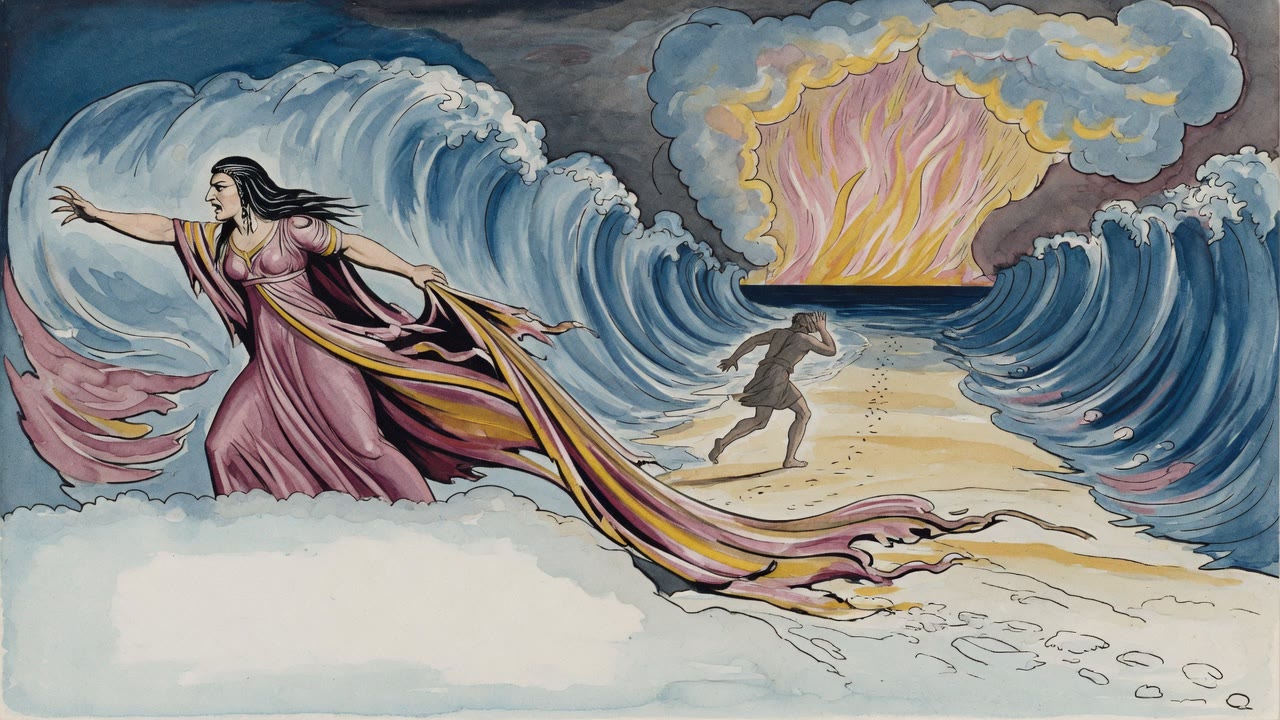
The blessing that had changed the wine did not stop at stone. The warden gave Joseph authority. Walls could hold a body. They could not hold what traveled with him.
Gold on a Head They Did Not Know
Years later his brothers bowed in a palace and did not know the face. A large crown of gold sat on Joseph's head. He wore byssus and purple, and valiant men stood around a golden throne. They fell down before his beauty and his majesty, and they had no idea they were looking at the beardless boy they had sold.
Joseph knew them. Their appearance had not changed. They had been bearded men when he was separated from them. He was on the verge of revealing himself when an angel appeared, the same one that had brought him from Shechem to his brothers at Dothan. "These came hither with intent to kill thee."
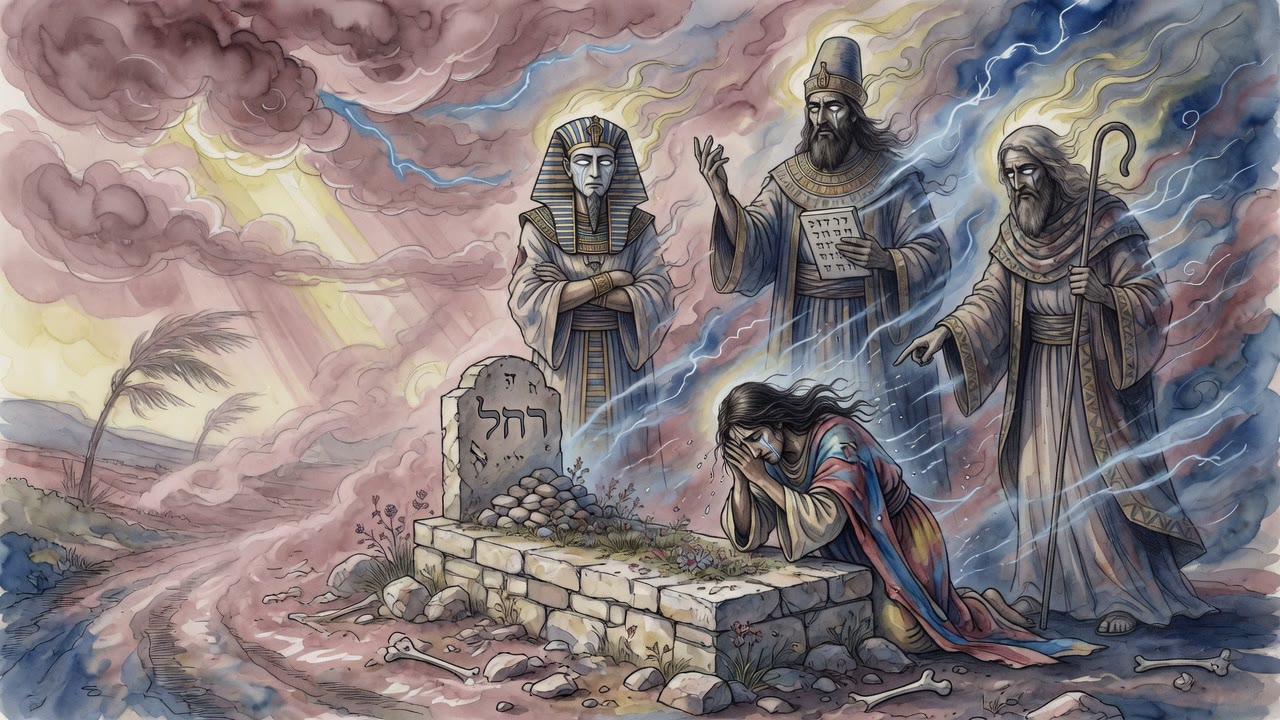
The cup in the slave's hand had changed with a master's wish. The house had grown. The wife had used the one door Potiphar kept shut. The brothers now stood under a crown they could not read. Joseph looked at the faces that had not changed, and at the angel's sentence hanging in the room, and he did not speak his name yet.
← All myths