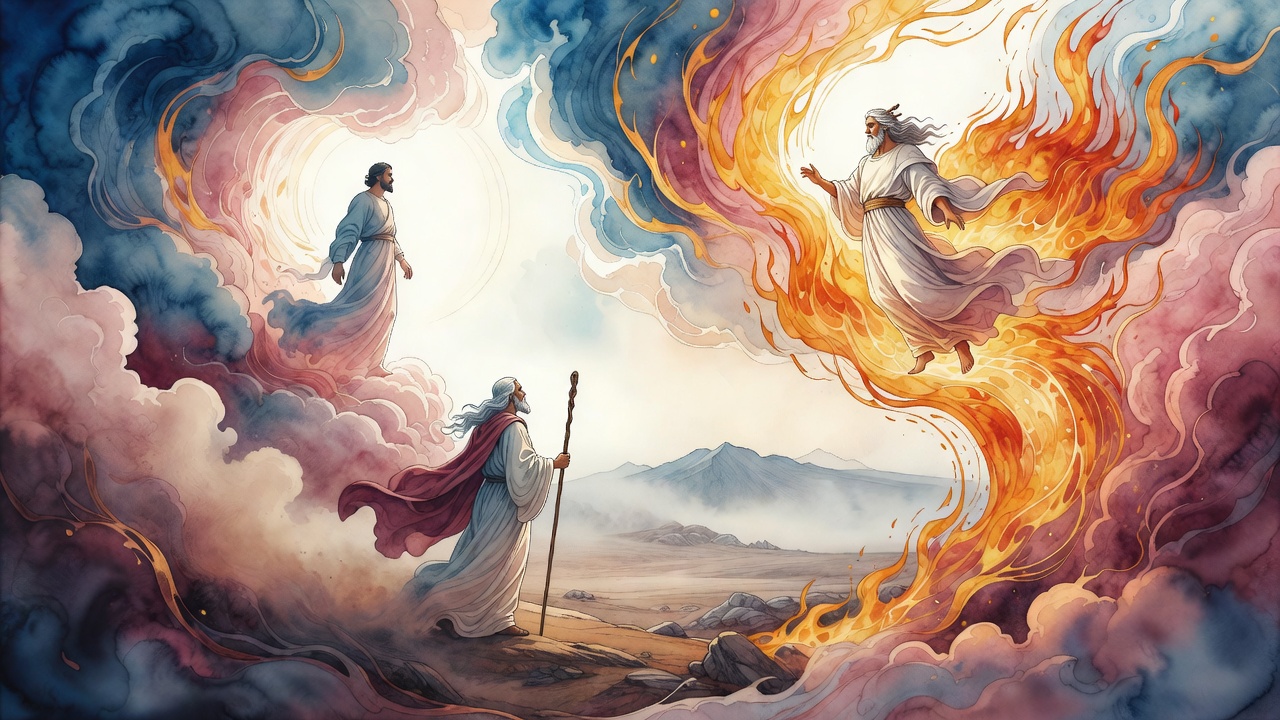
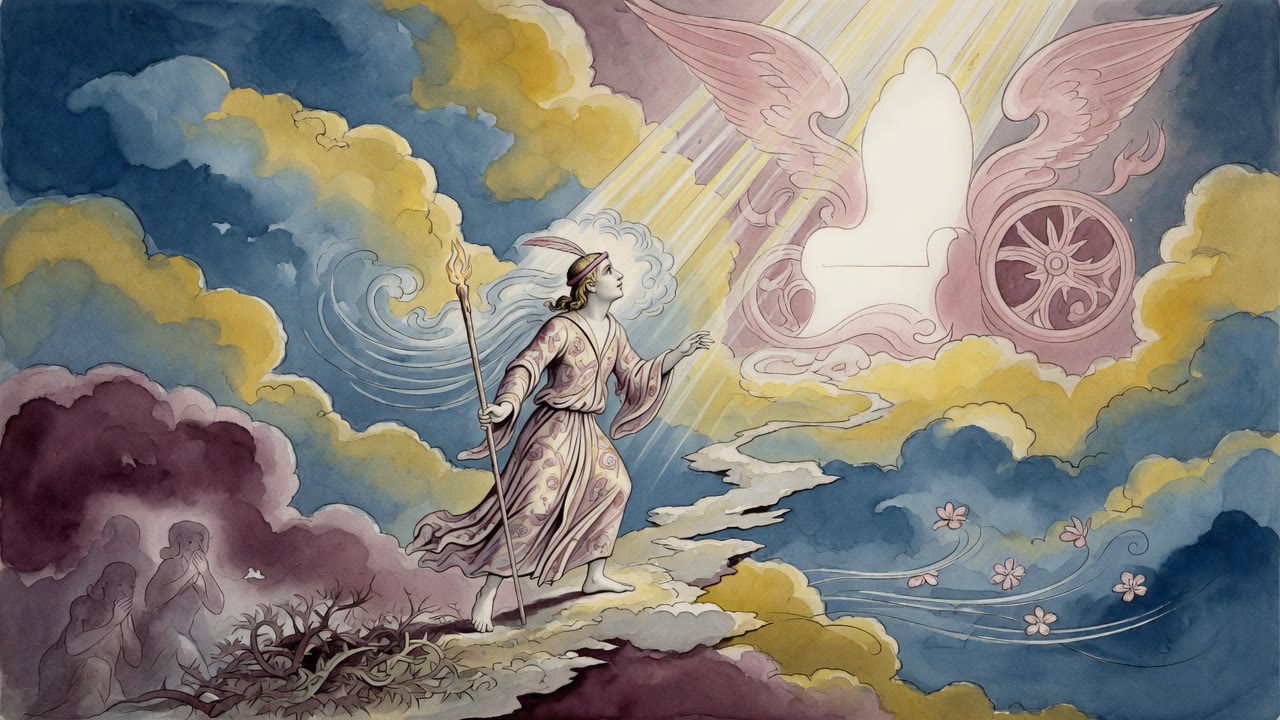
Enoch Gathered His Sons One Last Time Before God Took Him
Returned from ten heavens, Enoch has one final night with his sons. He explains time, his 366 books, and what the calendar means for those he leaves behind.
Table of Contents
 Click for full size
The Night Before the Final Taking
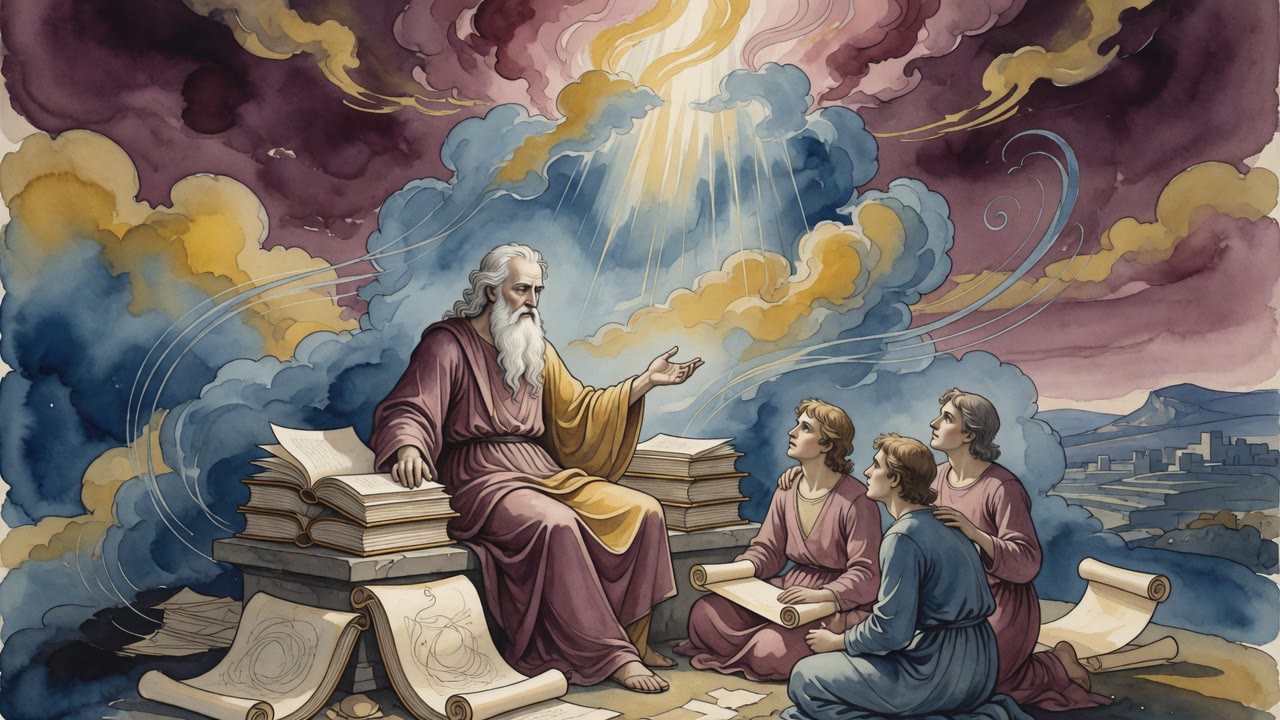
Enoch knew the difference between this visit and the last. The angels had brought him back before, let him walk among men again, permitted him to hold his sons by the shoulders and look them in the eye. This time the permission was smaller. One last window. One final night to say what he had learned in the high places before God took him away for good.
He called his sons together and made them sit. He did not begin with warnings or prophecy. He began with time.
Three Hundred and Sixty-Six Books
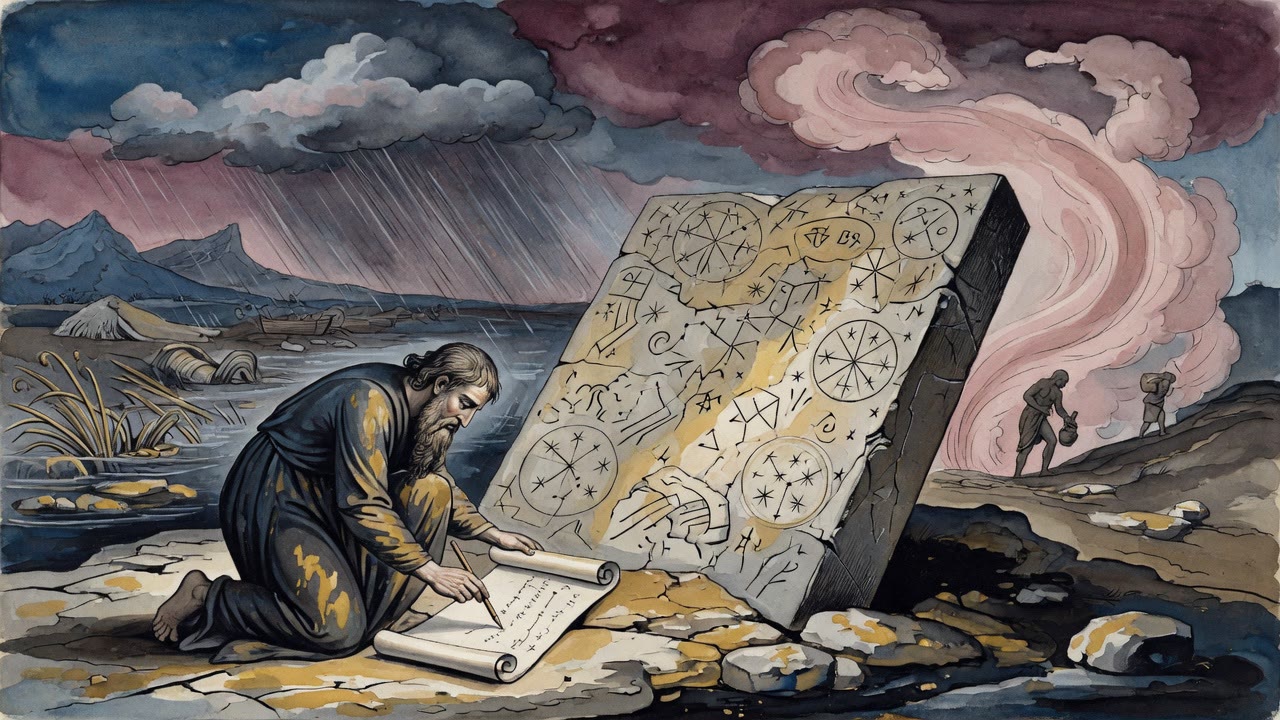
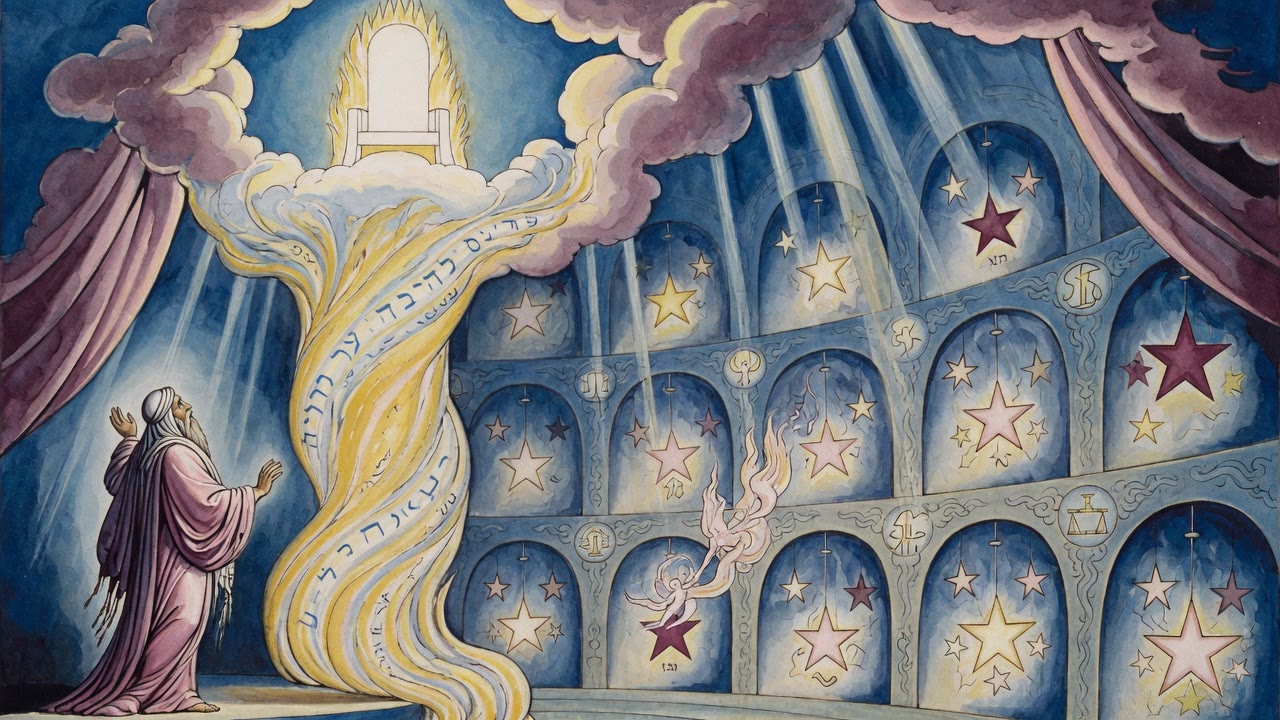
Enoch had written it all down. Every sign of heaven arranged in the order of their months, the seasons of years laid out in their separate cycles, the turning of the stars and what each turn meant for the lives of men below. Three hundred and sixty-six books in total, one for each day of the solar year he had measured and recorded while the angels showed him what lay beyond the firmament. He had been the first to learn this reckoning, and now he was passing it to them.
He told them what he had seen above the sky: the places of sun and moon, the storehouses where snow and ice are kept, the deep places where hail waits for the day it will be needed. He told them about the treasuries of lightning and the chambers set aside for the winds that blow from each direction. He had walked through the ten heavens and understood why each one was made. That understanding was in the books. The books were all he could leave them.
What He Said About the Earth
He told his sons not to be afraid of the knowledge. It was given to protect them. The reckoning of time was the foundation of righteous living, because a man who does not know when the festival falls cannot keep it, and a man who does not keep the festivals has broken his bond with the order of creation. Enoch had spent his life studying that order so that his descendants could live inside it without stumbling.
He told them the earth was established on a fixed foundation, that the sun completed its circuit in exactly the way it had been assigned from the beginning, that nothing in the heavens wandered by accident. He pressed a finger to the page where the circuit was drawn and held it there until their eyes followed. Not as comfort, but as instruction. The world had a pattern. You had to know the pattern to walk through it correctly.
The Blessing Before He Left
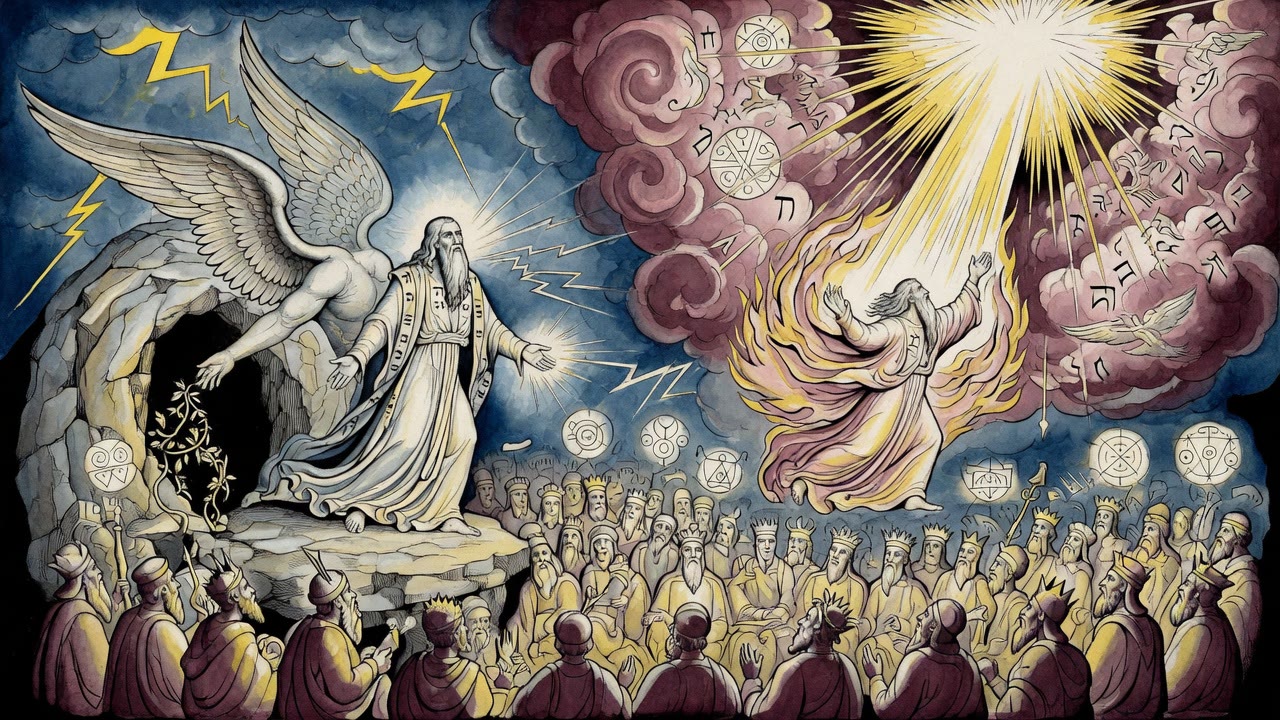
Methuselah, the eldest, stood closest. Enoch looked at him for a long time. He would be the one who continued the line, the one who would face the earth without the protection of a father who walked with God. Enoch blessed him and his brothers each in turn, laying hands on their heads in the old way, the blessing pressing down through the palms like warmth from a fire.
He told them to pass the books on. He told them to guard the reckoning of time against those who would distort it, who would add days or subtract days according to their own convenience, who would let the sacred calendar drift until the festivals fell out of alignment with the seasons. That drift would be a kind of death for the knowledge he had spent his life gathering.
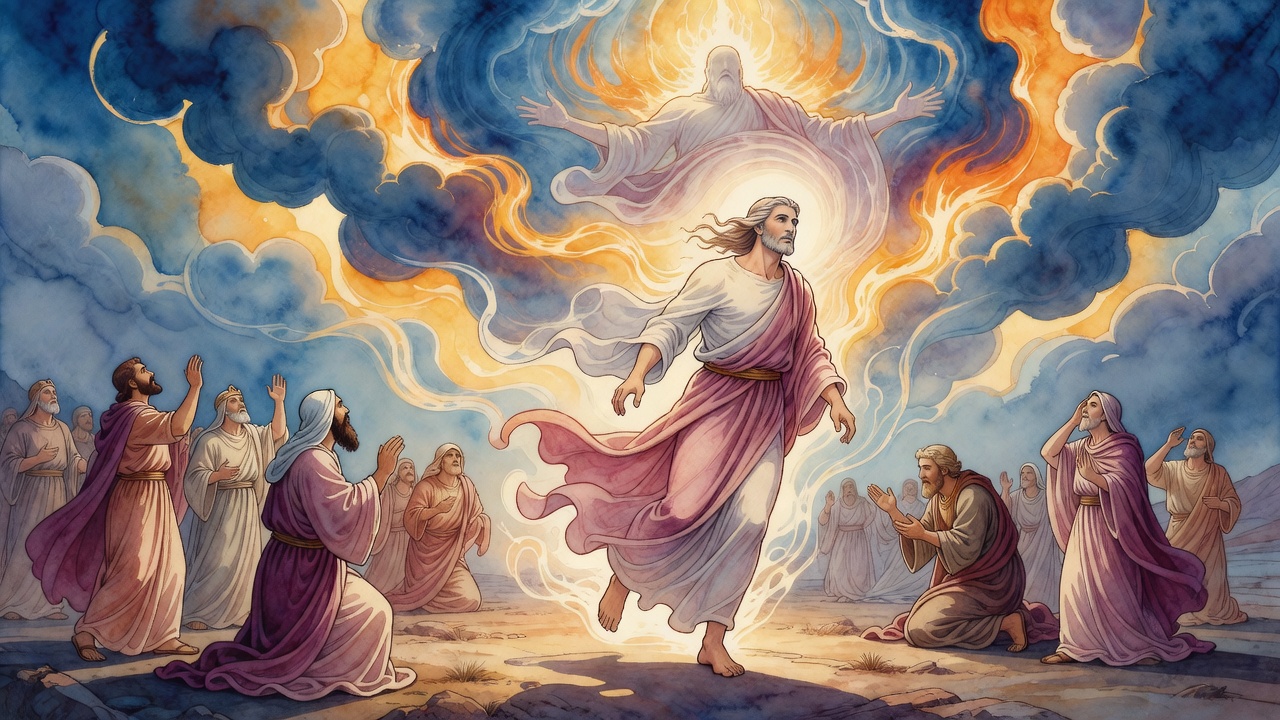
Then the night ended. The angels came. Enoch walked out into the morning air and did not come back.
← All myths