Jacob Called Benjamin a Ravenous Wolf and Named Two Rulers to Come
Judah led Benjamin by the hand into the Egyptian's hall. By night the silver cup was in the boy's sack, and his brothers beat him in the road.
Table of Contents
 Click for full size
The Cup in the Youngest Sack
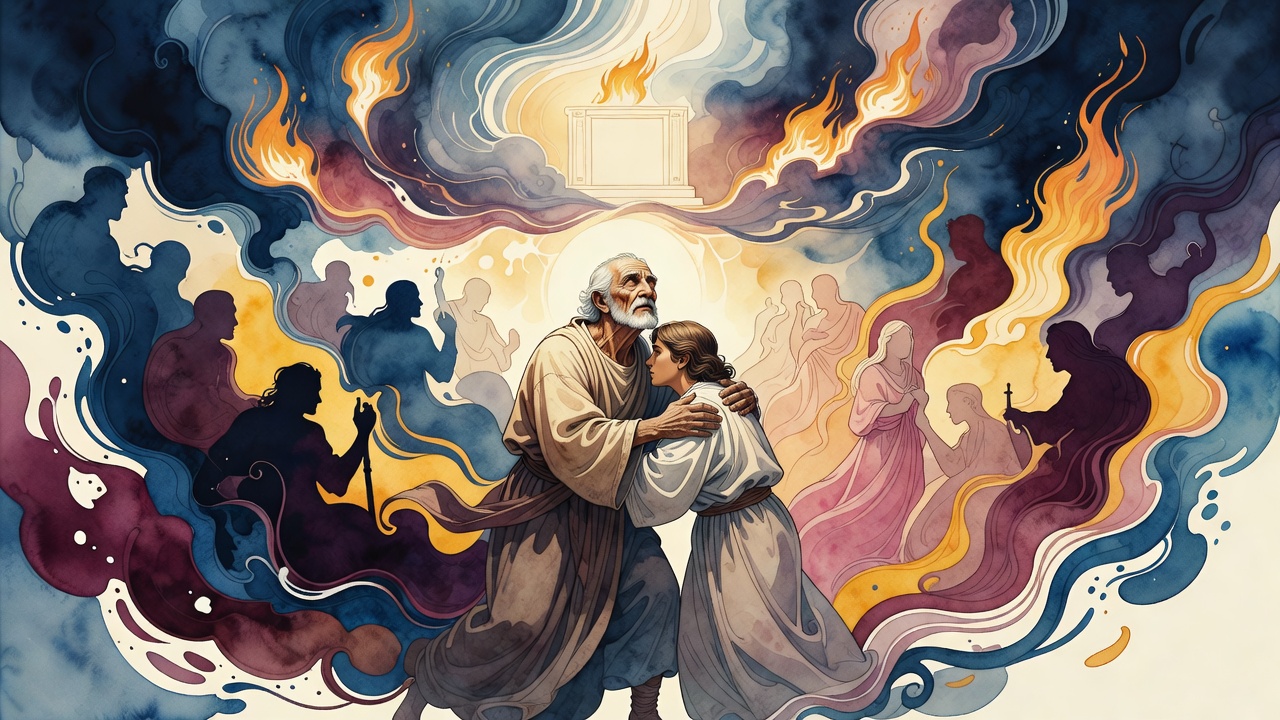
Judah took Benjamin by the hand and led him before the Egyptian lord. The brothers bowed to the ground. They had brought gifts, and they had brought the silver that had come back in their sacks the last time, and they were still afraid. The man at the table asked if their father was well. Judah put a letter from Jacob into his hand.
The Egyptian read his father's writing, went into an inner room, and wept a great weeping. He came out, put his hand on Benjamin's head, and said, "May God be gracious unto you, my son." Then he saw the son of his own mother and had to leave again to weep and wash his face.
He had a cup of silver, inlaid with onyx and bdellium. He struck it in their sight and seated them by their births. He set Benjamin beside him on the throne, as if the youngest had no brother in the room. They ate. They would not drink wine. They said they had not touched it since Joseph disappeared. He pressed them until they did.
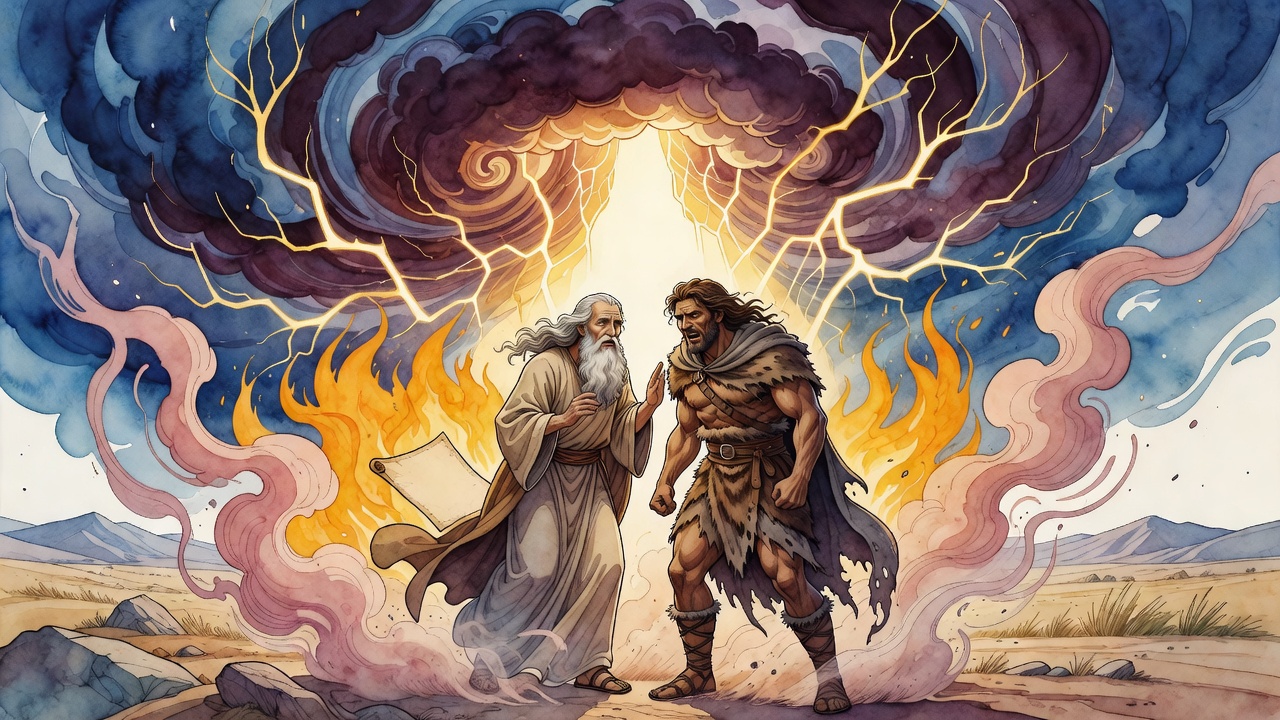
The next day the cup was in Benjamin's sack. An officer caught them on the road. The brothers tore their clothes and beat Benjamin there in the dust, the pack turning on the one who had been too young to sell anyone. They went back to the city. The Egyptian seized Benjamin and locked the others out. Prey, in the morning of his life, with his own brothers' hands on him.
Jacob Named Him a Wolf
Years later Jacob was dying in Egypt, moving through his sons. He had already spoken to Reuben, to Simeon and Levi, to Judah with the scepter. He came to his youngest.
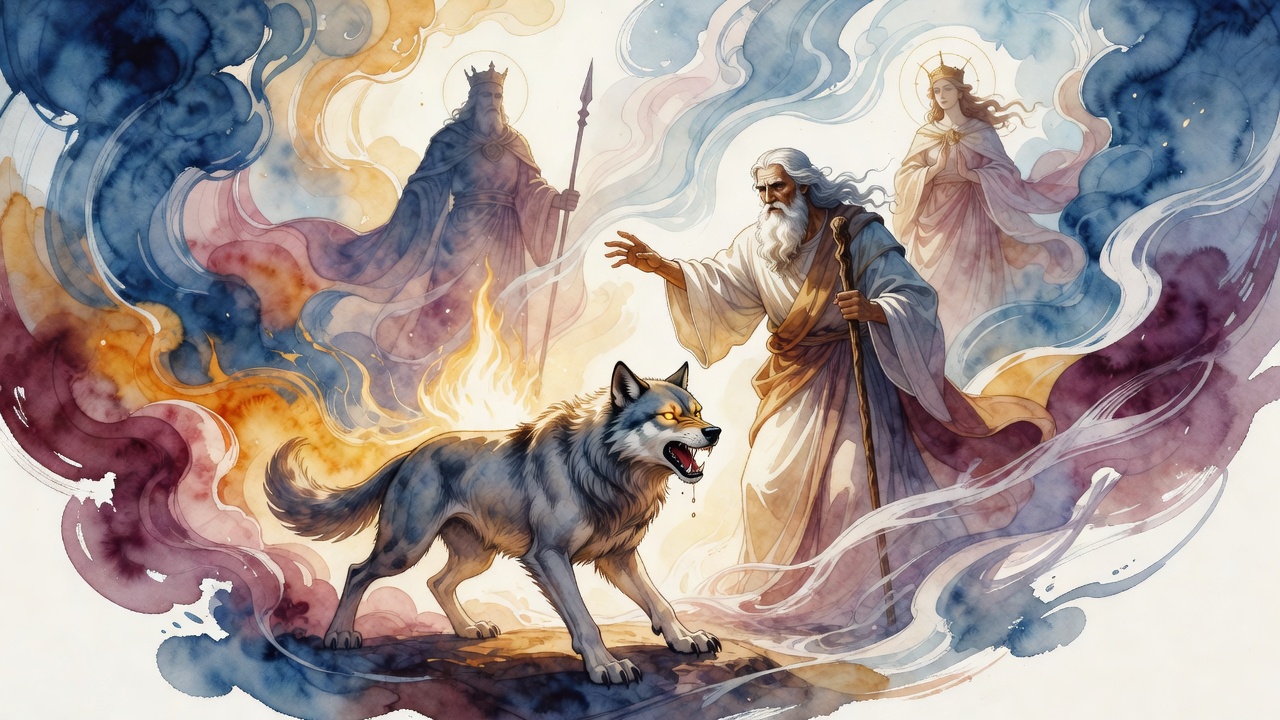
He did not call Benjamin beloved. He called him a ravenous wolf. "Benjamin is a ravenous wolf. In the morning he devours prey, and at evening he divides spoil" (Genesis 49:27). No softening. No note of the boy who had sat in the house of study while the others went to the field. A predator, named in two hours of the day.
Benjamin had already been prey in an Egyptian hall. His father, who knew that story now, still put a wolf's mouth on him. The youngest who had never closed his hand on Joseph would not stay the hunted one. Morning and evening were still ahead of the tribe that would come from him.
Saul Left Agag Alive
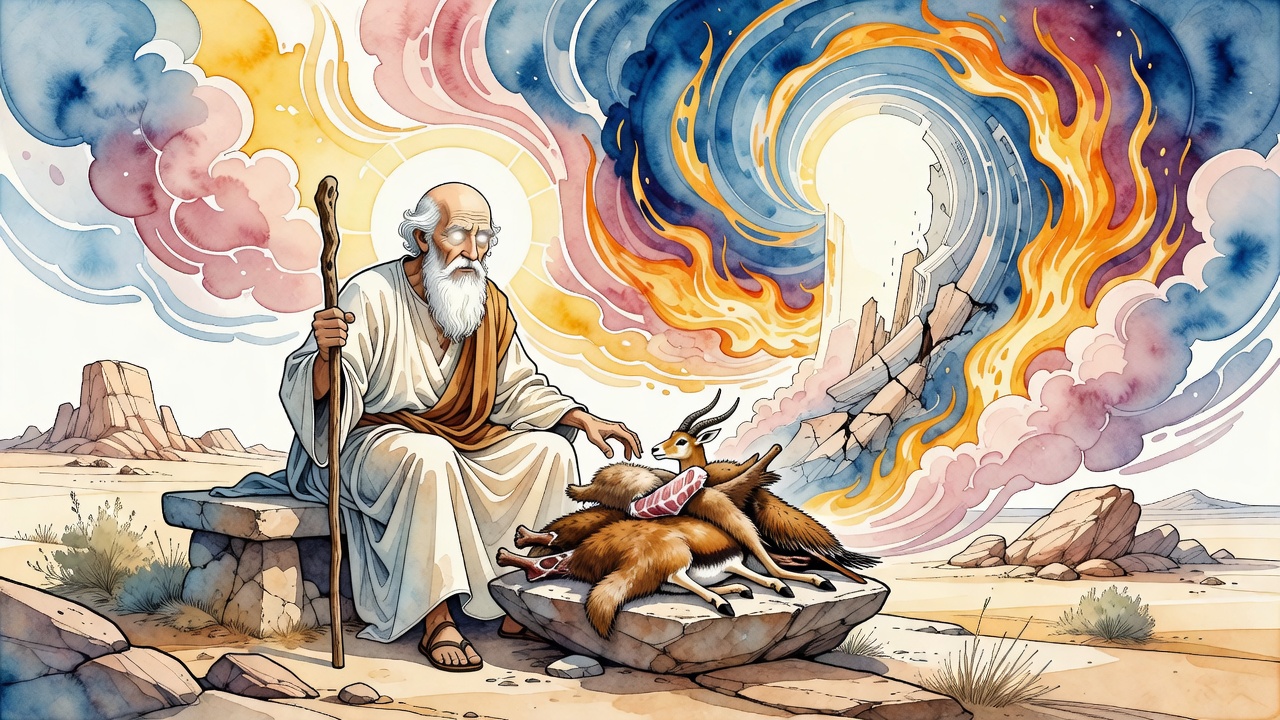
In the morning of Israel's kings, Saul rose from Benjamin. He went out against the Philistines and against Amalek. God had told him to destroy Amalek entirely, to take nothing. Saul came back with Agag the king and with the best of the livestock. He had eaten, and then he had held some of what he had eaten.
Agag lived long enough to leave a line. From that line, in a later century, came Haman, who would try to wipe out Jacob's whole house in Persia. The morning wolf had been hungry and then not hungry enough. The unfinished war sat in the world like meat left on a bone.
Esther Took the House at Evening
In the evening a queen from Benjamin entered the court of Ahasuerus. Esther had been an orphan in Mordecai's house. She did not tell the palace who she was. She waited. When Haman's decree came, the decree written by a man of Agag's seed, she moved.
She divided the spoil. The property of Haman's household was given to Mordecai. The offices he had held were handed to the people he had meant to kill. The queen in Shushan finished what Saul had left undone. Morning had taken prey and left a remnant. Evening split that remnant and gave it away.
Two from one tribe, a king at the start of the monarchy and a queen in a foreign palace, and between them the same enemy, kept alive too long and then brought down at last.
The Altar on His Land
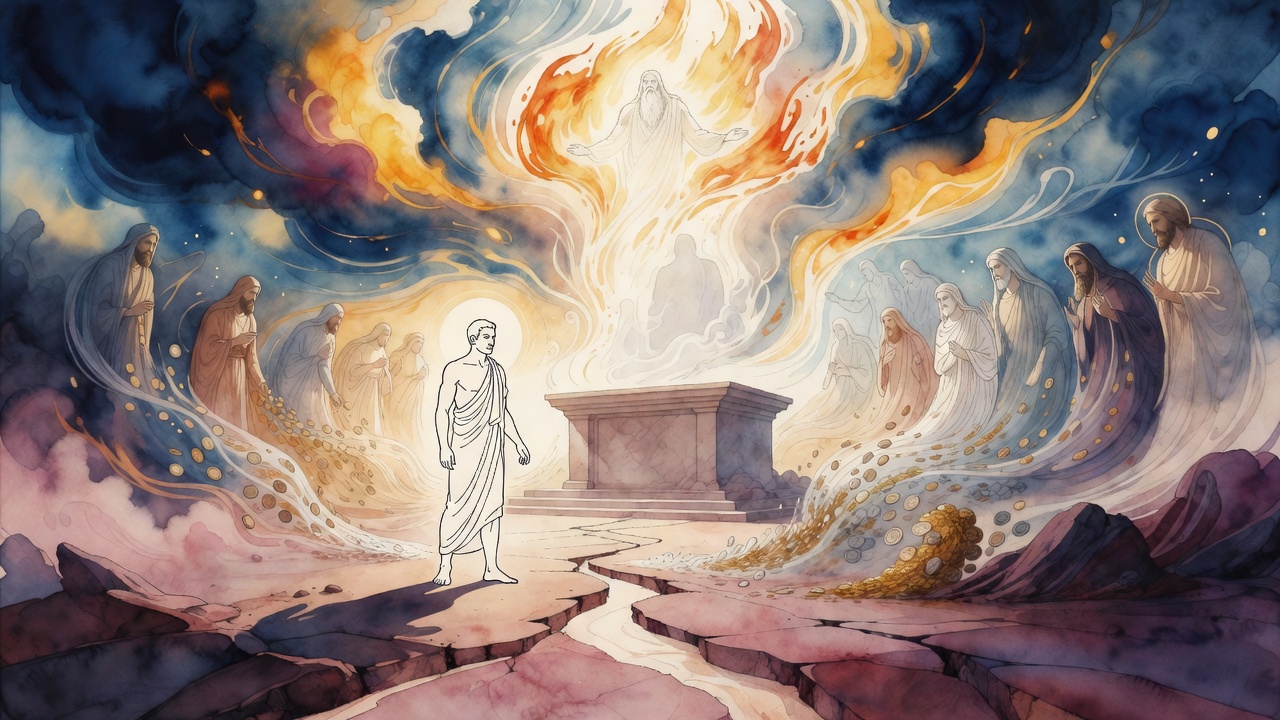
The Temple in Jerusalem stood on the border between Judah and Benjamin, and the altar itself sat on Benjamin's side. Two lambs a day went up from that stone, one in the morning and one toward dusk, the same two hours Jacob had put in the blessing.
Benjamin had been the only brother at the deathbed who had never wronged Joseph. He had been too young for the sale. He had been struck on the road to Egypt and had answered once, then gone silent. Of Jacob's sons, his hands were the clean ones. The Shekhinah (שכינה), the divine presence, rested on his land because that land was the one it could rest on without the sale in the soil.
The boy the brothers had beaten over a planted cup became the tribe that kept the altar, the first king, and the queen who took a house at night. Jacob had looked at him and said wolf. The name held.
← All myths