76 myths · Page 1 of 3
Each story names the sources it was written from.
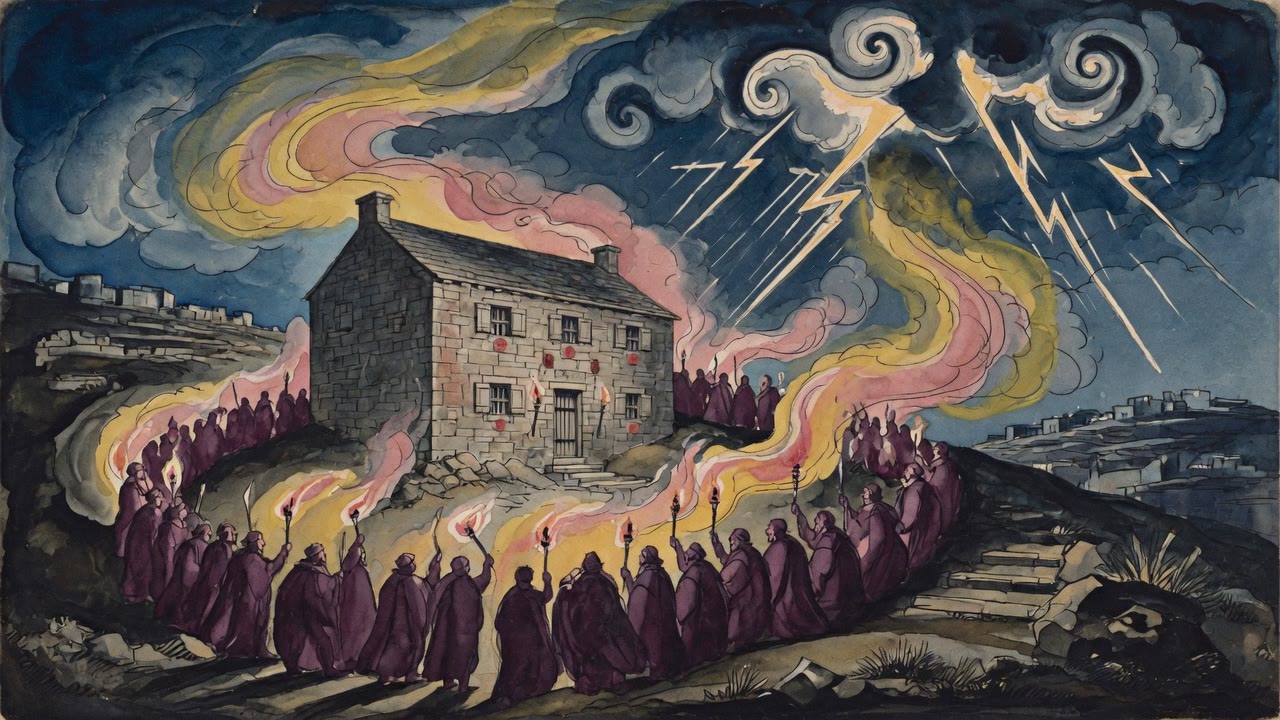
The Levite refused to stop for the night in a foreign town. He pushed on twenty furlongs to sleep among his own people, and that is where it happened.
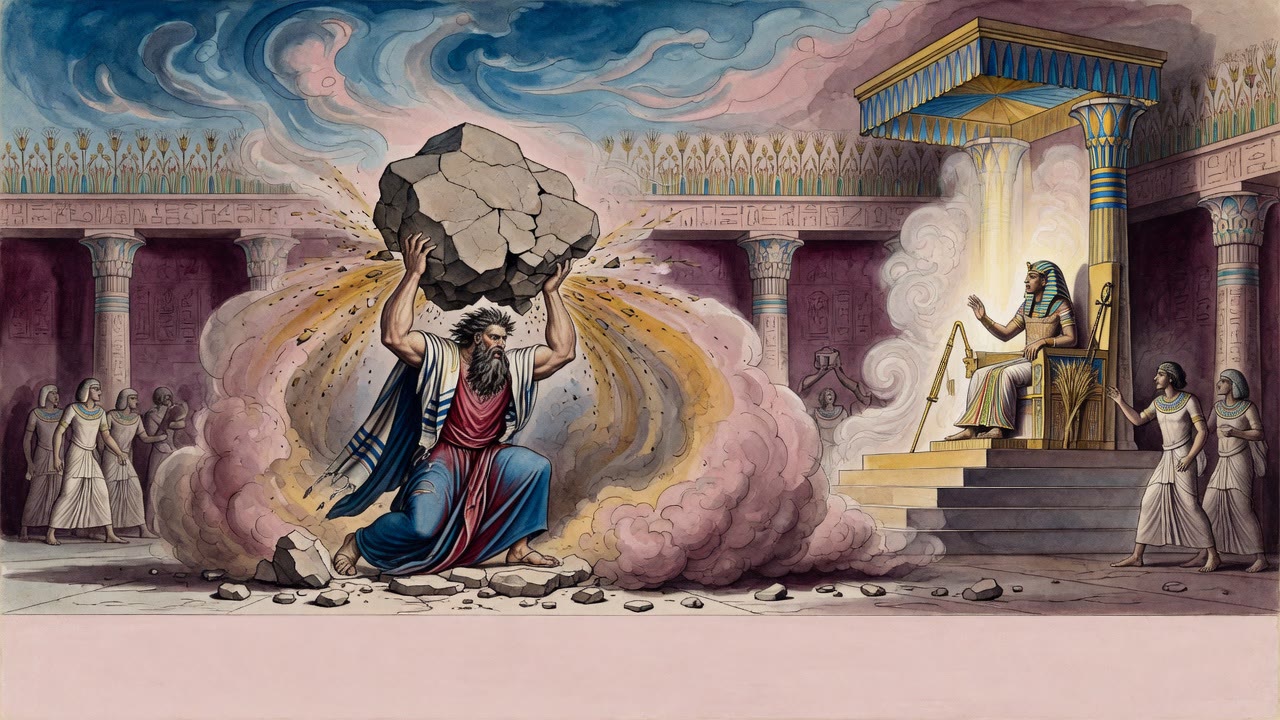
The other brothers stood back and let the two of them go at it. Angels came down out of heaven to watch, and called it a bull against a lion.
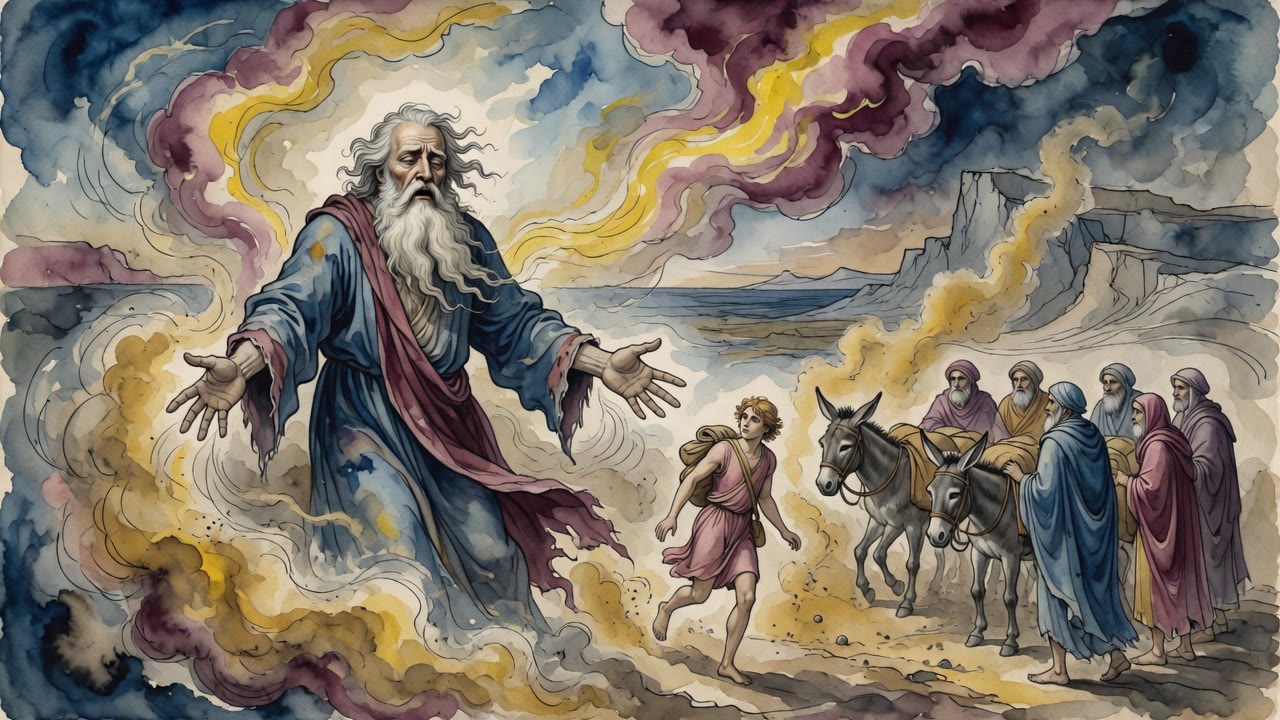
Benjamin was the last son Jacob could bear to lose. When famine pressed hard enough, even a father twenty-two years into grief had to open his hands.
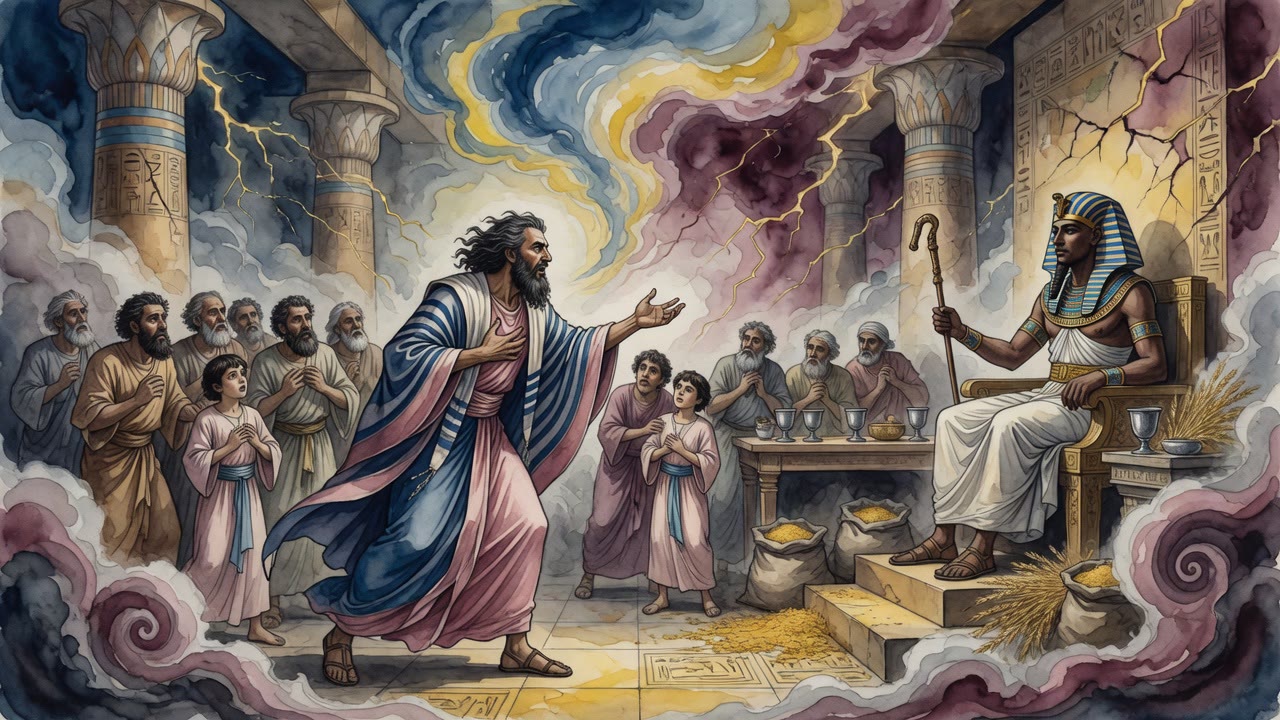
Nine brothers agreed to leave the boy in Egypt. Judah put bars of brass between his teeth, bit down, and spat the metal out as powder.
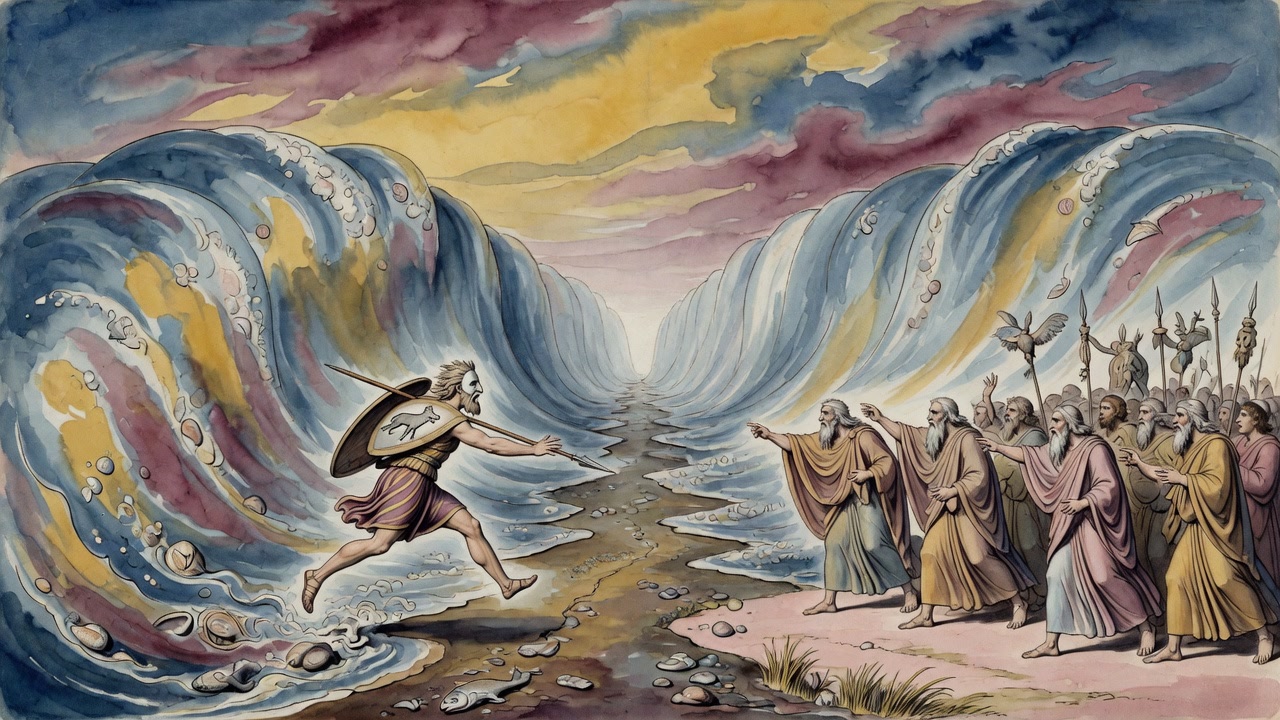
The tribes argued at the water's edge over who would lead Israel into the divided sea. Benjamin acted while they were still talking. Judah threw stones.
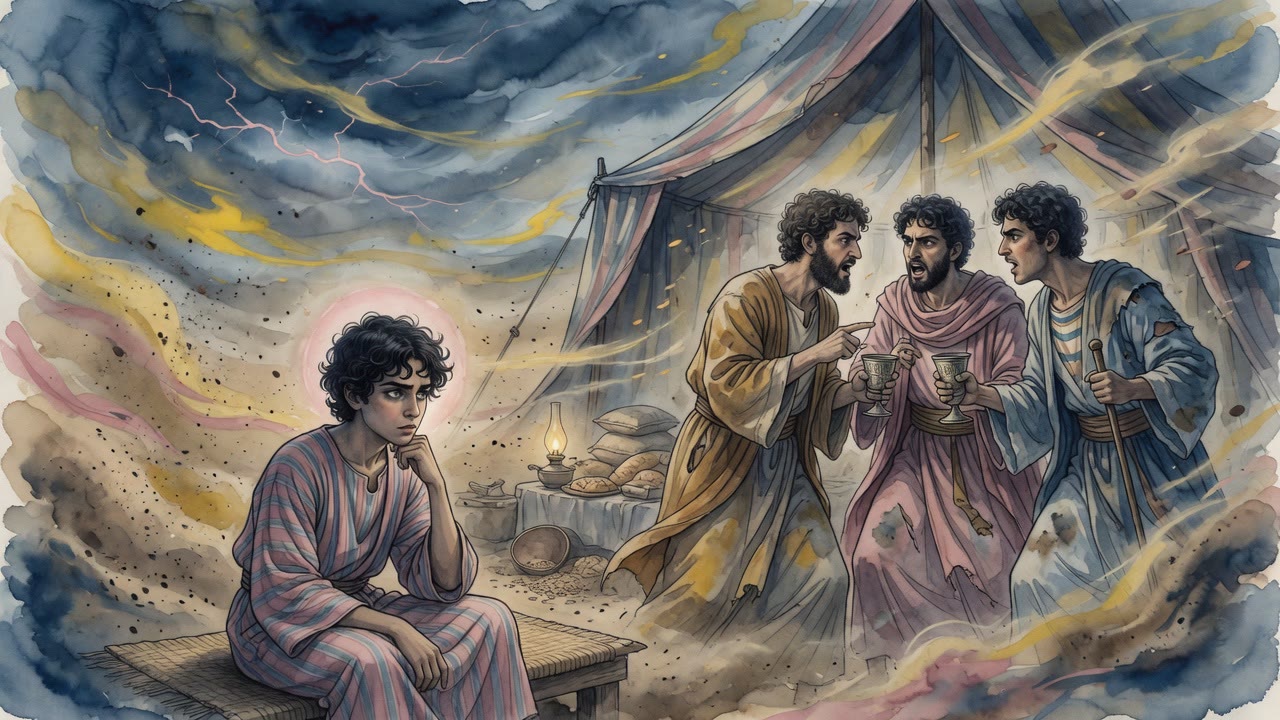
When Benjamin went to Egypt, Joseph pulled him aside and asked what their brothers had told Jacob. The answer revealed a mercy his brothers never knew about.
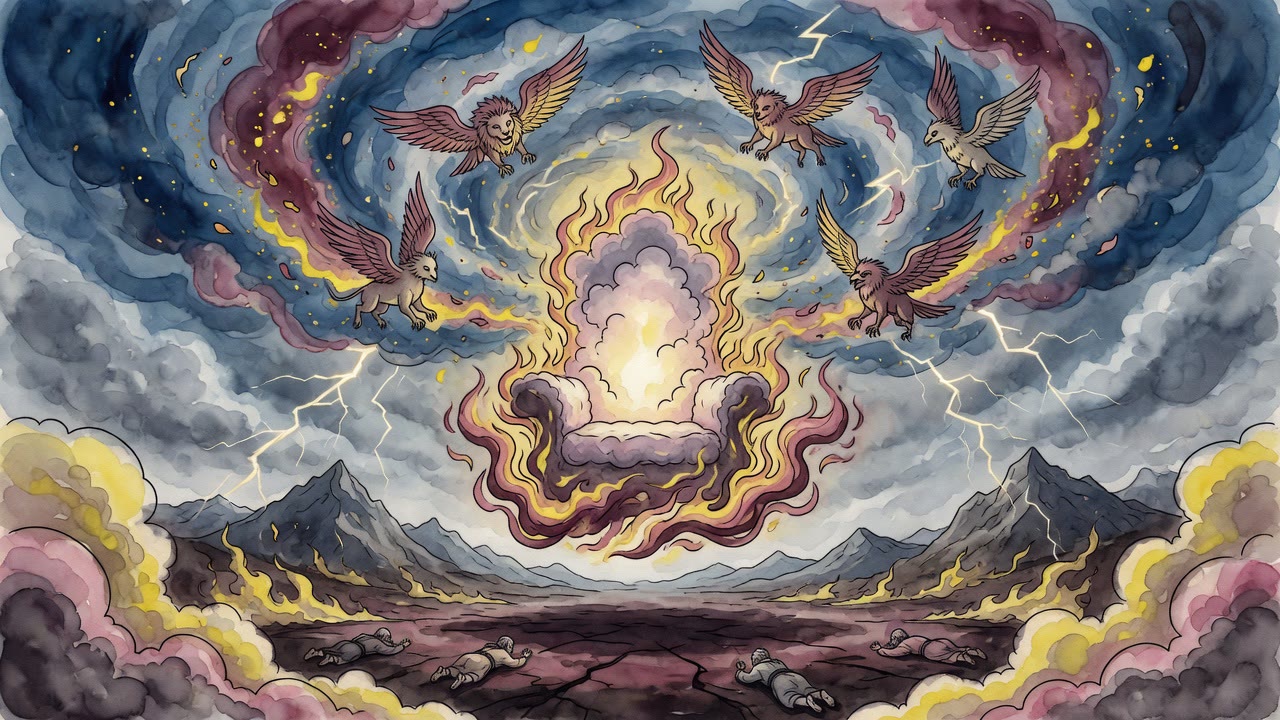
Benjamin was trapped, Joseph was hidden, and Judah stepped forward. The brothers had to answer for the sale they buried.
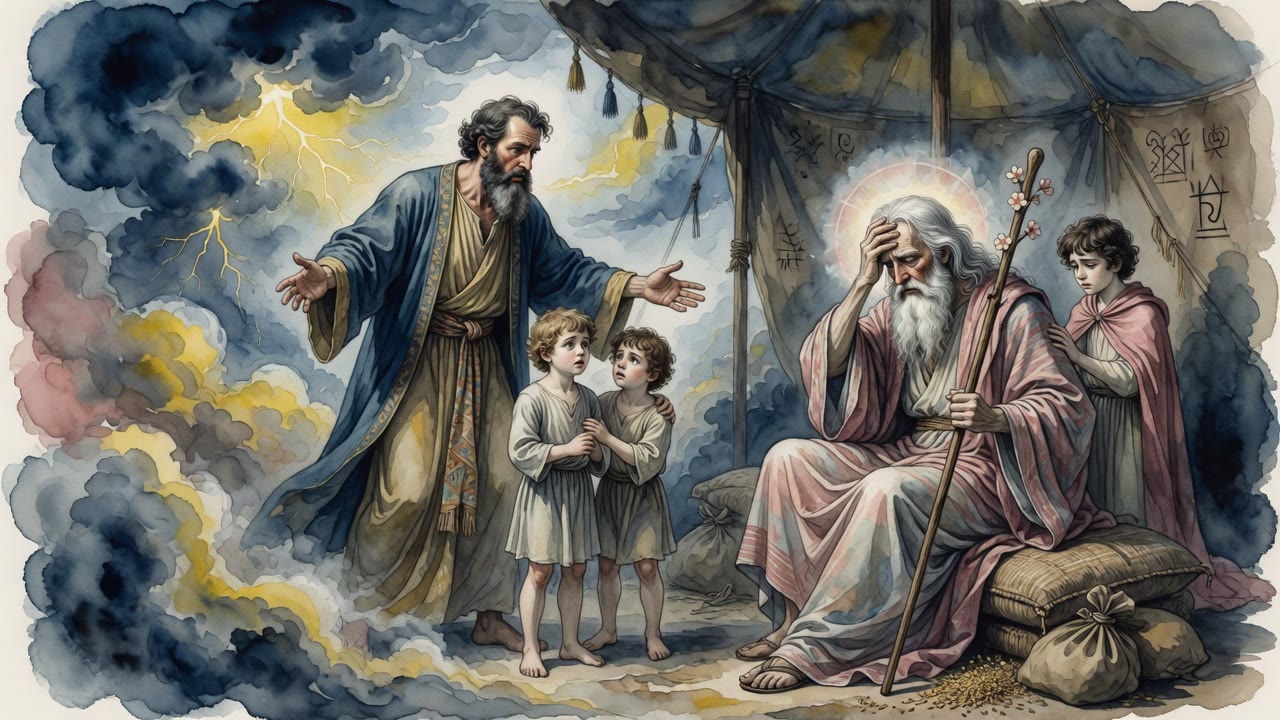
Joseph is gone, Jacob said, and you would take Benjamin. Reuben put his two sons forward as if they could fill that hole.
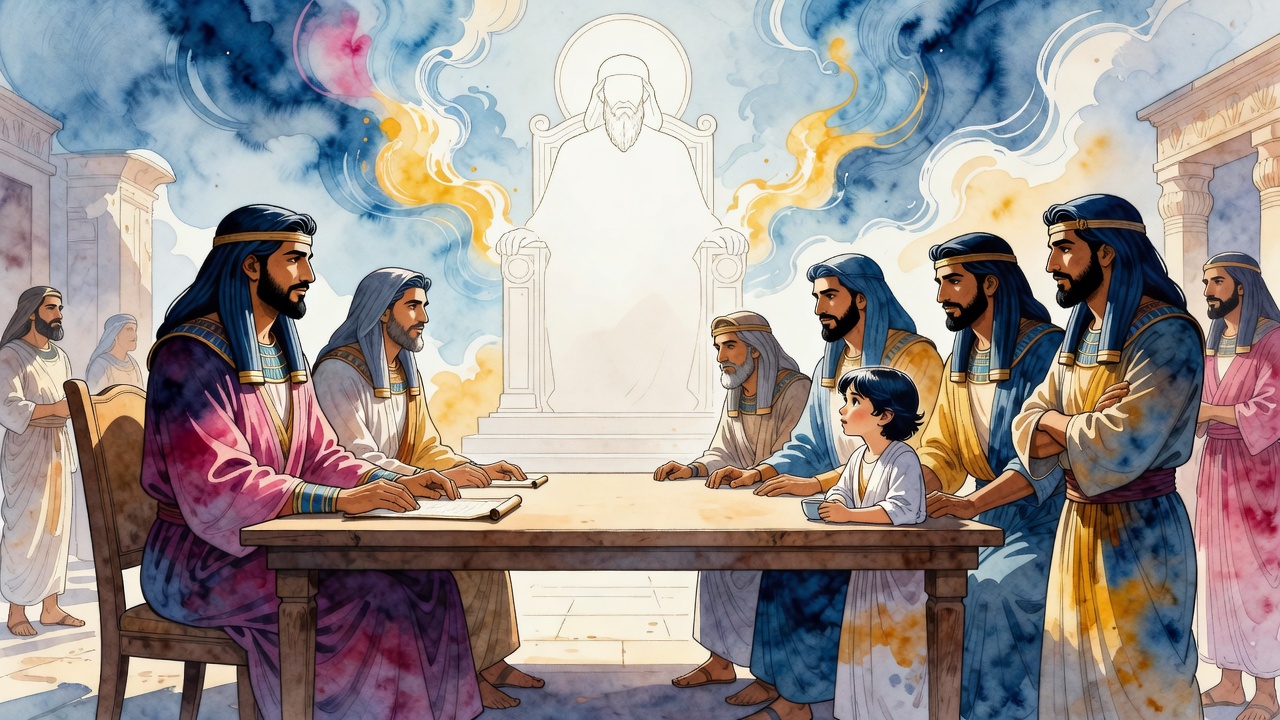
Joseph seated Egypt, himself, and his brothers apart, then listened for the truth. Benjamin would reveal whether the old cruelty had died.
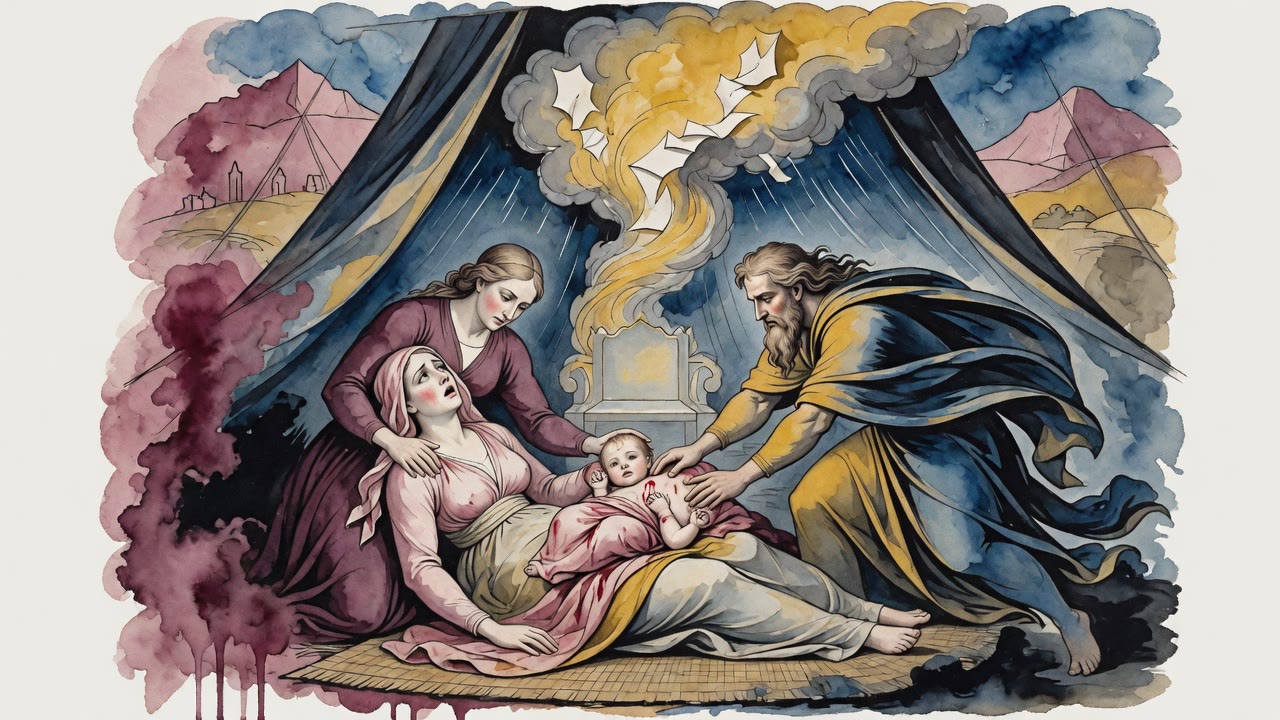
Rachel's last act was to name her son for her own grief. Jacob renamed him immediately. The Torah kept both names and refused to choose between them.
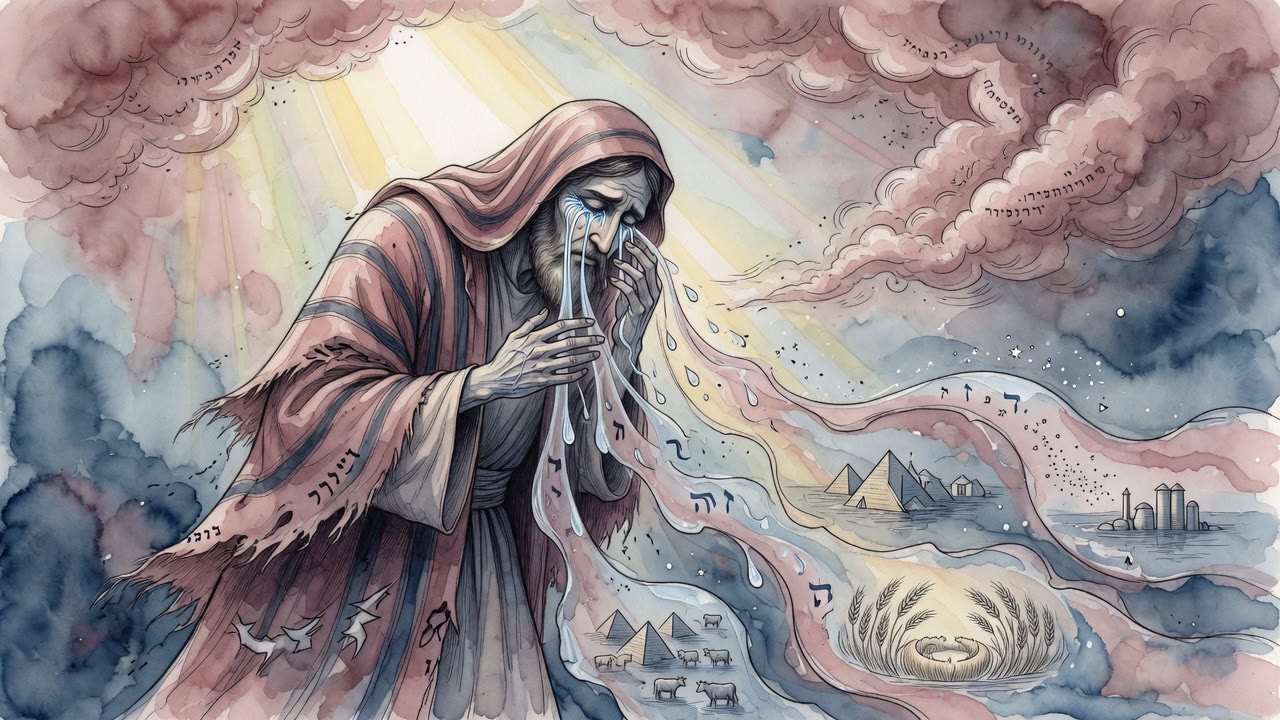
Three times Joseph excused himself from the table to cry in private. His brothers thought nothing of it. The tradition knew he was seeing centuries ahead.
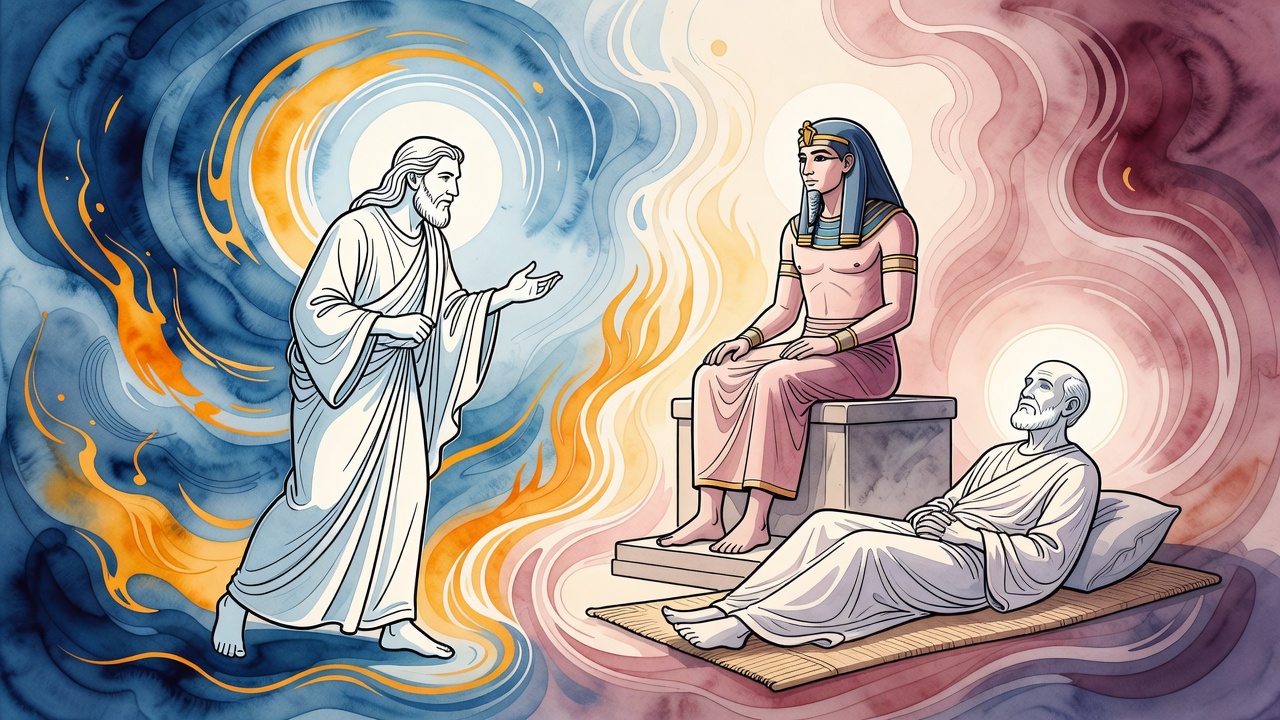
Judah did not kneel. He named the kings who had taken women from this family, and the viceroy who held Benjamin had to keep his face still.
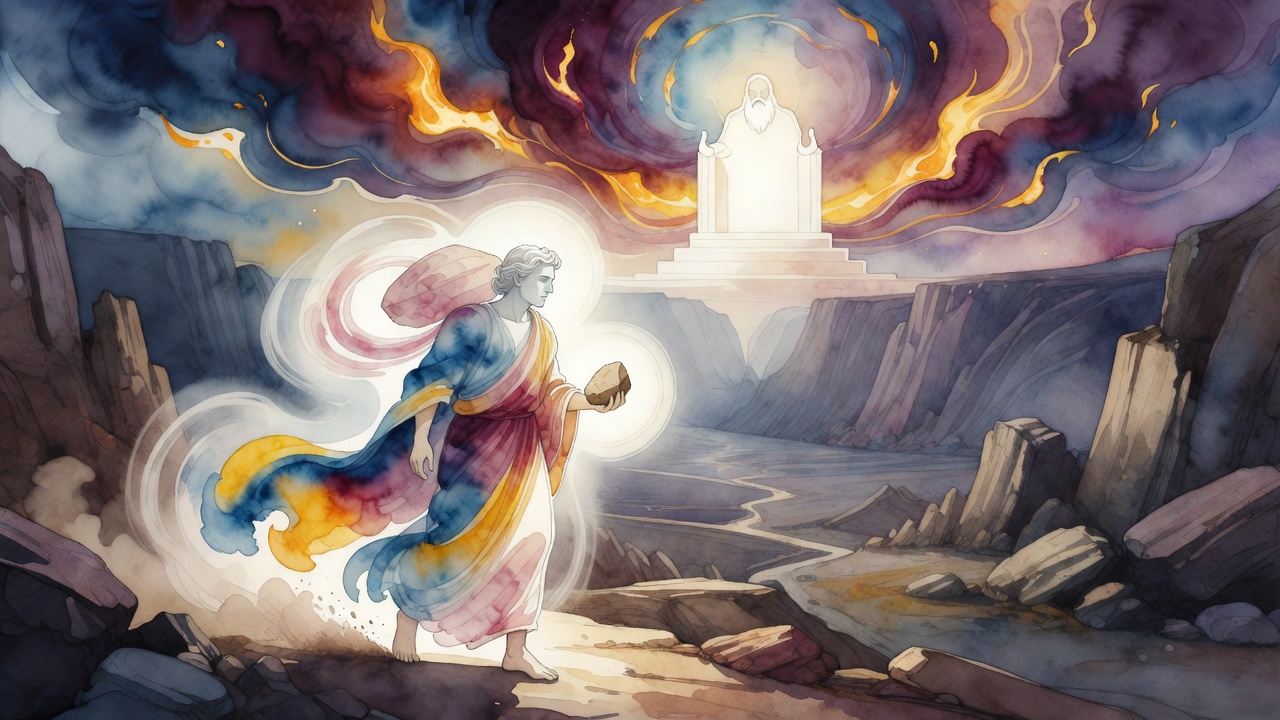
Goliath wanted Saul, not a shepherd. David walked into the valley with a sling, and the ground would not let the giant run.
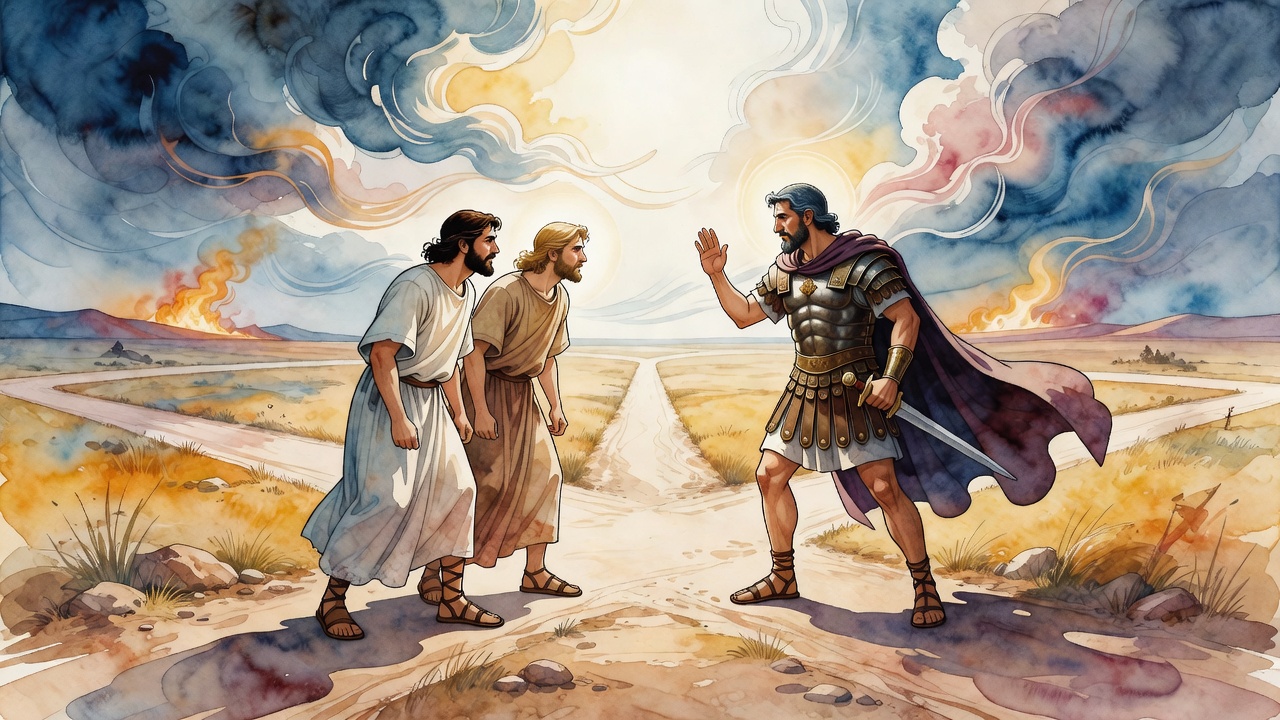
Two students of Rabbi Yehoshua disguised themselves in Roman dress. An officer who had heard the rabbi teach stopped them at a crossroads.
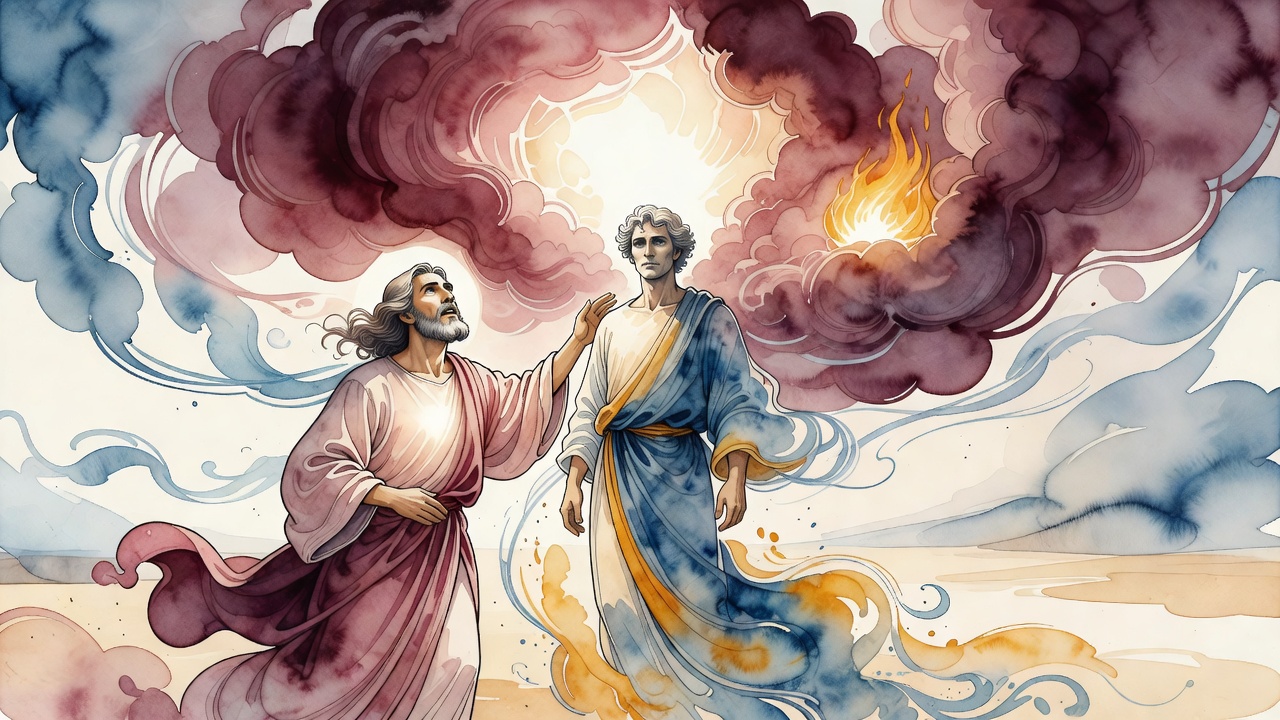
The last sacks were empty. Judah put his own life up for Benjamin, and Jacob still had to send the boy into Egypt. He prayed first.
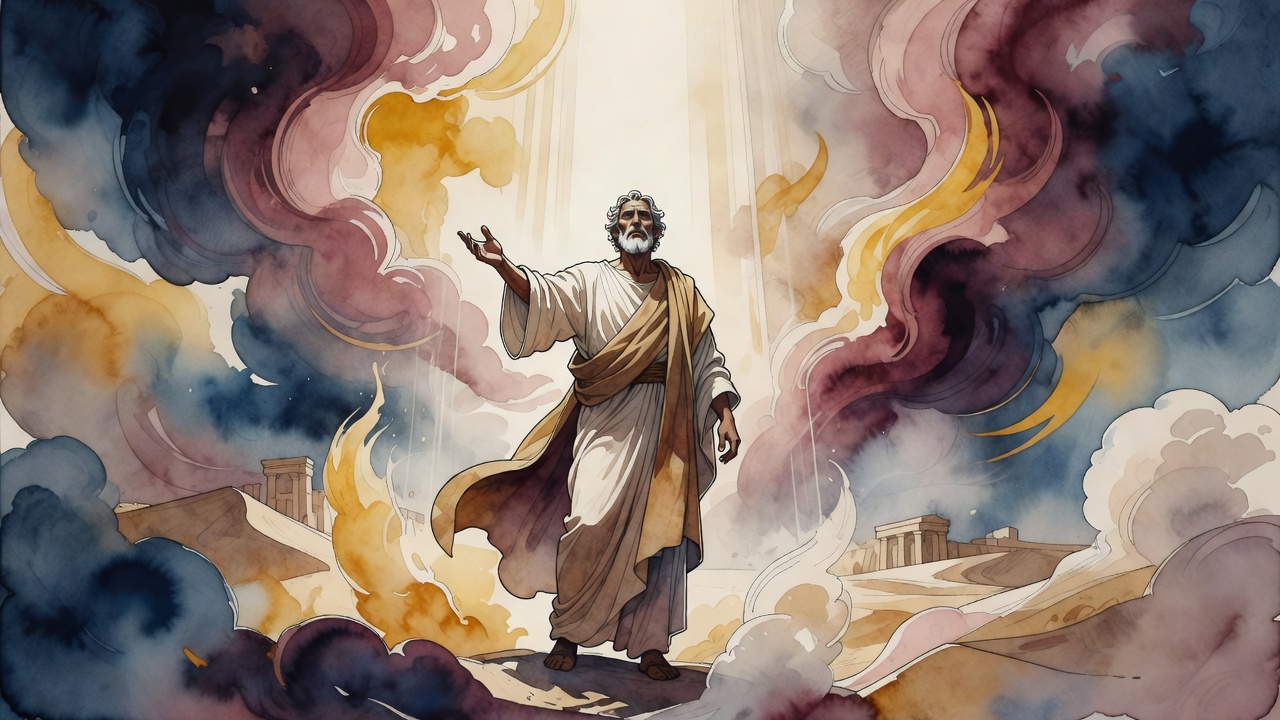
The silver cup came out of Benjamin's grain in the Egyptian court. Judah did not offer his sons. He put his own life in the gap.
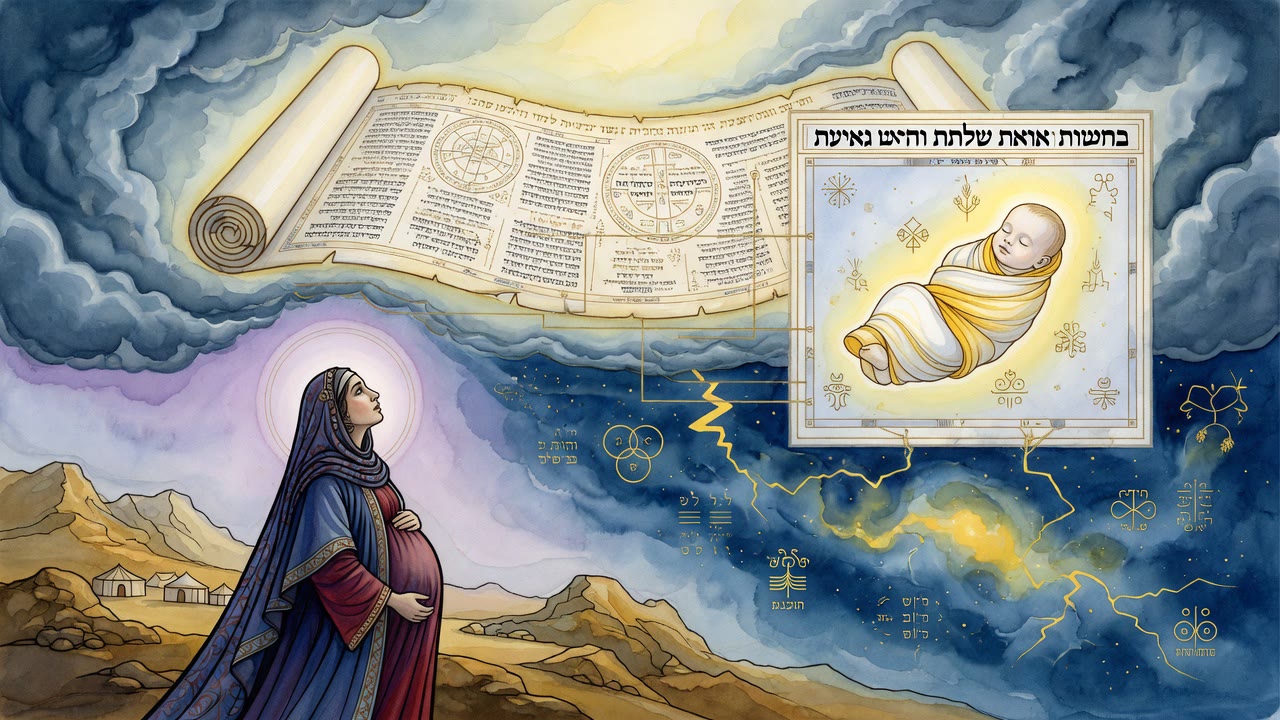
Rachel died in the night on the road to Bethlehem. She named the boy Ben Oni with her last breath. Jacob renamed him and built a pillar over her grave.
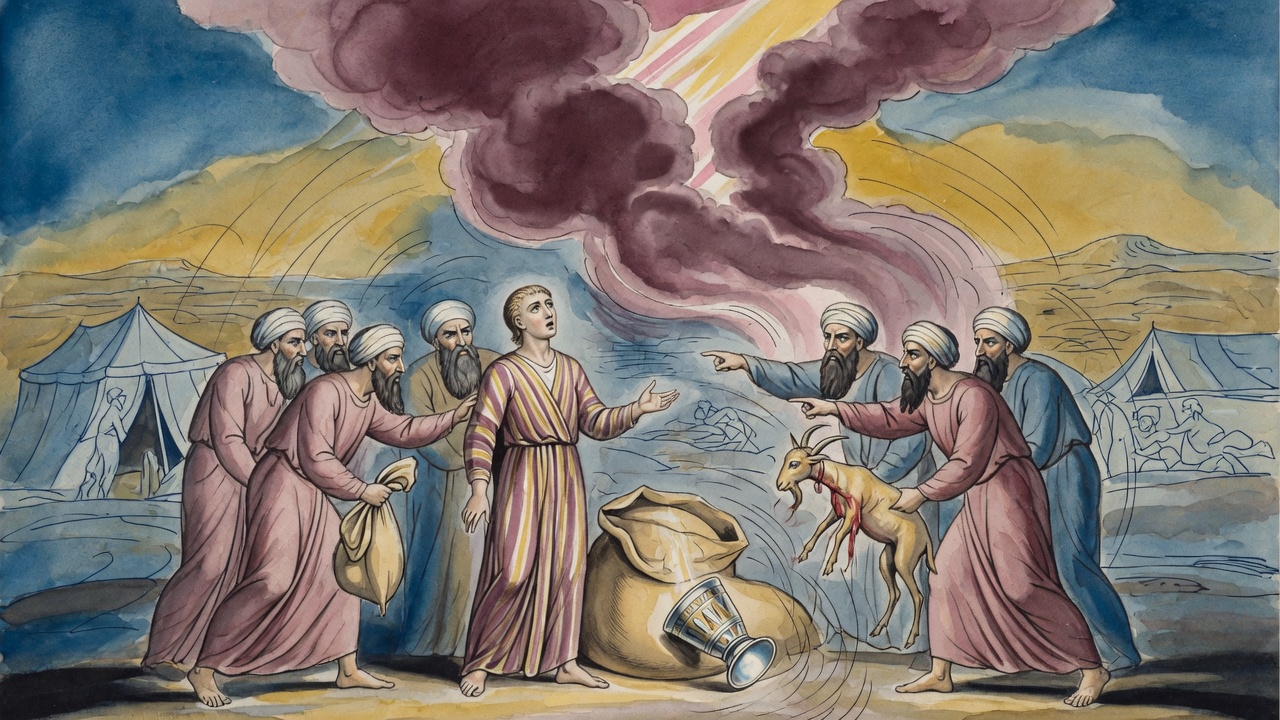
They called him thief, then they called his mother a thief. Benjamin asked about a kid of the goats and a coat soaked in blood.
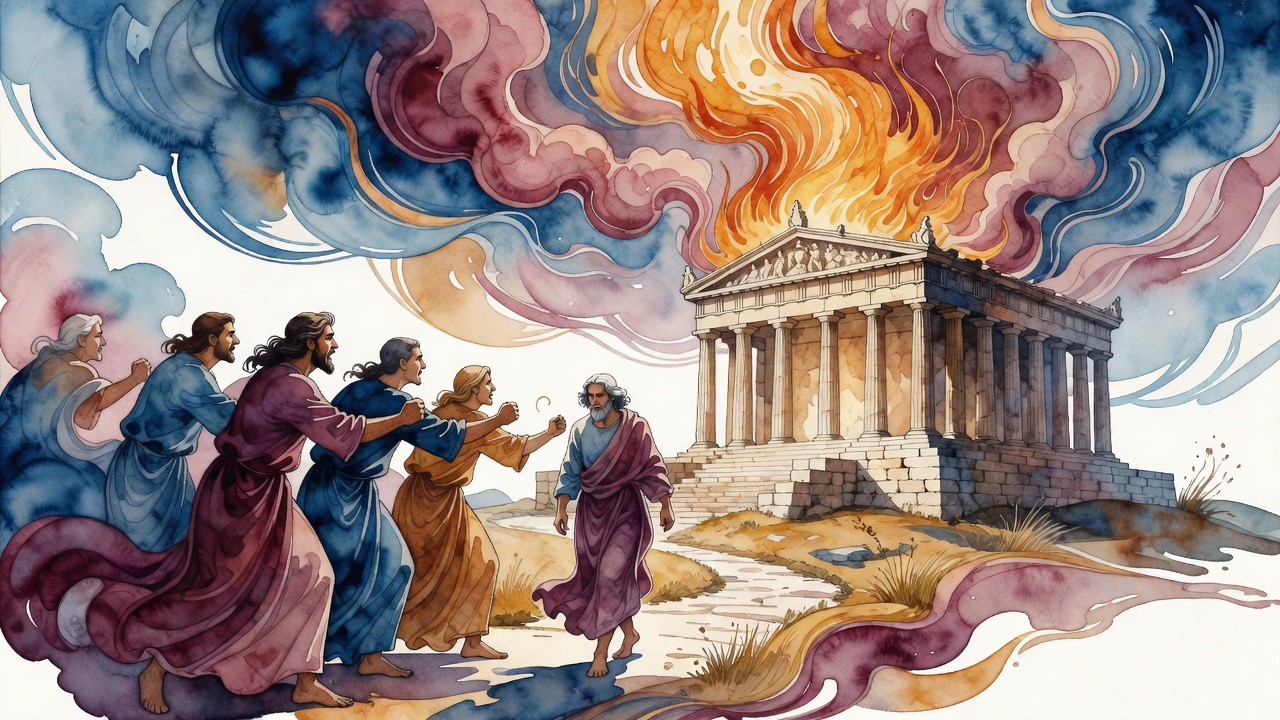
They struck him on the shoulder all the way back to the city. He had already named their crime once. He did not name it again.
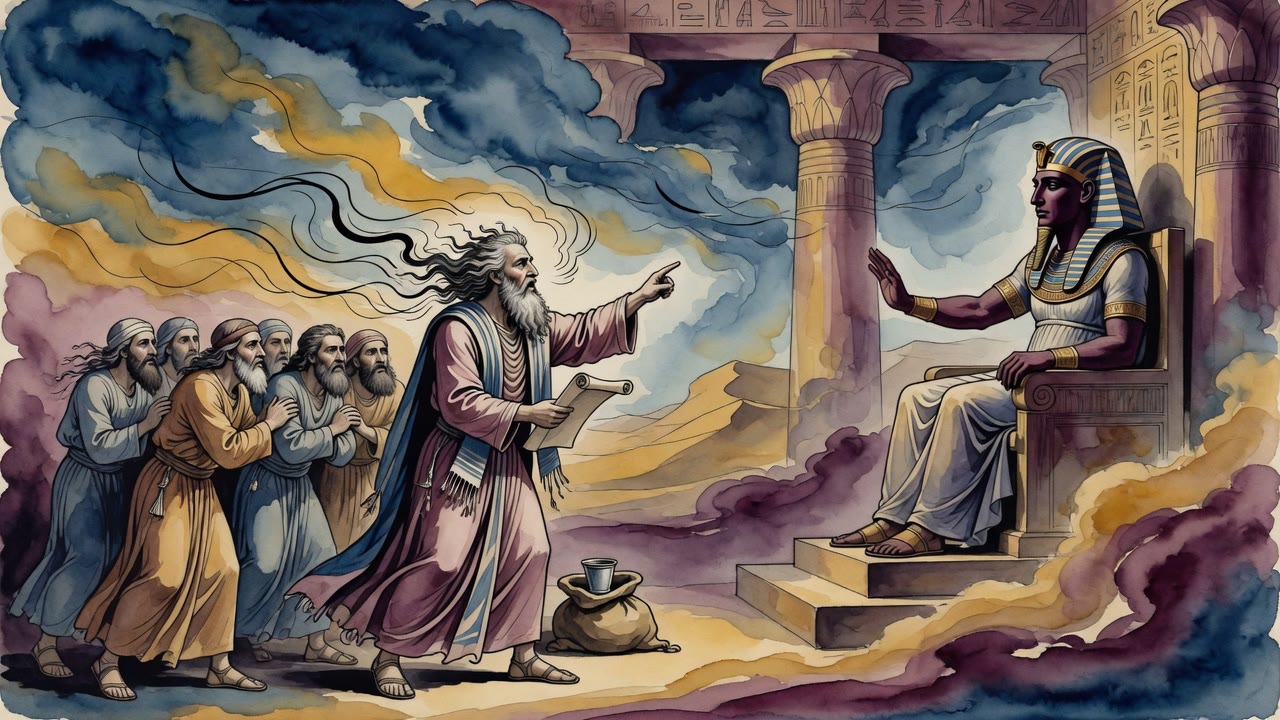
Standing before Egypt's Viceroy, Judah invoked the law of companions taken together. Joseph answered that only the one who stole should remain.
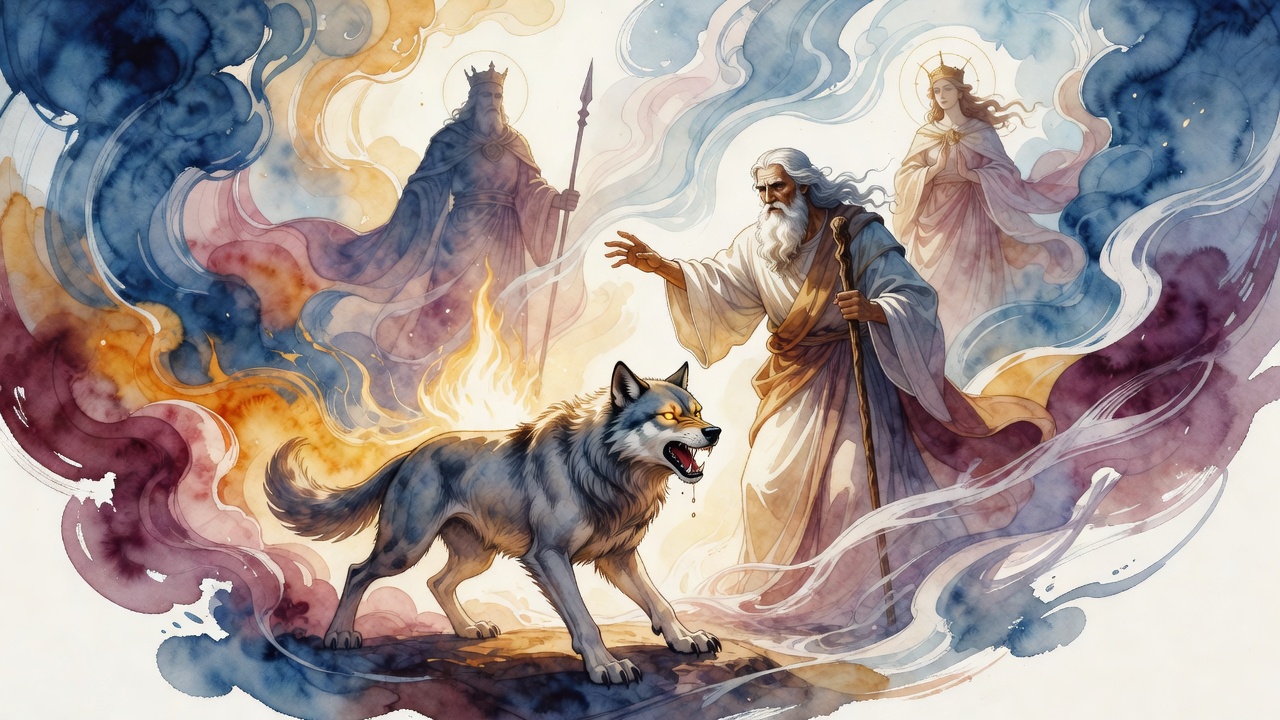
Judah led Benjamin by the hand into the Egyptian's hall. By night the silver cup was in the boy's sack, and his brothers beat him in the road.
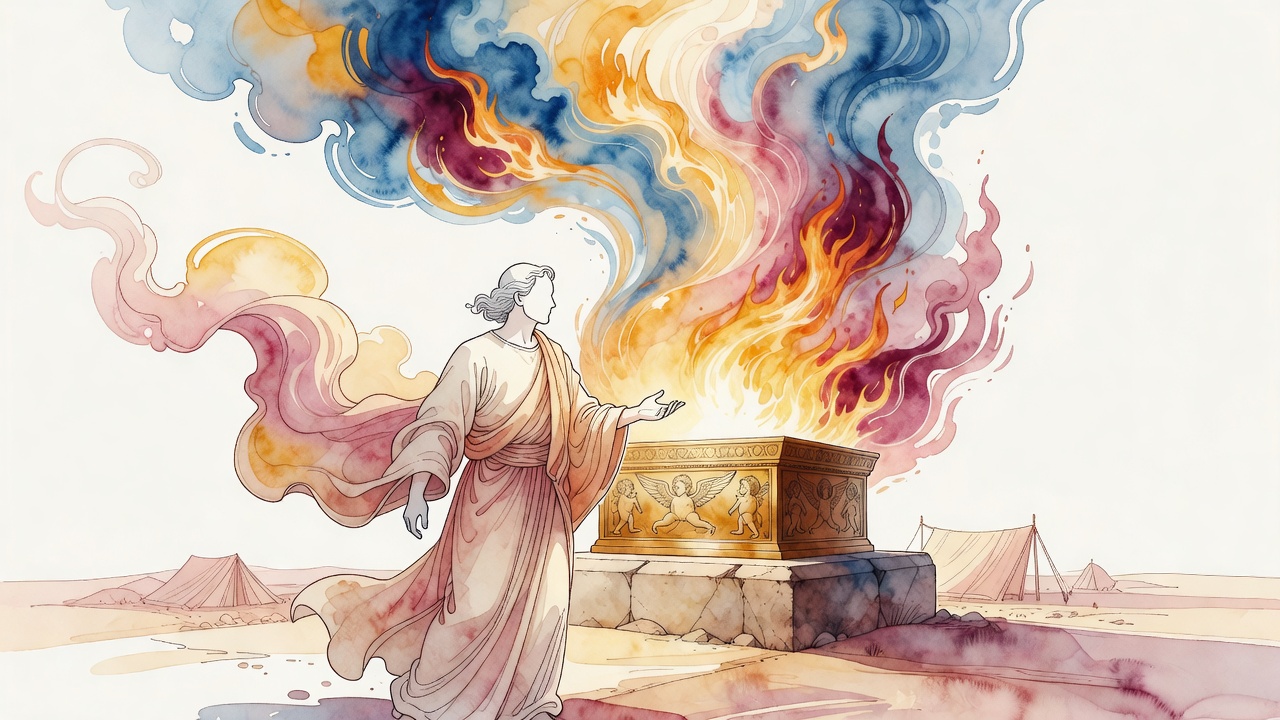
The oracle had said go forward. Two campaigns later the dead were stacked, and Phinehas stood at the Ark and asked why God had sent them.
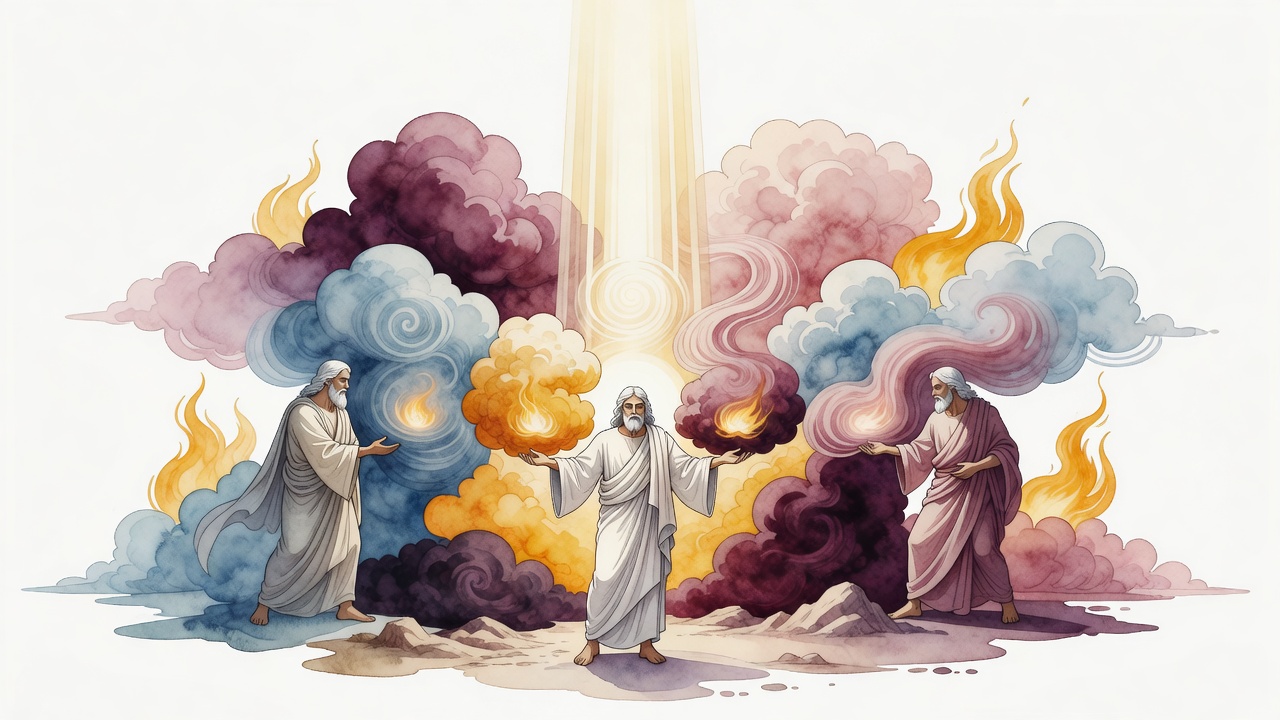
The Egyptian governor made small talk with the youngest brother. How many sons do you have? Ten. And what are they called?
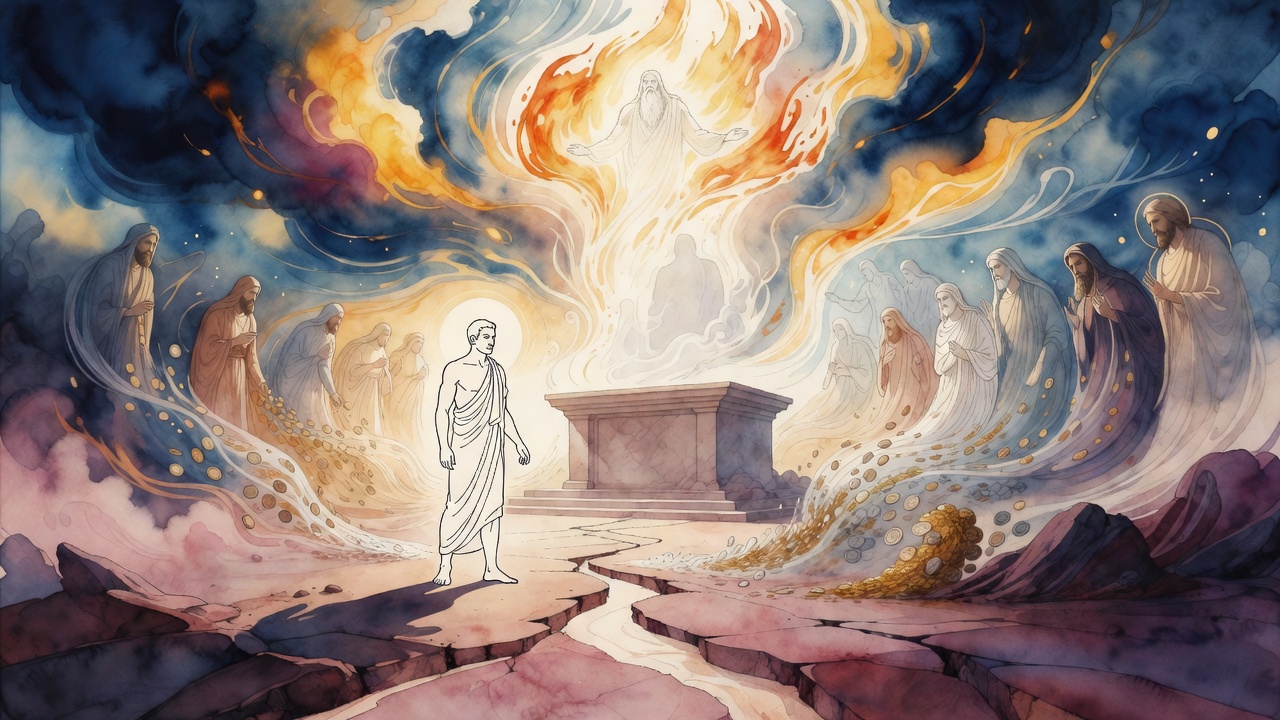
Rachel named him son of my sorrow and died that night. Years later his tribe held the soil where the Temple altar stood.
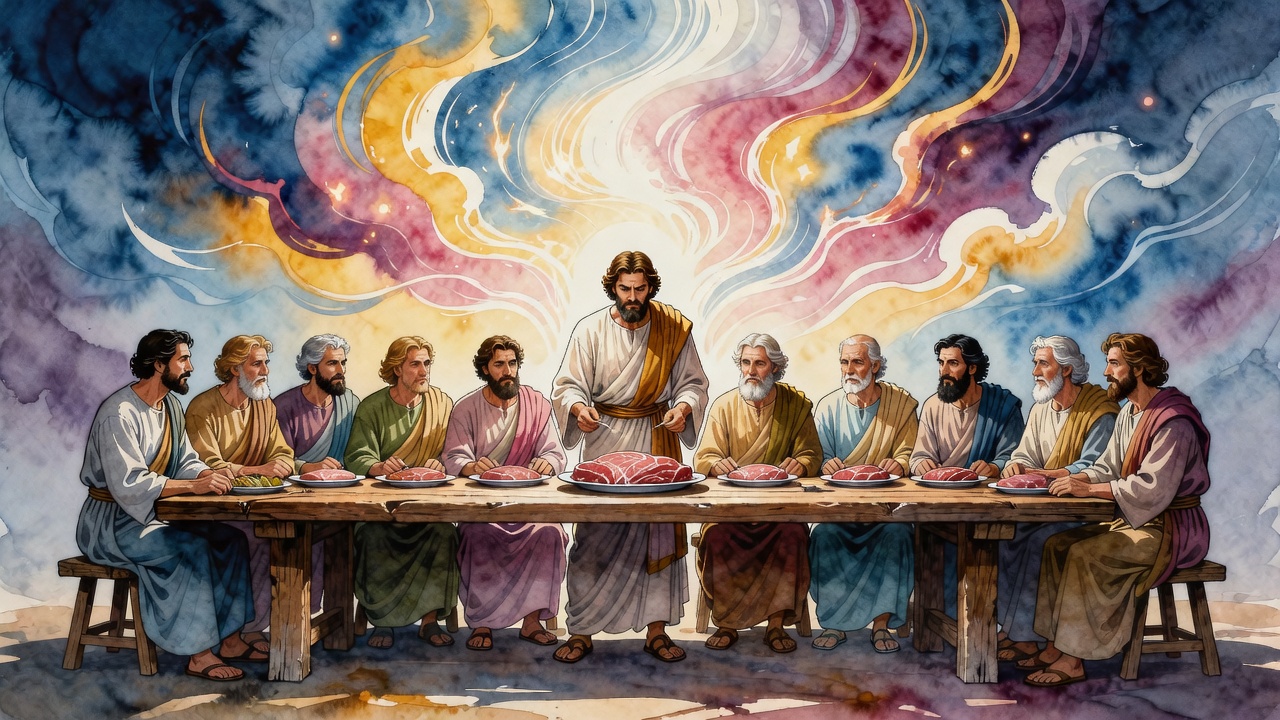
When Joseph's brothers returned with Benjamin, he prepared a feast with sinew removed from the meat and seated eleven men in exact birth order.
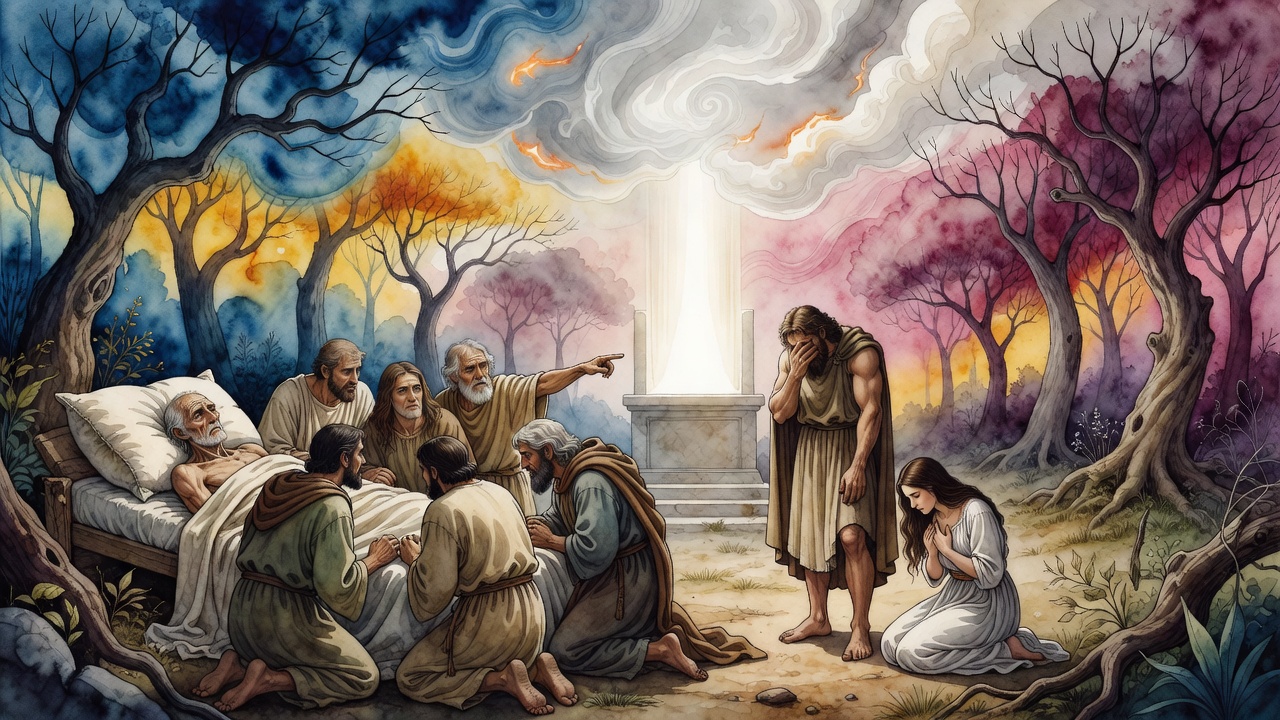
He was a hundred and twenty-five. He kissed his sons, then went back to the tree Eve had looked at until looking became eating.
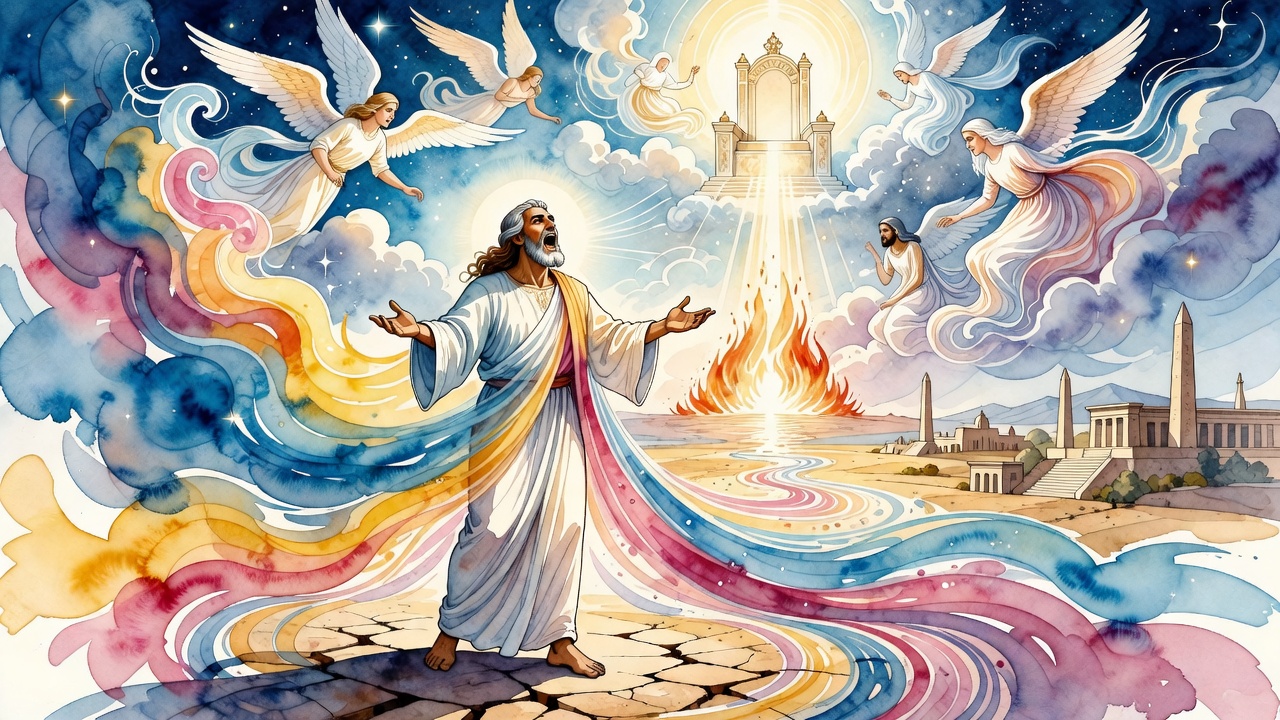
When Judah raised his voice in Egypt demanding Benjamin's release, the rabbis said his cry shook the earth and made the angels tremble in heaven.
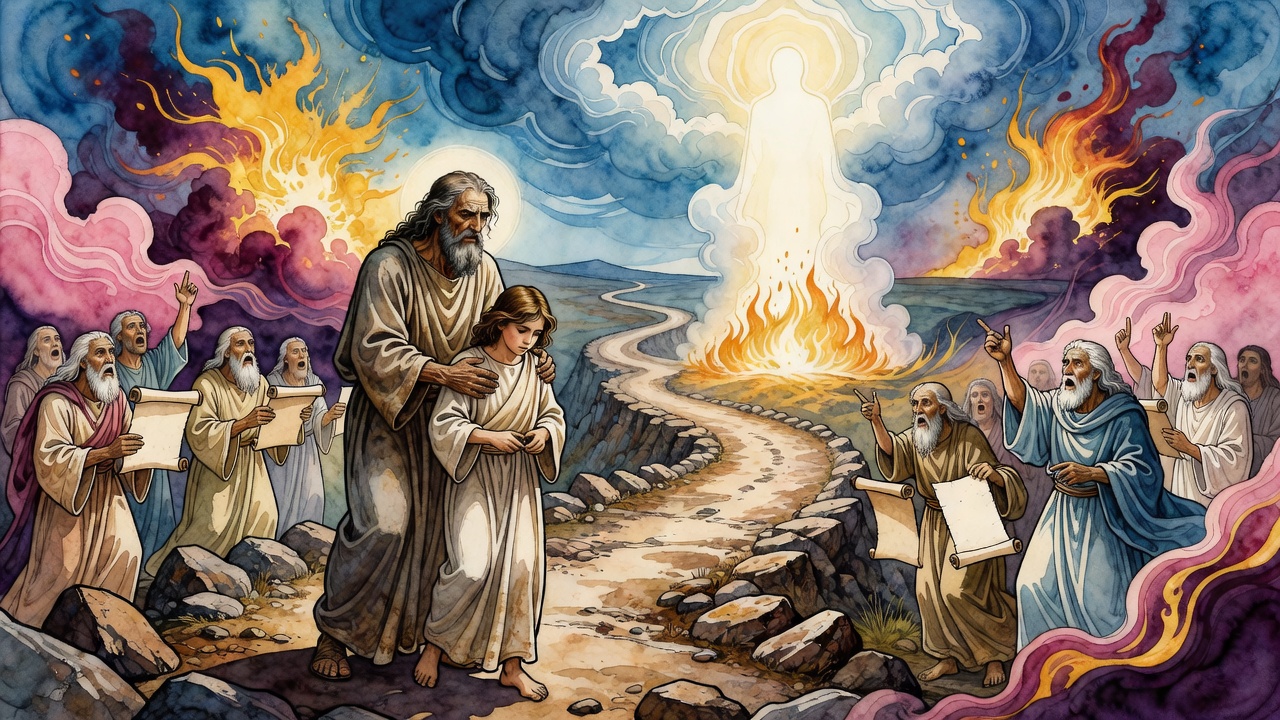
Jacob counted it out loud. Joseph gone, Simeon gone, and now Benjamin. His sons waited in the doorway with the grain sacks already roped to the donkeys.
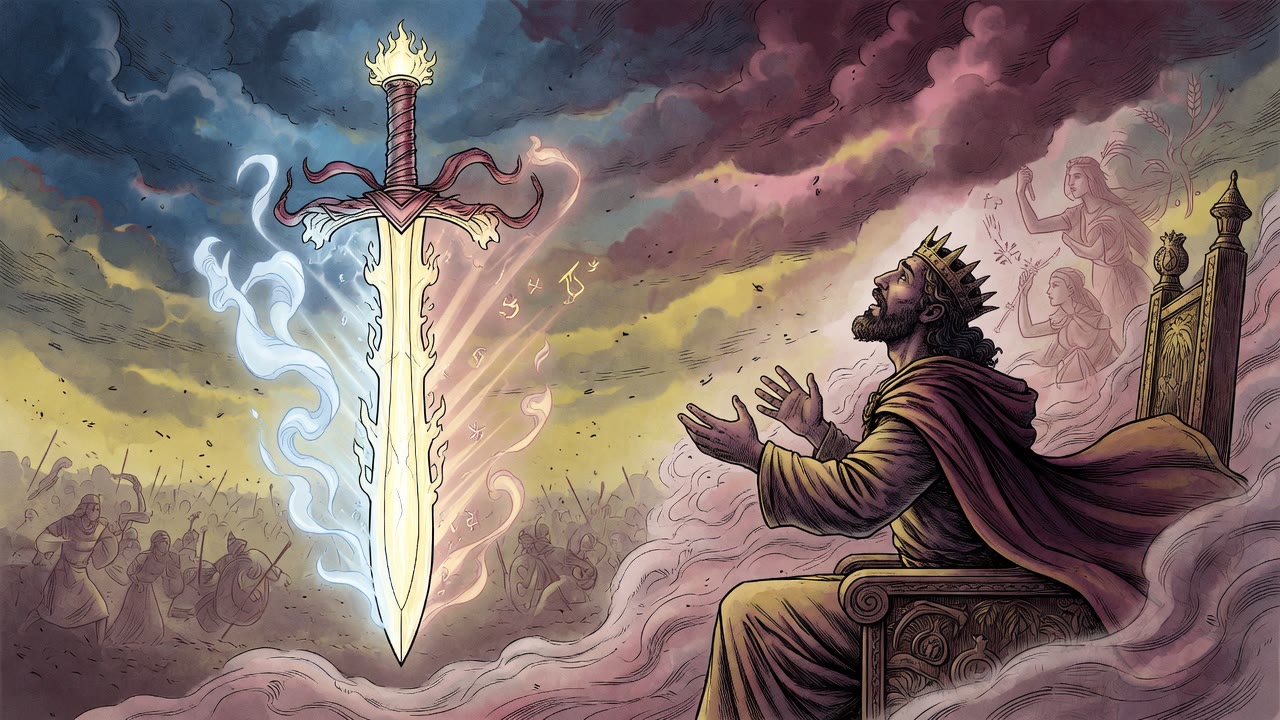
The fat king of Moab stood when Ehud spoke God's name. The two-mouthed blade was already waiting on his right thigh.
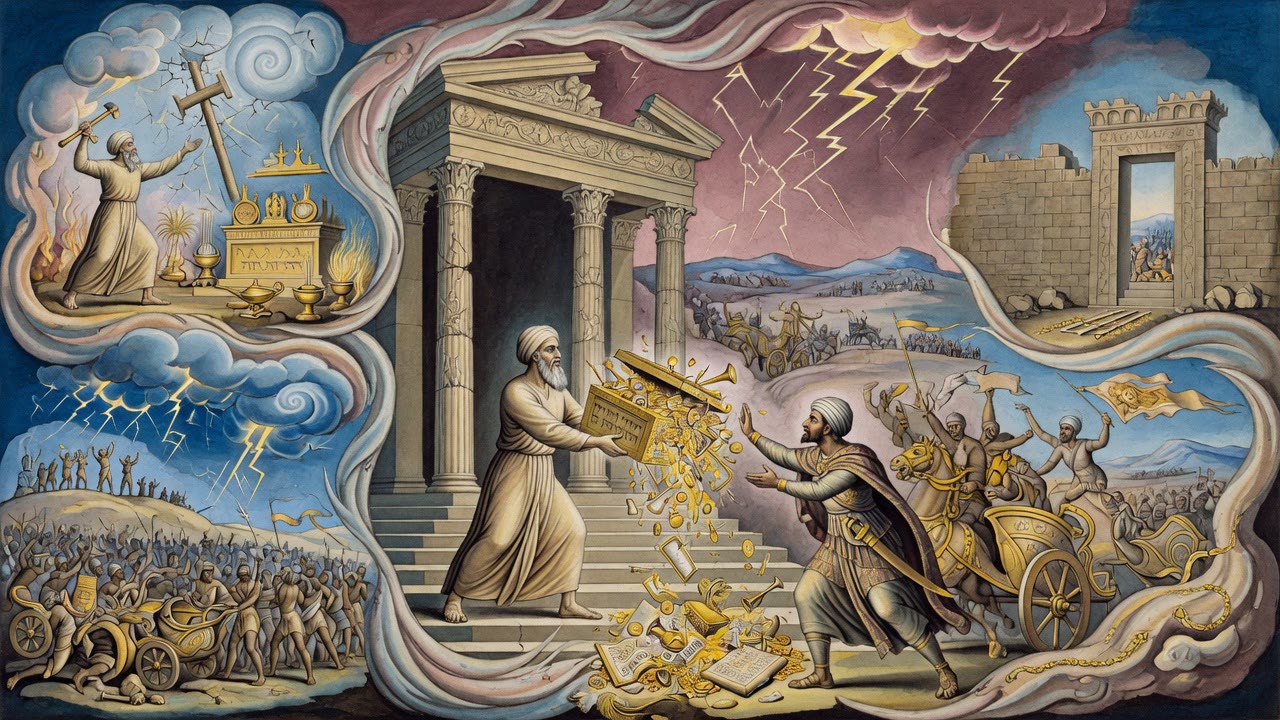
Pharaoh's son rides out to seize Joseph's wife by force, and a boy's pebbles and Asenath's prayer break the ambush on an open road.
