Judah Argued Collective Guilt Before the Viceroy of Egypt
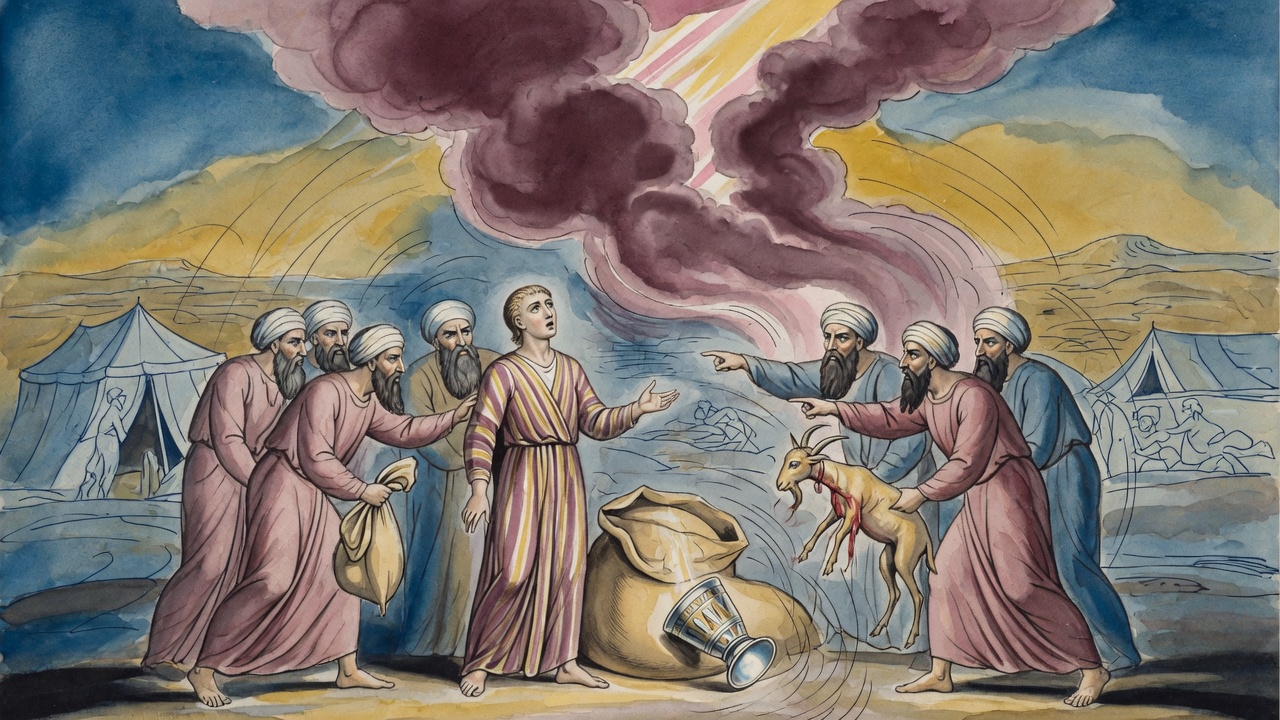
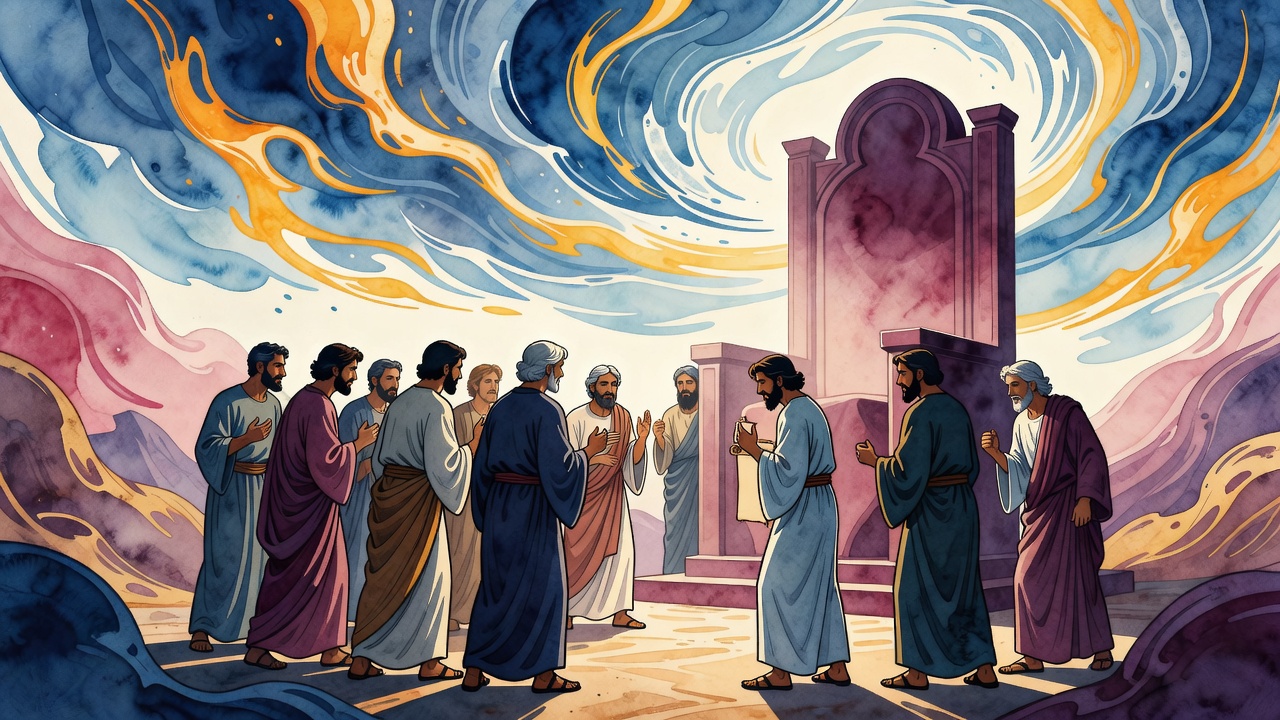
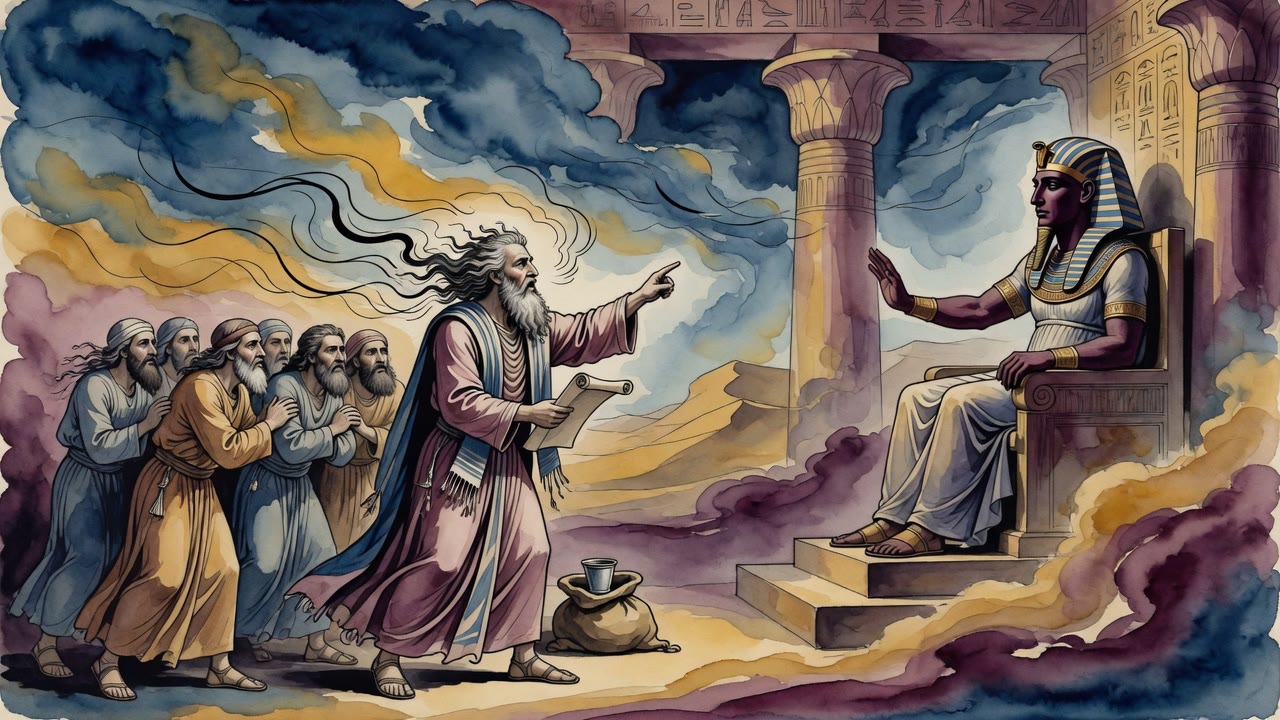
Standing before Egypt's Viceroy, Judah invoked the law of companions taken together. Joseph answered that only the one who stole should remain.
Table of Contents
 Click for full size
What the Viceroy Was Actually Doing
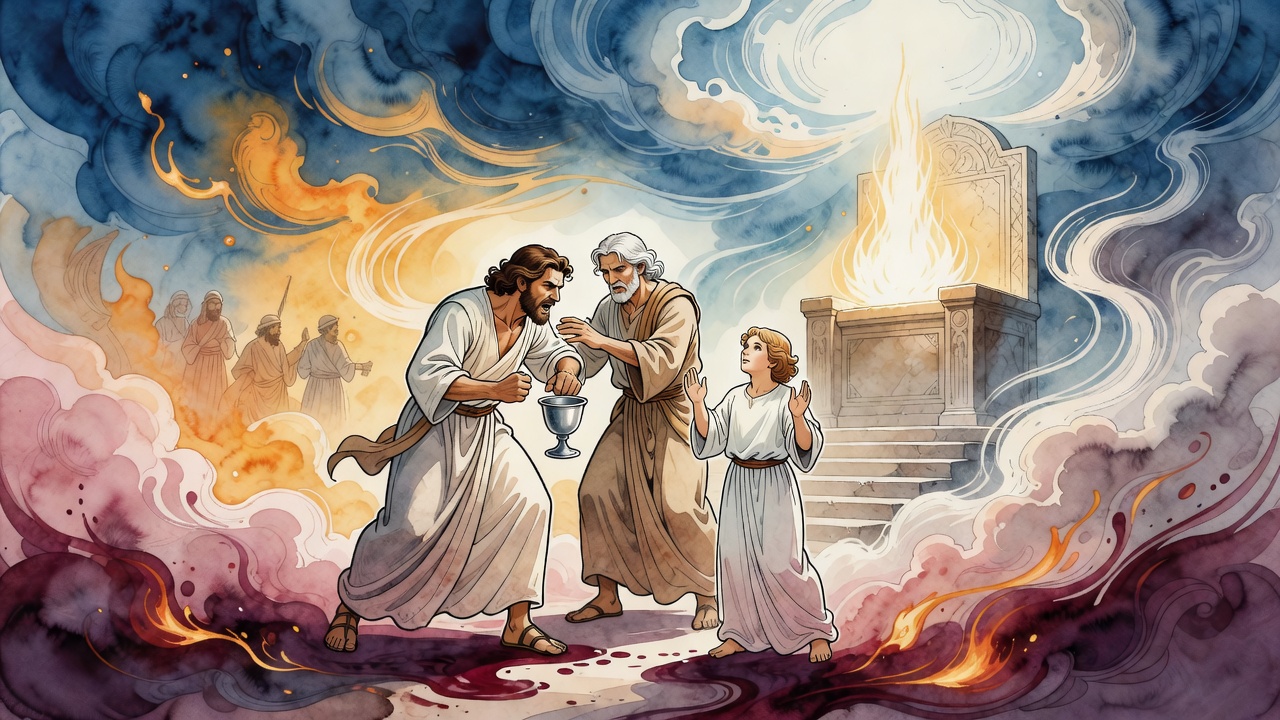
The Viceroy of Egypt sat across from eleven men who did not know who he was. He had pressed each wound in sequence: the guilt of the ten older brothers for the sale of Joseph, the falseness of the accusation against Benjamin, the pledge Judah had made to his father Jacob about returning the youngest safely. He held all three in his hands simultaneously, and the interrogation he conducted was designed to see whether the men standing before him had changed in the twenty years since they had sold their brother to traders heading south.
He offered them an exit. Only the guilty one would remain in Egypt. The rest were free to go home to their father.
The Trap in the Offer
Judah understood what was being offered. He had pledged his life for Benjamin's safety before his father. He had stood in Jacob's presence and said: if I do not bring him back to you, I bear the blame all the days of my life. There was no version of this offer he could accept and remain who he had promised to be. Leave Benjamin in Egypt? Go home to Jacob without the youngest? His pledge had made that impossible.
So he answered on legal ground. A thief and his companions are taken together. This was a principle of collective liability: people who travel together share responsibility for what any one of them does. The argument bound Judah to Benjamin legally rather than only by personal oath. It invoked a framework the Viceroy would recognize and respect.
The Viceroy replied with the same legal precision. Then why should the innocent suffer? If these ten are being punished for their crime against Joseph, why should Benjamin suffer for that crime when he took no part in it? The offer stands: the guilty one remains, and the rest are free.
What Each Brother Carried
The interrogation had been moving through the wounds in order. The ten older brothers carried the weight of the sale. They had done it, had carried the knowledge of it for two decades, had watched their father grieve a death they had staged. When the Viceroy named it in the room, even obliquely, it landed where it was aimed.
Benjamin carried something different. He had not been present at the sale. He was the youngest, kept at home. His wound was the accusation that had been placed in his sack without his knowledge, and the brothers who had spent the walk back to Egypt striking him on the shoulder and calling him thief. He stood before the Viceroy carrying a false charge and the memory of unjust blows.
Judah carried the pledge. He had made it with his own mouth, in his father's hearing. Whatever happened to Benjamin in that courtroom would happen to Judah too, because he had made it so. That was why his legal argument about companions and collective liability was not only clever. It was the only position that matched what he had already committed himself to.
The Question Joseph Was Actually Asking
The whole proceeding was a test. The Viceroy of Egypt was Joseph, and Joseph needed to know whether the men who had sold him had become different men. The specific test was whether Judah would sacrifice Benjamin the way the ten had sacrificed Joseph: to preserve their own comfort, to avoid the difficulty of what protecting the inconvenient brother would cost them.
Judah's answer, that a thief and his companions are taken together, was not the end of the exchange. It was the beginning of the speech that would break Joseph's composure entirely. But the legal argument itself told Joseph something. Judah was not trying to get out from under the accusation. He was trying to stay in it, to remain connected to Benjamin rather than let the Viceroy's offer separate them. That was what Joseph was watching for.
← All myths