The Two Disciples Who Answered in Their Teacher's Voice
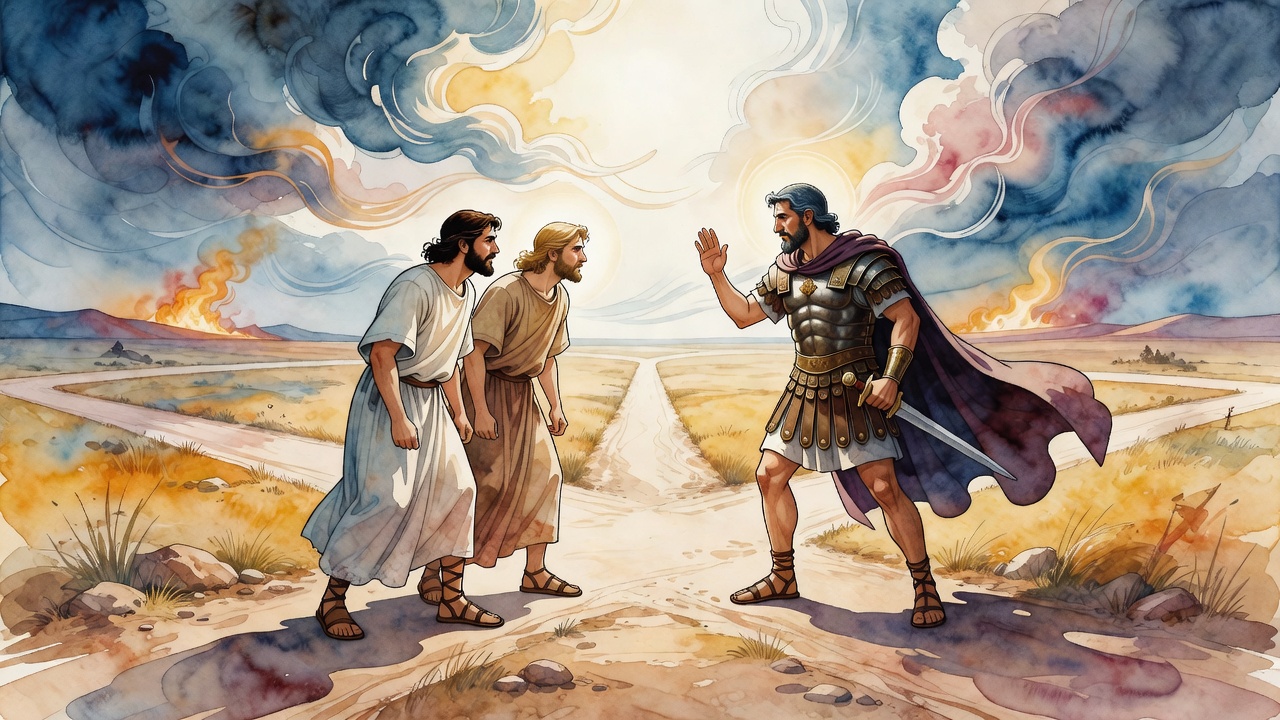
Two students of Rabbi Yehoshua disguised themselves in Roman dress. An officer who had heard the rabbi teach stopped them at a crossroads.
Table of Contents
 Click for full size
The Disguise That Did Not Hold
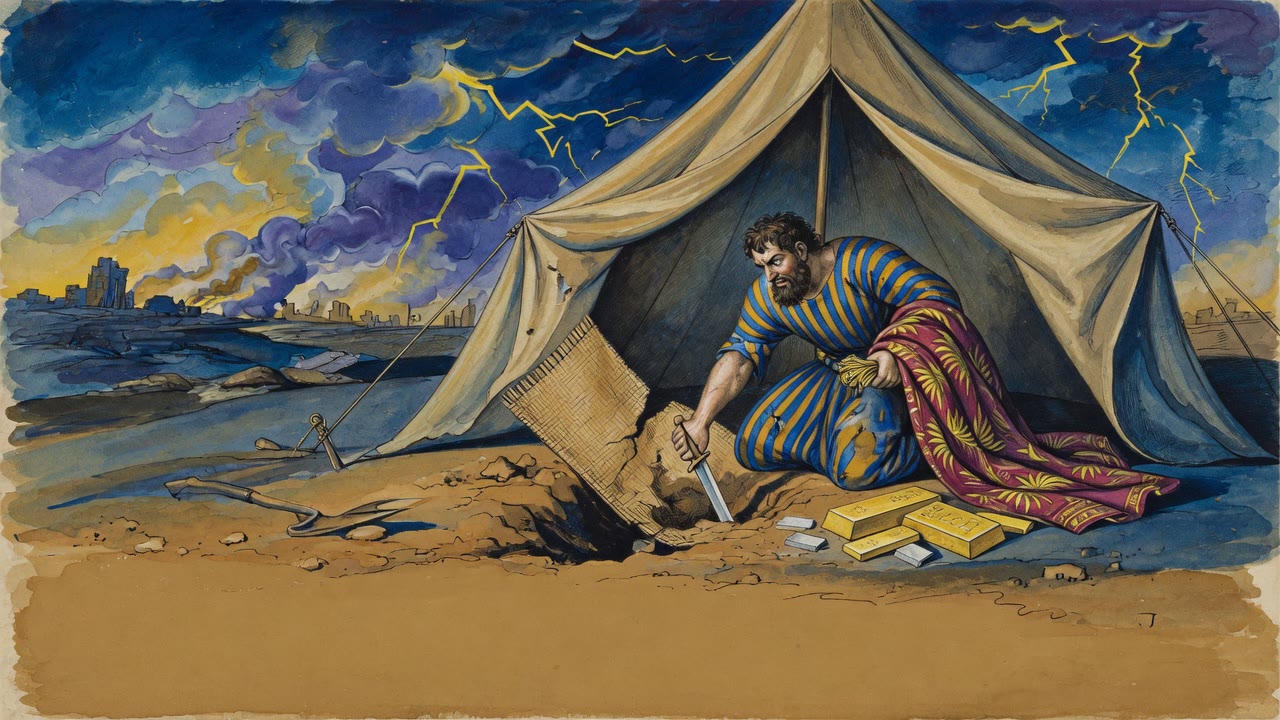
They had changed their outer garments to Roman dress. This was not a small decision. In the period of Roman religious persecution in the Land of Israel, after the Temple's destruction in 70 CE and through the suppression that followed. Jewish scholars walking in public in scholar's garb were targets. The clothes that identified them as Torah students could get them arrested, pressed toward forced conversion, or killed. Some changed what they wore. It was survival, not apostasy.
But the disguise did not fool everyone. A Roman officer who had encountered them before, perhaps who had encountered their teacher, looked at two men in Roman clothing and recognized them anyway. He did not let them pass.
The Challenge at the Crossroads
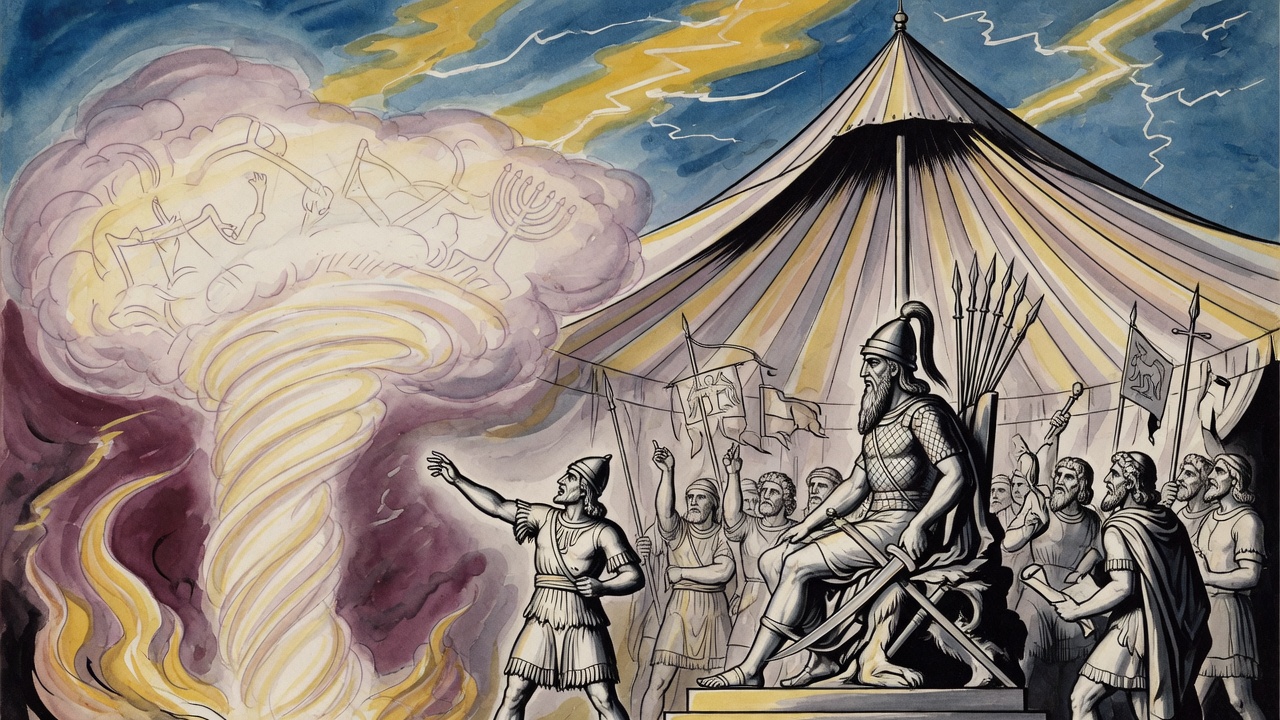
Bereshit Rabbah, the great midrashic collection on Genesis shaped in Palestine in the fifth century CE, preserves the opening of the encounter. The Exempla of the Rabbis (1924), the collection of rabbinic narrative compiled by Moses Gaster, sharpens the details of the exchange. The officer posed a question that cut through the clothing immediately. If you are sons of the Torah, he said, give your lives for its sake. If you are not sons of the Torah, why should you be killed for it? You cannot hide inside the Torah's clothing while also standing outside its claim on your life. The disguise forced a contradiction: you look like Romans but you carry a Jew's obligations. Choose.
The students answered: we are its sons, and we are willing to be killed for its sake.
The Three Questions
Then the officer asked three specific questions. He had apparently asked these same questions of Rabbi Yehoshua ben Chananyah on an earlier occasion and memorized the answers. He was not testing whether these students could answer correctly in the abstract. He was testing whether they were who they appeared to be, whether their knowledge was their own or borrowed from rote learning, whether the reasoning in their answers matched the reasoning he had heard from their teacher's mouth.
The two disciples answered each question in precisely the way Rabbi Yehoshua himself had answered it. Word for word, argument for argument, the same three replies came back to the officer in the same order.
The officer recognized what he was hearing. These were not students who had memorized responses. These were students who had absorbed a way of thinking so completely that they reproduced it without error even under threat. The teacher was present in the answers even though the teacher was absent from the road.
The Sage and the Officer Who Asked About the Future
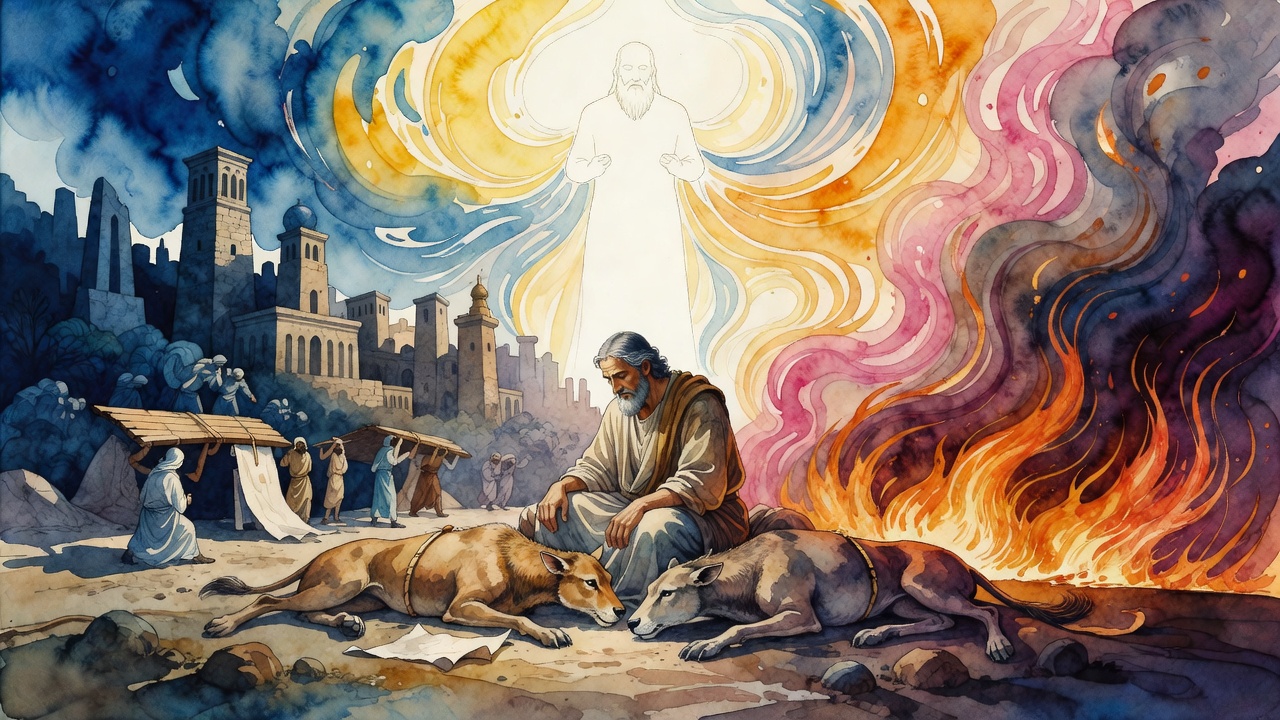
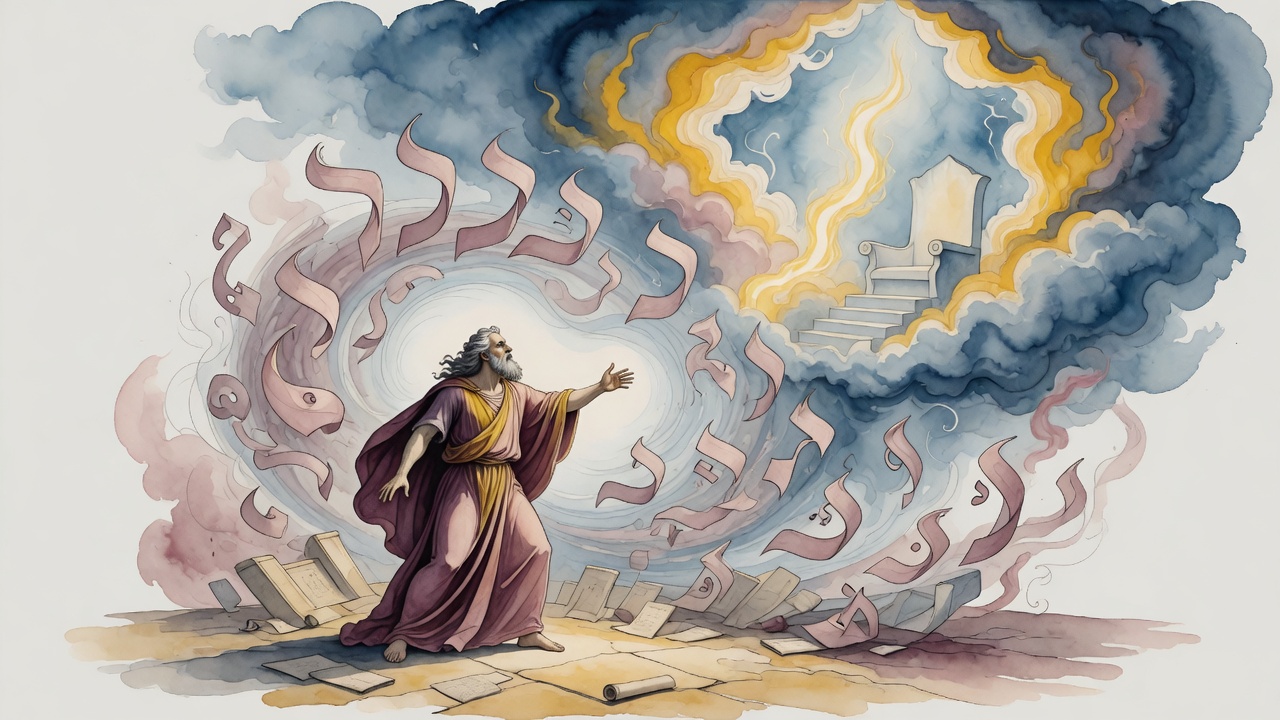
Bereshit Rabbah preserves a separate encounter between a Roman official and a sage at Beit Seloni, where the official asked the sage directly: who will rule the world after us? The sage answered with a blank piece of paper and a quill. He wrote a verse from Genesis: "Then his brother emerged, his hand grasping Esau's heel." The people watching exclaimed that this was an ancient matter spoken by a modern sage, that the wrestling of Jacob and Esau in the womb contained the answer to which empire would follow which, that the whole arc of dominion was already written in the birth narrative of the patriarchs.
The two encounters bracket the same problem. Power asks the Torah its questions, about the future of empires, about what these disguised students actually believe, and the Torah answers through the mouths of people who know it well enough to speak it under pressure. The officer at the crossroads got the right answers. The official at Beit Seloni got the book of Genesis. In both cases, the Torah did not refuse to engage with the questioner. It spoke through whoever was carrying it at the time.
← All myths