Joseph Served a Kosher Dinner With Prophetic Seating to His Brothers
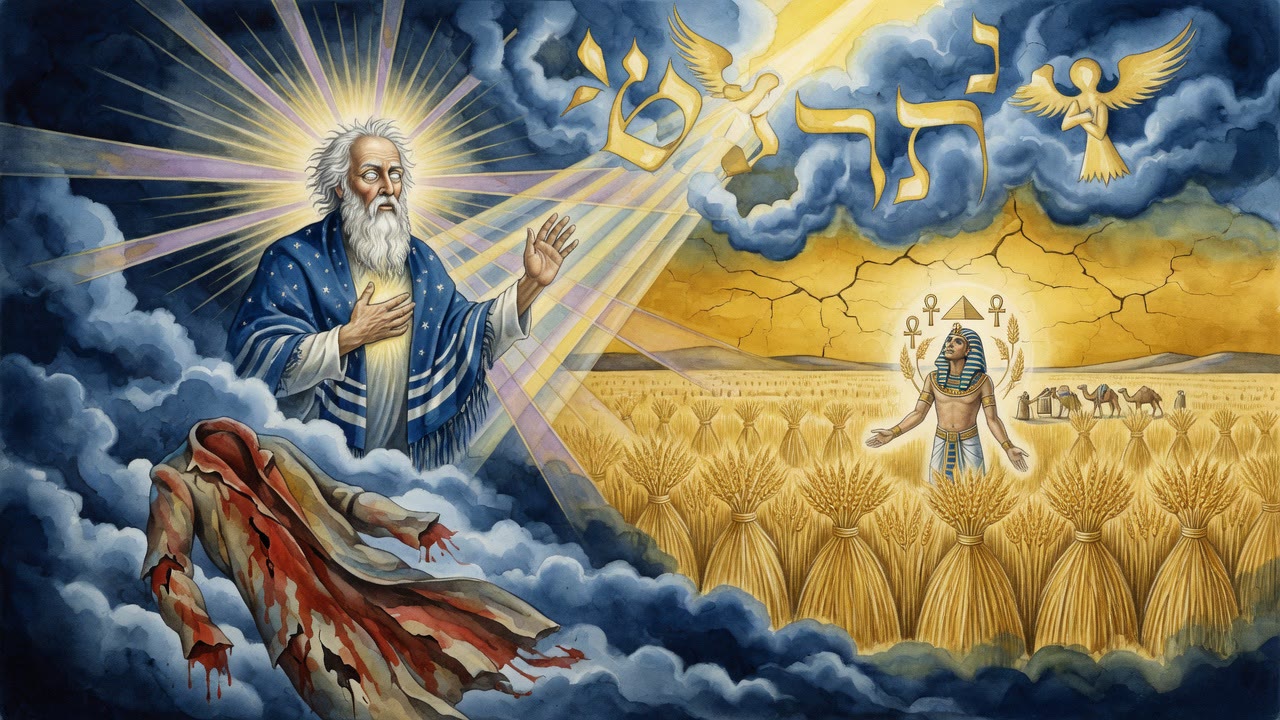
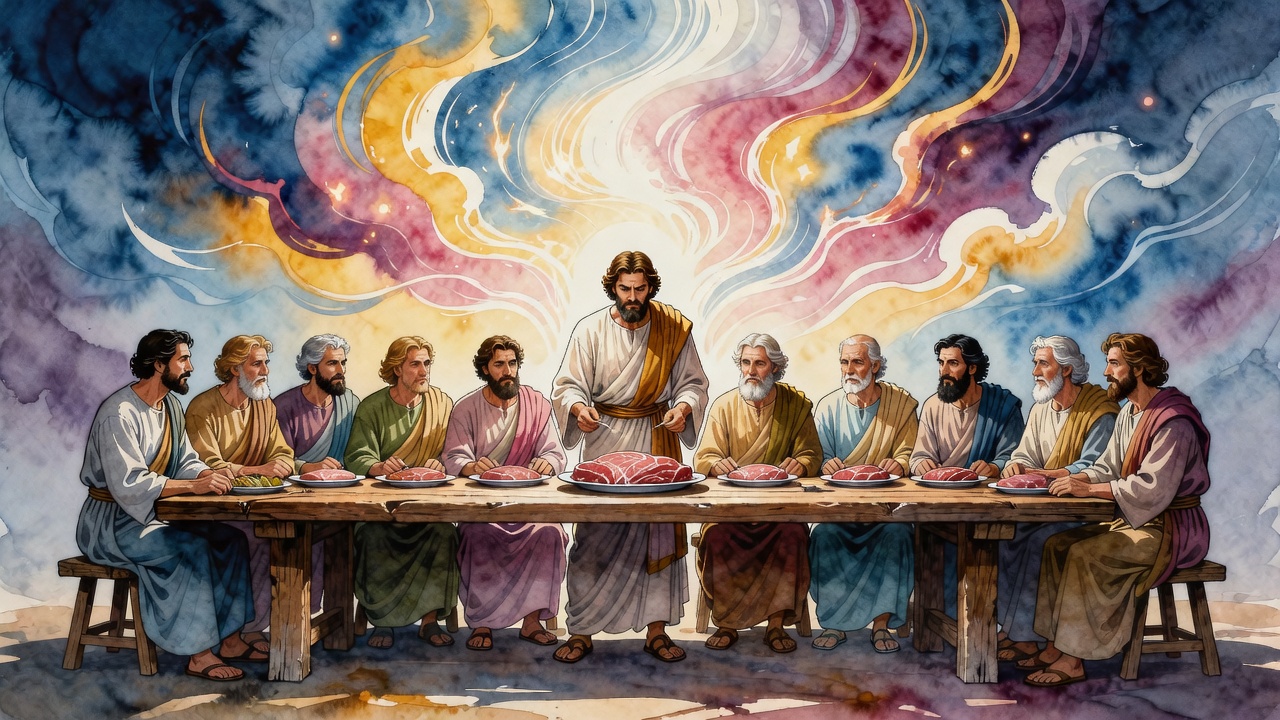
When Joseph's brothers returned with Benjamin, he prepared a feast with sinew removed from the meat and seated eleven men in exact birth order.
Table of Contents
 Click for full size
Jacob's Farewell and the Holy Spirit
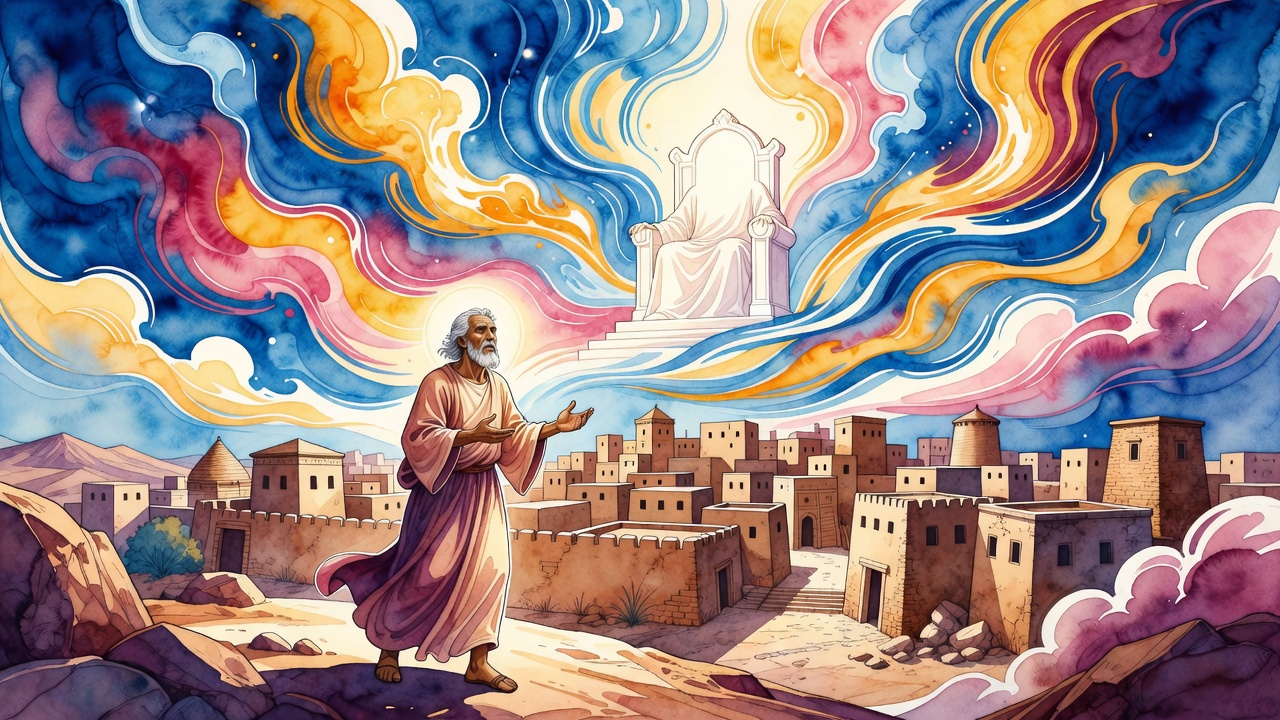
When Jacob finally consented to let Benjamin travel to Egypt, Genesis records only his resigned statement: if I am bereaved, I am bereaved. Targum Jonathan on Genesis 43, the ancient Aramaic translation from first-century Palestine, rewrites this entirely. Jacob's farewell was not resignation. It was a prophetic declaration he received through divine certainty: "I am now certified by the Holy Spirit that if I am bereaved of Joseph, I shall also be bereaved of Shimeon and of Benjamin."
This is not a father accepting a bad situation. This is a prophet receiving assurance. The Holy Spirit does not speak only at moments of national crisis. It speaks to fathers at their doorways when those fathers carry the weight of the covenant. Jacob sent his sons knowing they would return. The Targum preserves that certainty alongside the Hebrew text's apparent grief, because both were true at once.
The Sinew That Was Removed
Joseph ordered the feast. The Hebrew text says he told his steward to bring the men to his house and slaughter an animal and prepare it. Targum Jonathan adds one specific instruction: the sinew of the thigh was to be removed before serving. This is the law of gid hanasheh, the prohibition on eating the sciatic nerve that Jacob received at the Jabbok ford when he wrestled with the divine figure and walked away limping (Genesis 32:33). The brothers were eating a kosher meal in the house of the Egyptian viceroy who had not yet revealed himself as their brother.
The implication sits quietly in the detail. Joseph, living for twenty-two years in Egypt, running the most powerful bureaucratic apparatus in the ancient world, had maintained the dietary practice that connected him to his family's covenant. He was a man keeping a Jewish practice in Pharaoh's palace before there was a formal law commanding it, because the practice had been transmitted by the event that left his father limping through the rest of his life.
How Joseph Knew Where to Seat Eleven Men
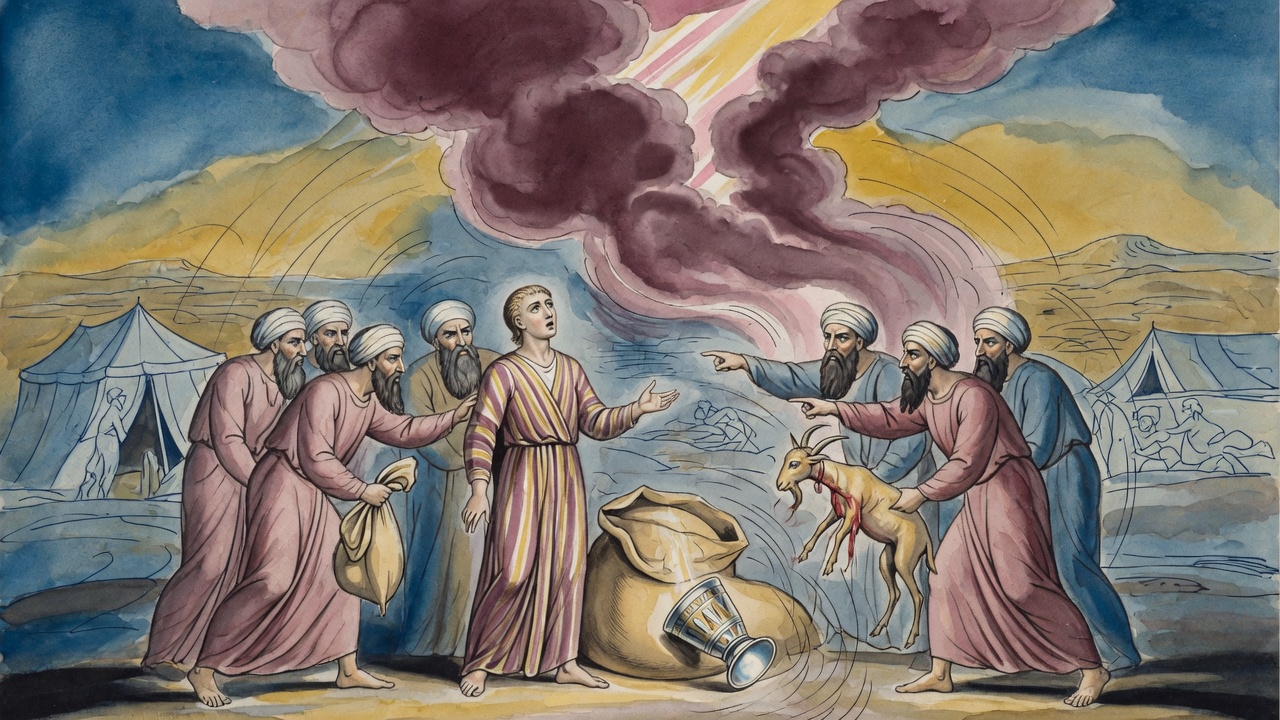
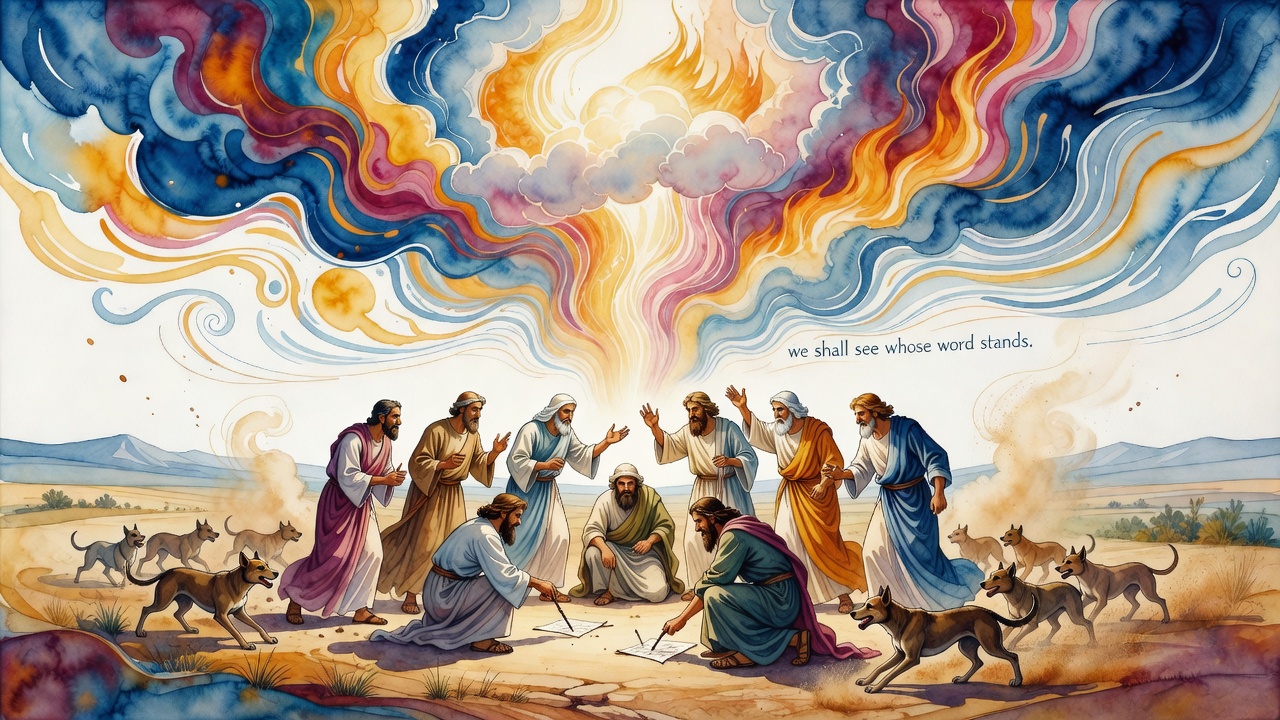
When the brothers arrived for the feast, the steward seated them in exact birth order from Reuben the eldest to Benjamin the youngest. The brothers were astonished, Genesis says. How could the Egyptian viceroy know their birth sequence? The Targum explains that Joseph told his steward to seat them by age, and when the brothers looked astonished, Joseph picked up his silver divination cup and appeared to read their birth order from it. "Did I not know by divination that you are my brother's sons?" he said, covering his knowledge with the performance of Egyptian wisdom.
Bereshit Rabbah, the midrashic compilation on Genesis from fifth-century Roman Palestine, preserves a further explanation: Joseph assigned the seating by his sons' mothers. The sons of Leah sat together. The sons of the maidservants sat together. Benjamin, son of Rachel, sat alone. Joseph seated himself across from Benjamin, the only other son of his mother, and for a moment the table arrangement was a map of the family structure no one in the room was allowed to acknowledge yet.
The Weeping in the Inner Room
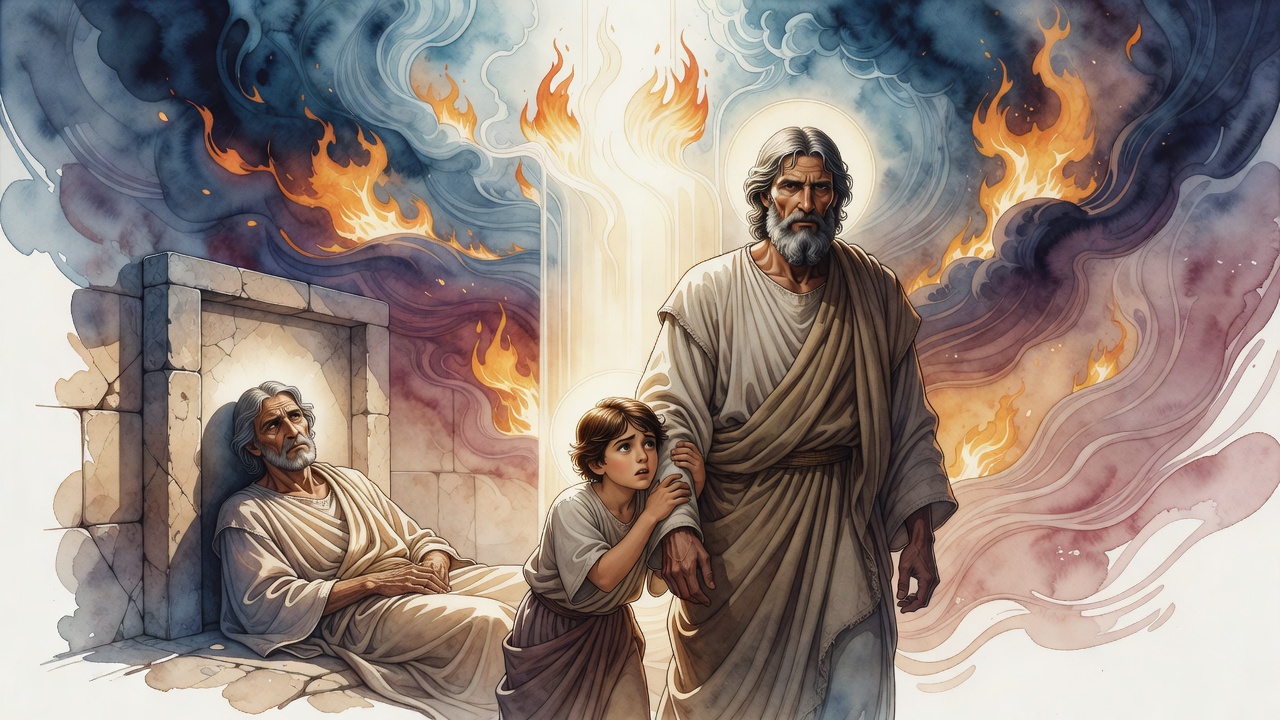
When Joseph saw Benjamin, he could not maintain his composure. He excused himself, went to a private room, and wept. The accumulated weight of the years, the brother he had not seen since childhood, the family structure visible in the seating he had arranged, broke through the administrative distance he had maintained. He washed his face, returned, composed himself, and served the meal.
The Talmudic tradition, developed in tractate Megillah in the Babylonian Talmud compiled around the 5th century CE, reads Joseph's question about Jacob, "Is the old man you spoke of still alive? Is he well?" as carrying an encoded grief. He was asking about Jacob while thinking about Isaac, who had already died. He was asking about one father while mourning another. The words of inquiry were double-bottomed, containing the public question and the private one simultaneously.
← All myths