Jacob Asked God to Say Enough Before Benjamin Left
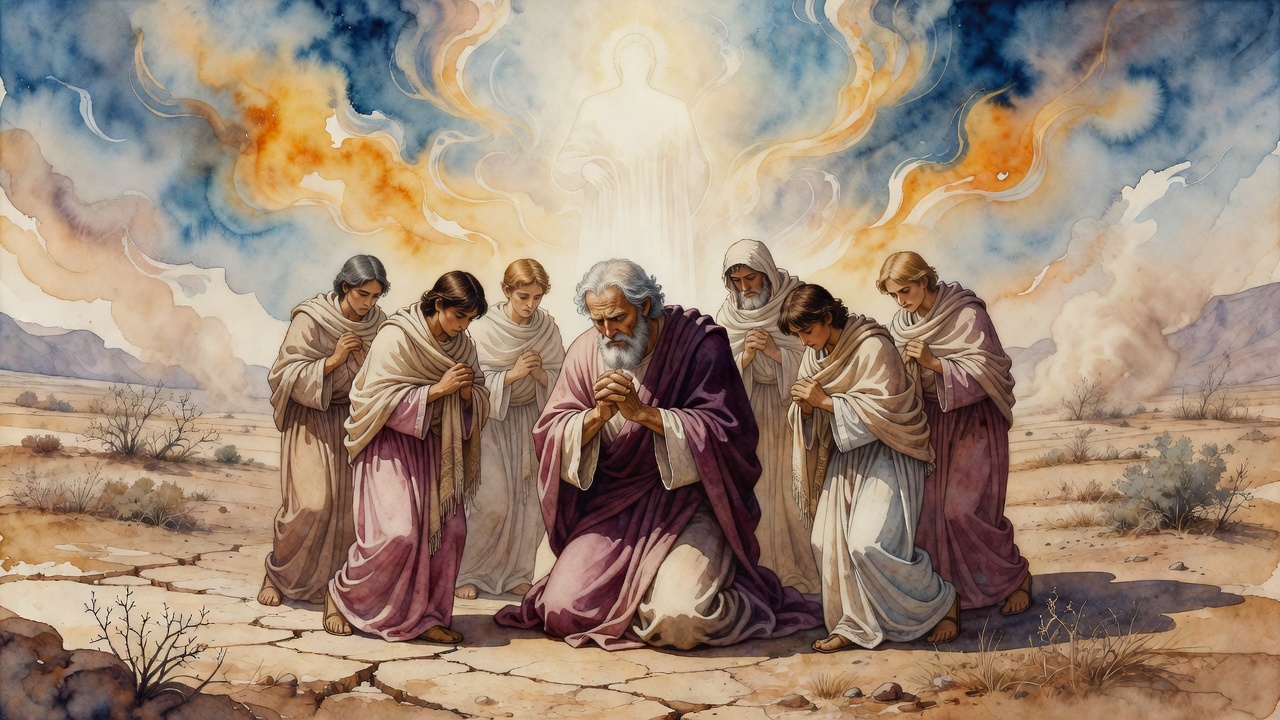
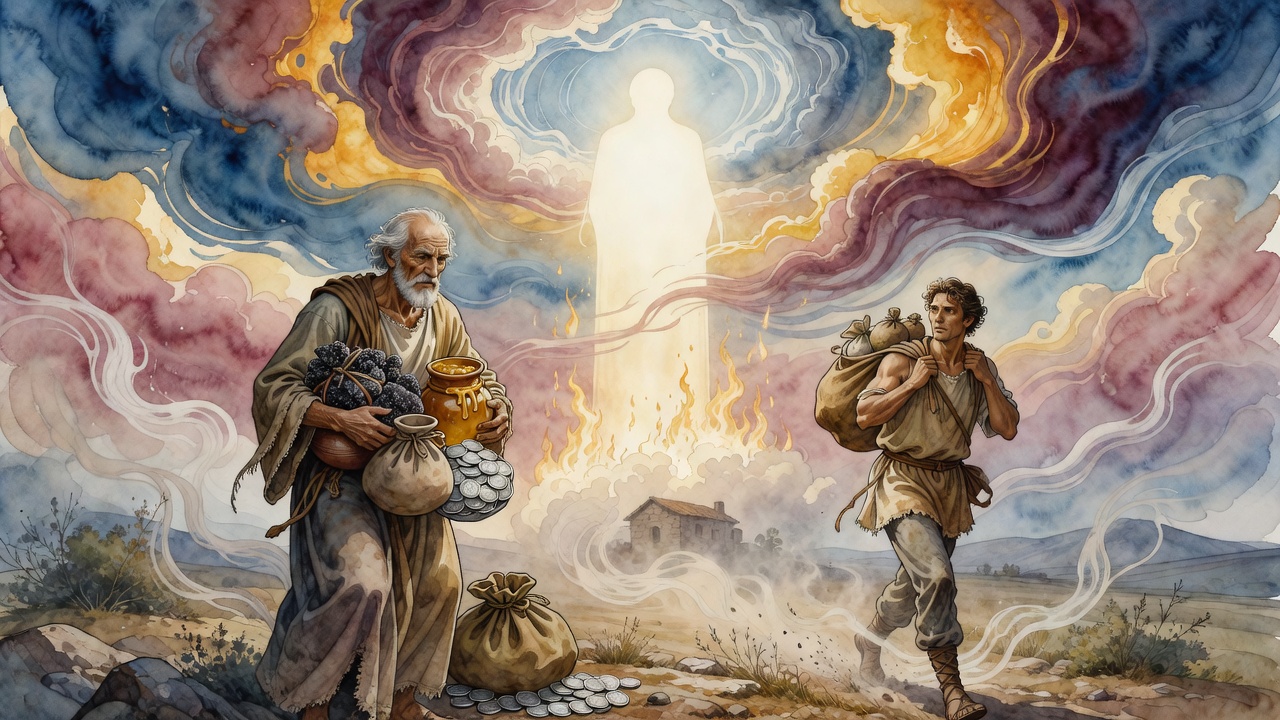
The last sacks were empty. Judah put his own life up for Benjamin, and Jacob still had to send the boy into Egypt. He prayed first.
Table of Contents
The sacks were empty. Jacob had believed Joseph dead for more than twenty years, and now the man in Egypt wanted the last son of Rachel before he would sell grain again.
 Click for full size
The Last Son of Rachel
The brothers had come back from the first trip with food and with a story. The man in charge had kept Simeon and demanded they bring the youngest if they wanted more. Jacob refused. Simeon sat in an Egyptian prison. Jacob still refused. The famine went on. The grain ran out.
They came to him again. Judah put his own life in the gap. "If I do not bring him back to you, let me bear the blame forever."
Jacob looked at Benjamin. The boy was the last piece of Rachel left in the tent. Jacob had already torn his clothes once for a coat dipped in goat's blood. He sent his son. Before he did, he prayed.
The Name That Means Enough
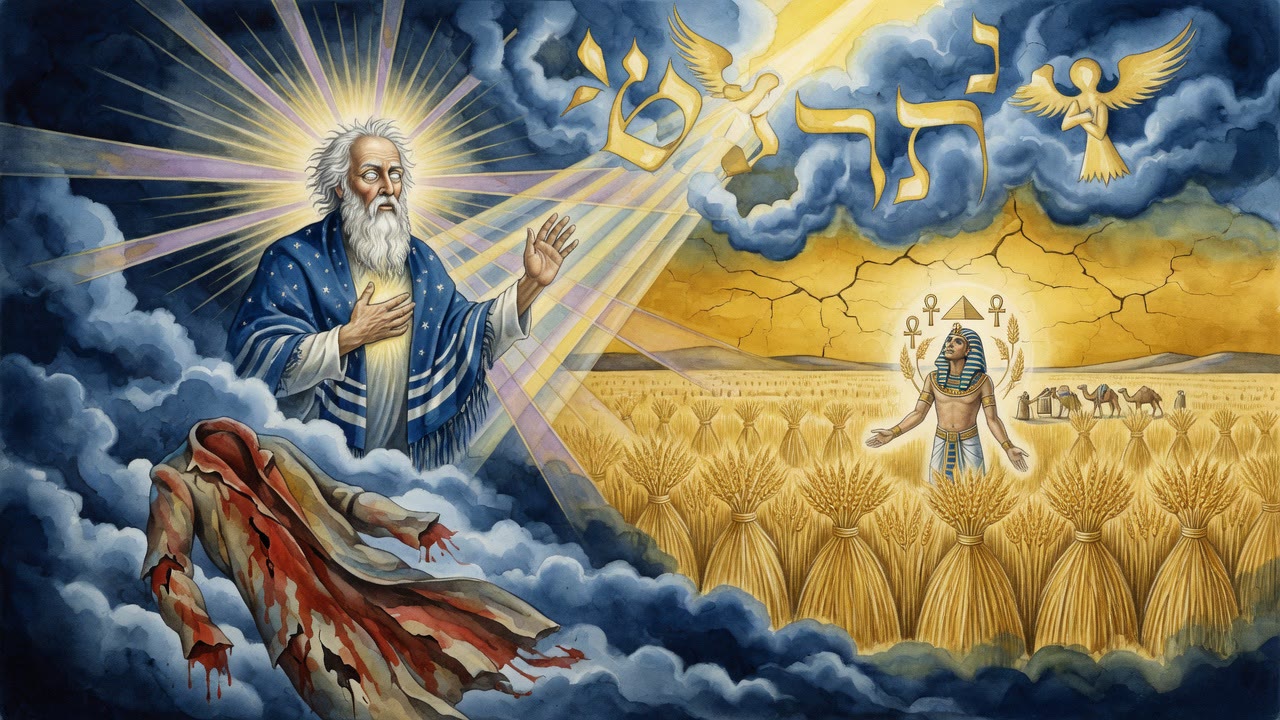
He used the Name El Shaddai, God Almighty, the Name of the old promises to Abraham and Isaac and to himself. In his mouth it came out shorter. Yah. Dai. Enough.
"And may God Almighty grant you mercy before the man, and he will send with you your other brother and Benjamin; and me, as I am bereaved, I am bereaved" (Genesis 43:14).
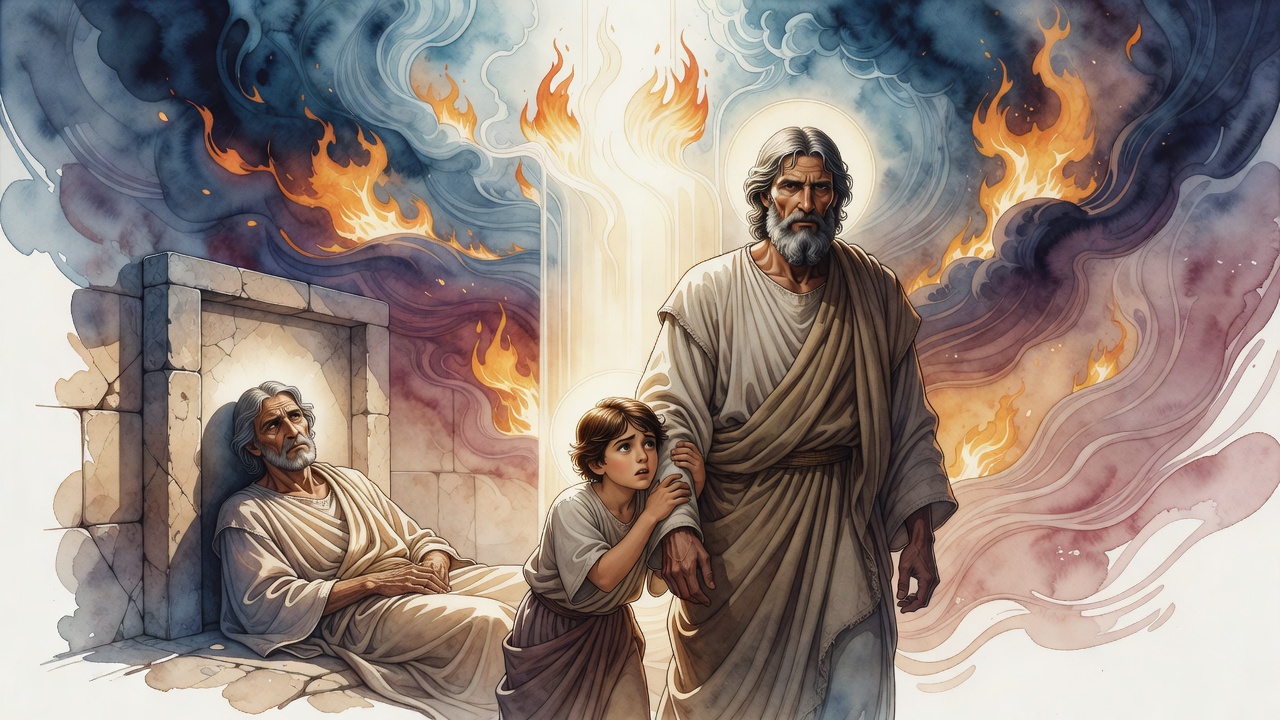
He named the wounds under his breath. Esau already kicking in the womb. Flight from that brother. Laban's years. The heat that ate him by day and the frost by night. Dinah. Rachel's grave on the road. Joseph's coat. Isaac dead ten years after the coat. Simeon locked in Egypt. And now this boy.
"The One who said enough to the heavens and the earth when they stretched at creation," he said, "let Him say enough to mine. I have lost one son. I am bereaved. Recognize the shape of it and stop."
The prayer was not hopeful. It was the prayer of a man asking for the best while naming the worst as possible. Then he let Benjamin go.
The Goblet in the Youngest Sack
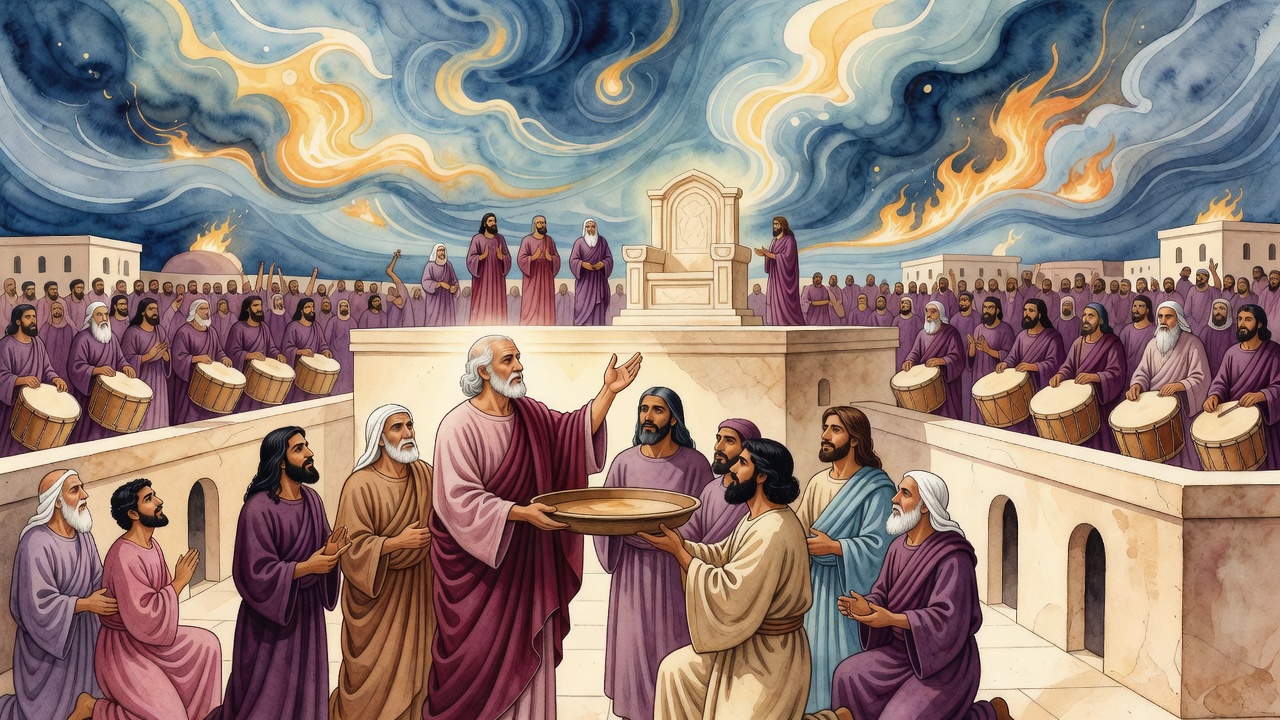
What waited in Egypt was a test Joseph had set. A silver goblet would be hidden in the boy's bag. Servants would ride after the brothers as they left the city and accuse them of theft. The brothers would return to Joseph's house. The bags would be searched from the eldest down, so no one could say the searcher had known the place. The goblet would appear in Benjamin's sack.
Benjamin was being asked, without knowing he was being asked, to stand under a false charge and not break. He was the full brother of the man who had been thrown into a pit. Joseph wanted to see whether that youngest son could bear the weight and remain himself.
The goblet came out of the sack. The brothers turned on the boy. "Thief, son of a thief," they said, dragging up Rachel's stolen household gods. Benjamin did not crumble. He threw it back at them. Was the man who sold Joseph in the room? Were the goats here? Could brothers who had sold a brother call him a thief?
They rent their garments. Each man loaded his own donkey, even the one who could have lifted a burden with a single hand, and they went back to the city.
Judah Spoke and Joseph Broke
Judah stepped forward and offered himself in Benjamin's place. He told the man in charge about an old father who would not survive the loss of this last son of Rachel. He did not dress it. He did not bargain past it. He put Jacob's bereavement on the floor of that room and stood on it.
Joseph could not keep the mask. The concealment ended in that speech. The prayer of the bereaved father and the trial of his youngest son met in the same hour, and the limit Jacob had begged for arrived: not as a quiet mercy from a distance, but as a brother who could no longer pretend.
Benjamin stood with the emptied sack at his feet. Judah stood in the place he had pledged. Jacob, far off in Canaan, did not yet know the Name had answered. The enough he had asked for was already in the room.
← All myths