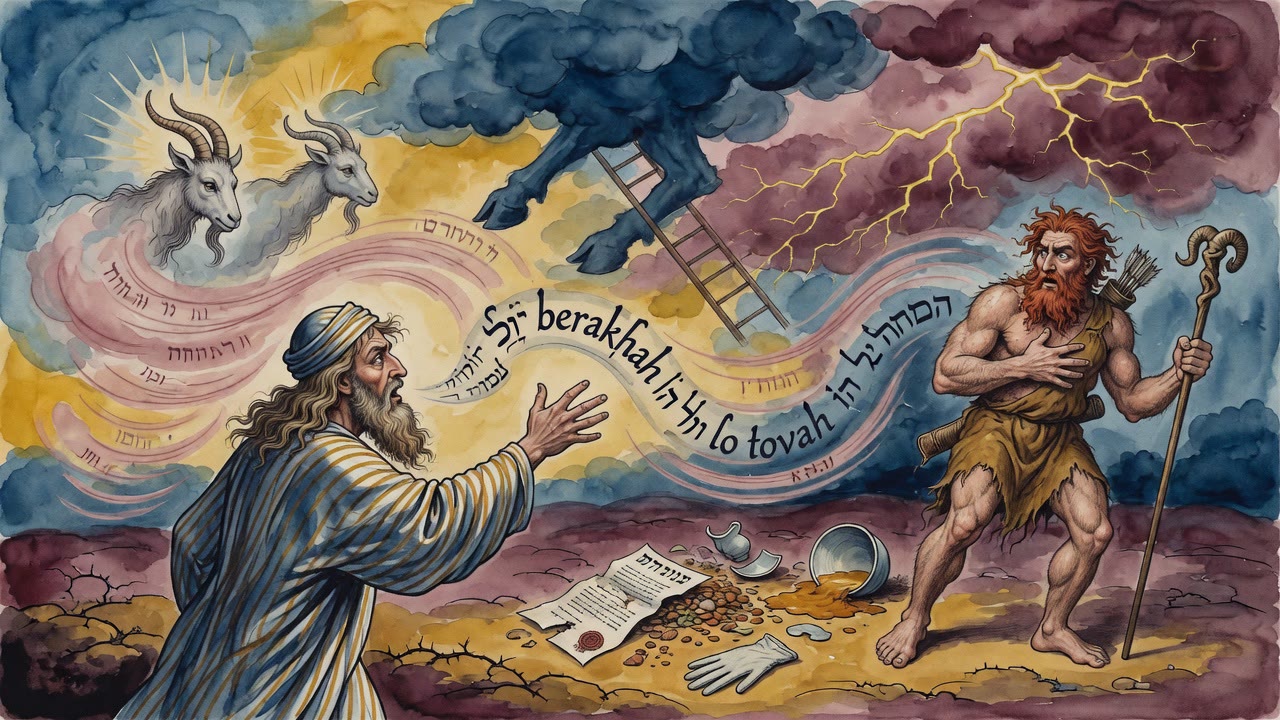
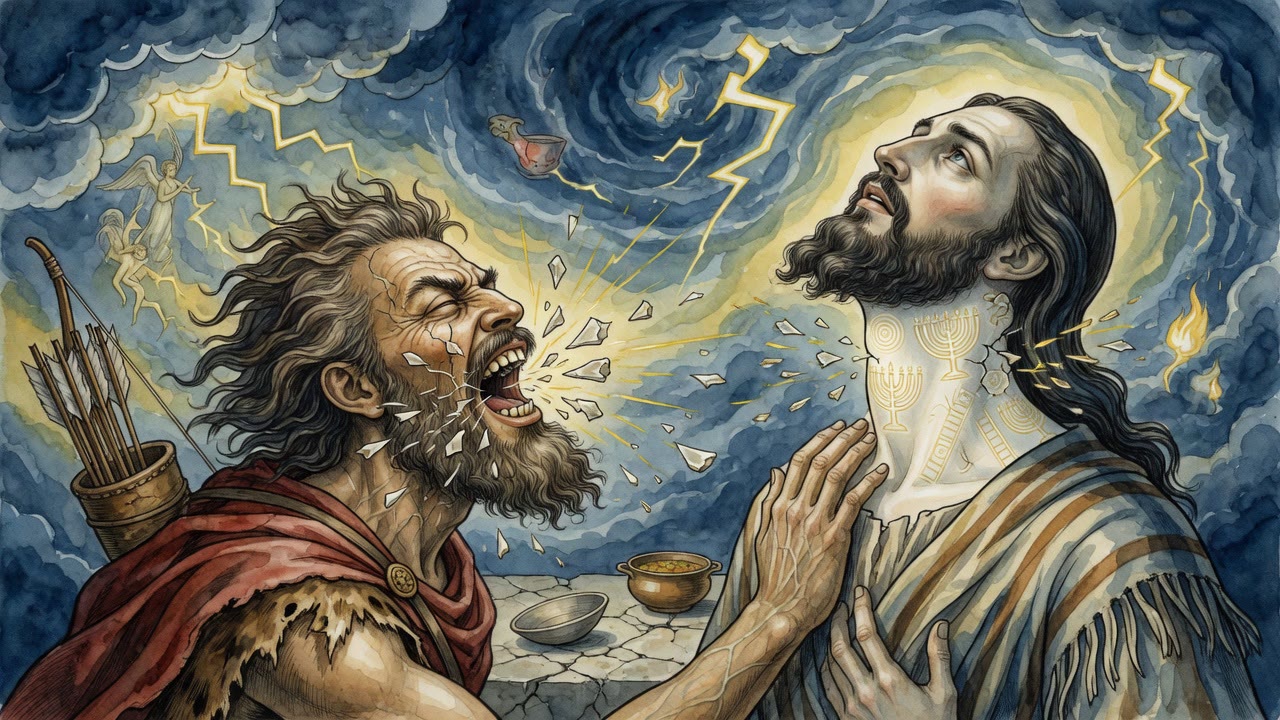
Jacob Would Not Leave the Holy Land Without God's Permission
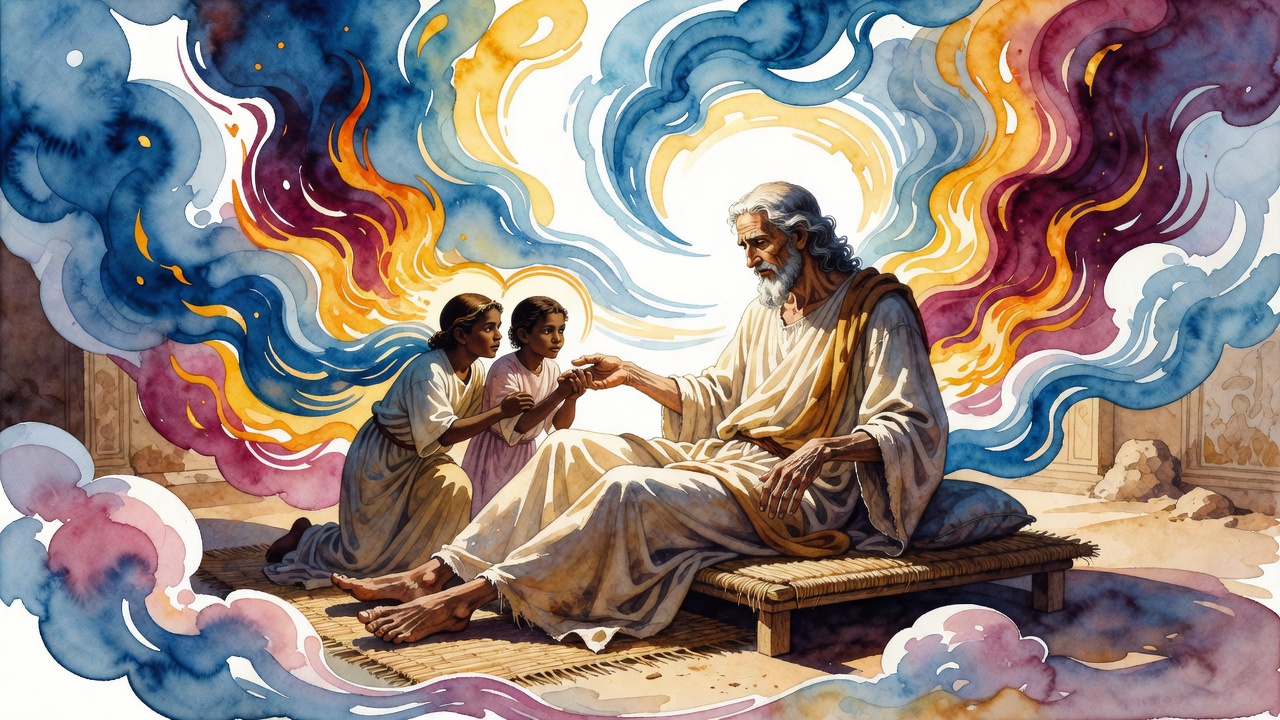
His parents told Jacob to run to Haran. He stopped at Beersheba first and waited. He needed to know whether leaving the land was God's will.
Table of Contents
 Click for full size
The Permission He Needed Before Running
His mother had told him to flee. Esau had sworn to kill him the moment the mourning period for Isaac ended. The road to Haran stood open and Laban was there and there was no logical reason to delay. Jacob stopped anyway.
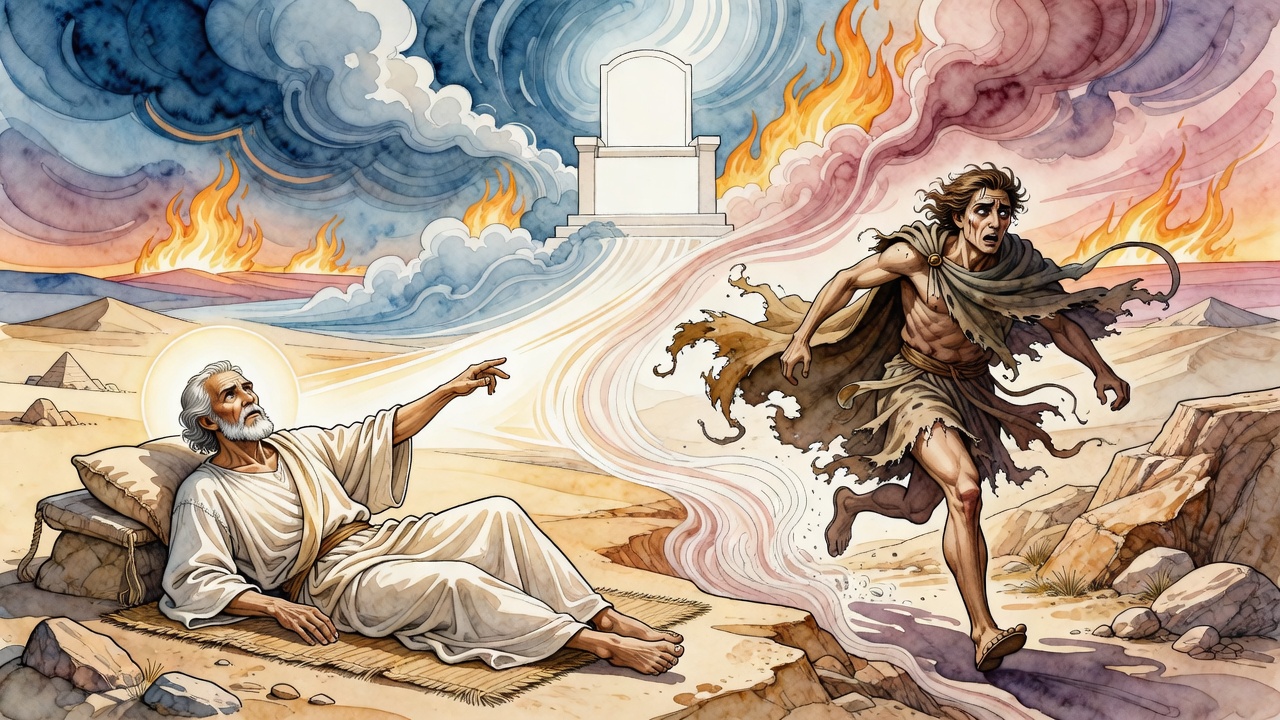
He stopped at Beersheba, which is where the land of Canaan ends. It is the last city before the desert, the last place a traveler is still standing on the ground God had promised to Abraham. Jacob stood at the southern boundary of the Holy Land and refused to cross it without permission.
His father Isaac had been told explicitly not to leave this land. God had appeared to him at Beer-sheba and said: do not go down to Egypt. Stay in the land I will show you, and I will be with you and bless you. Isaac had obeyed. Jacob knew this. He had also watched his grandfather Abraham leave the land when he had to, to escape famine, and Abraham had survived. But Abraham had been called from outside the land in the first place. Isaac had been forbidden to leave it. Jacob had no instruction for himself.
The Logic of Avoiding the Fight He Could Not Win
He worked through the problem carefully. He could not fight Esau. This was not cowardice. It was the same calculation his father and grandfather had both made at different moments: Abraham had fled from Nimrod rather than confront him, Isaac had departed from the Philistines rather than fight over wells. The pattern was not weakness. It was a deliberate practice passed down across two generations, a way of surviving in a world that was stronger than any single patriarch by refusing unnecessary confrontations and waiting for God to create the right moment.
He could not leave the land without permission. He could not stay in the land without dying. He could not fight his way out because fighting was not the family method.
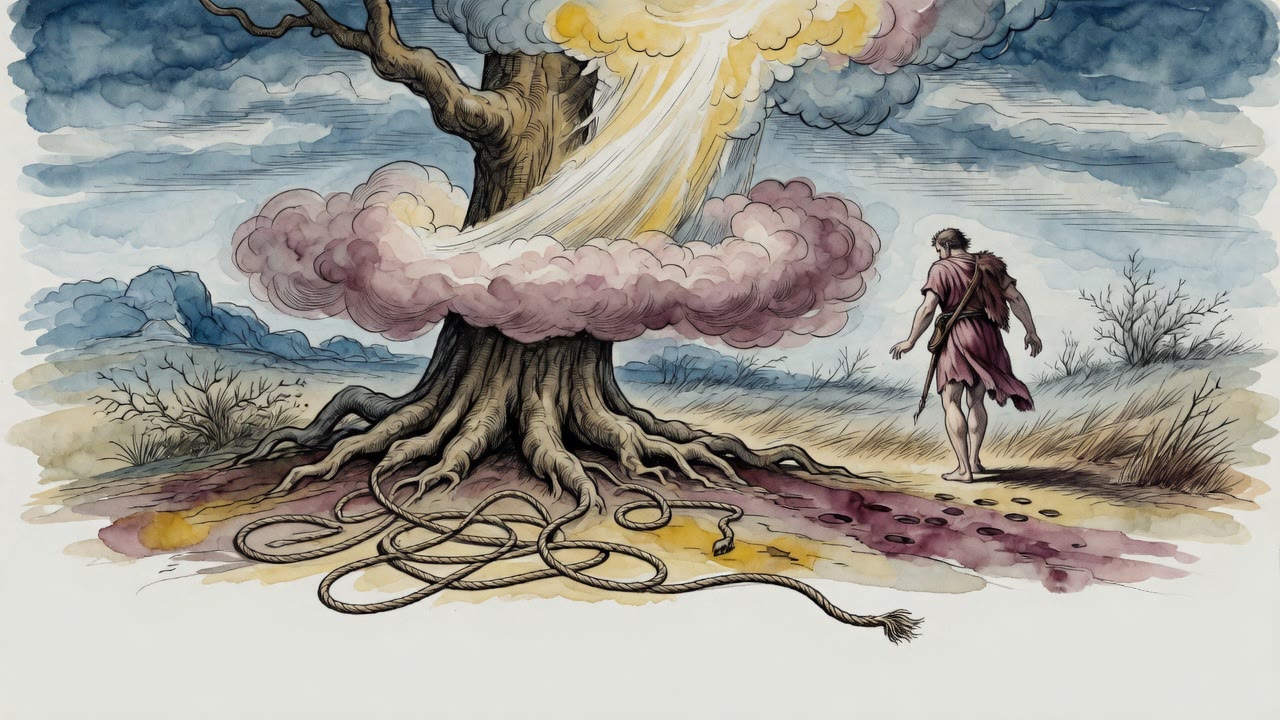
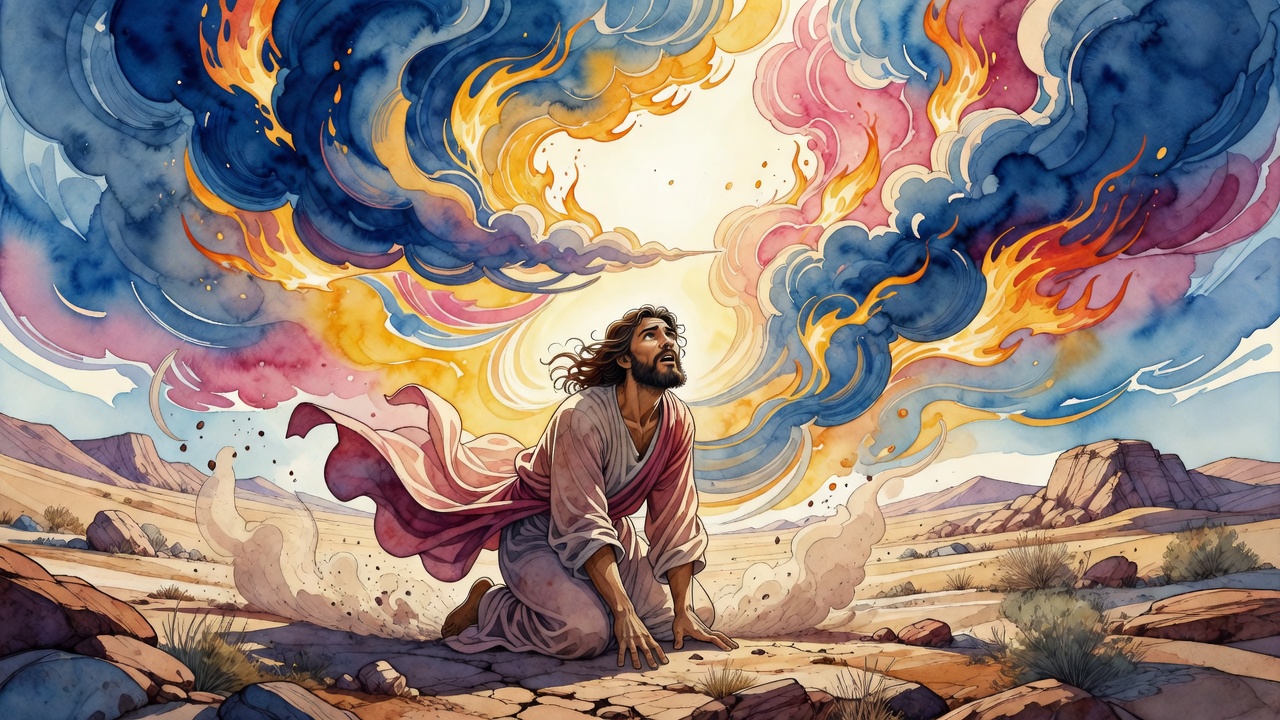
He waited at Beersheba. The desert lay to the south, a wall of heat and emptiness with Haran somewhere far beyond it. Behind him was the country of his father and the brother who wanted him dead. He stood between the two on the last patch of promised ground and did not move. He did not pace toward the road. He did not turn back. He held the boundary under his feet and let the days pass while he waited to be told.
What God Showed Him at the Border
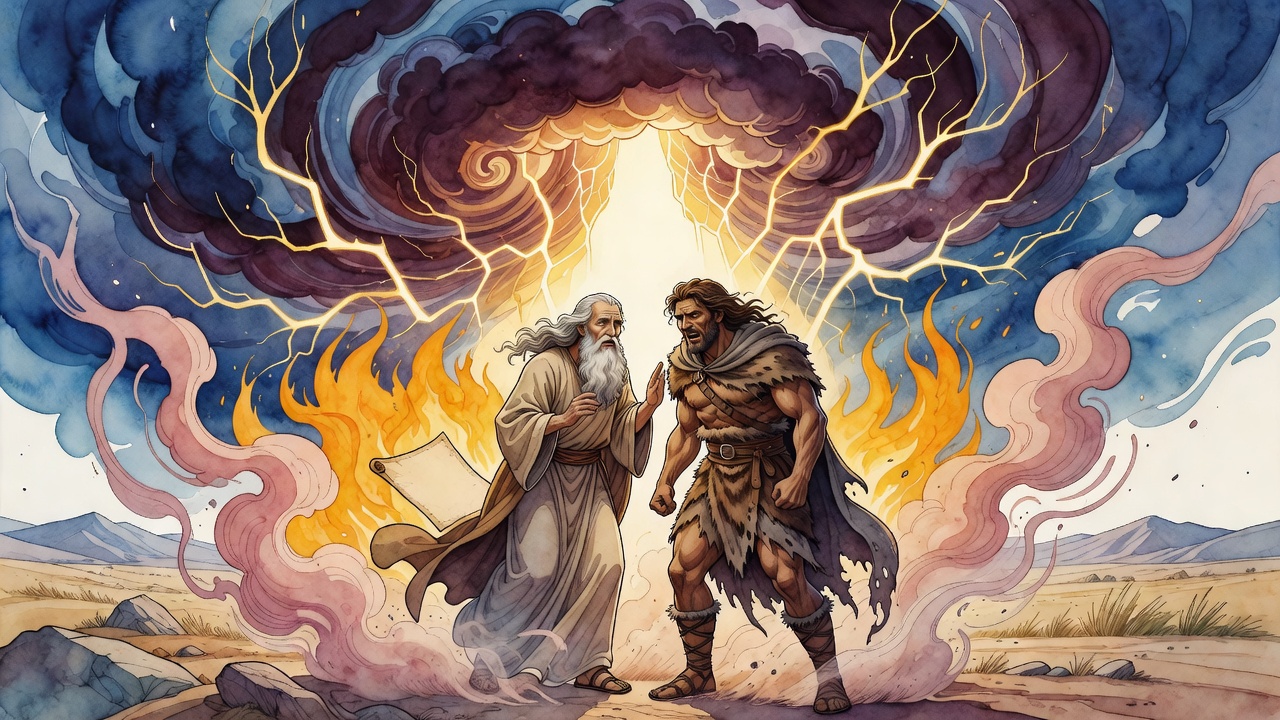
God appeared. Not that night at Bethel, which was a dream with a ladder, but here, at the edge of the land, in whatever form God used when speaking to a man standing still at a border waiting to know whether he was allowed to cross it. God gave permission. He told Jacob to go. He told him what Abraham had been told and what Isaac had been told and what every patriarch needed to hear when the path ahead was uncertain: I will be with you, and I will bring you back. The word the others had received was now spoken to him. The instruction he had no claim to until that moment was finally his own.
The Border Crossing He Carried Into Exile
Jacob crossed the border and carried the permission with him into twenty years of exile, Laban's deceptions, the hard labor, the changed wages, the cold and heat. He had not left as a fugitive who had run without asking. He had left as a man who had waited at the edge of what was promised and received clearance from the one who had done the promising. Through the long nights guarding flocks, through the wages reckoned and re-reckoned against him, through the heat of the day and the frost of the night that drove sleep from his eyes, he held the sentence God had spoken at the boundary. He had been told he would be brought back, and so the exile was never the whole of his life. It was the distance between a promise and its keeping.
← All myths