Jacob Came Home Whole After Wronging Rachel and Esau
Rachel told Jacob to give her children or she would die. He shouted that he was not God. Heaven heard the answer and did not forget it.
Table of Contents
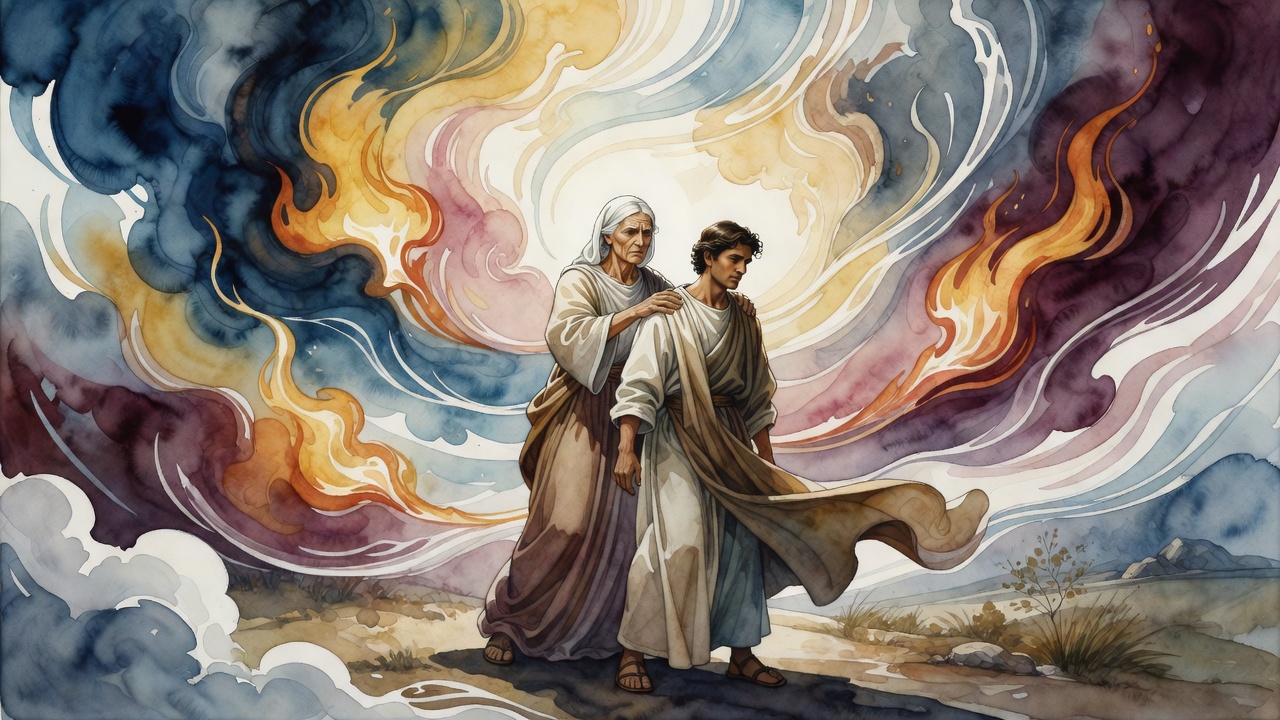
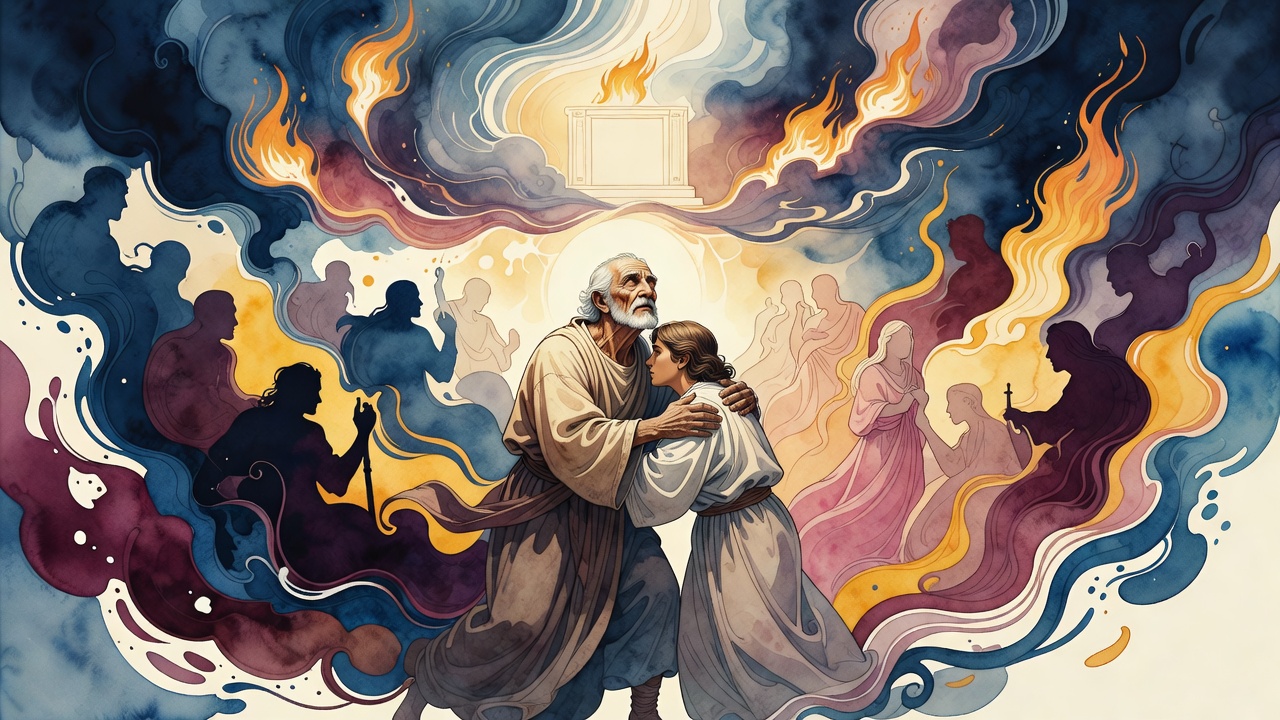
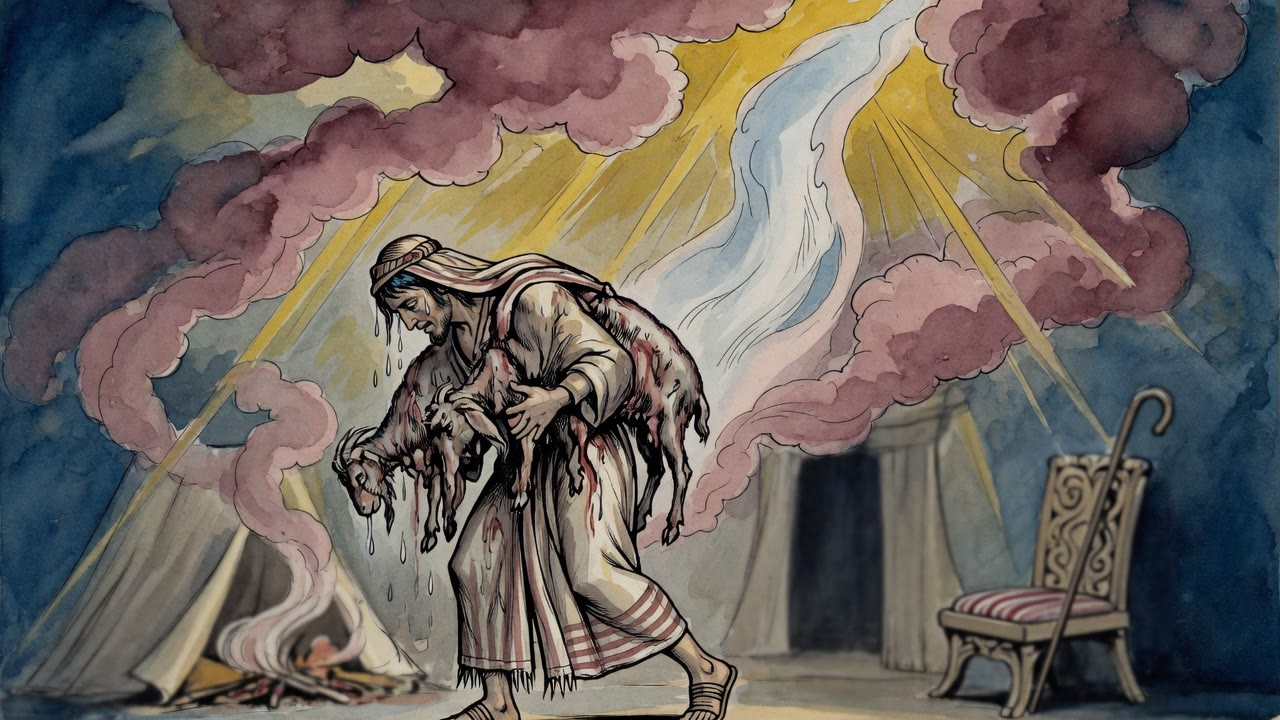
Isaac reached for the son at his bedside and found goat hair where he expected skin. The voice was Jacob's, but the hands were not, and he blessed him anyway. Peoples would serve this boy, nations would bow, and his own mother's sons would bow. Then Isaac came to the last line and did not finish on a blessing, but finished on a curse. Cursed be anyone who curses you, he said, and blessed be anyone who blesses you.
 Click for full size
Rachel Asked for Children
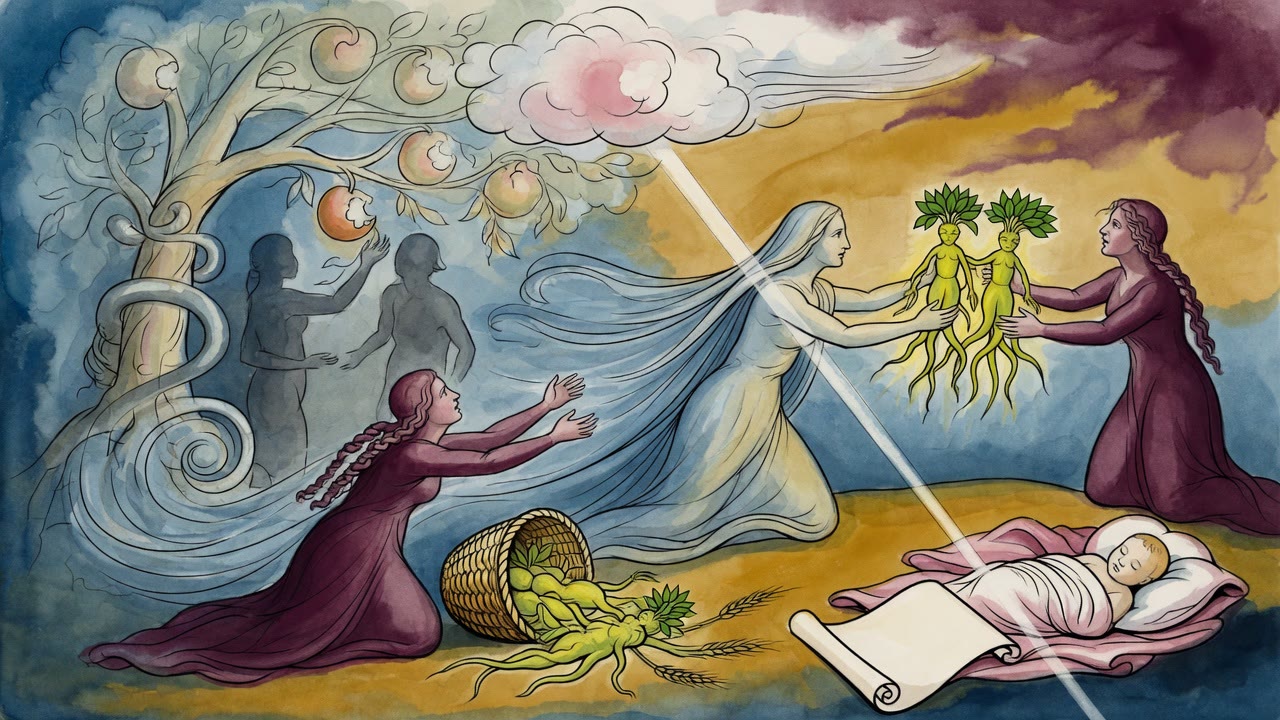
Twenty years later, in Laban's country, Rachel planted herself in front of him. "Give me children," she said, "or I am dead."
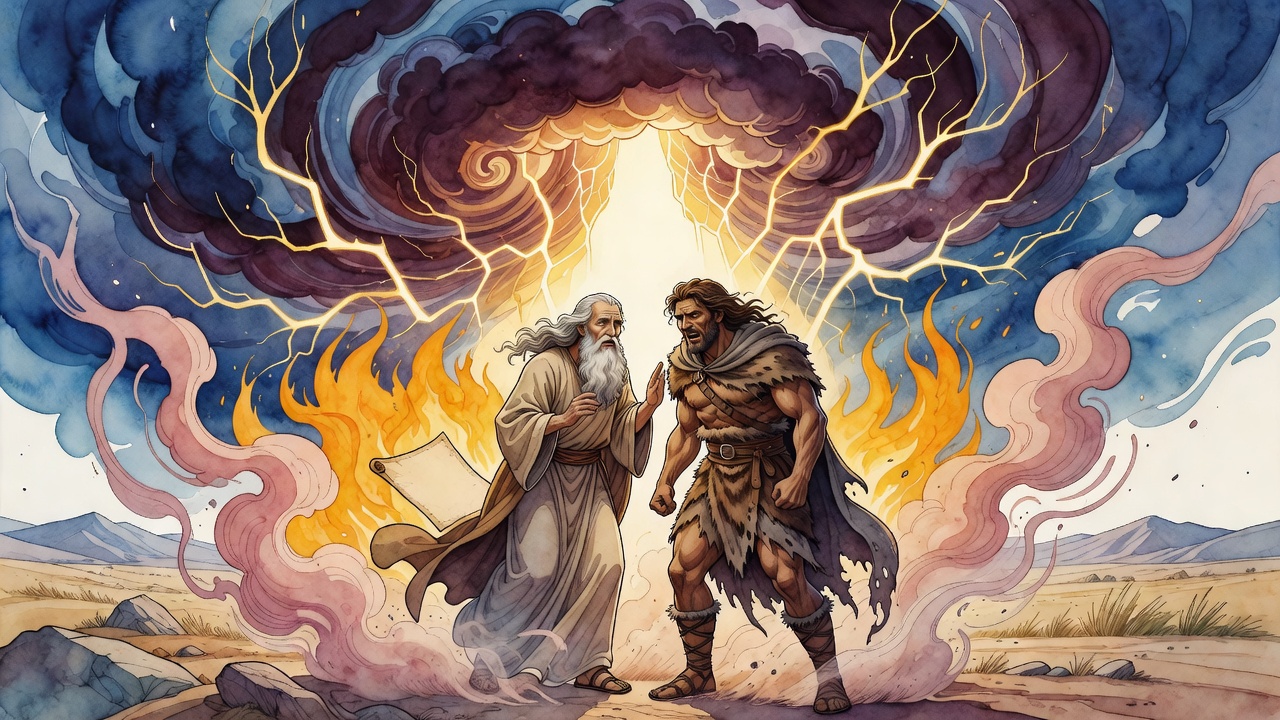
His temper came up like a hot wind off the desert. "Am I in place of God," he said, "who has withheld the fruit of the womb from you?"
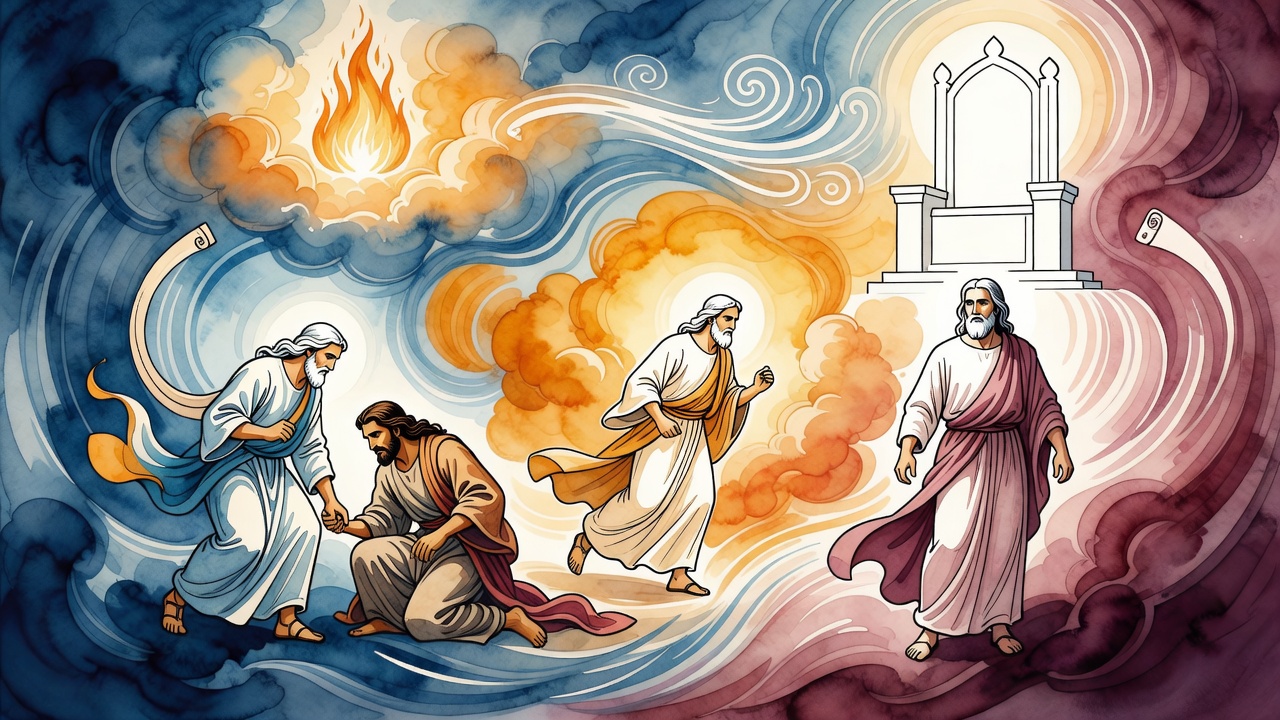
Heaven answered before Rachel could. Is that how a man answers someone in distress? As you live, your sons will one day stand in front of her son.
Jacob heard none of it, but kept going. "He withheld from you, and He did not withhold from me."
Rachel did not fold. "Did your father do this to your mother? Did he not stand and pray facing her until she carried a child?"
"My father had no children at all," Jacob said. "I have children."
"Your grandfather had no children either, and he stood and prayed."
"Then do what Sarah did."
"What did she do?"
"She brought her rival into her own house."
Rachel took the blow and turned it into an instruction. "If that is the thing standing in the way," she said, "here is my maid Bilhah. Go in to her, and let her bear on my knees, and I will be built through her." Bilhah bore a son on Rachel's knees. Rachel named him Dan and said that God had judged her. She had been barren, and now a child was crying against her chest, and both of those were the verdict.
The Droves Kept Coming
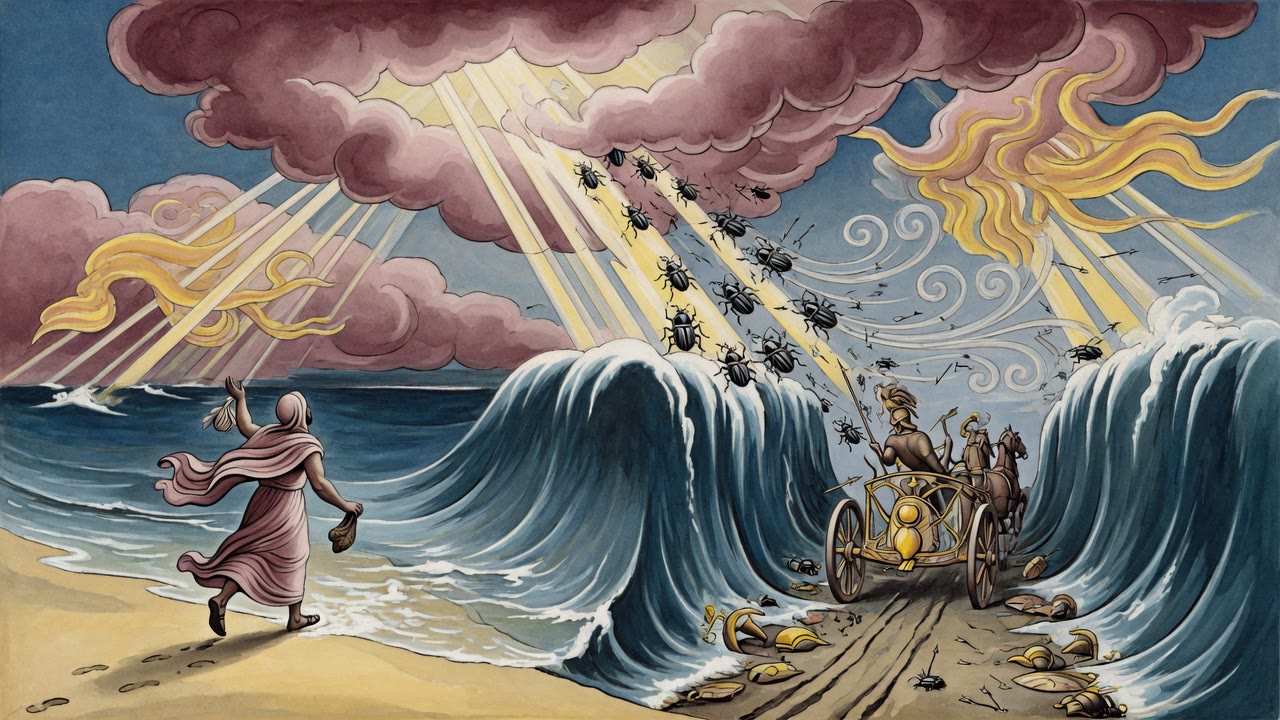
Word came that Esau was on the road with four hundred men. Jacob cut his livestock into droves and left a gap between each one, because a single herd can be refused and a sequence is harder to refuse. Two hundred she-goats and twenty he-goats, two hundred ewes and twenty rams, thirty nursing camels with their young, forty cows, ten bulls, twenty she-asses, ten he-asses. Then he gave every driver the same lines to speak.
"When my brother Esau meets you and asks whose man you are, and where you are going, and whose animals these are in front of you, say this: they belong to your servant Jacob, it is a gift sent to my lord Esau, and he is behind us."
He drilled the first driver, then the second, then the third, then every man walking behind a drove, and nothing was mixed together. Esau would meet the goats and think that was the gift, and the servant would say, Receive. Then the sheep came over the rise, and again, Receive. Then the camels, the cows, the donkeys, each herd arriving as though the one before it had only been an opening. Jacob was not being generous, but filling his brother's eyes until there was no room left in them for a grudge, so the curse that had opened his blessing might close on the road.
The gift went out ahead of him. He stayed the night in the camp and did not rest.
Two Rabbis Learned the Road from Him
Long after, Rabbi Yehuda HaNasi and Rabbi Yosei ben Rabbi Yehuda were walking a road when a stranger appeared ahead of them, still far off, so they had time. "He will ask three things," they said: what are you, what is your trade, and where are you going. They agreed on the answers before he reached them: Jews, merchants, going up to buy wheat from the storehouses of Yavne.
Rabbi Yehuda stepped out to take the questions himself. Rabbi Yosei hung back and let him, because if he spoke first and answered one way while the other answered another, they would look like men with something to hide. Someone asked him afterward where he had learned to travel like that. He said he had learned it from Jacob. The patriarch had drilled every driver the same sentences, so no gap would open in the story and invite a sword.
He Crossed Into Canaan Whole
Jacob came into the city of Shechem whole, not pardoned and not cleared, and not returned to the man he had been before the goatskin, but whole. He had gone out with a staff and a blessing that belonged to somebody else, and he came back over the same road with wives, children, and herds that had already been spent on his brother.
Jacob had been many things, but on the day he crossed the border he was a man who had paid in goats until his brother's eyes were full, and Heaven counted that as enough to bring him home in one piece.
The old mistakes stayed on the record. Rachel's son would rule Egypt, and Jacob's other sons would walk into his hall and put their faces on the floor, exactly as Heaven had promised on the afternoon Jacob lost his temper with a crying woman.
← All myths