Jacob Crossed the Jordan With Only His Staff
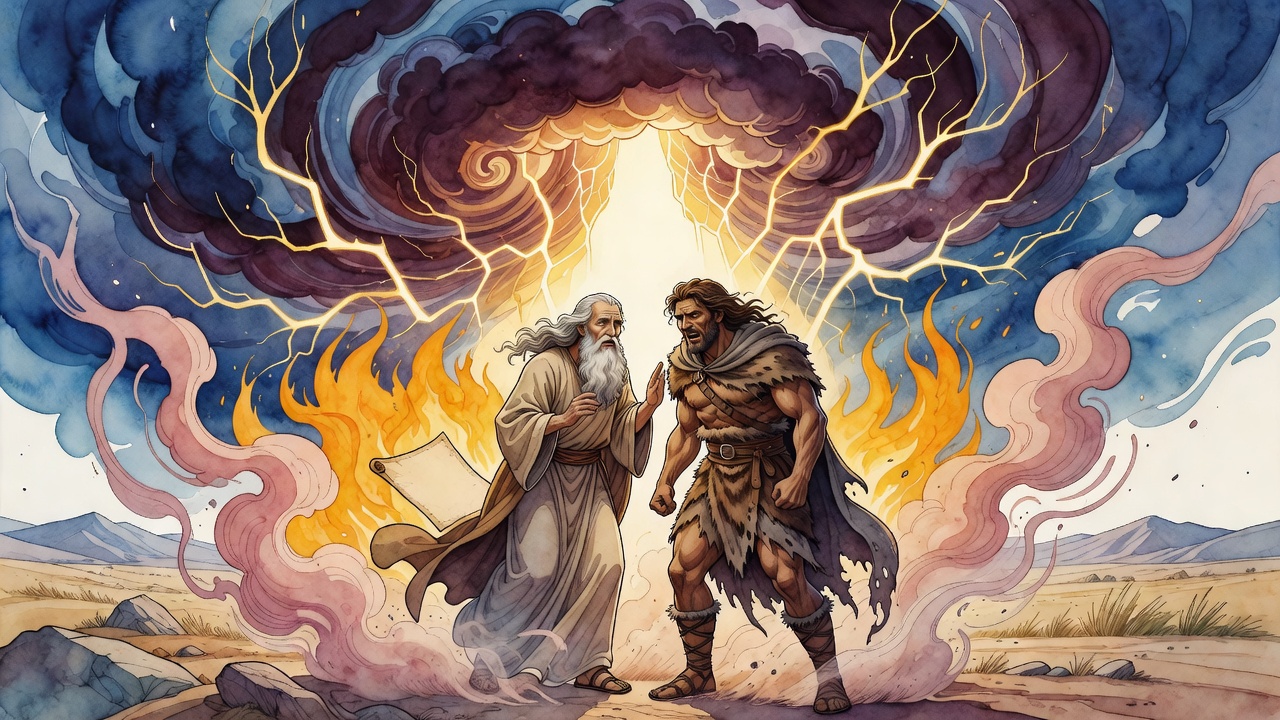
Rebekah had the road ready and the days counted. Jacob would not take a step until Isaac blessed him in the open and named the house he was bound for.
Table of Contents
 Click for full size
He Would Not Run
His mother told him to go, and Jacob said no.
Rebekah had the news before he did. Word had reached her that Esau was already comforting himself with a plan. The comfort he savored was the day he would kill his brother. She called Jacob in and pressed him. "Listen to my voice. Flee to my brother Laban. Stay a few days. Wait for Esau's rage to cool. Come back when I send for you."
It was a practical plan from a woman who knew her older son's anger better than anyone. Yesterday, she reminded him, he had listened and taken the blessings. Now he should listen so he would live.
Jacob heard it and would not move. "Is that the way," he said, "that I go out without my father's knowledge? If he tells me, I will do it at once."
Isaac Sent Him in the Open
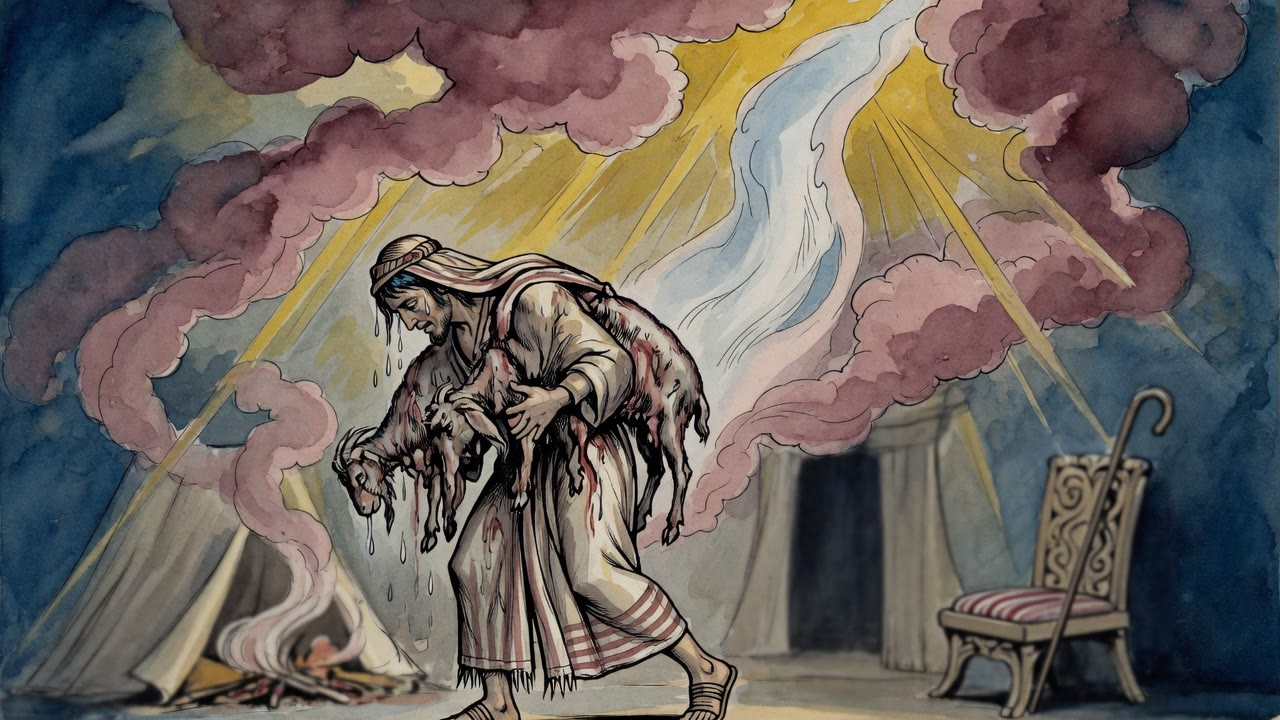
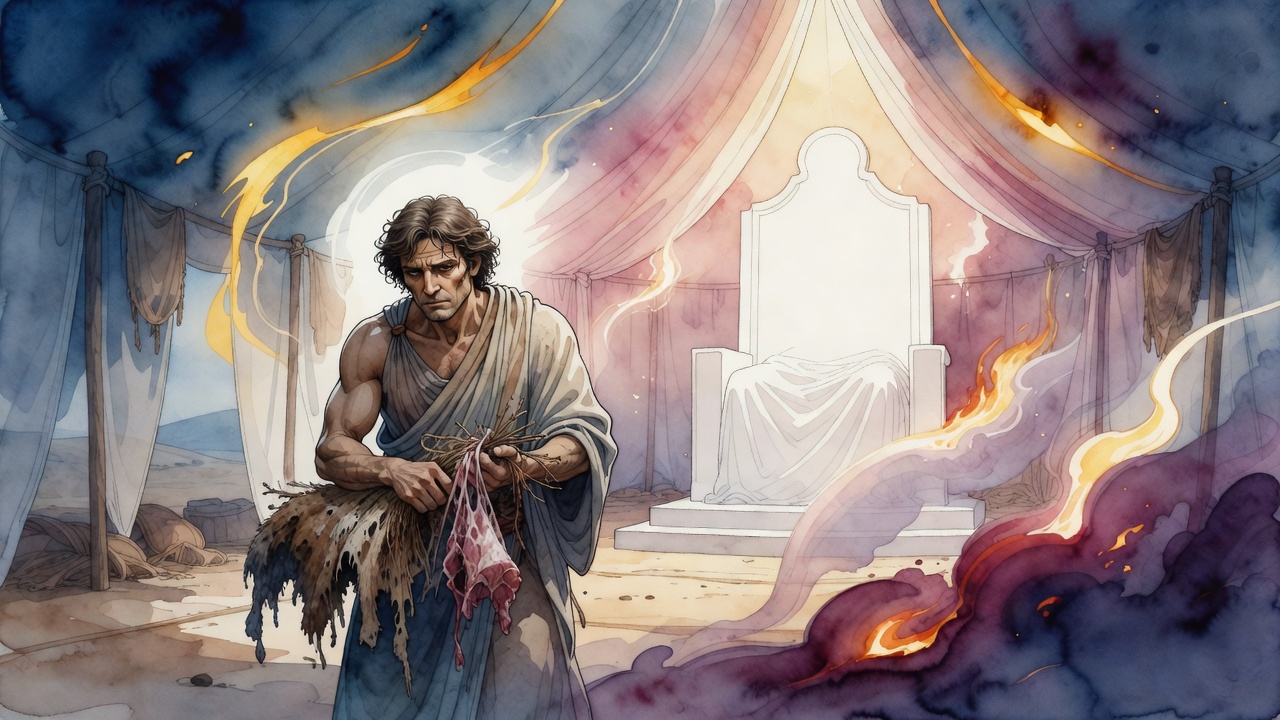
He would not take a step into the wilderness on the stolen blessing, the one taken in the tent with the skins on his hands. He wanted Isaac to know he was going. He wanted to be sent, not simply to run.
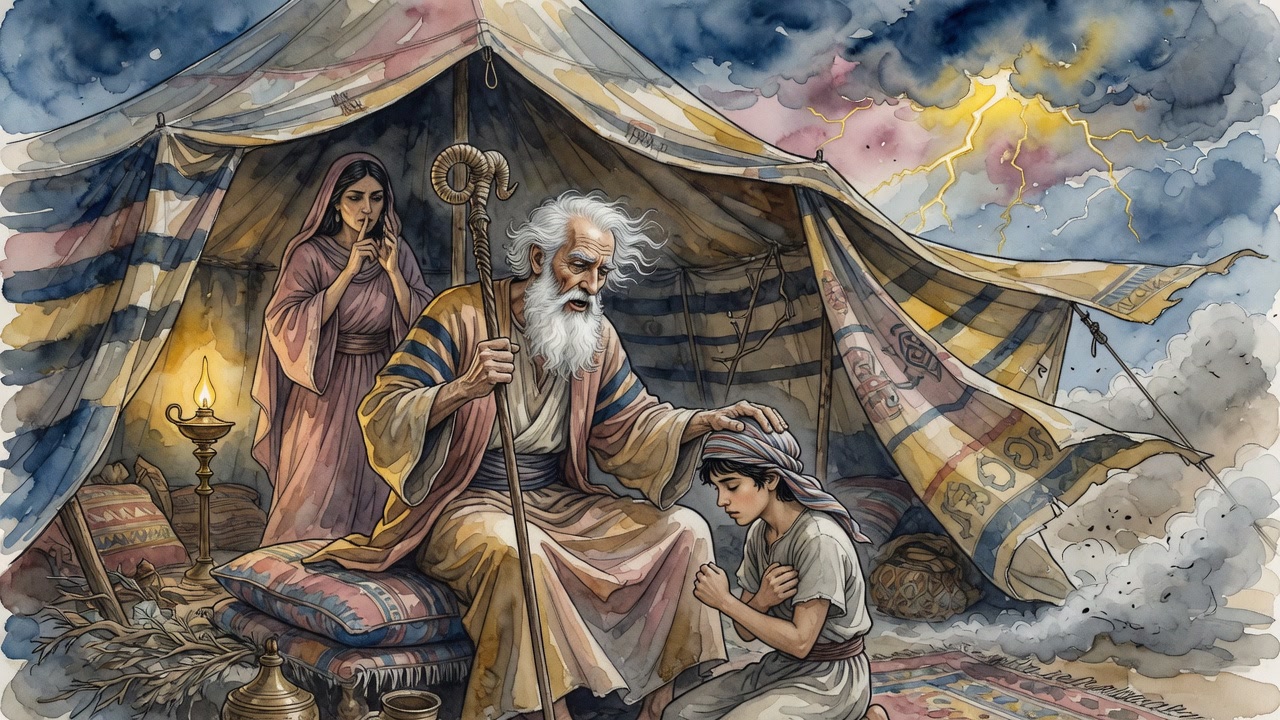
Rebekah went to Isaac and wrapped the request in its most useful form. If Jacob married a Canaanite woman, she said, what was her life worth? Esau had already added wife to wife and trouble to trouble. Isaac called his son in and blessed him again, this time openly, with his eyes open, knowing exactly whom he was blessing. He named the road. "Go to Paddan Aram, to the house of Bethuel your mother's father. Take a wife from the daughters of Laban. May El Shaddai bless you and make you fruitful."
Jacob asked for a guide for the road. Isaac gave him the blessing as escort. Only then did Jacob leave. Not running. Sent.
The Staff and the River
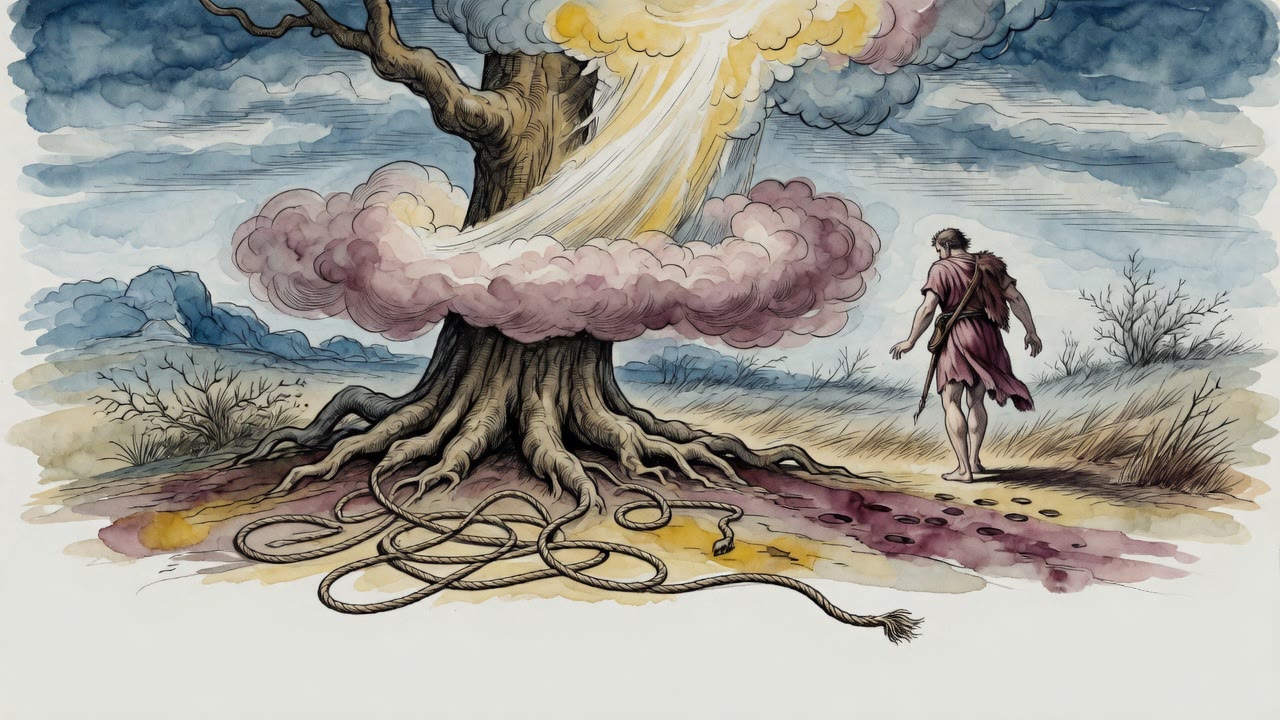
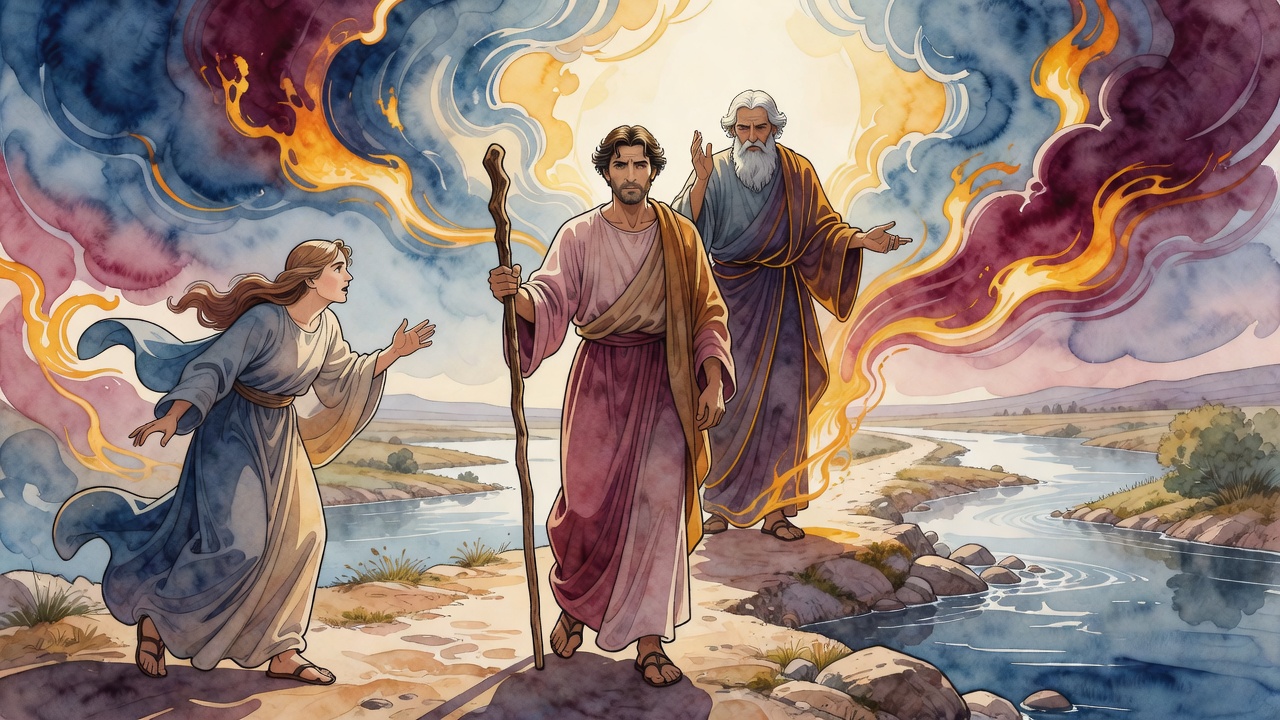
He reached the Jordan with nothing. The staff in his hand was the only object he had carried out of Beersheba. When he came to the water to cross, the river split before him. The staff alone was his crossing.
Twenty years later he stood at that same water and named what had happened. He had gone out with his staff and crossed this Jordan, and now he had become two camps. Wives. Children. Servants. Flocks. The piece of wood that had opened a river for one man now had to receive an entire household.
He had spent those years in Laban's house and had not married into idolatry. He had kept the line clean. The staff was a walking stick, and it was also the proof that he had arrived at the river carrying his learning and nothing else.
Torah Walked the Night With Him
Before the river there was the road, and before the road there was Bethel. He took stones of the place, put them under his head, and slept. A ladder stood on the earth with its top in heaven, and angels went up and came down on it. He woke afraid and said, "How dreadful is this place." In the morning he set the stone up as a pillar and poured oil on it.
He did not walk empty. He stopped at the old study houses of Shem and Ever, the schools that held knowledge from before the flood, and he took that teaching with him into the dark. A young man traveling alone, with a price on his life and no weapon, arrived safely because he was carrying something the dark cannot touch. When he lay down, the teaching kept watch. When he woke, it spoke. That was what Esau had sold and could never buy back.
Two Camps at the Water
Twenty years of Laban's trickery did not take it from him. He came back to the Jordan with wives, children, servants, and flocks, and the staff was still in his hand. He stood at the water he had crossed with nothing and split his household into two camps, in case Esau's anger was still warm.
He crossed back with the blessing he had been sent out carrying, multiplied. The river that had opened for one man and a piece of wood now had to receive an entire company. He had not married into idolatry. He had kept the line clean. The staff had become a household, and the household still answered to the blessing Isaac had spoken with his eyes open.
← All myths