The Myrtle and the Thorn That Grew Up as Twins
For fifteen years no one could tell Esau from Jacob. Then the myrtle breathed out fragrance, the thorn showed its thorns, and the world finally saw them.
Table of Contents
 Click for full size
Two Boys on the Same Road
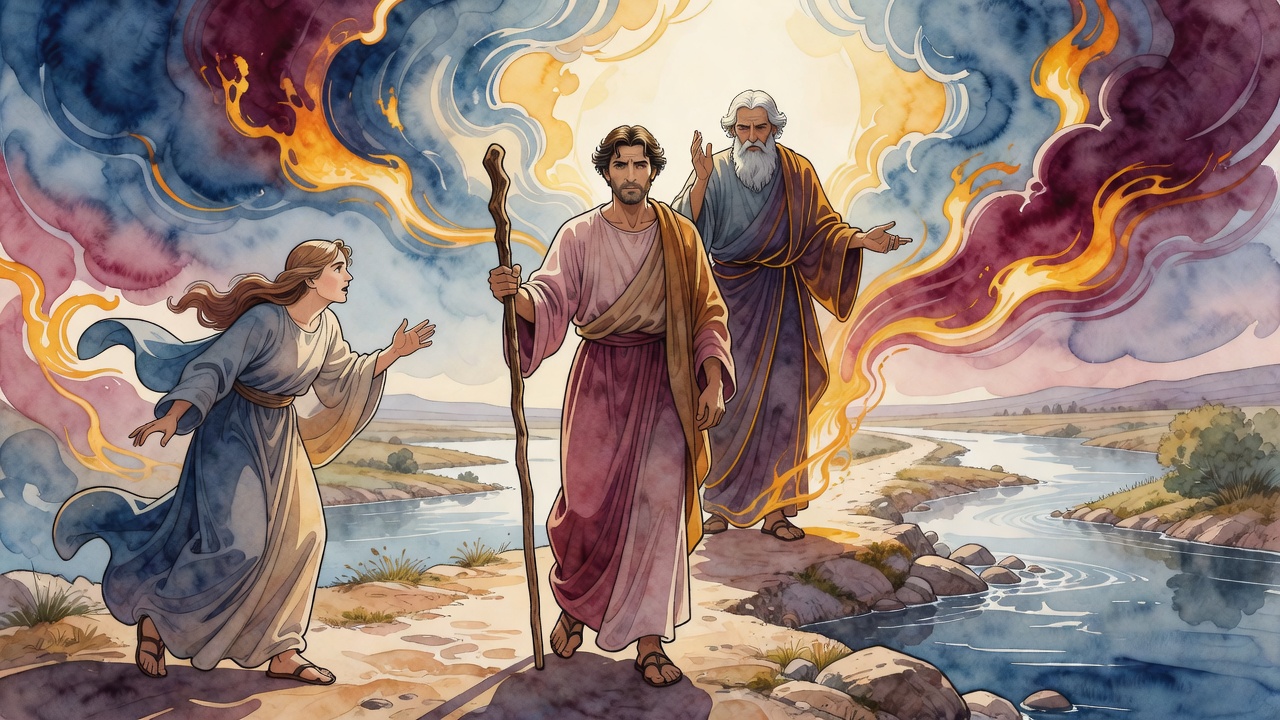
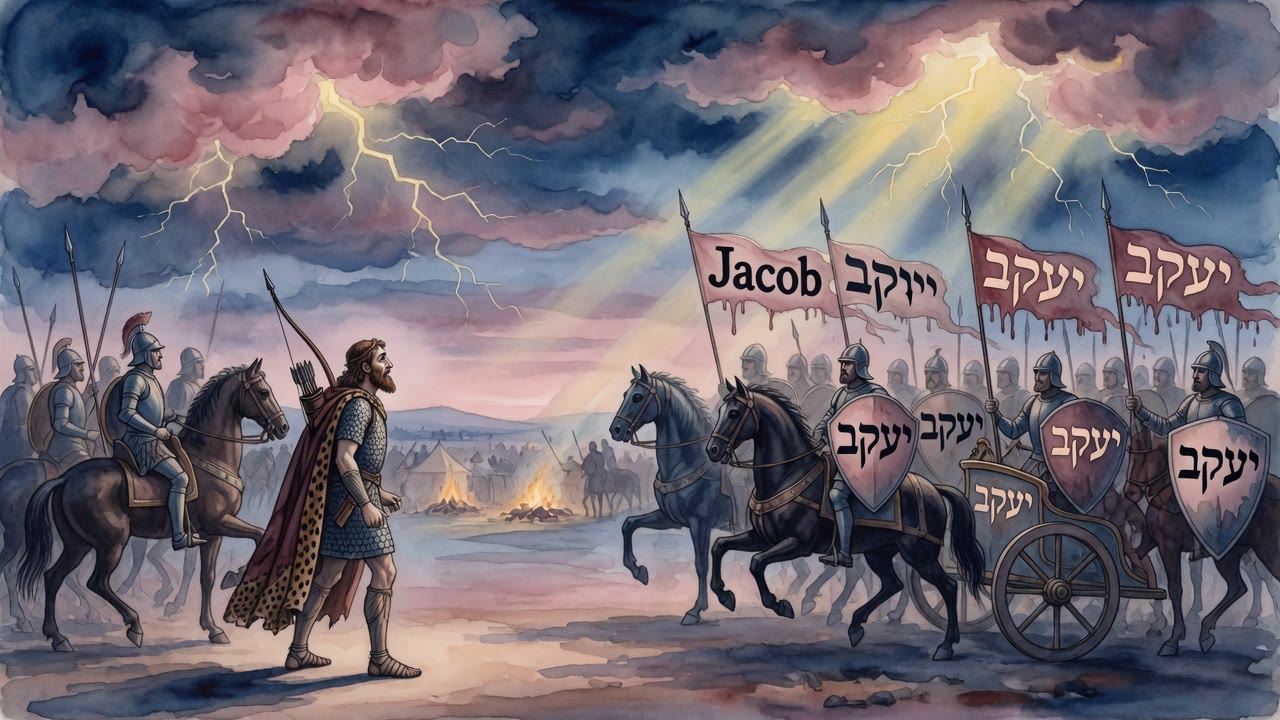
They walked to the same schoolhouse every morning, sat at the same table every evening, slept under the same roof. For fifteen years Esau and Jacob were so alike that a stranger coming up the path toward them would have had no way to guess which was which. The womb that had held them wrestling together had given the world no outward clue.
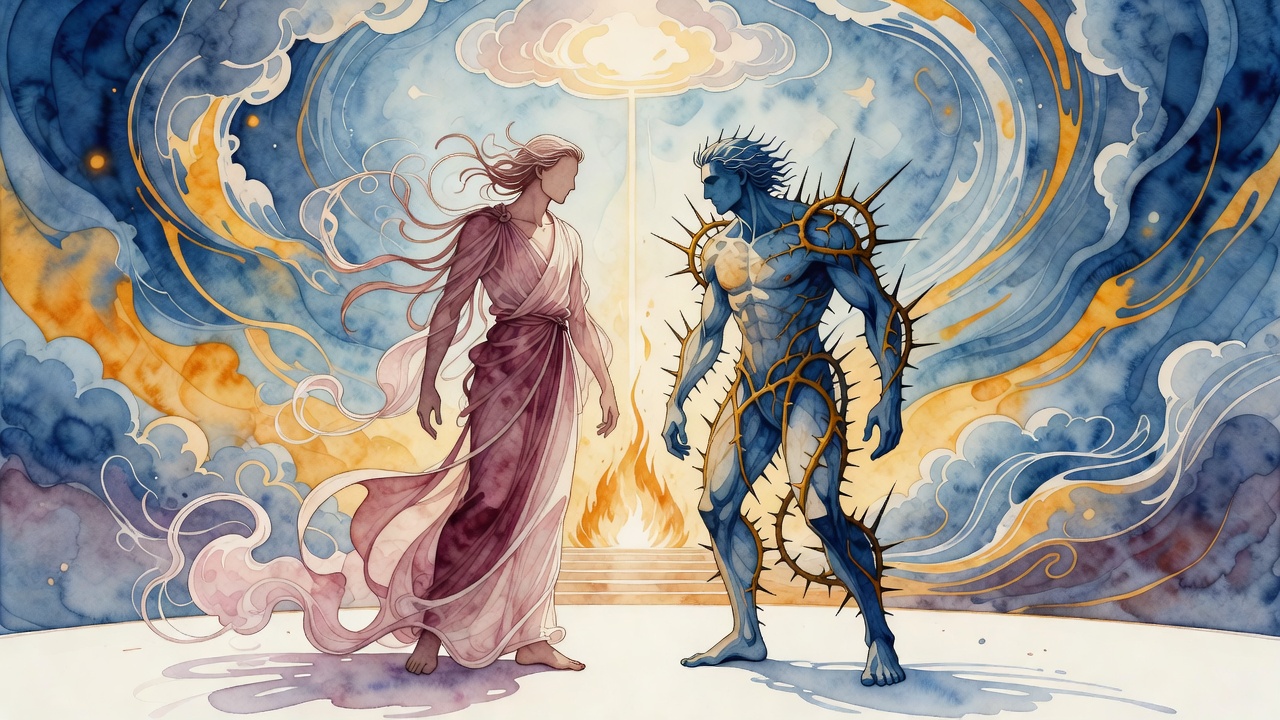
Rabbi Berekhyah the Priest had a way to say what that sameness looked like, and the image he chose was quiet and exact. Picture a myrtle and a thorn-bush planted in the same soil. While they are young your eye cannot separate them. Two slender shoots, two sets of leaves, the same green. Let the seasons turn. Let them grow into what they were always going to become. Then the myrtle breathes out its fragrance, the fragrance Scripture calls good, and the thorn-bush shows the thing it was keeping underneath all along.
The Day the Paths Divided
The day was Isaac's death. That is not how Genesis tells the story, but that is how the midrash reads the silence in the verse. Abraham died, and his son Isaac mourned him. On that same day, or very near it, the twins who had been walking the same road suddenly went two different ways.
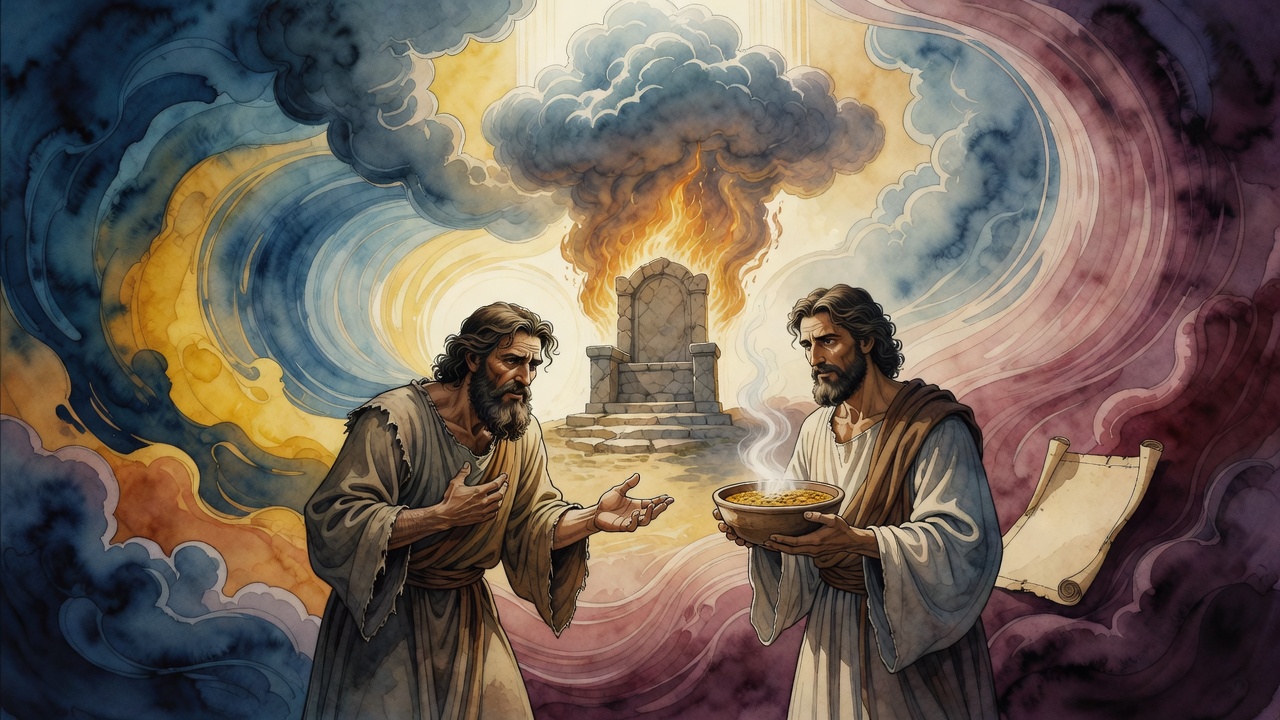
Esau came in from the field that afternoon hungry, and the hunger drove him to sell what should have been held. The birthright went for a bowl of red lentil soup. Esau said what he said: what use is a birthright to me if I am dying of hunger? He ate and drank and stood up and walked away. The verse notes it without sentiment: he despised the birthright.
But the midrash will not let the matter stay simple. It asks what had built Esau to that moment. His Canaanite wives had sickened his parents. He had seen their grief and responded by marrying into the house of Ishmael and adding trouble to trouble, certain at each turn that he was doing the right thing. The way of the fool, said Proverbs, is right in his own eyes.
The Voice That Outlasted the Hands
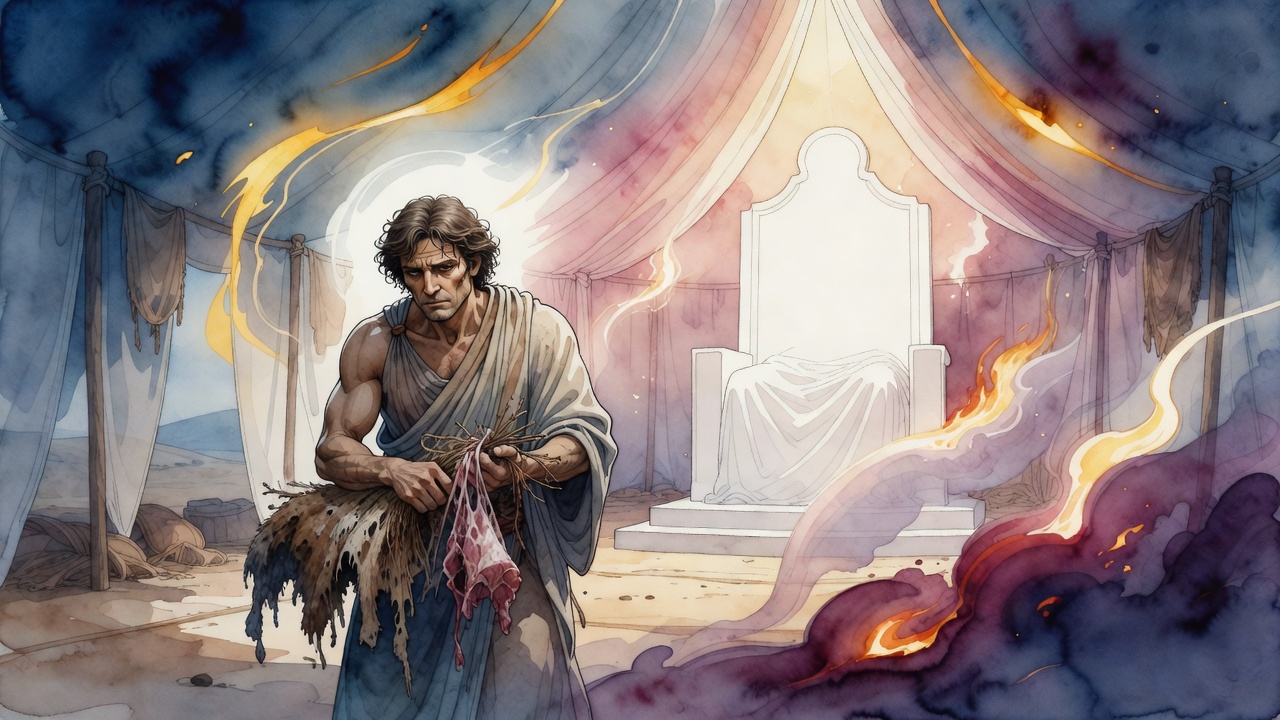
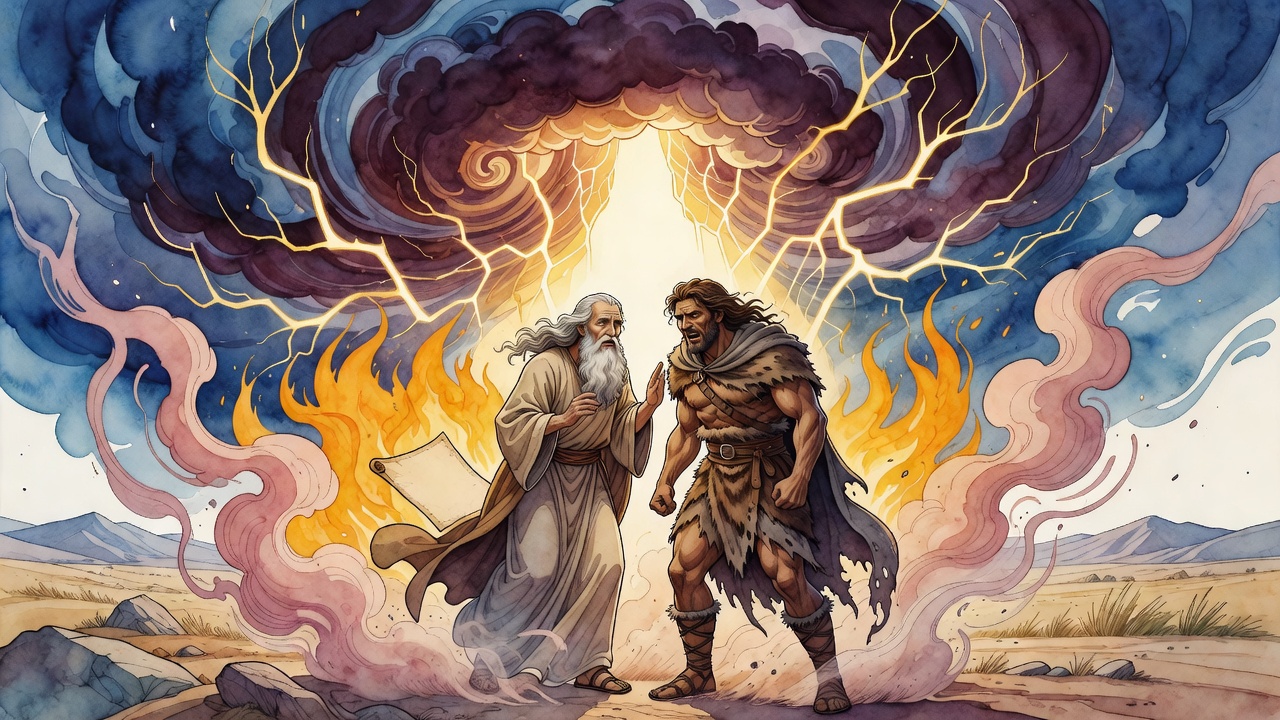
Years later Jacob stood in his father's tent wearing Esau's clothes and the skins of kids on his hands and neck, and blind Isaac ran his hands over what he could not see and said the thing that became a proverb: the voice is Jacob's voice, but the hands are Esau's hands.
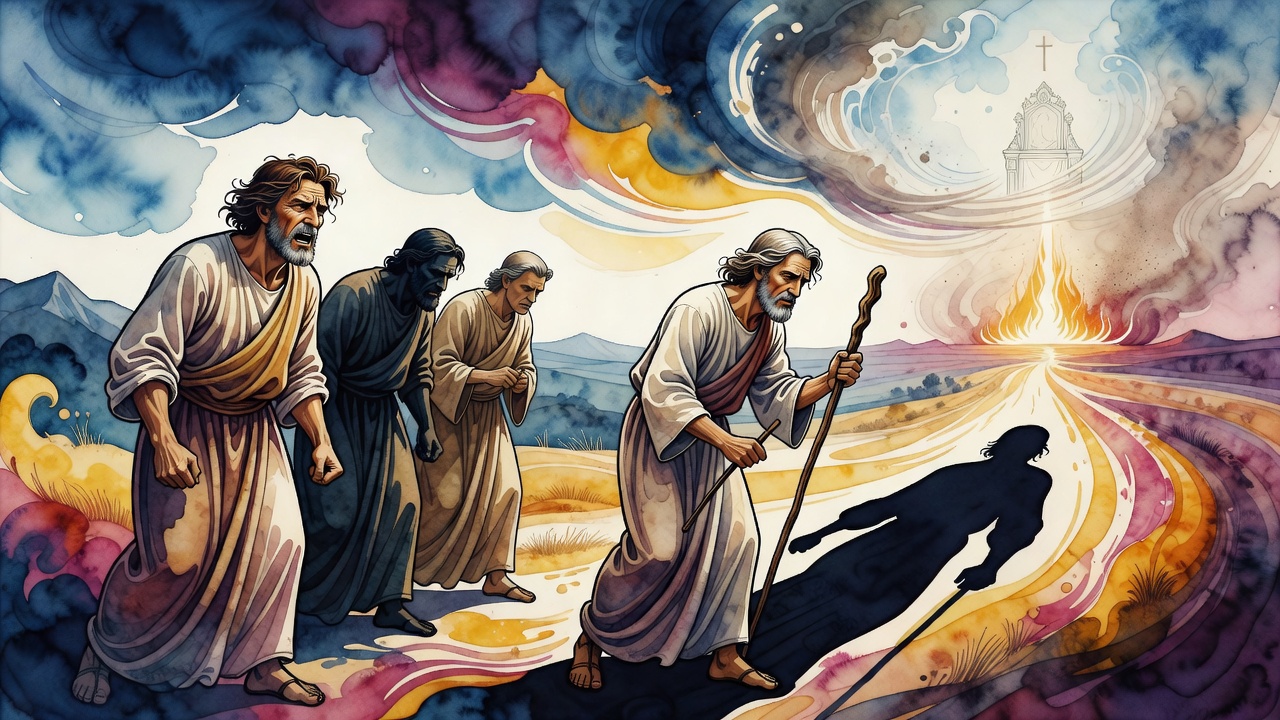
The sages carried that line into history. The voice is Jacob's voice meant the voice of prayer and Torah study, the work done with the mouth and the mind. The hands are Esau's hands meant the work done with iron and force. But then the midrash turned the sentence around. When Jacob's voice falls silent, Esau's hands grow stronger. When Israel lets Torah study go quiet, the empires move in.
The fall of Betar, the last fortress of Bar Kokhba's revolt, came because children in the schoolhouses had stopped learning. The sages connected that silence to the verse, not as excuse but as cause. The voice was Jacob's protection and Esau's limit. When one weakened, the other rose.
The Blood That Followed
The lentils had a darker color than hunger alone could account for. When Esau sold the birthright, he had already come in from a field where something terrible had happened. The midrash says the lentil soup was a mourner's meal, the kind prepared for the house of the bereaved. Abraham had died. But one tradition says Esau had done something else that day, something that also required a covering, a bowl consumed in haste, a quick departure.
He stood at the crossroads between what he had been and what he would become, and he chose the soup. He chose the body's need over the future's claim. That choice, made in an afternoon, chased him for the rest of his life.
Jacob held the bowl. Jacob held the birthright. Jacob, when he finally ran north toward Haran with nothing but a staff and a stone for his pillow, carried everything that had once been shared between them. The myrtle and the thorn had finished growing. You could tell them apart now from a long way off.
← All myths