Ishmael Lost the Blessing When Abraham Died
Sarah watched him in the yard with a bow. Then she told Abraham to send the boy and his mother out of the house for good.
Table of Contents
 Click for full size
Sarah Looked Into the Yard
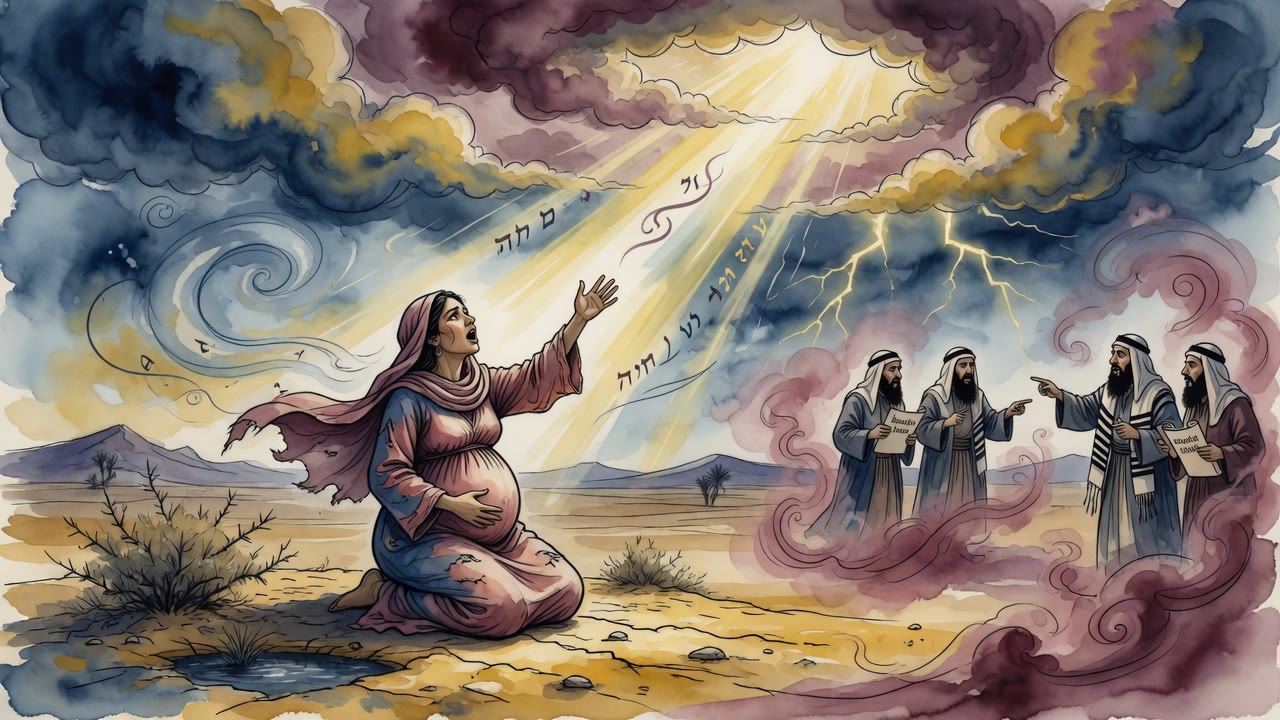
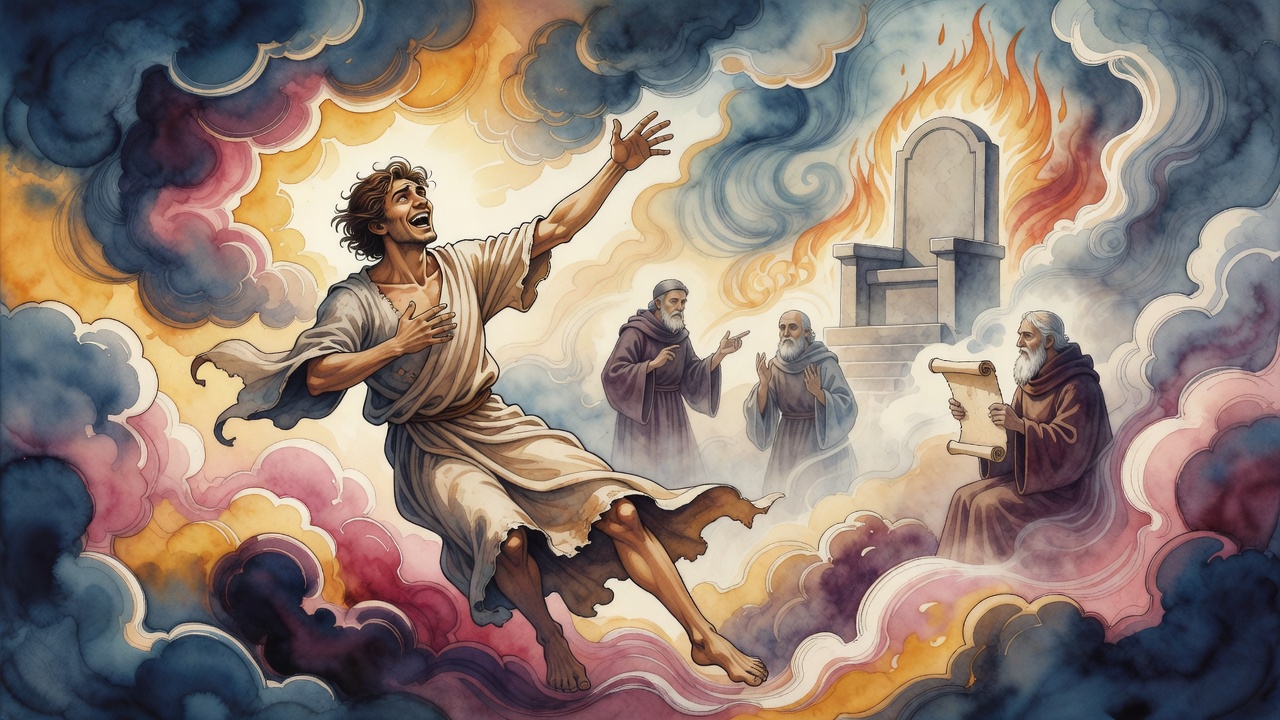
Sarah stood in the doorway and watched Abraham's older son in the yard. Isaac was small enough still that a thrown thing could end him. Ishmael had a bow.
"Let us go and see our portion in the field," Ishmael said. He took Isaac out where the ground was open. He nocked an arrow and shot toward the boy, then laughed as if the whole motion were a game. "Am I not joking?" The arrow hit dirt near Isaac's foot. Sarah's hands found the doorframe and stayed there.
She had already seen enough. In the same days she found small altars at the edge of the camp, grasshoppers trapped and burned on them, a child's parody of sacrifice aimed at something other than God. She had seen how he looked at the women of the household. Play, the Torah would later call it. Sarah called it a reason to end the sharing of one roof.
Send Them Out
She went to Abraham. "Banish this maidservant and her son, for the son of this maidservant will not inherit with my son, with Isaac" (Genesis 21:10). She named inheritance because inheritance is a word a husband has to answer. What she had seen in the yard was not a ledger. It was a bow, a laugh, a boy who already spoke of portions.
Abraham's face closed. Ishmael was his firstborn. The bread of that house had gone to the boy for years before Isaac arrived. To send him out was to cut his own flesh. God told him to listen to Sarah. He rose early, put bread and a skin of water on Hagar's shoulder, and sent them into the heat.
Ishmael went. The house got quieter. Isaac slept without a brother drawing a bow in the next patch of ground. Sarah did not take the quiet as mercy. She took it as the only way the younger son would live long enough to be called seed.
The Blessing Abraham Would Not Speak
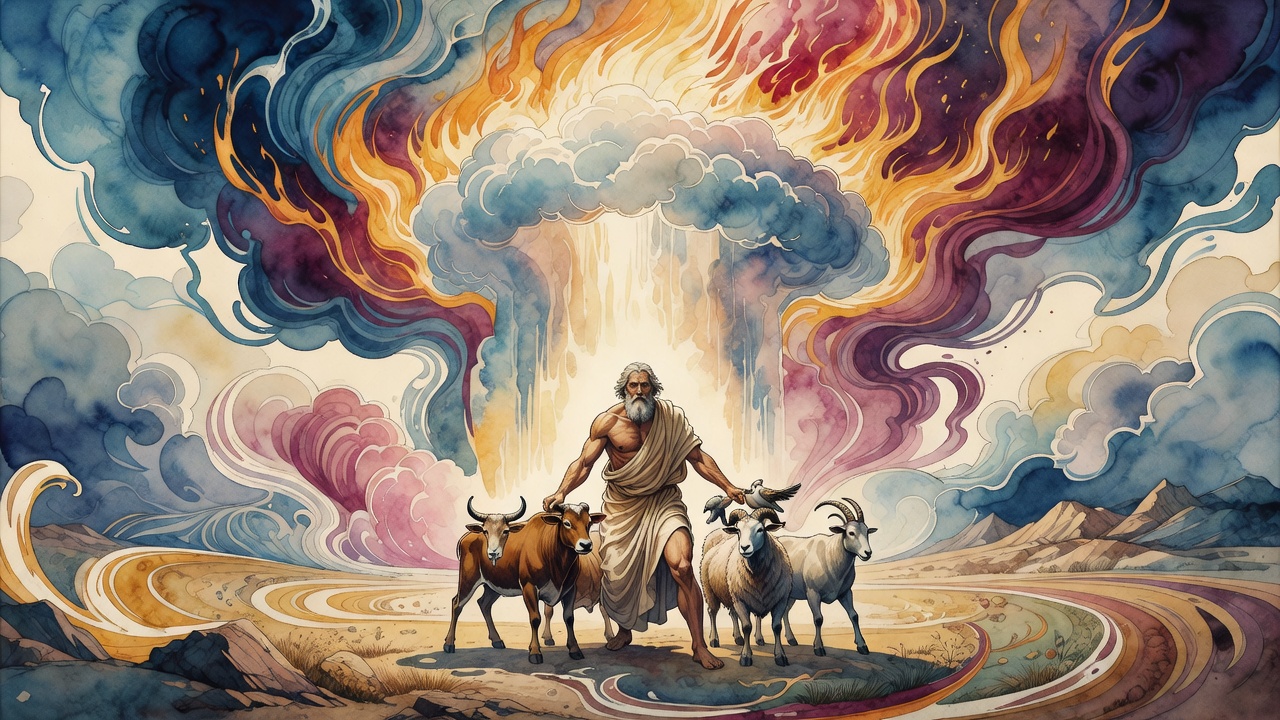
All his life after that, Abraham had two sons and one blessing that could only be spoken for one of them. He did not speak it. To bless Isaac openly was to wound Ishmael. To bless Ishmael was to contradict the verdict already given: in Isaac shall seed be called to you (Genesis 21:12). So Abraham left the choosing to Heaven.
"After my death," he said, "let God bless whomever He wishes."
He kept that silence the way a man keeps a knife in its sheath. Visitors came. Feasts were set. The firstborn was not in the room, and still Abraham would not lift his hands over Isaac in a way that named the absence. He would not shame the boy he had sent away by finishing the sentence while he was alive to hear of it.
After the Burial
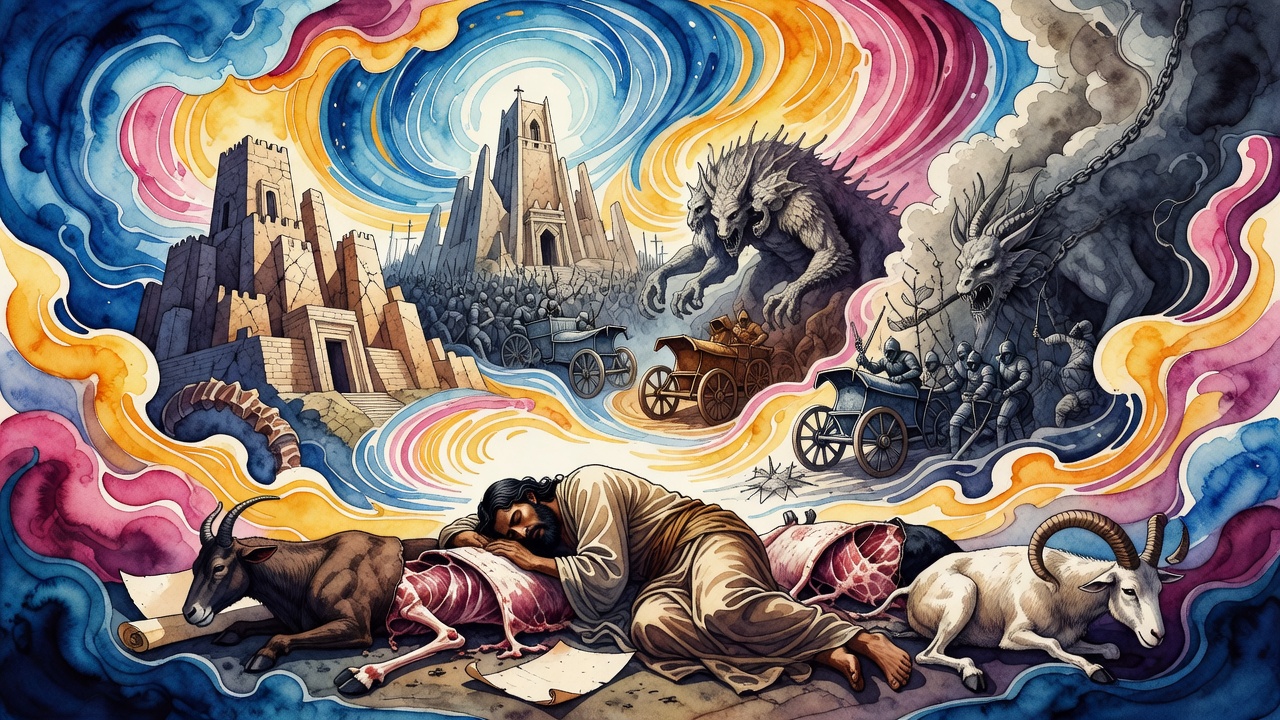
Abraham died. They gathered him to his people. Then God blessed Isaac. Not the firstborn. The son of the promise. The father had held his tongue. The Father in Heaven opened His.
Ishmael had been named a wild man before his birth, his hand against every man and every man's hand against him (Genesis 16:12). While Abraham lived, that wildness had a fence. The old man was still in the world, and the world still had a house that had, however uncomfortably, held both sons. When the father was in the ground, the fence came down. God had chosen. The blessing had gone where it was always going. Ishmael was free in the way a wild ass is free: no town, no stall, a range that does not ask permission.
Some said he would live in the wilderness while others built settlements. Some said that while others plunder wealth, he would plunder people. Both readings watched the same body after the funeral. The boy who had shot arrows as a joke was now a man with no father left to call him in from the field.
The Well That Already Had a Name
Isaac settled at Beer-lahai-roi, the well of the Living One who sees me. Hagar had named that place years before, when she ran the first time and God found her in the waste. Isaac sat down at a well that belonged to his brother's story before it belonged to his own. He gathered in Hagar, Abraham's widow, at the water she had already called by God's seeing.
Ishmael went farther out. The firstborn who would not inherit with Isaac still had a life, a line, a wilderness. What he did not have, after the burial, was the blessing Abraham had refused to speak and God had now spoken elsewhere. The wildness that had only held its shape under a father's watch no longer had that watch.
The well kept its name. Isaac drank from it. Somewhere beyond the last fence, Ishmael moved through country that does not keep ledgers. The arrow in the yard had already told Sarah how the portions would be divided. Abraham's silence had only delayed the sentence. Death delivered it.
← All myths