Isaac Was Born and the World Remembered Light
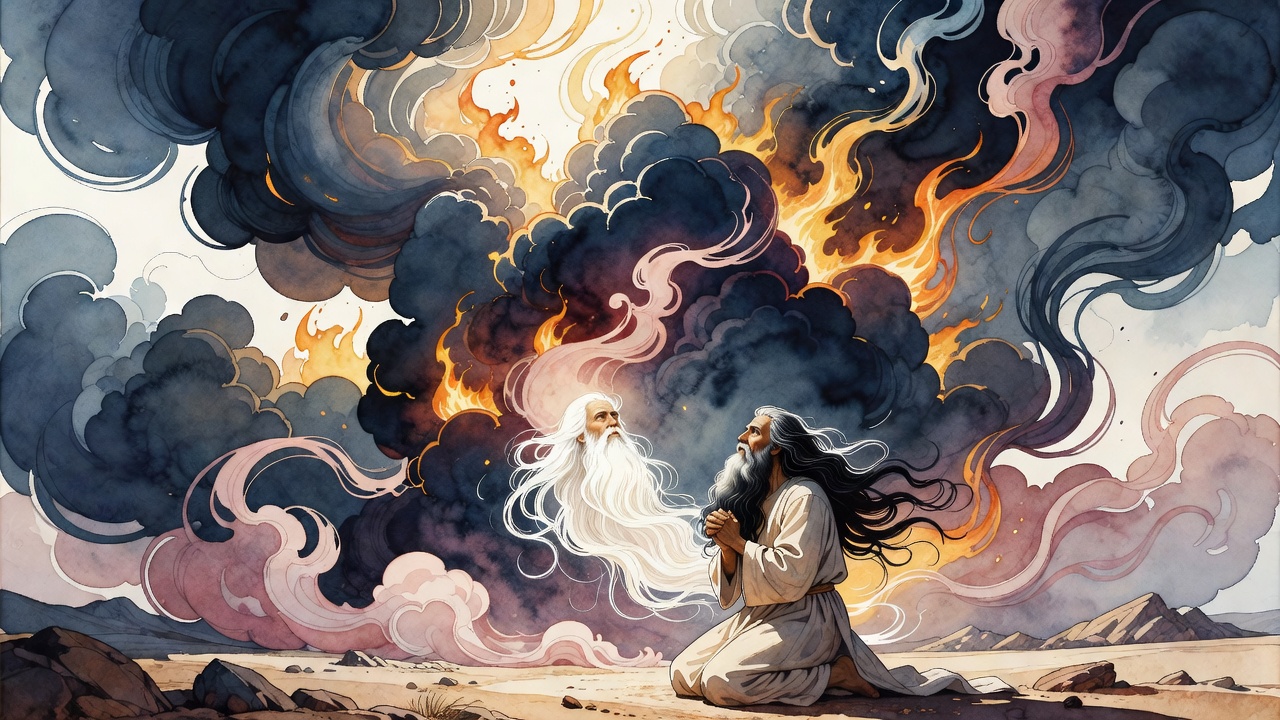
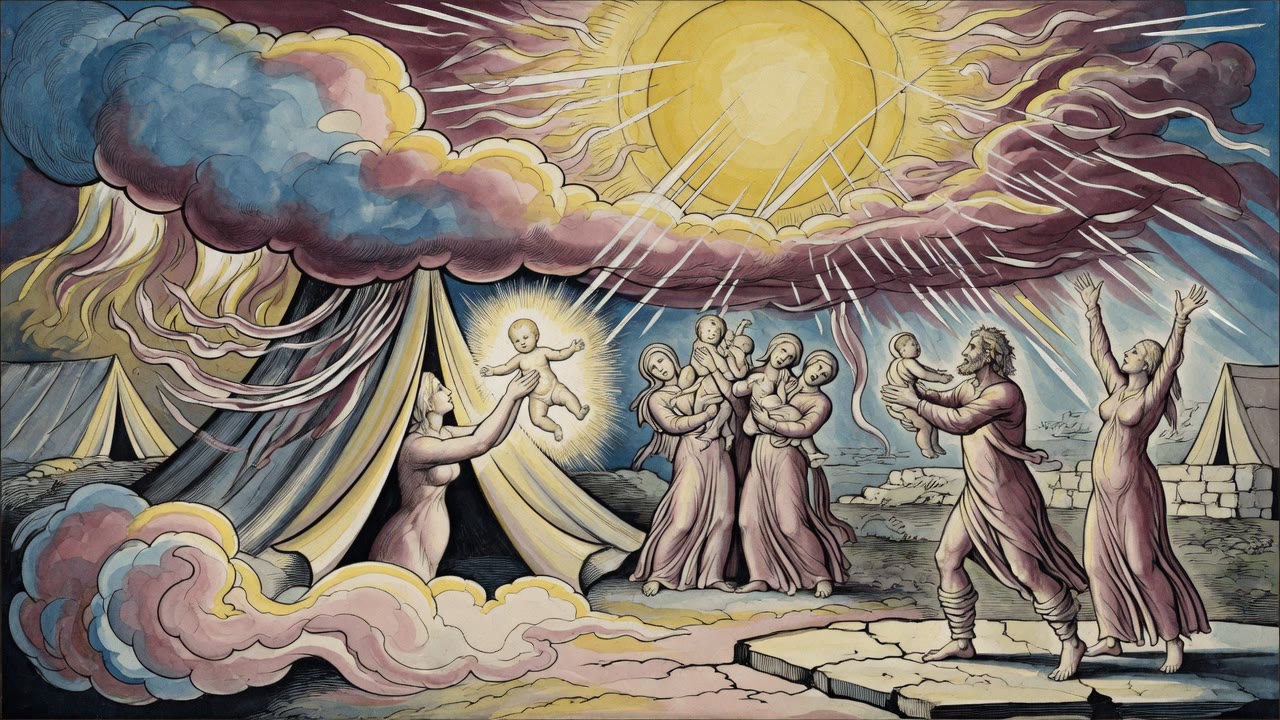
Isaac entered the world and barren women held children, broken bodies rose whole, and the old light of Eden flashed across the sun.
Table of Contents
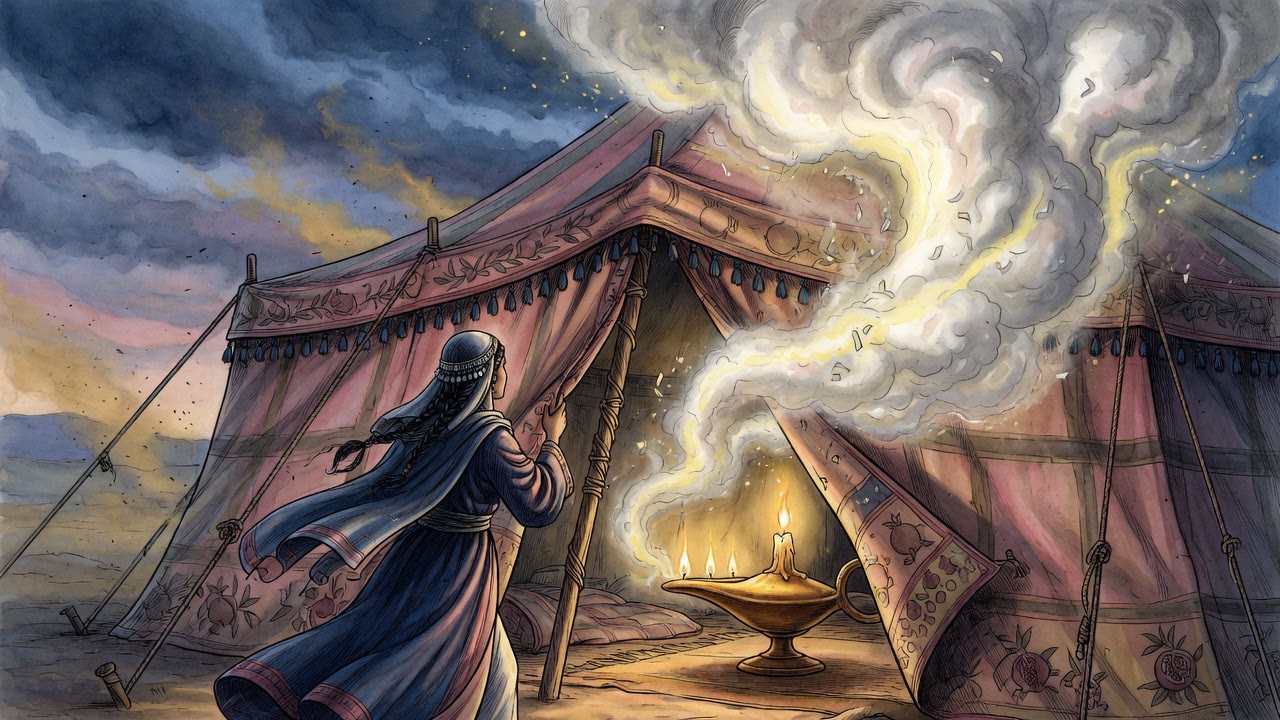
The first cry from Isaac did not stay inside the tent.
 Click for full size
It broke past the tent flap, past the servants, past the herds, past the old laughter that had followed Sarah for years. Abraham had waited until his body looked like a closed road. Sarah had carried the shame of emptiness until every ordinary cradle in another woman's house could cut like a blade.
Then the child cried.
The Laugh Became Flesh
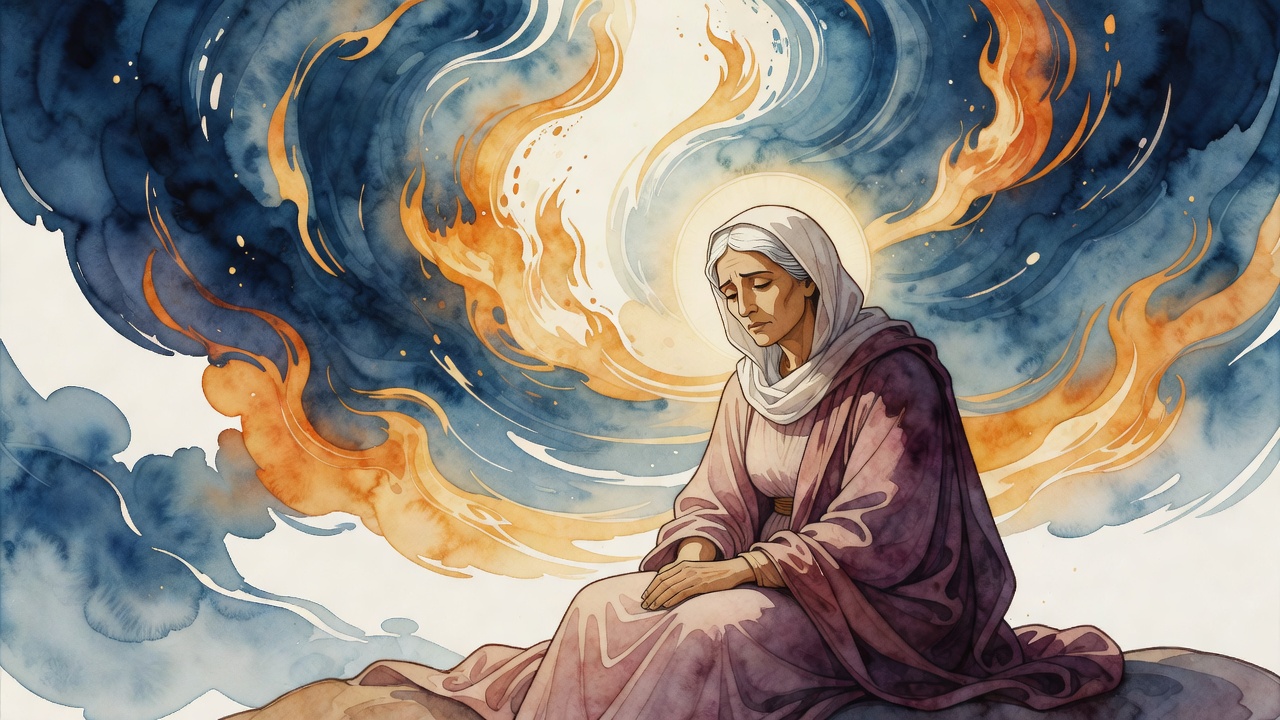
Sarah had laughed when the promise first entered the tent. Not the laugh of mockery only. The laugh of a woman whose body had been turned into a public impossibility, then addressed by heaven as if time were still soft clay.
Now she held a son. The name Isaac carried laughter in it, but not the same laughter. It had weight. Skin. Hunger. A mouth that opened and demanded milk.
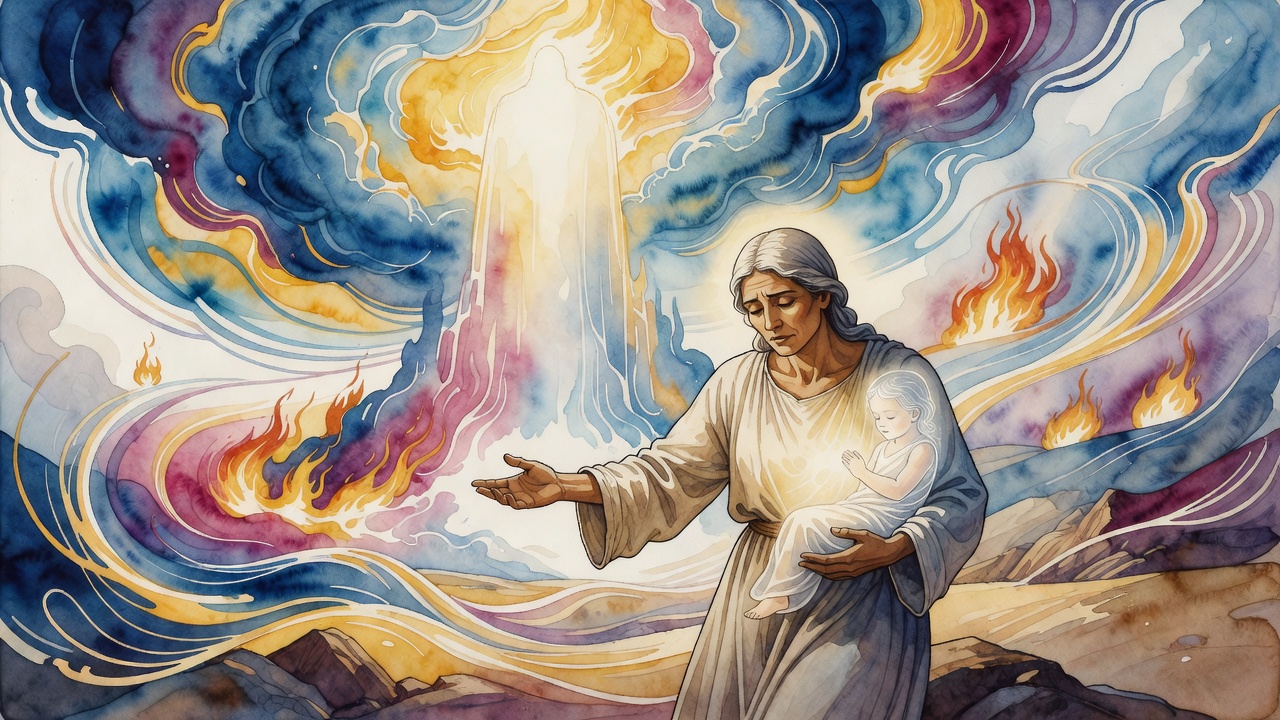
The house of Abraham did not merely receive an heir. It received proof that a sealed future could open. The promise was no longer a sentence spoken over old people. It had cheeks, fists, and a cry sharp enough to wake the camp.
Empty Arms Filled Across the Earth
The miracle refused to stay local.
Women who had waited with empty arms suddenly bore children. Houses that had gone quiet filled with the noise of infants. The ache Sarah knew in her bones passed through the world and met an answer on the same day.
Blind eyes opened. Lame limbs straightened. Mouths that had not formed words began to speak. Minds that had wandered beyond reach returned to their own names.
No herald explained it. No court certified it. Bodies simply changed. A man reached for a wall and found he no longer needed it. A woman heard her own voice come back from her throat. A family stared at a child where no child had been possible.
Isaac was born, and the world behaved as if one child had tugged a hidden thread running through every wounded place.
The Sun Remembered Eden
The sky changed too.
On the day of Isaac's birth, the sun shone with a splendor unseen since Adam's transgression. That old light had once touched the first world, before exile from Eden bent human life toward shame, labor, sickness, and death. It had vanished so completely that ordinary daylight began to feel normal.
For Isaac, the brightness returned.
Fields flashed. Tent pegs threw hard shadows. Faces turned upward and found the sun almost too full to bear. The light was not the regular gold of morning. It was a memory of a world before damage, a taste of olam ha-ba, the world to come, where that brilliance would shine again.
A newborn slept under it. His mother watched his chest rise and fall. The whole earth stood for a moment between Eden lost and Eden promised.
The Child of Light Went Blind
Years did what years do. They took the infant and made him a father. They took the eyes that had opened under the old light and darkened them.
Isaac grew blind.
The man born on a day when blind people saw now sat in his own dimness and reached for blessing through taste, smell, and touch. Food mattered differently to him. The sightless cannot take pleasure in the look of a meal, so the appetite must be coaxed by something richer. Dainties. Savory things. A plate prepared with care.
He called for Esau on the eve of Passover. Night pressed toward the hour when the whole world would sing Hallel to God. Above the earth, the storehouses of dew waited to open. Blessing was already in the air, gathered like moisture before dawn.
The Dew Opened and the Warning Fell
Isaac wanted to bless before he died. He told Esau to prepare food so that his soul could bless him. The request moved through an old man's hunger, a father's desire, and the dangerous tenderness of choosing one son over another.
But ruach hakodesh, holy inspiration, pressed a warning into the room: "Do not eat the bread of one who has an evil eye."
The ayin hara, the evil eye, was not a small superstition here. It was a way of naming food touched by envy, possession, and a narrow heart. A blessing cannot pass cleanly through such hands. Dew may be ready in heaven, songs may be rising from the world, but the plate set before a father can still carry the stain of a son's inward gaze.
Isaac had entered life with a light that healed strangers he would never meet. At the end, blind and hungry, he sat waiting for food that could decide the future of his house. The world had opened its eyes for his birth. Now his own darkened eyes forced heaven to guard the blessing.
← All myths