Abraham Complained About Looking Young and Woke Up White-Haired
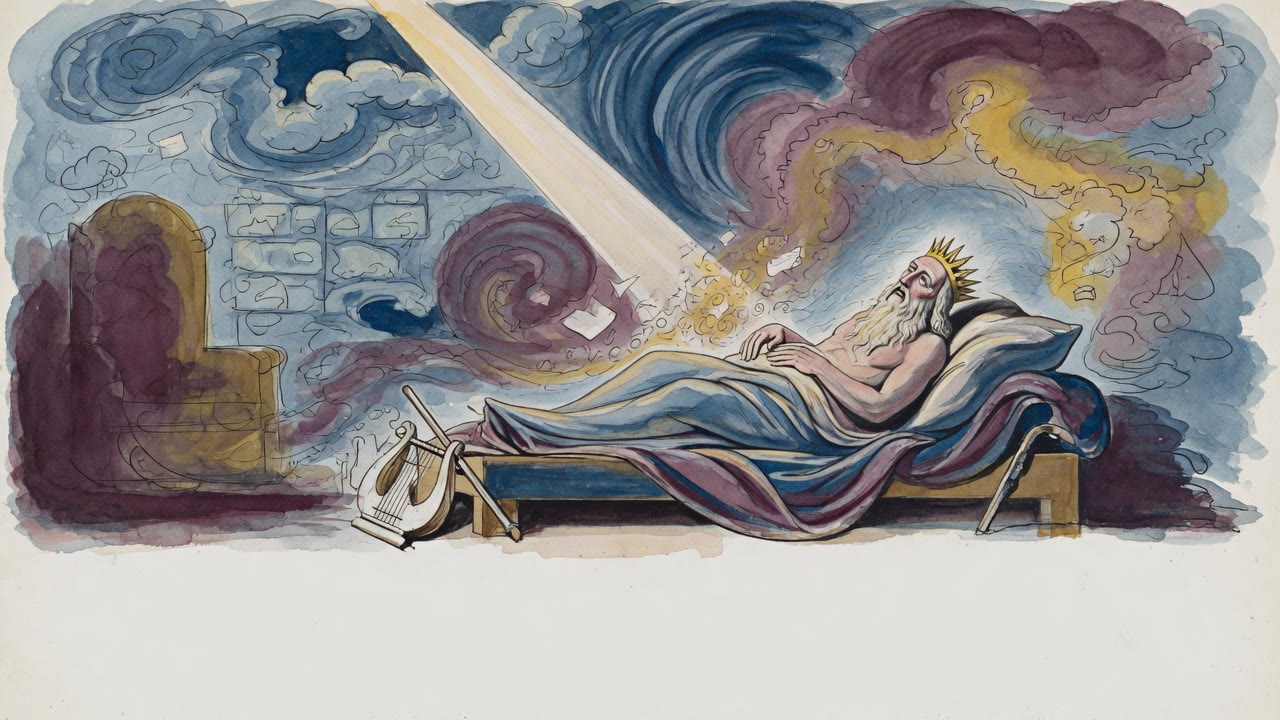
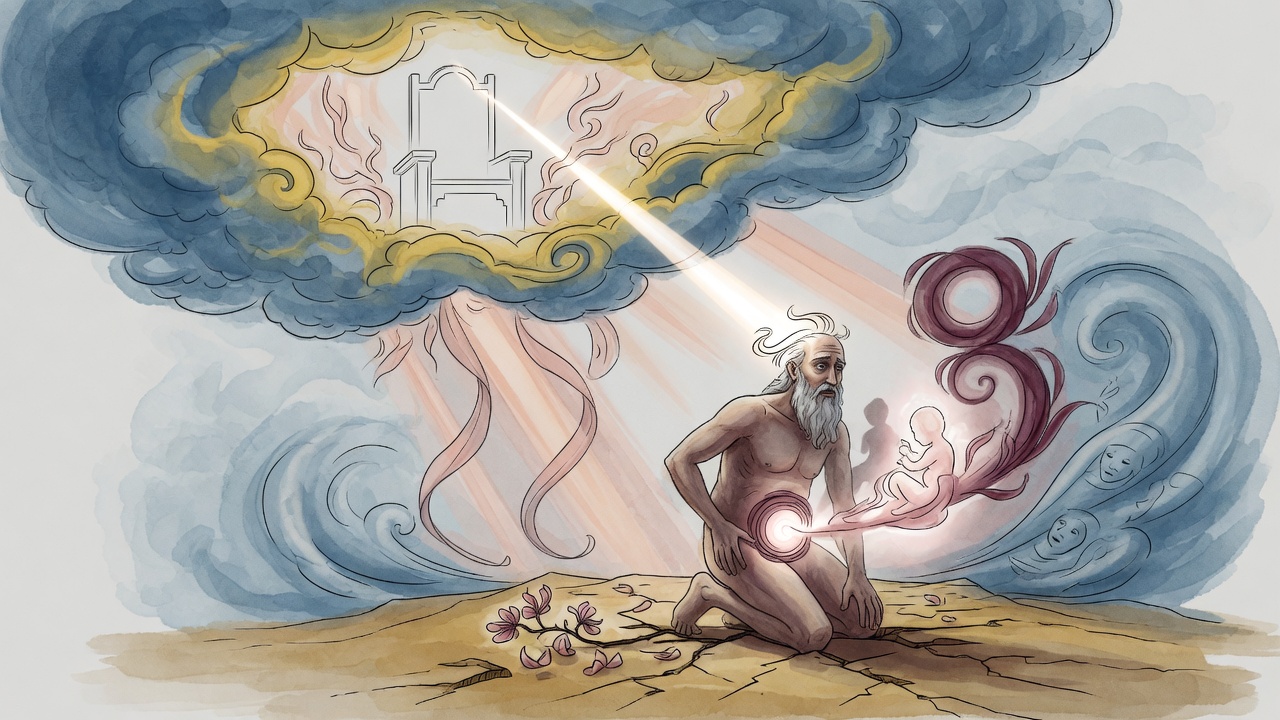
Before Abraham, no one looked old. He asked God to make age visible so the young would know whom to honor. By morning his beard had gone white overnight.
Table of Contents
 Click for full size
The City Where No One Looked Old
Abraham had walked into cities where he could not tell the fathers from the sons. Not from age, not from appearance. In the early generations, a man could live a century or two without showing any sign of it on his face or in his hair. A face at twenty and a face at two hundred wore the same smoothness. The hand that had buried children and the hand that had buried nothing looked alike when they reached for bread. There was no visible record of what a person had survived. Wisdom had no outward mark. Experience carried no weight that could be seen.
Abraham found this troubling. Not aesthetically. Morally.
If a young man could not look at another man and recognize an elder, how would he know whom to honor? The commandment to honor those of age presupposed that age could be identified. The social structure that depended on the transmission of knowledge from the experienced to the inexperienced required the inexperienced to be able to recognize who was worth listening to. Without visible age, every person appeared equally new to the world. A boy and his grandfather could sit in the same gate, and a stranger passing through would bow to neither, because the gate told him nothing.
The Request
Abraham brought this directly to God. Master of the Universe, he said, you should distinguish between father and son, between old and young, so that the young may pay homage to the old. The request was not about appearance. It was about social function. He was asking God to make visible what was already true: that some people had lived more, suffered more, accumulated more of the knowledge that only time deposits in a person.
God agreed. Abraham went to sleep.
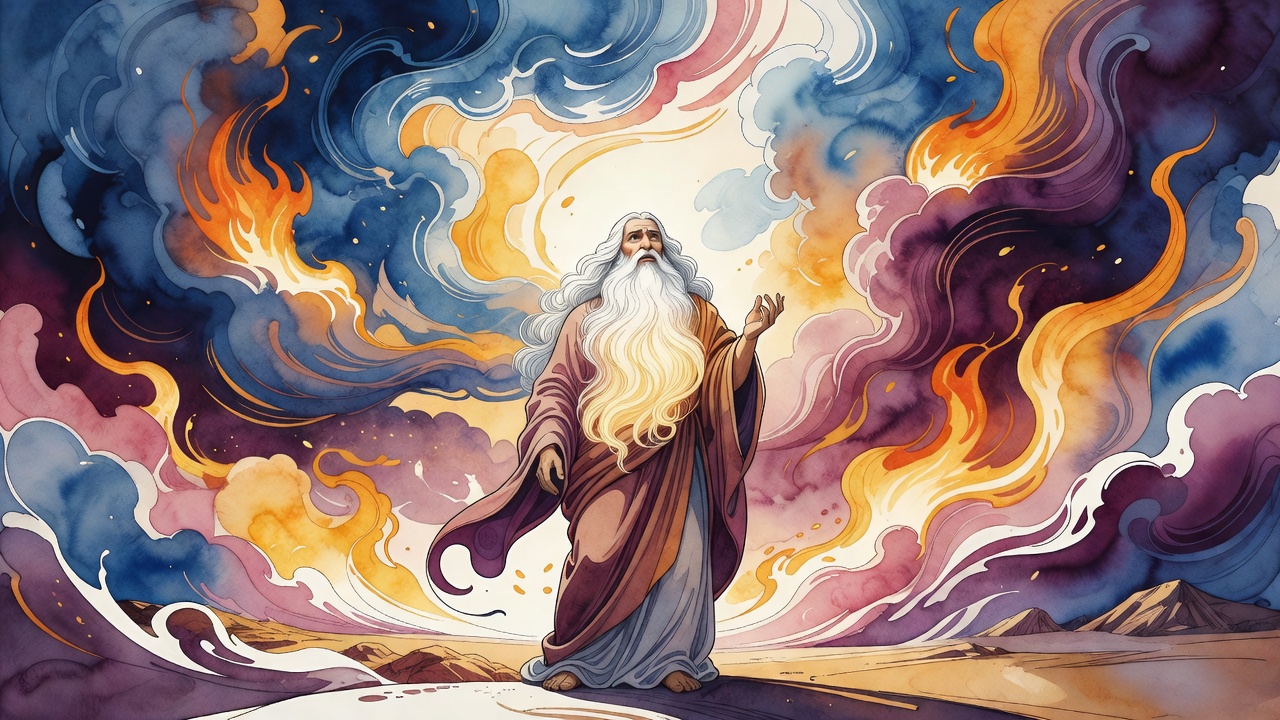
When he rose in the morning and bent over the water to wash, his own reflection stopped him. His hair and his beard had gone white overnight. The black he had carried his whole life was simply gone, replaced by something pale and bright as wool. He lifted a hand to the beard as if to confirm it belonged to him. He was the first person in human history to look his age.
The Man Who Became a Public Spectacle
Abraham's first response was not satisfaction. He was startled. He said to God: Master of the Universe, you have made me a public spectacle. He had prayed for a sign of age and received it instantly and completely, and now he was standing at the water looking at a stranger's face on his own head. The whiteness had not crept in over years, the way he must have imagined it would. It had arrived overnight, total, undeniable. He had asked for distinction and been distinguished so thoroughly that he became a curiosity, a man whom children would point at, the only white head in a world of dark ones.
The Crown of the Cedar
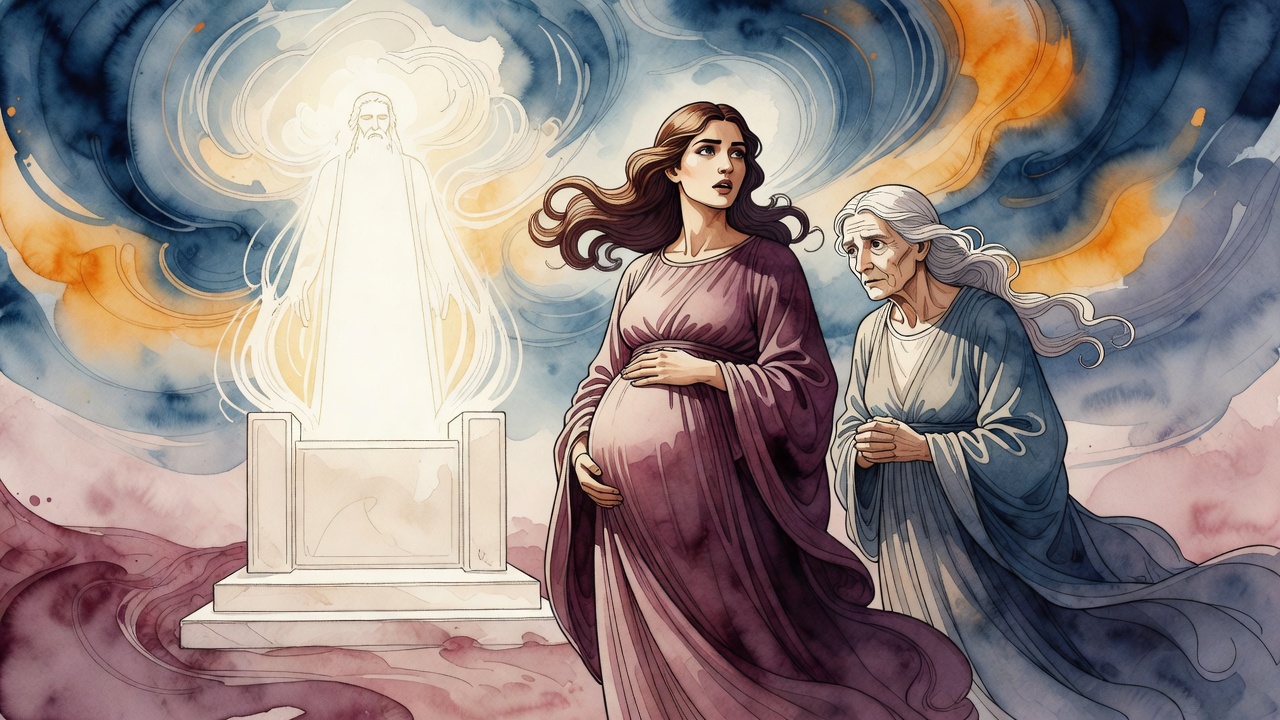
The Aggadat Bereshit tradition, compiled around the ninth century, preserves the moment with Sarah's response. Sarah saw what had happened to Abraham and composed a poem in praise of it: his appearance is like Lebanon, excellent as the cedars. Where Abraham saw a spectacle, she saw a tree that had stood through storms and grown taller for them. The white hair was not a deficit. It was the cedar's crown. Sarah read the transformation as a form of beauty, the visible accumulation of a life faithfully lived, and in her reading the thing that had startled her husband became the first dignity of old age that the world had ever been allowed to see.
← All myths