God Held the Rider's Reins and the Mother Steered the Blessing
Avimelech woke wet and could not make his hand reach Sarah. Rebecca later sent Jacob for two kids, and the blessing came in on goatskin.
Table of Contents
 Click for full size
The King Who Could Not Open the Door
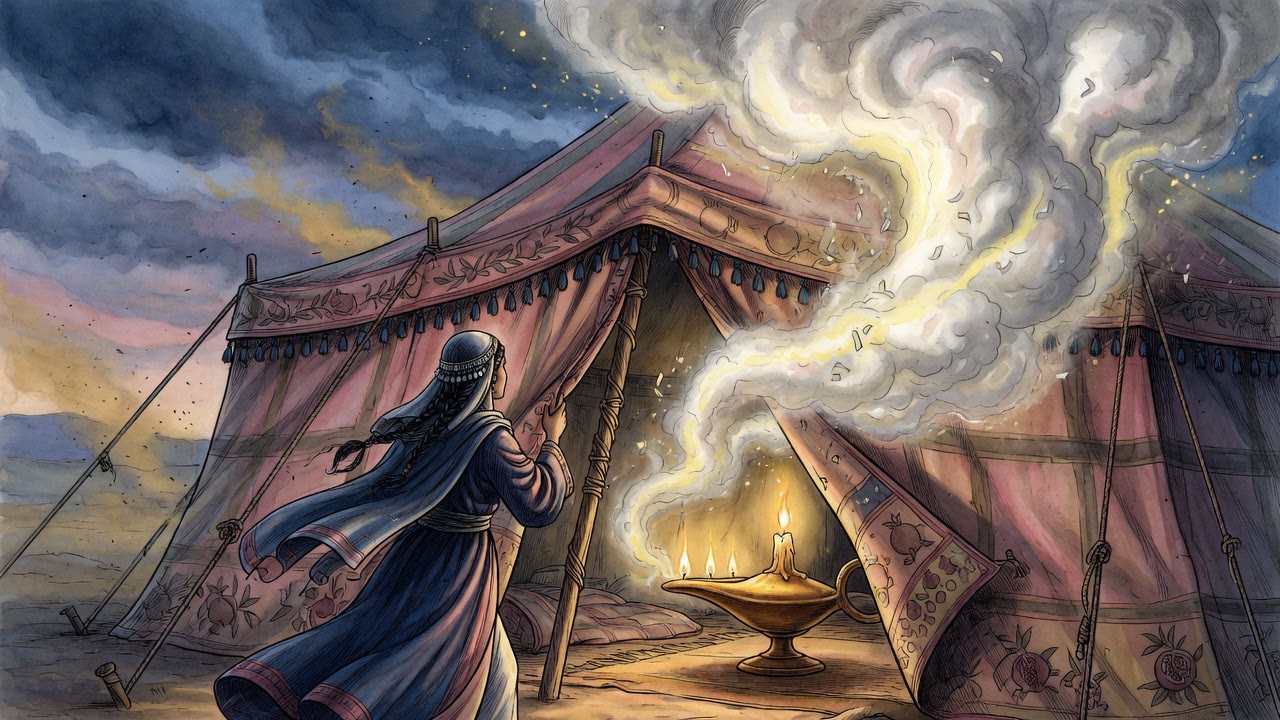
Avimelech, king of Gerar, had taken Sarah into his house. He believed she was Abraham's sister. He had not touched her. In the night God came to him in a dream and spoke before the king could invent an excuse.
"I knew you did this with a clean heart," God said. "I was the one who held you back from sinning against Me. That is why I did not let you touch her."
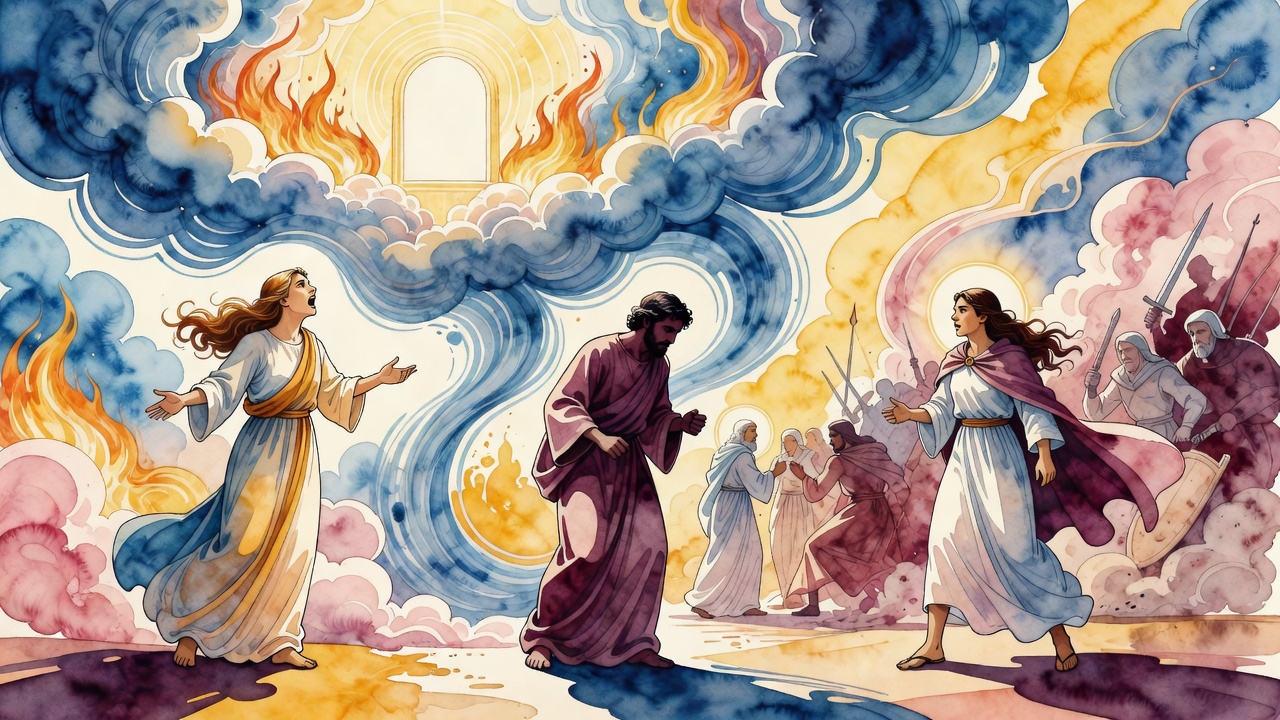
Avimelech woke wet. His desire was still in him. His legs still knew the way down the corridor. The latch was still a latch. But his hand would not lift it. He sat on the edge of the bed and understood, too late, that the night had not been his. He ran to Abraham at first light and poured the dream out of his mouth before the sun was high.
Praise the Rider, Not the Horse
God did not praise Avimelech for restraint. God claimed the restraint as His own work.
"Your evil inclination is Mine," He said. "Not yours. Mine."
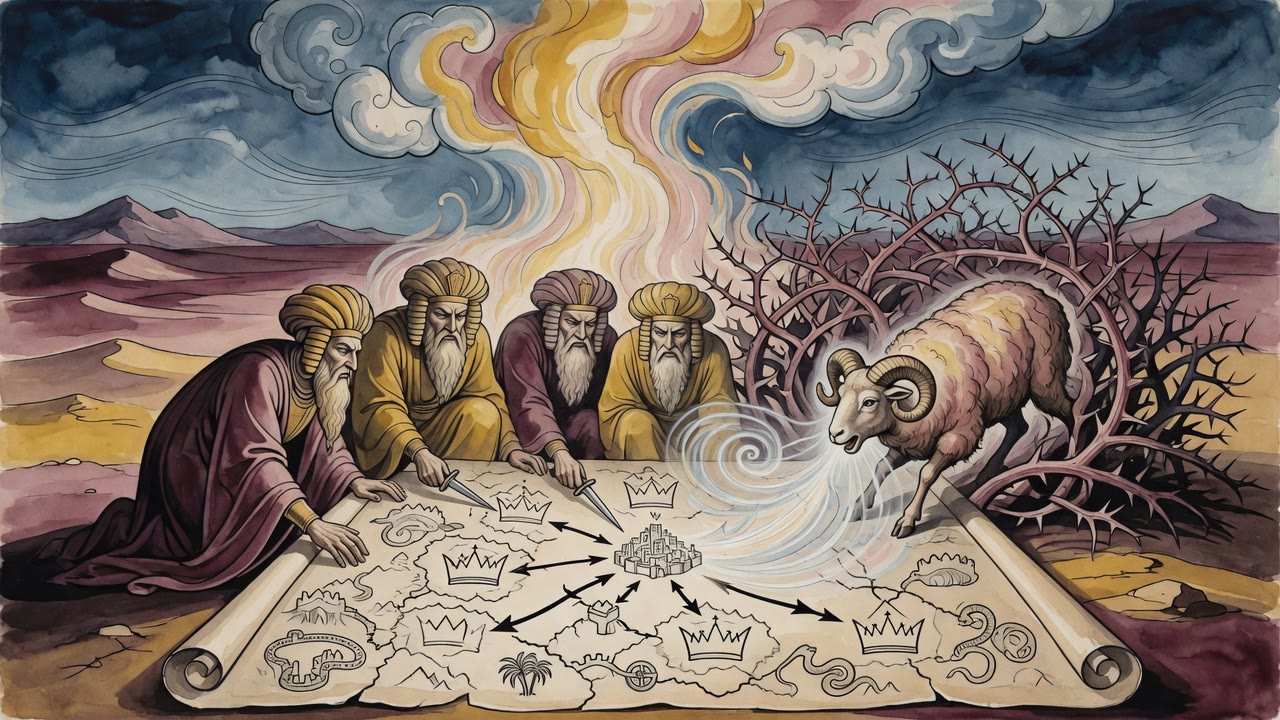
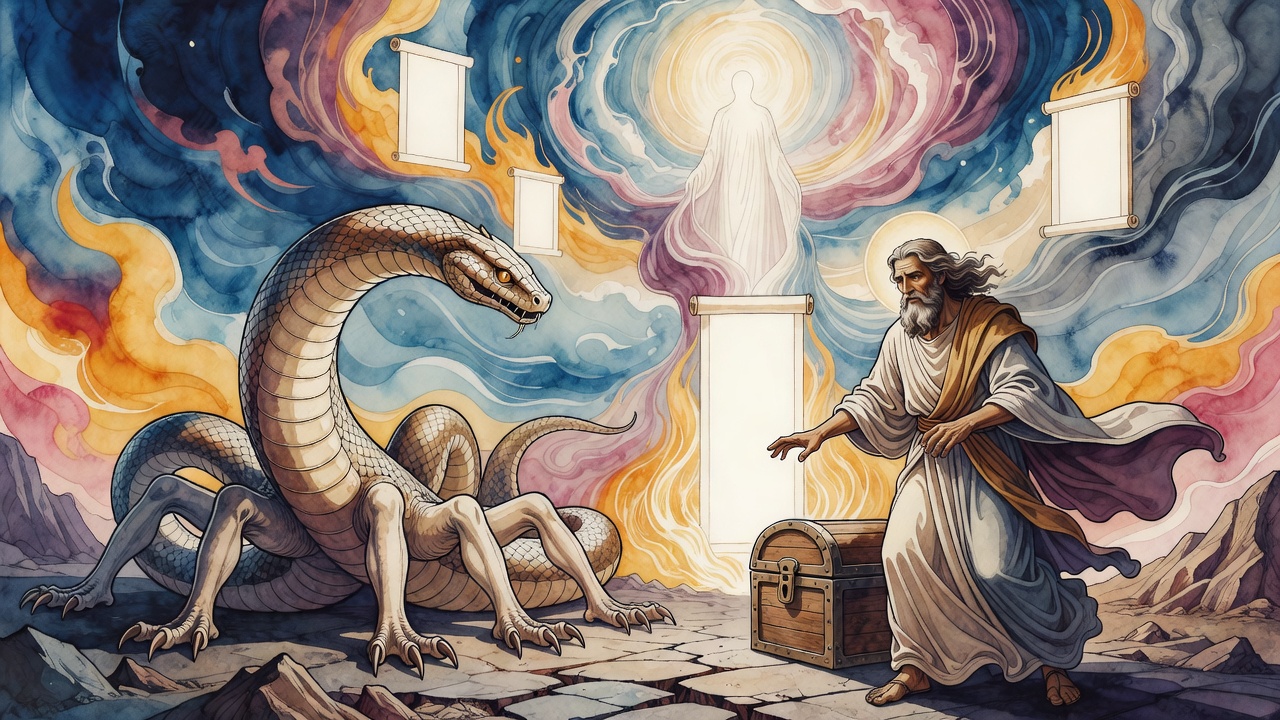
In the dream the king had seen a warrior on horseback at full gallop. A child lay in the road. The rider pulled the horse aside, and the hooves missed the small body. Who gets the praise, the horse or the rider? The rider. Avimelech had thought he was the man in the saddle. He was the horse. God was the rider who steered him past the sin, and the praise belonged to the hand on the reins, not to the animal that wanted to run straight.
He had ridden toward Sarah's door at a gallop. He had not opened it, not because his will failed him, but because his will was not the last word on what his body would do.
Two Kids from the Flock
Years later, in another house, a mother stood in a doorway and listened. Isaac was blind. He told Esau to hunt and cook, so he could bless him before he died. Rebecca heard the whole arrangement. She called Jacob.
"Go to the flock," she said. "Take two choice goat kids. I will make the food your father loves."
Two animals for one old man's supper. If the flock had none, she told him, take them from my dowry. Isaac had written her a marriage portion of two kids a day. She would spend her own meat to steer the blessing onto the younger son.
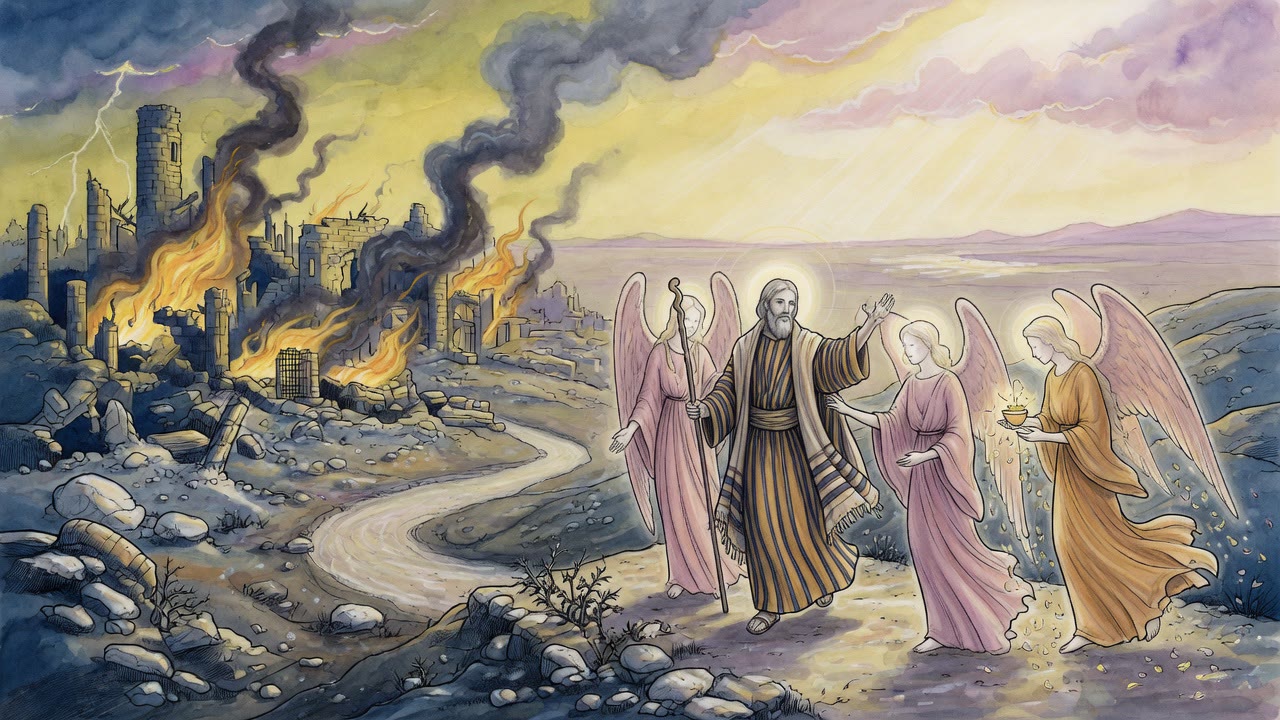
Jacob went. He brought the two. She cooked. She dressed him in Esau's clothes and laid the goat skins on his hands and neck, because a blind man reads the world with his fingers. Jacob walked toward the bed with another man's hair on his skin and the smell of the stew in his clothes.
The Blessing Came In on Goatskin
Isaac felt the skins and heard a voice that troubled him. "The voice is Jacob's," he said, "but the hands are Esau's." He ate anyway. He blessed Jacob. The blessing left his mouth and would not come back.
Esau returned with game and found the house already given away. His cry filled the room. Isaac trembled, but the word had gone out. Rebecca wiped the board and did not take the skins off her son until the thing was done.
Those two kids did more than fool a blind father. They were good for Jacob, because through them he took the blessing. They were good for his children after him, because through two goats a later day would atone, the day written, "For on this day he shall atone" (Leviticus 16:30). Rebecca thought she was feeding an old man. She was already commissioning the goats of Yom Kippur, before the day had a name.
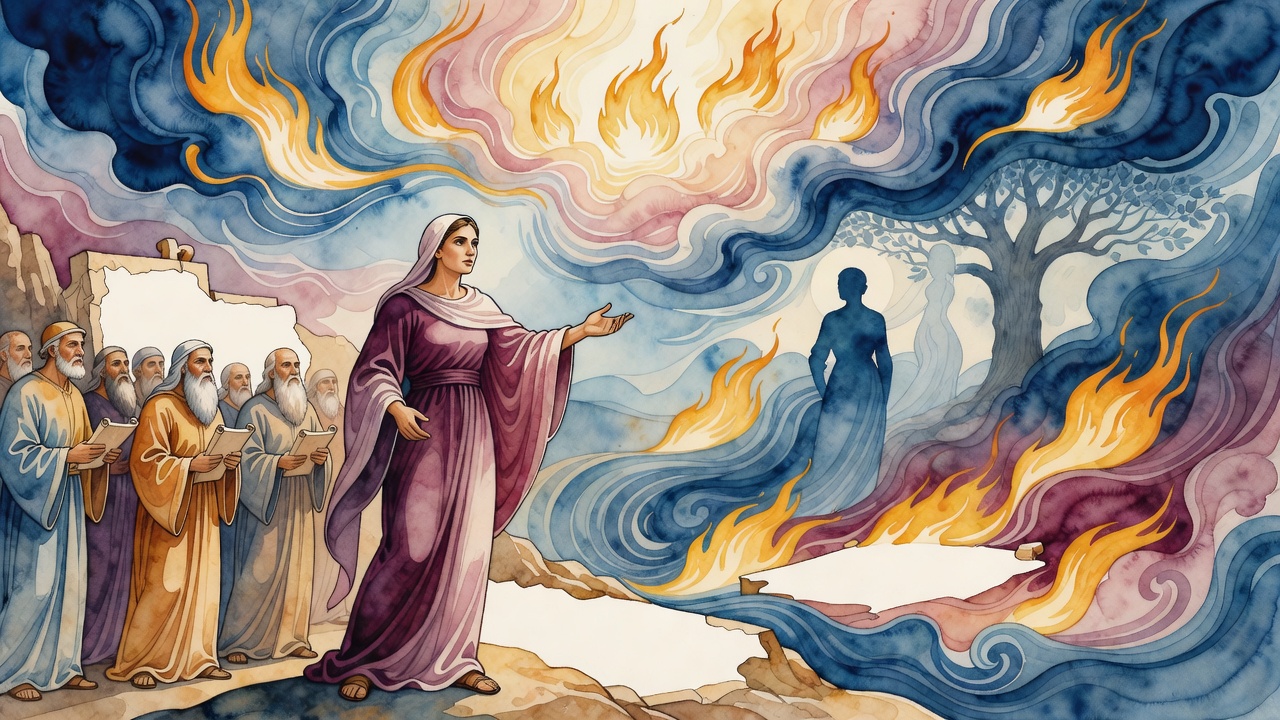
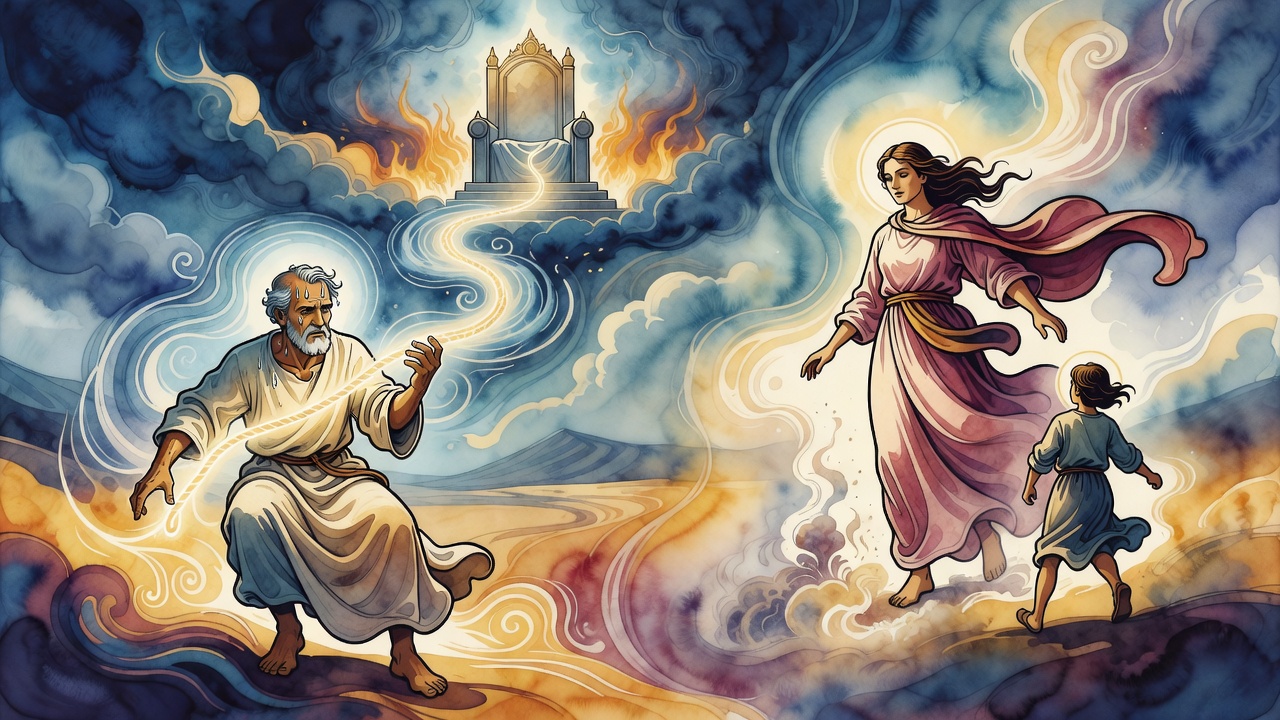
Avimelech had believed he was acting. God held his desire by a cord. Rebecca had believed she was cooking. She was the mother who steered a blessing onto a younger son and planted two animals in a year that had not yet been commanded. Jacob went out of the tent in goatskin. The rider was not in the saddle anyone could see.
← All myths