Kindness Followed Abraham South From the Ruins of Sodom
Abraham walks south after Sodom burns. Rebecca gets a doorstep blessing before she leaves home. A three-year-old tracks laws that have not been given yet.
Table of Contents
 Click for full size
Abraham Walks Away From the Smoke
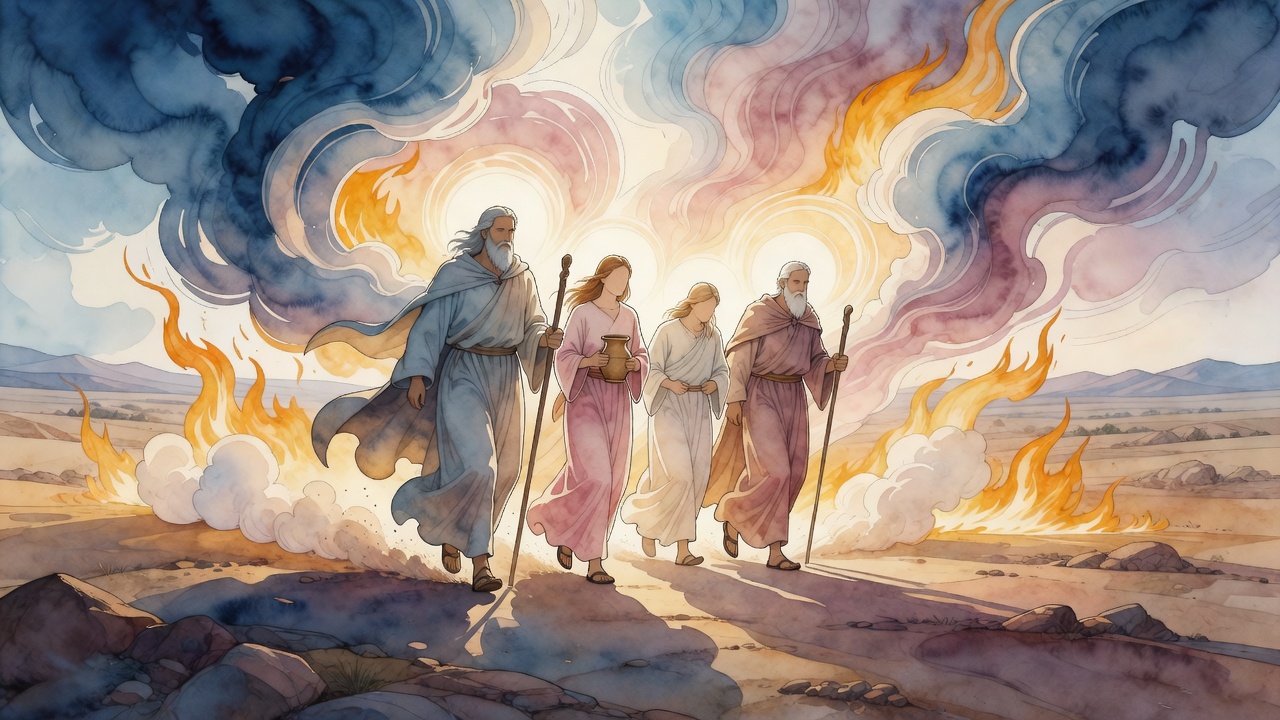
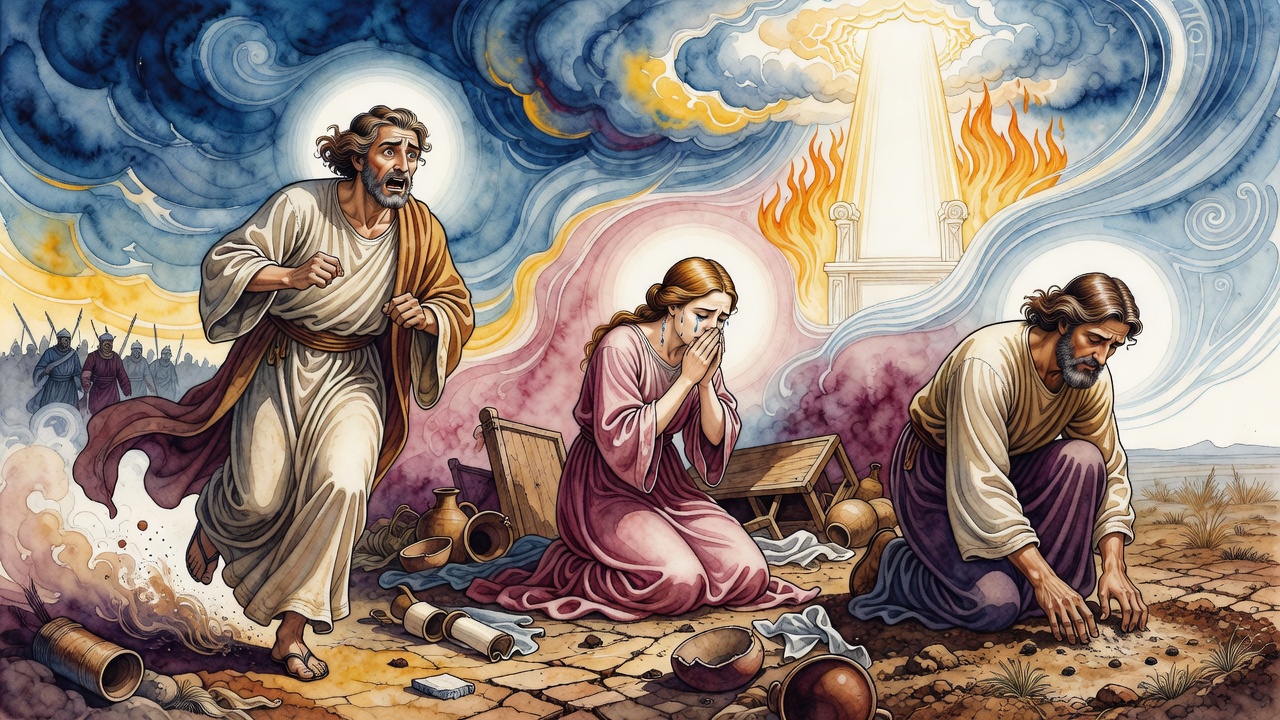
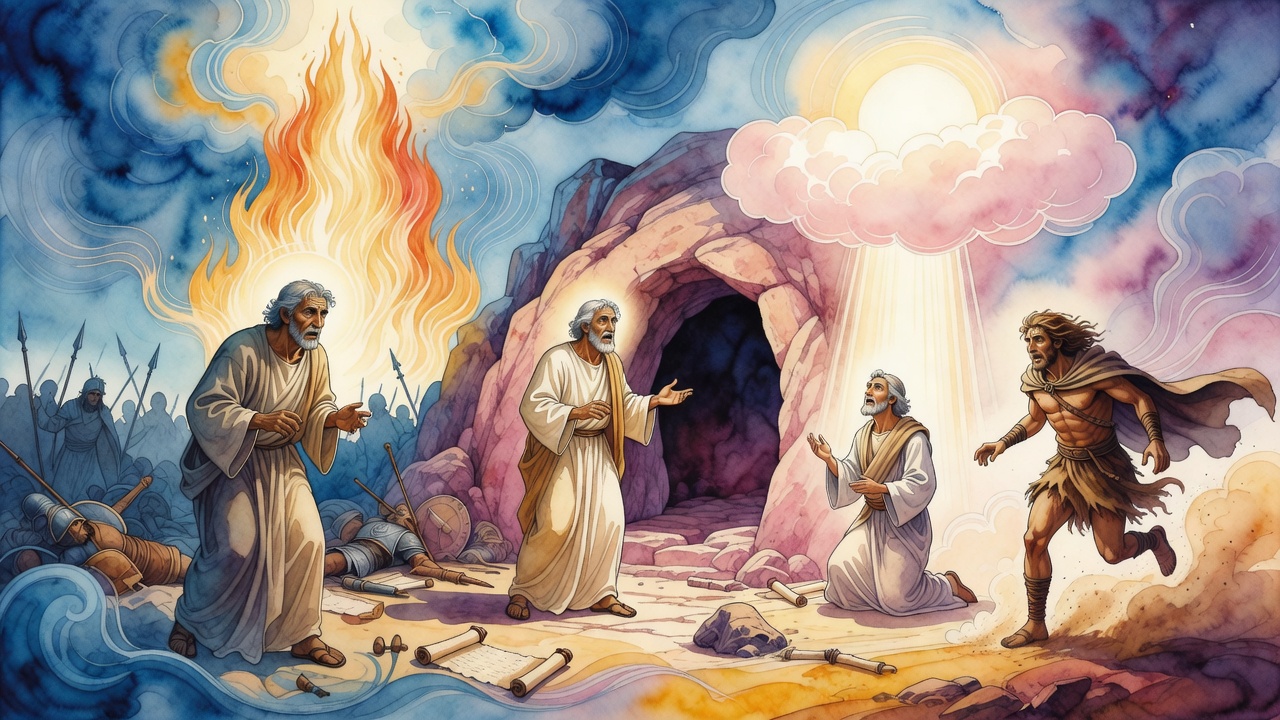
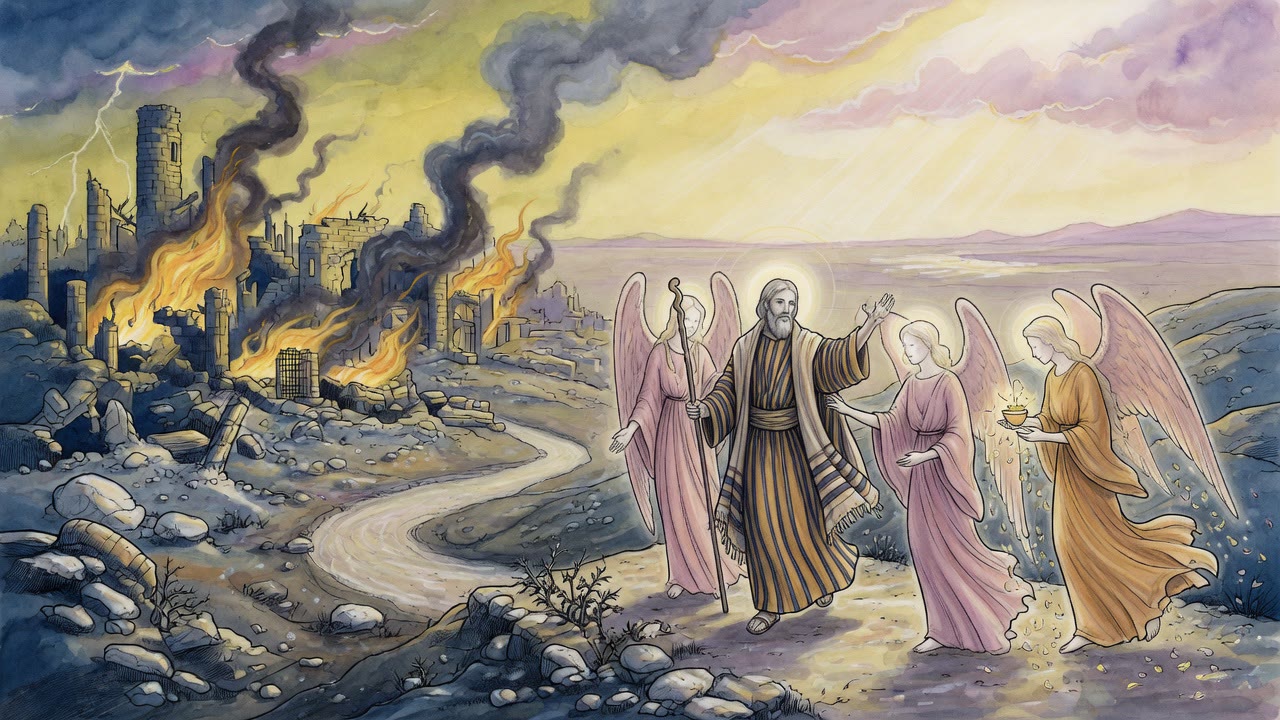
The morning after Sodom burned, Abraham walked south. Genesis gives it in one short verse. He traveled from there to the region of the Negev. The Torah does not say why.
Rabbi Avun reached for a verse from Job. A mountain crumbles. A rock moves from its place. The mountain, he said, was Lot, who fell on a hillside after Sodom and never stood up right again. The rock was Abraham, who Isaiah tells the nation to look back toward when they need to remember where they were quarried from. When the mountain fell, the rock did not stay beside it. It moved.
Rabbi Yitzchak came at the same verse differently. Abraham was like a merchant selling perfume who moved town to town. The fragrance followed him. After Sodom there was no fragrance left in the northeast, and so Abraham traveled to where the earth still held kindness in it, to the south, to the wells, to the place where a man with his kind of business had customers.
A Blessing at the Door
Rebecca packed a bag and walked out of her father's house in Aram-Naharaim, and her family stood at the threshold and blessed her. May you be the mother of thousands of ten-thousands, and may your seed possess the gate of those who hate them. The rabbis stopped at the threshold. A person standing in a doorway is neither inside nor outside. The blessing was given in that gap. It had the quality of a parting gift, something that follows you rather than something you carry.
Bereshit Rabbah read the blessing as a transfer. Rebekah's family knew, at least in some dim way, that she was moving toward something larger than she could explain to them. The blessing was not permission. It was an acknowledgment that permission was no longer theirs to give. She was already in motion. They were already behind her.
A Three-Year-Old Who Kept the Law
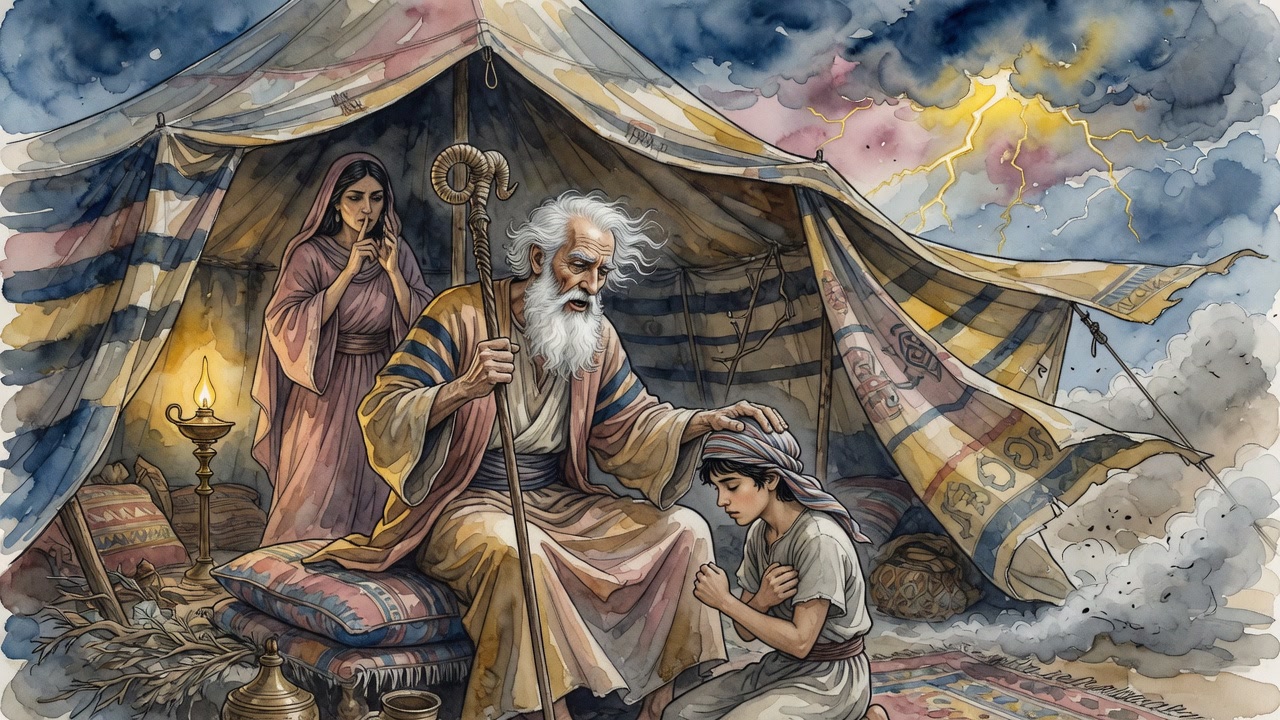
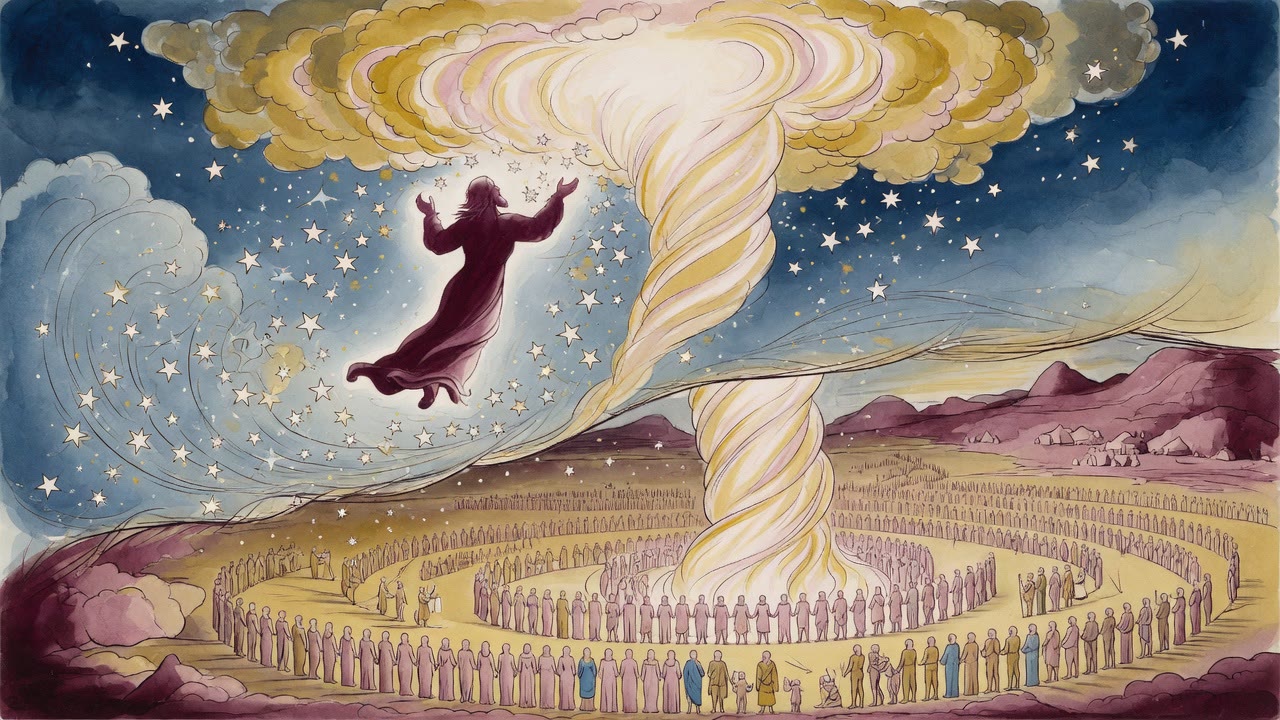
The strangest of the three passages runs deepest. Abraham kept the entire Torah, the rabbis taught, before Sinai existed. He observed Shabbat. He performed the commandments. He understood things that would not be legislated for another four hundred years.
And the youngest version of Abraham, at three years old, was already keeping the laws of eruv, the rabbinic system of shared courtyard boundaries that allows carrying on Shabbat within defined spaces. He had not been taught these laws. He had not been given a scroll. He had been alive in a world that contained a hidden order, and he had felt the shape of it with his feet and his hands before anyone had drawn it on paper.
The rabbis found this teaching necessary because they needed to explain why Abraham's merit counted before the covenant existed. Their answer was that the covenant was always there. Abraham discovered it the way a surveyor discovers the shape of land that has always had that shape. He walked the courtyard boundary at three and understood that shared space has rules before any king announces them.
Movement as the Classroom
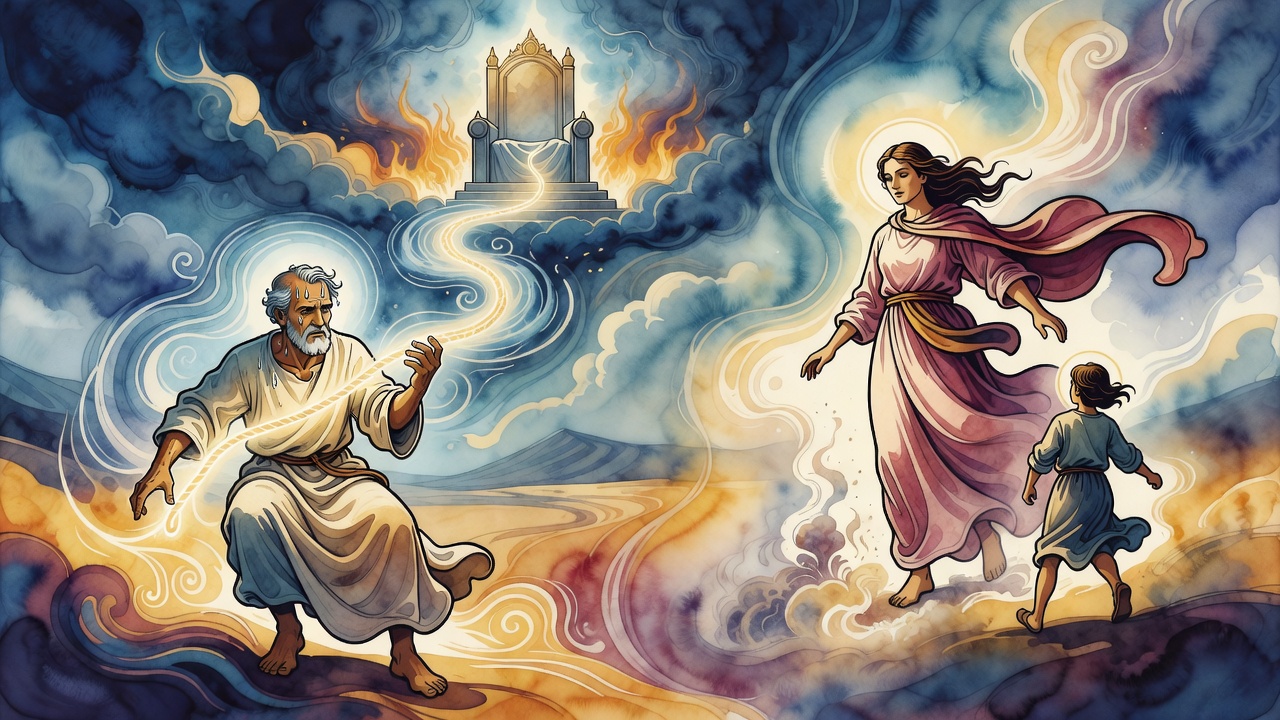
Read the three passages together and they build one picture. Abraham leaving Sodom because kindness had no purchase in burnt ground. Rebecca receiving a blessing precisely because she was already on her way out the door. A child pacing a courtyard and finding the edges of a law that would not be spoken aloud for centuries.
The rabbis of Bereshit Rabbah were not merely reading a patriarchal biography. They were reading a theology of movement. People in transit are people being shaped. The door, the road, the edge of the courtyard are where Jewish life gets made, not in the settled house but in the moment before the next place becomes home.
← All myths