The Bitter Inheritance That Began With Sarai's Silence
Sarai names God as the cause of her pain. Isaac darkens at Esau's marriages. Dinah steps outside and a war begins. One thread runs through all three.
Table of Contents
 Click for full size
Sarai Names Her Own Wound
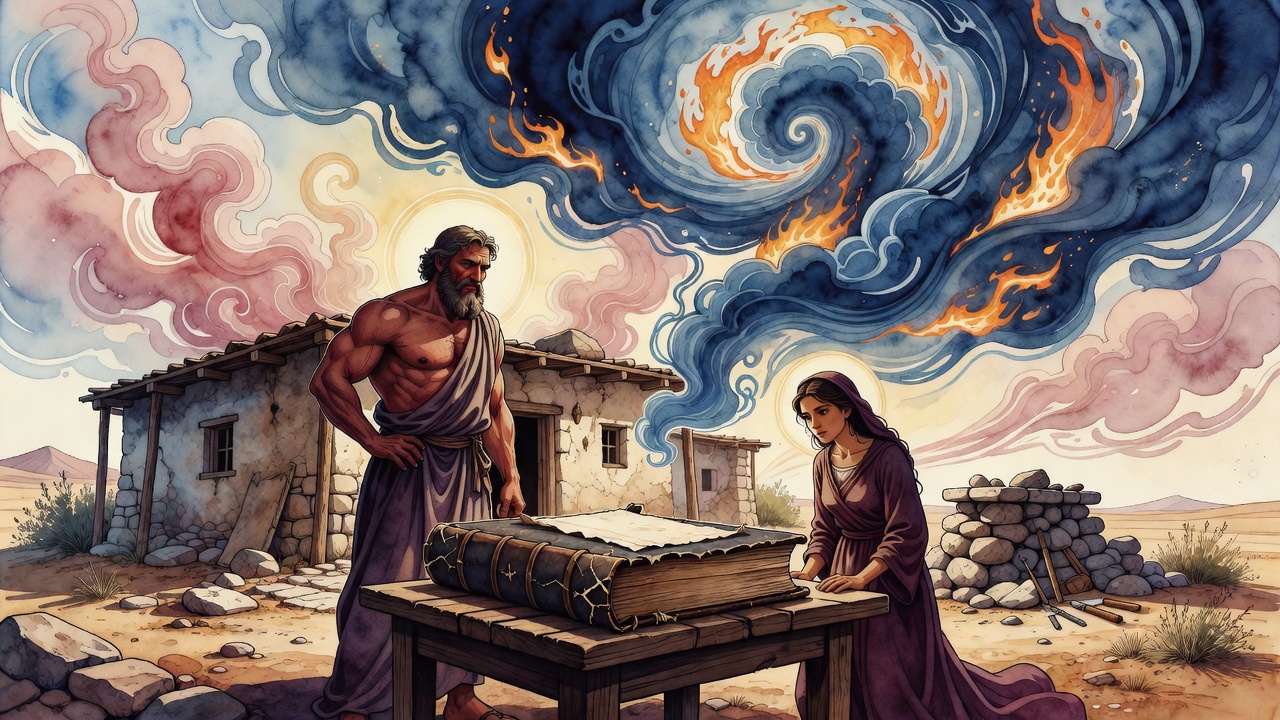
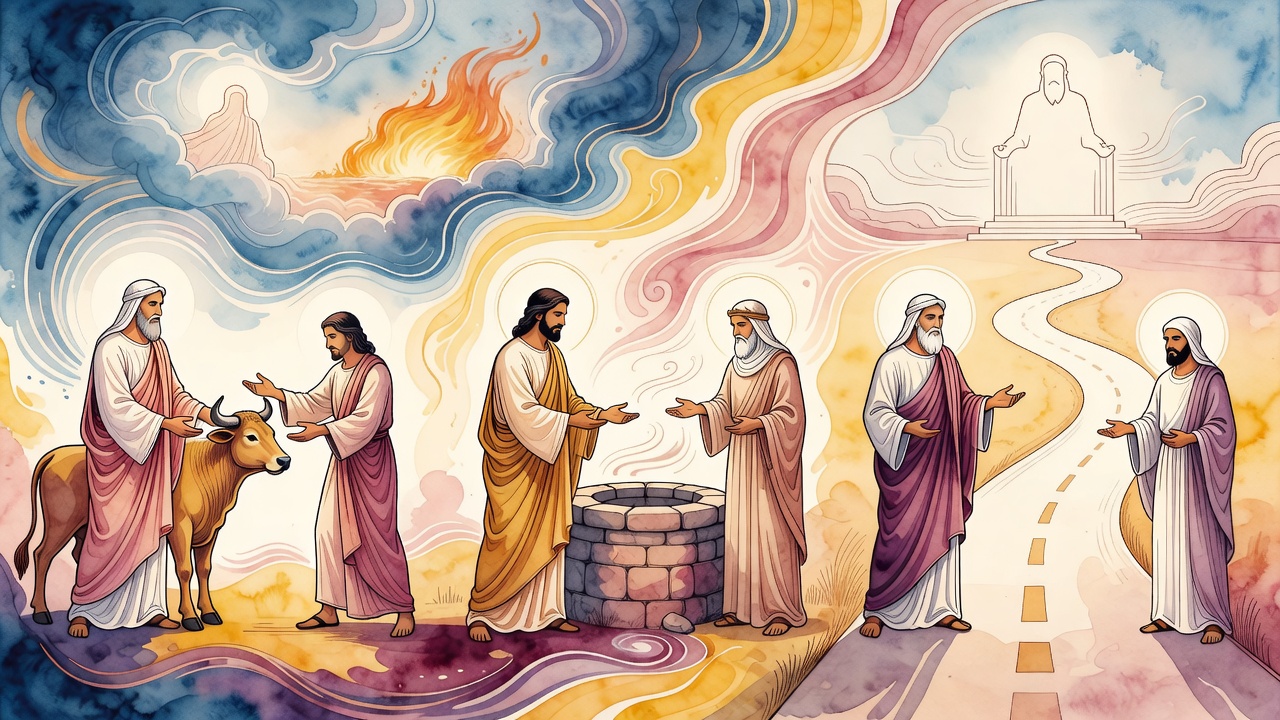
Sarai did not complain about her body. She did not ask Abram to pray harder or to find a doctor in the hills of Canaan. She looked at her life and named the cause. "The Lord has prevented me from bearing children." That was what she said. Not bad luck. Not medical misfortune. She named God as the one who had closed her womb, and then in the same breath she handed Hagar to Abram. "Perhaps," she said, "I will be built up through her."
The rabbis caught the verb. You only build up what has been torn down. Sarai understood herself as someone whose house had been demolished. She was not waiting to be built. She was waiting for the material to arrive so she could begin the work herself. She pushed Hagar toward Abram, and the result was the first fracture in a family that would spend four generations trying to seal it.
The midrash does not blame Sarai for this. It blames the silence before it. Sarai had not named her suffering until it had become unbearable. When she finally spoke, she did not ask for help. She issued instructions. That is what people do when they have waited too long alone with a wound. They stop asking and start managing.
The Table That Darkened
Isaac's household was a quieter place than Abraham's. Abraham had run toward strangers. Isaac dug wells. Where Abraham had thrown the tent open on four sides, Isaac had looked inward, toward a family he understood.
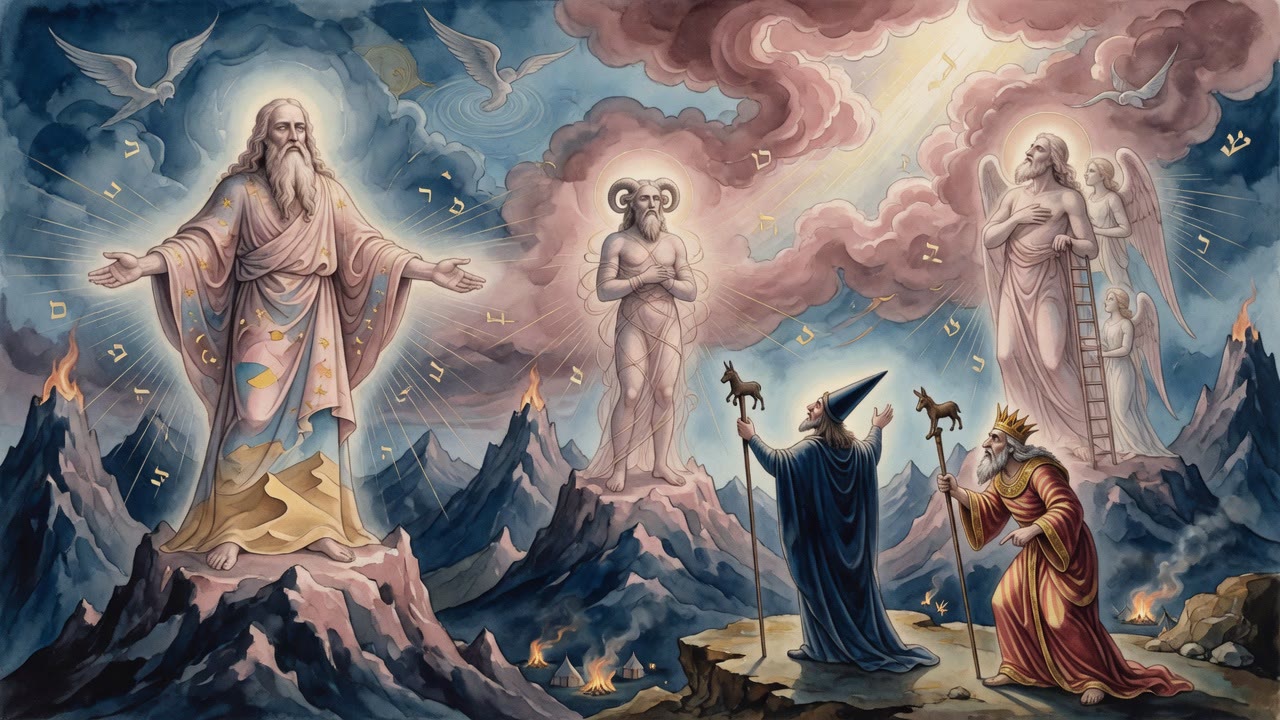
When Esau married two Hittite women, the Torah reports that they were a source of bitterness to Isaac and Rebekah. The word for bitterness, morat ruach, carries the sense of the spirit being made bitter, not merely displeased but changed at the core. Isaac's household had sourced its stability from one great expectation. Esau would marry within the family, or at least within a tradition that could share a table with the covenant. When that expectation collapsed, Isaac aged in ways that the rabbis read as preparation for blindness. The body goes dark when the household narrative fails.
The bitterness traveled down. It was not just Isaac and Rebekah who swallowed it. The rabbis traced it forward to the next generation, to the moment when Isaac would bless the wrong son in the dark, and further still, to the long rivalry between Esau's descendants and Jacob's.
The Daughter Who Was Almost a Son
The rabbis told the story of Dinah in a way that most readers of Genesis do not. They traced her forward from birth. When Leah was pregnant with her seventh child, Jacob had prayed that the child would be a son, because Leah already had six sons and Rachel had none. God changed the fetus in the womb. The girl who was born was Dinah.
But Dinah was Leah's daughter, and Leah was a woman who went out. The Torah uses that phrase about Leah in Genesis 30, and it uses it again about Dinah in Genesis 34. The rabbis connected the two. Going out, in the tradition's vocabulary, is not movement through space. It is exposure. It is the act of stepping past the protection of the household into a world that is not controlled by the covenant. The daughter who had nearly been a son carried her mother's particular grammar of motion in her body before she could walk.
The Step That Started a War
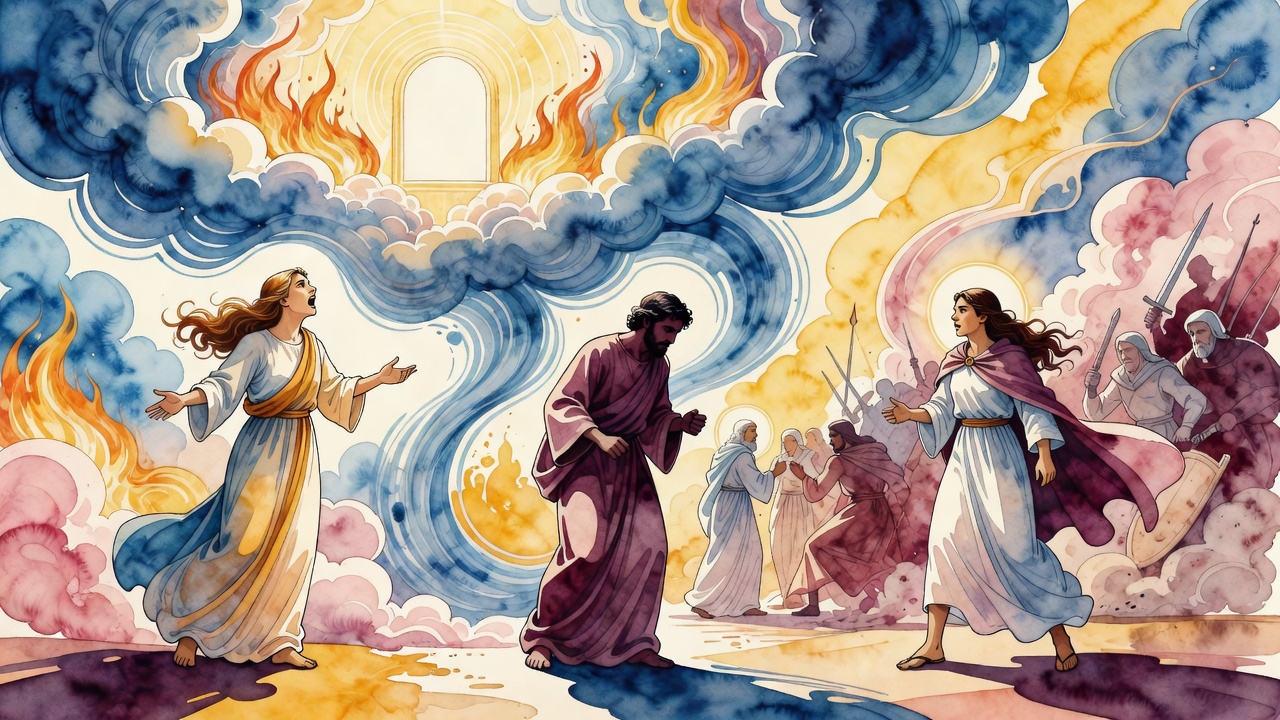
When Dinah went out to see the daughters of the land, she was doing something her mother had done. She crossed the line of the tents that Jacob had pitched, the line that marked where the covenant kept watch and where it did not. Beyond it lay Shechem, a city with its own gates and its own prince, a world that owed the family of Jacob nothing.
And the consequence was Shechem's assault, and Simeon and Levi's massacre, and Jacob's cry of grief that his house had been made a stench among the Canaanites. Two sons took their swords into a city of men too weak to lift their own, and Jacob, who had wrestled an angel and outlasted Laban, stood among the bodies and feared for his life. The rabbis traced the line from Sarai's silence to Isaac's bitterness to Leah's going out to Dinah's step, and they refused to call any moment in that chain accidental.
← All myths