The Altar Jacob Promised at Beit El and Did Not Build
Jacob poured oil on a stone and promised God a house. Twenty years later he bought a field at Shechem and stopped one city short.
Table of Contents
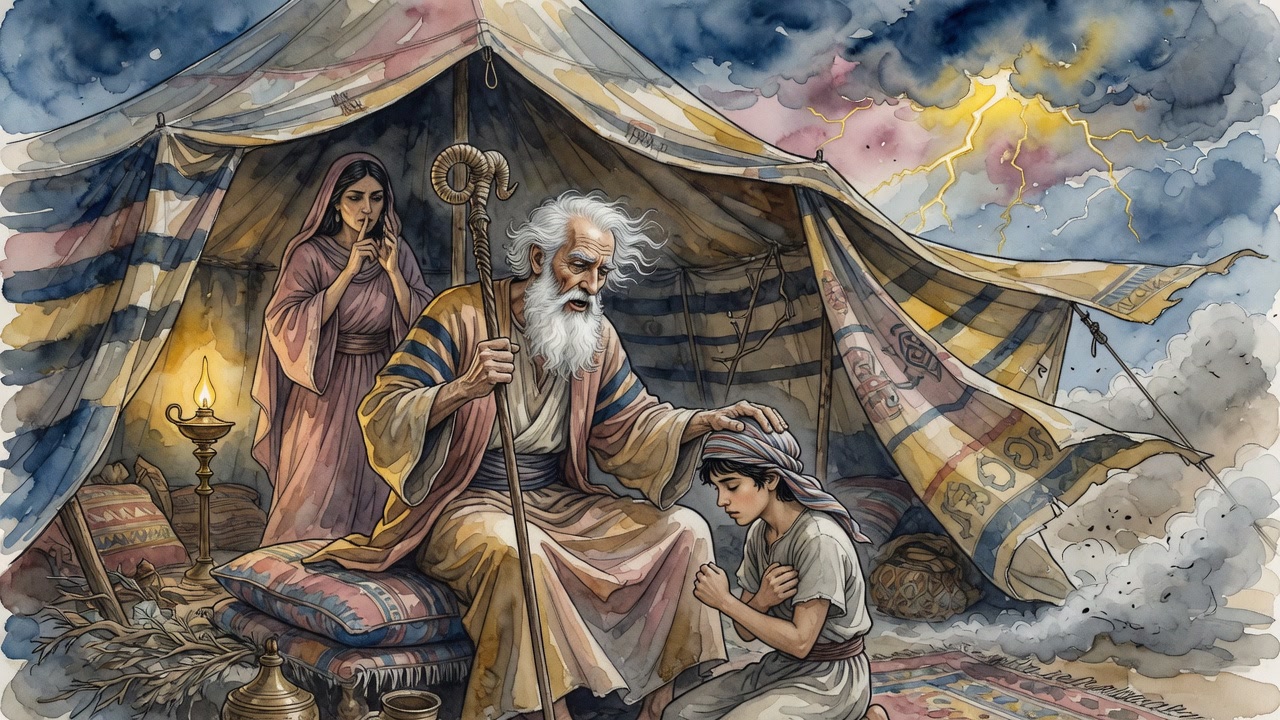
Jacob woke with his cheek on a stone and a ladder still fading behind his eyes. He had run north with nothing after taking the blessing from the son his parents called great. The sun had gone down on him in open country, so he had taken a rock for a pillow and slept there.
 Click for full size
He Poured Oil on a Stone in the Dark
Messengers had gone up and down the ladder. A voice had given him the ground he was lying on. He stood the stone upright, poured oil over the top of it, and called the place Beit El (בית אל), the house of God. Then he said the rest of it out loud to an empty field.
"If God stays with me on this road and gives me bread to eat and a coat to wear, and brings me back to my father's house in one piece, then this stone I have set up will be a house of God, and out of everything He gives me I will hand back a tenth" (Genesis 28:20-22).
He said it. Then he walked on to Haran and did not come back for twenty years.
Isaac had called Esau his great son. Rebekah had pulled down the clothes of Esau, her great son, the same afternoon. Heaven used a different word. "If he is great in your eyes, he is small in mine." Jacob ran from that small great man, and the vow at the stone was the price he named for getting home alive.
He Stopped One City Short of the Vow
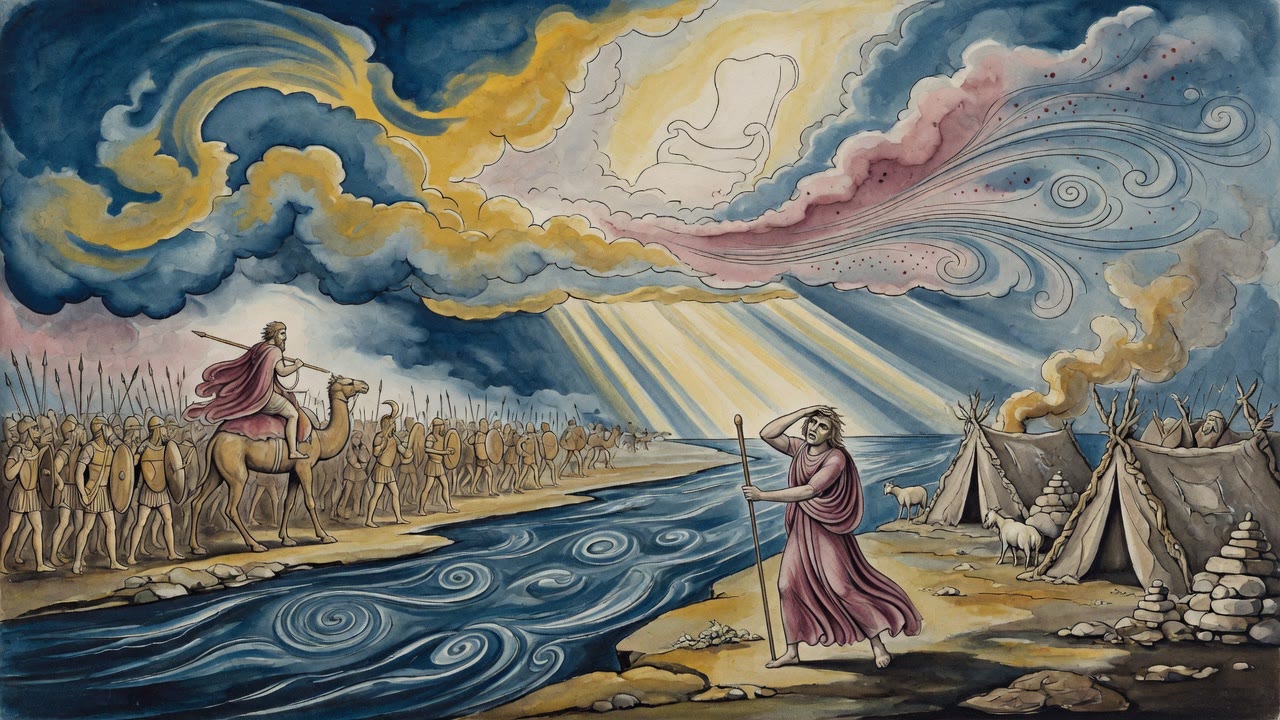
He came back rich, with four women's children and flocks strung out for a mile along the road, and he came back terrified, because his brother was riding toward him with four hundred men. He sent gifts ahead in waves. He split the camp in two so that half might survive. He spent the last night alone at a ford, wrestling somebody he could not throw, and came out of the water at dawn with his hip out of joint. Then the meeting went well. Esau wept on his neck and rode home to Seir.
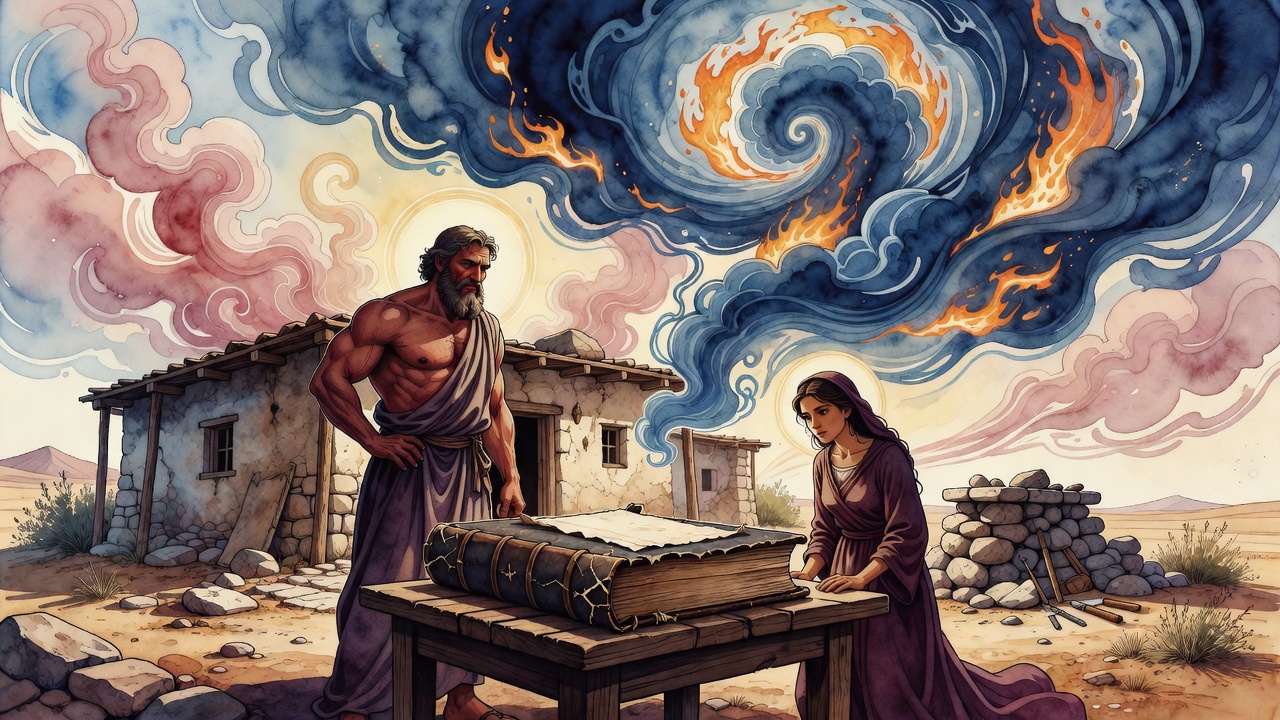
So Jacob crossed to Shechem, bought a field outside the city from the sons of Hamor for a hundred pieces of silver, pitched his tents on it, put up an altar, and named it for the God of Israel.
It was a good altar. It was not the one he had promised. Beit El was another few days up the road. He stayed where he was. The house he had named in the dark still had no walls.
Dinah Went Out of the Tents
Years earlier, on a track outside Haran, Leah had gone out to meet Jacob coming in from the field and told him he was hers that night, that she had bought him with her son's mandrakes. She went out, and she took what she went out for.
Her daughter Dinah went out as well. She went out from the tents to look at the daughters of the land, the local girls, whatever there was to see in a city her father had bought ground beside and never once entered.
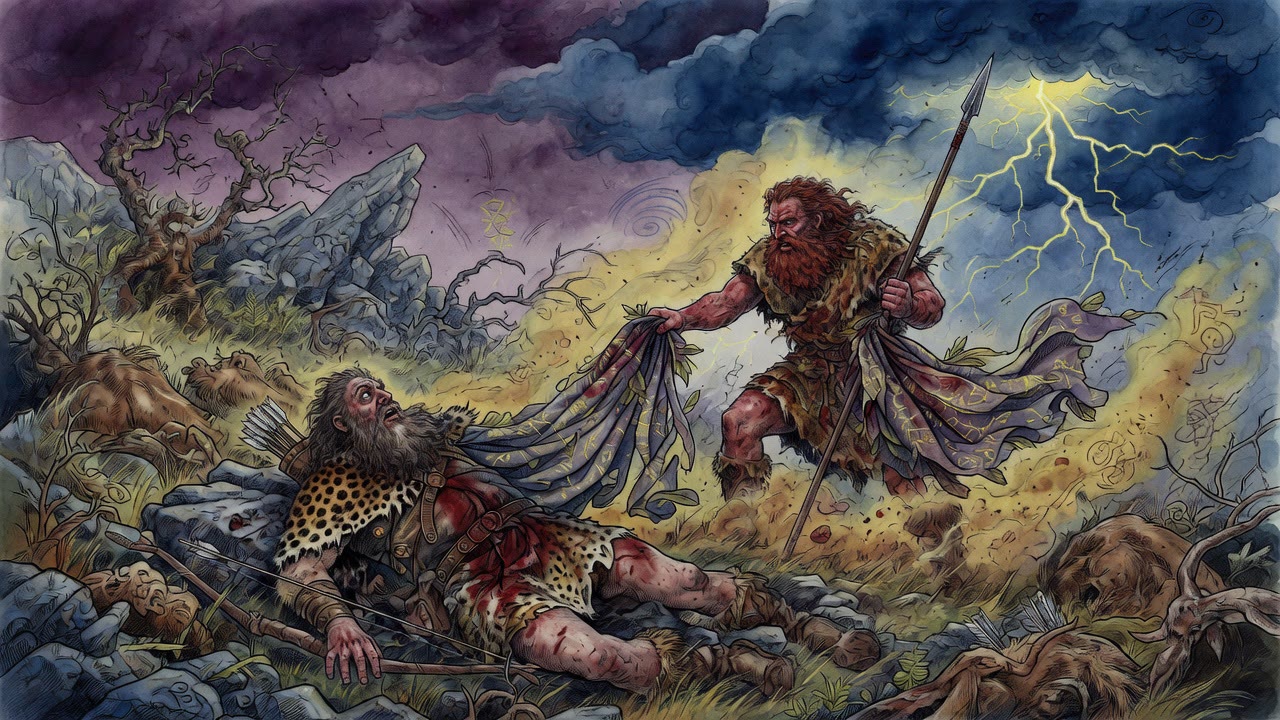
Shechem son of Hamor, who ran that country, saw her, took her, kept her in his house, and then sent his father over to Jacob to arrange the wedding. Jacob heard and said nothing until his sons came in from the fields. Simeon and Levi did the answering. On the third day, when every man in that city was lying at home too sore from the circumcision to stand up, the two of them walked in with swords, killed all of them, and carried their sister out.
What Jacob said to his sons afterward was about himself. "You have made me stink to the people living in this country. We are a small number. They will gather against me and kill me, and my house with me."
The Hidden Ledger Came Due
The voice arrived then, and it was not a new instruction.
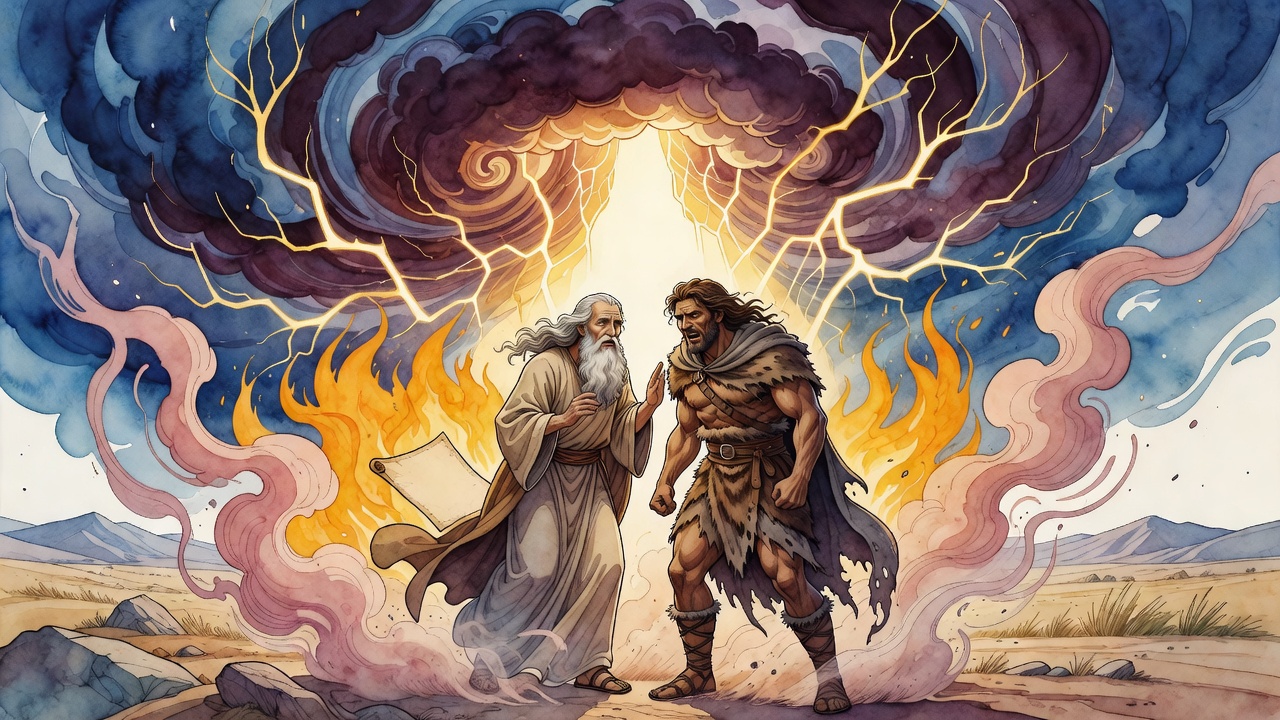
Get up. Go up to Beit El. Live there. Make an altar there to the God who appeared to you when you were running from your brother (Genesis 35:1).
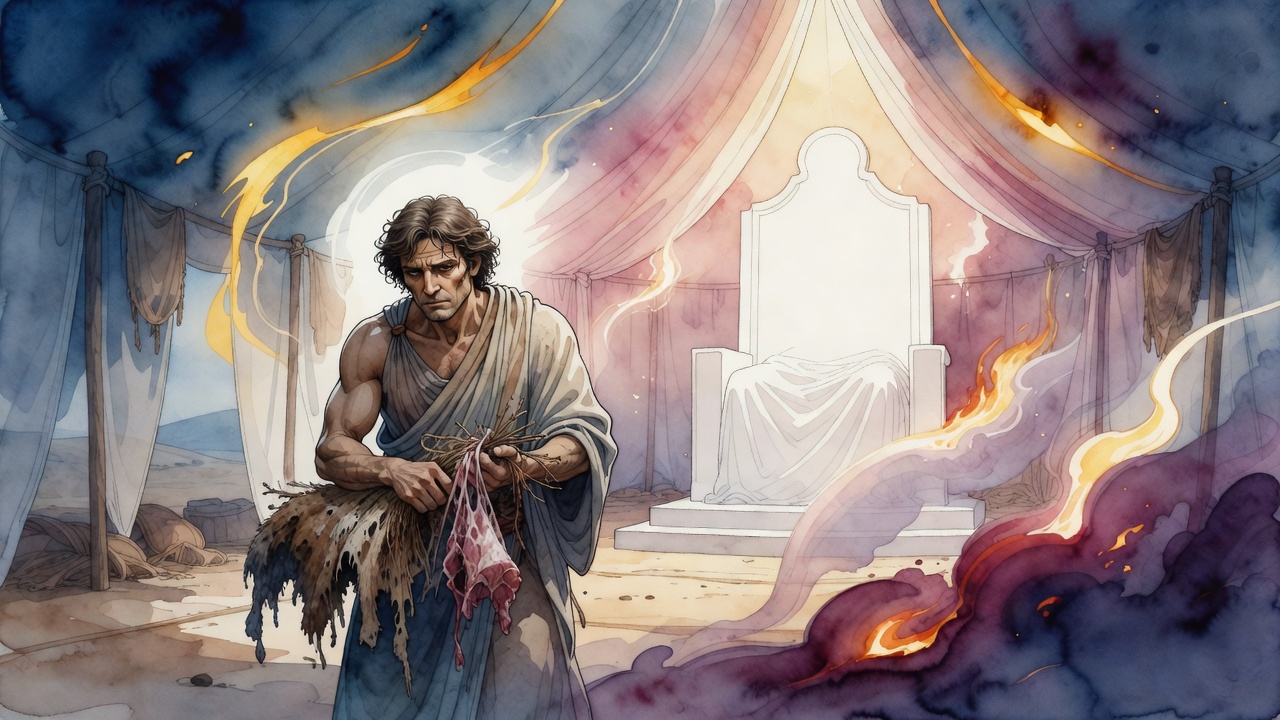
Every word of it he had already said himself, out loud, over a rock, twenty years before. A man who delays a vow has his ledger examined. The hidden ledger kept on Jacob's house had waited through Haran, through the ford, through the quiet years at Shechem. After the killing, it came due.
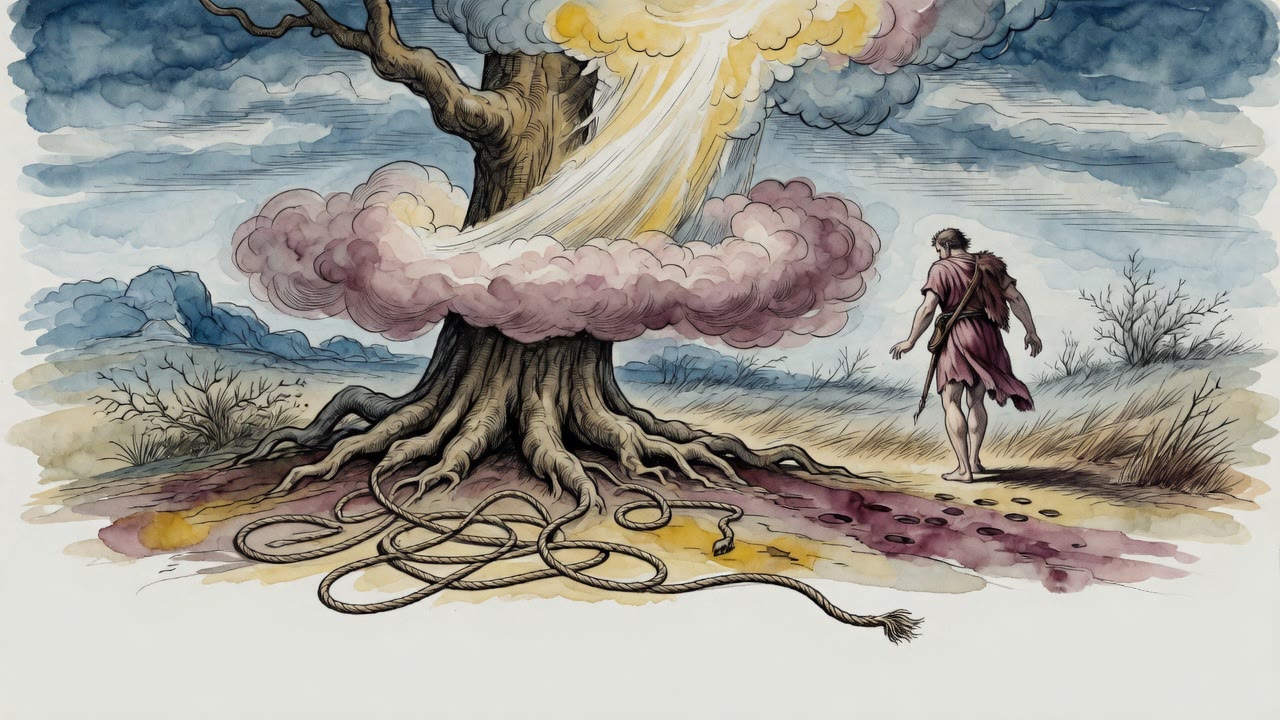
He moved fast this time. He made the whole household hand over the foreign gods they had been carrying and the rings out of their ears, and he buried the pile under the oak at Shechem and left it in the dirt. Then he went up.
He Anointed the Same Ground
The road took payment. Deborah, who had nursed his mother, died on the way and was buried under an oak below Beit El, and they named the tree the Oak of Weeping. Then Rachel went into labor on the road to Ephrath and did not live through it, and he buried her at the side of the road and set a stone over her.
At Beit El he stood a pillar up, poured a drink offering on it, and poured oil over it. The same act, the same oil, the same ground. The first time it had cost him one night and a stone he found lying there. This time it cost him the nurse, the wife he loved, and the city he had tried to keep as a substitute house.
The altar he had promised was finally there. The ledger was no longer hidden. Jacob had built the wrong house first, and the right one had collected its delay on the road.
← All myths