Abraham Tested the Three People Closest to His Mission
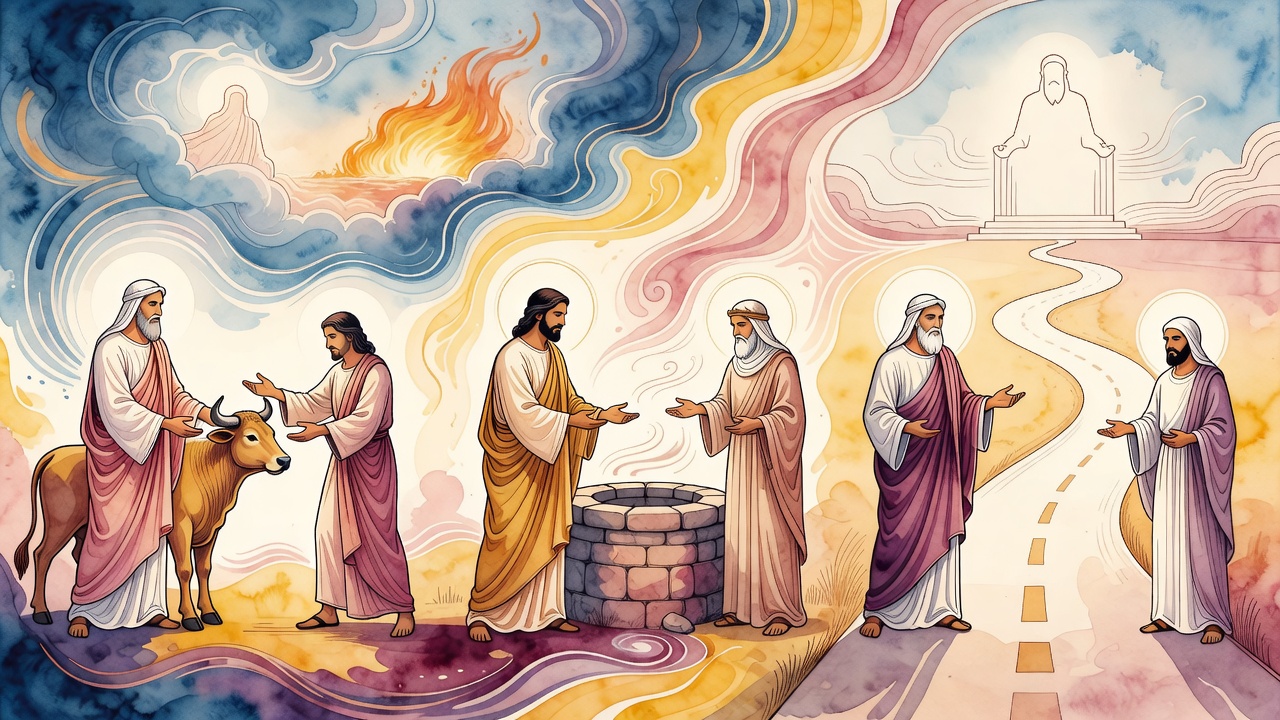
Ishmael took the young bull without being told it was a lesson. The well rose for Abraham's flock. Eliezer sat and weighed his own daughter.
Table of Contents
Three travelers stood in the heat of the day, and Abraham ran at them. He asked them to stay. He sprinted to the herd, took a young bull, tender and good, and put it in a boy's hands. The Torah does not name the boy. The house knew him. It was Ishmael.
 Click for full size
The Young Bull in Ishmael's Hands
The handoff was not a chore. Abraham was feeding guests, and he was teaching his firstborn how to receive a guest. Every gesture that afternoon was a lesson. The running. The begging. The careful choice of a bull that was tender, not tough, and good, not cheap. Ishmael was watching all of it.
Ishmael passed. He prepared the bull. He served at his father's table. He learned hospitality in the worst heat of the day without being told it was a test. The blessing Abraham was carrying would need a people who knew how to run toward a stranger. The boy at the herd was the first of them.
The Well Rose for His Flock
The second measure was quieter and stranger. Abraham's herdsmen and Avimelech's herdsmen stood over a well at Beer-sheba and shouted the same sentence. "The well is ours." Abraham's men offered a test. For whichever of us the water rises by itself to water his flock, the well is his.
The water saw Abraham's sheep and climbed. It rose of its own will, as if it had been waiting for that flock. Avimelech had not acknowledged the work. Abraham pressed the point with seven ewe lambs and a word, so the ceremony would hold what the water had already decided. Avimelech accepted. He took the lambs. He went back to his own land without stealing the well.
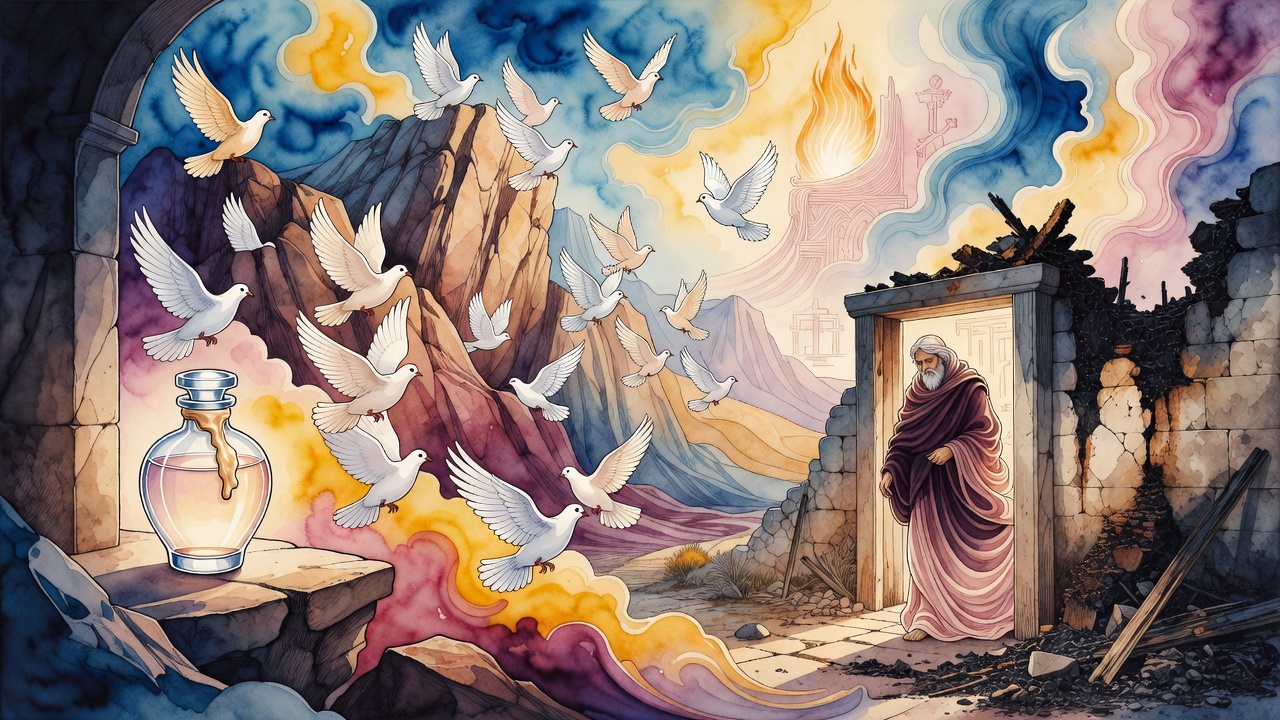
God spoke to Abraham over that rising water. "You are a model for your descendants. As the well rose for your flock, it will rise for theirs." Years later Israel would stand in another wilderness and sing to a well to get up. The song had already been rehearsed at Beer-sheba, when a foreign king watched water choose a man and did not fight the choice.
Eliezer Weighed His Own Daughter
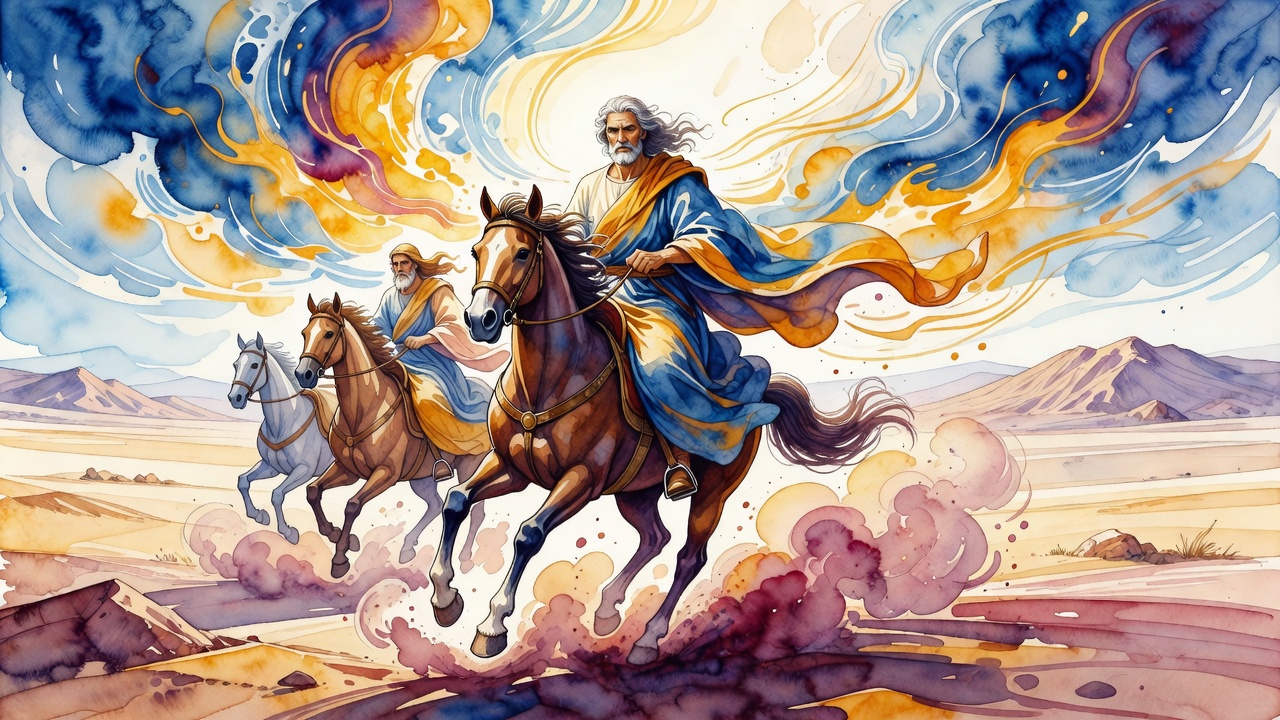
The third measure was the longest. Abraham sent his servant, unnamed in the Torah and named Eliezer in the house, from Canaan to Mesopotamia with ten camels and a mission that seemed impossible. Go to my family. Find a wife for my son. Do not bring Isaac to the land I left. Come back.
Eliezer stood at the well outside the city of Nahor and talked to himself. He had a daughter. If the mission failed, he could propose her to Isaac. The family would be bound to Abraham through him. It was not a disloyal thought, exactly. It was the thought of a man in a hard place looking for a way out that left him whole. He sat there with the scales in his hands, weighing whether his own girl was worthy of the beloved of the world.
Abraham had already closed that door. "You are cursed," he had said, naming the line of Canaan on the steward's head, "and my son is blessed. The cursed do not cleave to the blessed." Eliezer was arur. The girl who would water the camels would be baruch, blessed. Blessed cannot come from cursed. So the steward shook off the thought, prayed over the water, and waited for the girl who would water ten camels without being asked.
Rebecca Came With a Jar
He had almost failed by sitting at the well and calculating. He passed by choosing to wait. Rebecca came with a jar on her shoulder, and she did not stop at his drink. She ran the jar down and back until the camels had finished, ten of them, a long, ugly work in the heat, and she had not been asked to do it.
Eliezer put the bracelets on her arms. He went home behind her. He did not put his daughter in Isaac's tent. The jar had already answered the thought he had been weighing in the heat.
← All myths