Abraham Refused the King of Sodom's Payment for a War He Fought Free
Abraham smashed idols and Nimrod lit the furnace. A king tried to pay him for a war fought free. God named ten nations his heirs would inherit in two eras.
Table of Contents
 Click for full size
The idol-smashing and what came after it
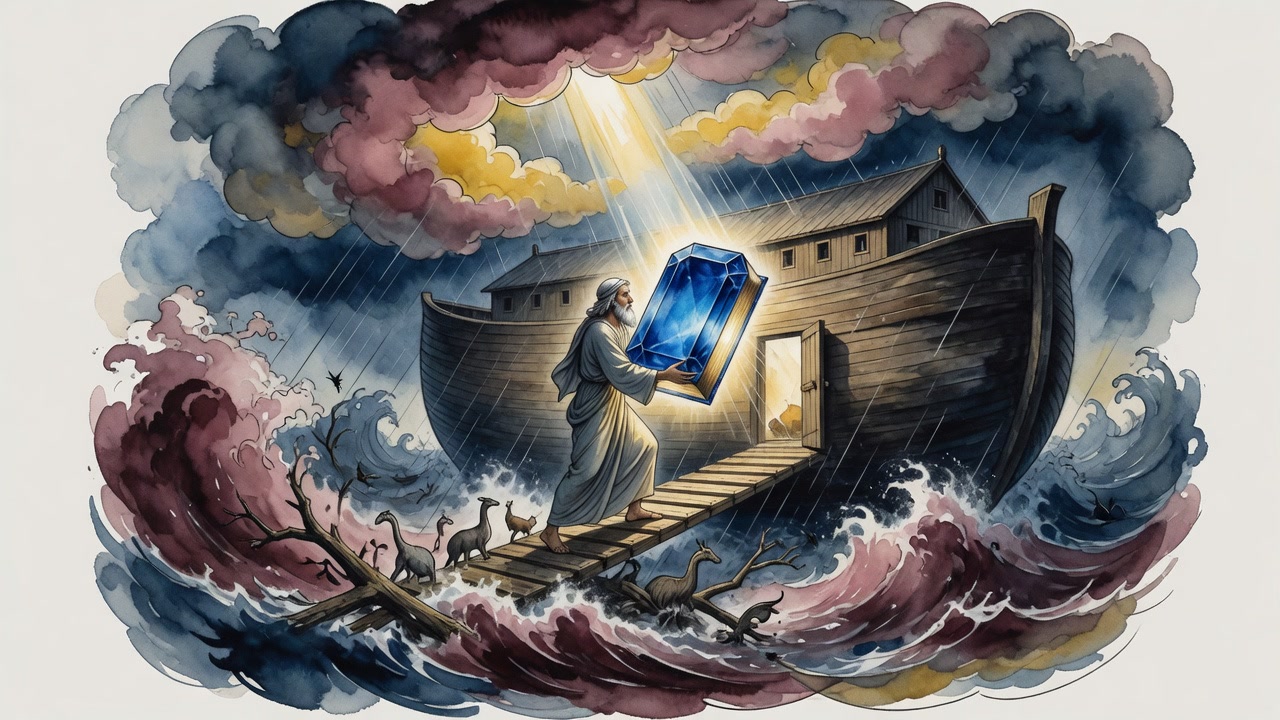
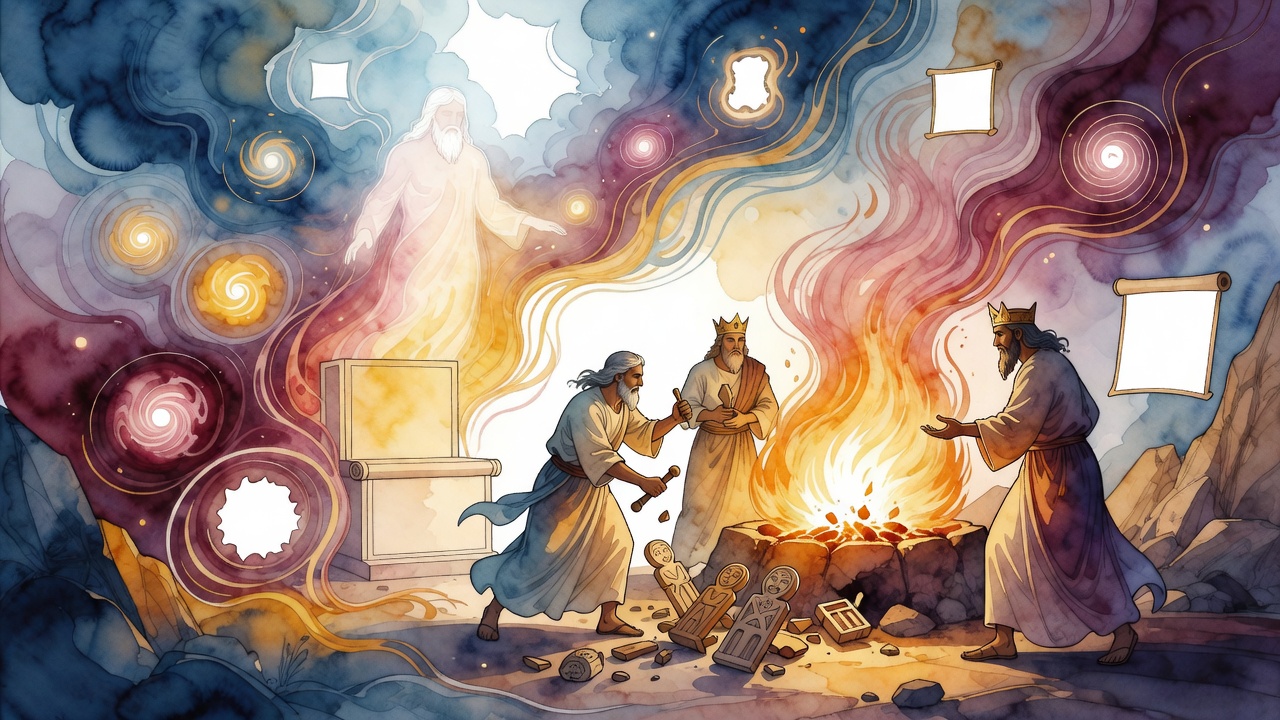
Terah ran an idol shop in Ur, and his son had opinions about the inventory. When a woman came in carrying flour to offer to the statues, Abraham took the flour, set it in front of the largest idol, then picked up a club and smashed every statue in the shop except the biggest one. He placed the club in the surviving idol's hands. When his father came back and demanded an explanation, Abraham told him the big idol had gotten into a quarrel with the others and destroyed them all.
Terah was not persuaded. He dragged his son to Nimrod.
The furnace that proved a God and changed nothing
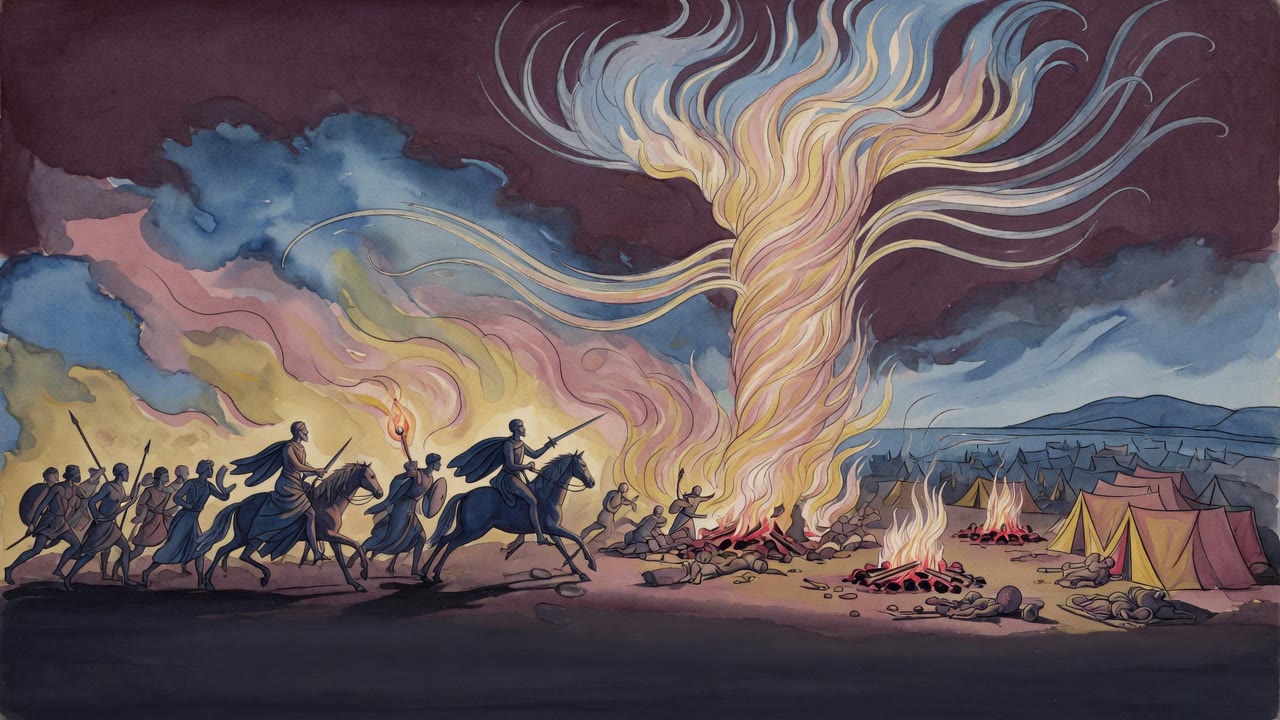
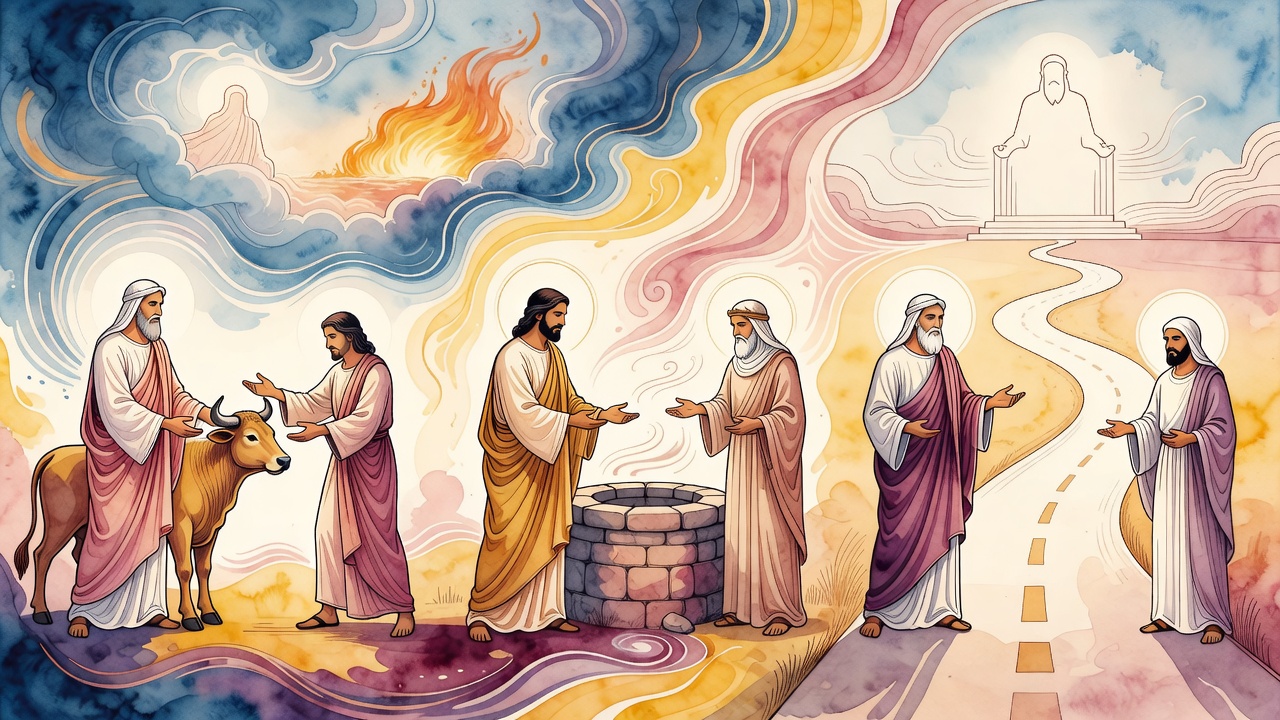
Nimrod was the king of the world as far as Nimrod was concerned. He ran through a series of escalating theological demands. Bow to fire. Abraham declined: bow to water instead, which extinguishes fire. Bow to water. Bow to clouds, which carry water. Bow to wind, which scatters clouds. Bow to humans, who contain wind when they breathe. At each step, Abraham found something that had power over the last thing and offered it as a superior candidate for worship. Nimrod eventually gave up the theological argument and ordered Abraham thrown into a furnace. Abraham walked out.
The rabbis of Bereshit Rabbah did not present this as a comfortable triumph. Abraham emerged from the furnace and continued to live in a world where Nimrod was still the king. The encounter proved something about Abraham's God. It did not change Nimrod's arrangements.
The king who tried to pay him
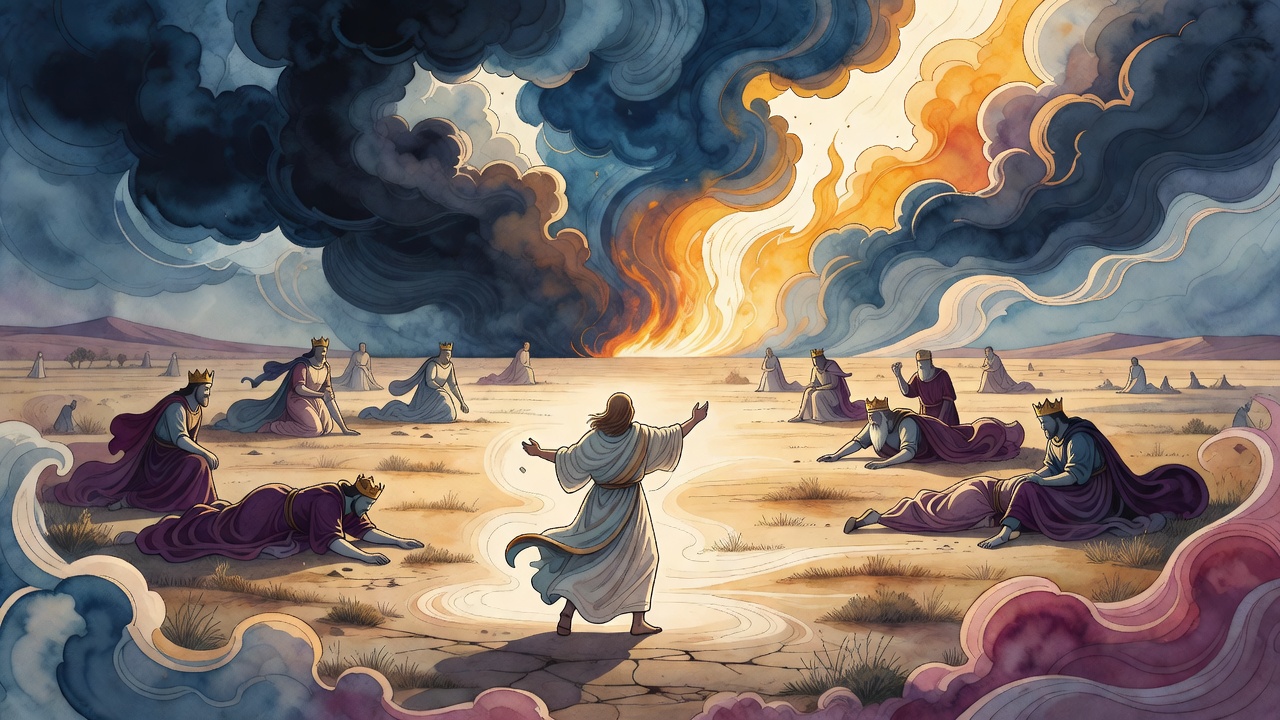
Later, much later, after Abraham had come back from defeating the coalition of four kings who had kidnapped Lot, he passed through the Valley of Shaveh. The text of Genesis 14 says the valley was also called the King's Valley. The rabbis noted that and moved past it toward the more interesting detail.
The King of Sodom came out to meet Abraham there. He made what looked like a generous offer. Keep the goods you recovered. Just give me back my people. But Bereshit Rabbah read the subtext. The King of Sodom had watched Abraham fight a war on his behalf without being asked, rescue captives who were Sodom's citizens, refuse to take any spoil for himself. Now the king was showing up in the King's Valley to manage what came next.
Abraham wanted nothing from him. He had already sworn to God that he would not take even a sandal-strap from Sodom, so that Sodom could never say it had enriched Abraham. He understood the political transaction the king was offering and declined it entirely. He returned the people. He took nothing. He walked away with his nephew Lot and a clean ledger.
The rabbis saw this as Abraham's definitive statement about who his patron was. He had already been wealthy before the battle. He would not be wealthy because of it. The King of Sodom went back to his valley without a relationship to use.
The ten nations and the ones who had already left
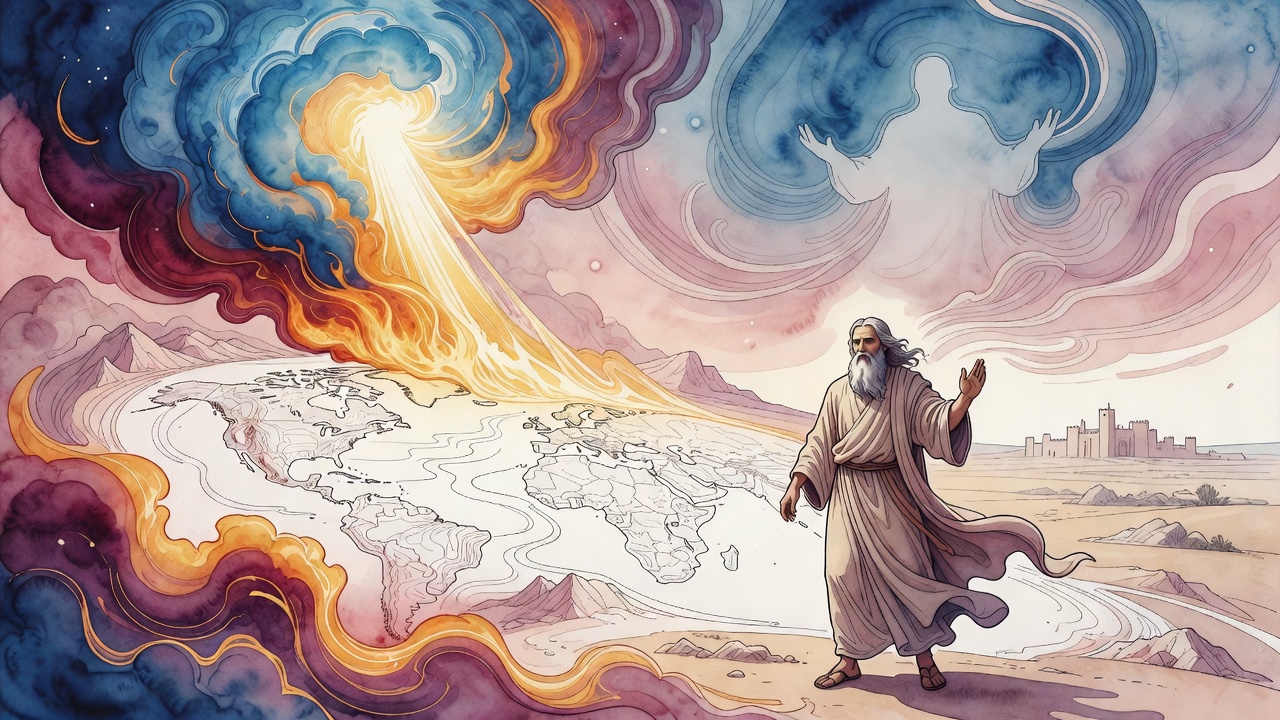
God had promised Abraham's descendants not seven nations, the standard number in the later promise, but ten. The list in Genesis 15 included the Kenites, the Kenizzites, and the Kadmonites in addition to the usual seven. Abraham's descendants would eventually occupy all of it. But when? And what happened to the extra three?
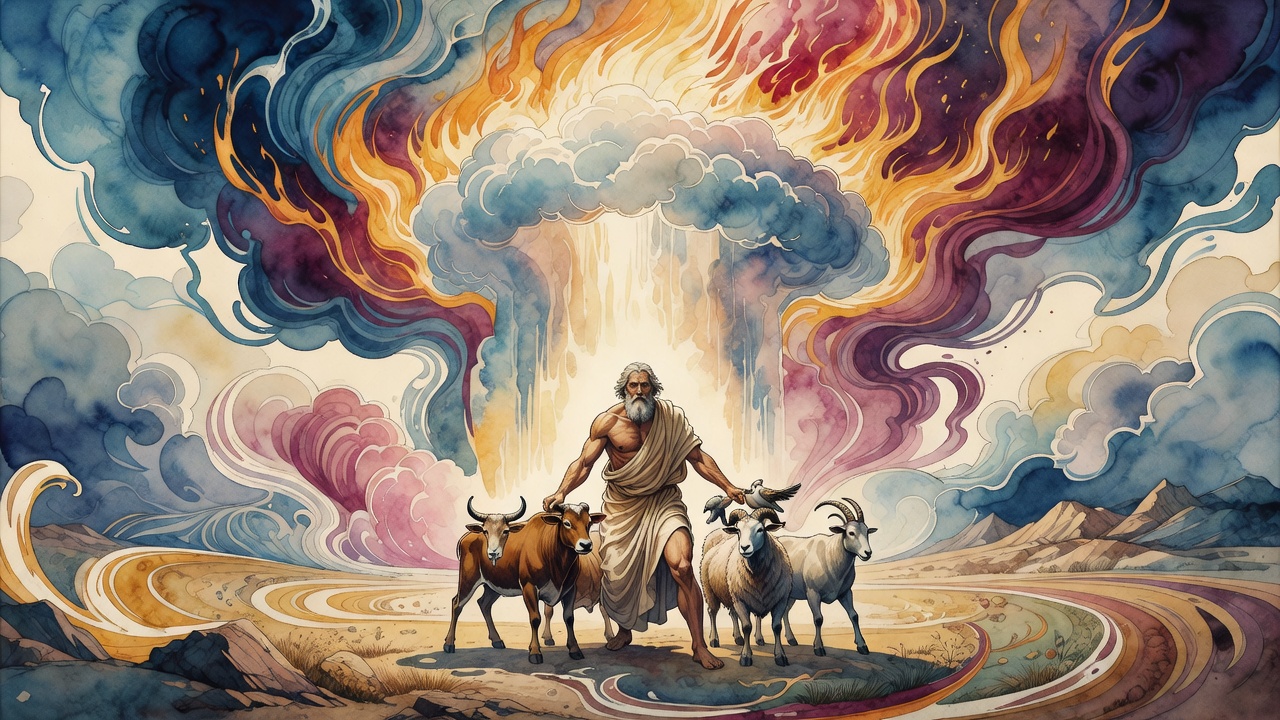
Bereshit Rabbah addressed the gap plainly. The extra territories were held in reserve for the messianic era. The standard seven nations that Israel would conquer entering Canaan under Joshua were the immediate inheritance. The remaining three, including Edom, Ammon, and Moab as the rabbis identified them, would come in at the end of history. The promise was not being broken by geography or timing. It was being fulfilled in two stages that the Torah announced together but did not explain separately.
Abraham, standing in that landscape, held a promise that pointed both forward into Joshua's campaigns and forward again into a future no one in his generation would see. He did not own any of it yet. He was a wandering Aramaean on contested ground, with kings who knew his name and a map that was partly present tense and partly eschatology. The promise was the deed. The land would catch up to it eventually.
← All myths