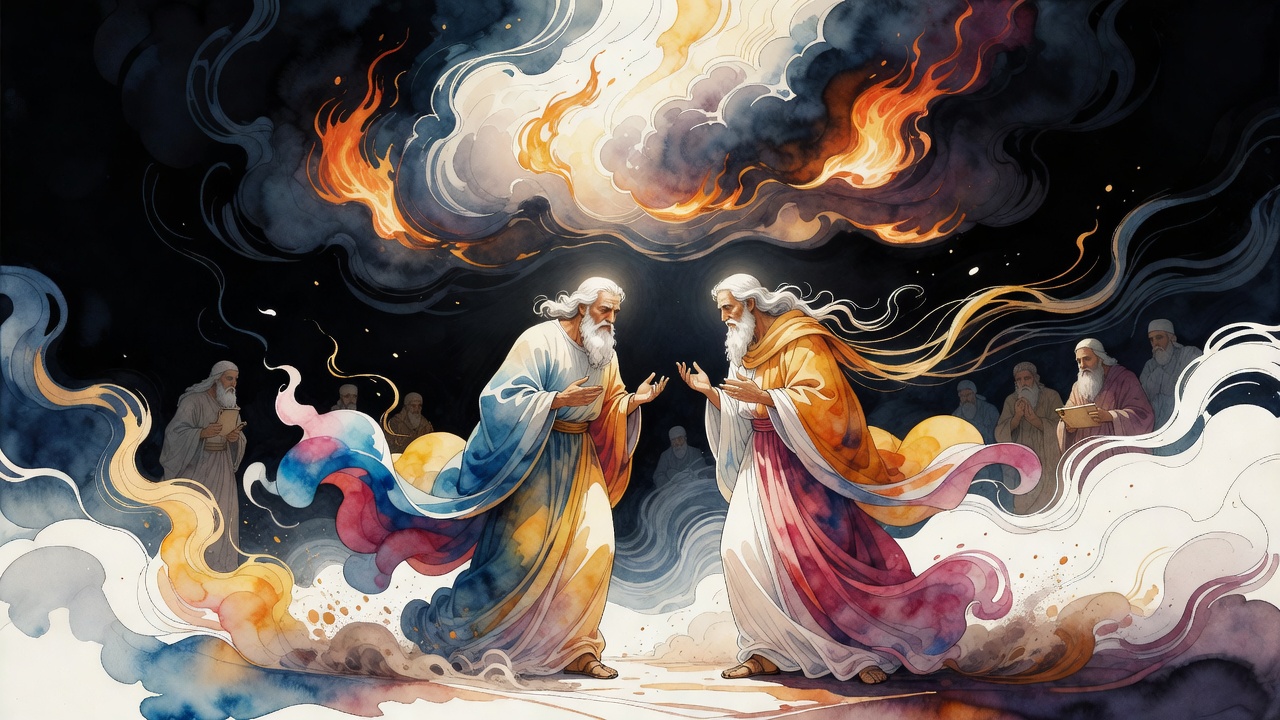
The Serpent Lost Its Legs and Jacob Lost His Daughter Dinah
It could have carried a merchant's goods across the desert and found its own way home. It asked the woman one question and never walked again.
Table of Contents
 Click for full size
The Beast That Could Have Carried Freight
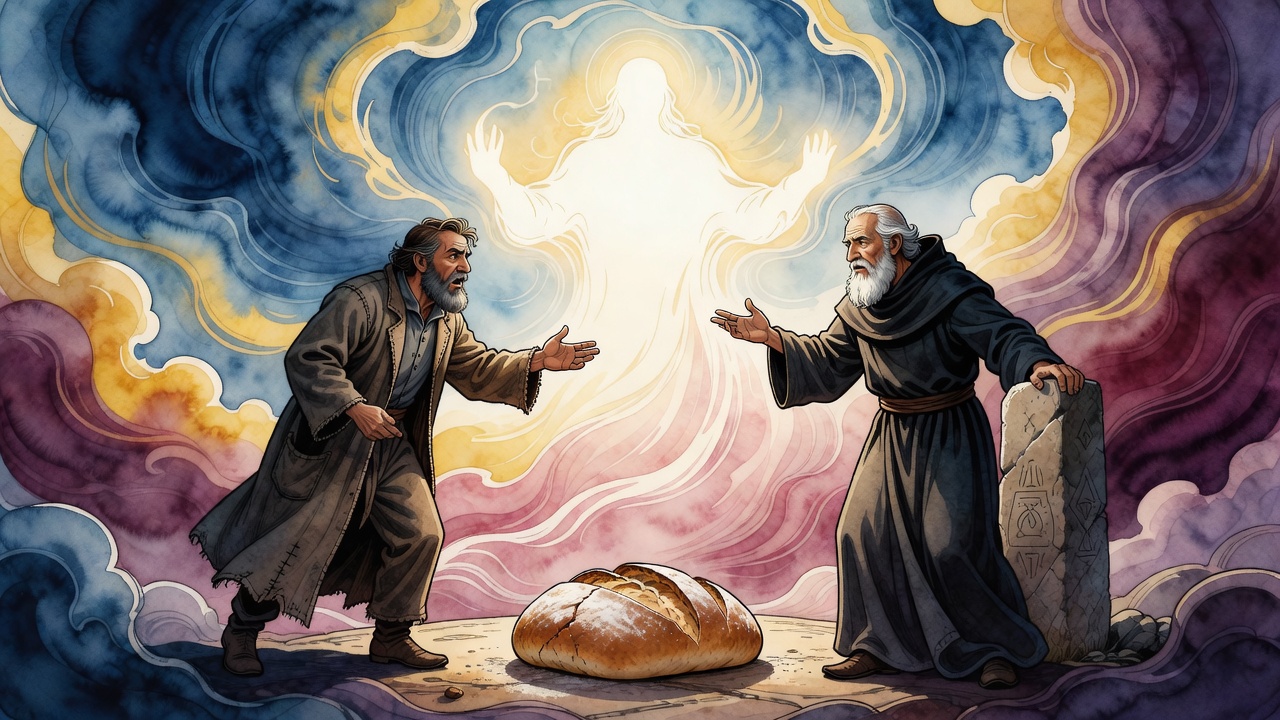
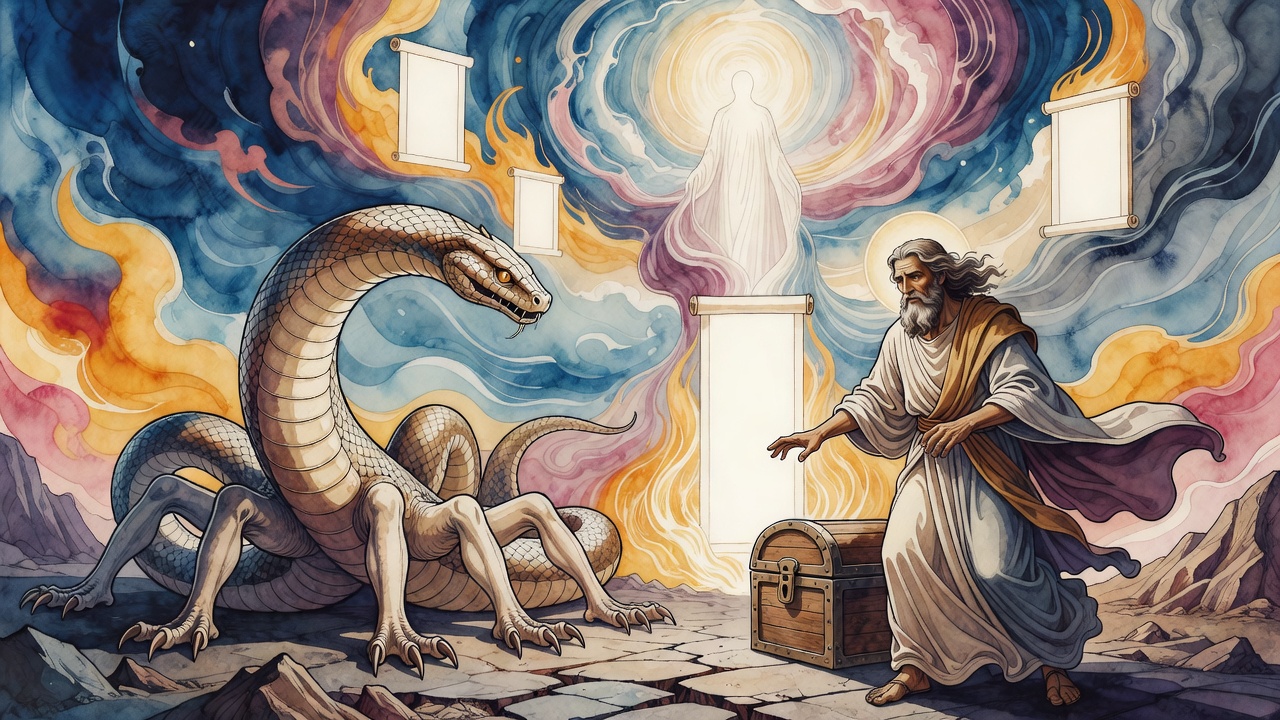
Before any of it went wrong, the serpent walked. Rabbi Hoshaya Rabba said it stood straight up like a reed and had legs under it. Rabbi Shimon ben Elazar said it was built something like a camel, and that the world lost an enormous thing the day it was punished, because a man could have loaded his goods onto that animal and sent it off alone, and it would have gone and come back on its own. It was clever enough to find the road.
Not a low thing hissing in the grass. A tall beast with legs, with language, and with a plan.
The Bill for Being Smart Comes to the Smart
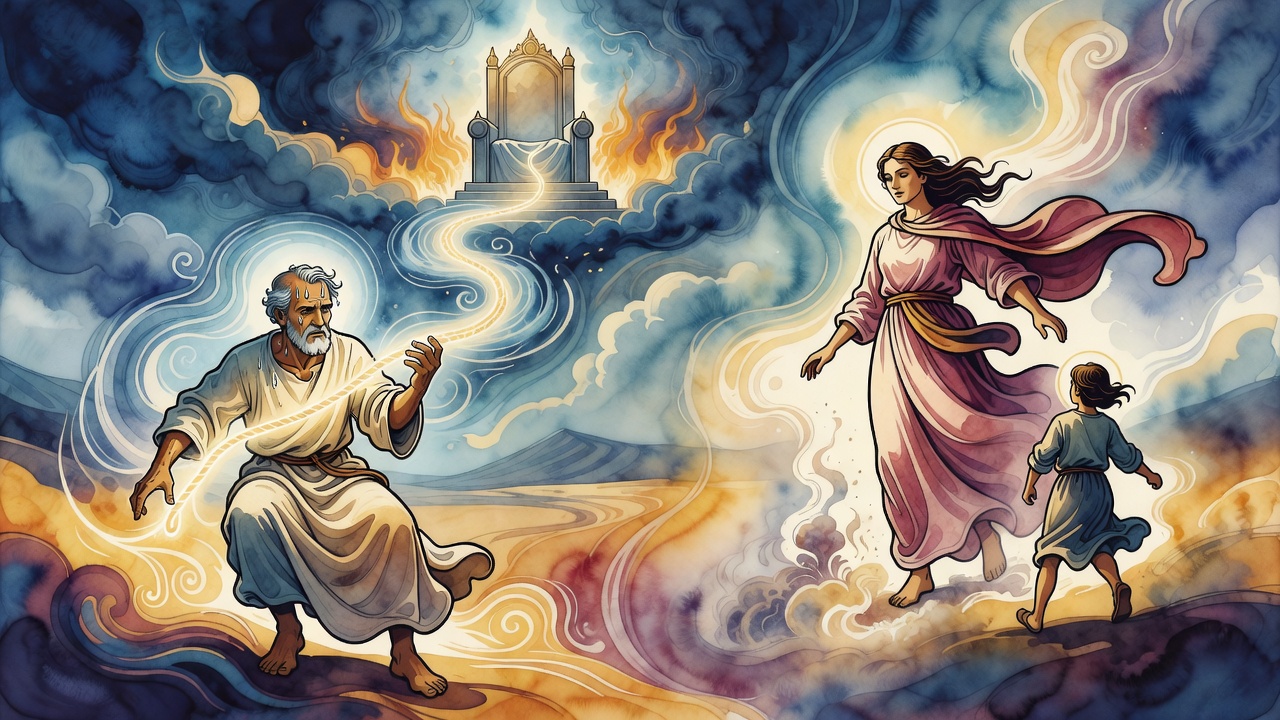
Solomon wrote his own verdict on this and signed it. With much wisdom comes much anger, and whoever adds knowledge adds pain. Because I made myself wise, he said, I made myself angry at myself. Because I increased my knowledge, I brought the pain down on my own head. He had the largest mind of any king who ever sat in Jerusalem, and it carried him into confidence, and the confidence carried him into places he should not have gone.
Nobody says of a donkey that the poor creature is suffering from a head cold. Nobody counts its inflammations. Suffering turns up where understanding does.
Rabbi Yohanan put it in cloth. The fine linens that come out of Beit She'an are ruined by one smudge, and the loss is real money. The linens of Arbel take a stain and nobody looks twice, and if they are ruined, what were they worth. Rabbi Yishmael put it in animals: the load goes on according to the camel.
Two men sit down at an inn. One orders roast meat, white bread, good wine. The other asks for bread and beets. The first eats and is sick half the night. The second eats and sleeps. Same table, same hour, and only one of them paid for it in his body.
Rabbi Meir said the serpent's fall came down in proportion to its greatness. The more cunning, the more cursed.
One Question in the Garden
It went to the woman with a single sentence, and the sentence had a false floor in it. "Did God actually say you may not eat from any tree in the garden?"
Rabbi Yirmeya ben Elazar called the animal a heretic, and not for the question. For what it said next, when it told her flat out that God had lied to her about dying.
The legs came off where it stood. The beast that could have carried a merchant's bales from town to town went down on its belly, and the ground it had walked over became the only food it would ever get, and no one since has been able to send freight anywhere without a driver.
Jacob Shut His Daughter Away From His Brother
Jacob put himself on record once. My honesty, he told Laban, will answer for me on a future day.
Rabbi Yehuda bar Simon laid a proverb down next to that sentence. Do not boast about tomorrow, because you have no idea what a day gives birth to. You do not know, Jacob. In time to come your daughter will go out.
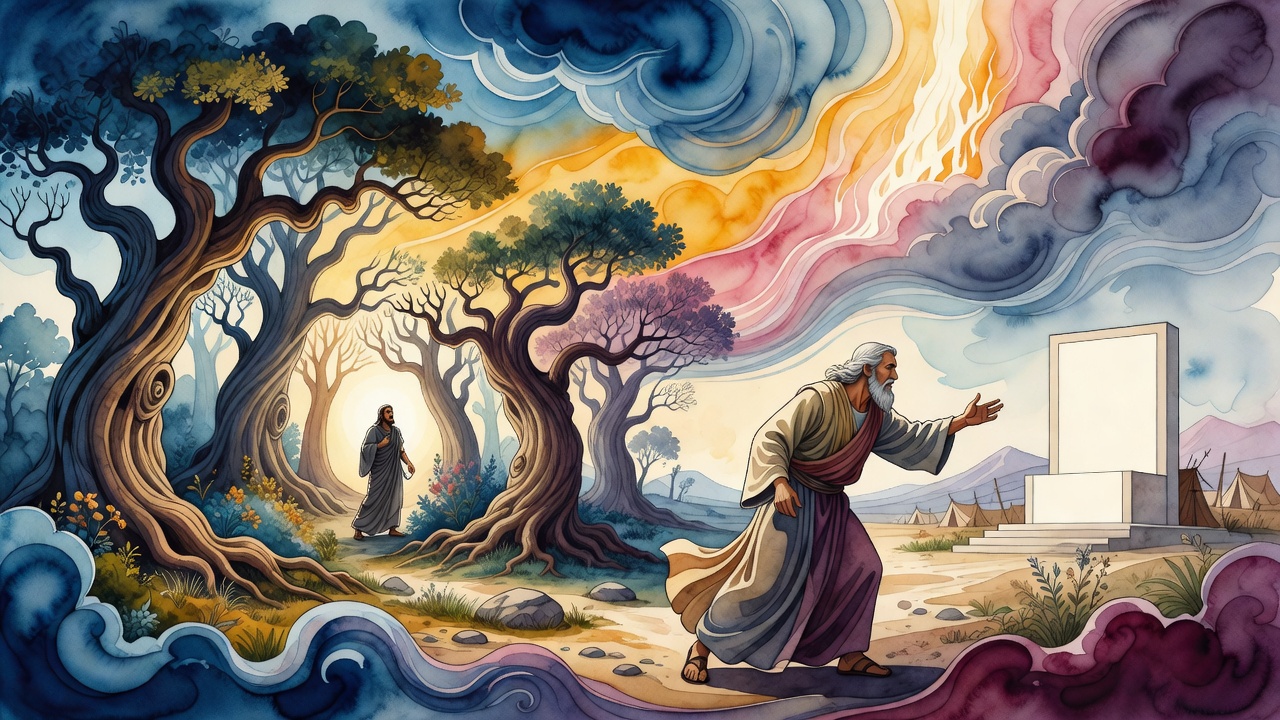
He had every reason to feel sure of himself. He had planned. Twenty years of Laban had taught him to see two moves ahead of any man he dealt with, and now Esau was riding toward him with four hundred men, and Jacob had a daughter, and he knew exactly what his brother would do the moment he saw her. So he shut Dinah away where Esau could not see her at all, and the brothers met, and nothing happened to her that day.
Rabbi Hanina, in the name of Rabbi Abba HaKohen ben Rabbi Eliezer, opened this with a line from Job about the man who withholds kindness from his neighbor. You withheld kindness from your brother, he said to Jacob. Had you let her be given to Esau, none of what came next would have reached her.
Dinah Went Out
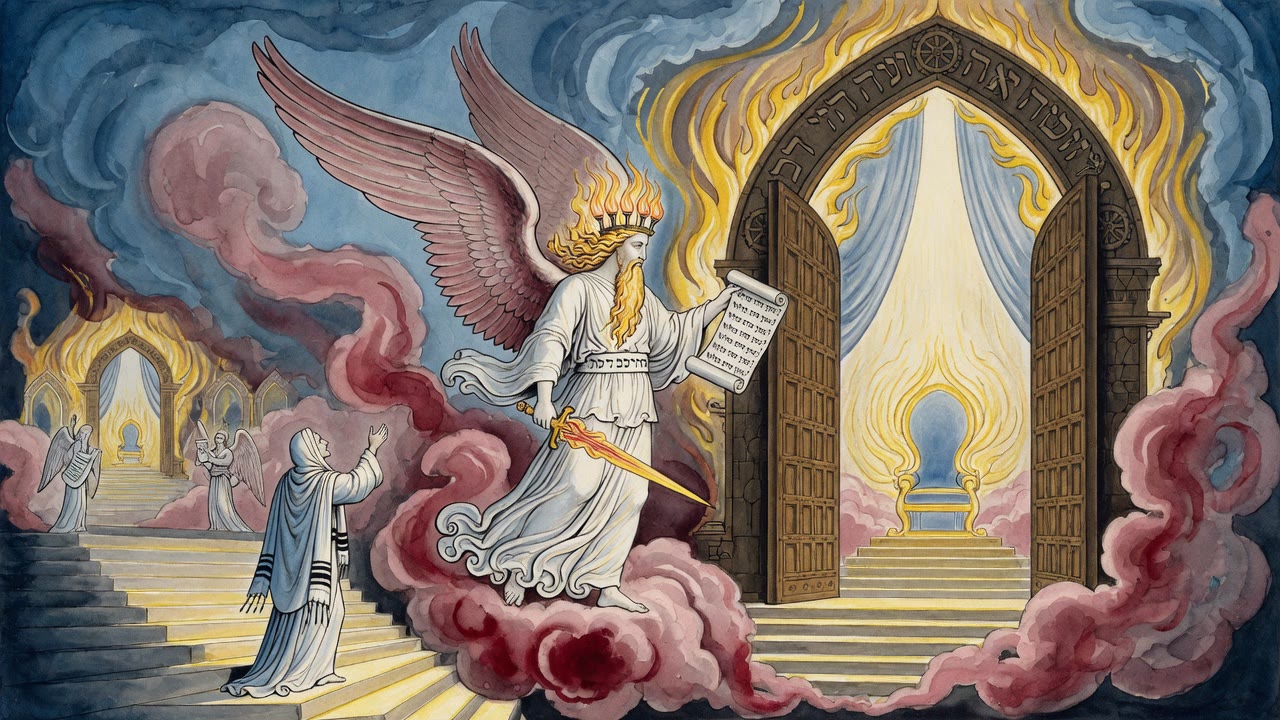
Two words in the scroll, and then Shechem son of Hamor saw her and took her.
The danger Jacob had spent all his cleverness sealing off came in through the wall he had not been watching. And the reckoning in that telling runs straight at him: you would not seek a permitted marriage for her, so she married in a forbidden way. You would not look for a circumcised husband, so she married Job, who was neither a convert nor circumcised.
The serpent dragged itself through the dust it had been sentenced to eat. Jacob, who had outsmarted every man he ever bargained with, sat in his tent and said nothing at all until his sons came in from the field.
← All myths