55 myths · Page 1 of 2
Each story names the sources it was written from.
Fiery serpents tore through the camp, so Moses raised a bronze serpent on a pole and told the bitten to lift their eyes and live.
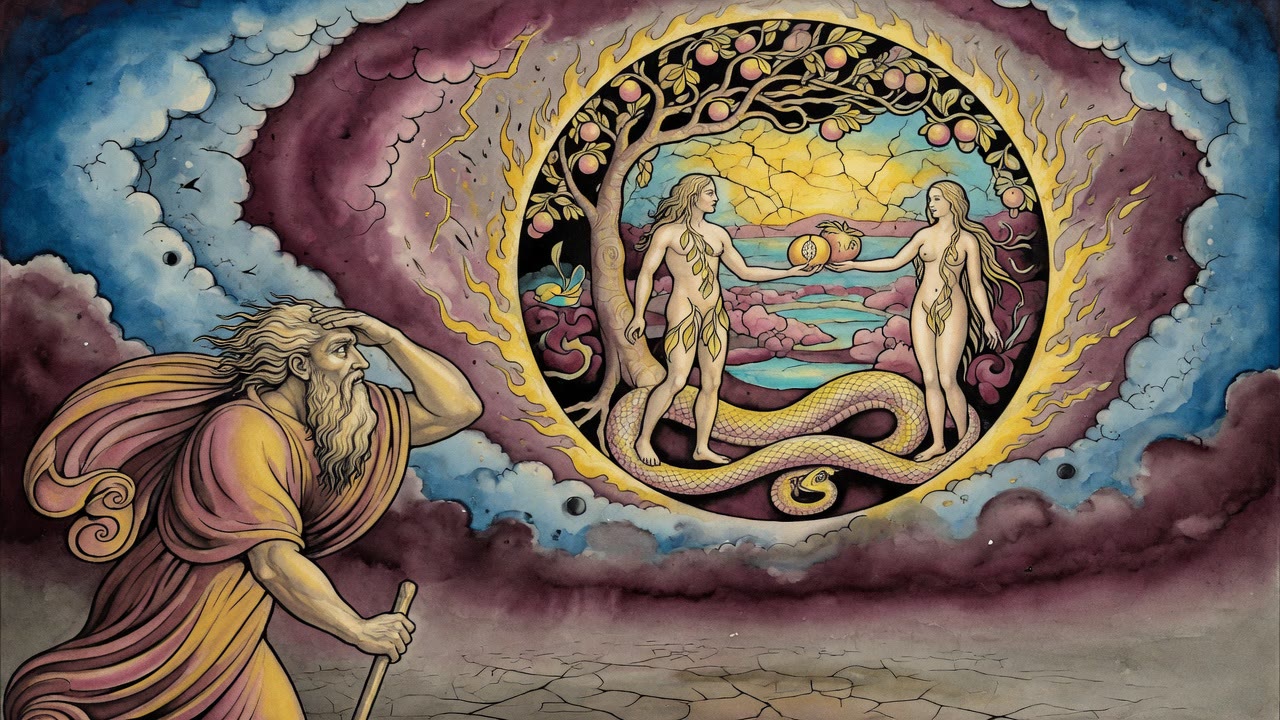
Adam and Eve stood embracing under the tree, and something with a man's hands and twelve wings stood between them, holding out the grapes.
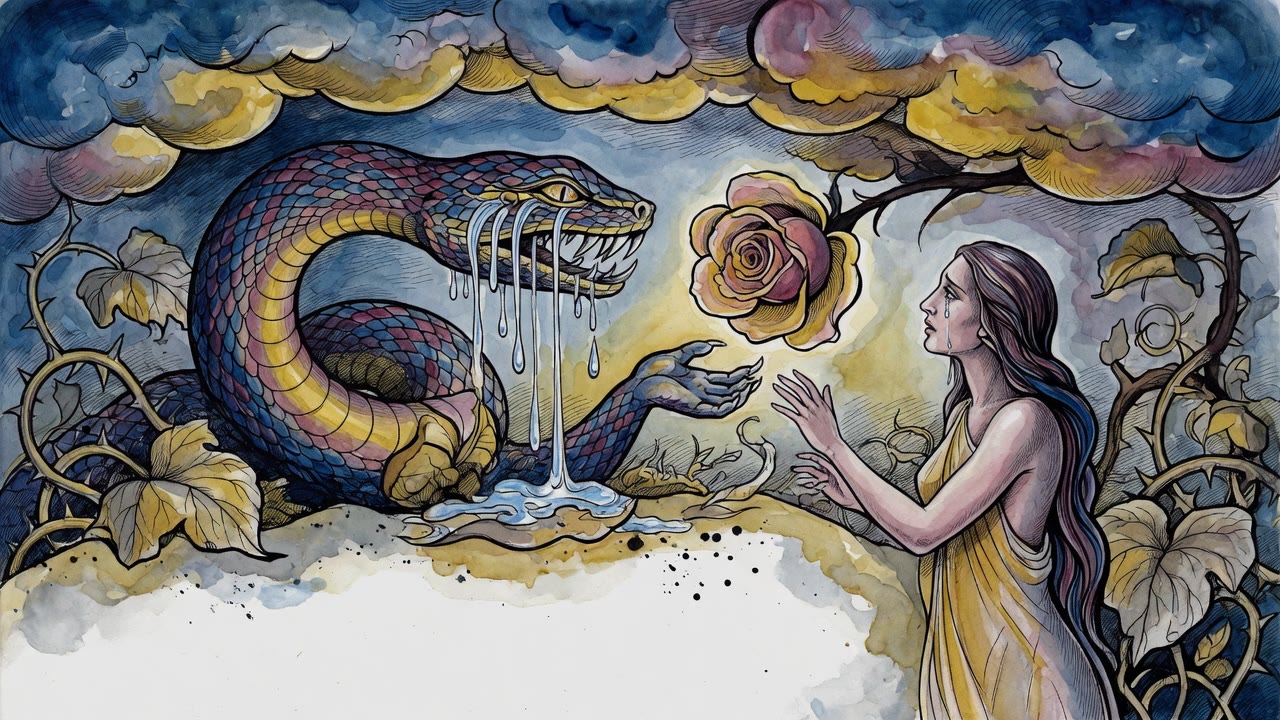
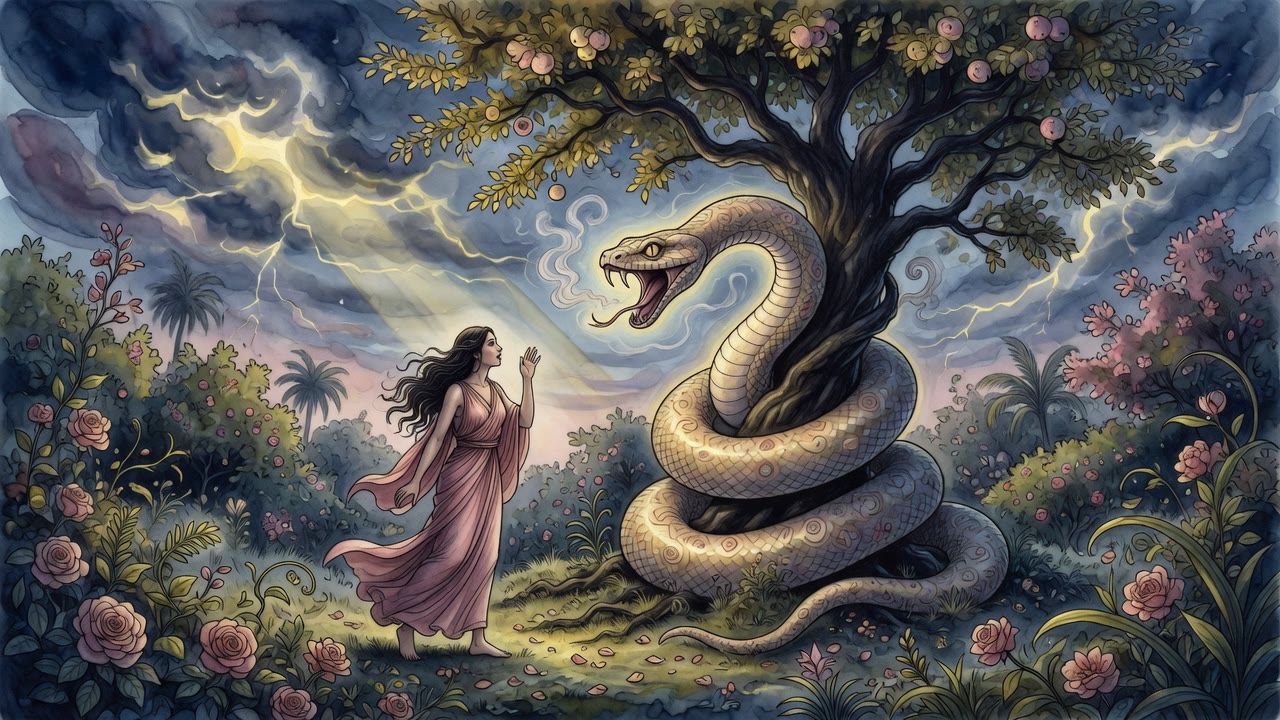
It cried at her feet and called the grief holy. Eve would not pick the fruit herself. Then it made her swear on the throne and the cherubim.
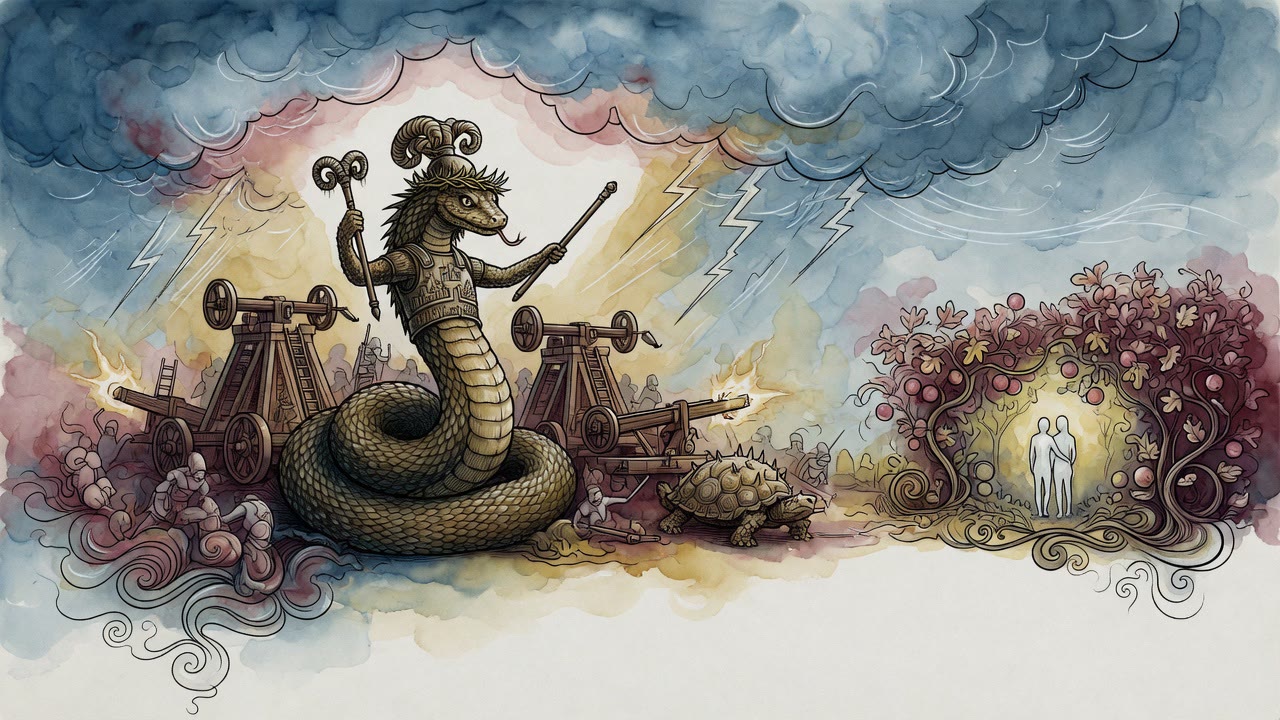
A tenth-century midrash read a parable in Ecclesiastes as an allegory for Eden. The great king outside the walls is the serpent. The poor wise man is Adam.
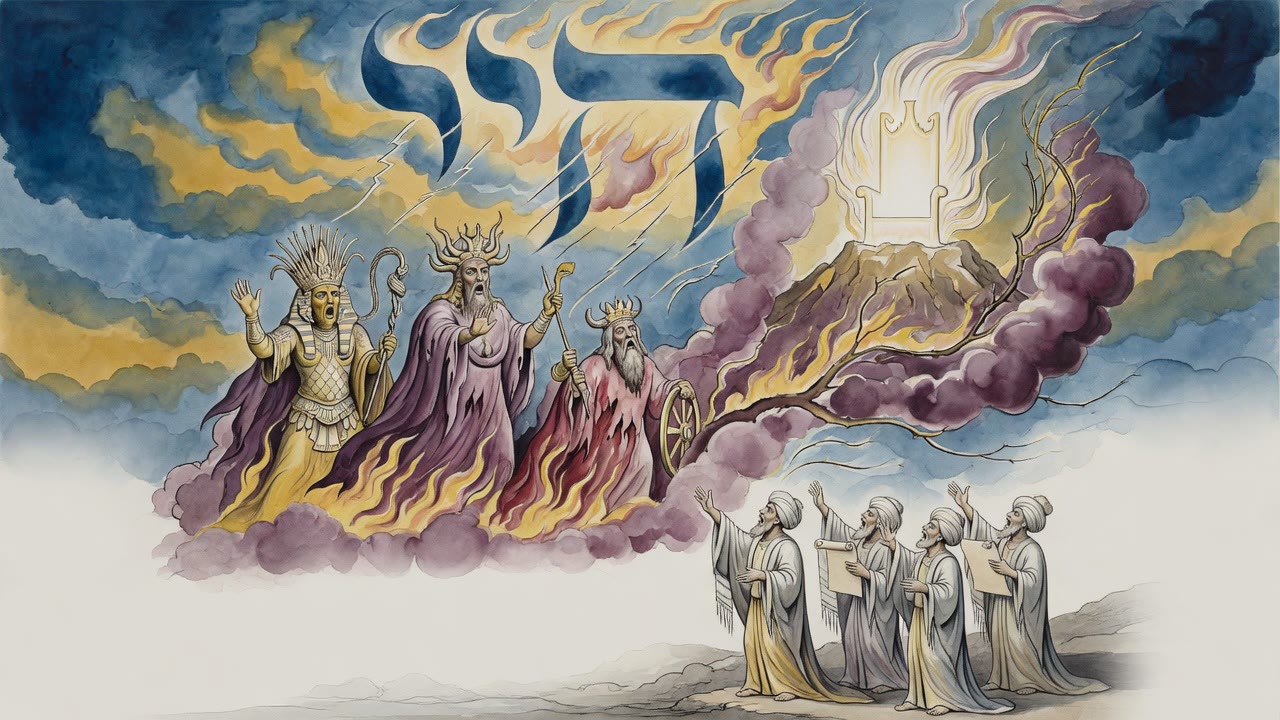
The rabbis of Esther Rabbah noticed Haman and three biblical villains all opened with the same Hebrew word. That word also means anger.
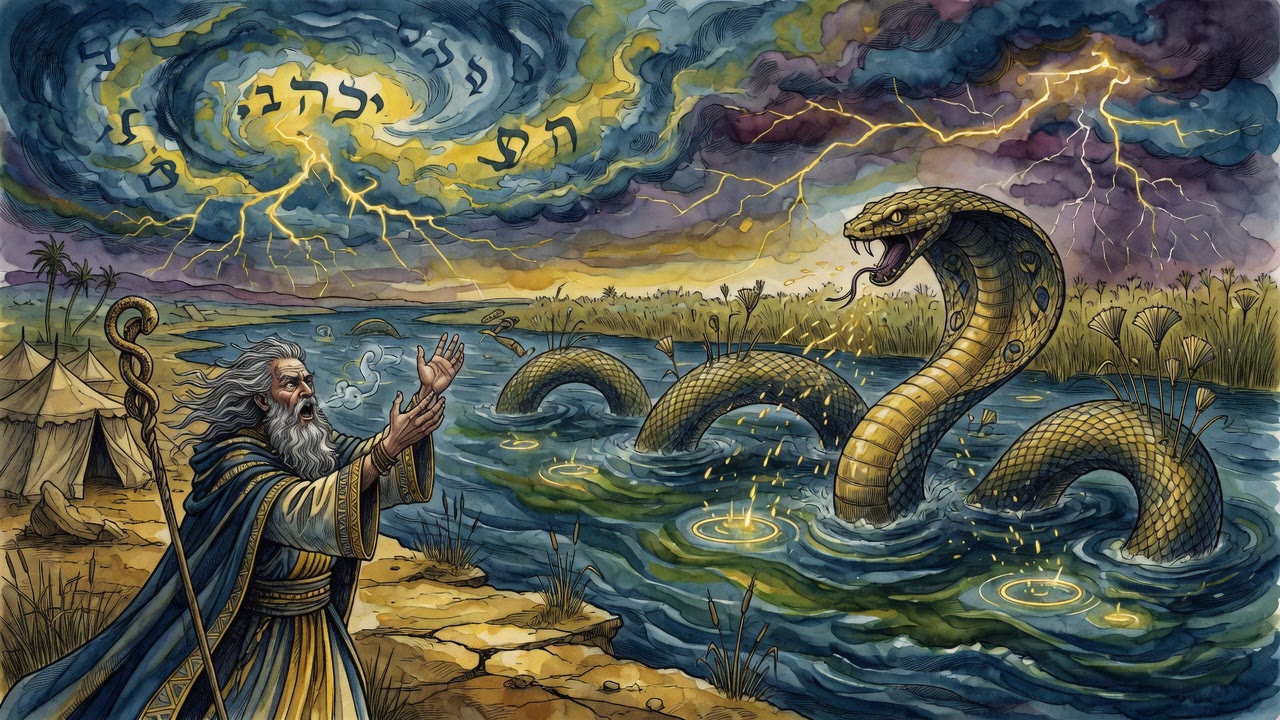
Six hundred thousand saw the sea split, yet the first blessing came from Jethro, an outsider, naming a serpent coiled in the Nile.
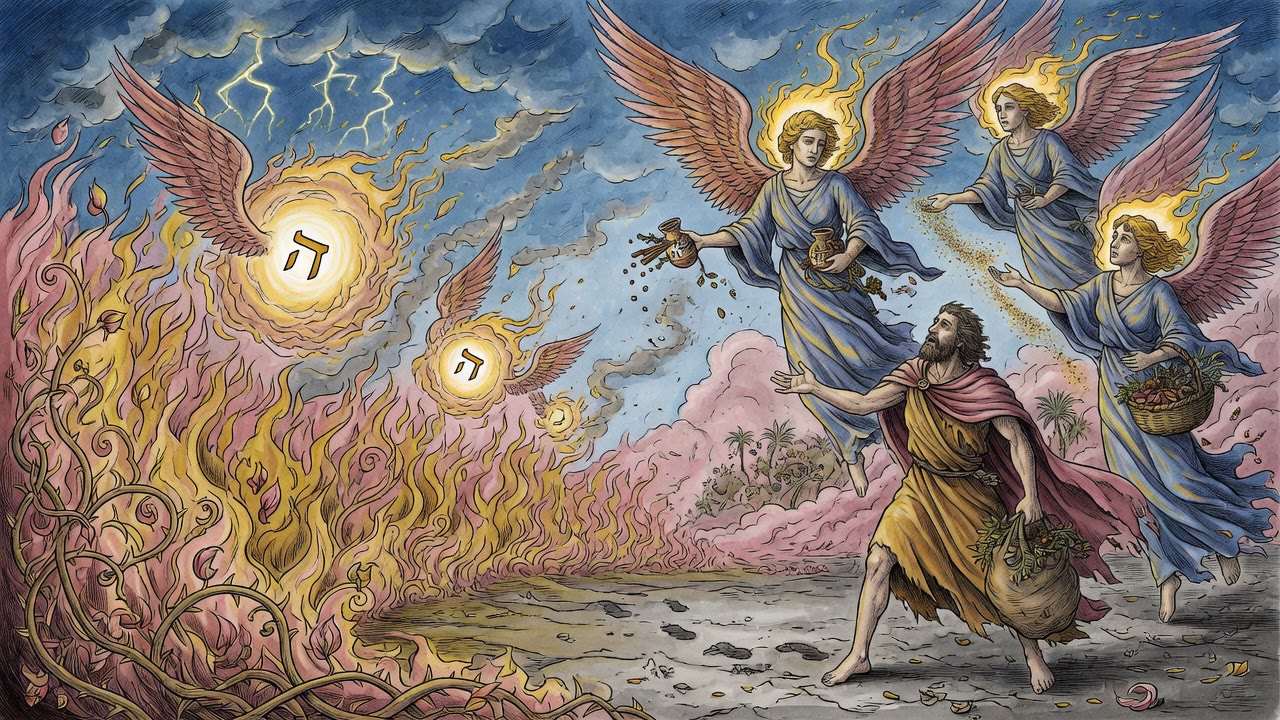
Driven from the Garden in the twelfth hour, Adam wept and begged the angels for one thing before the gates closed: spices, so he could still pray.
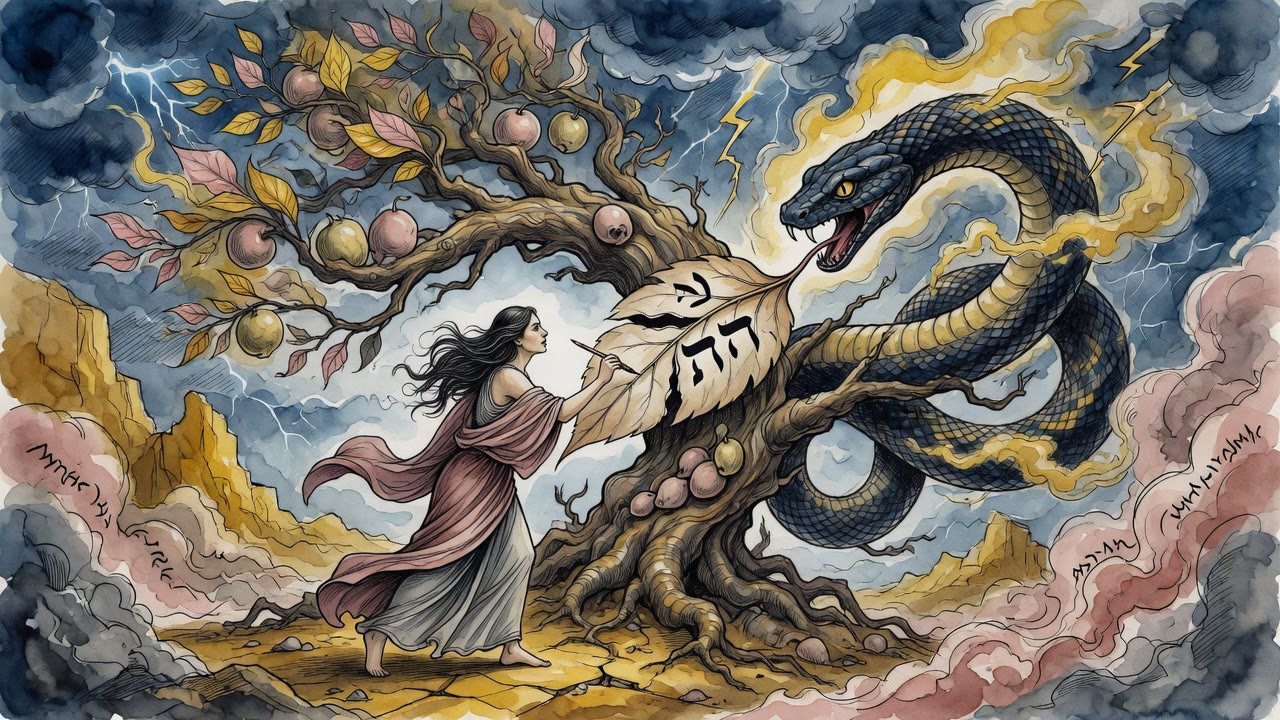
God said do not eat. Eve told the serpent do not touch. The rabbis traced Eden's fall to that single addition and were not unsympathetic about it.
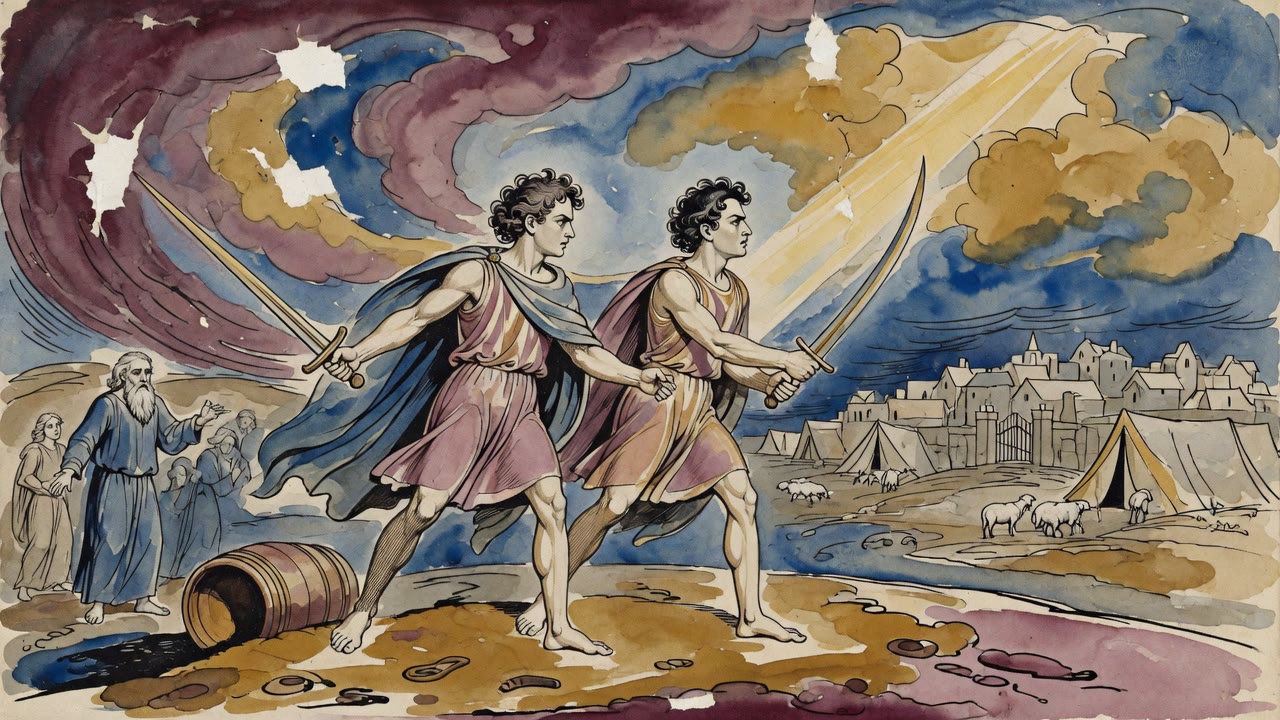
Egyptians brought a crying baby into the house. Jochebed held her mouth shut. The light in the room could not be allowed to answer.
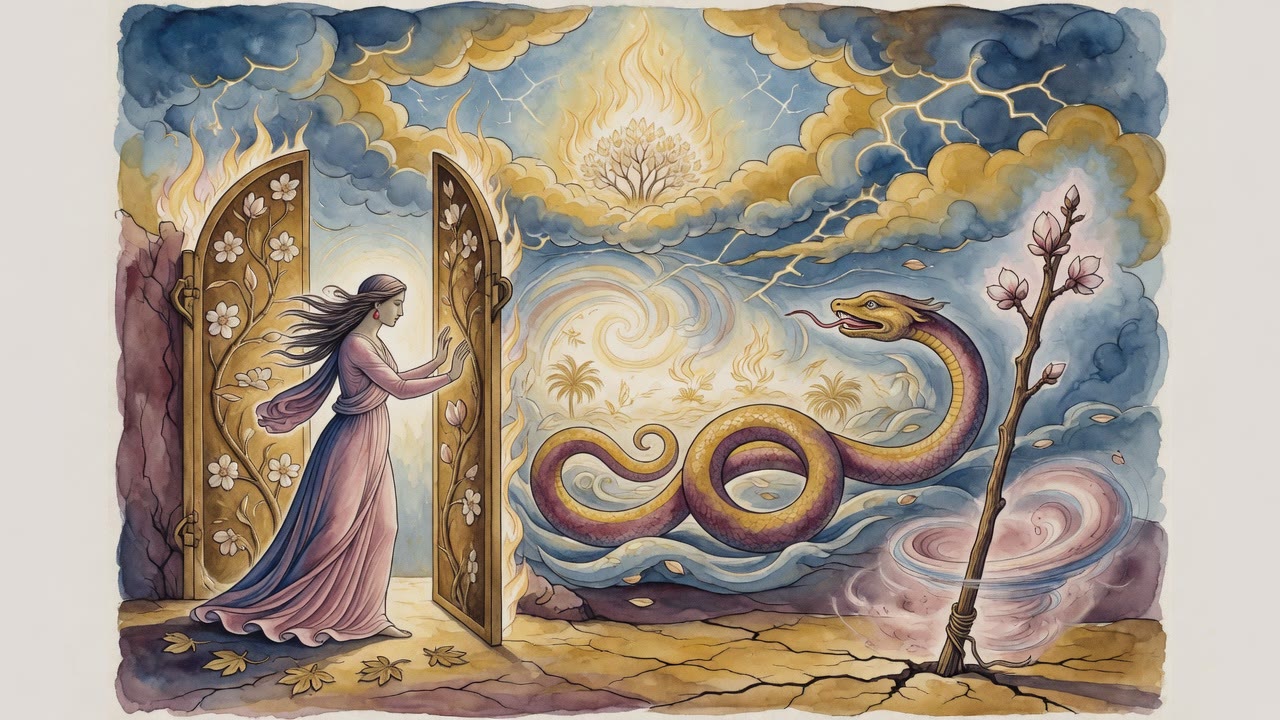
Eve opened the gate of Paradise for a lying serpent; in that same final hour, the staff that would split the sea entered the world.
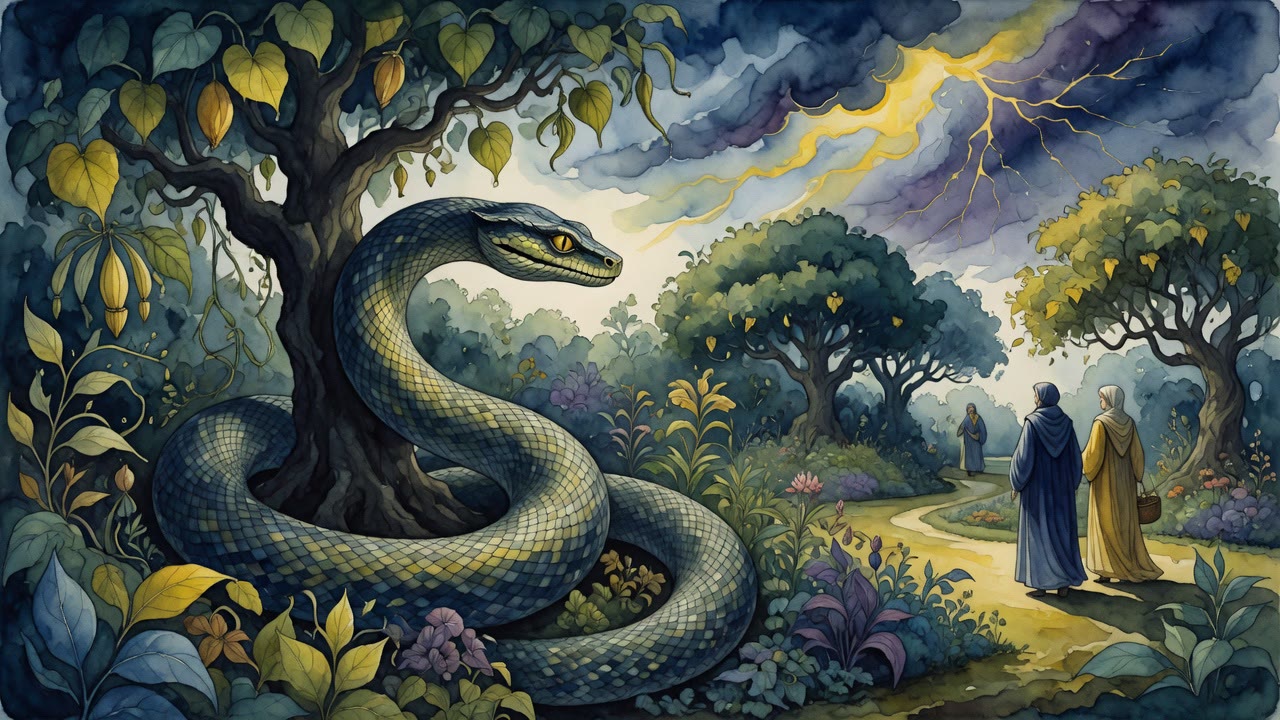
Adam and Eve had seven full years in paradise before the serpent chose his moment. He considered Adam first, then chose Eve, and had his reasons for both.
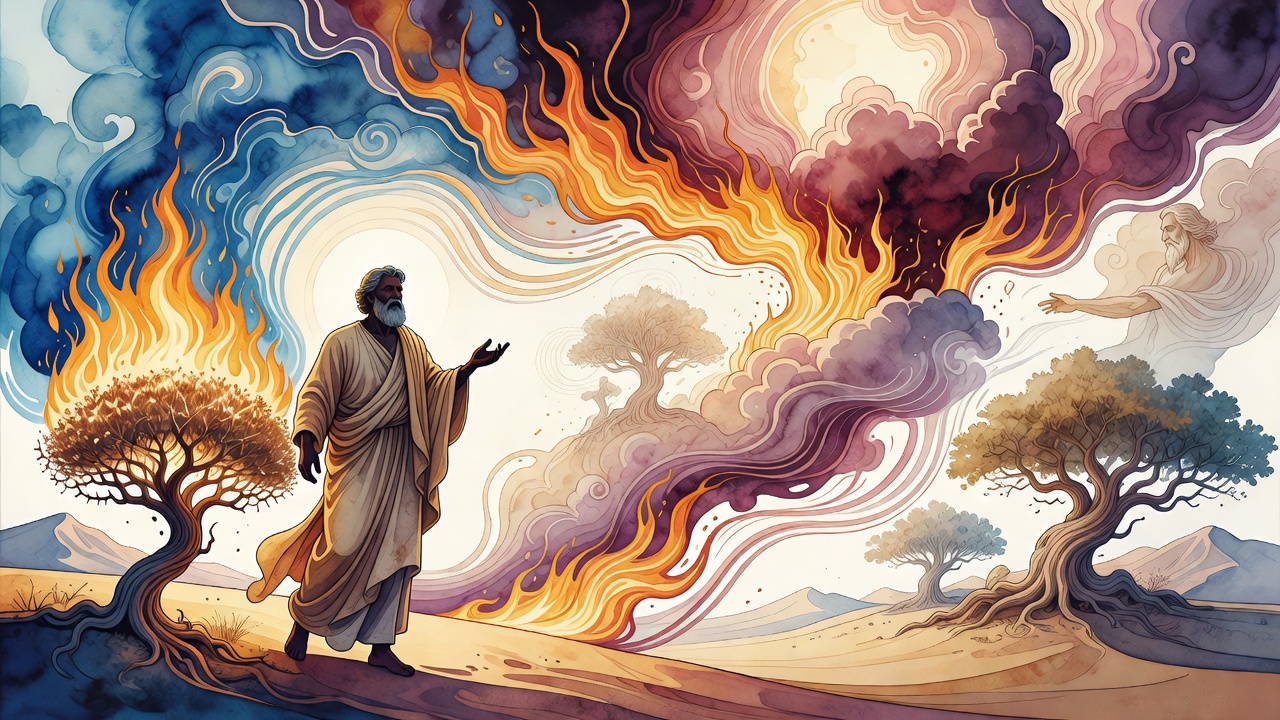
Moses pleaded to enter Canaan by recalling the bush where he was sent. God answered by tracing Moses's mortality back to Eden and the first refusal.
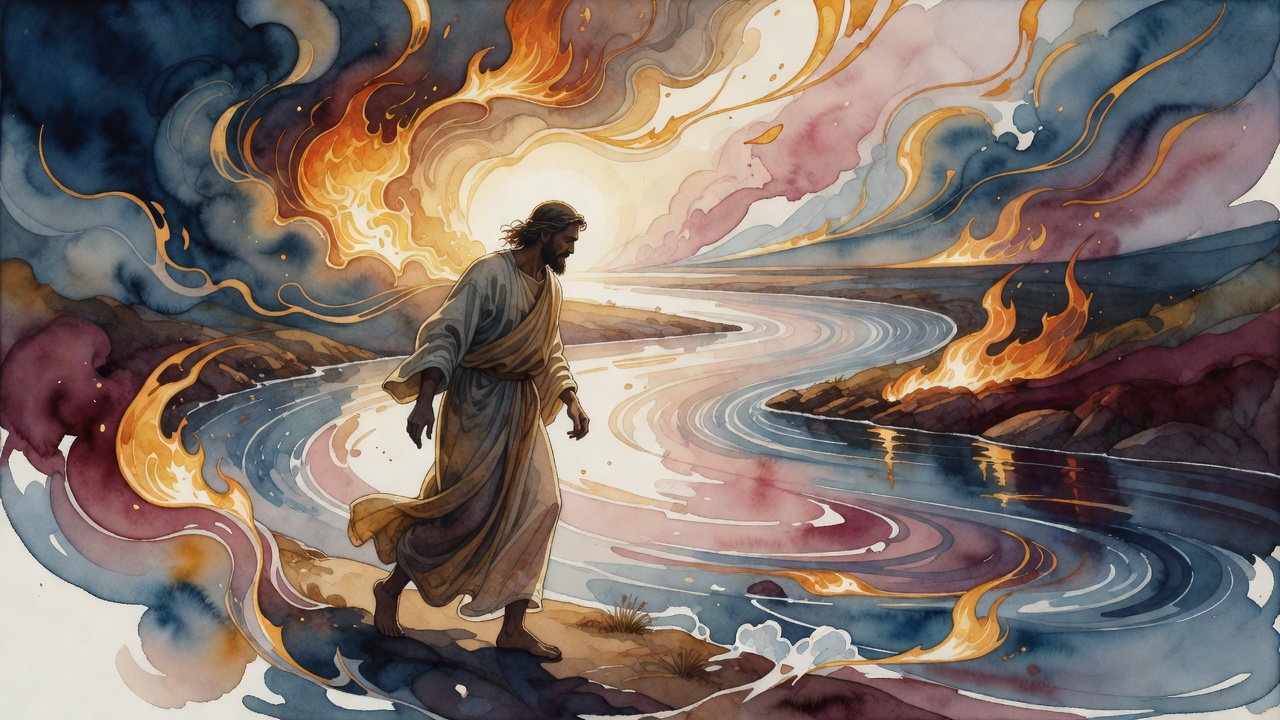
Jacob limped away from the ford of Jabbok, still called unblemished. The Zohar reads him against the red heifer: a wholeness that suffering cannot remove.
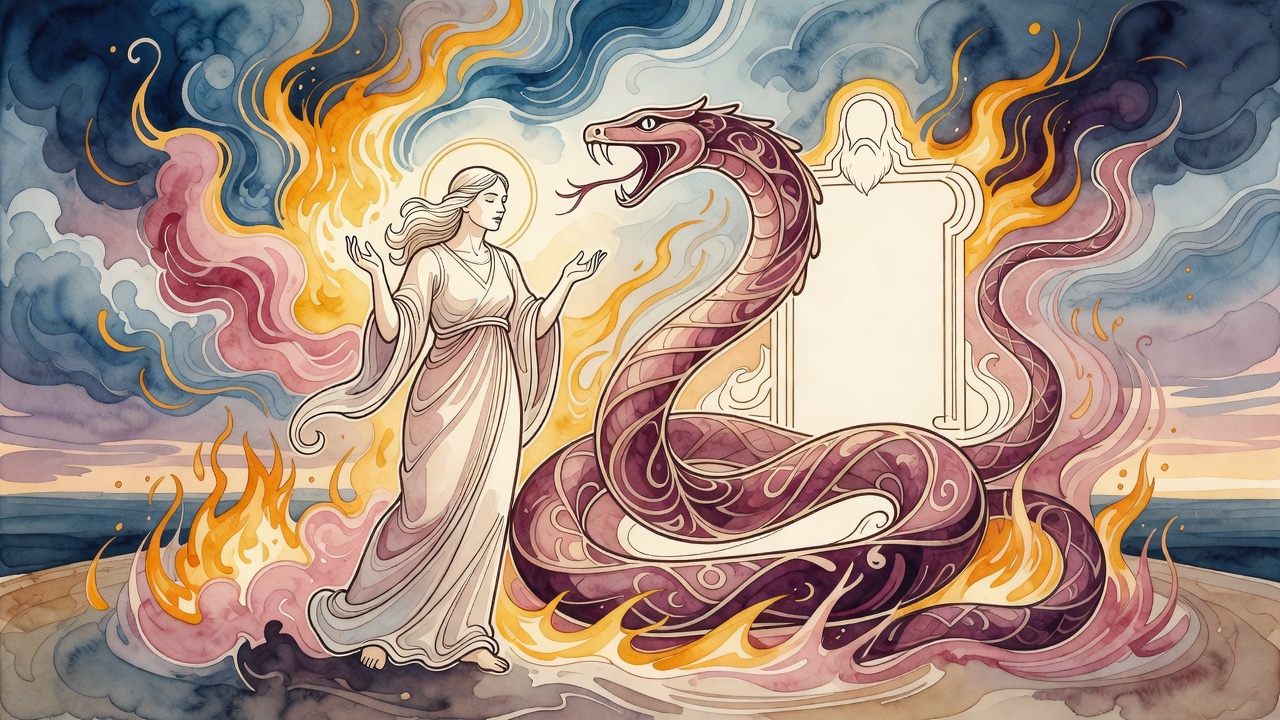
Adam's first Sabbath Eve began with expulsion at twilight. Hours before, the serpent wrapped one truth inside its lie and Eve could not find the seam.
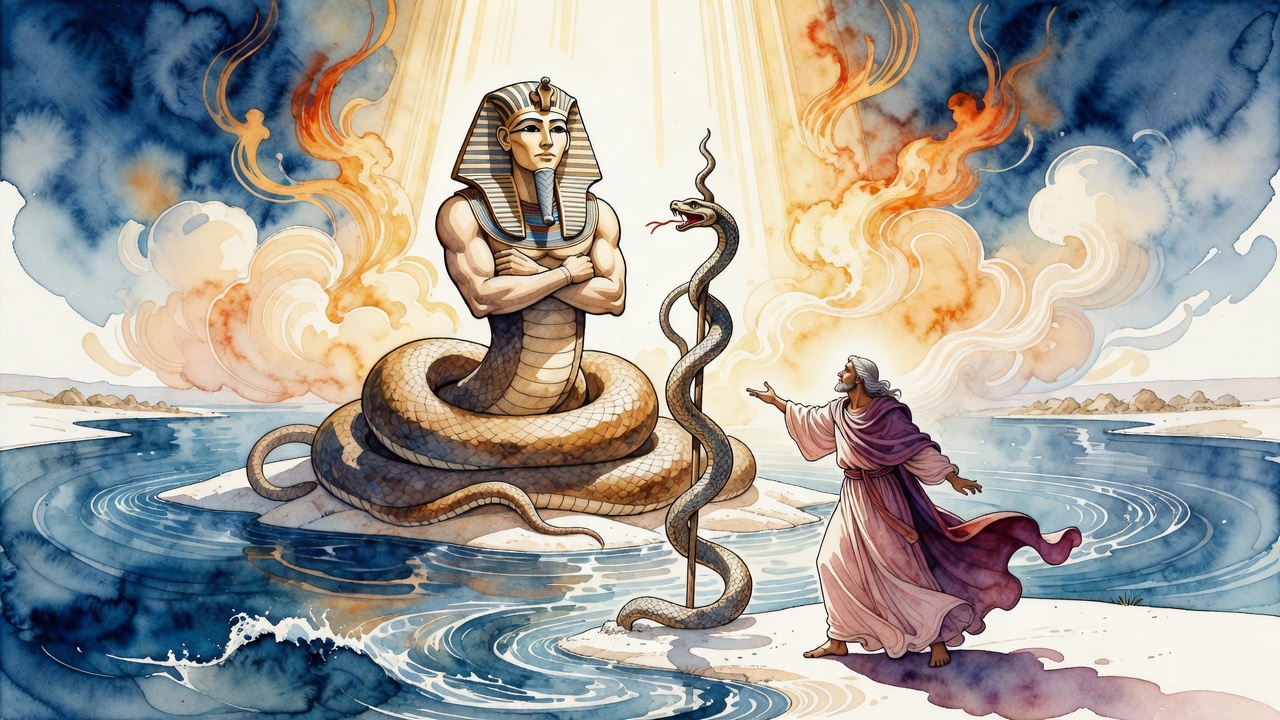
Every morning Pharaoh stood at the riverbank and said the Nile was his, that he had made it. Aaron's snake ate the magicians' snakes, then went back to wood.
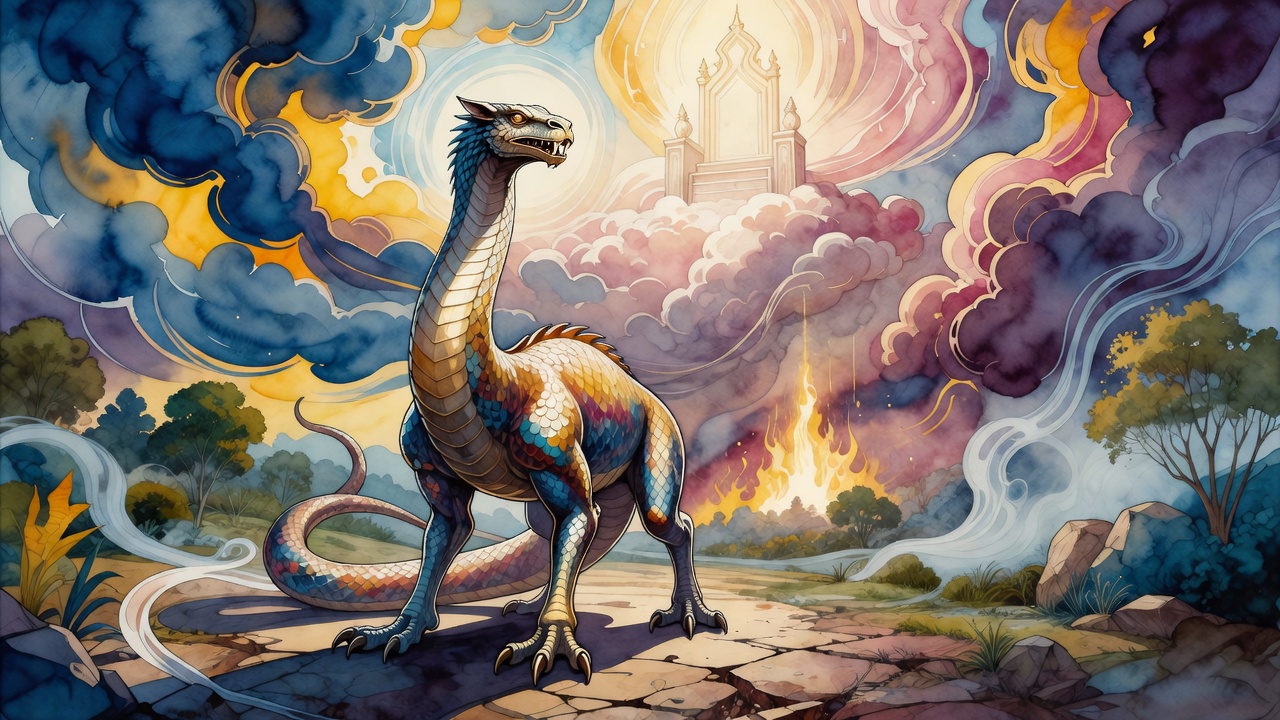
One pair of serpents could have done all of humanity's work and dug up gold and pearls besides. Then one of them decided it wanted Adam dead.
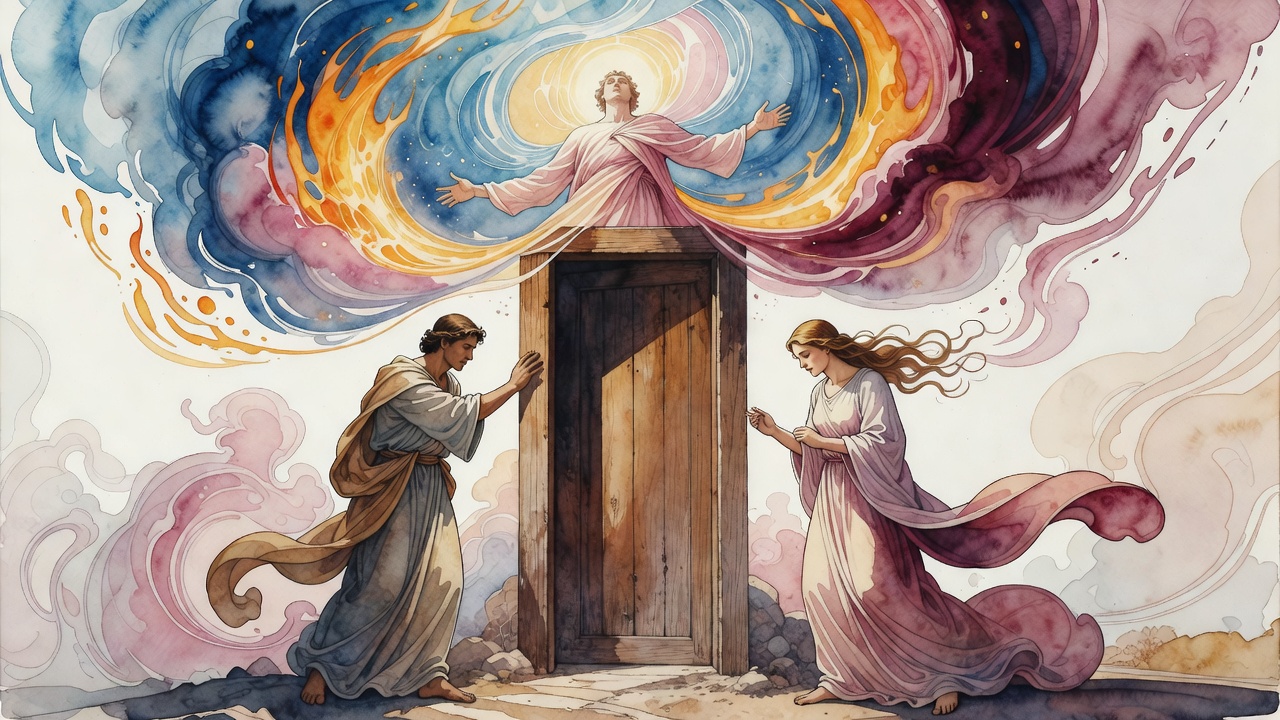
He took the offer back once she opened the latch. She swore by the throne of God, and by the tree of life, before he climbed.
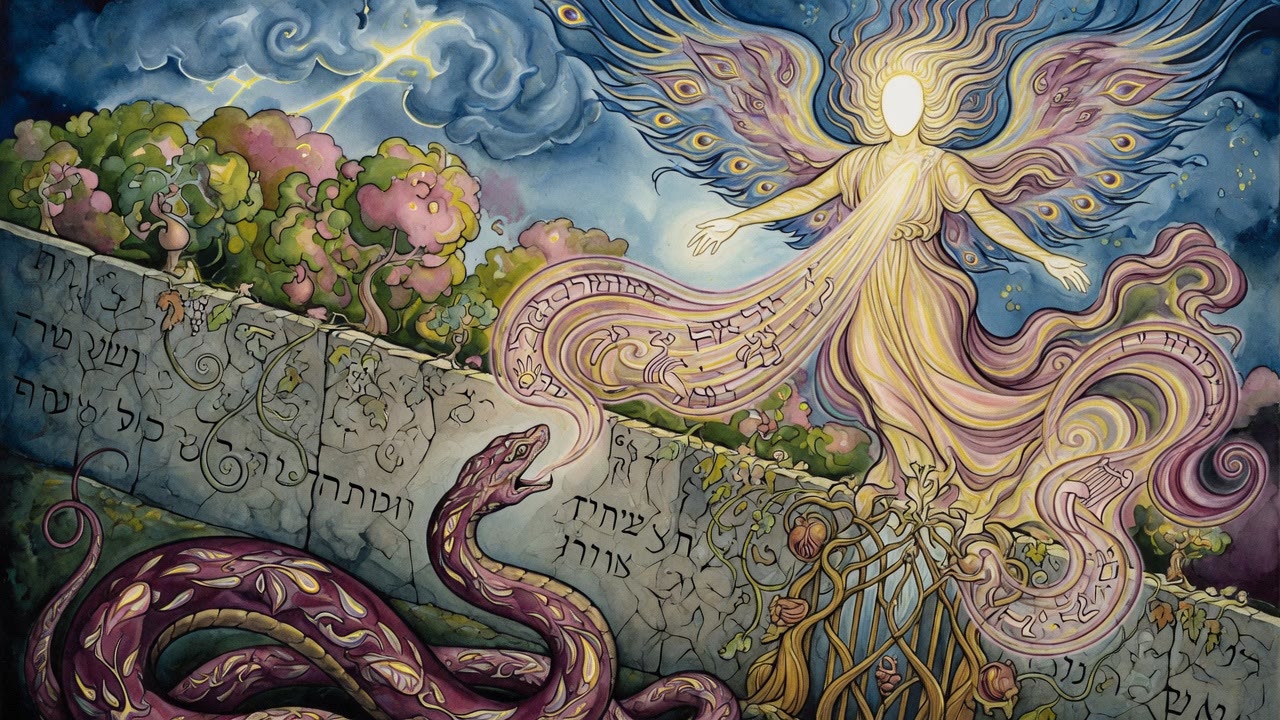
Ha-Satan, the Accuser, recruited the serpent by flattery, then sang angelic praises from Paradise's wall until Eve turned toward the music.
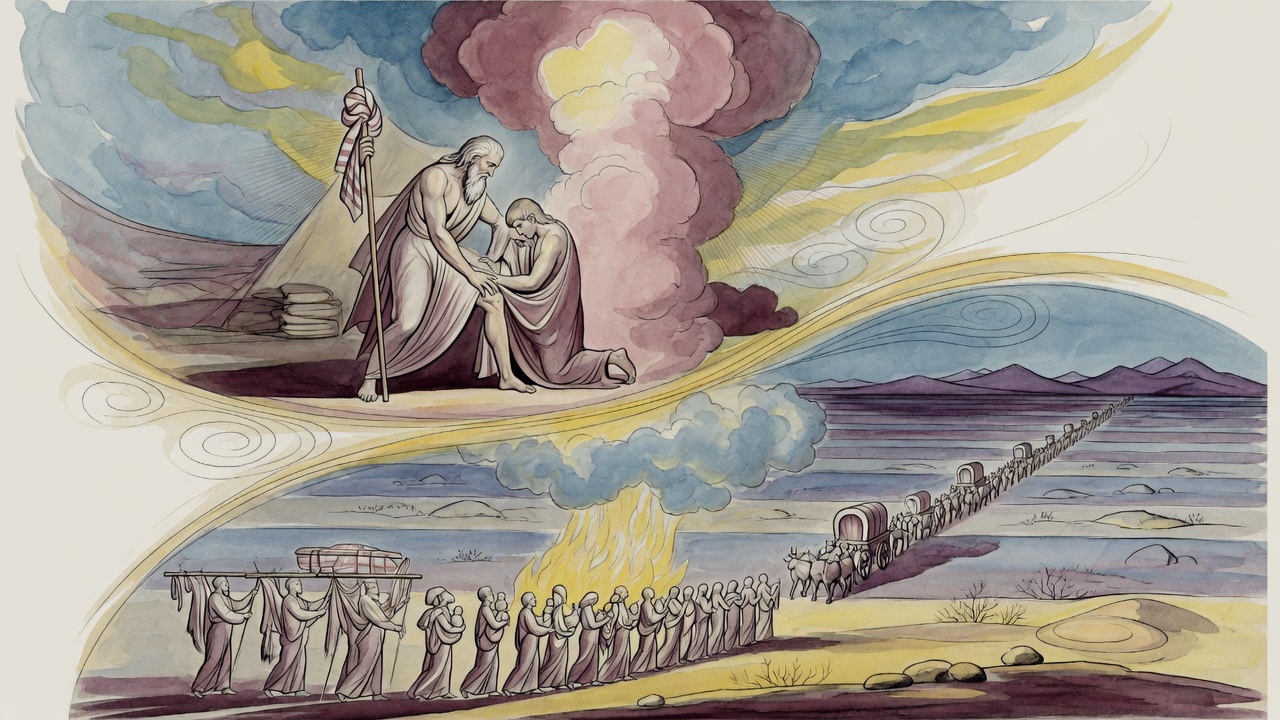
At a night lodging on the road to Egypt, God came for Moses. Zipporah grabbed a flint knife and did what needed doing before anyone else understood the danger.
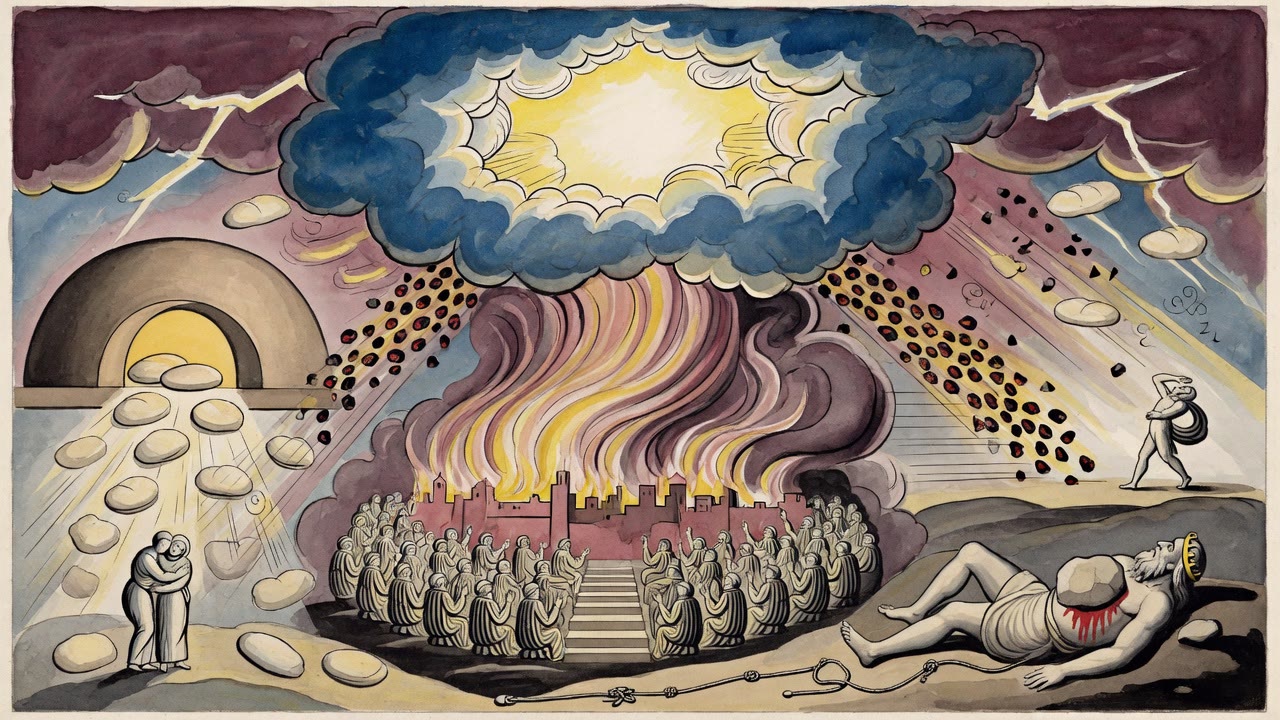
Adam named every beast. The angels could not. Sammael found a serpent that still stood upright and rode it through the gate.
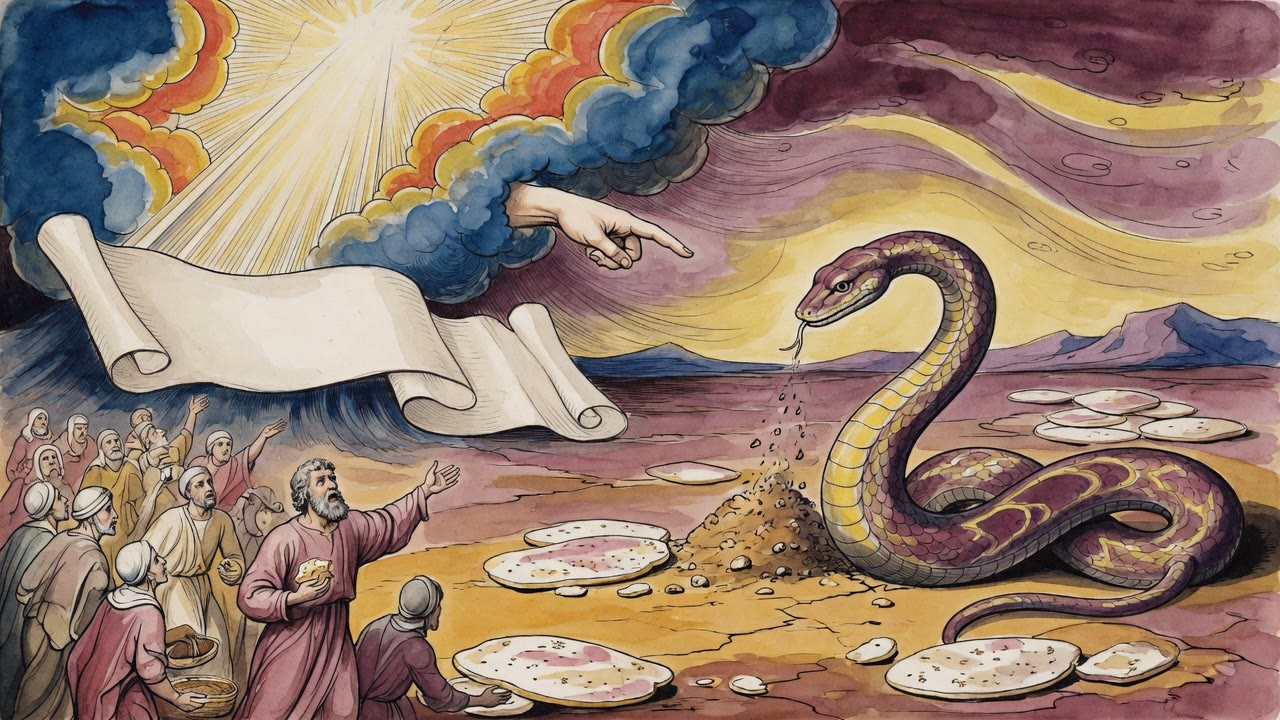
Israel called the manna disgusting after forty years. A heavenly voice answered by pointing to the serpent, who eats dust without complaint.
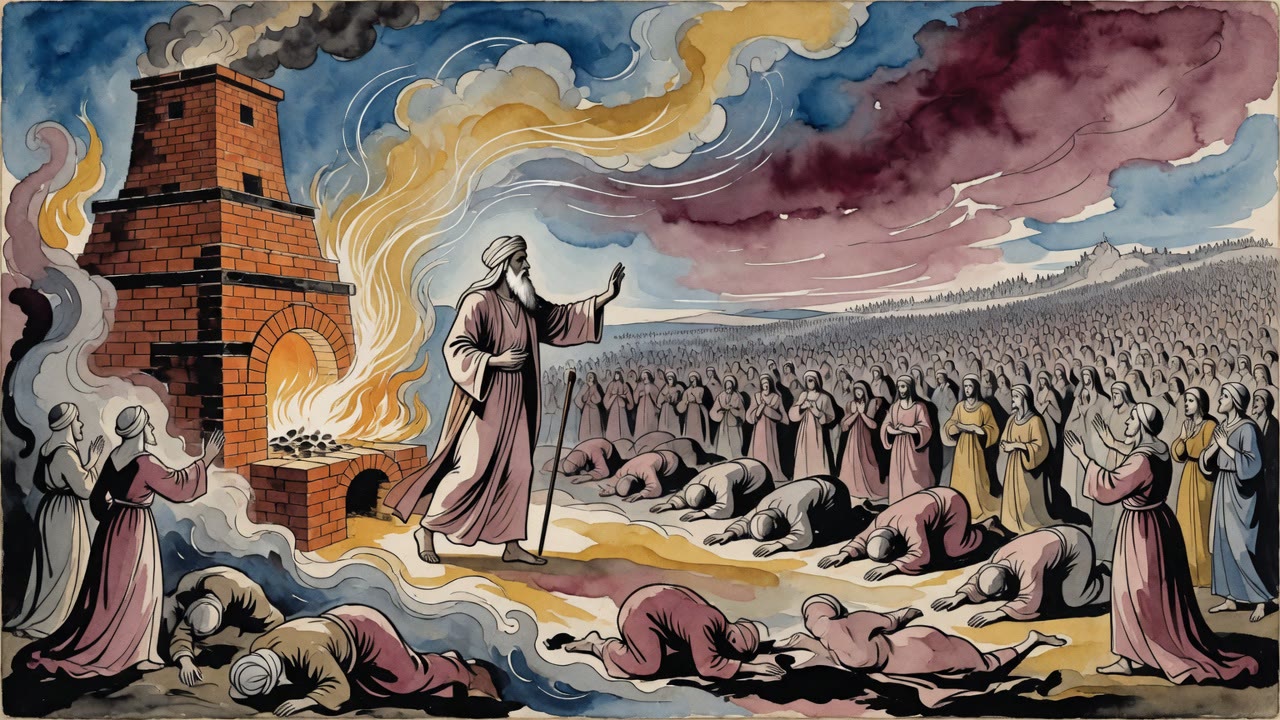
The serpent spoke a word no creature had ever said before. Philo of Alexandria argues that word, not the lie, was the real crime.
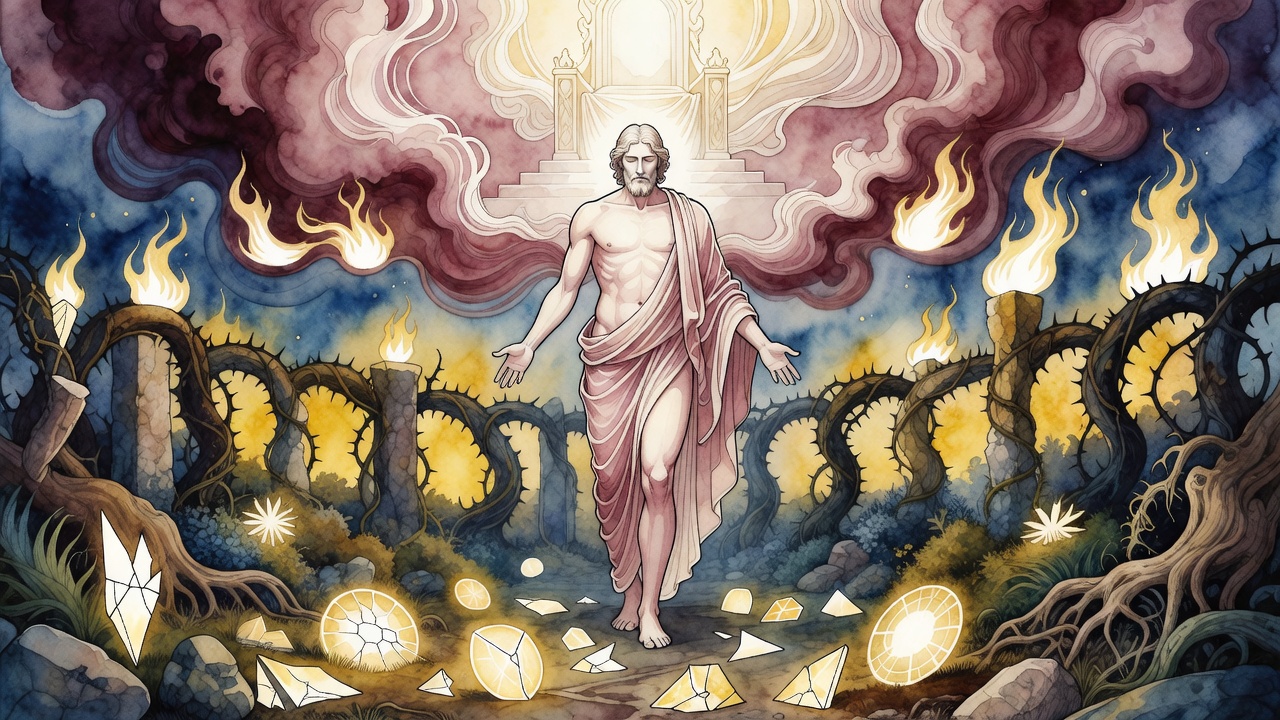
Adam was the ideal man, towering and luminous. He lost it all to one mistranslated fence, and the Garden has been collecting the pieces ever since.
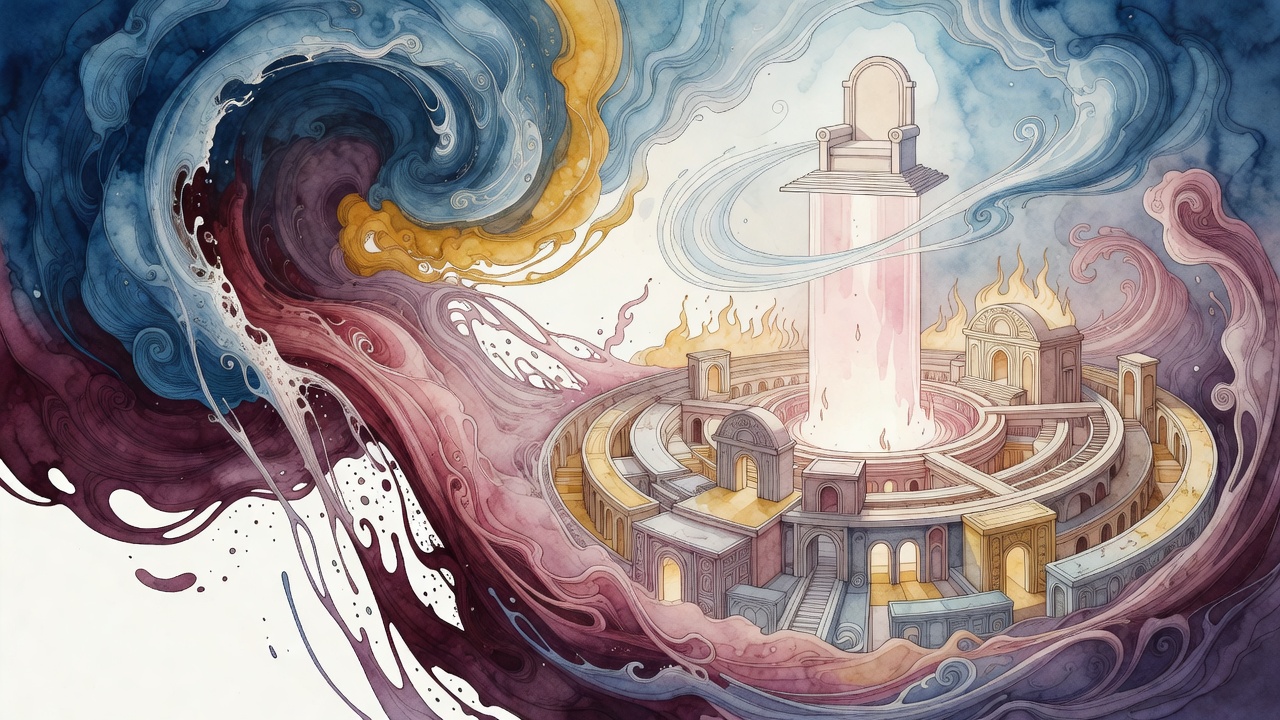
Bereshit Rabbah reads creation as a refining job. The world was already there, hidden under chaos. God drained it, and the craft appeared below.
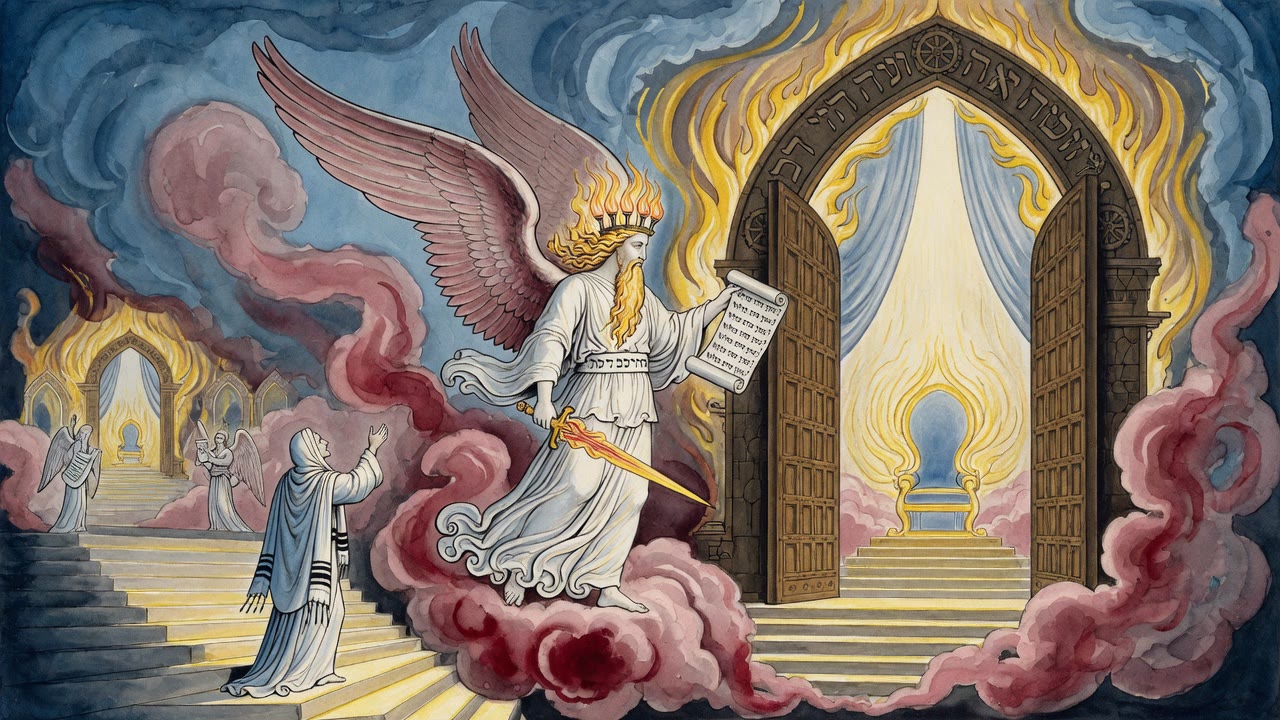
When God cursed the serpent, angels descended and severed its limbs. Centuries later, a woman nearly fell from her camel at the sight of a man at prayer.
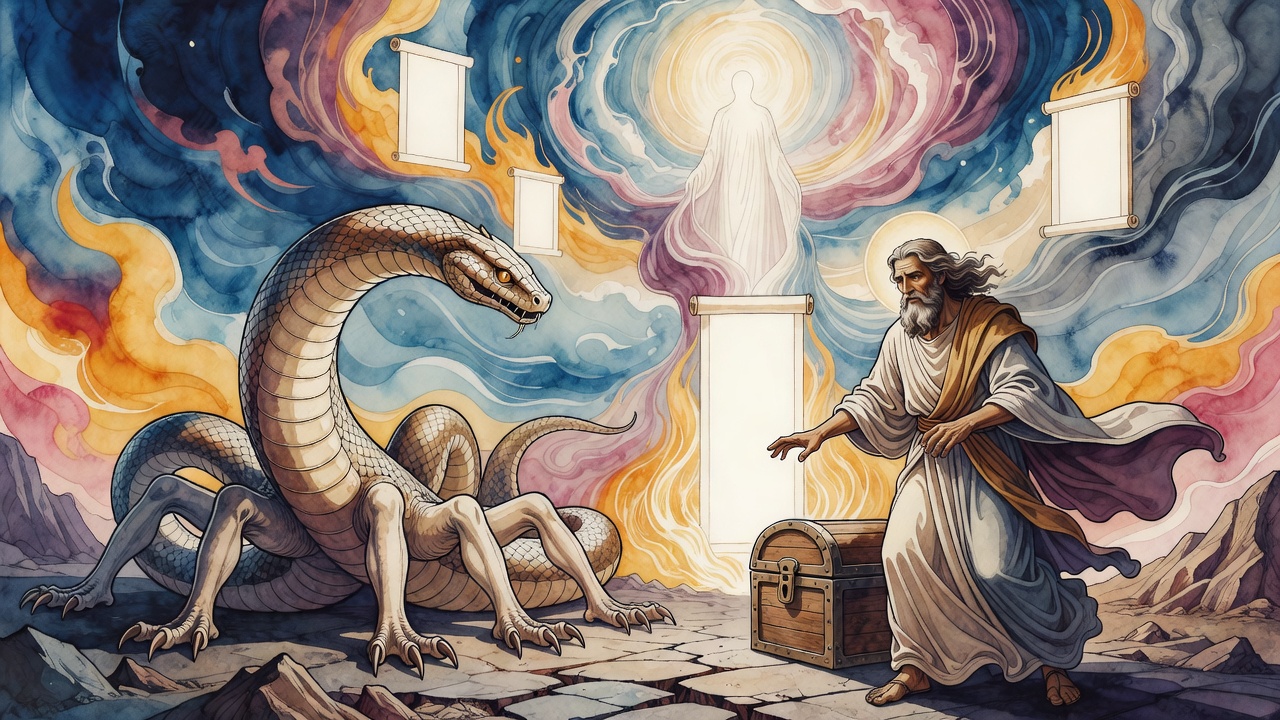
It could have carried a merchant's goods across the desert and found its own way home. It asked the woman one question and never walked again.
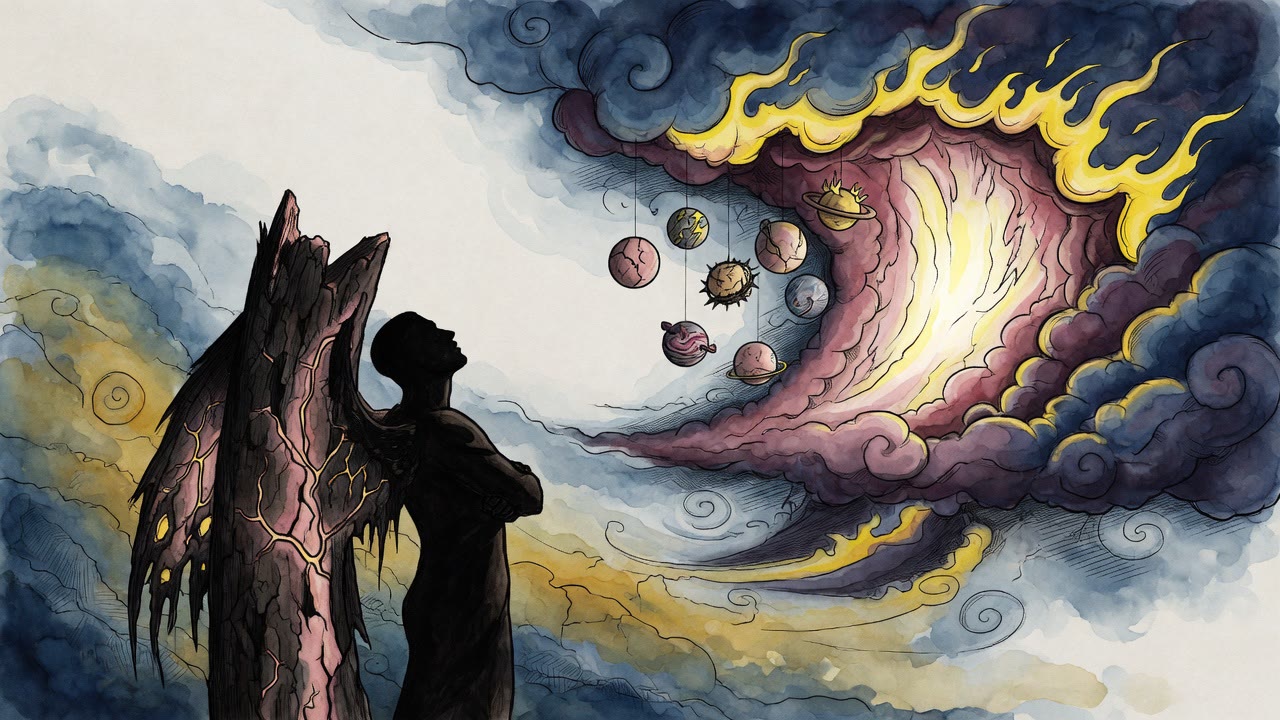
Akiva knew the wedding night was marked. He set the date anyway. By morning a hairpin had gone through a dead serpent's eye.
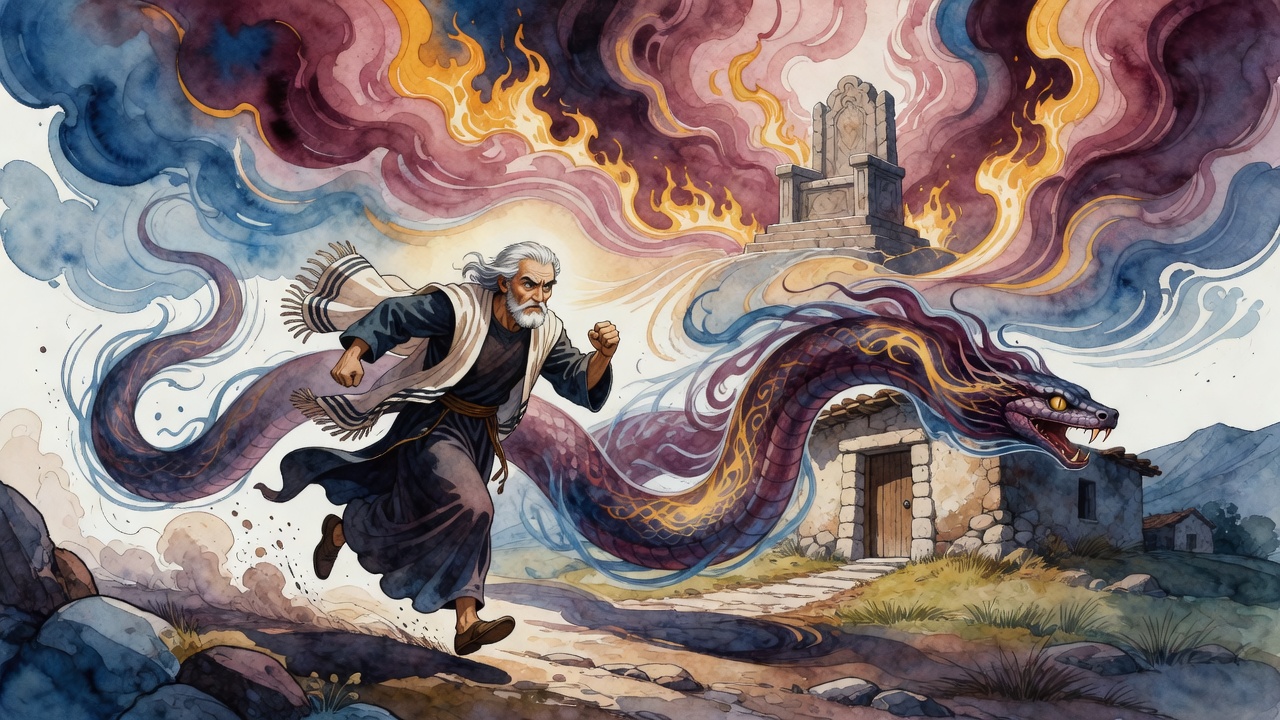
Rabbi Meir overhears a serpent dispatched from heaven to kill a stingy household, and races the creature to its door to break the decree.
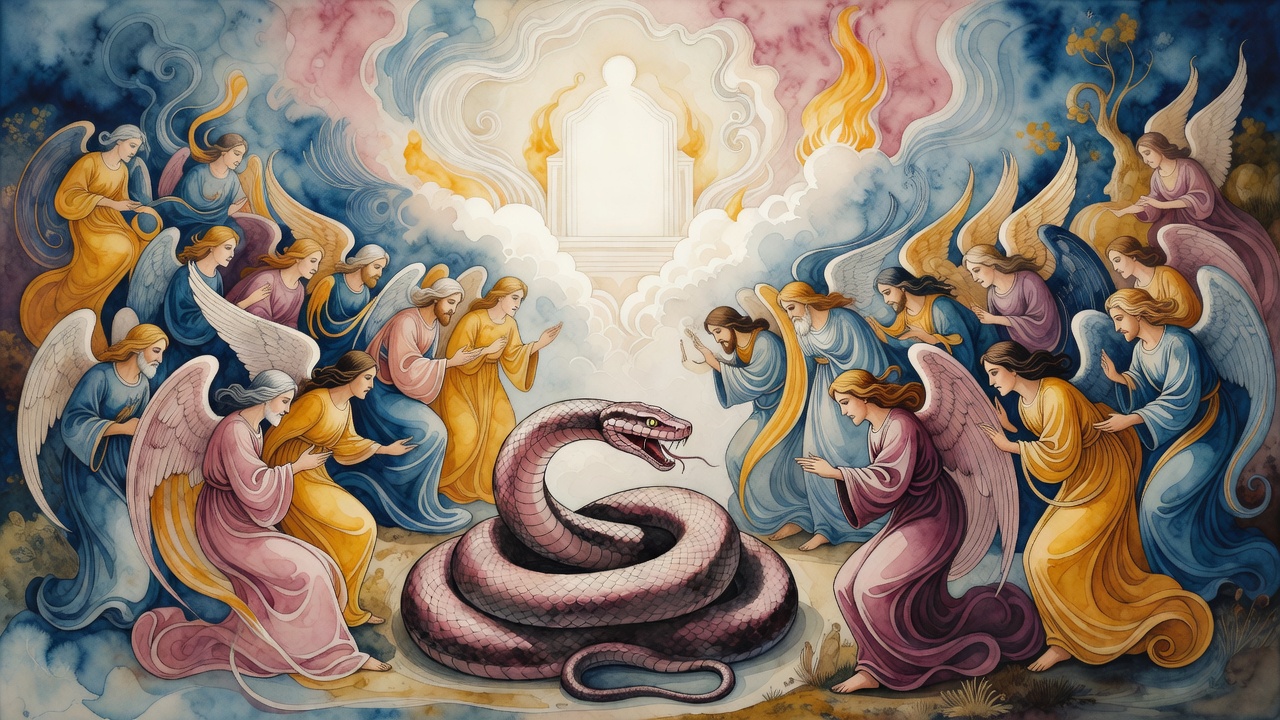
The serpent still had legs when the angels sat down. God did not strike it where it stood. The court took its feet.
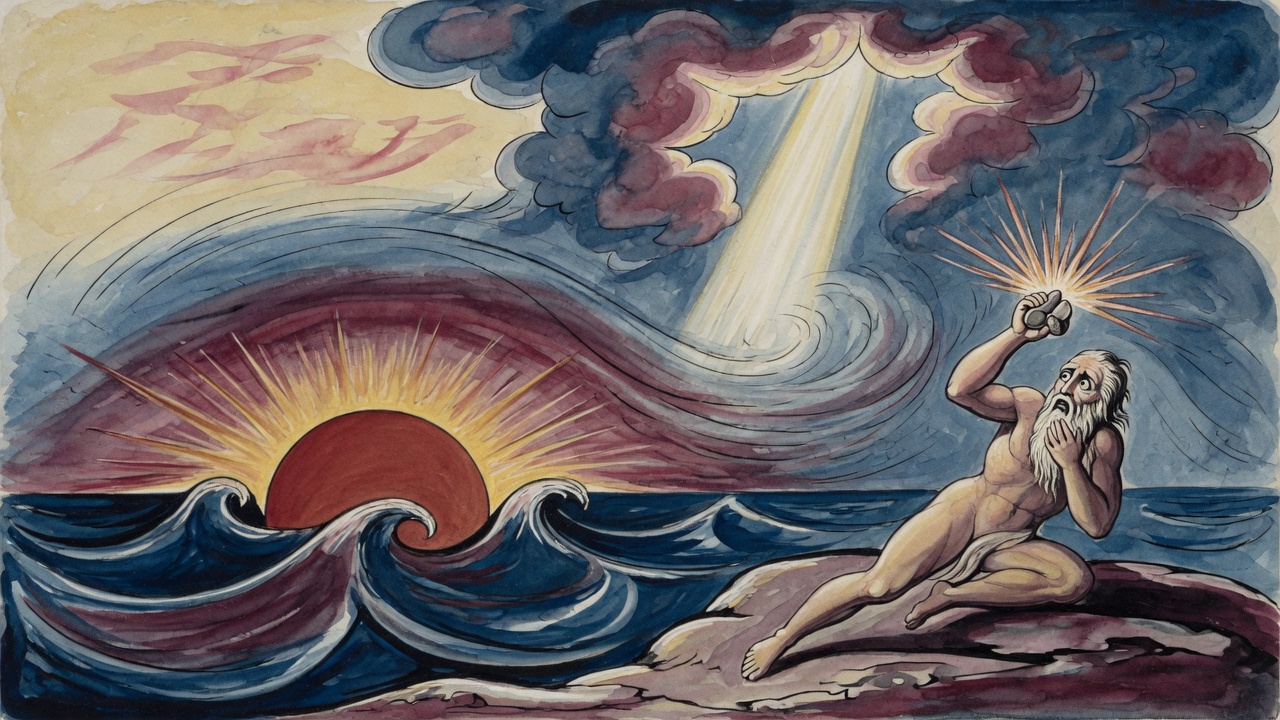
For a week the world never set. Then the first Sabbath ended, the sun drowned in the sea, and a terrified Adam struck two stones in the dark.
