Eve Heard One True Statement Hidden Inside the Serpent's Lie
Adam's first Sabbath Eve began with expulsion at twilight. Hours before, the serpent wrapped one truth inside its lie and Eve could not find the seam.
Table of Contents
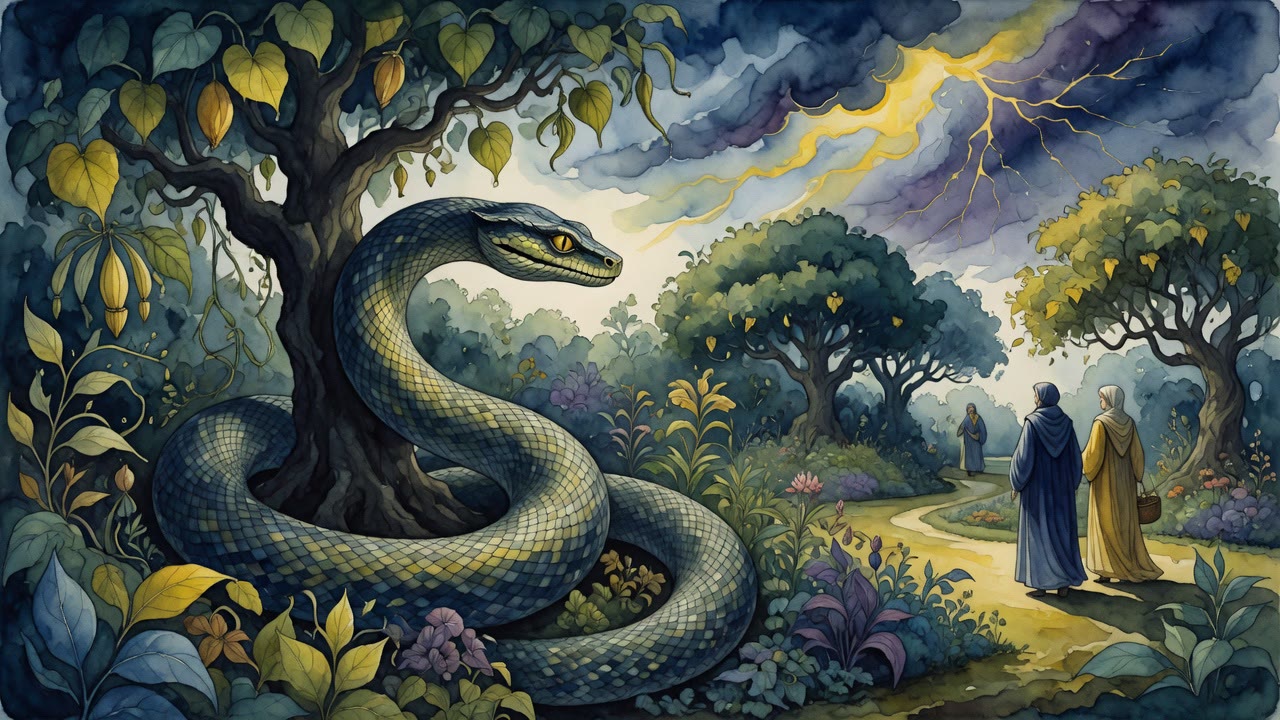
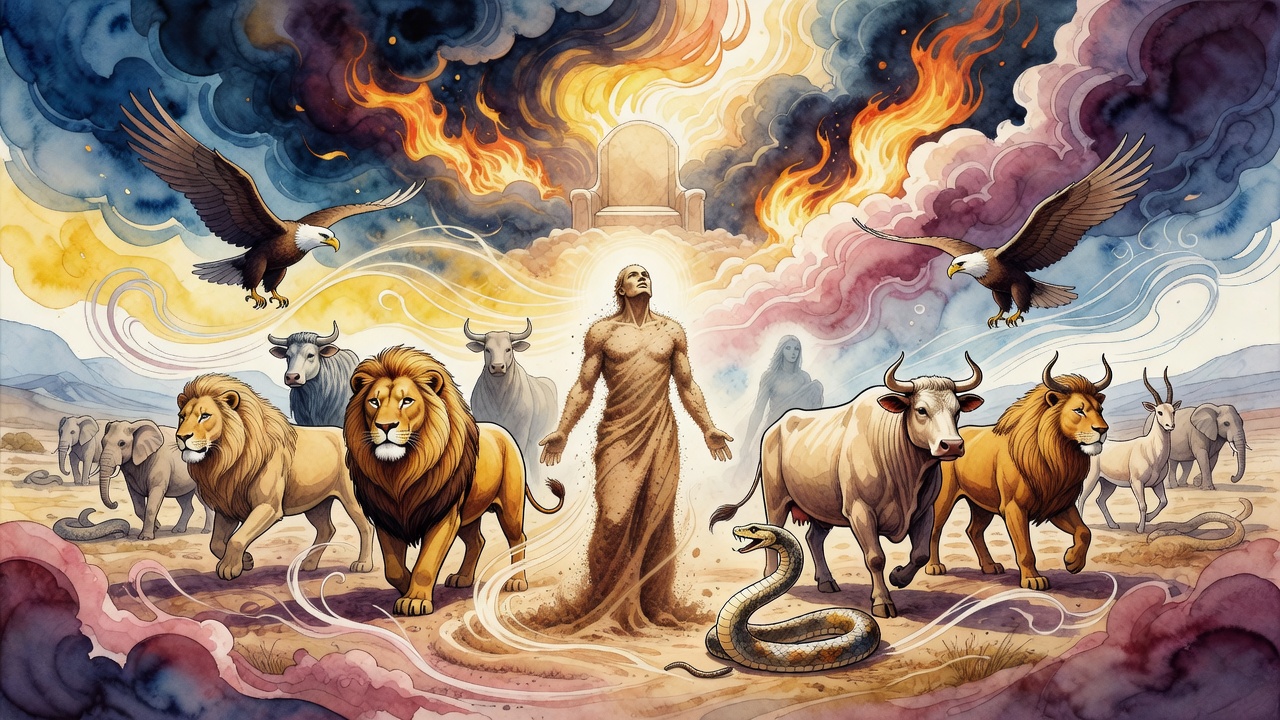
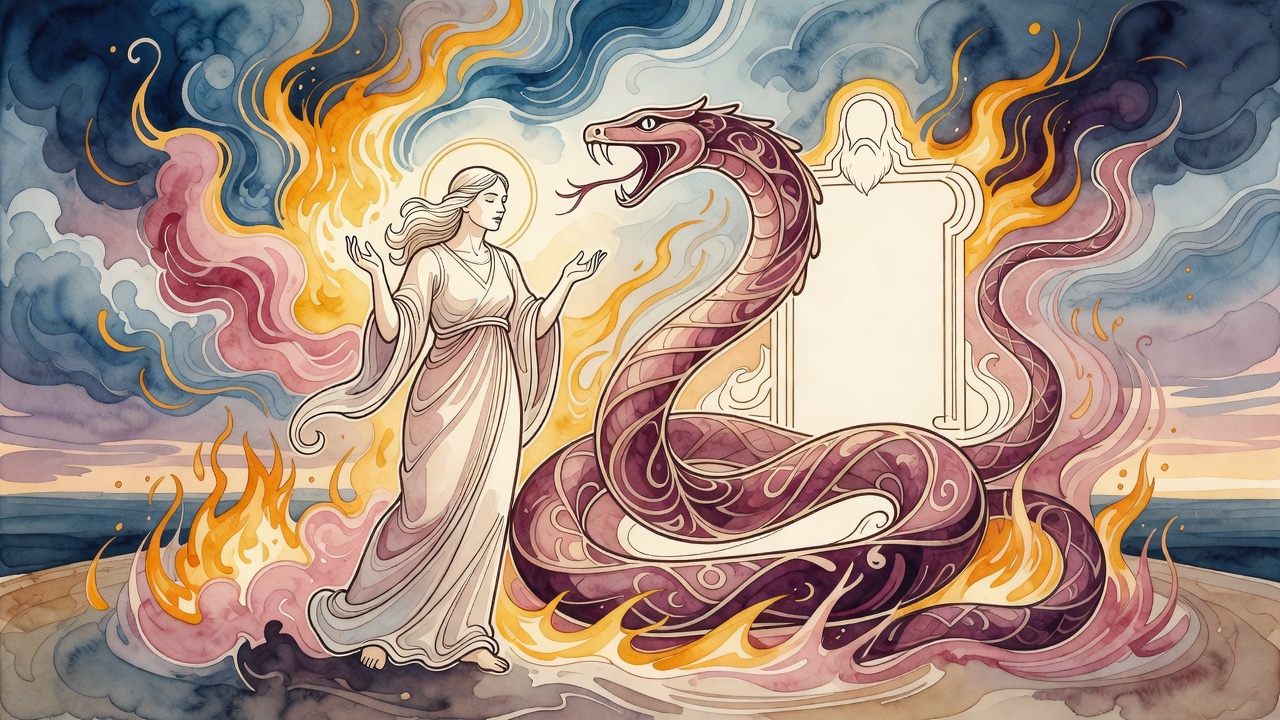
Eve was given one commandment with one prohibition nested inside it. You may eat from every tree of the garden. From the tree of the knowledge of good and evil, you shall not eat. Two facts, simple, clear. The serpent took the second fact and bent it until it touched the first, and then offered Eve the whole twisted shape as if it were wisdom.
 Click for full size
How the Serpent Split One Truth
The serpent did not lie about everything. That is what makes the account so precise in the tradition of Pirkei DeRabbi Eliezer. It said to Eve: on the day you eat of it, your eyes will be opened and you will be like God, knowing good and evil. That was true. The eyes did open. They became like the divine in that specific way. The serpent's statement was accurate in its content and poisoned in its framing, because it stripped away the context that made the accuracy meaningful. Yes, the eyes would open. No, it was not wisdom to open them that way. Yes, they would know something new. No, that knowledge was not the gift the serpent was presenting.
One truth inside a false frame. That is harder to resist than a pure lie, because you can feel the truth in it and you reach for what you feel rather than examining the frame.
Adam's Hour-by-Hour Day and Night
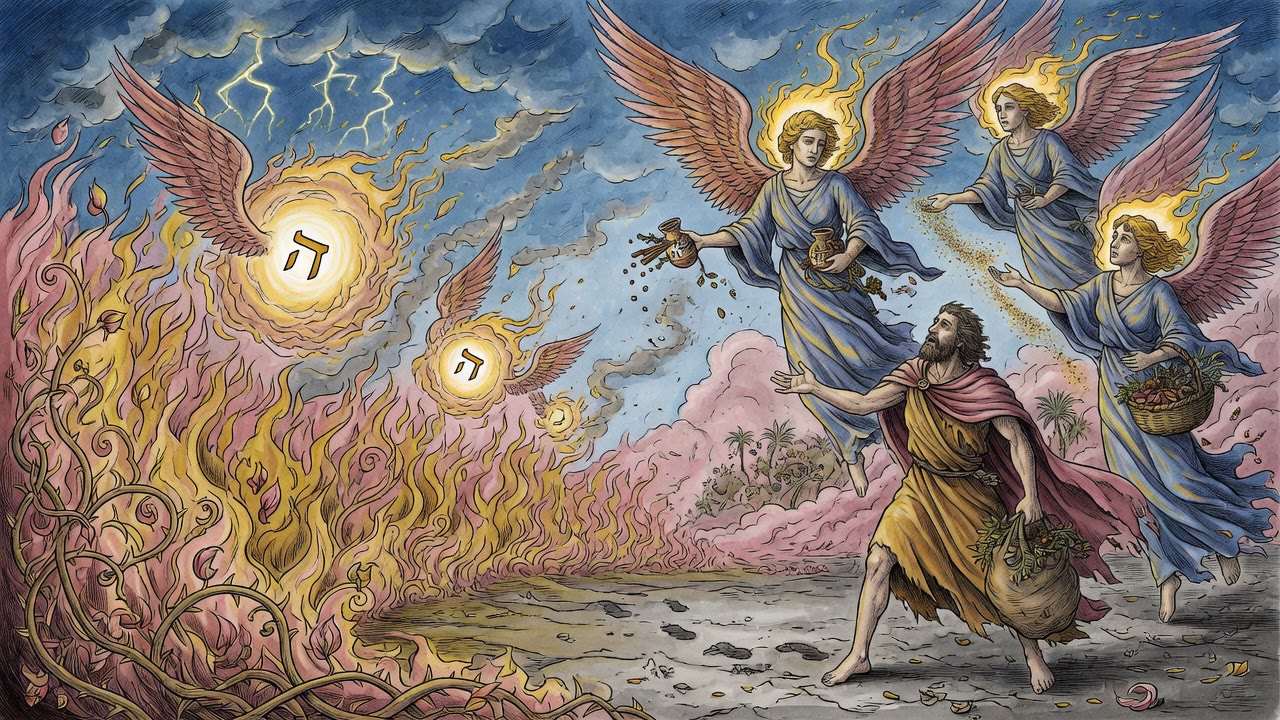
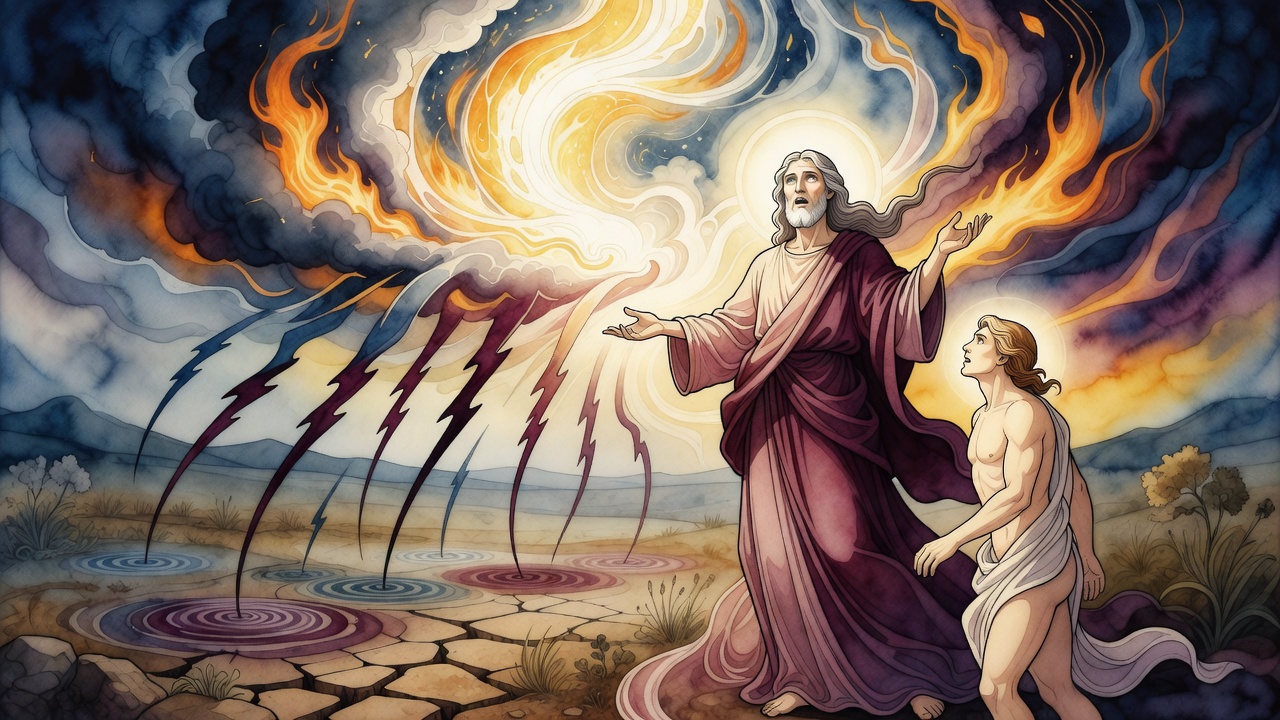
The timeline the tradition records is exact. Adam entered the garden at the seventh hour of the sixth day. At the ninth hour he sinned. At the tenth, God's judgment was pronounced. At the eleventh hour, Adam and Eve were clothed in the skins of the dead. At the twelfth hour, at the exact moment the sixth day gave way to the seventh and the Sabbath descended, they were driven out.
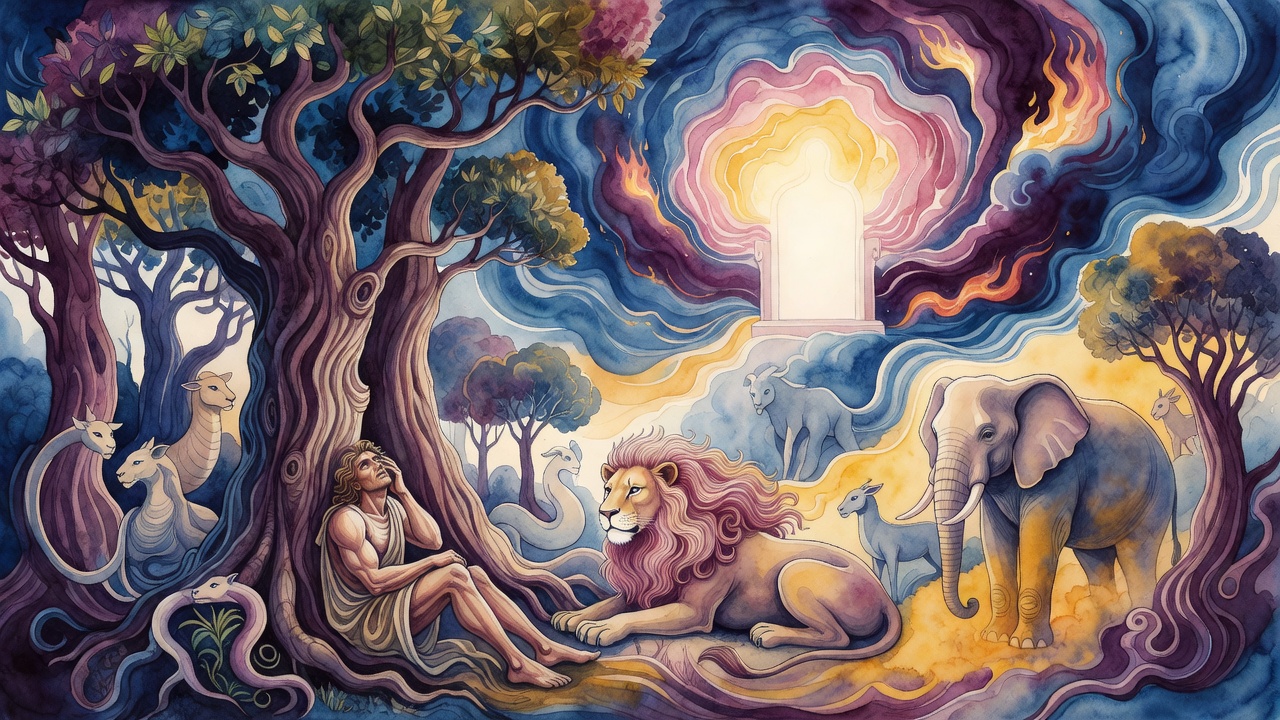
The ministering angels who had been Adam's honor guard, who had danced before him and praised him when he entered, became his mourners when he was expelled. They called after him in lament, crying out the verse from Psalms that named what he had become: man in glory does not tarry overnight, he is like the beasts that pass away. The royal procession into the garden was answered by a funeral procession out of it, and the distance between the two was five hours.
The Sabbath's Plea and the First Human Psalm
Then the Sabbath itself stepped into the narrative. No one had died yet in all of creation. The six days had made a living world and nothing in it had been killed. On the very day that had been blessed and sanctified, the first death in history was being prepared. Shabbat argued against it. The argument worked. Adam was not sent to Gehinnom (the place of punishment after death). He was spared, by the merit of the day that had spoken for him, from the immediate end.
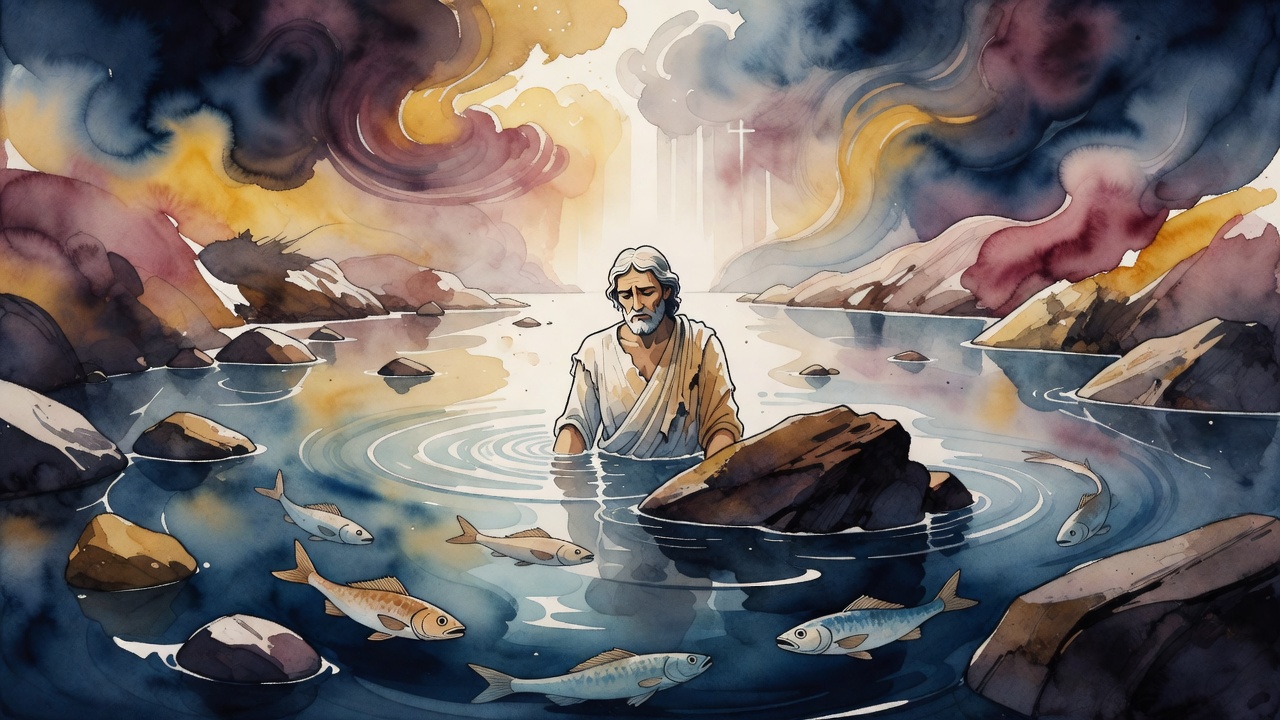
When Adam understood what Shabbat had done, he composed a song. Psalm 92, the Shabbat psalm, "A psalm, a song for the Sabbath day," was his first act of gratitude, the first poem spoken by any human being, composed at the edge of the garden in the dark of the first night, by a man who was alive because a day had argued on his behalf to God.
What the Clothing Meant
God clothed Adam and Eve in skins of dead animals before expelling them. The tradition reads the clothing as mercy and as diagnosis. Mercy because they could not survive the world outside the garden without protection, and the protection was given even in the moment of expulsion. Diagnosis because the skins of the dead are a preparation for a life in which death is now present everywhere. They were dressed in mortality. The garden had been the place where mortality was not yet native to them. Outside it, they would live inside the skins that signified what they had become.
The serpent's truth had accomplished this. Not the lie, but the true part of what the serpent said, wrapped inside the lie and extracted from the context that would have made it harmless. Eyes opened. Mortality arrived. The Sabbath held the door open a crack. And Adam stood outside, dressed in death, singing the first human song he ever knew to sing.
← All myths