Jacob Was Whole Even When He Limped, Like the Red Heifer
Jacob limped away from the ford of Jabbok, still called unblemished. The Zohar reads him against the red heifer: a wholeness that suffering cannot remove.
Table of Contents
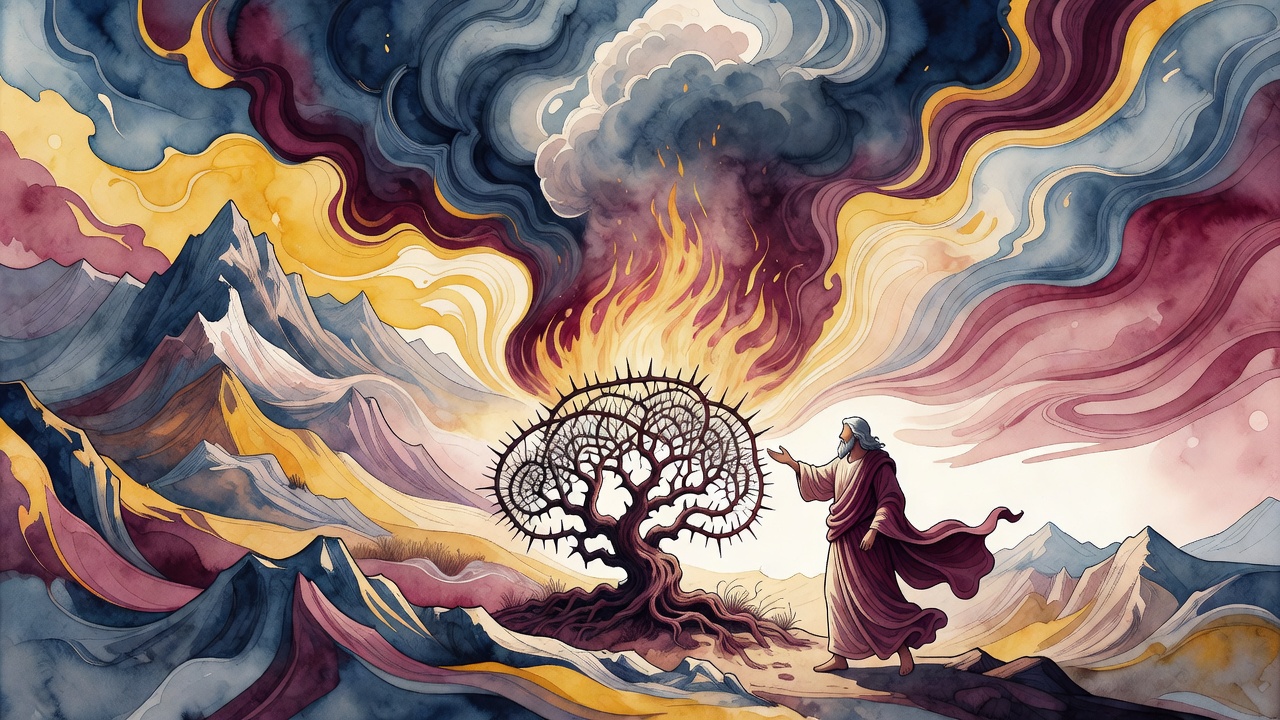
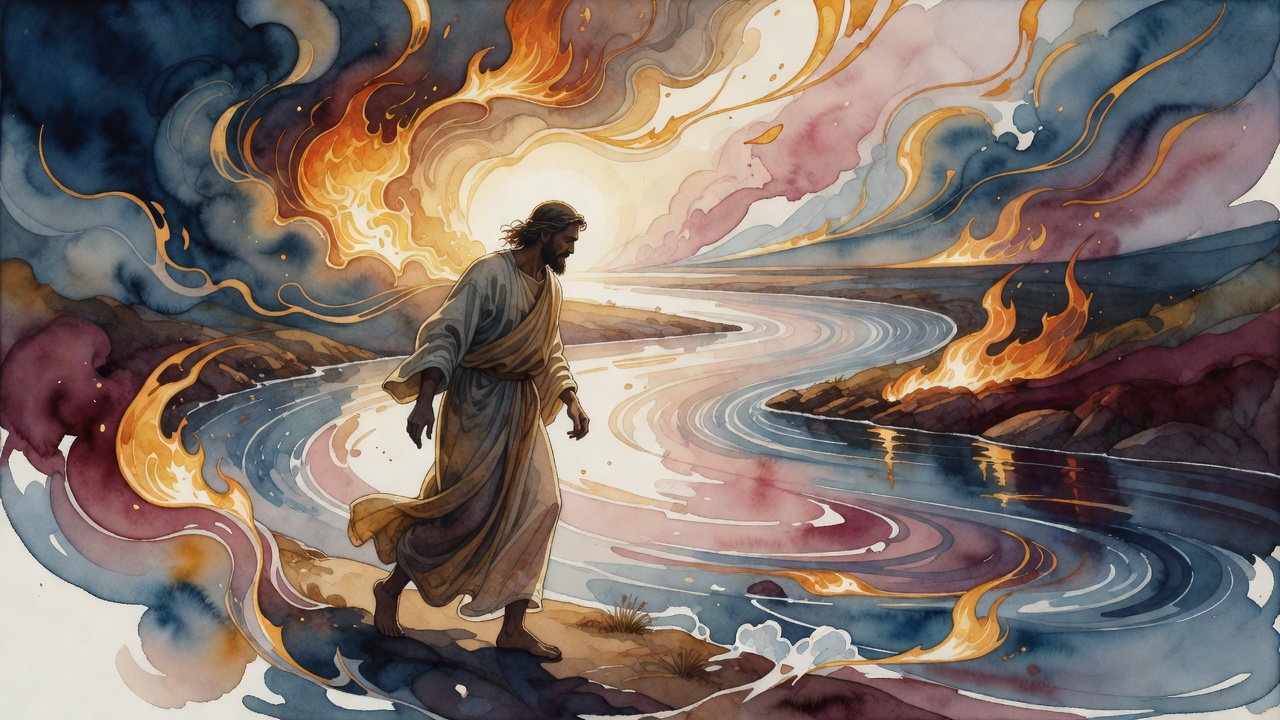
He limped when he crossed the ford at Peniel. The sun rose on him as he passed, and he walked with a new injury in the hollow of his thigh, and the entire nation of Israel would keep a dietary restriction in memory of what happened to him there. But the word the Torah used for Jacob at the beginning of his story, before all the trouble came, was tam: complete, whole, unblemished. The rabbis and the kabbalists after them held both facts together without resolving the tension. Jacob was tam. Jacob limped. The tam was not cancelled by the limp.
 Click for full size
The Whole Man Who Limped
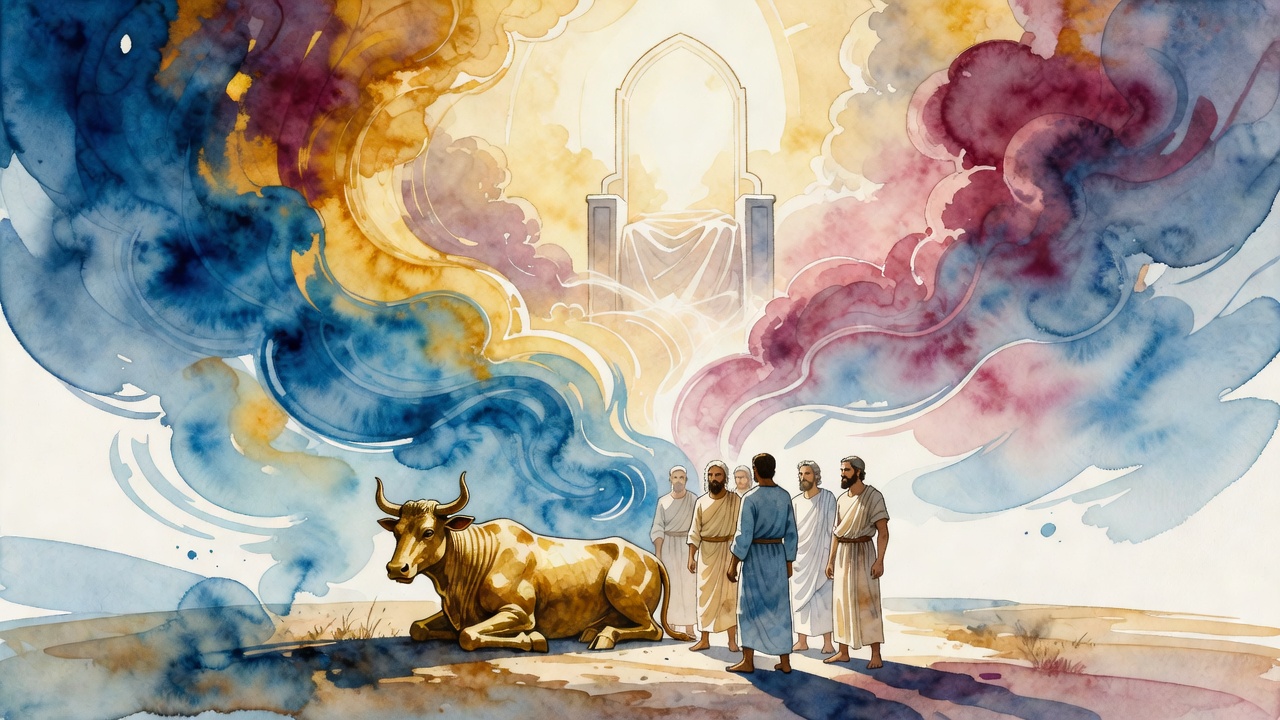
The word matters because Temple law requires the same quality from what approaches the altar. An offering must be without blemish. The red heifer, the parah adumah, whose ashes purify those who have touched the dead, must have no blemish and must never have worn a yoke. A cow that has never been put to labor, that has never been used for the purposes of the world, becomes the instrument that restores the people who have brushed against death. Wholeness as the condition for the work of restoration.
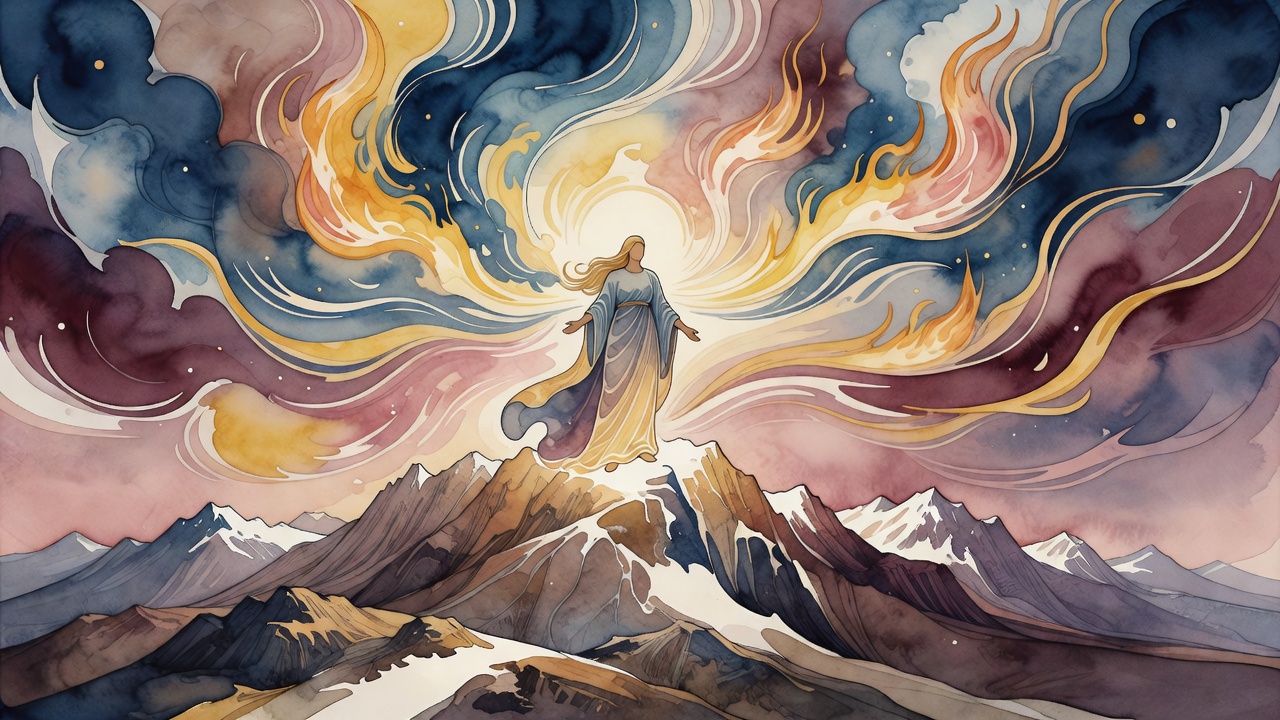
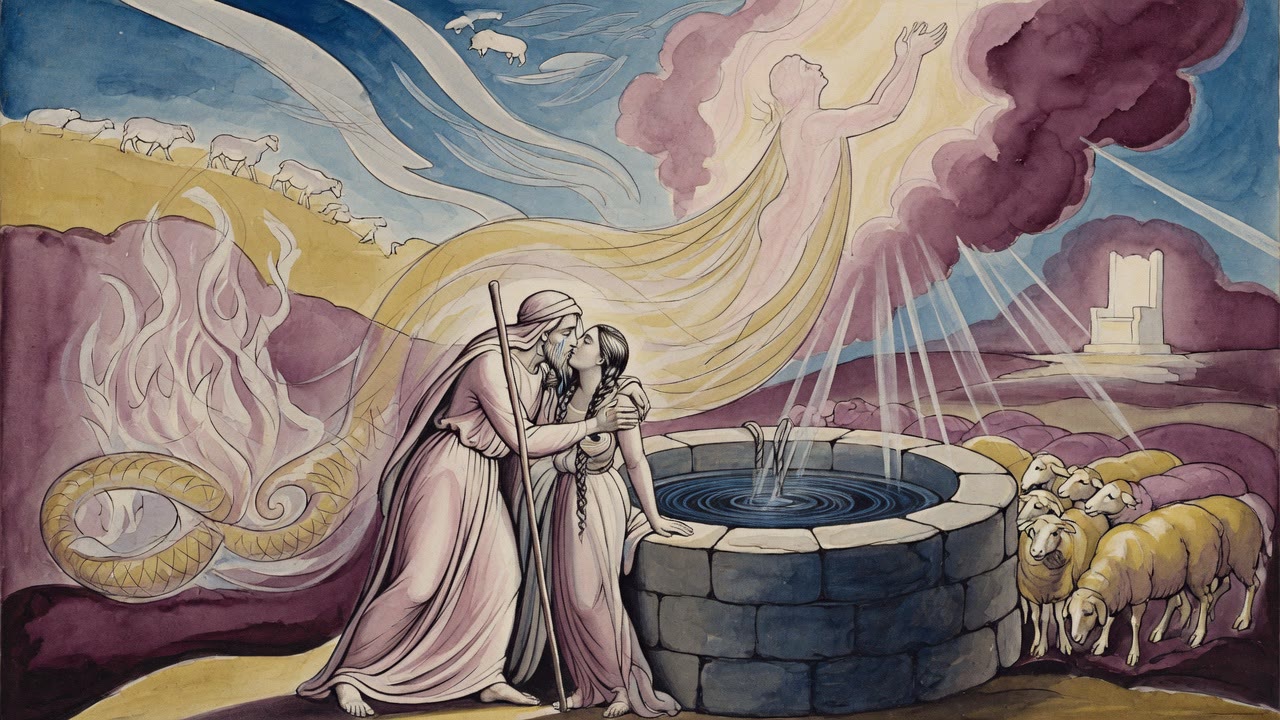
In Tikkunei Zohar, composed in Spain in the late 13th century, Jacob's unblemished state and the unblemished red heifer are placed in the same category. The text reads Jacob in two registers simultaneously: Jacob below, the patriarch who limped and labored and buried his wife on the road and lost his son for twenty years, and Jacob above, the pattern of beauty and harmony in the divine structure. The word for Jacob above is Tiferet: the sixth sefirah (a divine emanation), the attribute of beauty, the point of balance. Jacob below carries Tiferet's likeness even when the body is struck.
Completeness That Does Not Require Smoothness
This is the move the Zohar insists on. Jacob's wholeness is not smoothness. He is chased by Esau, deceived by Laban, frightened at every road junction, bereaved by Joseph's disappearance, and permanently marked at the thigh by the fight before dawn. His completeness does not mean the absence of damage. It means something held at the center that the damage cannot reach. The outer life can be broken repeatedly. The tam is in another register.
The red heifer operates on the same logic. The ritual is called a chok, one of the statutes whose reason the tradition does not provide. The person who is impure through contact with death is sprinkled with water mixed with the heifer's ashes, and they become clean. Simultaneously, the priest who performs the sprinkling becomes impure. Purity and impurity trade places through the same act. The heifer purifies the impure and contaminates the pure. The thing that restores wholeness does so by absorbing contamination. The mechanism is mysterious and the Torah does not explain it. Jacob is that kind of mystery: whole in a way that cannot be reduced to the sum of what happened to him.
The Copper Serpent and the Serpent's Defeat
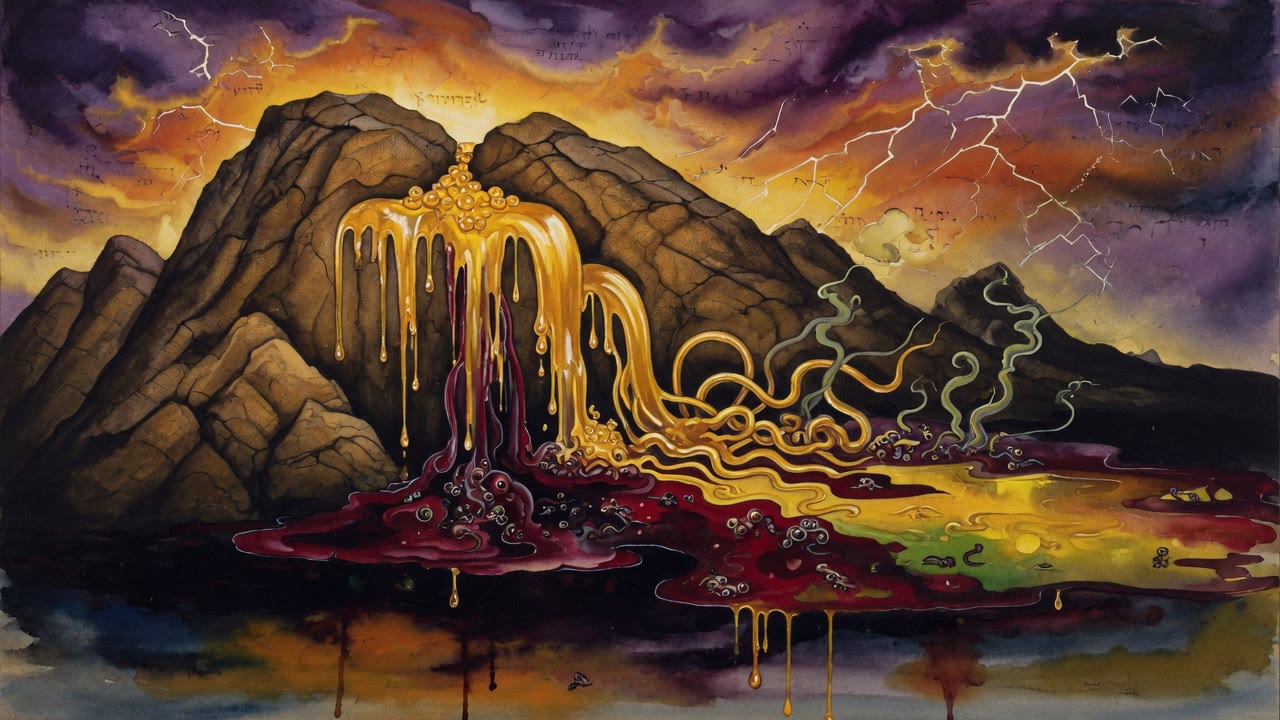
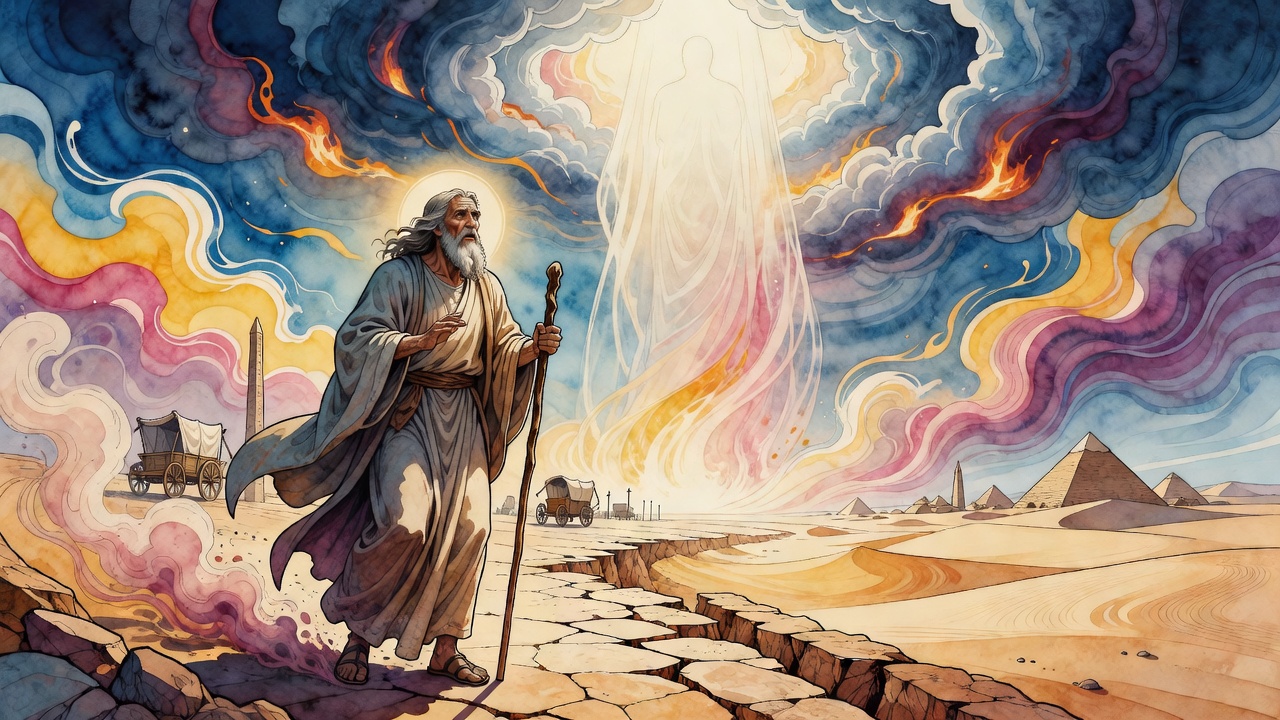
When the people of Israel complained against God in the wilderness and the fiery serpents came among them, Moses made a copper serpent and lifted it on a pole: anyone bitten who looked at it lived. The copper serpent that healed the wound was shaped like the thing that gave the wound. The image of the destroyer became the instrument of restoration.
The red heifer carries the same paradox. Its ashes undo the contamination of death, but the heifer itself must be killed to produce them. The thing that cleanses came through a death. The wholeness that Jacob carries through exile came through a wound. The tradition does not present these as problems to be solved. It presents them as the shape of how restoration works in a world that has been damaged.
Jacob Below and Jacob Above
The Zoharic tradition reads Jacob in two registers simultaneously: Jacob below, the patriarch who lives inside history with all its bruises, and Jacob above, the pattern of Tiferet in the divine structure. Tiferet is the sixth sefirah, the point of balance and beauty at the center of the divine anatomy. Jacob below carries Tiferet's likeness even when the body is struck. A human life can be damaged in every visible way while the deeper pattern holds intact. This is not stoicism. It is a claim about where identity truly lives and what can and cannot touch it.
← All myths