Angels Cut Off the Serpent's Legs While Isaac Prayed
When God cursed the serpent, angels descended and severed its limbs. Centuries later, a woman nearly fell from her camel at the sight of a man at prayer.
Table of Contents
 Click for full size
The Amputation
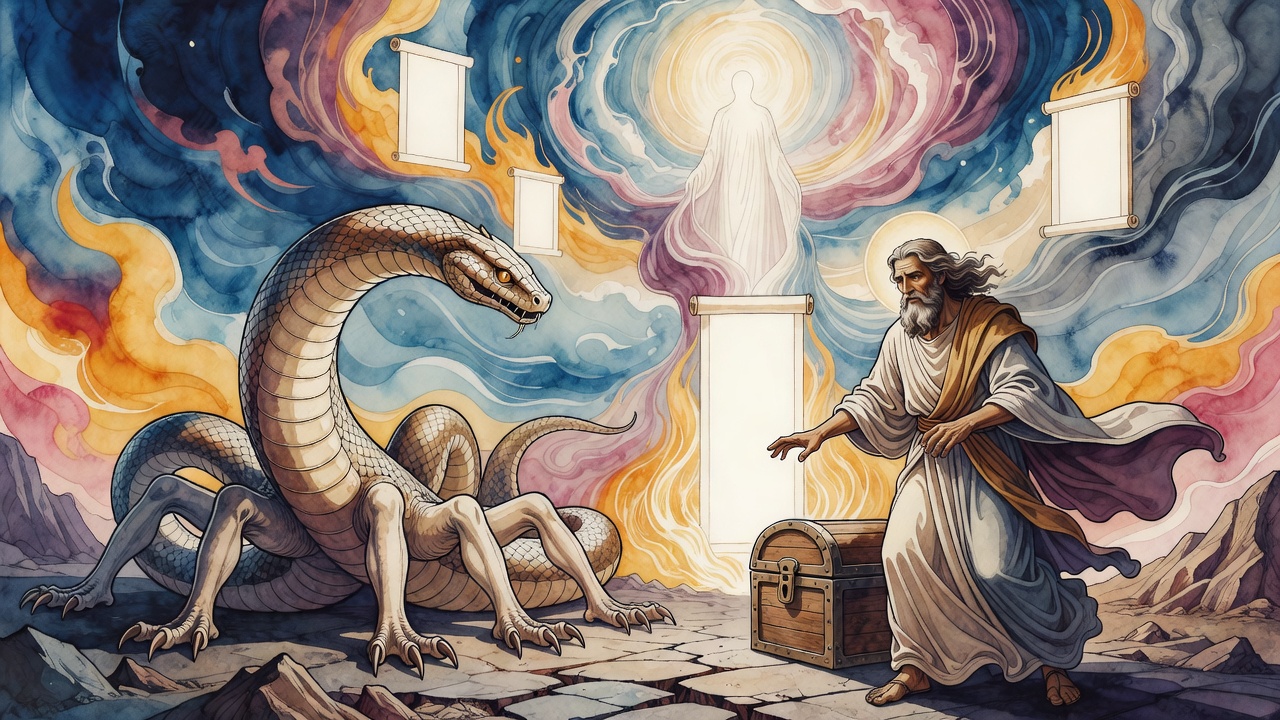
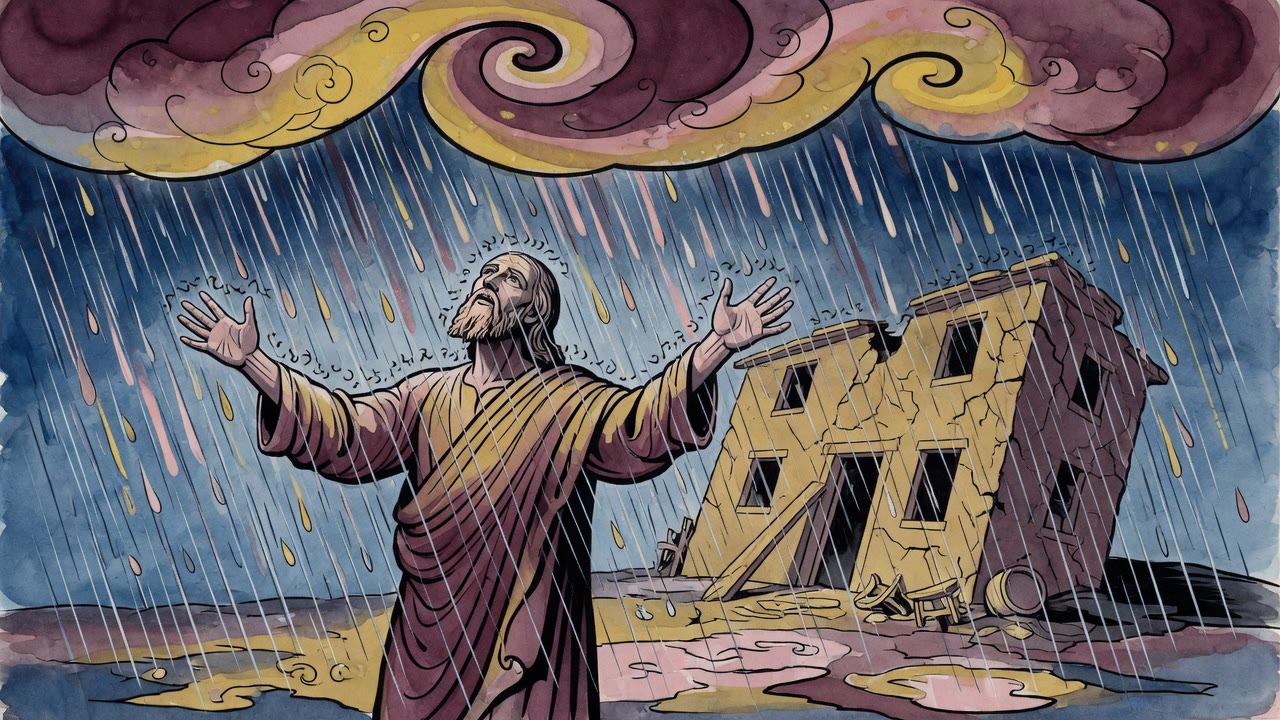
The words had barely left God's mouth. "On your belly you shall go." Five words, and the serpent had already begun to understand what they meant.
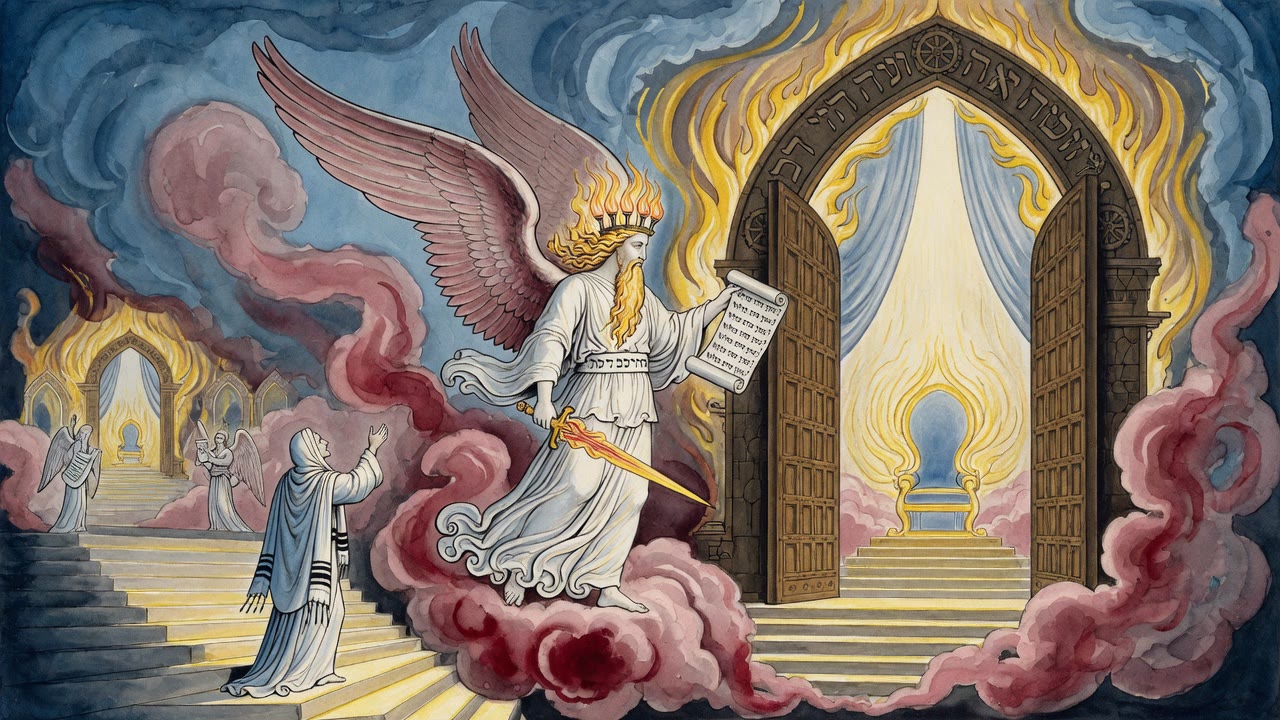
Then the ministering angels came down.
Not with a lesson. Not with a decree. With blades. Limb by limb they cut the serpent's legs away, each stroke clean, the creature screaming as they worked. The sound it made did not stop at the walls of Eden. It tore across the world from one end to the other, a cry so vast that the prophet Jeremiah would one day reach for the same image when he described Egypt's ruin: its outcry sounds like a serpent, he wrote. The same wound, the same note of anguish, spanning a thousand years.
Rabbi Eliezer saw something almost counterintuitive buried inside that horror. If the serpent had kept its legs, he said, it would have walked beside every human being on earth. It would have delivered poison at eye level, at face height, at the neck. The amputation was not only punishment. It was protection. God stripped the creature's dignity and, in the same stroke, limited the damage it could do.
What Rebecca Saw at Sunset
The second scene belongs to a different century and a different kind of encounter, but the rabbis set it alongside the serpent story because both turn on something seen that should not have been visible.
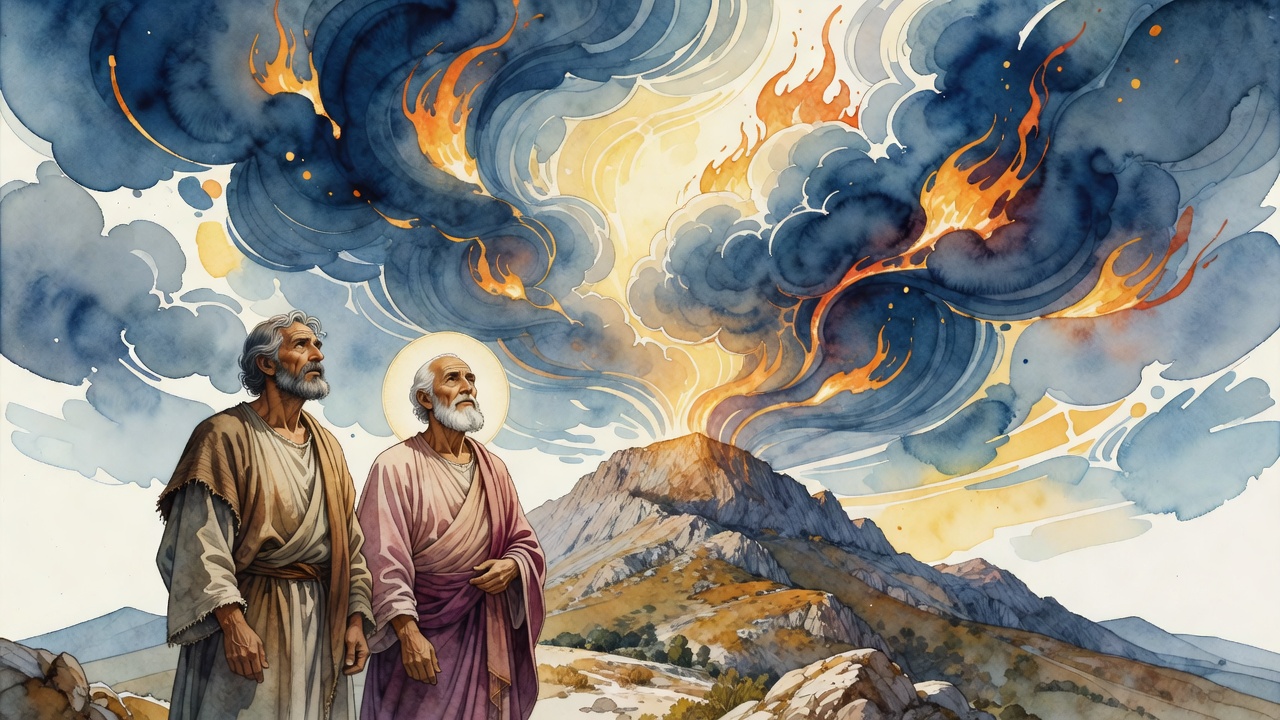
Rebecca is riding a camel home to Canaan with Abraham's servant when she looks out across a field at dusk and sees a man. He is standing with his arm extended. His lips are moving. Something about the way he holds himself stops her so completely that she tilts sideways off the saddle.
Rav Huna reads her response as recognition. The word for her lowering herself, he argues, means she inclined toward what she saw, leaning down to get a better look at a sight that overwhelmed her. What she saw was Isaac standing in his field at the hour of the afternoon prayer, his hand outstretched toward heaven. Not the posture of an ordinary man. The posture of someone whose whole body had become a request. The light was failing, the long shadows of evening already stretching across the furrows, and against that dimming field a single figure stood fixed in supplication while she swayed on her camel above him.
The Veil She Chose to Wear
Before she even asks the servant who this man is, she has already made up her mind about him. Her question is almost a formality. She asks, and the servant confirms it is his master's son, and she reaches for her veil and covers her face. A woman who has ridden for days across open country, unhurried, unimpressed by distance, is suddenly modest. The cloth that had hung loose through the whole long journey is drawn close now, at the precise moment she learns his name. Whatever she felt when she saw him at prayer, she chose not to wear it on her face. The veil hid the recognition that had nearly thrown her from the saddle, and she rode the last stretch toward him with her face composed and concealed.
Two Hidden Scenes, One Hinge
Both stories arrive without warning inside the same midrashic collection, and the rabbis who placed them side by side were not being arbitrary. Each scene involves a revelation that the Torah text gestures toward but does not fully expose. Genesis says the serpent was cursed and left for the belly. It does not say angels came to do the cutting. Genesis says Rebecca saw Isaac in the field. It does not say what she saw him doing, or why it nearly knocked her off her mount.
The rabbis filled in what the text left dark. The serpent screamed. The woman nearly fell. Both pieces of information change the weight of the original verse. The curse has a sound that echoes through history. The first meeting of Isaac and Rebecca is not a quiet pastoral scene but a woman undone by a stranger's devotion.
Angels execute divine punishment. A man at prayer draws a future wife down from her camel. In both scenes, something enormous breaks loose in the silence the verse leaves open: a scream that crosses the world, a woman pitching sideways off her saddle.
← All myths