Abraham and Shem Each Named the Mountain That Became Jerusalem
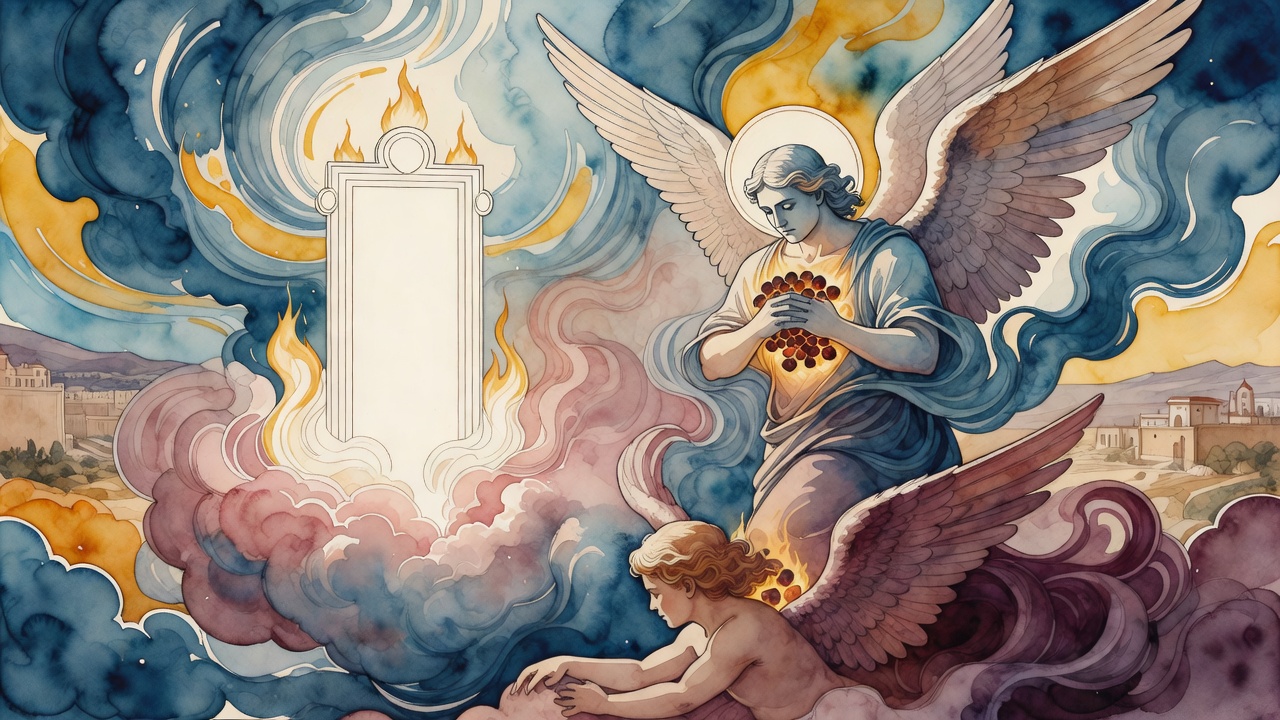
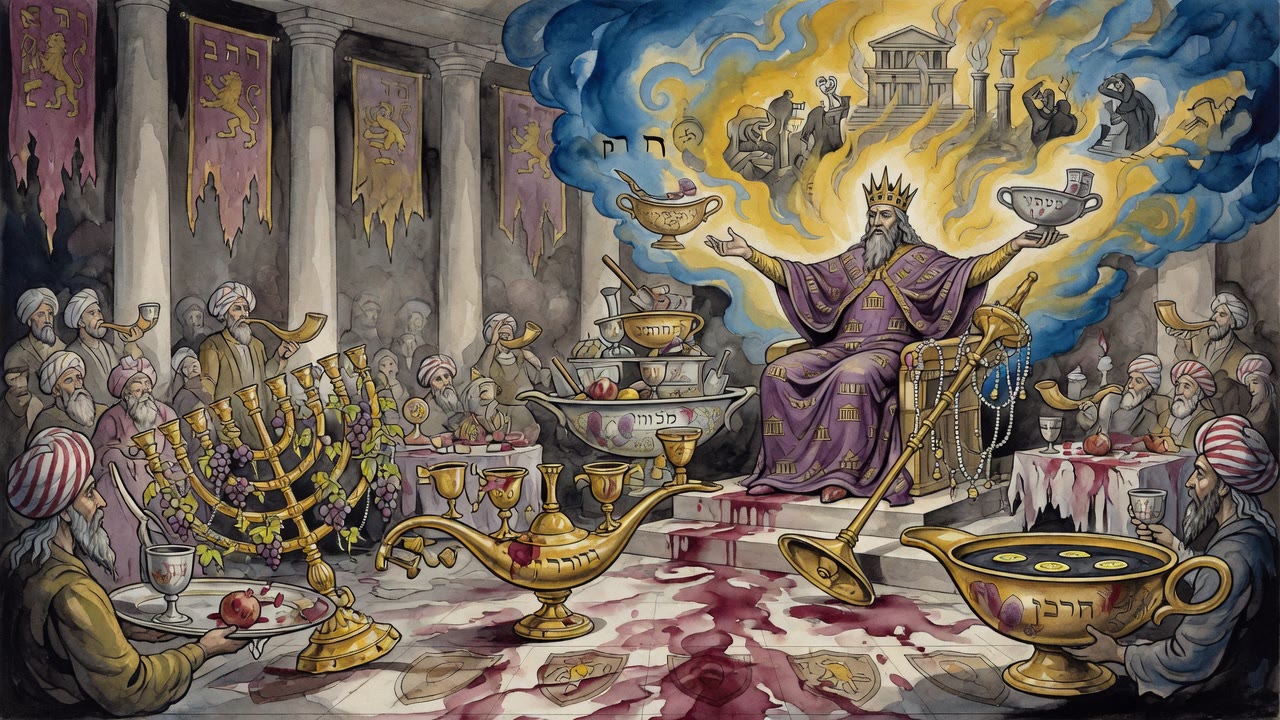
Long before either man arrived, God had put up a booth on that hill and prayed inside it for a house of his own to be built there.
Table of Contents
 Click for full size
What Abraham Said With the Knife Still in His Hand
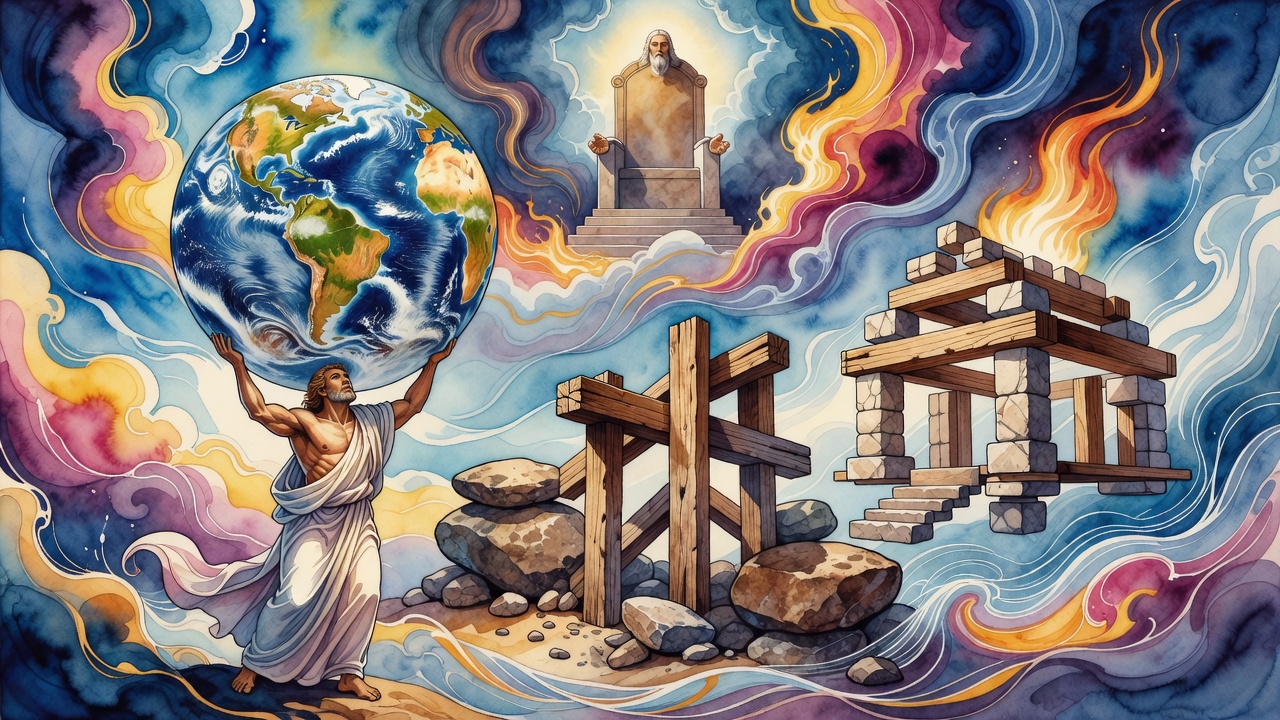
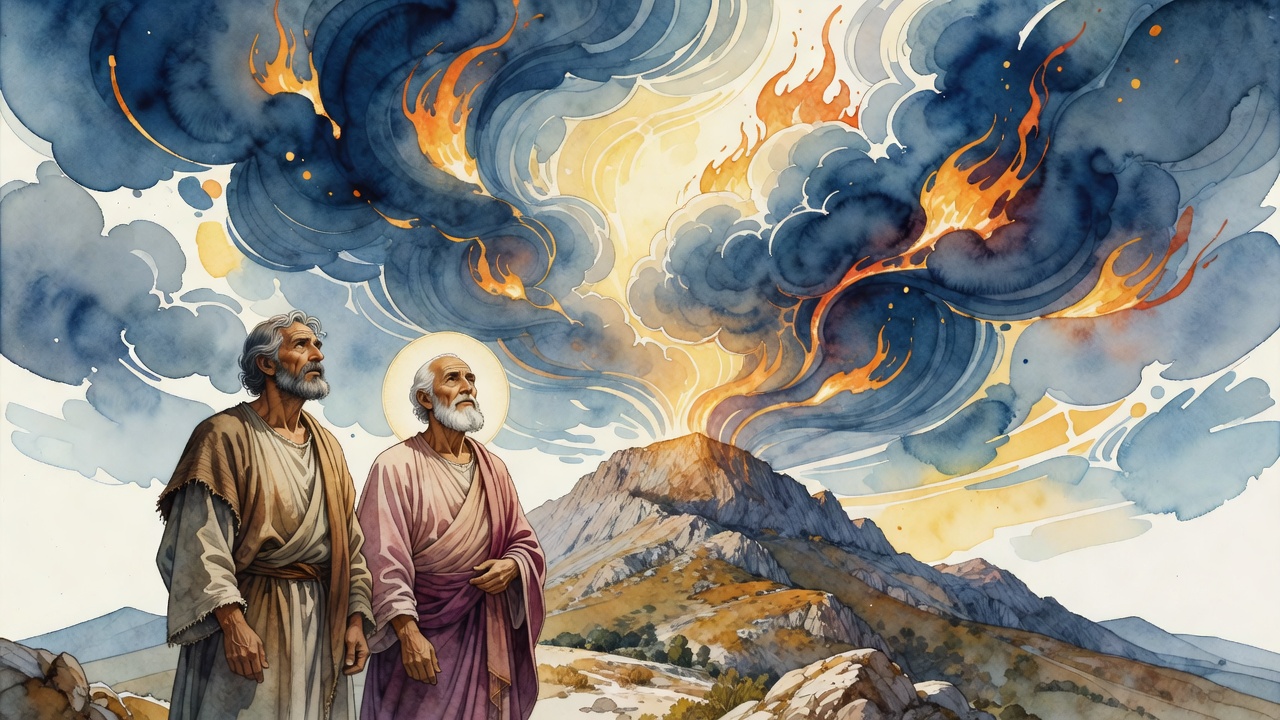
Abraham came down off the altar and did not let go of the argument he had swallowed on the way up. The ram was burning. Isaac was alive and standing there. The old man turned his face up and spoke plainly, the way a man speaks when he has been holding something in for three days.
Master of the universe, he said. When you told me to take my son, my only one, I had an answer ready. Yesterday you told me that through Isaac my line would be counted. Today you told me to carry him up a mountain and put him on wood. I had something to say to that.
But I did not say it. I pushed my own mercy down and did what you wanted.
Then came the price. May it be your will, he said, that when Isaac's children come to their sins and their evil deeds, this binding is what you remember about them. Let this morning stand where their record stands. Let it fill you with mercy toward them.
And he named the ground. Not the Lord saw. The Lord will see, in the tense that has not happened yet, a claim staked forward into every generation that would need it.
The Hill Already Had a Name
The trouble was that somebody had named it first.
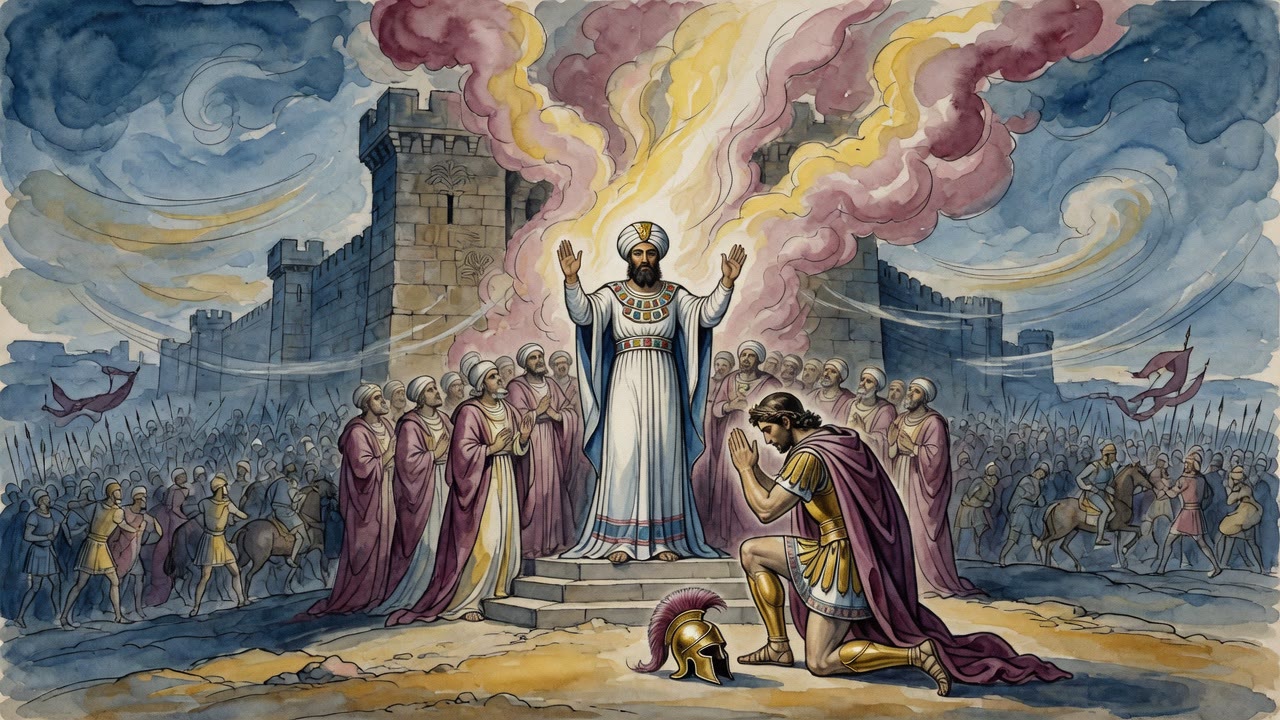
Years before, coming back bloody from the war of the kings, Abraham had been met on the road by a priest-king carrying bread and wine out to him. That king ruled a small town on the same ridge and the town was called Shalem, which means whole, finished, at peace. The man who ruled it was Shem, son of Noah, who had walked out of the ark as a young man and was still alive to hand bread to Abraham.
Shem had called the place Peace. Abraham had just called it The Lord Will See. One hill, two righteous men, two names, and both of them earned.
God Would Not Grieve Either Man
If I call it Yireh, God said, the way Abraham called it, then Shem is a righteous man and he will have a complaint against me. If I call it Shalem, the way Shem called it, then Abraham is a righteous man and he will have a complaint against me.
So he took the front of one name and the back of the other and pushed them together. Yireh. Shalem. Yerushalayim, which is Jerusalem.
Every time anyone has said the name of that city since, both men have been standing inside the word, and neither of them was told to move over.
The Booth on the Ridge
Back when the ridge was still only Shalem, before any Israelite had ever climbed it, something was already living up there.
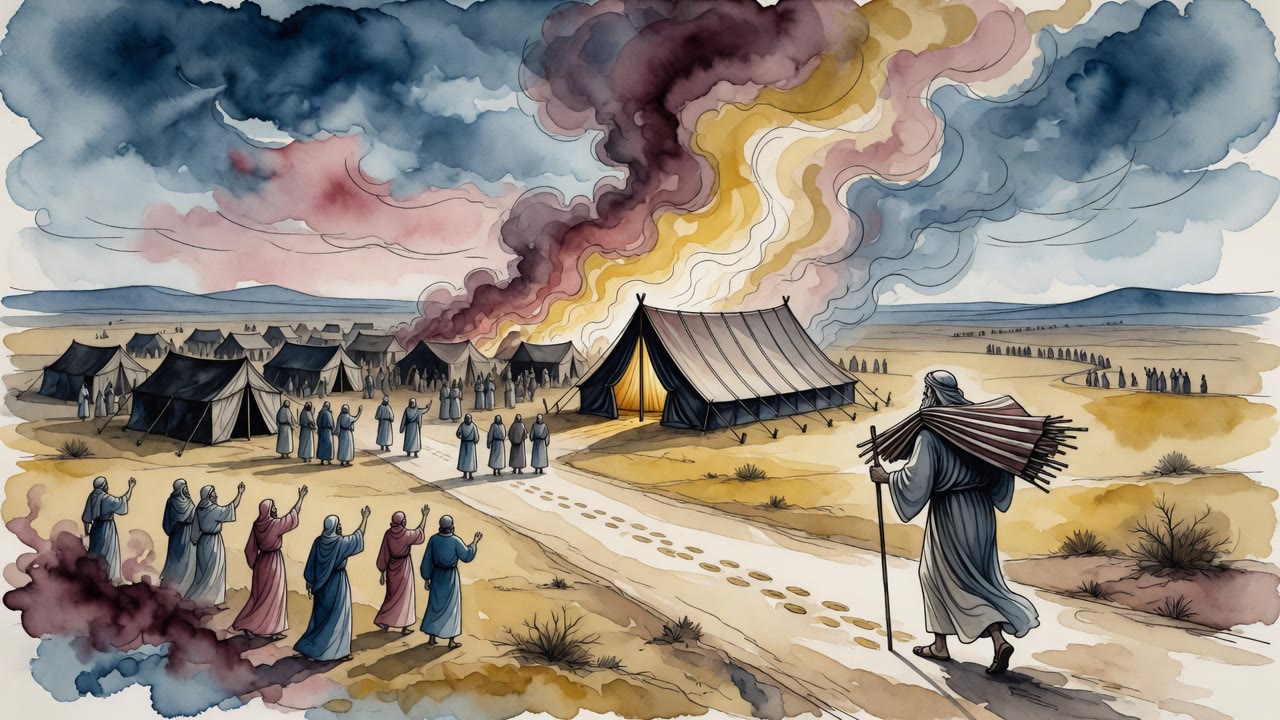
God made himself a booth up there. A sukkah, the temporary kind, the kind a farmer throws together out of branches at harvest and takes down again when the season ends. His booth was in Shalem, his dwelling place in Zion. He went inside it and prayed.
Inside the branches he asked for something. May it be my will, he said, that I see my house built.
He was praying for a roof. He got one, eventually, and then he watched it come down, and then he showed the whole sequence to Abraham on the morning of the knife: the house standing, the house wrecked, the house standing again. The Lord will see. On the mount of the Lord, which is where the ruins would sit. He will be seen, which is the third time, the one that had not arrived yet.
What Isaac Smelled in the Wool
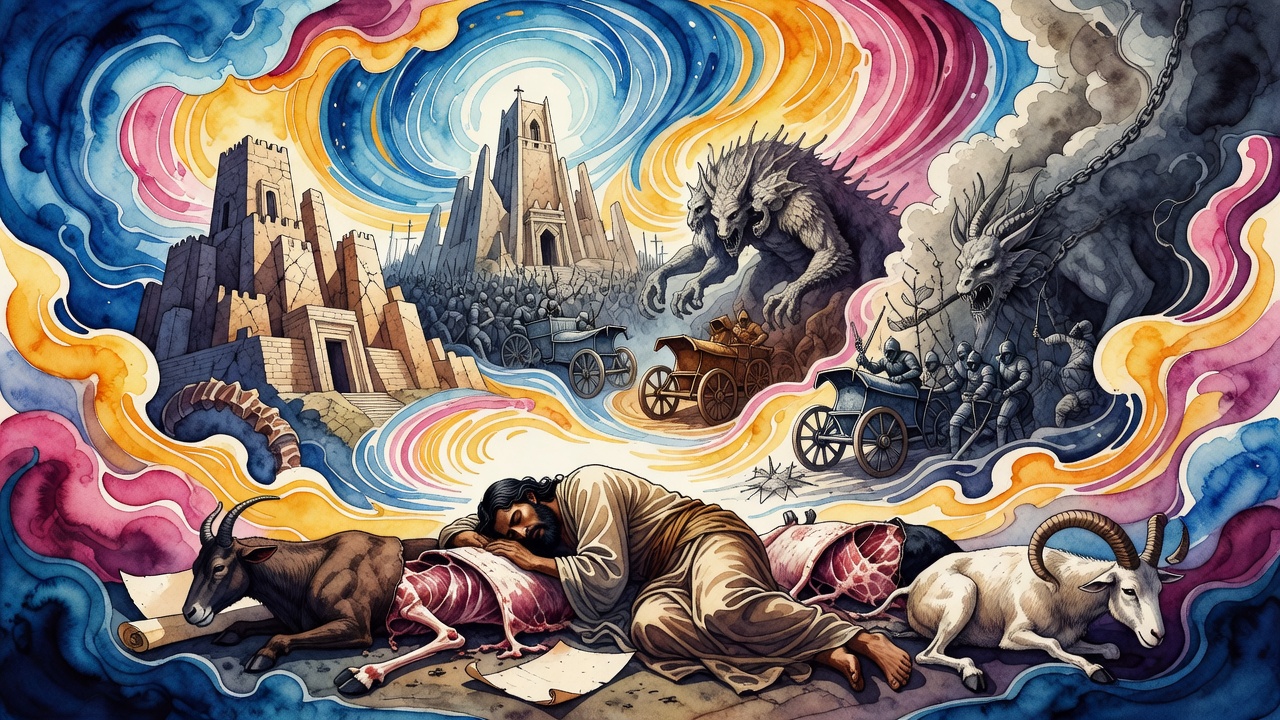
Decades later Isaac lay in a dark tent with his eyes gone useless and asked his son to come close so he could touch him.
The boy came near in his brother's clothes with goatskin on his arms, and the old man pulled him in and put his face against the cloth and breathed. See, he said, the smell of my son is like the smell of a field that the Lord has blessed.
What came off that wool was the hill. Smoke going up off an altar in a finished house, the fat and the flour and the pleasing smell of it. Then the smell of turned dirt, because Zion would be plowed like a field and there would be furrows where the courtyards had been. Then, under both, the third smell, the blessing commanded there for life without end.
Isaac could not see anything. He held the cloth in both hands and kept breathing it in, an old man in a dark tent with a whole city in his lungs, on the ground where his father had bargained for his descendants and where God had once sat in a hut of branches asking for a house.
← All myths