Antiochus Made Jerusalem a Trap Against the Temple
He walked into the sanctuary and lifted the menorah from its place. Two years later his men spoke peace at the gates, then set the city on fire.
Table of Contents
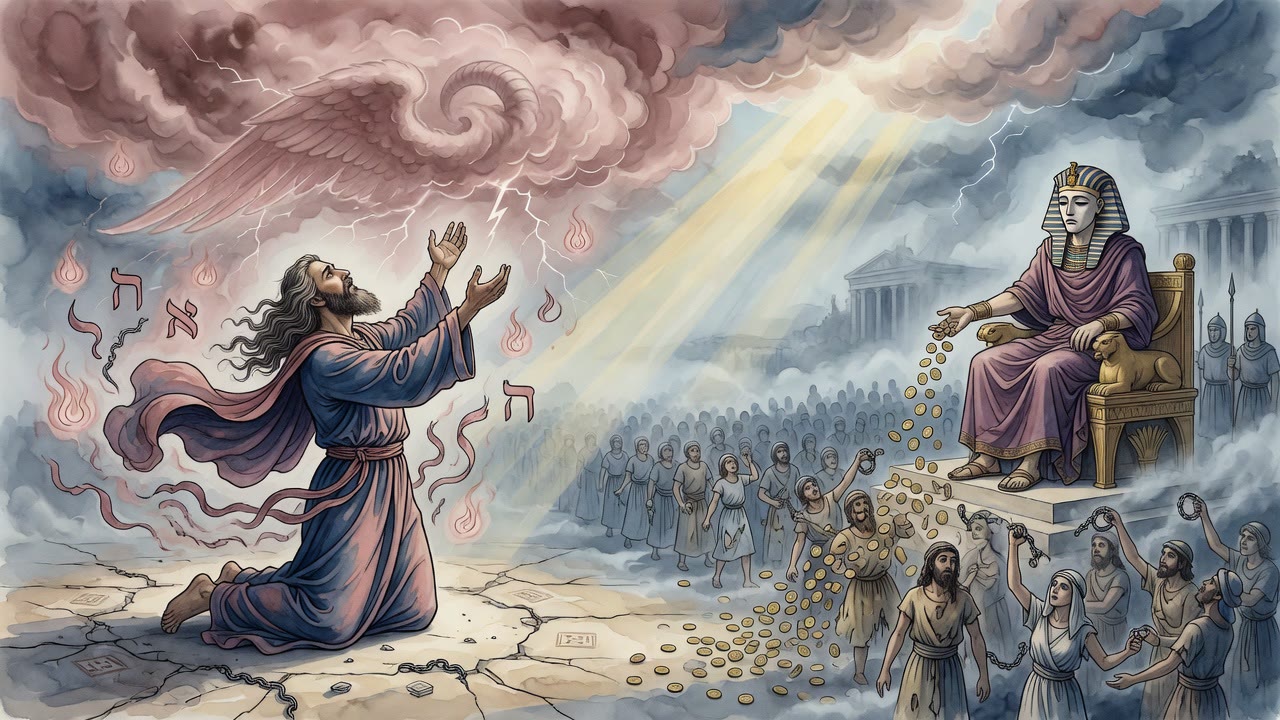
Antiochus walked into the sanctuary as if it were a storeroom he already owned. He had just come from Egypt with chariots, elephants, horsemen, and a navy. Ptolemy had fled. The cities of Egypt had opened. The next room he wanted was the Kodesh (קדש), the inner holy place in Jerusalem.
 Click for full size
He Emptied the Holy Place
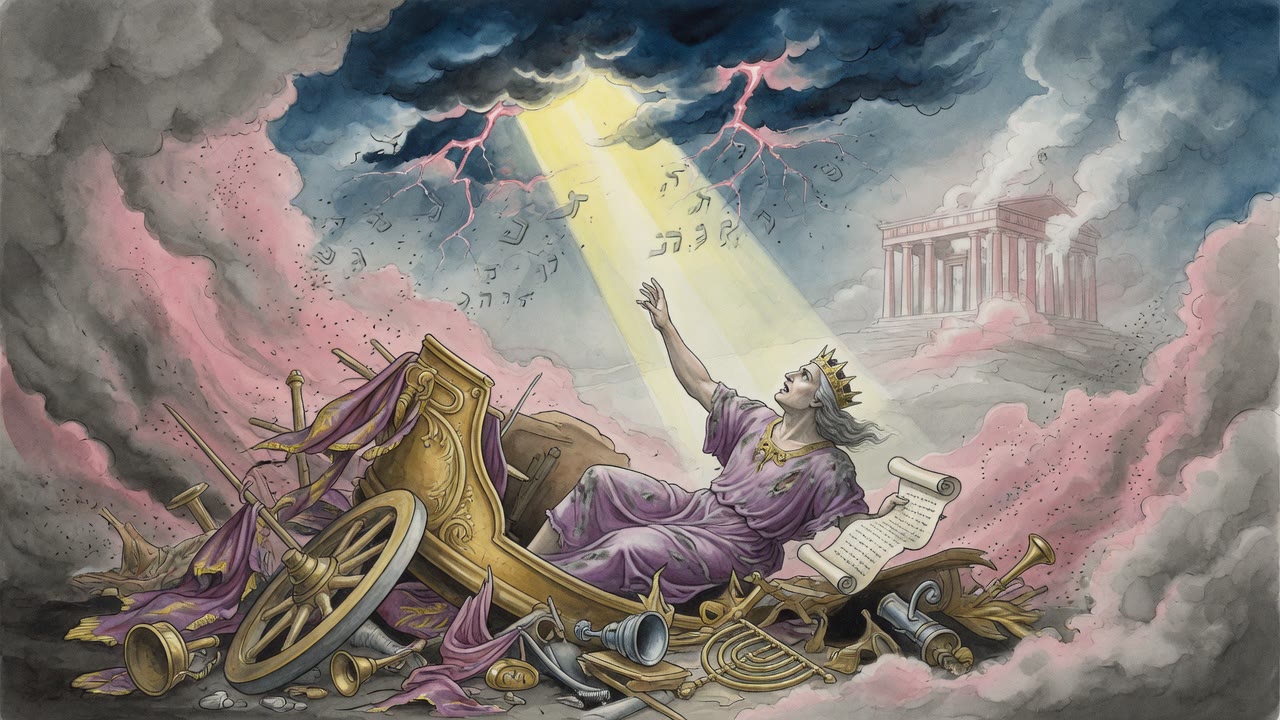
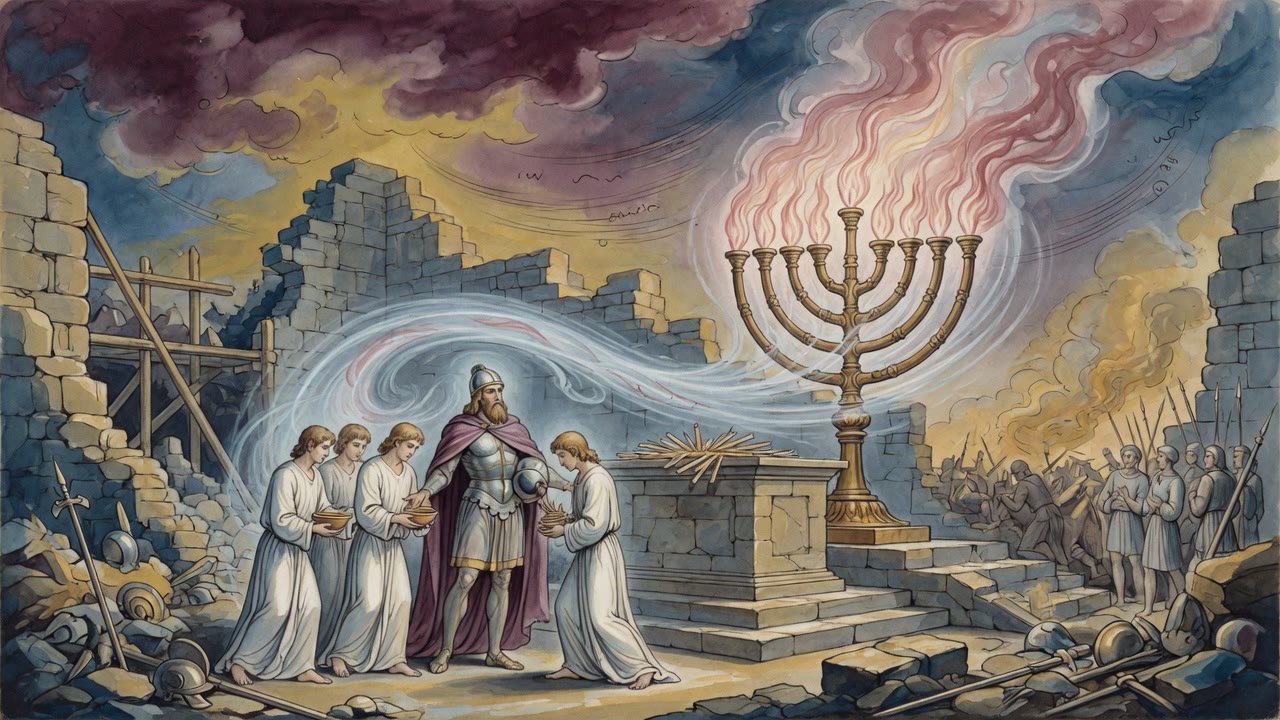
He entered proudly. He took the golden altar. He put both hands on the menorah. The branches had been lit that week. He lifted. The base came free of the floor. Oil ran on his fingers. He walked it out of the Kodesh into the court as if it were furniture. He took the rest of the lampstand's vessels. He lifted the table of the showbread. He took the pouring cups, the vials, the gold censers, the veil, the crowns, the ornaments at the front of the Temple. He pulled them off. He took the silver and the gold and the hidden treasures he found.
Priests who had tended those objects stepped back because there was nothing left to tend. The lamp that had stood in its place was in a soldier's hands, going north.
Then he went home to his own land, having made a massacre and spoken very proudly.
Peace at the Gate, Fire After
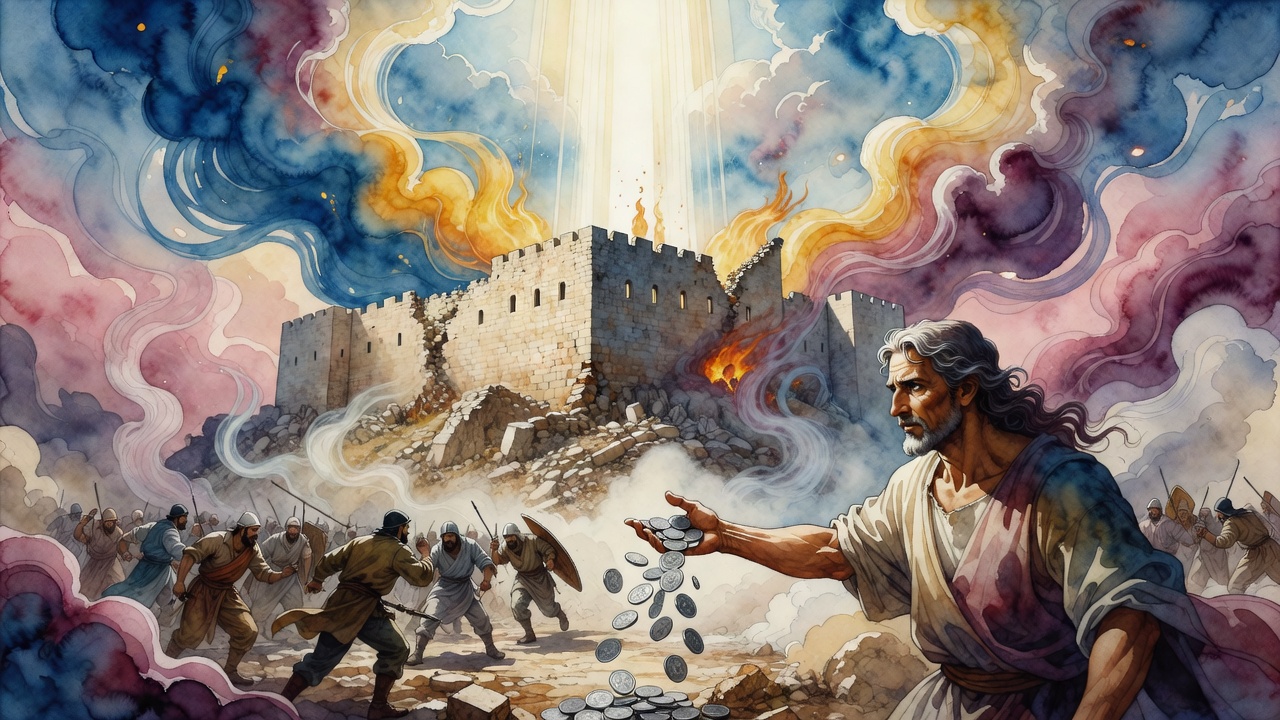
Two years later he sent men to the cities of Judah. They spoke peaceable words. The people believed them and gave them trust. Gates opened. Markets stayed open. A man who had survived the first raid told his wife the worst had already passed.
Then the soldiers fell on the city. They struck it hard. They killed many in Israel. They took spoil, set Jerusalem on fire, pulled down houses and walls, took the women and children captive, and seized the cattle.
They built the City of David with a great wall and mighty towers and made it a stronghold. The stones of the houses they had pulled down went into the wall that now looked down on the streets.
A Snare Aimed at the Sanctuary
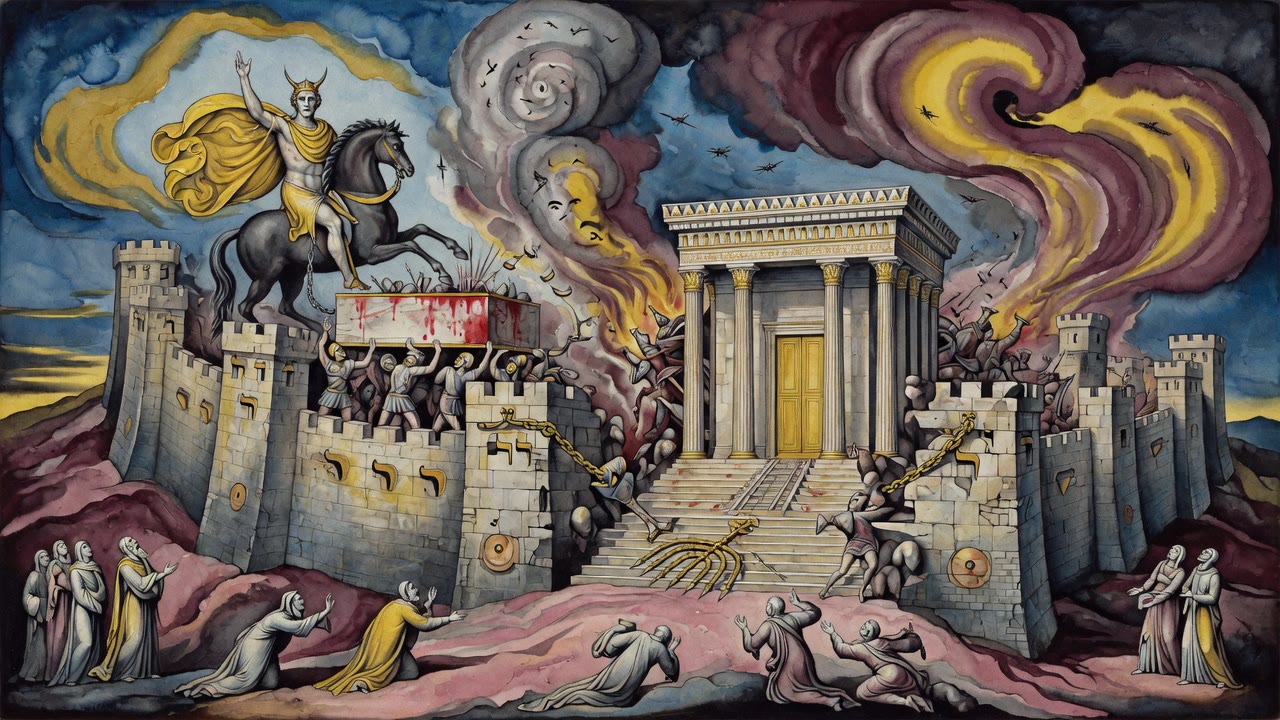
They put a sinful nation inside that fort, wicked men, and fortified themselves there. They stored it with armor and food. They laid up the spoils of Jerusalem in the same rooms. It became a sore snare: a place to lie in wait against the sanctuary, an evil adversary sitting inside Israel's own walls.
They shed innocent blood on every side of the sanctuary and defiled it. Anyone who tried to reach the place where the menorah had stood had to pass the fort first. The inhabitants fled. Jerusalem became a habitation of strangers, strange to those born in her. Her own children left her.
The city that had held the Temple was now a weapon pointed at it.
Feasts Turned into Mourning
The sanctuary lay waste like a wilderness. The feasts turned to mourning, the Sabbaths into reproach, honor into contempt. As great as the glory had been, the dishonor grew to match it.
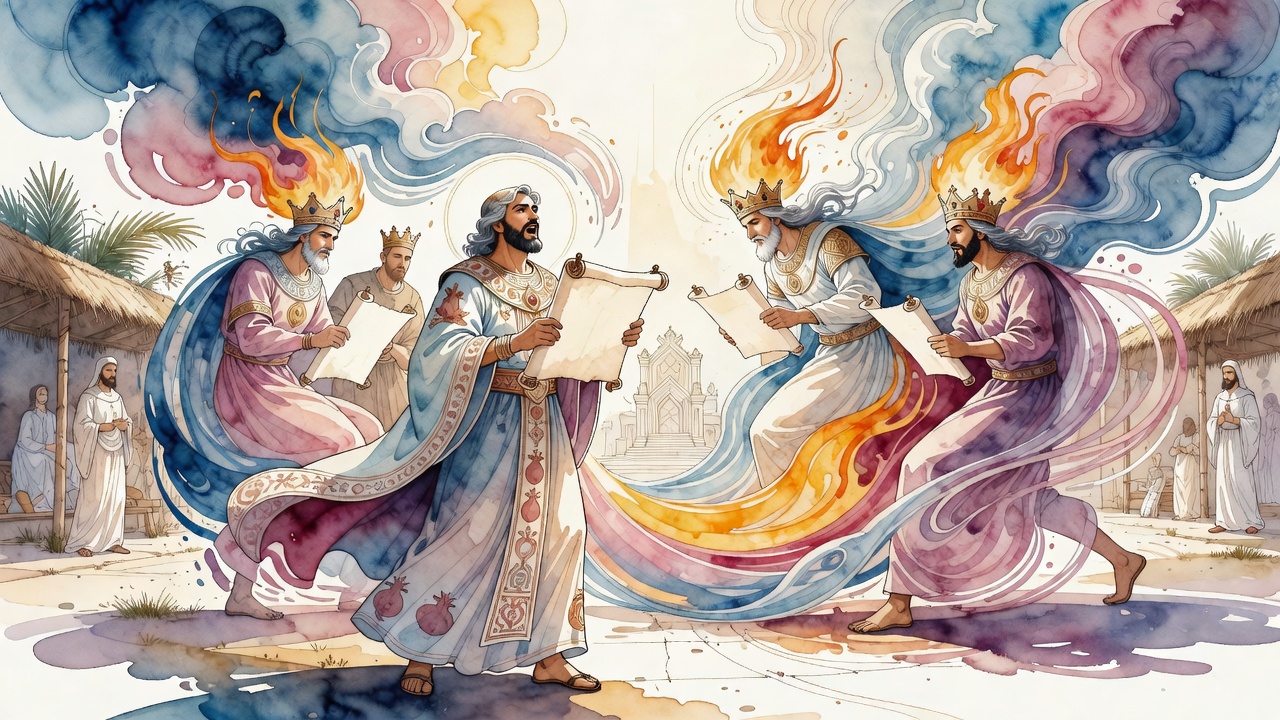
Antiochus wrote to his whole kingdom that all people should be one, and that everyone should leave his own laws. The nations agreed. Many in Israel agreed too, sacrificed to idols, and profaned the Sabbath. He sent letters to Jerusalem and the cities of Judah to follow the strange laws of the land. He appointed overseers city by city to compel sacrifice. Those who forsook the law gathered to the overseers and did evil in the land. The rest of Israel was driven into secret places, wherever they could flee.
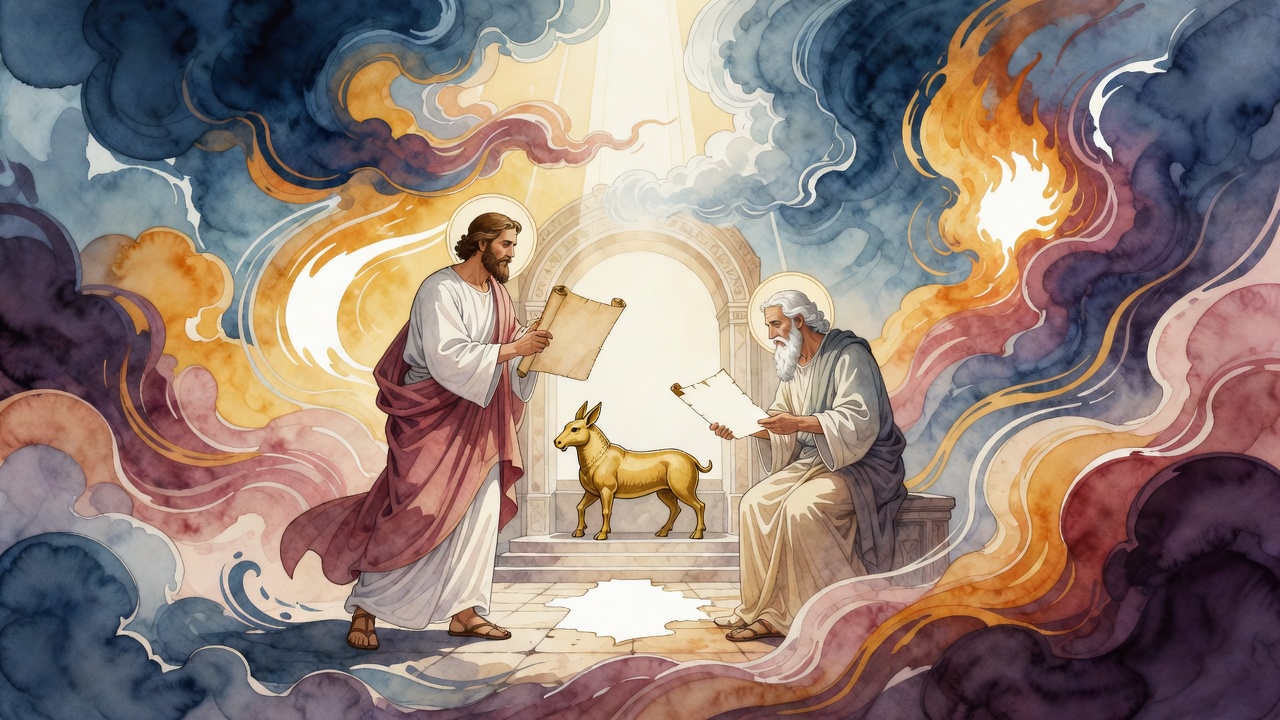
Scrolls of the Torah found in houses were torn and burned. Anyone caught with a book of the covenant was put to death. Anyone who kept the Sabbath was killed. A mother hid a scroll under a floorboard and then watched a neighbor lead the overseers to the house anyway.
The Fifteenth of Kislev
On the fifteenth day of Kislev, in the hundred forty and fifth year, they set up the abomination of desolation upon the altar, and built idol altars through the cities of Judah on every side.
He had come out of a fracture. Alexander, dying, had divided a kingdom among servants while he still lived. Those servants crowned themselves. Evils multiplied. Out of them came a wicked root, Antiochus called Epiphanes, son of a king, once a hostage at Rome. He wanted two realms. He took the holy things from the first realm that could not match his elephants. Then he turned the city itself into a trap against its own house.
The menorah was gone north. The snare was still in Jerusalem, waiting for anyone who tried to reach the place where the lamp had stood.
← All myths