Judas Rebuilt the Altar With War Still Outside
Gorgias still held the mountain. Judas told his men to leave the silver in the tents and keep ranks until the last horseman was gone.
Table of Contents
 Click for full size
Better to Die Than to Watch
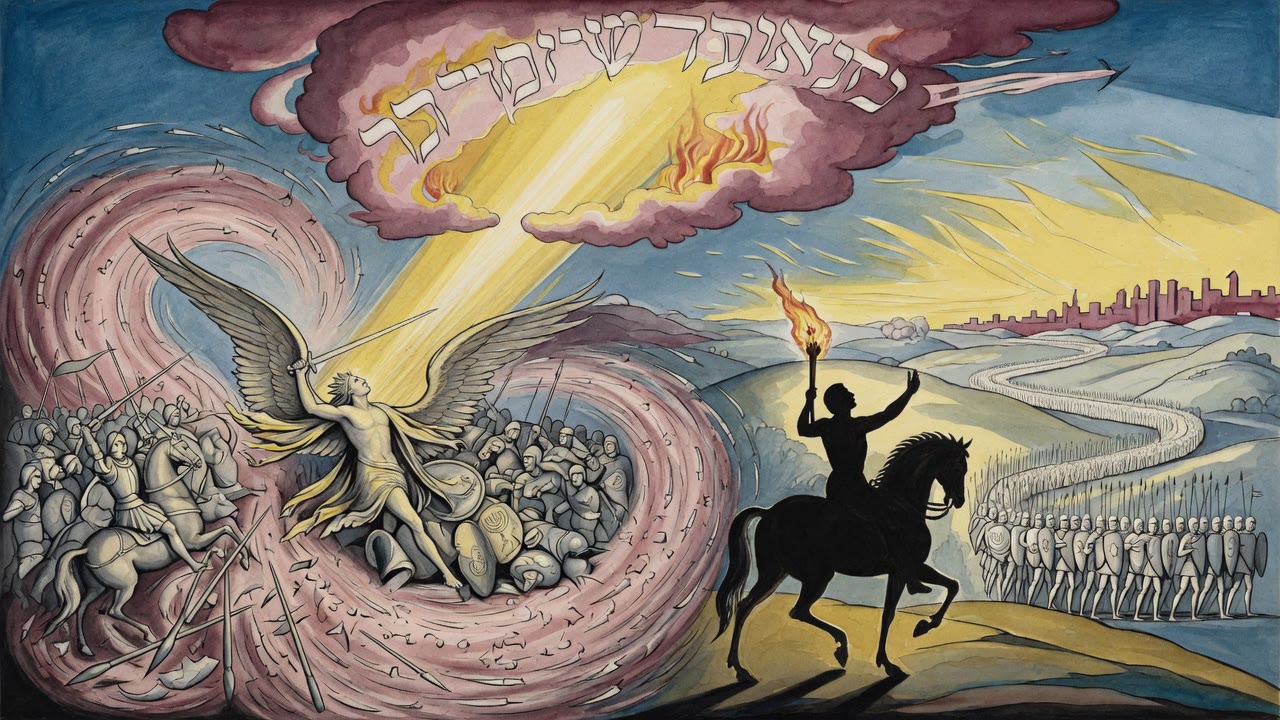
Judas walked the camp at Emmaus before the light and told his men to arm. Gorgias had pulled five thousand foot and a thousand of his best horsemen out of the camp by night. Morning would meet them on the south side of the field. Judas did not promise a win. He said the sentence that explained the war. "It is better to die in battle than to behold the calamities of our people and our sanctuary. Whatever God wills in heaven, let Him do."
That was not a speech about victory. It was a refusal to stand and watch. He could fall. He could not live as a spectator while the sanctuary burned.
He Called the Sea Onto the Field
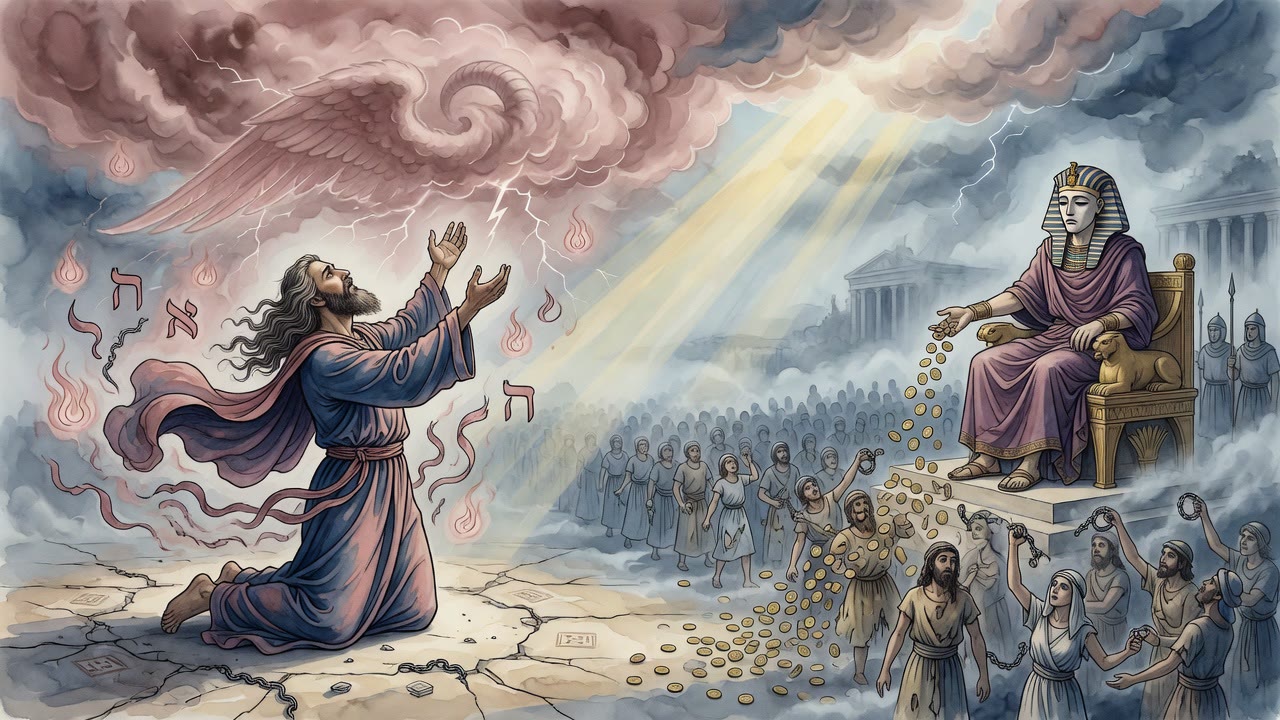
When they saw the enemy camp, strong, well armed, ringed with horsemen who knew their work, fear moved down the line. Judas reached for a night their fathers had already survived. "Do not fear their multitude," he said. "Do not be afraid of their assault. Remember how the fathers were saved at the Red Sea when Pharaoh pursued them with an army. Cry to heaven. Then the nations will know there is One who redeems and saves Israel."
No water rose at Emmaus. The memory did. They had stood between chariots and a sea before. They knew the shape of a night that should have ended them, and they cried out the way that night had taught them.
Leave the Spoil Alone
The camp looked empty. Silver sat in the tents. Men leaned toward it. Judas stopped the ranks. "Be not greedy of the spoil. There is a battle before us. Gorgias and his host are still in the mountain. Stand. Overcome them. After this you may take the spoils."
As he spoke, a line of them appeared on the ridge. They saw smoke from their own tents and understood the field was lost. A force that scatters to loot is a force that dies when the mountain comes back down. Judas knew greed could finish what Gorgias had not.
Weeds in the Courts
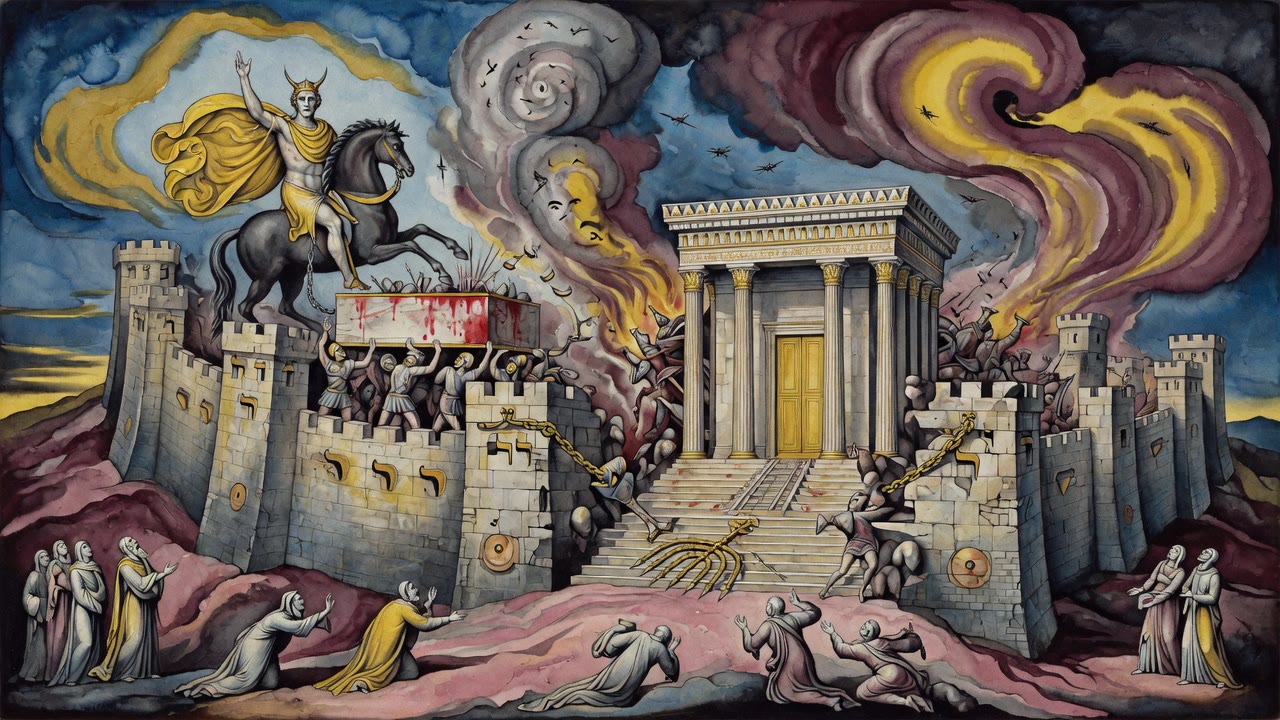
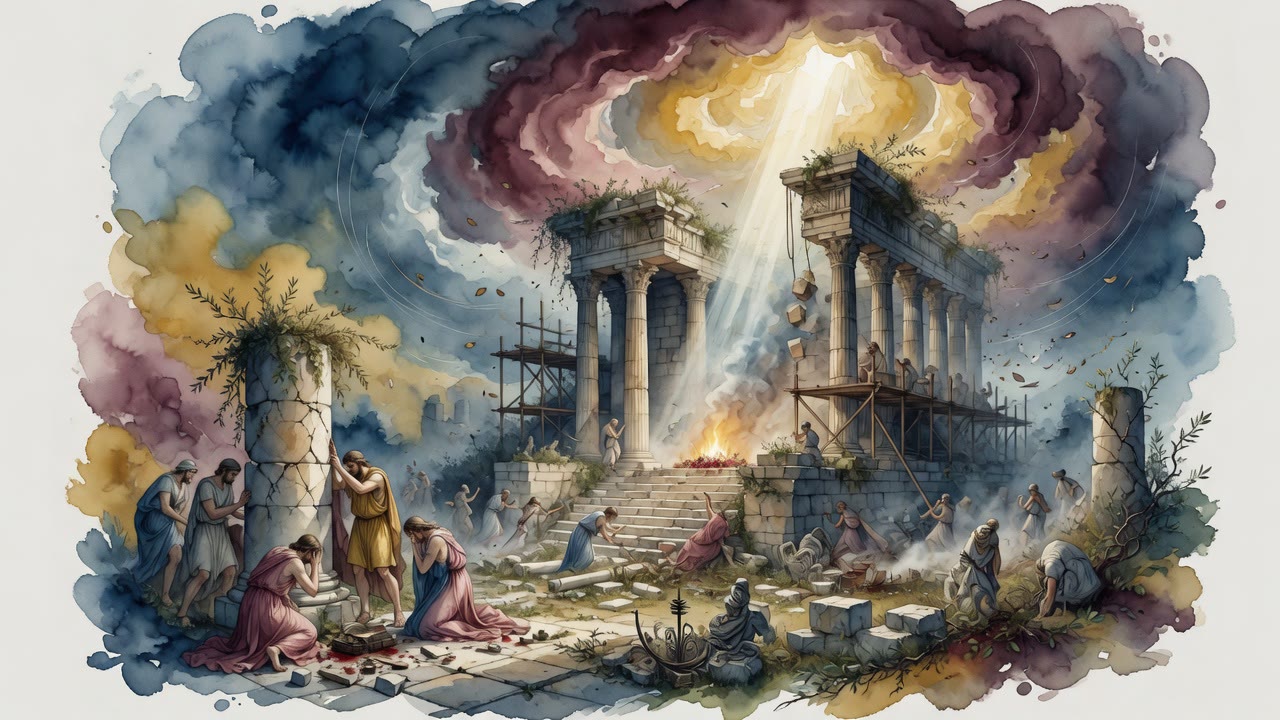
He brought the force to the mountain of Zion. The sanctuary stood empty. The altar was profaned. The gates were burned. The priests' chambers had been pulled down. Weeds grew in the courts as in a forest, or on a mountain nobody tended.
They tore their clothes. They wept. They put ashes on their heads. Then Judas appointed men to fight those still holding the fortress, so the rest could work. He chose priests of clean life, men who still took pleasure in the law. Not the nearest hands. The right ones.
They carried the defiled stones out to an unclean place. They stood a long time over the altar of burnt offering. The nations had touched it. If they left it standing it would be a reproach forever. They pulled it down.
Stones Waiting for a Prophet
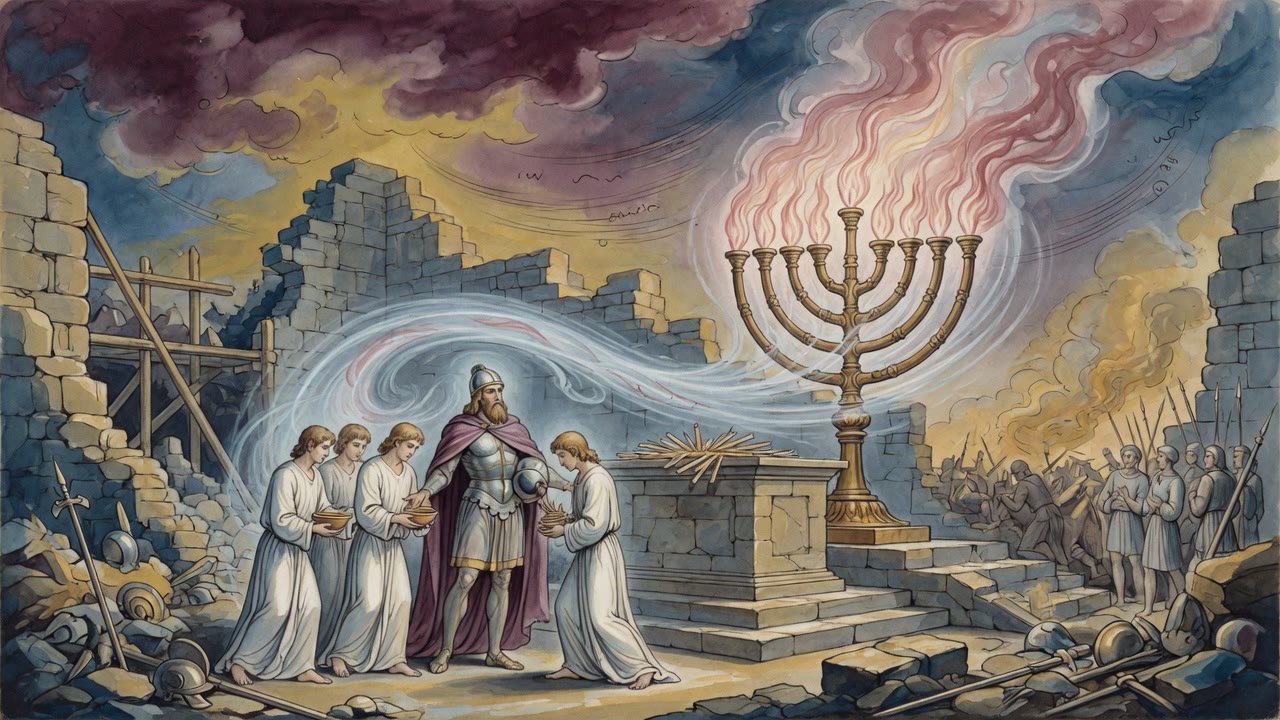
They did not throw the altar stones away. A priest set his palm on one stained block and would not let the men heave it onto the dump with the rest of the ruin. They laid the stones up in the mountain of the Temple, in a convenient place, until a prophet should come and say what must be done with them. Holiness that had been violated was still holiness. They would not pretend they knew the last word.
They built a new altar of whole stones, as the law required. They made new vessels. They brought in the menorah (מנורה), the lampstand, the incense altar, the table. They lit the lamps. They set the loaves. They spread the veils.
On the twenty-fifth of the ninth month, which is Kislev (כסלו), in the hundred and forty-eighth year, they rose at dawn and offered sacrifice on the new altar. It was the same hour and the same day the nations had profaned it. They dedicated it with songs, harps, lutes, and cymbals.
Then all the people fell on their faces. They praised the God of heaven who had given them success. They kept the dedication eight days. They hung crowns of gold and shields on the front of the Temple. They set new doors on the gates. Judas and his brothers and the whole congregation ordained that these days should be kept year by year, eight days from the twenty-fifth of the ninth month, with gladness.
Outside, the fortress still held. Inside, the lamps were lit.
← All myths