Judas Rescued the Jews Scattered Beyond Judea
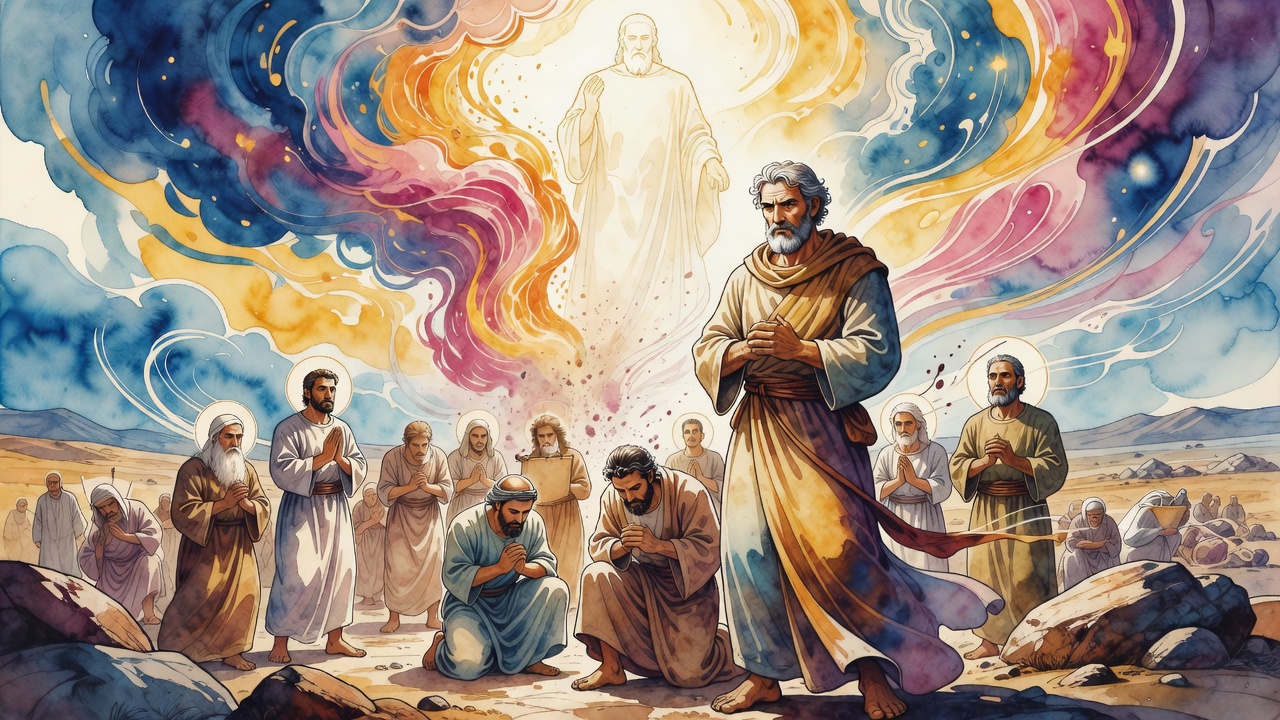
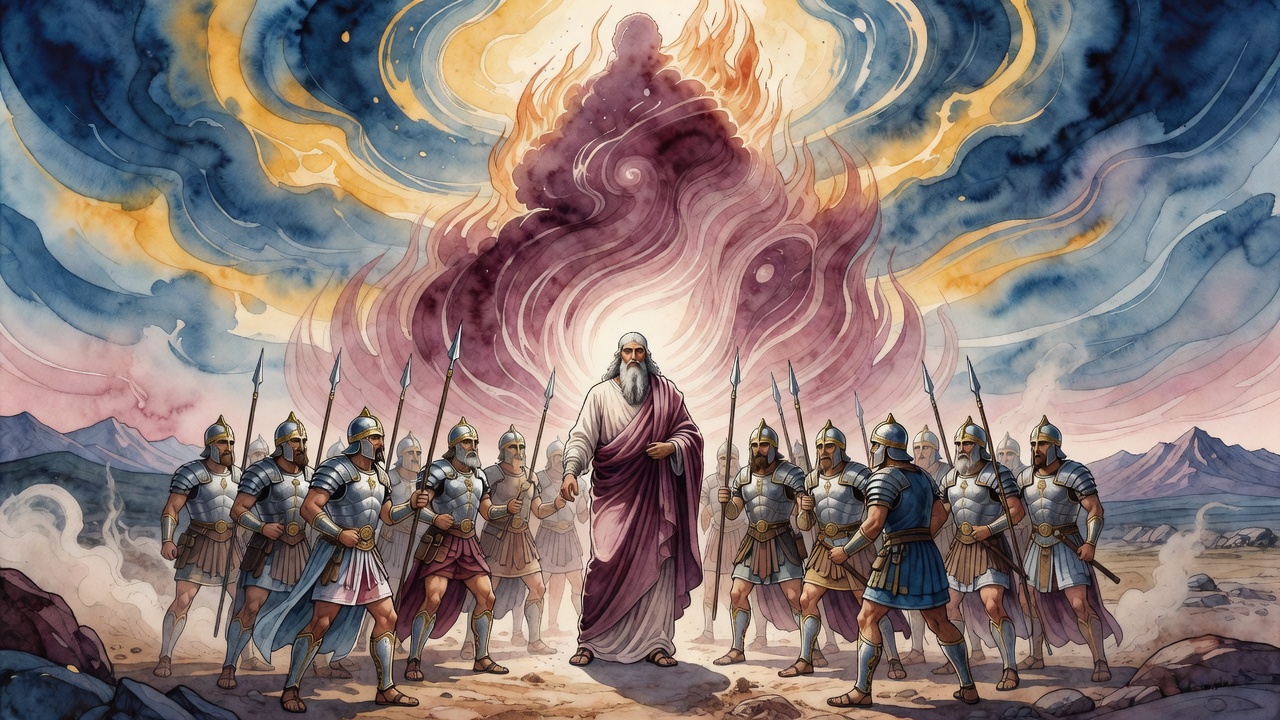
Letters arrived while other letters were still being read. Simon took Galilee with three thousand. Judas turned east and walked all night toward Bosora.
Table of Contents
 Click for full size
The Altar Stood and the Towns Around It Heard
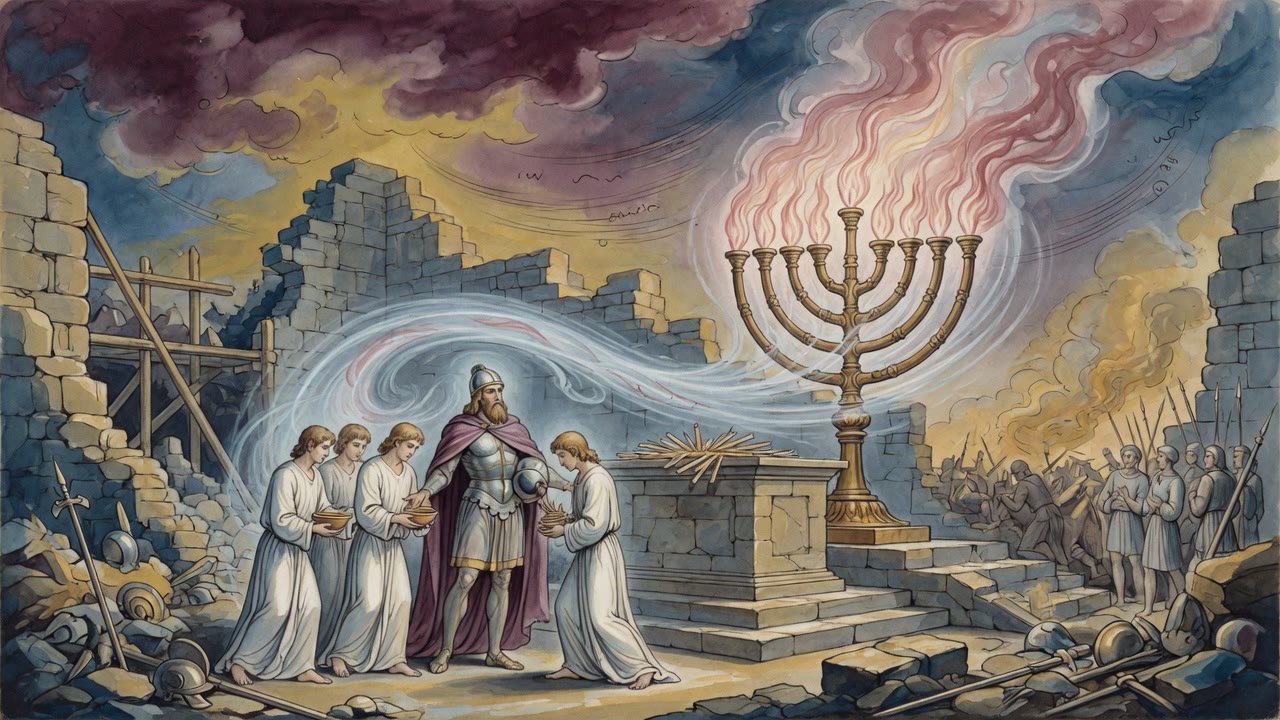
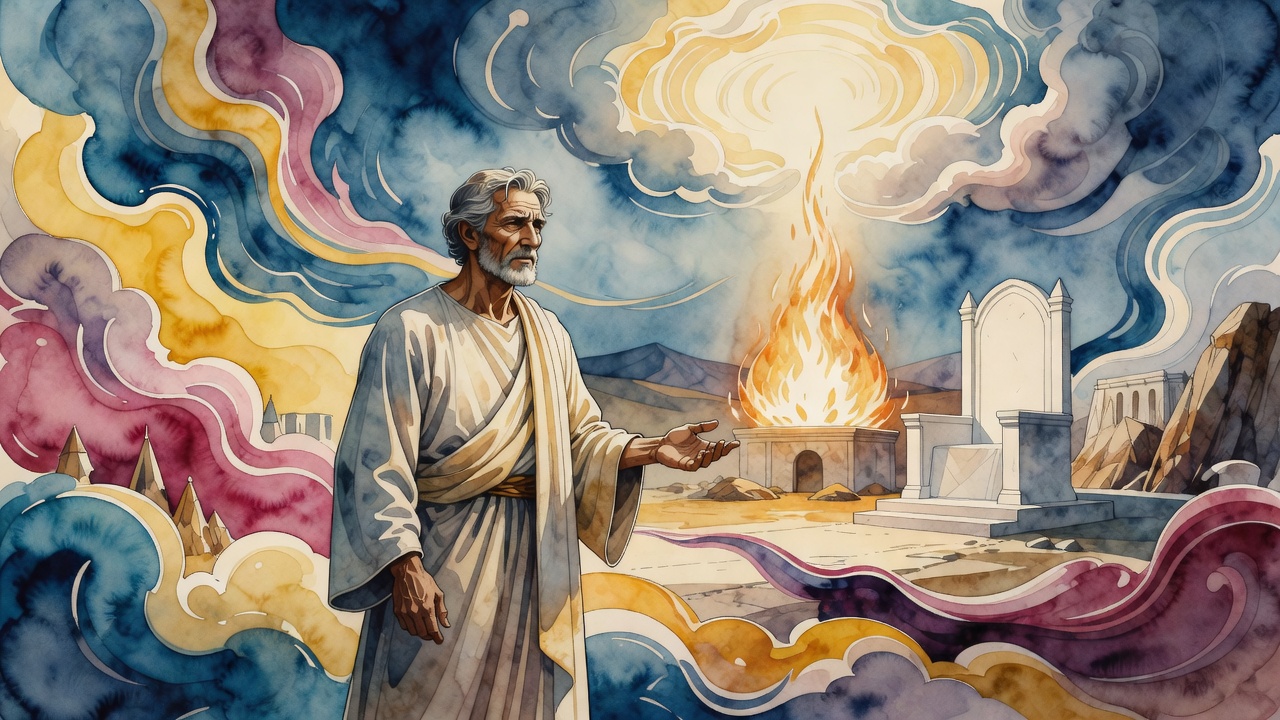
The altar stood in Jerusalem as it had before. Word left the gates. The nations around the city heard that the sanctuary was renewed, and the hearing soured in their mouths.
A beaten people can be ignored. A people who rebuild an altar announce they mean to live. The Idumeans did not wait for a royal order. The children of Bean did not wait. In the hill country they took women and children, burned houses, and shut the roads that had tied Jewish towns to one another.
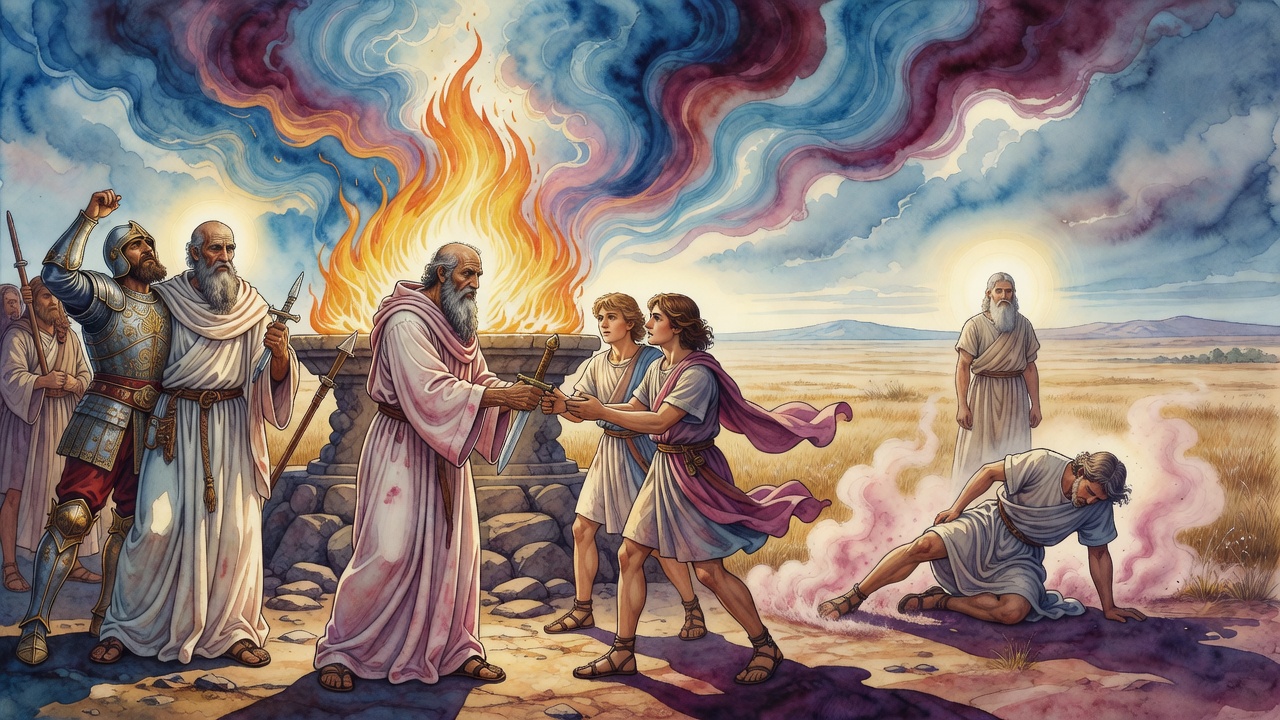
Judas moved first against the children of Esau in Idumea at Arabattine, because they had besieged Gael. He broke their courage and took their spoils. Then he remembered the children of Bean, who had lain in wait on the roads like a snare. He shut them up in their towers, burned the towers, and burned the men inside them.
Timotheus Waited Across the River
Judas crossed into Ammon and found a large force with Timotheus as captain. He fought them until they broke. He took Jazer and the towns that belonged to it, and he came home to Judea with the smell of the campaign still on the animals.
Home did not last. The heathen in Gilead gathered against the Israelites in their quarters. The Jews fled to the fortress of Dathema and sent a letter that arrived with its own heat. The nations around us have assembled to destroy us. Timotheus is captain of their host. They are preparing to take the fortress we fled to.
Come now, the letter said. Deliver us. Many of us are already slain.
Letters Tore While Other Letters Were Read
The men of Tobie had been put to the sword. Their wives and children had been carried off with their stuff. About a thousand men were gone. Judas was still hearing that count when other messengers came from Galilee with their clothes rent.
They of Ptolemais, and of Tyre, and of Sidon, and all Galilee of the Gentiles, are assembled to consume us.
The Jews scattered beyond Judea could not wait for one army to finish one war. A great congregation stood with Judas and asked what should be done for brethren who were already under assault. Judas looked at Simon his brother.
"Choose thee out men, and go and deliver thy brethren that are in Galilee. I and Jonathan my brother will go into the country of Gilead."
He left Joseph son of Zacharias and Azarias with the remnant in Judea, and told them not to make war until he came again. Three thousand men went north with Simon. Eight thousand went east with Judas.
Simon Drove Them to the Gate of Ptolemais
Simon fought in Galilee until the heathen broke. He pursued them to the gate of Ptolemais and killed about three thousand. He took their spoils. Then he gathered the Jews of Galilee and Arbattis, from the greatest to the least, their wives, their children, and all they had, and brought them into Judea with a joy loud enough to cover the miles.
The north was not a victory parade. It was a rescue that emptied towns so the towns could not be used as graves.
Judas Reached Bosora Before Dawn
Judas and Jonathan went over the Jordan and walked three days in the wilderness. The Nabathites met them in peace and told them what had happened in Gilead. Many were shut up in Bosora, and Bosor, and Alema, Casphor, Maked, and Carnaim, all strong cities. Against tomorrow the host had appointed to take the forts and destroy them all in one day.
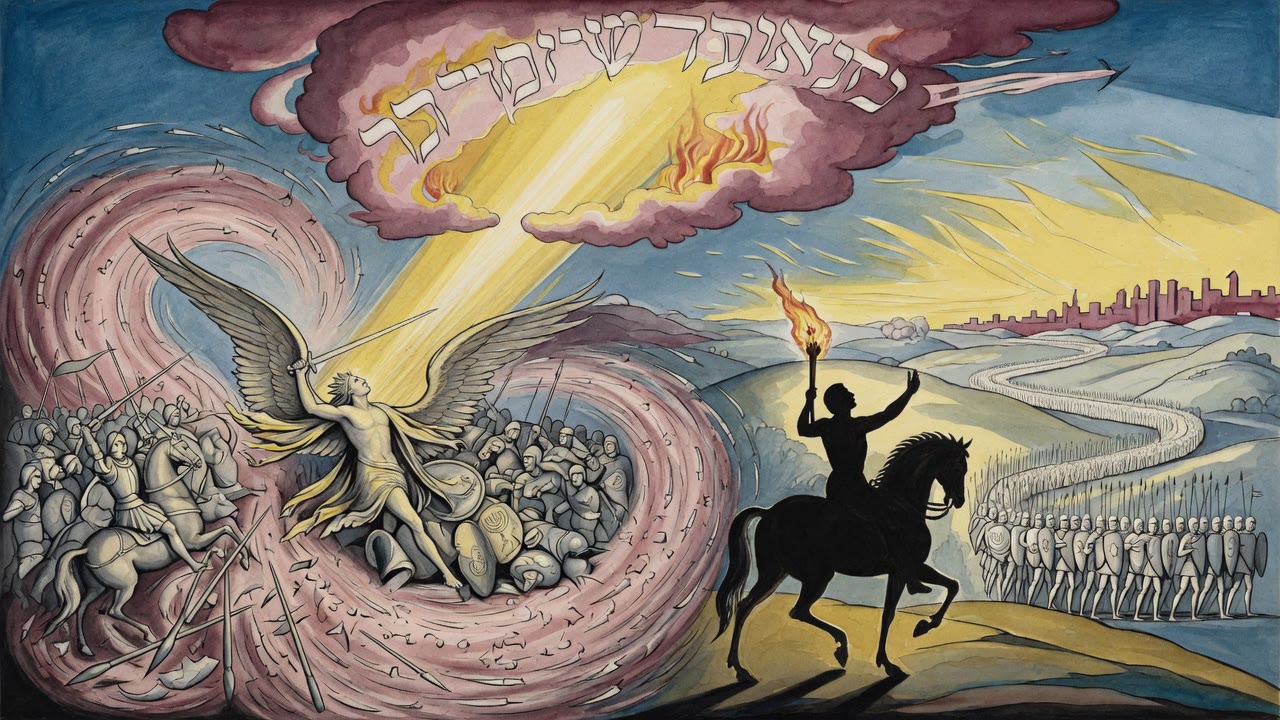
Tomorrow was too soon. Judas wheeled the eight thousand and marched all night by a different road. He reached Bosora before dawn, took the city, put every male to the sword, took the spoils, and burned it. Then he moved on the next city before light could warn it. City by city he arrived ahead of the timetable that had been meant to erase them.
Years later the same hunger came back. The heathen round about said the Jews had no captain, and they moved to take away their memorial from among men. Tryphon gathered a host to invade Judea and destroy it. Simon heard, and the old split of the army was already in his bones. The altar had not been rebuilt so that Jerusalem could live while Galilee and Gilead died. Judas had spent the night proving it on a road the enemy did not expect anyone to use.
← All myths