Simon Paid for Jonathan and Built Freedom Anyway
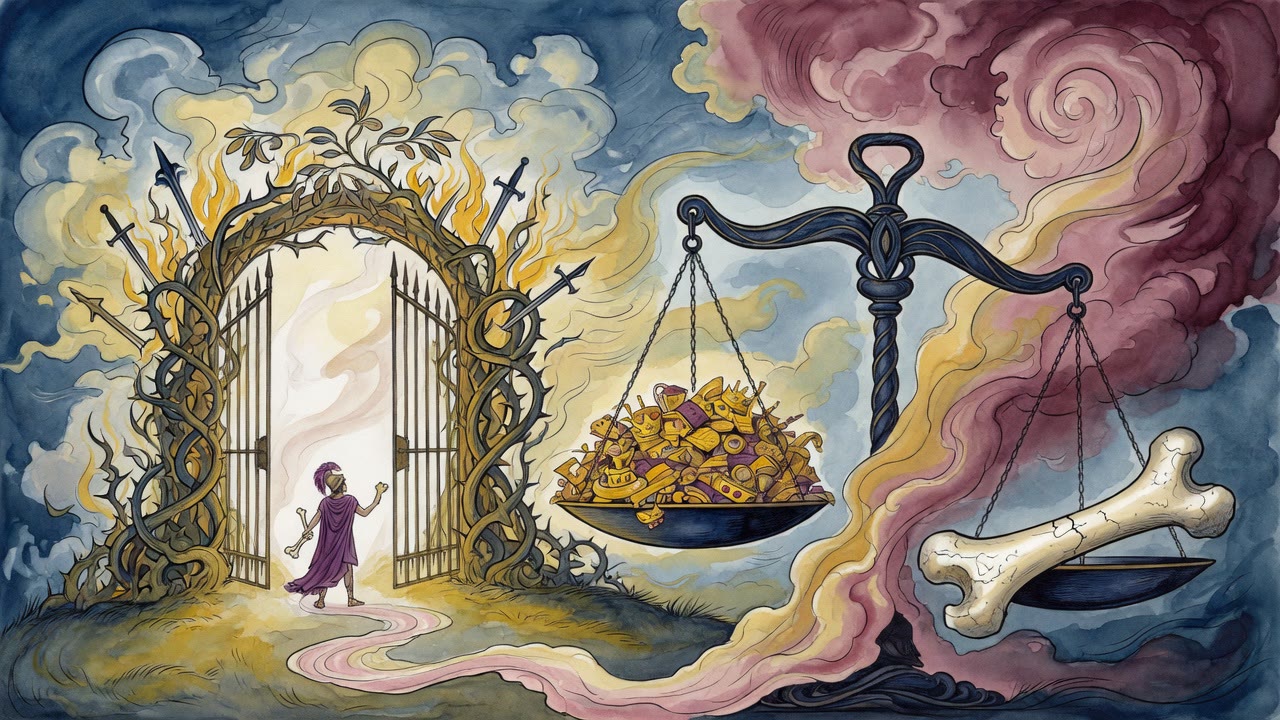
Tryphon asked for a hundred talents and Jonathan's two sons as hostages. Simon knew it was a lie. He paid, then buried his brother at Modi'in.
Table of Contents
 Click for full size
He Became Leader Before He Had Time to Grieve
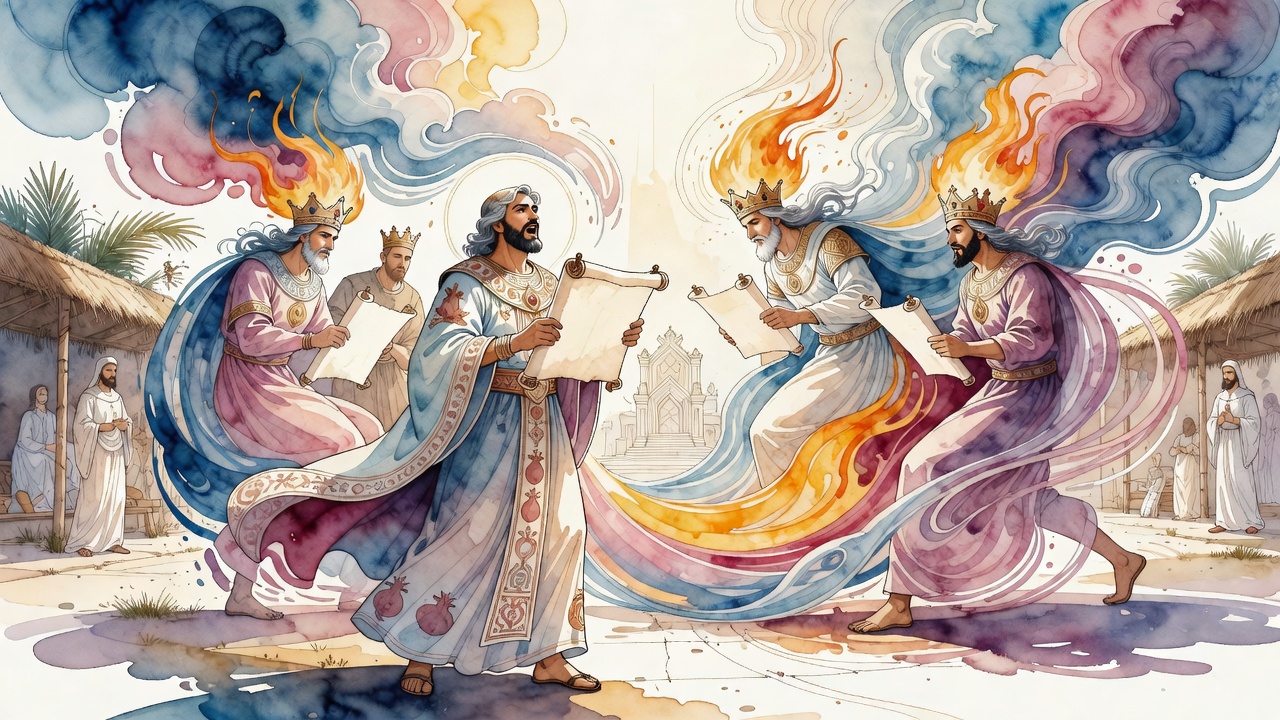
When Jonathan was captured by Tryphon, the people turned to Simon before anyone had a plan. He stood before them in Jerusalem and spoke: you know what I, my brothers, and my father's house have done for the laws and the sanctuary, and the wars and distresses which we have seen. By reason of this all my brethren are slain for Israel's sake, and I am left alone. Now therefore be it far from me that I should spare my own life in any time of trouble, for I am no better than my brethren.
The people's spirit revived. They answered that Simon would be their leader in place of Judas and Jonathan and their father. Then Simon gathered fighters and hurried to finish the walls of Jerusalem, because grief without fortification would not save anyone. He had become a leader before the mourning had any space to settle.
Tryphon Used Jonathan as a Weapon
Tryphon brought his army into Judea and sent messages to Simon. He was holding Jonathan, Tryphon said, because Jonathan owed money to the royal treasury for the offices he held. Send one hundred talents of silver and Jonathan's two sons as hostages and he would release him. Once released, Jonathan would be free to go.
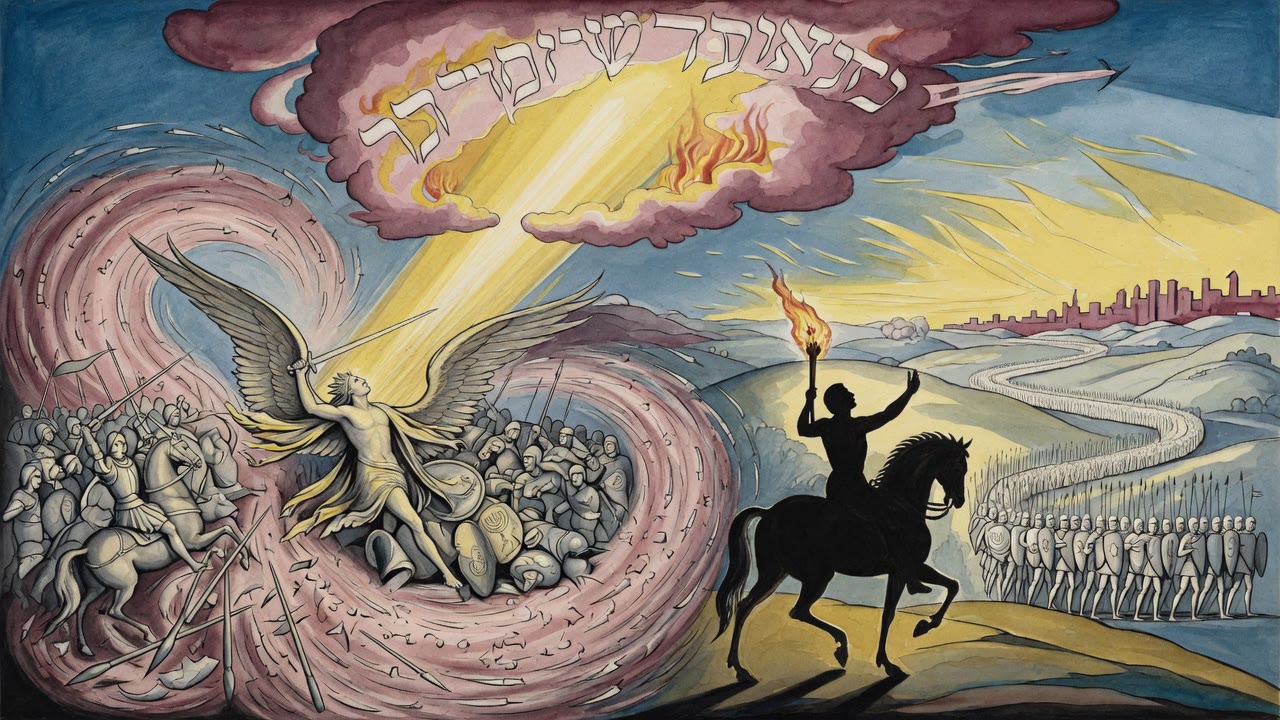
Simon understood exactly what was happening. He perceived that they spoke deceitfully to him. He knew that if he sent the money and the children, Tryphon would kill Jonathan anyway. But he also knew what the people would say if he did not try. They would say he had not sent the money and children, and Jonathan had died because Simon had counted the cost and refused. He sent the hundred talents. He sent the children. Jonathan was not released. Tryphon killed him near Bascama in the country beyond the Jordan and buried him there.
He Brought the Bones Home to Modi'in
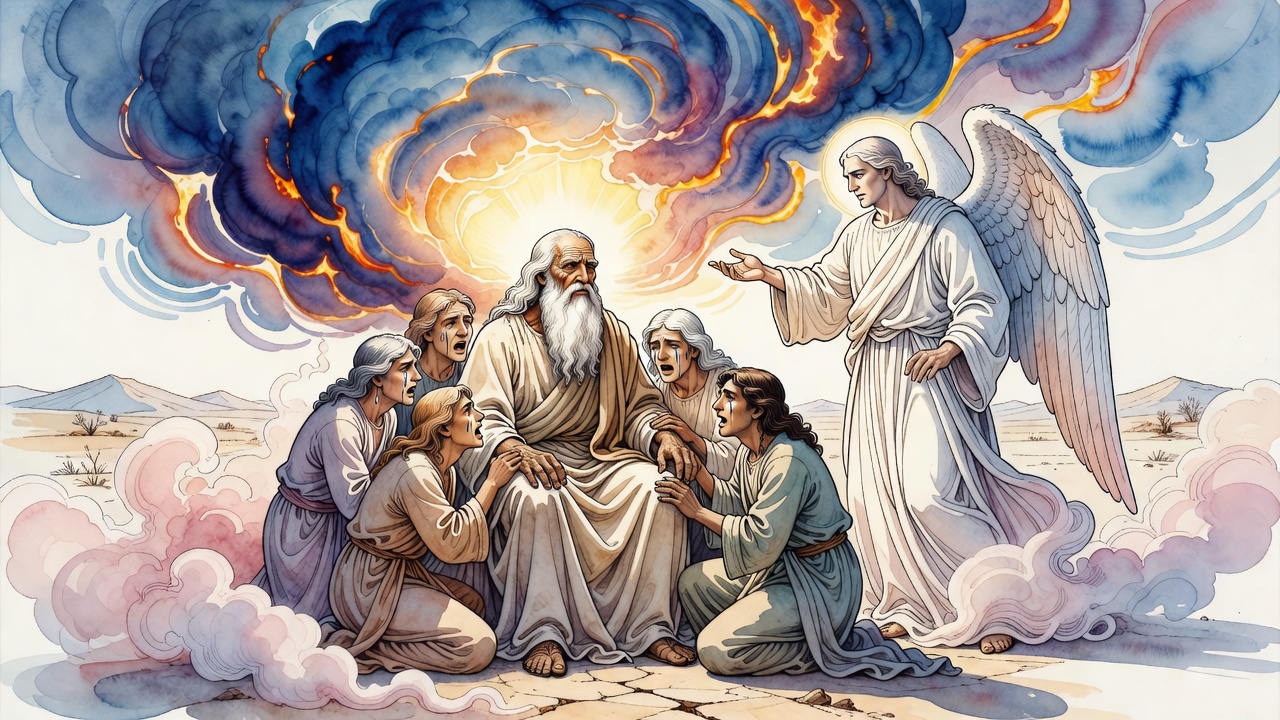
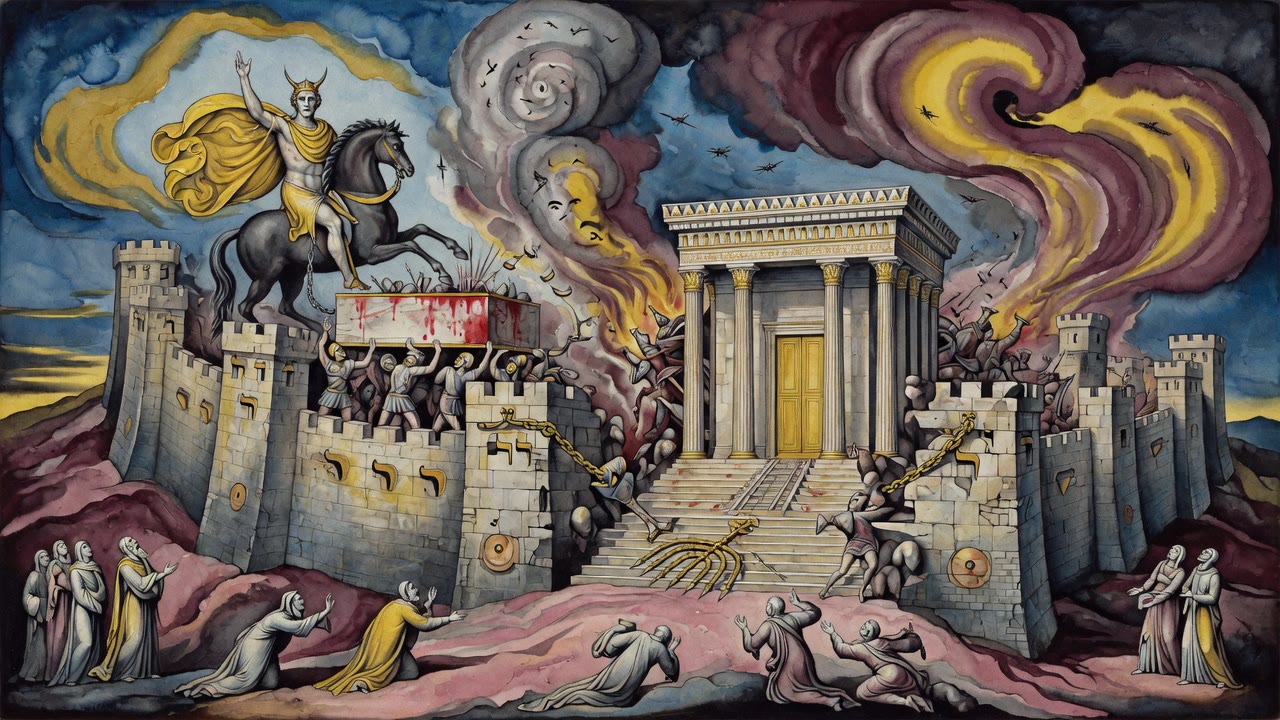
Simon went to Bascama and retrieved his brother's bones and brought them to Modi'in, the city of their fathers. All Israel mourned with great lamentation. Then Simon built a monument upon it at Modi'in, a great structure of hewn stone, with seven pyramids, one for each of their parents and brothers. He set up tall columns, and upon them put suits of armor for a lasting memorial, and beside the suits of armor engraved ships, so that those sailing the sea could see them. This was the sepulchre he made in Modi'in, and it stands to this day.
Demetrius Wrote the Letter That Changed Everything
After Tryphon killed Jonathan and made himself king, Simon sent to Demetrius the king to confirm the immunities which he had granted to the Jewish people. Demetrius answered with a letter: King Demetrius unto Simon the high priest and friend of kings, and unto the elders and nation of the Jews, greeting. We have received the golden crown and the palm which you sent us. We are ready to make a firm peace with you. Write unto us concerning what you would have us to do, and we will do it. Whatsoever covenants we have made with you shall stand. The strongholds which you have built shall be your own. As for any oversights and offences committed unto this day, we forgive them, and the crown tax which you owe us, and whatsoever other tribute was collected in Jerusalem, shall be collected no more from this time forth.
For the children of Israel, the words of that letter were the first breath of a freedom that had been fought for since Mattathias stood in Modi'in and refused to sacrifice. The land was free of the yoke of the heathen from the year one hundred and seventy. The people began to write in their instruments and contracts: in the first year of Simon the great high priest and captain and leader of the Jews.
← All myths