21 myths
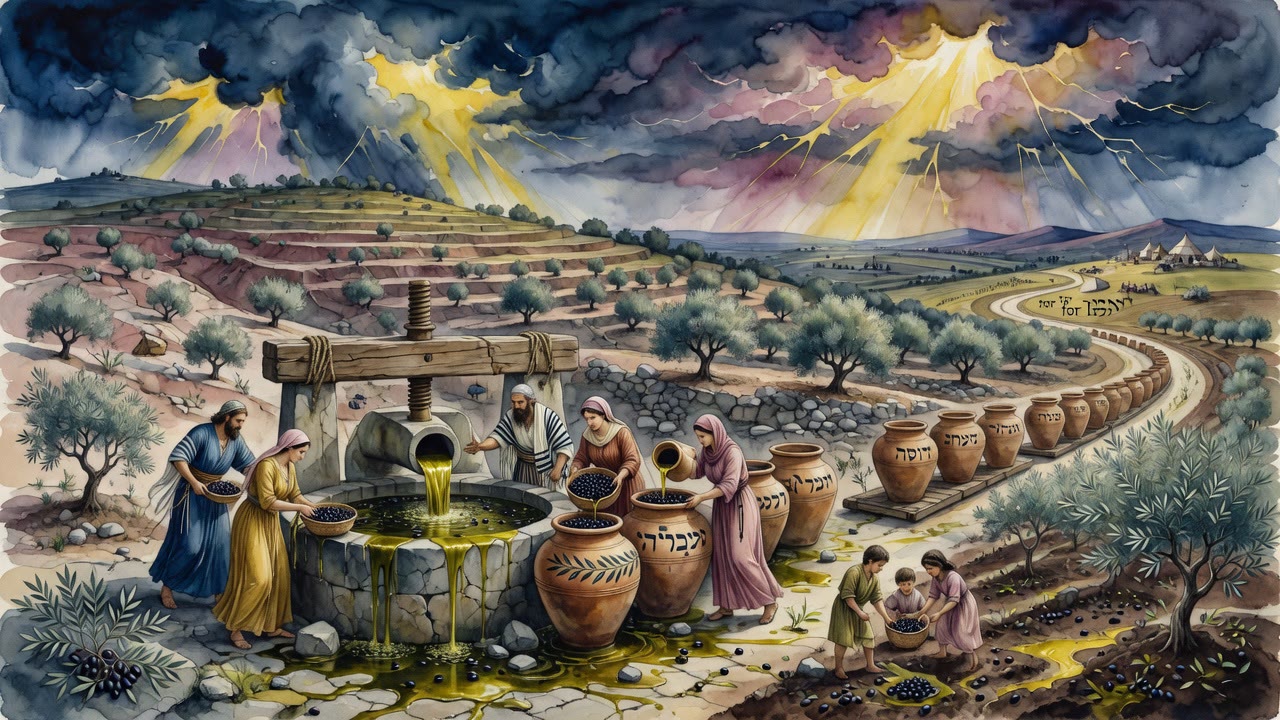
The fields lay fallow and the storehouses thinned, but in Asher's hills the oil still ran in streams, and a nation came to eat.
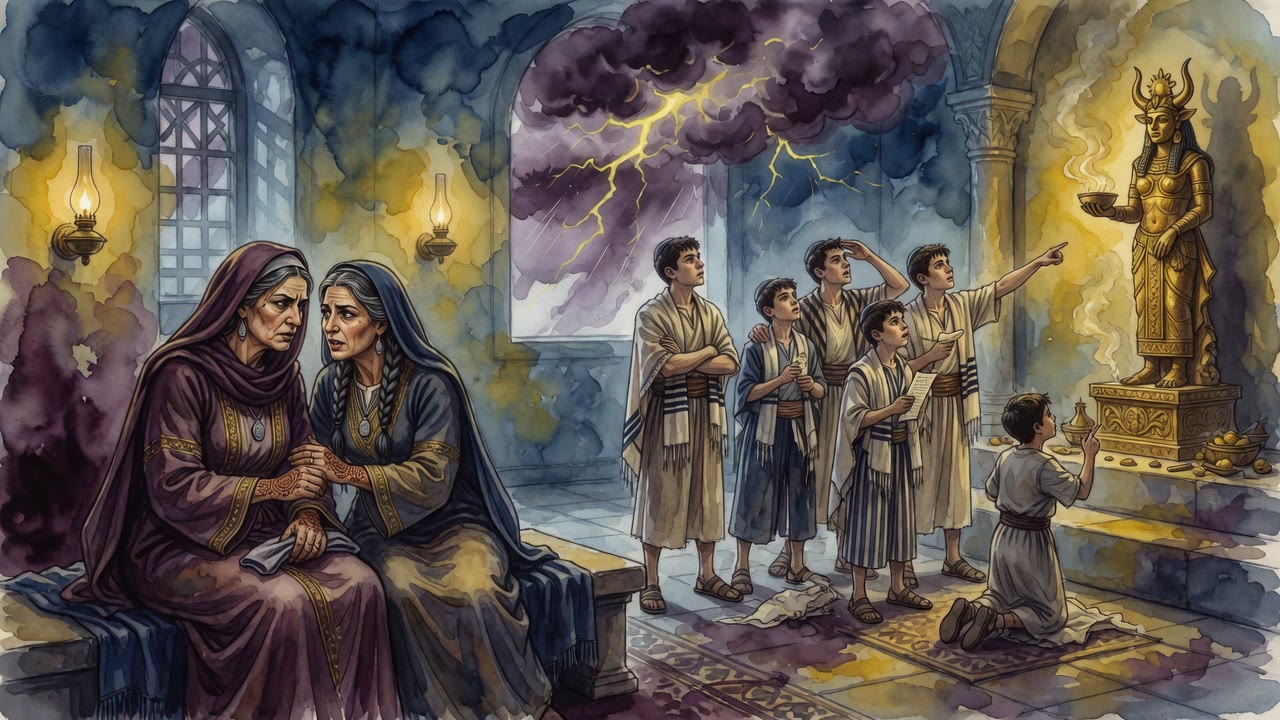
A tyrant killed seven sons one by one for refusing an idol. Their mother answered Abraham with seven altars before heaven replied.
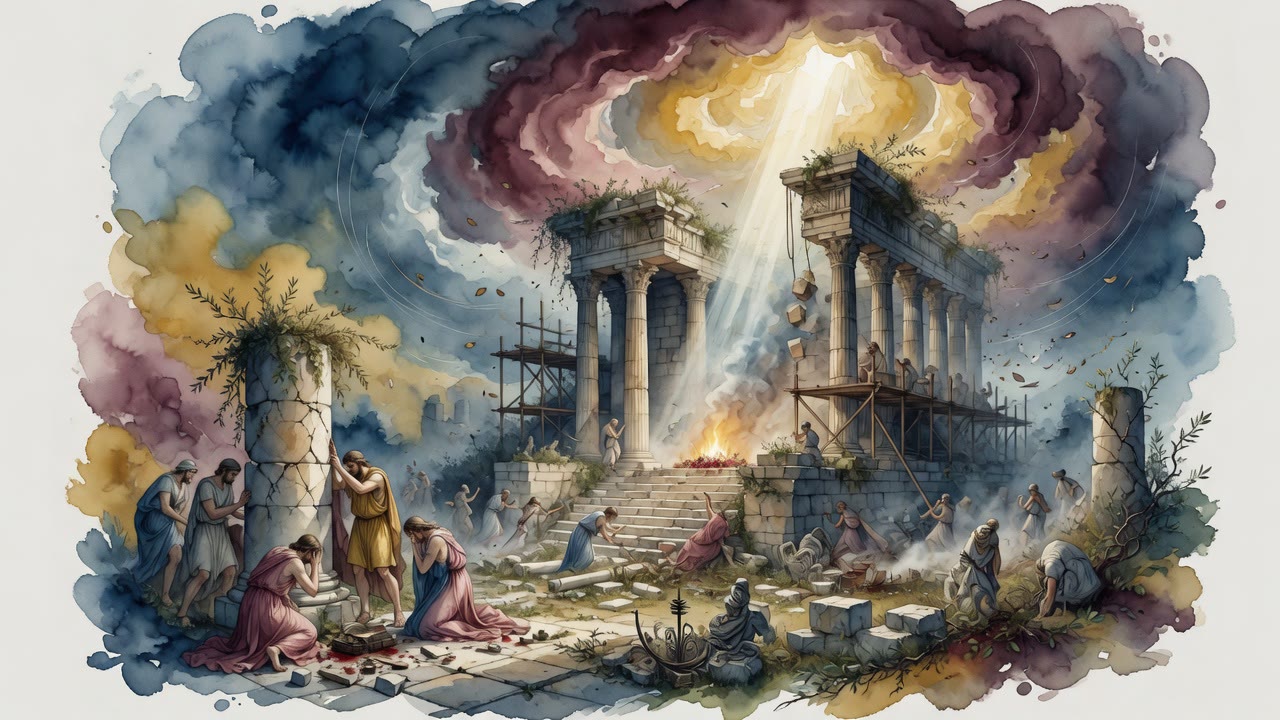
Judah's men had won in the hills. In the Temple courts they found shrubs and a burned altar. One sealed flask of oil had to last eight nights.
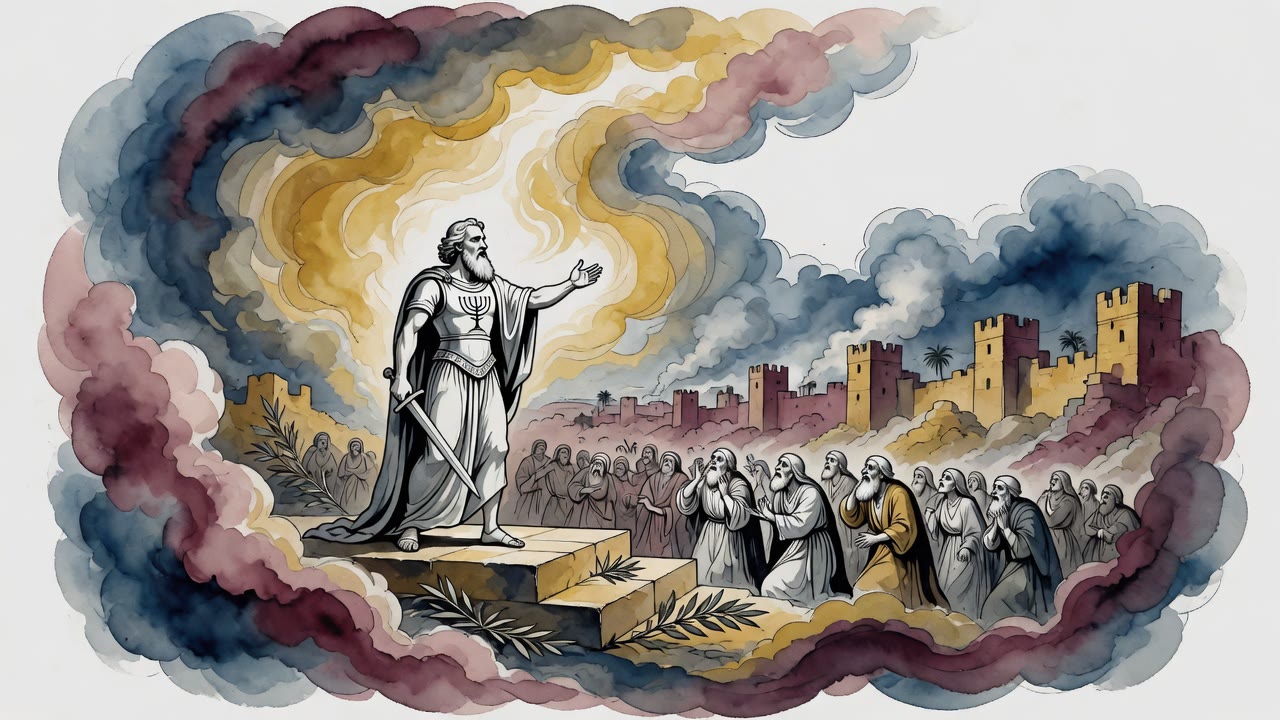
Simon was the last Maccabee brother standing. He stood before a terrified assembly and said he knew he was no better than the ones already dead.
Judah Maccabee defeated four Seleucid generals in sequence, each time outnumbered. After the first battle he took Apollonius's sword and never put it down.
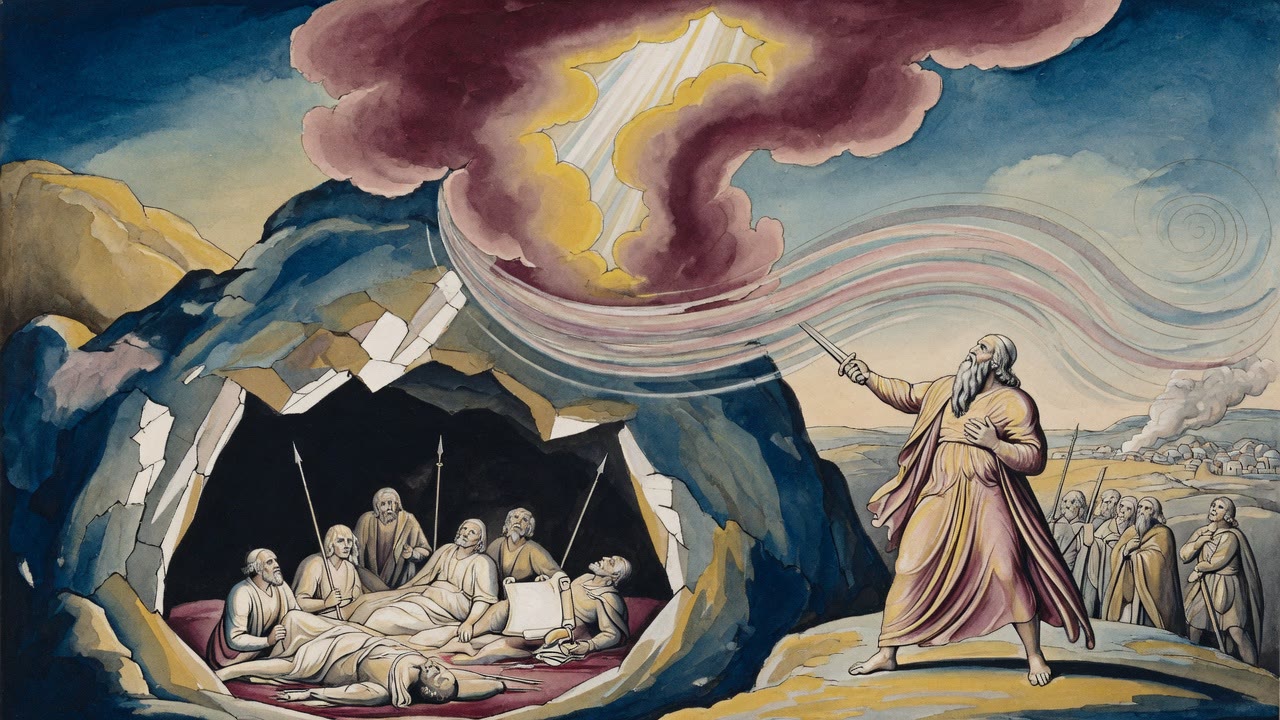
They would not throw a stone or block the cave mouth. On Shabbat the soldiers walked in and killed the men, the women, the children, and the cattle.
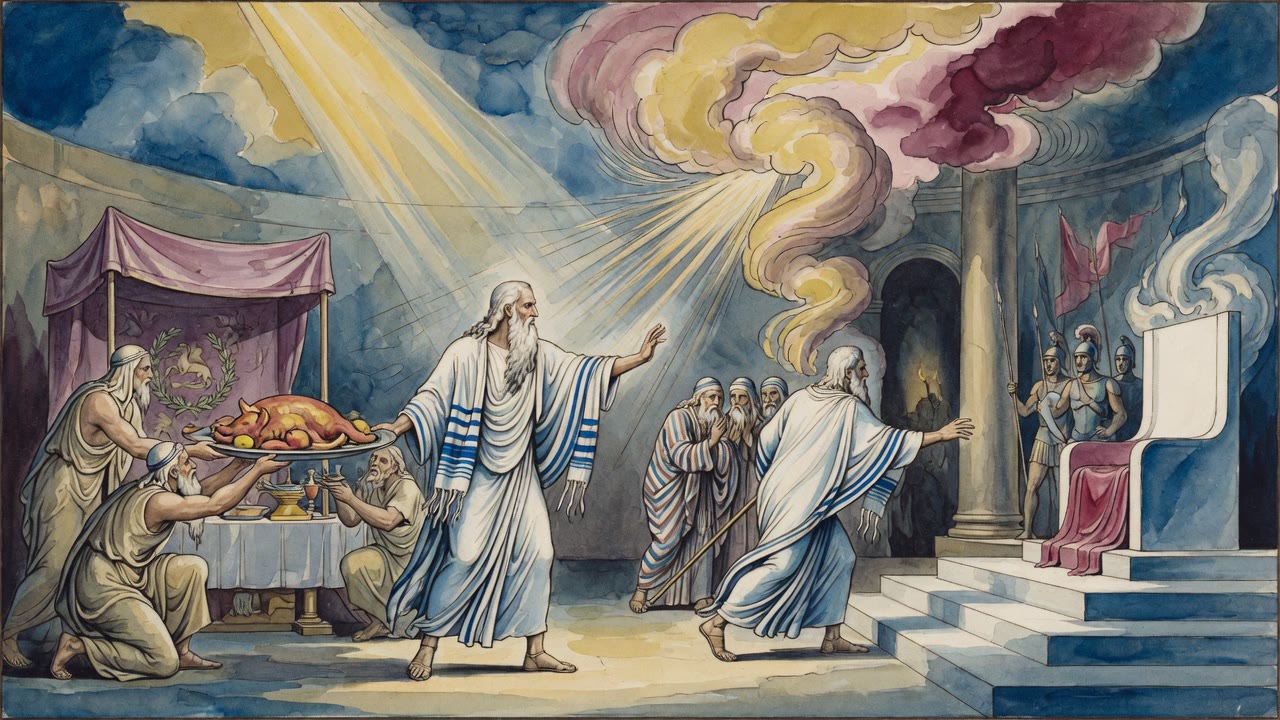
The officers offered Eleazar a way out. Bring your own food, they said, and only pretend to eat what the king requires. He was ninety, and he said no.
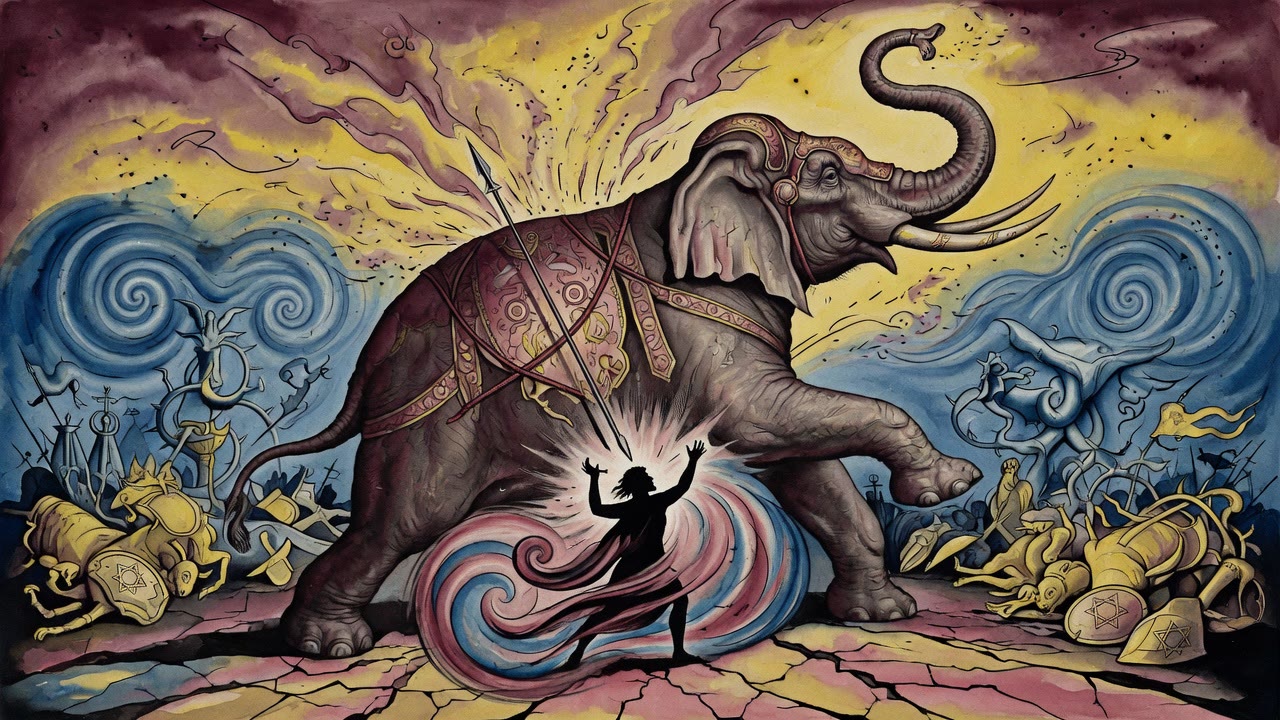
The tallest elephant on the field wore royal armor. Eleazar cut his way under it to kill the king. The king was somewhere else.
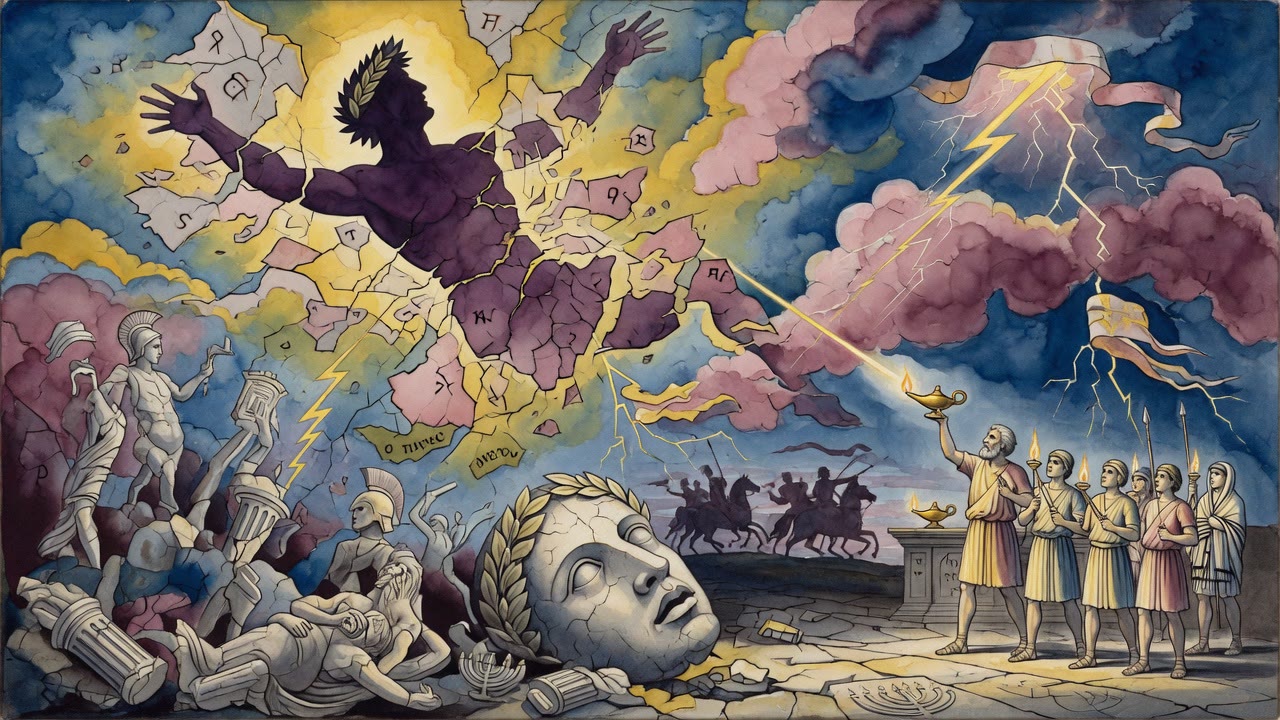
Judah was already in the ground. Jonathan was gone. Simon put his shoulder under what was left of the house of Mattathias and did not step back.
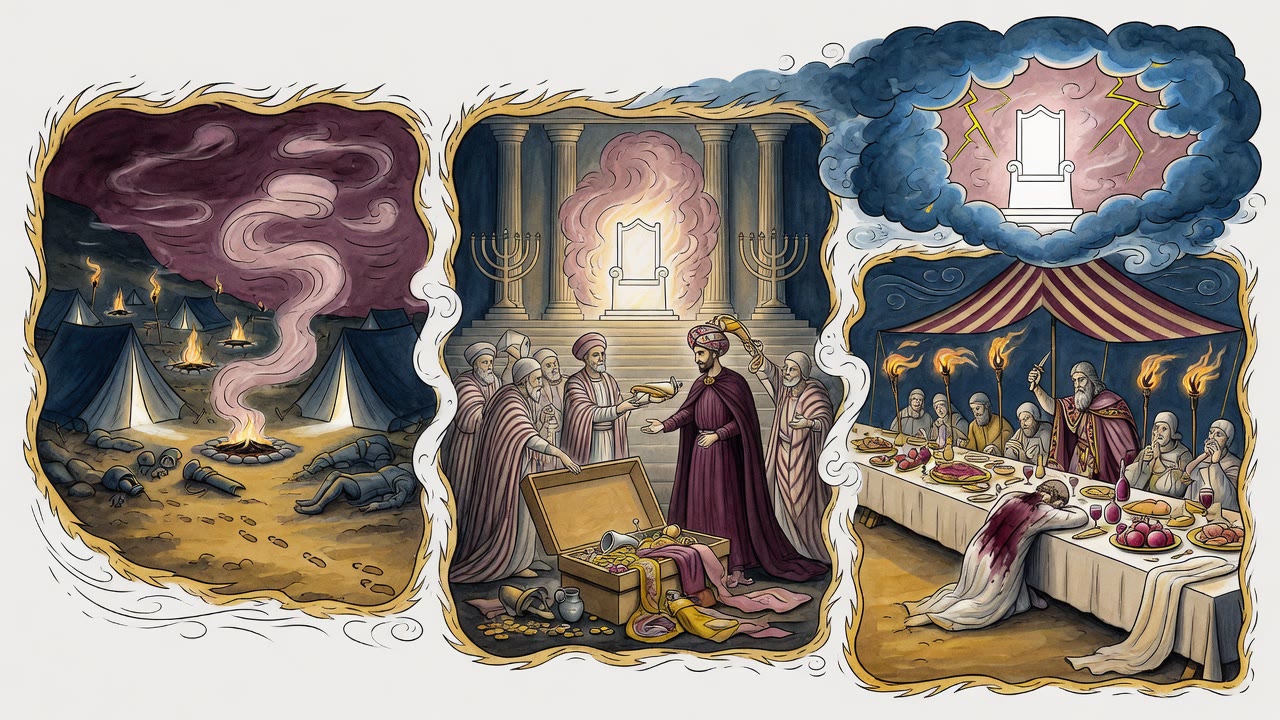
Ptolemy had married Simon's daughter and held the plain of Jericho. He invited his father-in-law to dinner and put armed men in the inner room.
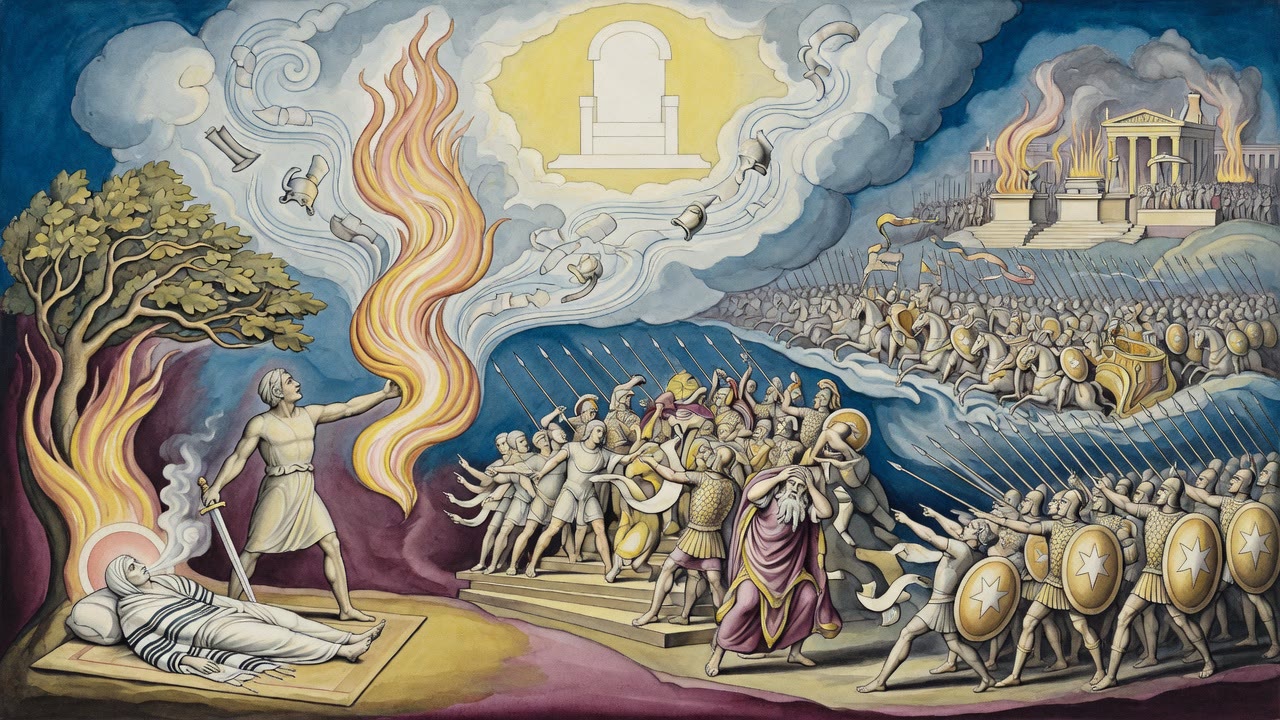
Mattathias dies and Judas rises, and the Seleucid court sends larger and larger armies as the revolt refuses to be finished.
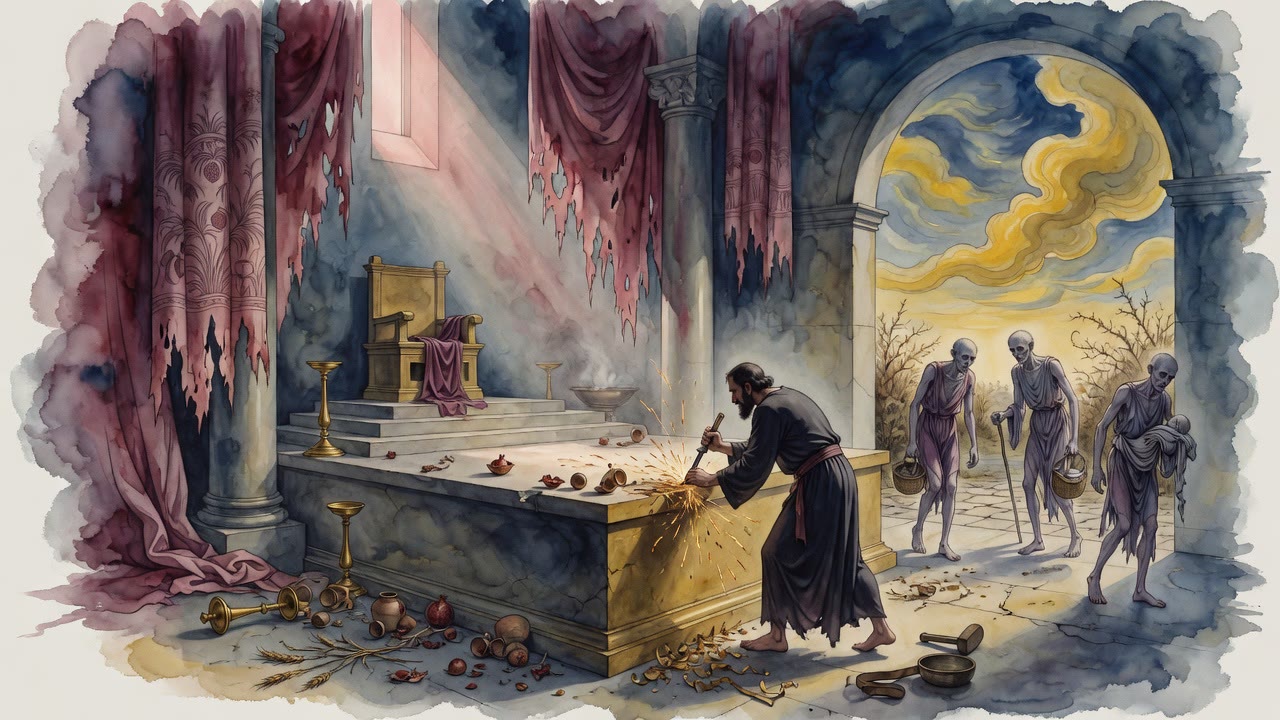
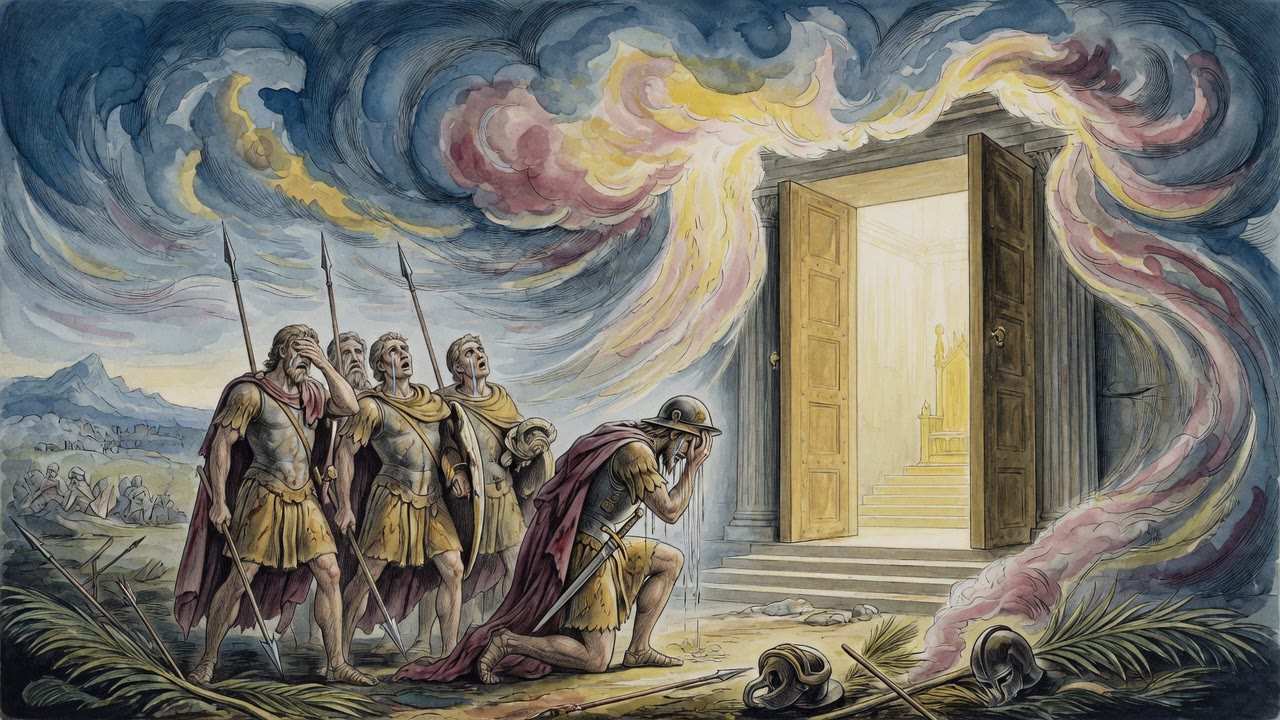
The last men inside the sanctuary did not leave because courage failed. They left because famine won. Then Simon stepped forward and carved his name in brass.
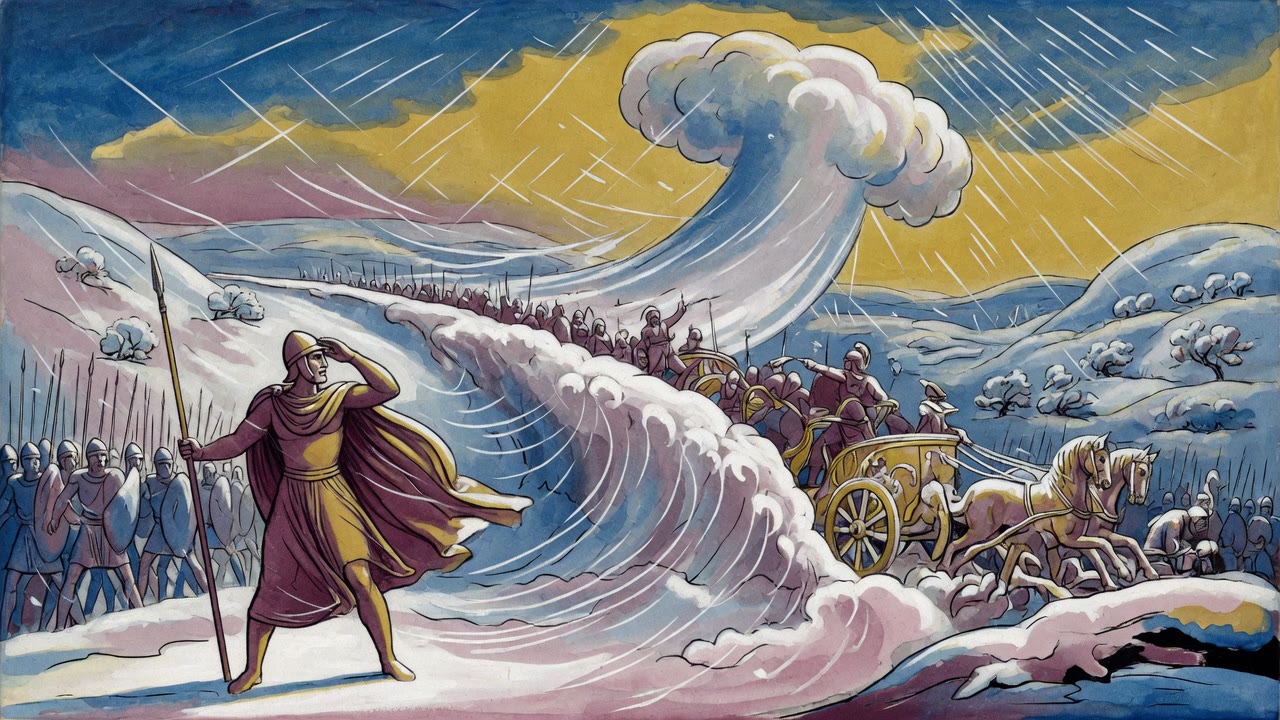
Jonathan was still alive in Tryphon's camp when the price arrived. Simon paid anyway. Snow, not swords, shut the last road to Jerusalem.
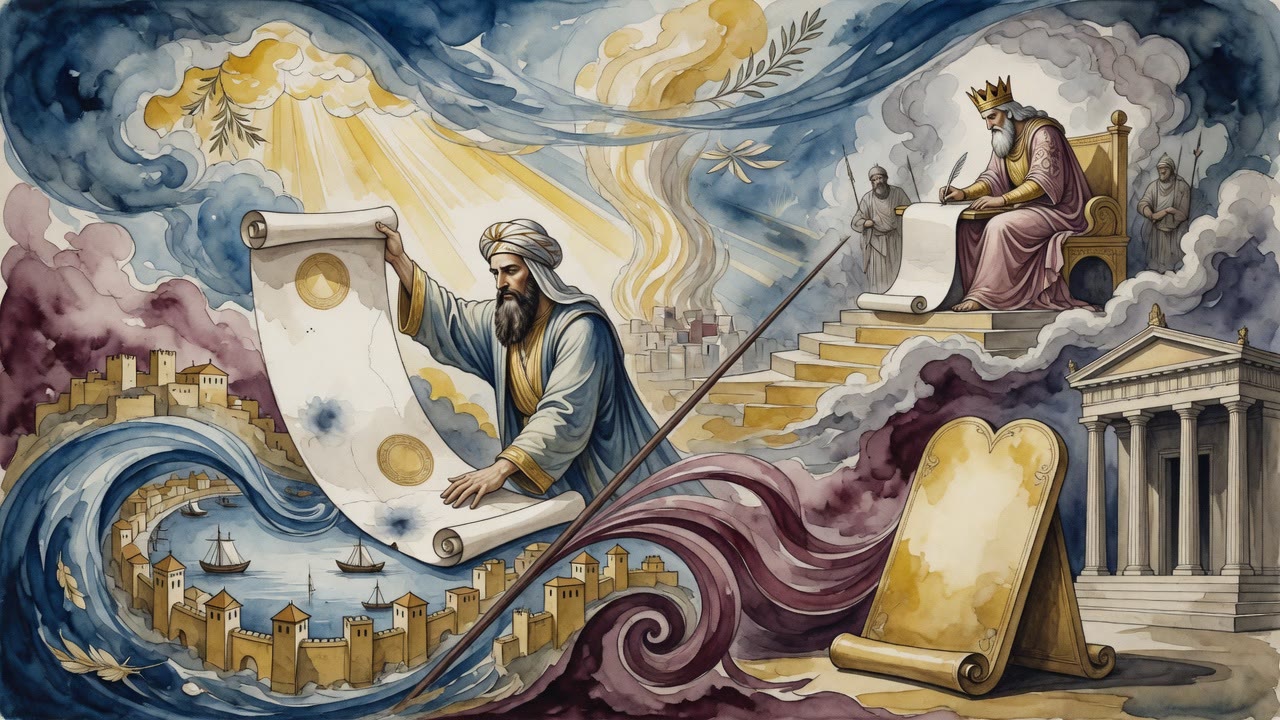
A Seleucid king signed the tribute away in purple. Simon still had to take Joppa and Gazera before that paper meant a thing on the ground.
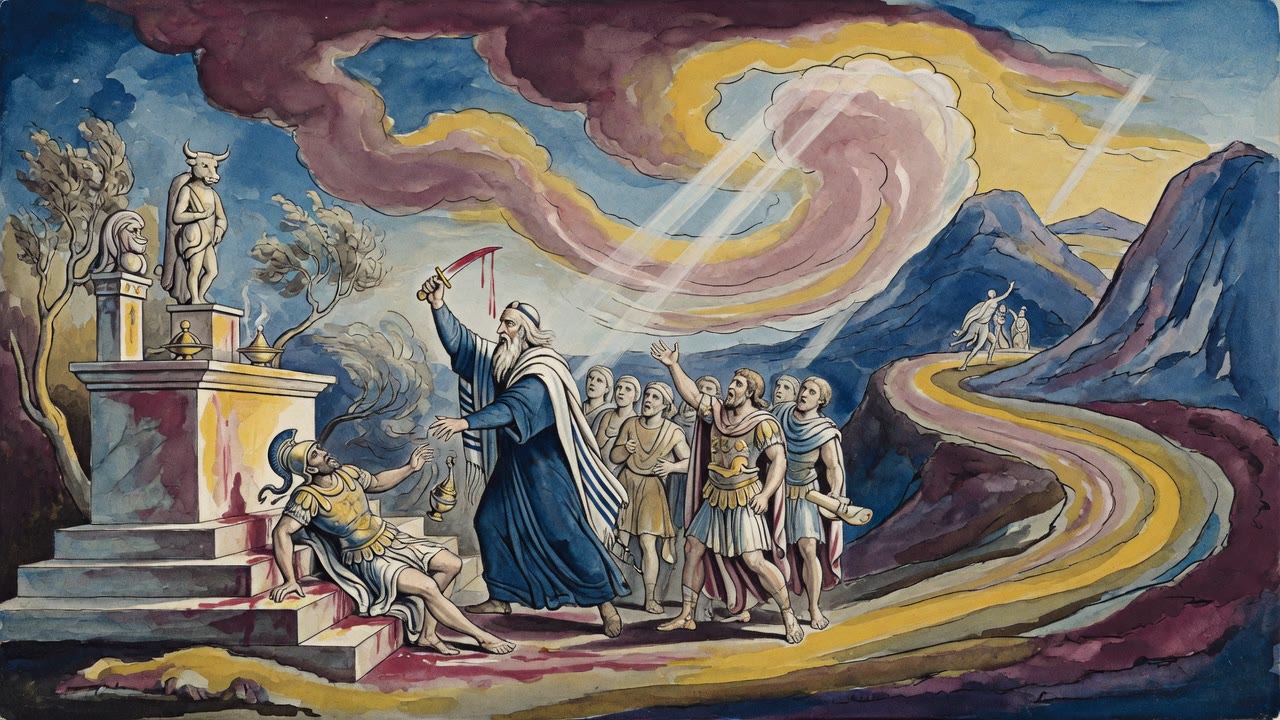
The king's officers praised Mattathias and offered his family safety. He refused, struck down the man who stepped forward to comply, and fled into the hills.
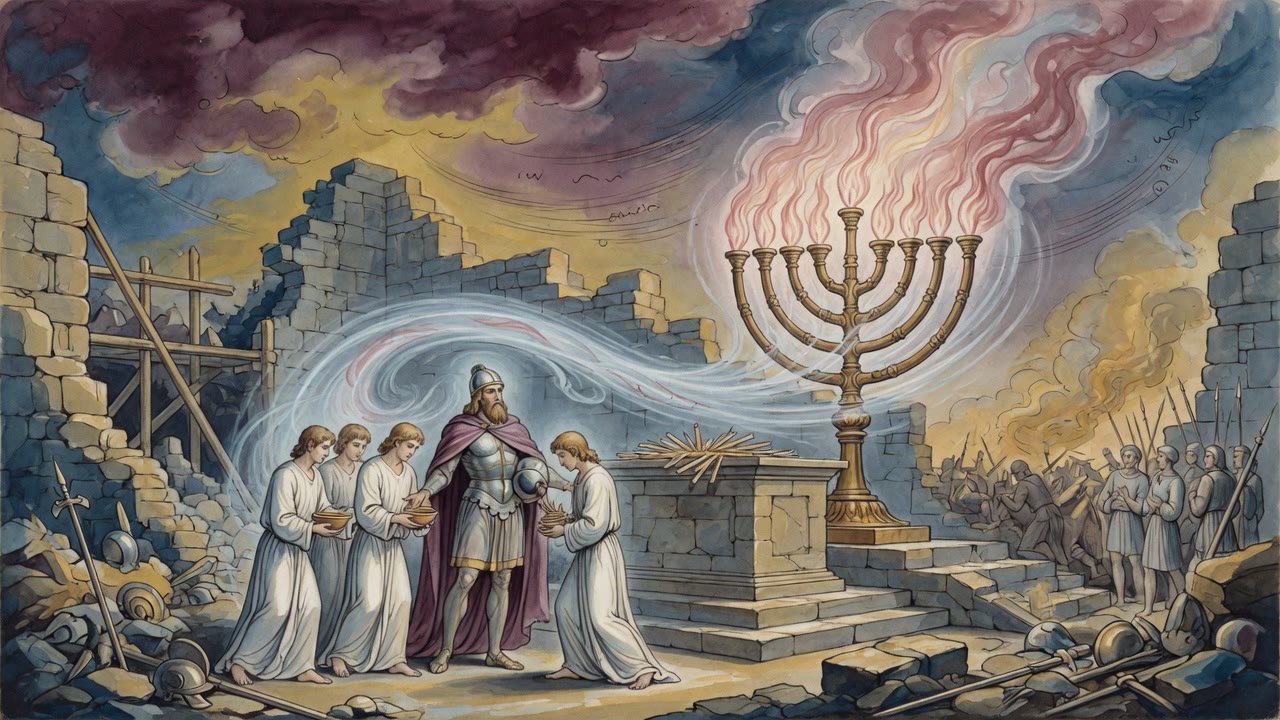
Gorgias still held the mountain. Judas told his men to leave the silver in the tents and keep ranks until the last horseman was gone.
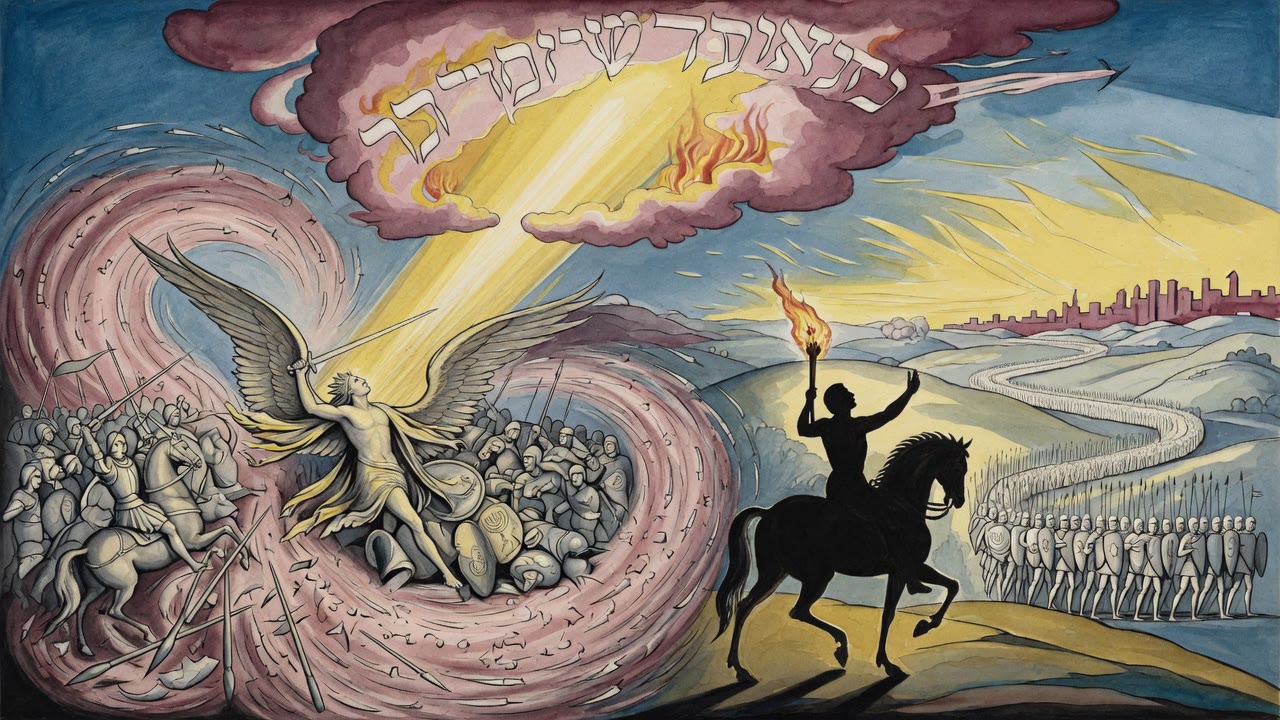
Letters arrived while other letters were still being read. Simon took Galilee with three thousand. Judas turned east and walked all night toward Bosora.
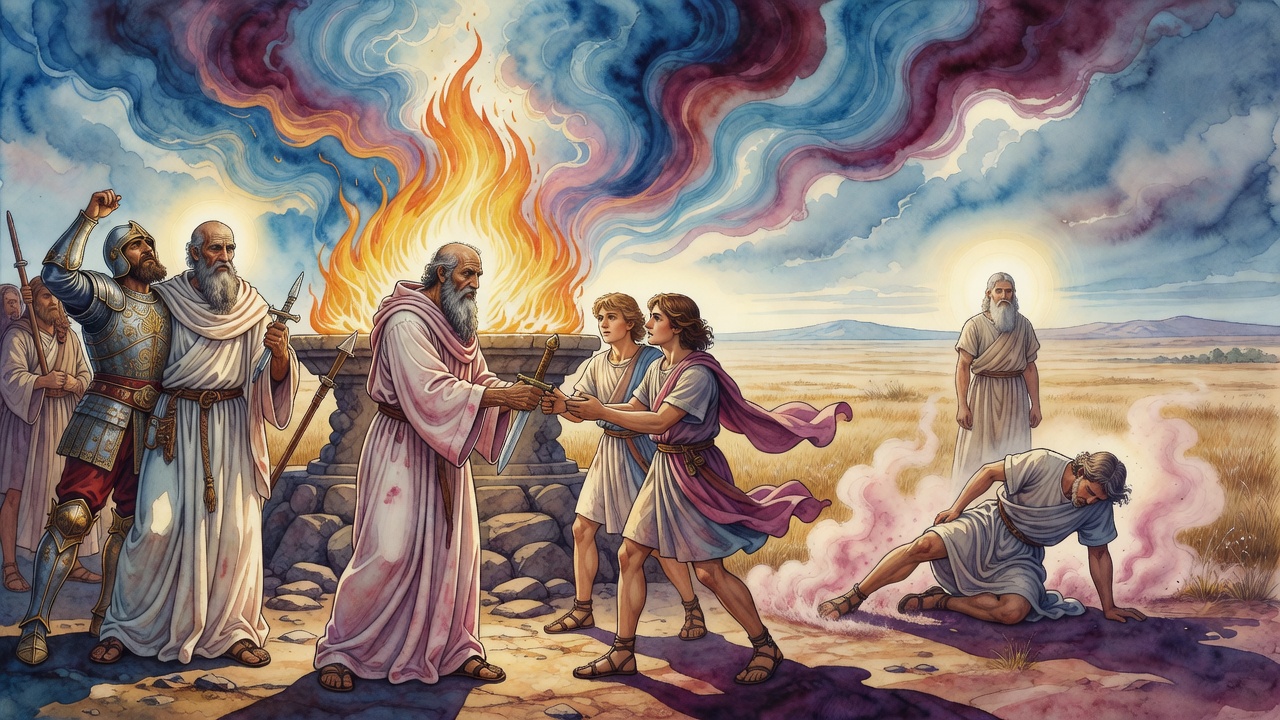
An old priest strikes the king's officer at Modin and hands his sons a war no army can win, and one son frees Judea only to fall on a deserted field.
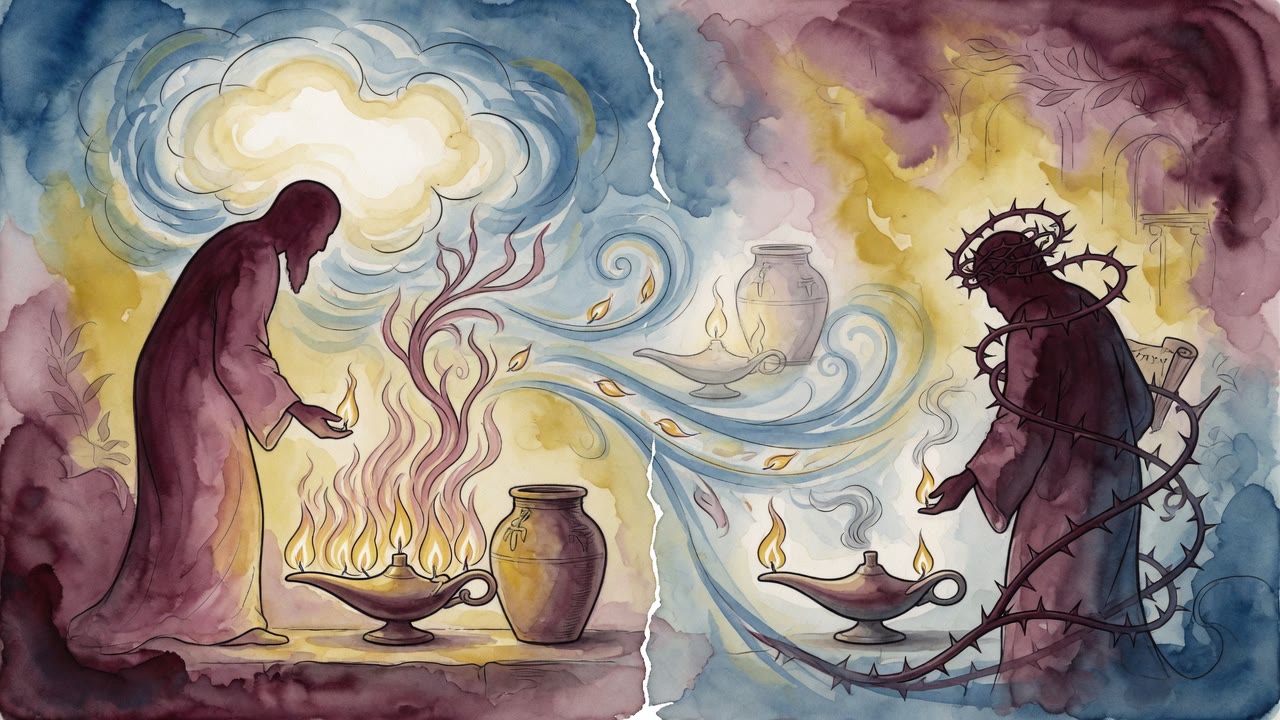
Nathan told David his hands had spilled too much blood to build the House. Better the anger fall on stone and cedar than on people, God said.
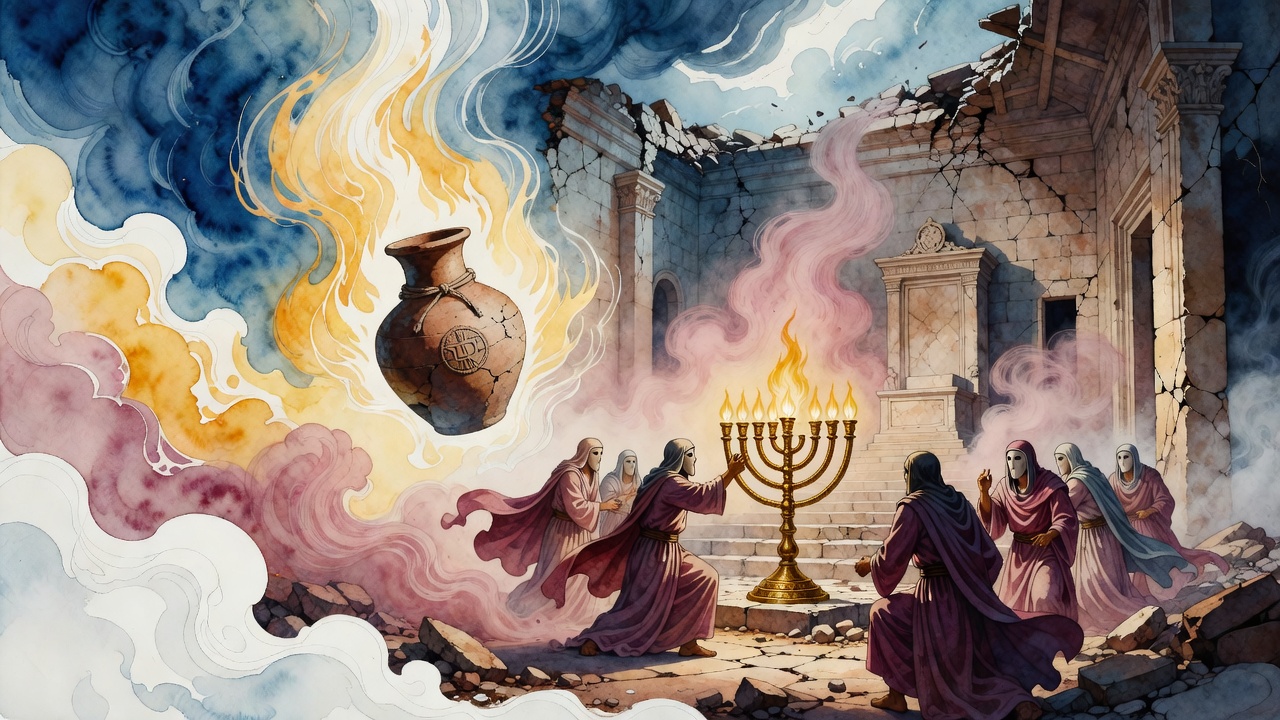
Hasmonean searchers find one stamped jar of pure oil in a wrecked sanctuary, light the Menorah (the lampstand) anyway, and watch one day of fuel hold for eight.
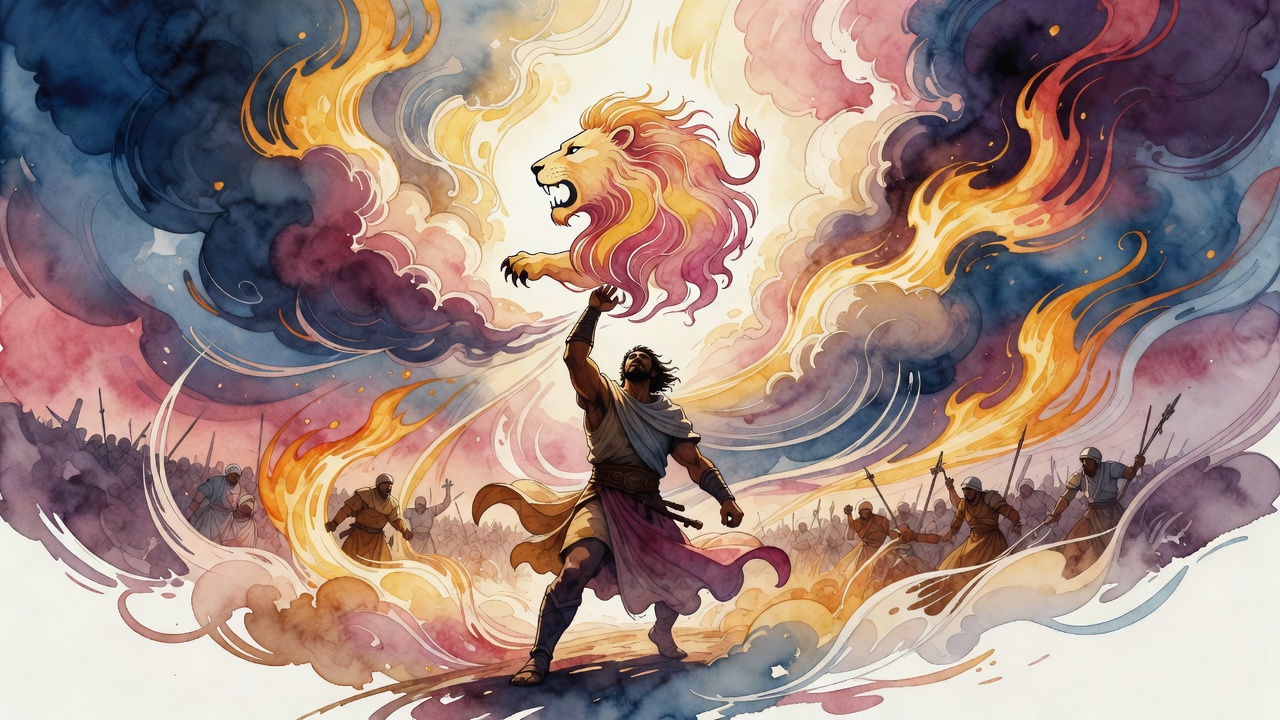
After a nephew dies for an idol offering, Matithyah chooses war. Yehudah carries the lion blessing into battle, and heaven hands the captains over.
