The Shabbat Cave That Forced the Maccabees to Fight
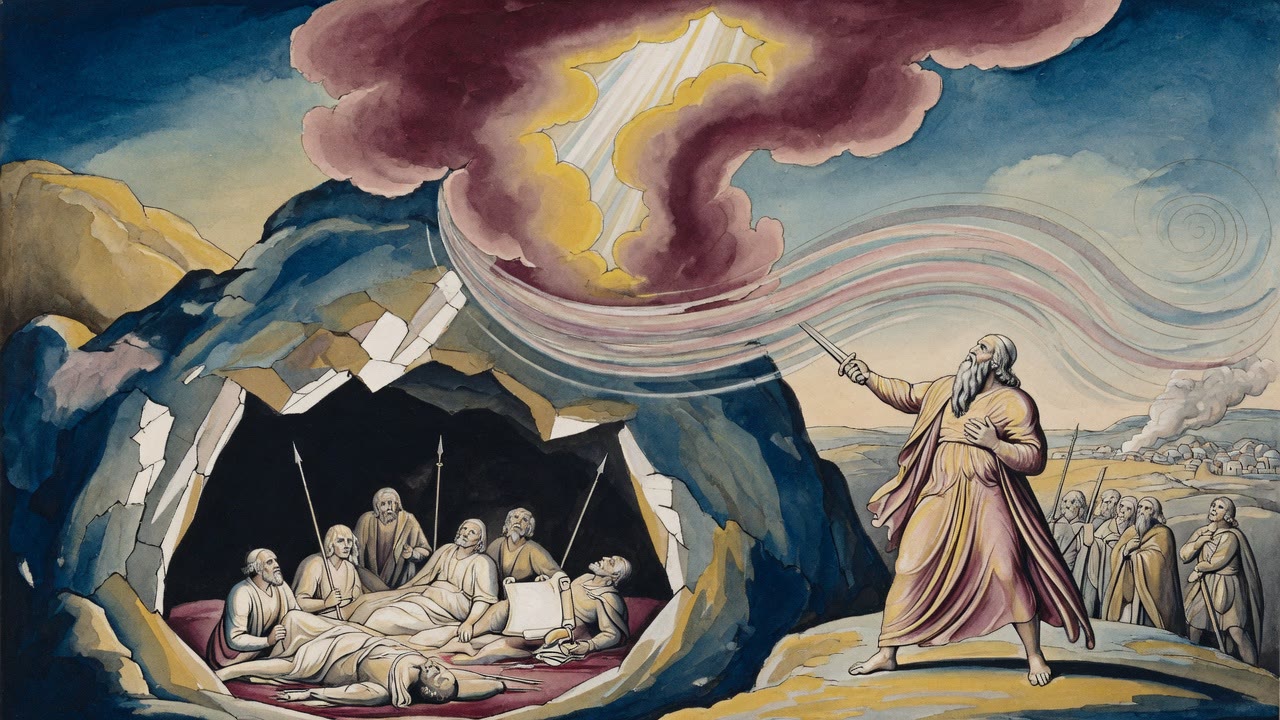
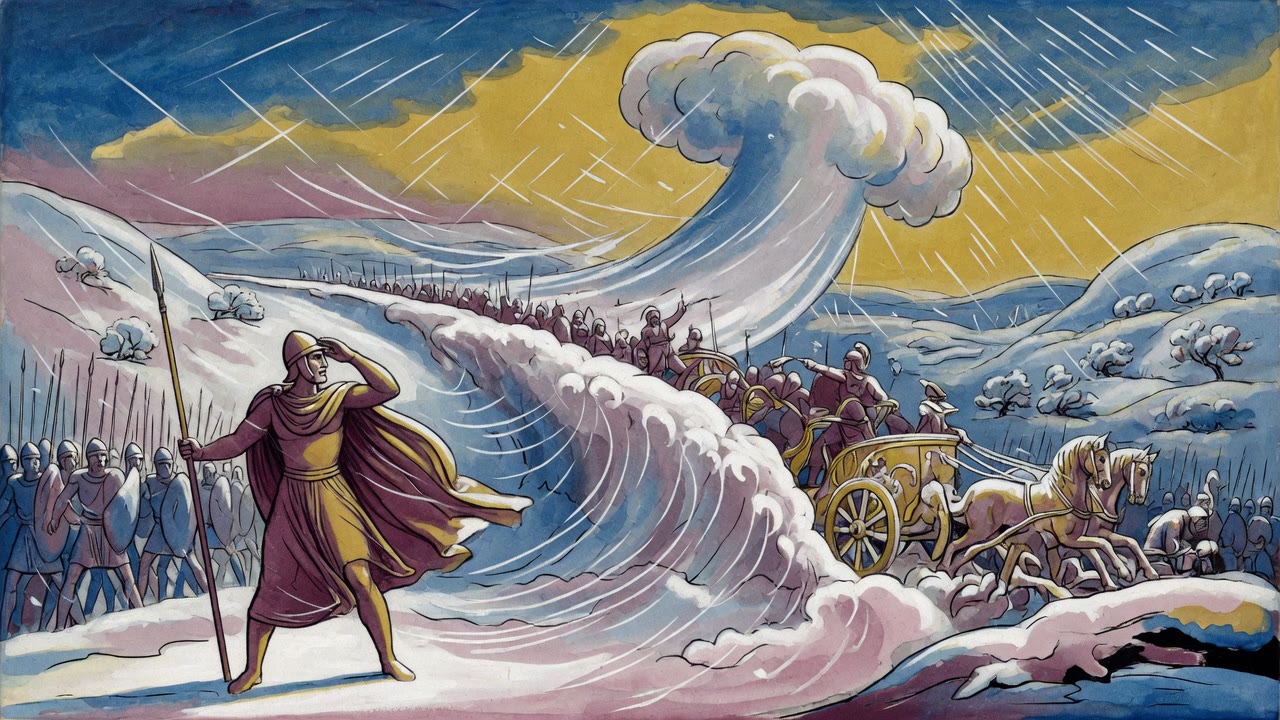
They would not throw a stone or block the cave mouth. On Shabbat the soldiers walked in and killed the men, the women, the children, and the cattle.
Table of Contents
The soldiers found them on Shabbat. They surrounded the cave and called surrender. Come out. Do the king's commandment. You shall live.
 Click for full size
The people inside would not come forth. They would not throw a stone. They would not block the mouth of the cave. They said, "Let us all die innocent. Heaven and earth will testify that you kill us wrongly."
Do According to the King and Live
Faithful Jews had fled into the wilderness rather than submit to Antiochus's decrees. They hid in caves to keep Torah, not to make a fortress. The cave was a room for the day of rest. Children sat against stone. Animals shifted in the dark.
The Seleucid soldiers had learned the calendar. They came on the day when these people would not fight. "Let that which you have done until now suffice," they called. Renounce. Obey. Live.
Inside, someone said no. Renounce meant become someone else. They answered that they would not profane the Sabbath day.
Eat Our Bread, Drink Our Wine
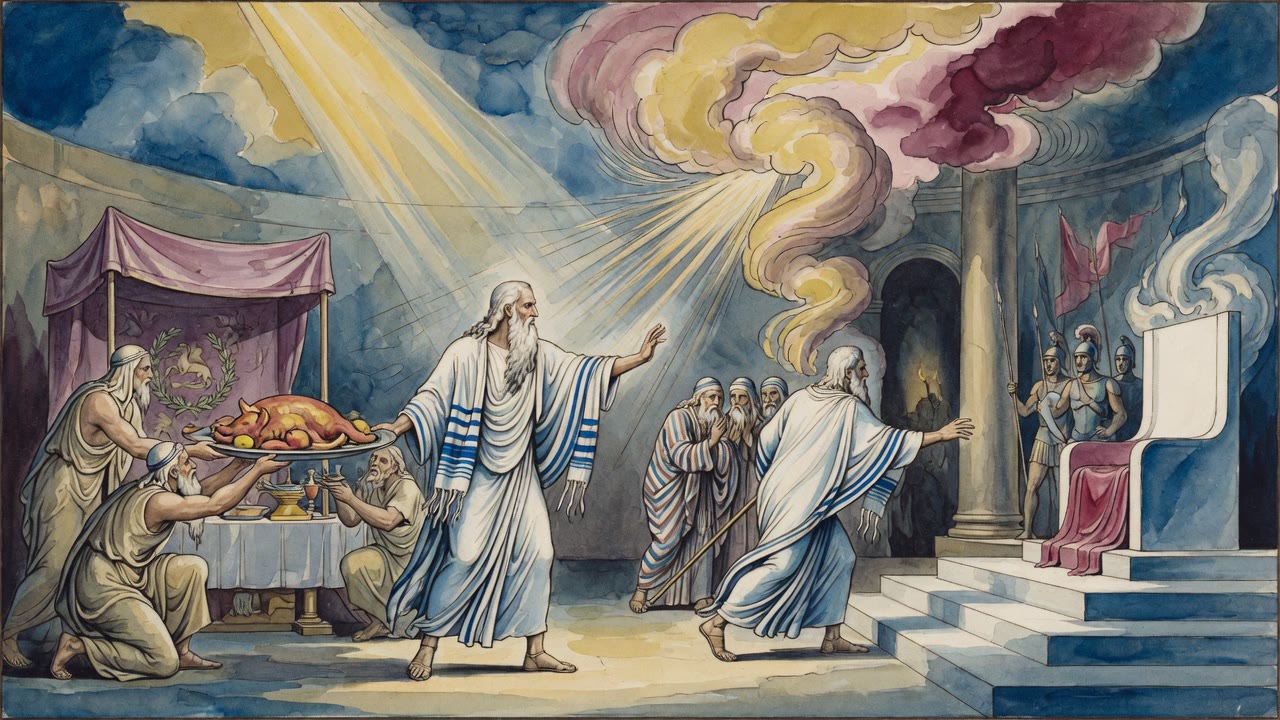
Bagris, a general under Antiochus, had sent the men. They offered food and drink from outside. "Jews, come forth. Eat with us of our bread, and drink with us of our wine, and do even as we do."
The people in the dark spoke to one another. They remembered Sinai. Six days shall you labor, and on the seventh you shall rest. "It were better to die in this cave than to profane the Sabbath day."
The offer was not a meal. It was a test of who they still were. They refused. No one lifted a weapon. No one rolled a stone into the gap.
Wood at the Mouth
Bagris's men piled wood at the entrance and set it ablaze. Soldiers also went in. They slew men, women, children, and cattle. About a thousand died in that sealed dark. Smoke filled the place they had chosen for rest. No stone flew. No mouth of the cave was blocked.
The hunt had been timed to a commandment. Shabbat, which was supposed to lift a people out of the week's violence, had been turned into the hour of their killing.
Mattathias Heard and Mourned
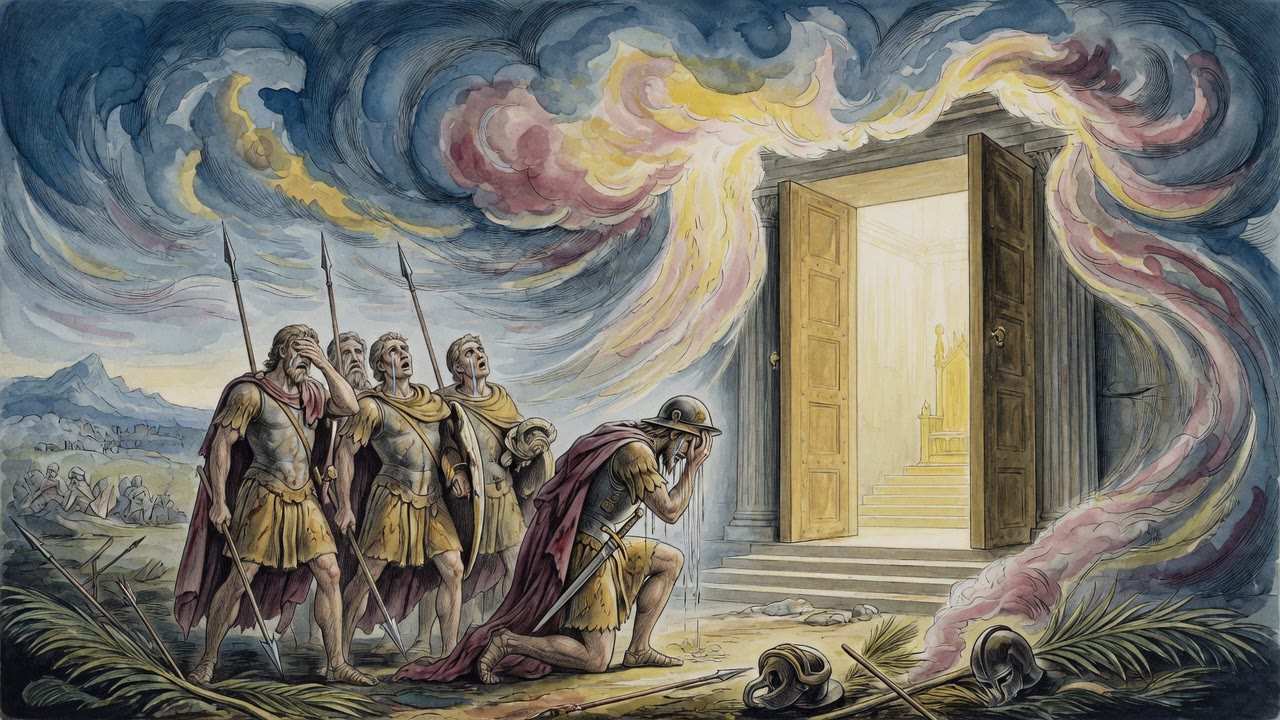
When Mattathias and his companions understood, they mourned for them right sore. Grief sat in the camp like a second enemy. Then one of them spoke the thing no one wanted to say.
"If we all do as our brethren have done, and fight not for our lives and laws, they will now quickly root us out of the earth."
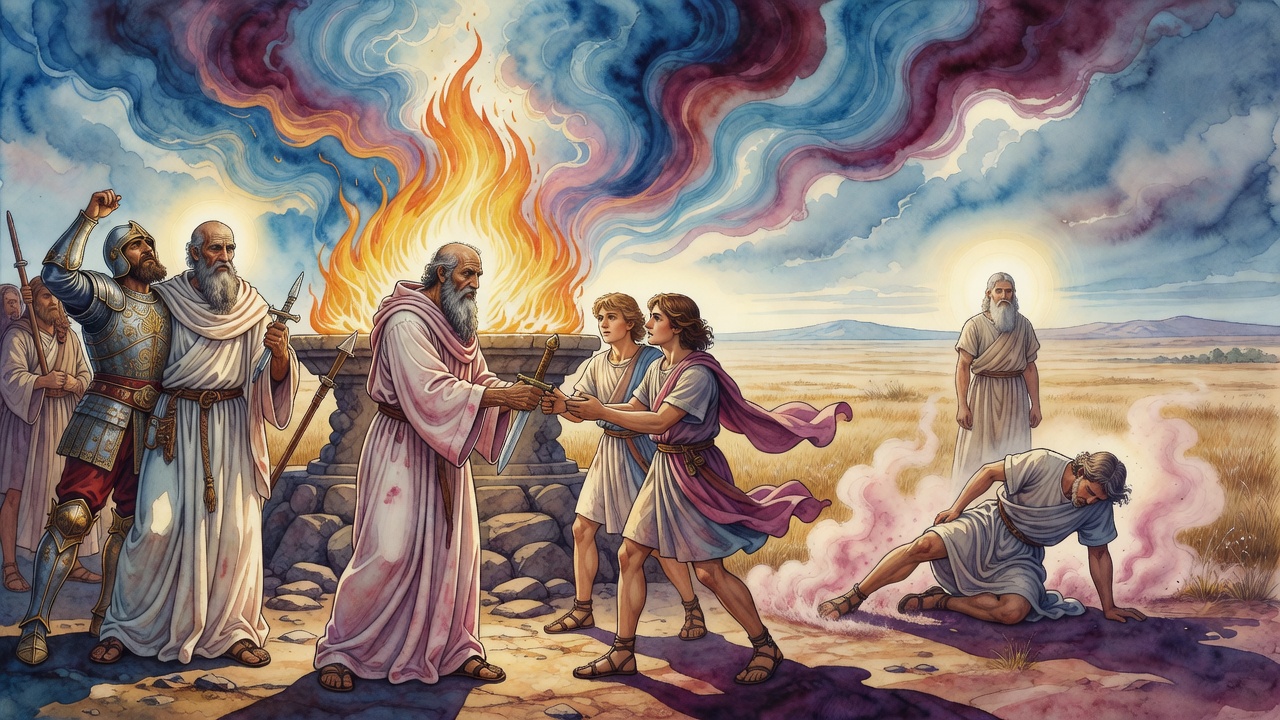
Mattathias did not throw Shabbat away. He named what the day was for. The rest was given so Israel could live. If they all died in caves on the seventh day, there would be no one left to keep the eighth. They decreed: whoever comes to make battle with us on the Sabbath day, we will fight against him. We will not die all, as our brethren that were murdered in the secret places.
They Came Out of Hiding
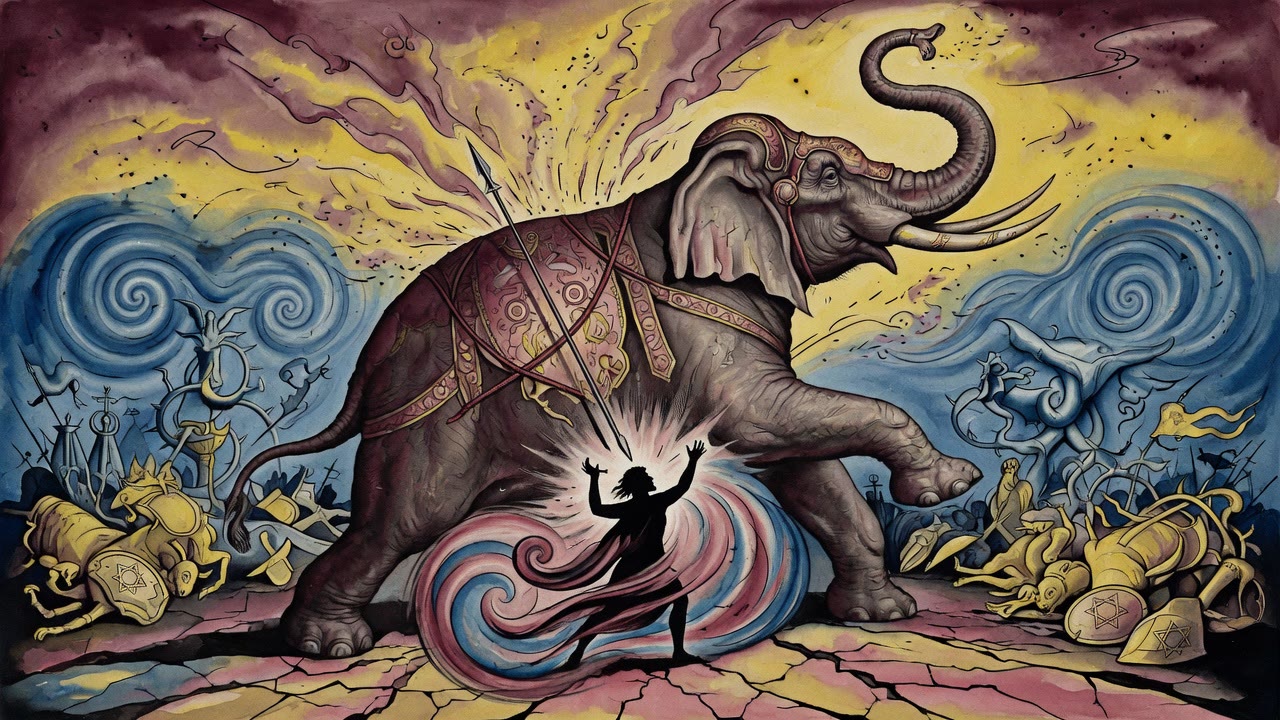
After that decision, many joined him. The cave had frightened people into holes. The ruling brought them out. Yochanan and his brothers met the enemy and drove them toward the far islands of the sea, trusting the God of Heaven while they used the swords in their hands.
Bagris escaped that first blow. He would be back. The people who had watched a cave become a grave now fought on the day they still kept, because staying alive had become the way to keep it again next week.
Mattathias's mouth had changed the war. The dead in the cave still had not thrown a stone. The living would not repeat that innocence as a method.
← All myths