When the Maccabees Learned Empires Do Not Last
Judah was already in the ground. Jonathan was gone. Simon put his shoulder under what was left of the house of Mattathias and did not step back.
Table of Contents
 Click for full size
The Armor That Did Not Fit the Heirs
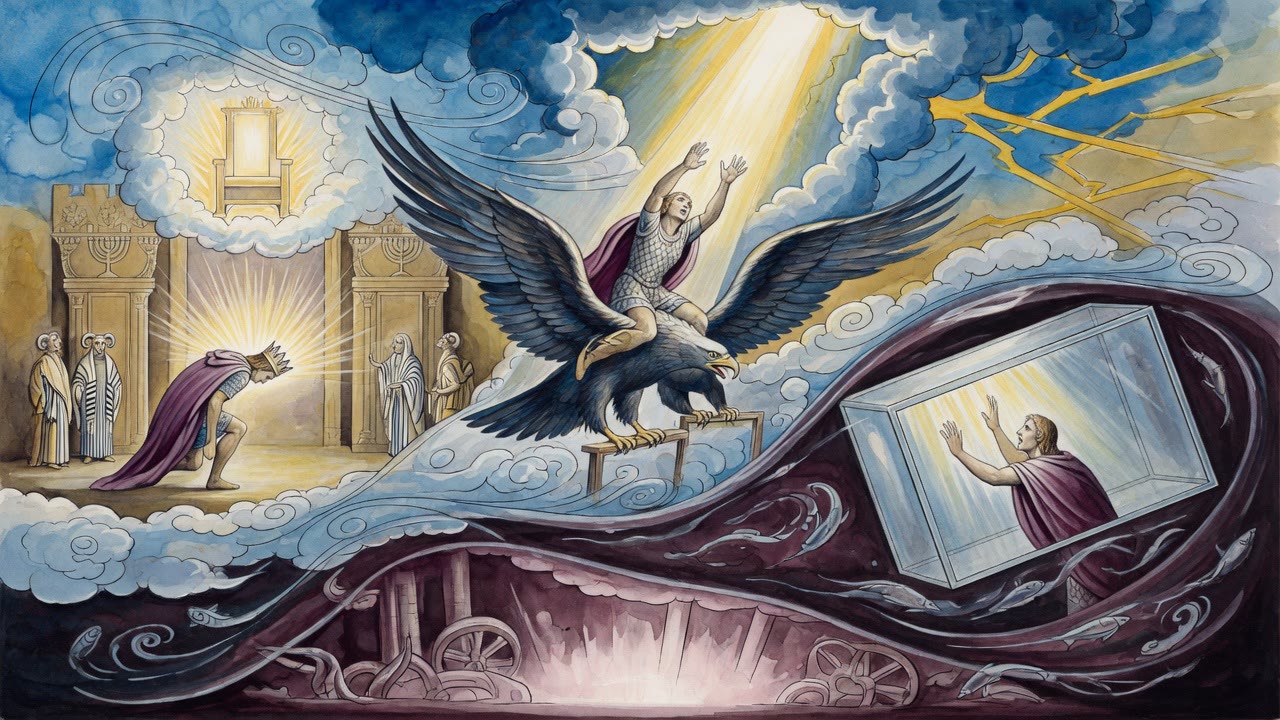
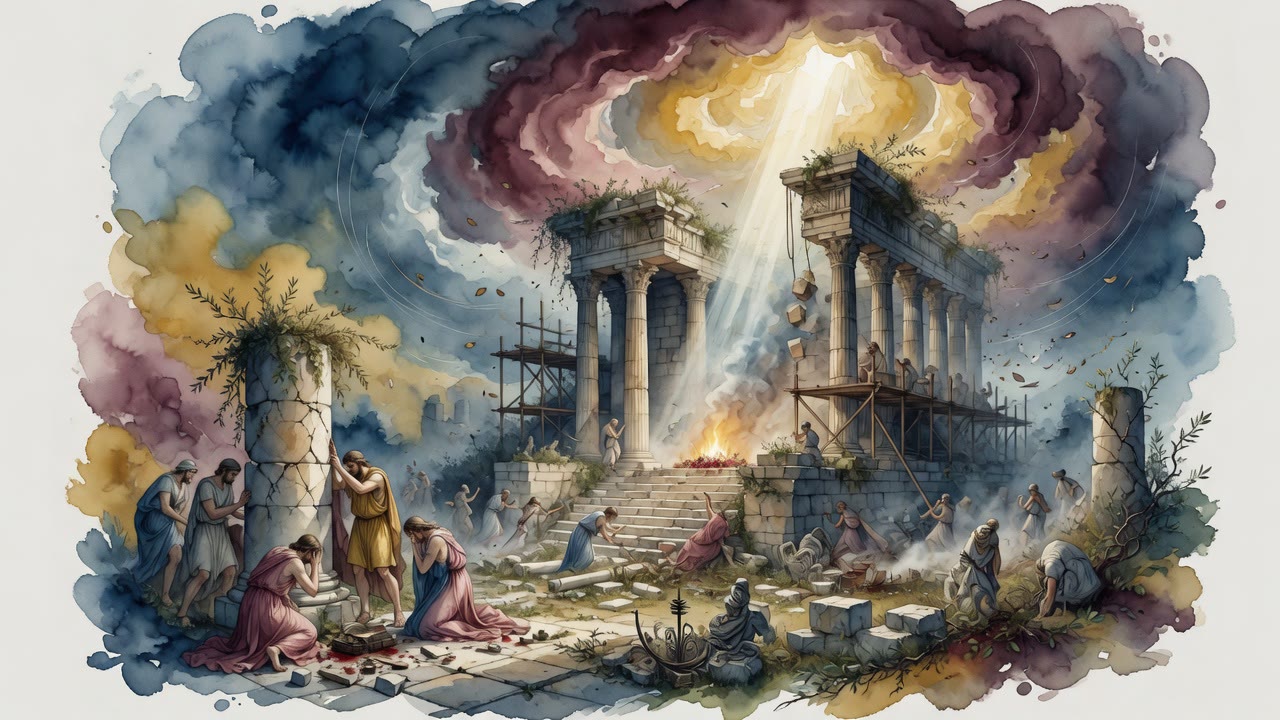
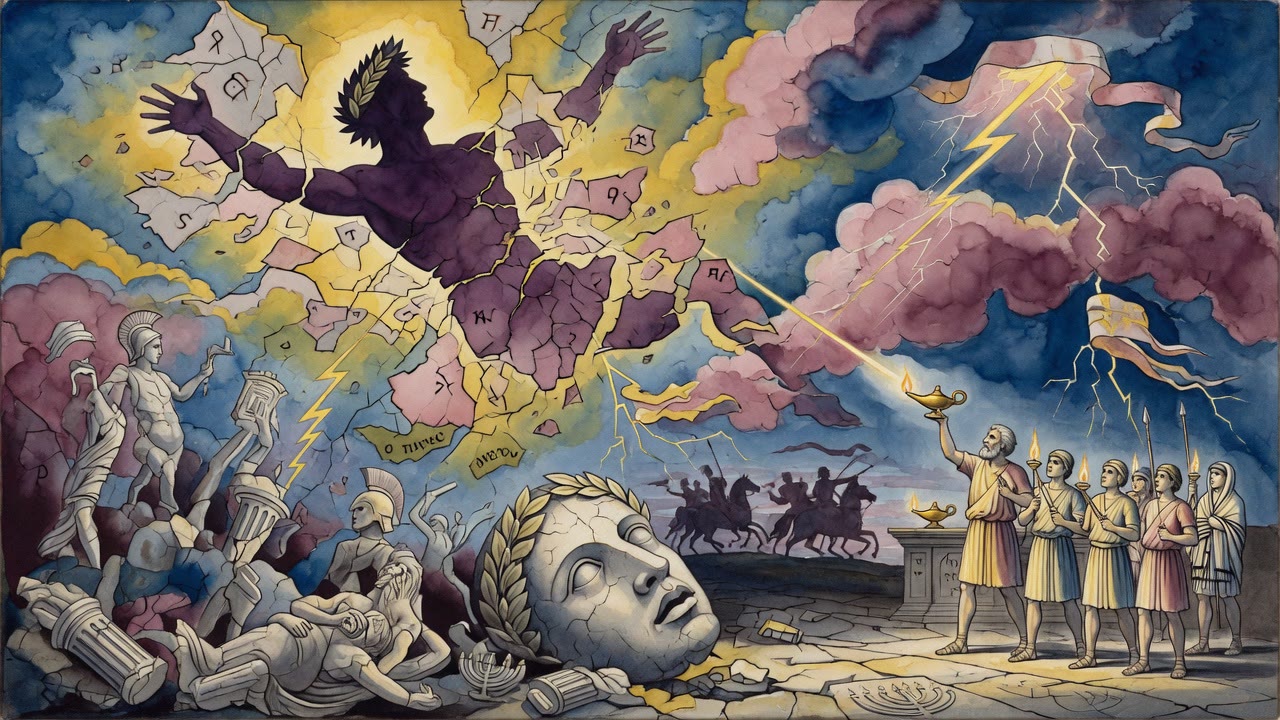
Alexander had crossed rivers and deserts and the ends of maps. He had made kings bow and renamed cities for himself. Then he died young, and everything he had built stopped being an empire and became a quarrel.
His servants divided the world. Crowns sat on heads that had no right to wear them. Armies moved against one another for pieces of what had once been a single thing. The heirs wore his memory like borrowed armor, and the armor did not fit.
In the hill country of Judea, men watched the quarrel the way a household watches a storm on the next ridge. The storm would come. The question was whether a small people would still be standing when it broke.
Forty Thousand Against the Hills
From Antioch, in the hundred and forty-seventh year, the king took half his remaining forces, crossed the Euphrates, and went into the high countries. He left the dirty work in Judea to other men.
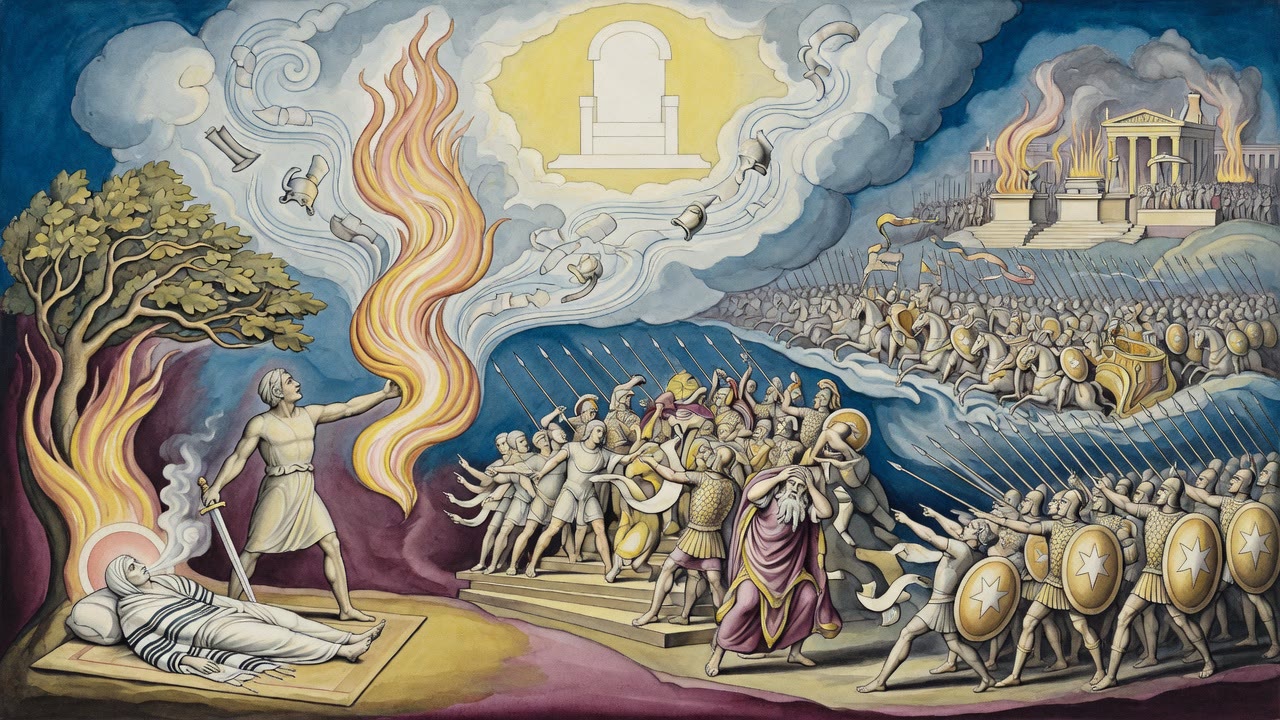
Lysias chose Ptolemy son of Dorymenes, Nicanor, and Gorgias, friends of the king. With them he sent forty thousand footmen and seven thousand horsemen to go into the land of Judah and destroy it, as the king commanded. He meant to place strangers in every quarter and divide the land by lot.
Forty thousand footmen was a number that usually ended a country. The men in the hills did not step aside for it. They had already refused a sacrifice they had not been asked to perform. The army came down sure that the numbers made the outcome simple. The numbers were wrong.
The Last Brother
One brother after another died holding the cause. Judah fell in battle. Jonathan was taken. The family that Mattathias had built in Modiin was shrinking faster than anyone could have wished. Graves multiplied in the same soil the army had come to allot.
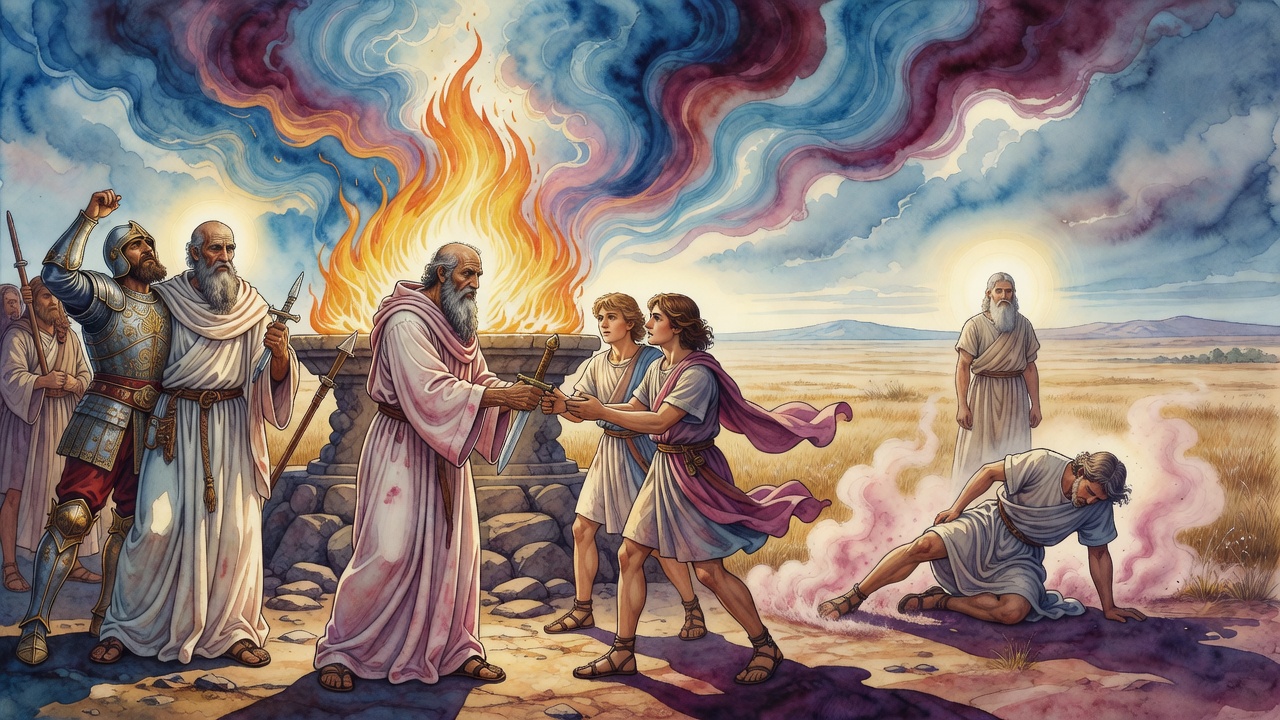
When the moment came to Simon, the last son, there was no clean choice waiting. He put his shoulder under the load his brothers had carried. He negotiated with a Seleucid king who needed Jewish goodwill more than either side wanted to admit. He secured the release of captives. He arranged the burial of the dead. He governed a people who had learned that a leader who falls does not end the cause if the cause has been built into more than one man.
The priests, the people, and the elders decided together that Simon and his house would lead them. Not a crown dropped from the sky. A people who had seen what he had done chose to continue it.
The Gold Shield
Envoys went west. Numenius and his company came back from Rome with letters for the kings and the countries. Lucius, consul of the Romans, wrote to King Ptolemy that the Jews' ambassadors, friends and confederates, had come to renew the old friendship and league, sent from Simon the high priest and from the people of the Jews. They had brought a shield of gold of a thousand pound.
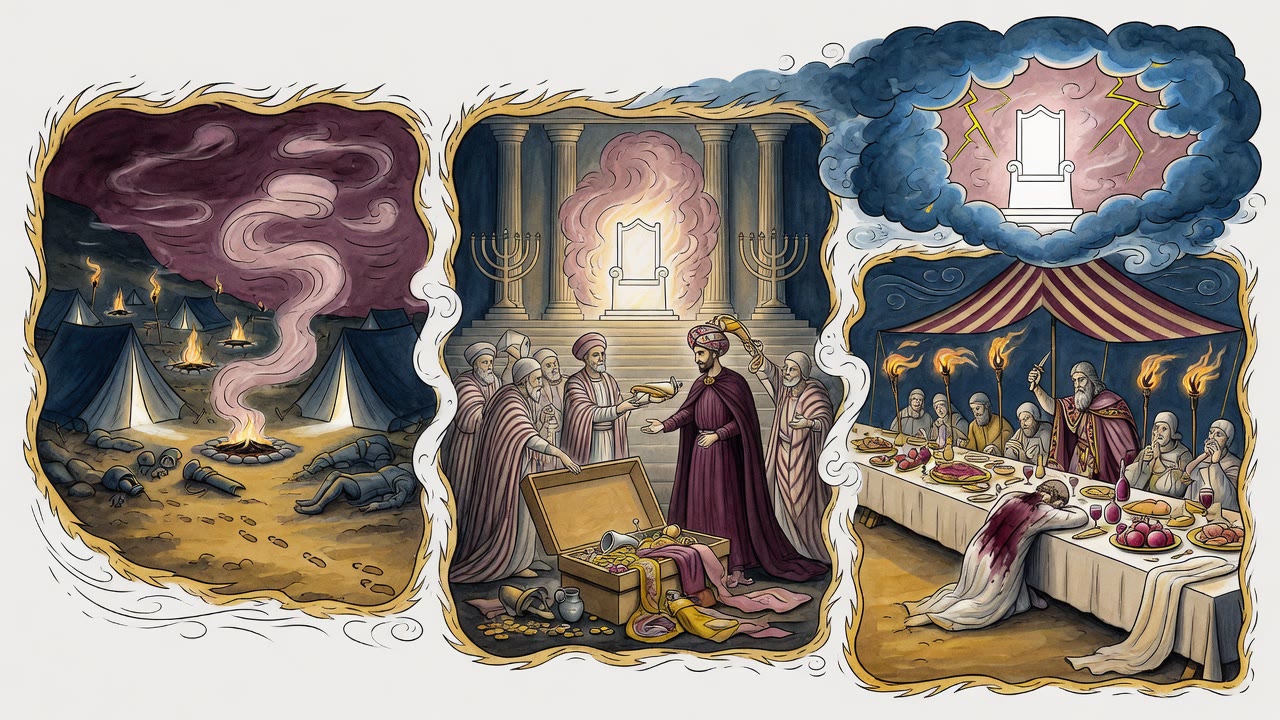
While those letters traveled, Antiochus camped against Dora with a hundred and twenty thousand men of war and eight thousand horsemen. He joined ships to the town on the sea side and vexed the city by land and sea. No one went out. No one went in. From the wall, empires still looked as if they would last forever.
The letters did not make Rome kind. They made Judea visible at a moment when eastern kingdoms were weakening. Simon took the visibility and did not bow for it.
Joppa and Gazera
Athenobius came with a demand. Yield Joppa. Yield Gazera. They are stolen, the message said. They belong to the king's inheritance.
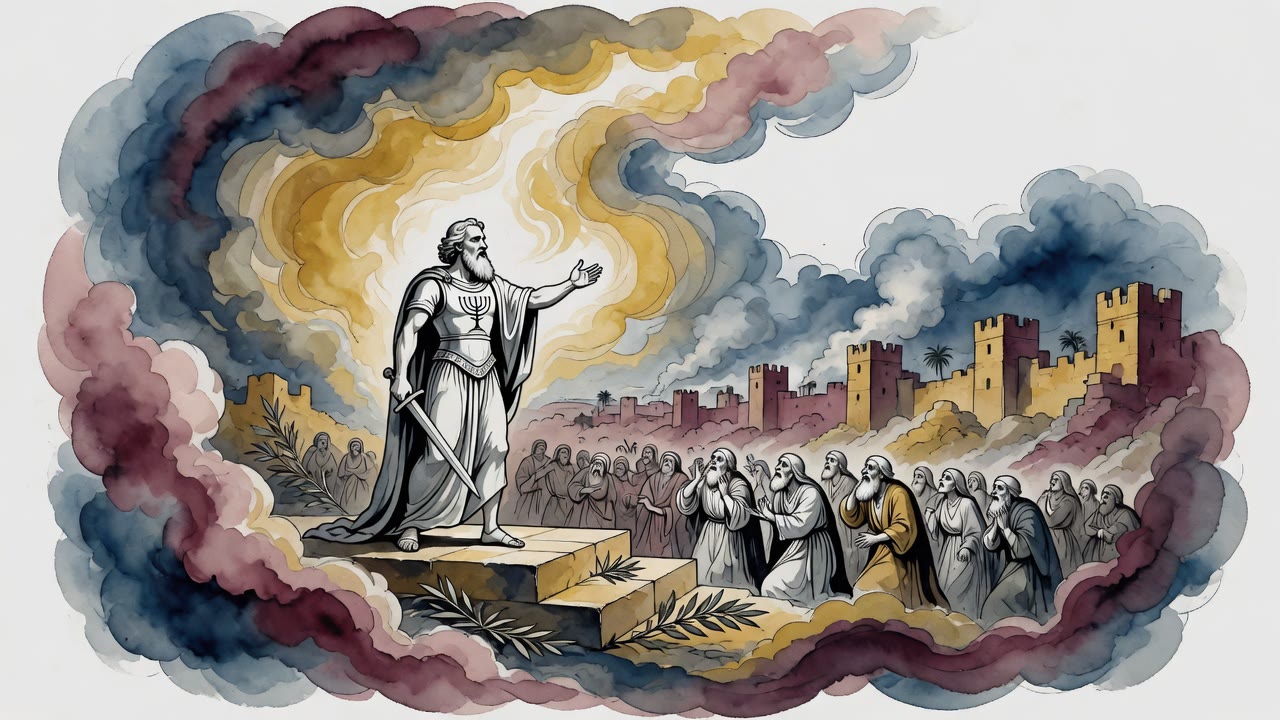
Simon answered him standing. "We have neither taken other men's land, nor held that which belongs to others, but the inheritance of our fathers, which our enemies had wrongfully in possession a certain time. Having opportunity, we hold the inheritance of our fathers."
As for Joppa and Gazera, he would give a hundred talents for them. He would not give the cities.
Athenobius answered him not a word. He returned in a rage to the king and made report of the speech and of the glory of Simon and of all he had seen. The king was exceeding wroth.
The king's wrath did not move Joppa. It did not move Gazera. Alexander's armor had already split. Lysias's catalogues of troops had already failed to account for a family that buried its dead and kept the land. Simon still held the inheritance. The last brother had not stepped back.
← All myths