When Simon Paid for Peace in the Holy Land
The Greek fort inside Jerusalem had watched the Temple for years. Simon starved the soldiers out, paid for the war himself, and let them live.
Table of Contents
 Click for full size
The Promise That Sounded Like Salvation
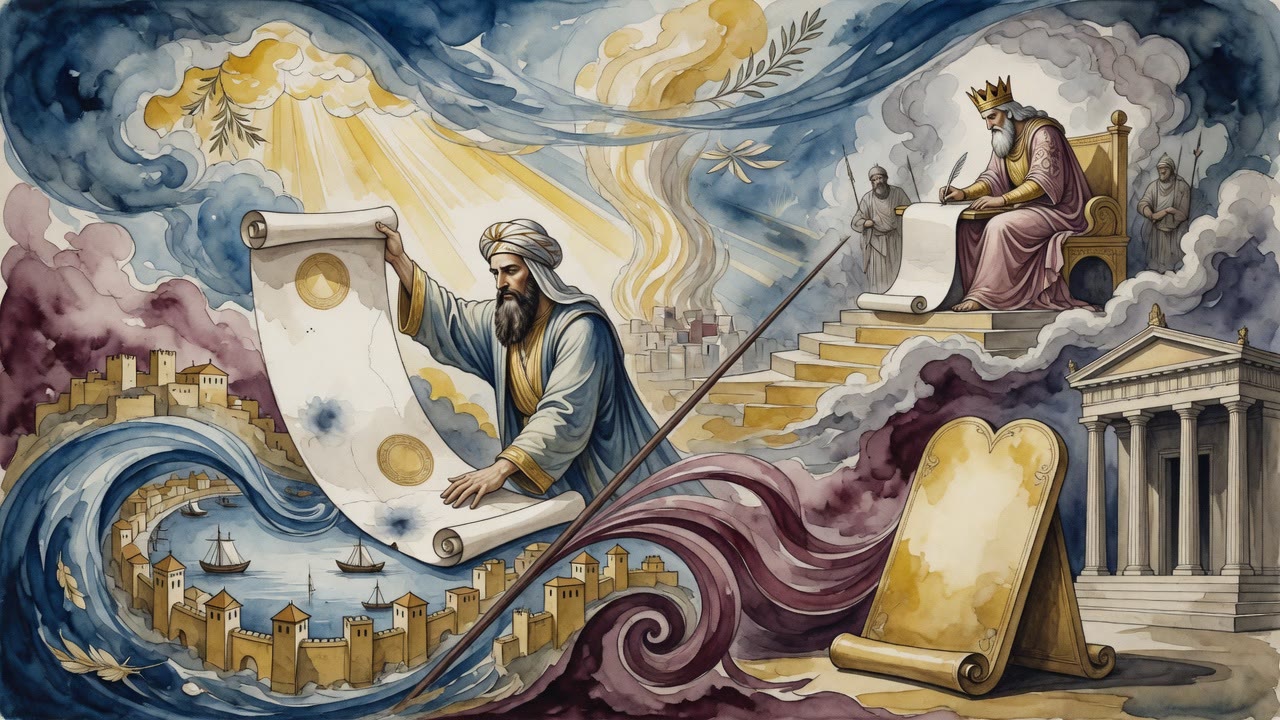
Royal letters arrived in Jerusalem with the sound of generosity. A foreign king would provide silver for the Temple, support for the walls, fortifications across Judea. The language was of repair and strengthening, of a great power extending its hand to a small people that had suffered enough.
1 Maccabees does not let this language stand unchallenged. The Hasmonean leadership understood the difference between a king's favor and actual security. A king who repairs your walls today has access to those walls tomorrow. A king who funds your Temple has a relationship with your Temple. Royal patronage comes with the assumption that what a patron has built, a patron can also withdraw, and the condition attached to continued support is always the same: continued usefulness to the patron's interests.
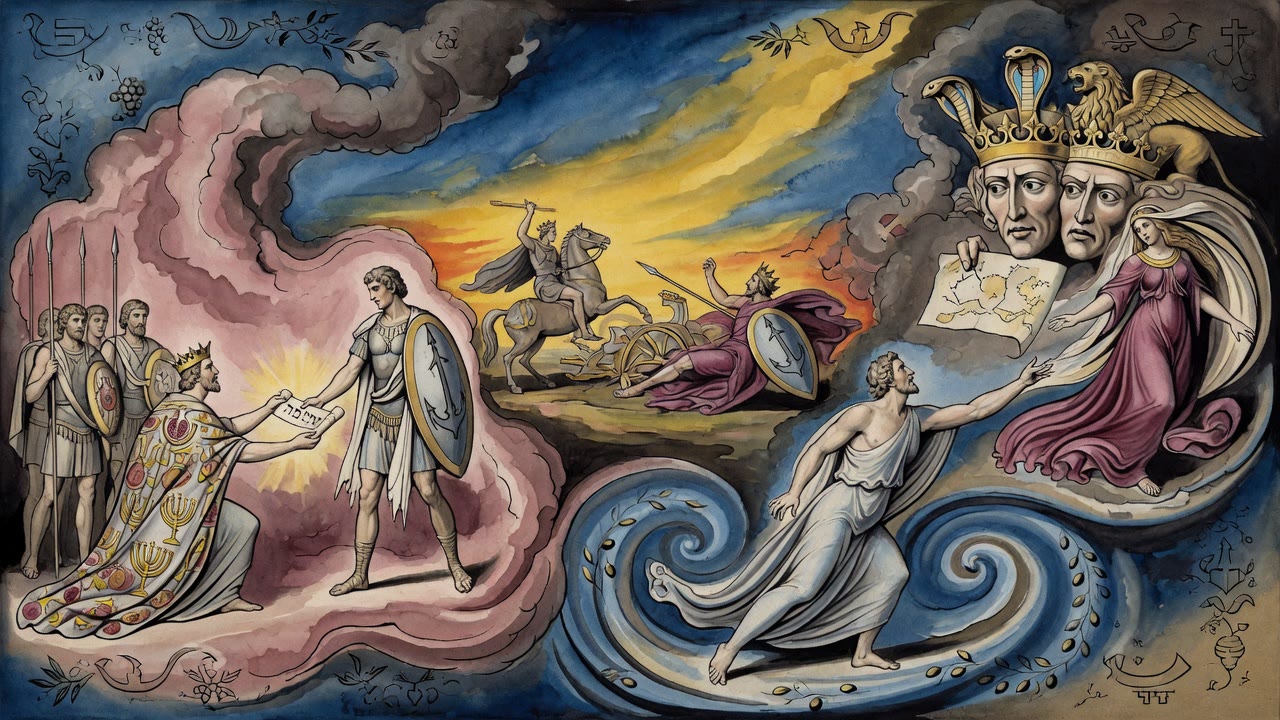
Jonathan had navigated this world with considerable skill, playing Seleucid factions against each other, collecting letters of protection from Rome, building enough legitimacy that the Hasmonean high priesthood looked like an established institution rather than a rebel government. Then Tryphon closed the gates of Ptolemais around him and everything Jonathan had built suddenly depended on one man still breathing in a foreign prison.
Simon Rose as the Last Brother
Simon had watched his brothers fall one by one. Judas in open battle. Jonathan in a trap. When the community came to Simon in their grief and their fear and asked him to lead, he accepted, but he made a statement they could hold him to: he would avenge his brothers and fight for the nation and the Holy Place.
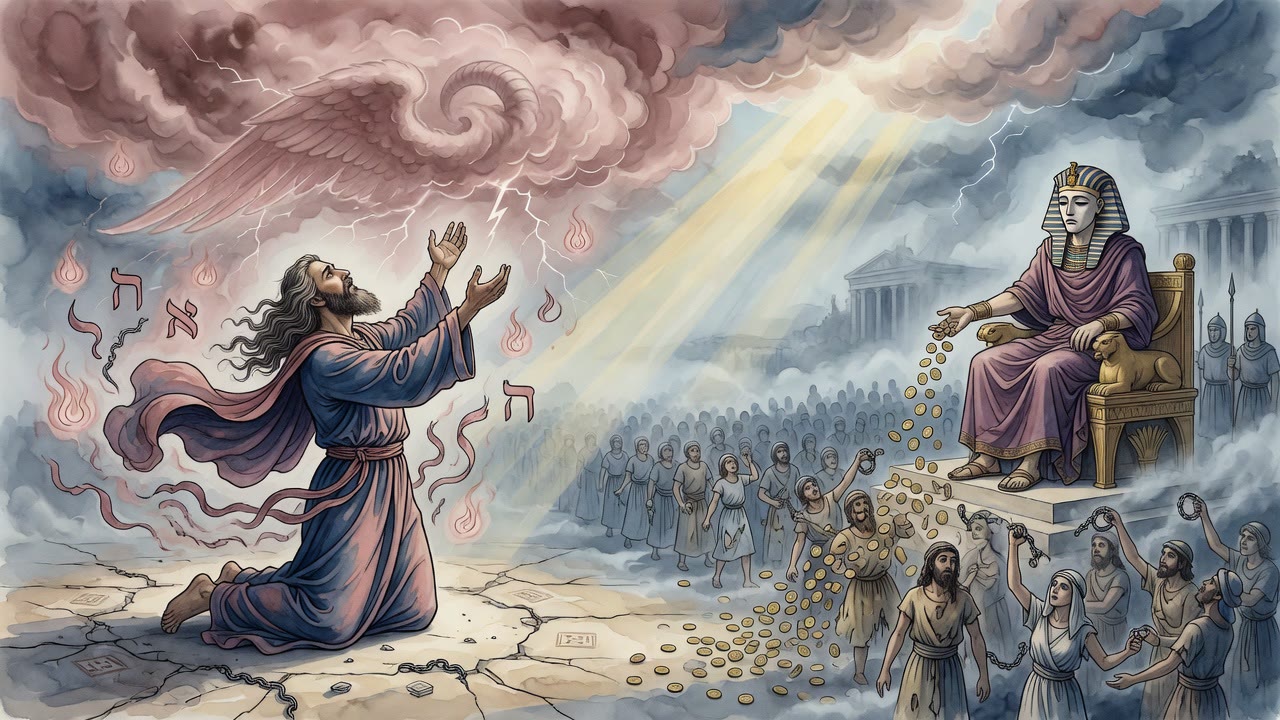
He meant it practically. Simon spent his own silver and gold on the war. This detail appears in the public decree the people later issued confirming his leadership, because it distinguished him from every arrangement that had come before. He had not made himself high priest by force and then required the community to fund him. He had made himself the community's creditor by fronting the cost of survival and then accepted the honor the community offered in return.
The Citadel That Caged the City
The Akra in Jerusalem had been a Seleucid citadel inside the city since the days of Antiochus IV. For decades it had been a foreign garrison sitting in Jerusalem's heart, a permanent reminder that the Maccabean victories had been partial, that liberation had a limit, that the city contained its own cage. From its walls the king's men looked down on the Temple courts and on every worshipper who climbed toward them, and the people who passed beneath felt the eyes and the weight of the stone above their heads.
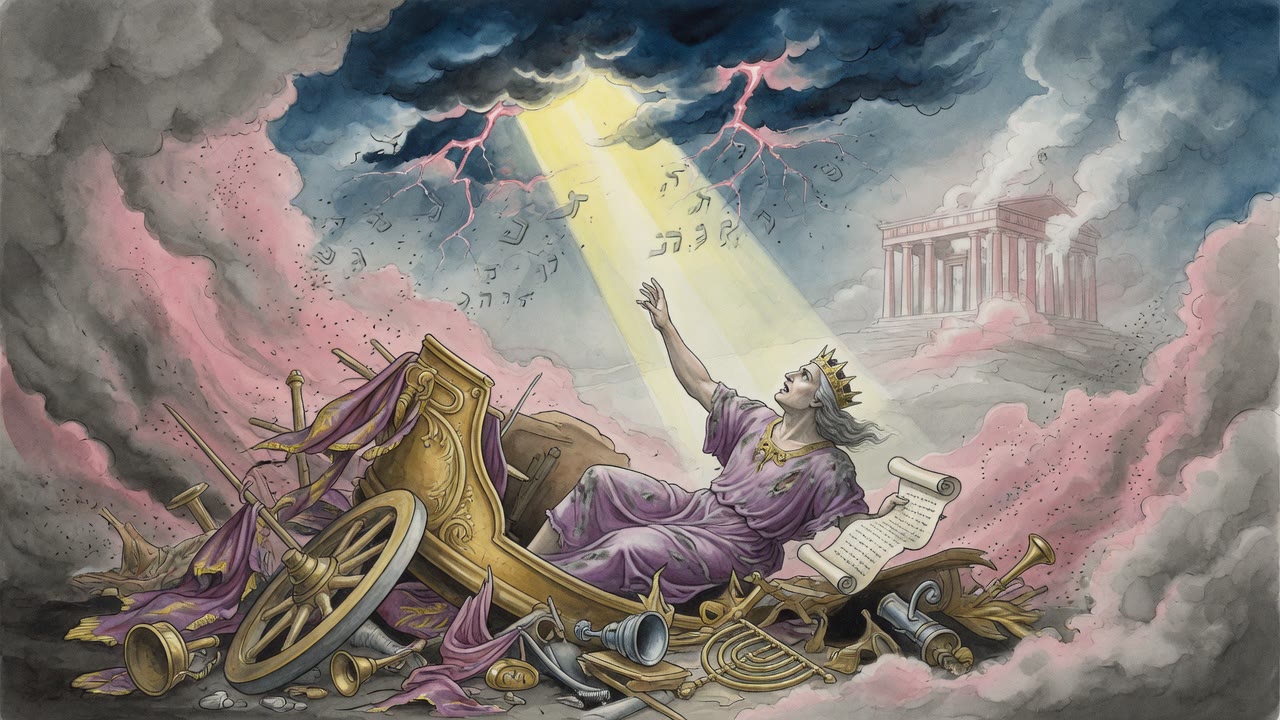
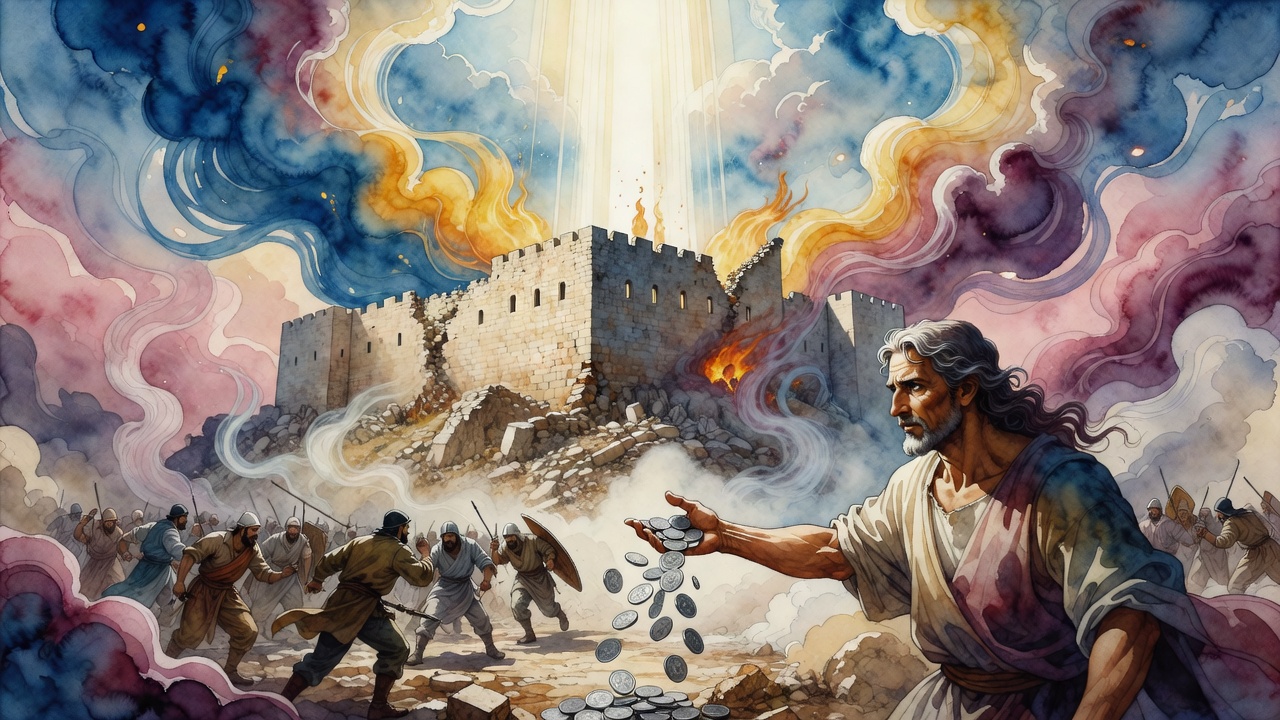
Simon invested in a siege and waited. He cut the garrison off from supply and let hunger do the work that no breach in the wall had managed, and the days stretched on until the men inside had nothing left to eat. When the garrison surrendered from hunger, he did not destroy them. He waited for a day without defiling it, chose the twenty-third day of the second month in the 171st year of the Seleucid era, and entered with praise and palm branches and harps and cymbals and lyres, singing hymns and songs, because great enemies had been crushed and he had removed a great shame from Israel. The branches moved in the marchers' hands and the strings carried over the cleared stones, and the cage that had stood over the city for a generation stood open at last.
The Land Had Peace
What followed under Simon was extraordinary enough that 1 Maccabees uses prophetic language to describe it. Every man sat under his vine and under his fig tree, and no one made them afraid. The image comes from Micah's vision of the final peace, the world after the wars and the oppressions and the empires have finished with each other. 1 Maccabees places it in the present tense under a living man, in a specific generation, as if the prophecy had arrived early.
Old men sat in the squares and talked about good things, and young men put on glorious armor. Simon gave food to cities that needed it and equipped them with weapons. He increased Israel's glory. He went to Joppa and made it his harbor. He went to Gazara and garrisoned it. He turned and found peace had followed the fighting like a season that finally came after a very long delay.
The community confirmed his position in a public assembly, inscribed on bronze tablets and put up in the Temple precincts. He was leader and high priest forever, until a faithful prophet should arise. The forever was the honest kind, meaning for as long as this arrangement can last, which in Judea under the Hasmoneans meant for as long as one man could hold it together by skill, wealth, and the continued willingness of the people to follow him.
← All myths