4 min read

How Abraham Eulogized Sarah With Proverbs 31

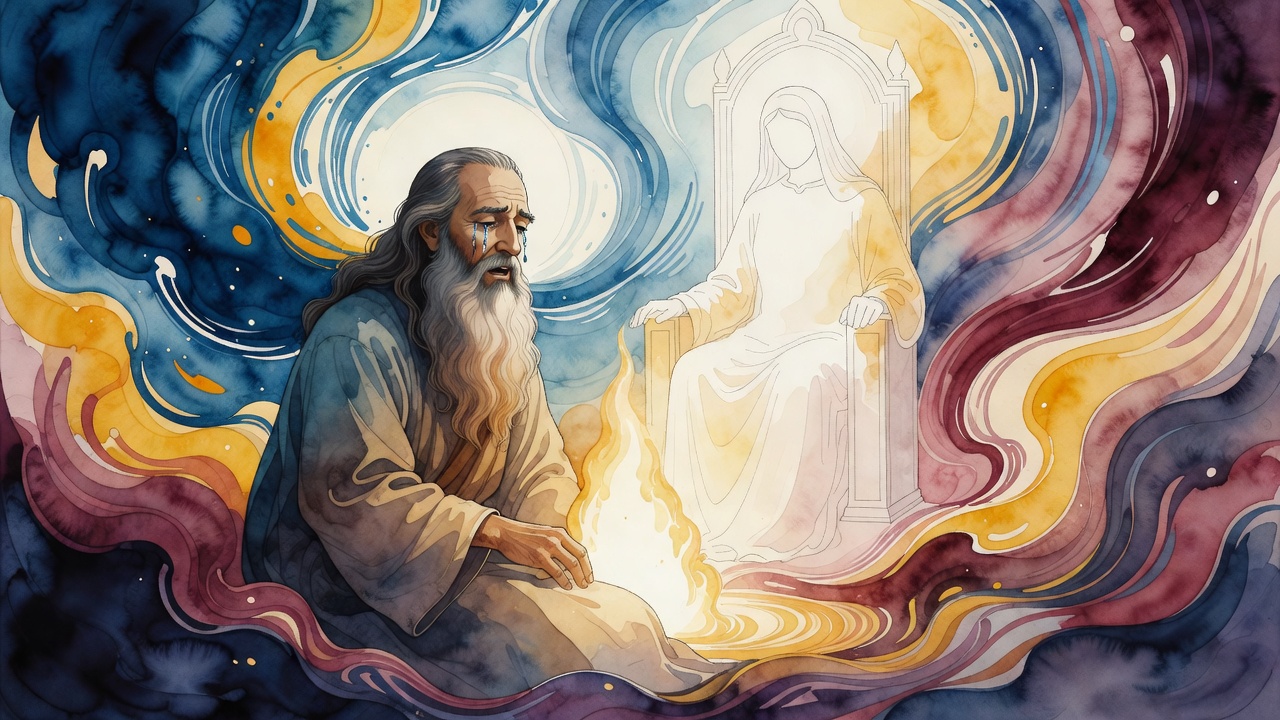
When Abraham wept for Sarah, Midrash Tanchuma says he recited Proverbs 31 verse by verse, matching each line to a specific moment from their life together.

Curated by Arthur · Told by Maggid ·
Table of Contents
  1. The Grief Begins Before the Burial
  2. Verse by Verse, a Marriage
  3. The Lines That Cut Deepest
  4. The Last Verse Standing

The Grief Begins Before the Burial

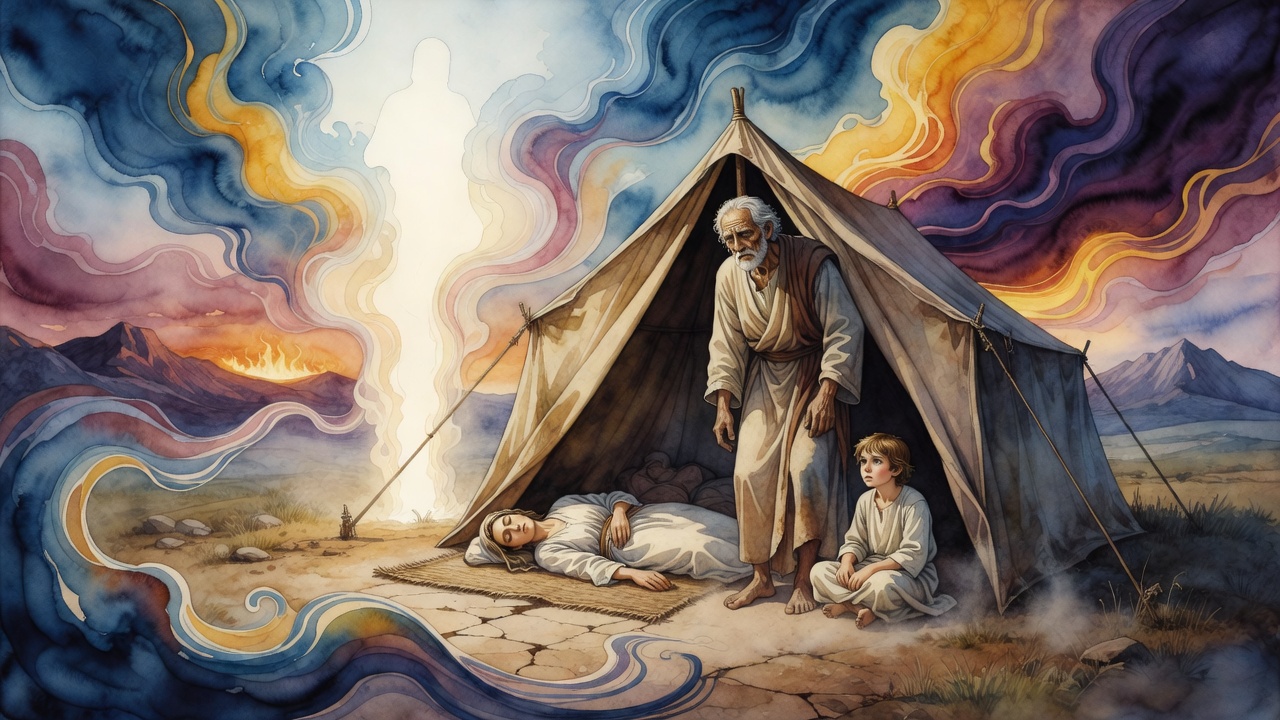
Sarah died at one hundred and twenty-seven. Abraham came to mourn her and to weep for her. Those are the Torah's words in Genesis 23:2, a verse that spends more syllables on the business of finding a burial site than on the grief itself. The Torah moves quickly. Abraham does not.

The Midrash Tanchuma, compiled in the Land of Israel between the 8th and 9th centuries CE, refuses to let the grief compress into a procedural detail. Abraham had one hundred and twenty-seven years of marriage to account for. The Tanchuma gives him a eulogy, and the eulogy is Proverbs 31, the poem of the woman of valor, read line by line against specific episodes from Sarah's life.

Verse by Verse, a Marriage

A woman of valor, who can find? Her price is far above rubies. The poem opens with a rhetorical question, and Abraham answered it. He had found her. The answer to the question was the woman in the cave of Machpelah.

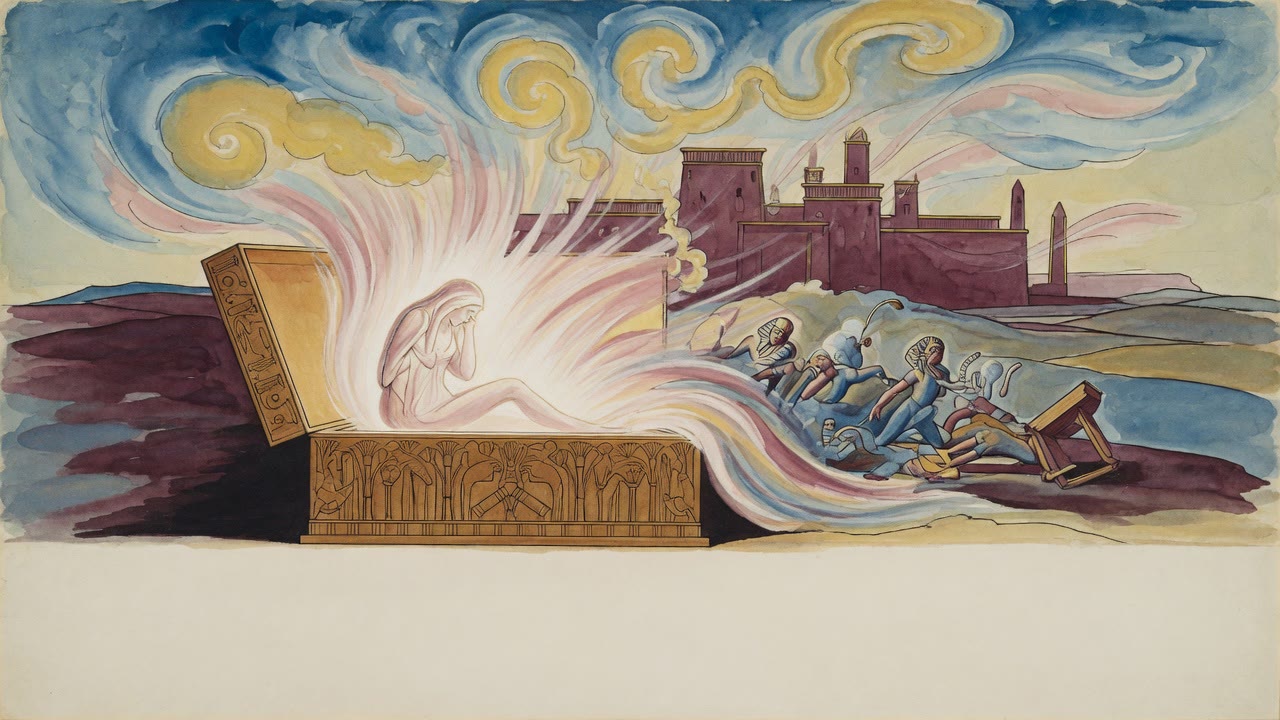
The heart of her husband safely trusts in her. The Tanchuma locates this in the episode of Egypt. Abraham asked Sarah to present herself as his sister to protect them both at the cost of her own safety (Genesis 12:13). She walked into Pharaoh's house. She said nothing that endangered her husband. She endured what she endured and maintained the arrangement Abraham needed. This is what the trust looked like in practice: not sentiment but tested reliability at the highest possible stakes.

She is like the merchant ships. The Tanchuma reads this as a record of Sarah's double passage through danger, once through Pharaoh's house in Egypt, once through the court of Abimelech in Gerar. The merchant ship travels the most hazardous sea routes of the ancient world and returns laden. Sarah passed through two courts of foreign kings and returned with her integrity and her household intact.

The Lines That Cut Deepest

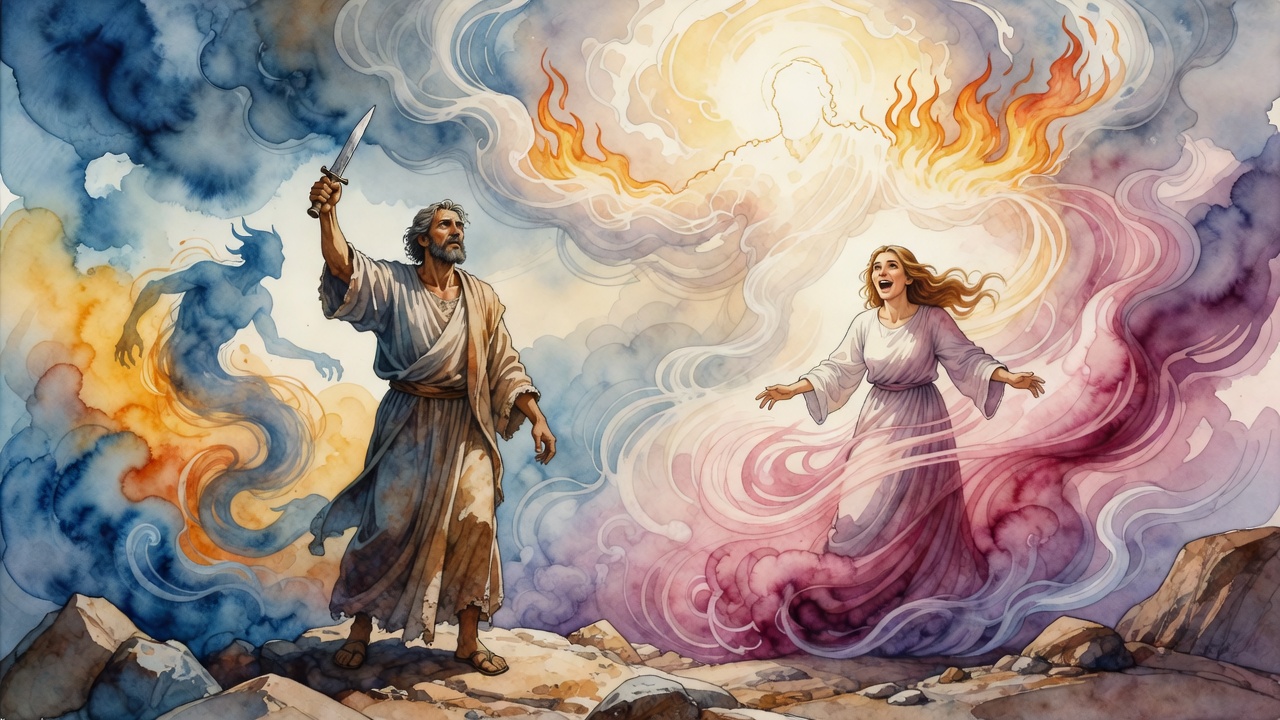
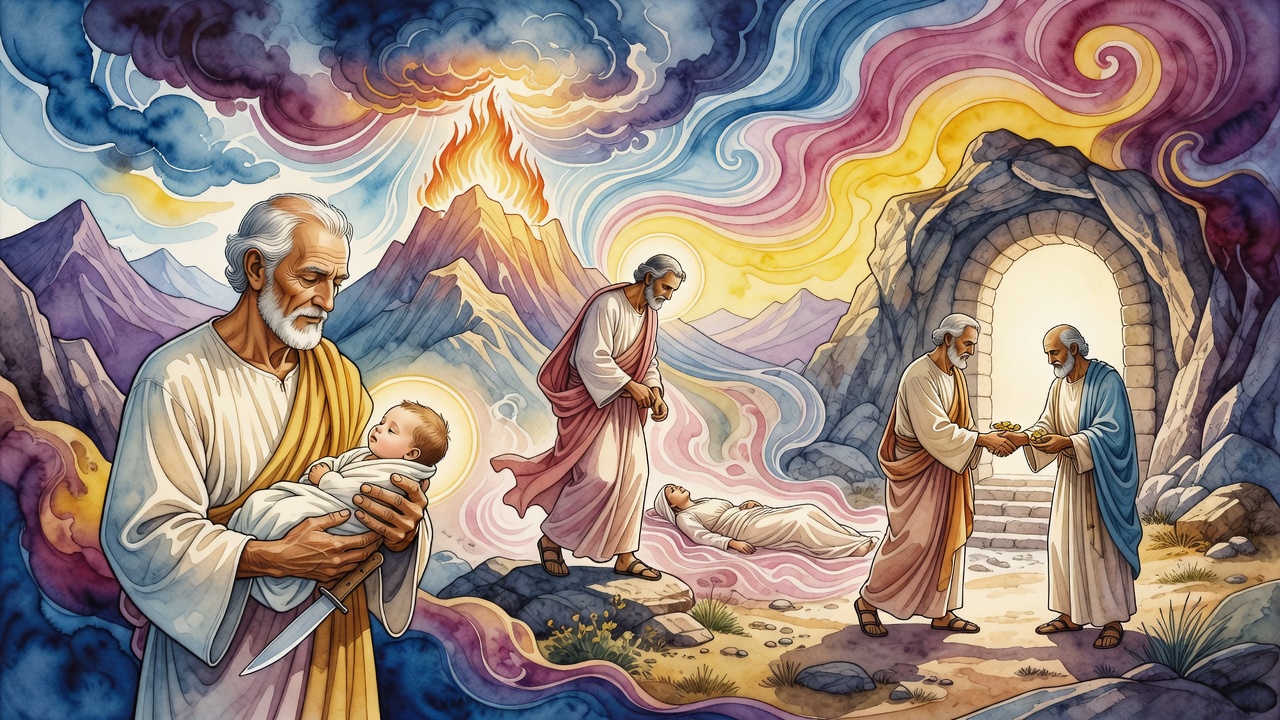
She girds her loins with strength. The Tanchuma maps this to the Akeidah, the binding of Isaac. The text does not explain the connection directly, but the midrashic reading implies that Sarah's strength was precisely what she did not do when Abraham took their son to Moriah. She did not stop him. She maintained her trust in the same God whose command had brought the test into the world. Her restraint in that moment was its own kind of girding.

Strength and dignity are her clothing. The radiance that Sarah carried was not decorative. Other traditions record that Sarah's face shone like the Shekhinah, that her tent held a lamp that burned from one Shabbat to the next, that the cloud of divine presence hovered above her dwelling. These were not Sarah's possessions. They were the outward signs of what lived inside her.

The Last Verse Standing

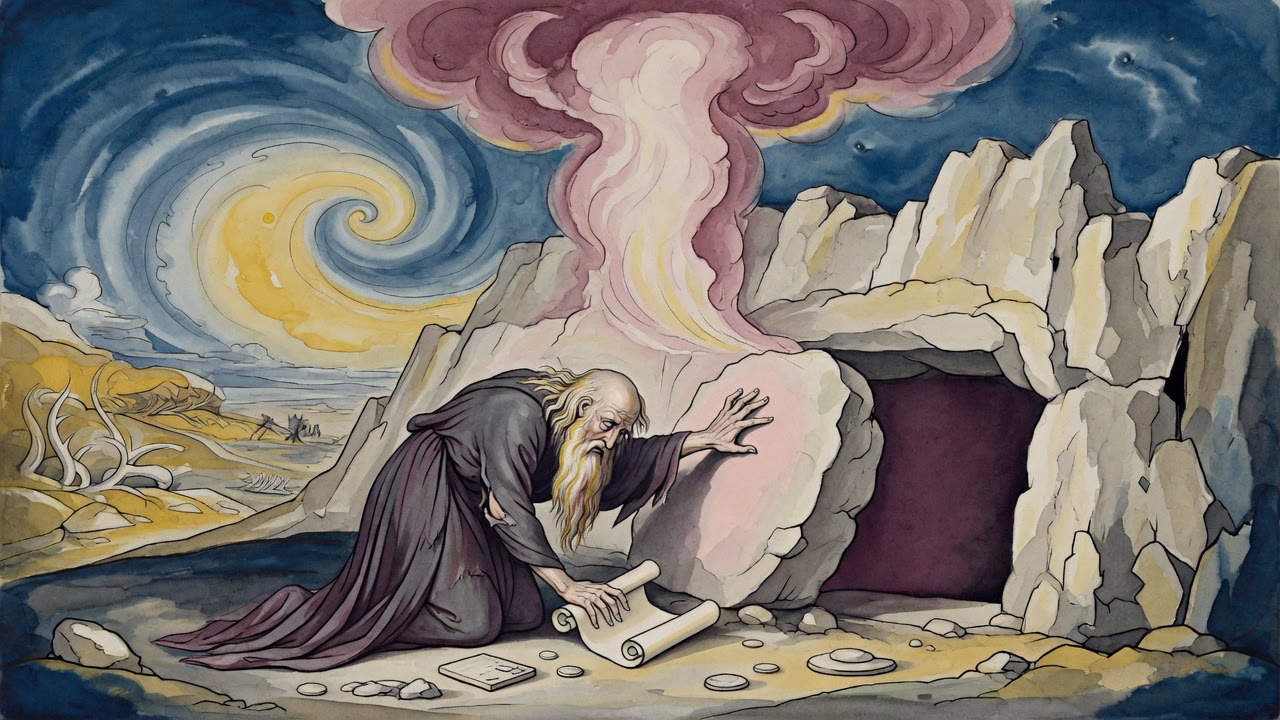
The poem ends: A woman who fears God, she shall be praised. Abraham recited it to her. Or he recited it about her, standing at the threshold of the cave he had just purchased for sixty times its worth, surrounded by the Hittites who had watched him negotiate with a grief he could not conceal.

The Tanchuma's reading does something particular with the form of the eulogy. It uses a poem that is itself ancient, written long before Sarah lived, and makes it speak about Sarah specifically. This is the midrashic conviction: that the Torah, including its wisdom literature, was composed with specific people and specific moments already encoded inside its lines. Abraham did not improvise a eulogy. He recognized his wife in a poem that had been waiting for her.


← All myths

From the tradition

Sources

5 sources

The texts this telling draws on, in full. Open a card to read inline, or expand it for a wider, quieter read.

Midrash Tanchuma, Chayei Sara 4Midrash Tanchuma

And Abraham was old, and well stricken in years (Gen. 24:1). Scripture states elsewhere in reference to this verse: A virtuous woman is a crown to her husband (Prov. 12:4). This verse alludes to Abraham, who mourned for Sarah, for it was written previously: And Sarah died (Gen. 23:2). Abraham began to weep for her, saying: A woman of valor who can find? For her price is far above rubies. The heart of her husband doth safely trust in her (Prov. 31:10). When did he demonstrate his trust in her? When he said to her: Say, I pray thee, thou art my sister (Gen. 12:13). She doeth him good and not evil all the days of her life (Prov. 31:12). She seeketh between wool and flax (ibid., v. 13) alludes to her decision to separate Isaac and Ishmael when she said to her husband: Cast out this bondwoman and her son (Gen. 21:10). She is like the merchant ships (Prov. 31:14); For the woman was taken to Pharaoh’s house (Gen. 12:15), and later Abimelech sent her away. She riseth also while it is yet night (Prov. 31:15). When did that happen? At the time Abraham arose early in the morning (Gen. 22:3). She considereth a field and buyeth it (Prov. 31:16). She thought about the field of Machpelah and acquired it. She was buried there, as it is said: And after this, Abraham buried Sarah, his wife (Gen. 23:19). She girdeth her loins with strength (for the birth of Isaac) (Prov. 31:17). When was that? When the angels appeared, as it is said: And Abraham went into the tent unto Sarah (Gen. 18:6).

Who perceiveth that her merchandise is good (Prov. 31:18). That was when the kings attacked them, as it is written: And he divided himself against them by night (Gen. 14:15). She stretcheth out her hand to the poor (Prov. 31:19), by giving food to passers-by. Yea, she reacheth forth her hand to the needy (ibid., v. 20); for she gave charity and clothed the naked. She is not afraid of the snow for her household (ibid., v. 21); that is, she did not fear Gehenna. And why not? Because her entire household possessed garments (shanim, punning on shnayim, “two”) (ibid.): Sabbath and circumcision. She maketh for herself coverlets (ibid., v. 22): These were the priestly garments. From the fruit of her hand she planted a vineyard (ibid., v. 16). This refers to Israel, as it is said: For a vineyard of the Lord of hosts is the house of Israel (Isa. 5:7). Her husband is known in the gates (Prov. 31:23); that is, when he pleaded with the sons of Seth: Give me a possession of a burial place (Gen. 23:4). She maketh linen garments (Prov. 31:24) refers to the circumcision that took place, as it is said: The counsel of the Lord is with them that fear Him (Ps. 25:14). Strength and dignity are her clothing (Prov. 31:25) alludes to the clouds of glory that encircled her tent. She openeth her mouth with wisdom (ibid. 39:26). When was that? When she said to Abraham: Go, I pray thee, unto thy handmaid (Gen. 16:2). She looketh well to the ways of her household (Prov. 31:27) indicates that she watched every day for the return of the angel who had informed her: I will certainly return unto thee (Gen. 18:10).

Her children rise up, and call her blessed (Prov. 31:28); And she said: Who would have said unto Abraham that Sarah should give children suck? For I have born him a son in his old age (Gen. 21:7). Many daughters have done valiantly (Prov. 31:29) refers to the nations, But thou excellest them all (ibid.) alludes to Sarah, as it is said: Look unto Abraham, your father, and to Sarah, that bore you (Isa. 51:2). Give her of the fruit of her hand (Prov. 31:31), for it is said: And the life of Sarah was a hundred and twenty and seven years (Gen. 23:1).

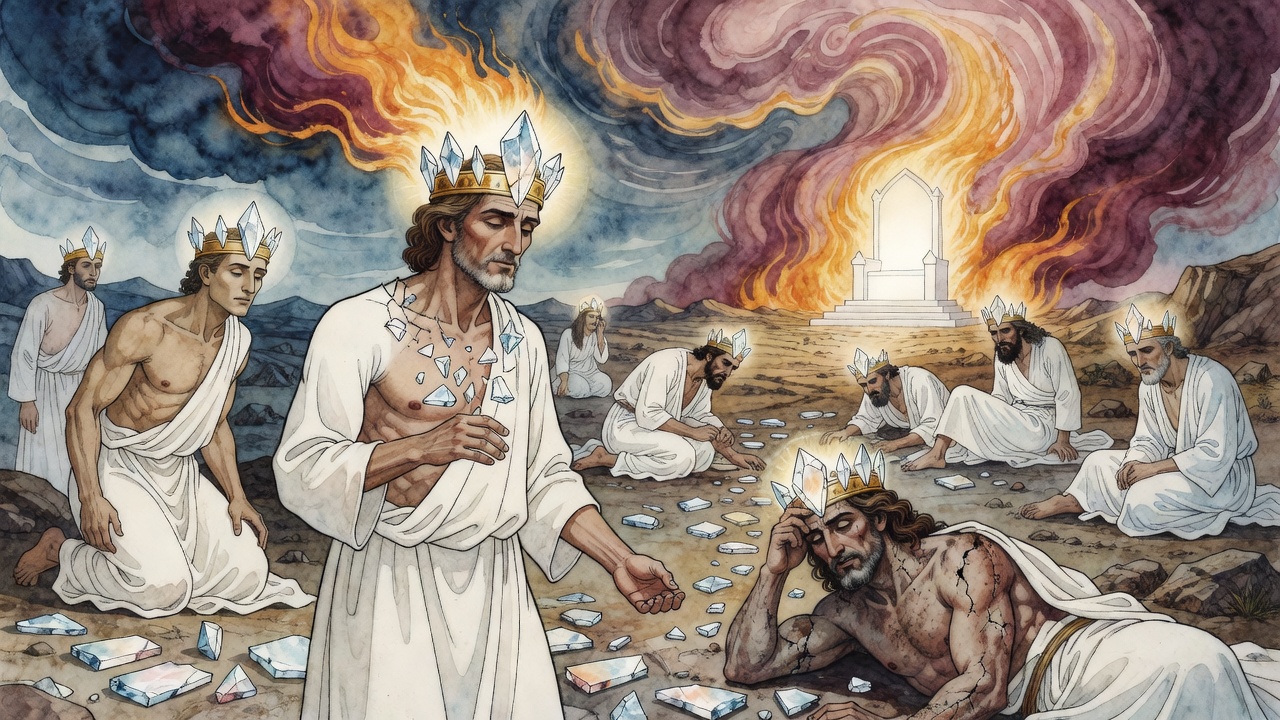
After her death, Abraham aged rapidly, for it is written: And Abraham was old, and it is also written: The hoary head is a crown of glory (Prov. 16:31). Why was this crown of glory bestowed upon Abraham? Because he performed acts of charity. Therefore, it is written: And Abraham was old. The Holy One, blessed be He, said to him: It is sufficient for a servant to be like his master. This may be compared to a king who has a dear friend, to whom he says: “What present can I give You? You have silver, gold, male servants, handmaidens, fields, and vineyards. I will give you the crown that is on my head, and place it upon your head.” Similarly, the Holy One, blessed be He, said to Abraham: Silver and gold I have given thee, as it is said: And Abram was very rich in cattle, in silver, and in gold (Gen. 13:1); now what can I give you beside the crown that is on My head? When Daniel beheld him, he said: And the hair of his head like pure wool (Dan. 7:9). And therefore it is written: And Abraham was old, and well stricken in age (Gen. 24:1).

It is written that after Sarah’s death, the Holy One, blessed be He, blessed Abraham. Why did He do that? Lest future generations declare that Abraham was blessed only because of Sarah. (And so He said to Himself:) I will bless him after her death. Hence it is written: And the Lord had blessed Abraham. Whence do we know that Sarah was already dead when He blessed him? It is said: When he was but one, I called him, and I blessed him (Isa. 51:2). And the Lord blessed Abraham in all things (Gen. 24:1). What merit had he acquired? He set aside tithes from all his possessions, as it is said: And He gave him a tenth of all (Gen. 14:20). Hence it is written: And the Lord blessed Abraham in all things.

Full source
Legends of the Jews 2:31Legends of the Jews

The Legends of the Jews, that monumental work by Louis Ginzberg, compiles centuries of Jewish folklore, and it paints a pretty incredible picture. It tells us that most of humankind inherited very little of Adam's beauty, or his massive size. for a second. The text implies Adam was huge. But the really interesting part is the beauty.

The text goes on to say something quite striking about beauty in general. It uses Sarah, our matriarch, as a benchmark. Compared to Sarah, the most beautiful women were like apes compared to humans. And Sarah compared to Eve was the same comparison – apes to humans. But Eve compared to Adam? Again, the same. His beauty was so radiant, so overwhelming, that even the soles of his feet obscured the sun! That’s… quite a statement.

So, what does that even mean? A reader can dismiss this as hyperbole, but it speaks to something deeper, doesn't it? It suggests that the original human was created in a state of perfection, a state that we can barely comprehend now.

It wasn’t just about looks. Adam's spiritual qualities matched his physical perfection. The Legends of the Jews says God fashioned his soul with particular care. And here, the text launches into a beautiful description of the soul itself. It says she – the soul – is the image of God.

Think about these parallels: As God fills the world, the soul fills the body. As God sees all things, and is seen by none, the soul sees but cannot be seen. As God guides the world, the soul guides the body. As God in His holiness is pure, so is the soul. And as God dwells in secret, so too does the soul.

Wow.

This isn't just about Adam anymore, is it? It's about us. It's about the spark of the Divine that resides within each of us. It's about the potential for beauty, for wisdom, for goodness that we all carry, however dimmed it might be by the realities of everyday life.

These ancient stories aren't just historical accounts; they're mirrors. They reflect back at us what we could be, what we were meant to be. And maybe, just maybe, they offer a glimpse of what we can still become.

Full source
Legends of the Jews, V. Abraham, The Death And Burial Of SarahLegends of the Jews

Legends of the Jews (Ginzberg) turns to The Death And Burial Of Sarah.

The story begins, surprisingly, amidst the drama of the Akeidah, the Binding of Isaac. According to Ginzberg's retelling in Legends of the Jews, while Abraham was facing the ultimate test of faith, Satan, ever the tempter, went to Sarah. He appeared as a humble old man, bearing terrible news: Abraham had sacrificed Isaac. Imagine the horror, the disbelief, the utter devastation Sarah must have felt.

Sarah, in her agony, cries out, lamenting the loss of her son. "O my son, Isaac, my son, O that I had this day died instead of thee!" she exclaims, her joy turned to mourning. Yet, even in her grief, she acknowledges the divine command, recognizing God's justice. It’s a complex mix of despair and faith, a truly human reaction.

Here's the twist. Satan, in his deceit, returns to Sarah, this time claiming he lied, that Isaac was not dead. The shock of this sudden reversal, the overwhelming joy, proves too much for her. Her soul departs in that moment of intense emotion.

When Abraham and Isaac return to Beer-sheba, they find Sarah gone. They learn she traveled to Hebron seeking them, and there, discovered her fate. The mourning is profound. Isaac cries out in grief, "O my mother, my mother, how hast thou left me, and whither hast thou gone?" Abraham, usually a figure of strength and faith, is consumed by grief, unable even to pray.

Now, let's consider the significance of Sarah's death. Ginzberg notes that her passing was a loss not just for Abraham's family, but for the entire land. While she lived, all was well. After her death, confusion reigned. This highlights Sarah's importance, not just as a wife and mother, but as a stabilizing force, a source of blessing.

Abraham, despite his own sorrow, steps into the role of comforter. He urges the people not to take Sarah's death too much to heart, reminding them that death comes to all. Then, in a moment of humility, he requests a burial place, not as a gift, but for payment. "I am a stranger and a sojourner with you," he says.

This modesty is striking. God had promised him the entire land, yet he humbly asks for a small plot to bury his dead. As we find in Midrash Rabbah, God acknowledges Abraham's humility, promising to make him a prince over the people.

The negotiations for the Cave of Machpelah (meaning "double cave" or "cave of the pairs") are fascinating. Abraham knew the cave's significance. Tradition tells us that Adam and Eve were buried there. According to some accounts, Adam chose the spot, fearing his body might be used for idolatrous purposes. He sensed the fragrance of Paradise nearby, but a heavenly voice forbade him from digging too deep.

The inhabitants of Hebron, the children of Heth, were willing to sell the land, but with conditions. They knew that God would eventually give the land to Abraham's descendants, so they demanded a covenant ensuring the Israelites would not seize the city of Jebus without their consent. Abraham agreed.

The deal was struck with Ephron, a prominent member of the community. He initially offered the field as a gift, but Abraham insisted on paying. Eventually, they agreed on a price: four hundred shekels of silver. A deed was drawn up, witnessed, and the field, including the cave, became Abraham's possession.

The burial of Sarah was a grand affair. Shem, Eber, Abimelech (or his successor), and other dignitaries attended. A seven-day mourning period was observed. As Abraham prepared to lay Sarah to rest in the cave, tradition says that Adam and Eve protested, feeling ashamed in the presence of Abraham's righteousness. Abraham soothed Adam, promising to pray for him, and then entombed Sarah.

The story doesn't end there. We hear of the deaths of Abimelech, Lot, and Abraham's brother Nahor. These events underscore the cyclical nature of life and death, the passing of generations.

So, what can we learn from the story of Sarah's death and burial? It's a reminder that even the greatest figures in the Bible experienced profound grief and loss. It highlights the importance of humility, even in times of sorrow. And it emphasizes the enduring power of faith, even in the face of death. It also reveals the deep connection to the Land of Israel, symbolized by Abraham's insistence on acquiring a burial plot, a tangible piece of the promised inheritance. It’s a story that resonates across the ages, reminding us of our shared humanity and the enduring questions of life, death, and faith.

Full source
Book of Jubilees 16:7Book of Jubilees

The Book of Jubilees, an ancient Jewish text, gives us a glimpse. It’s like a backstage pass to some of the most pivotal moments in the Torah.

The scene: Abraham is visited by angels, and they deliver some pretty incredible news: he and Sarah will have a son. Now, Sarah is listening in from inside the tent. Can you blame her for being a little skeptical? After all, she’s well past childbearing age.

That’s exactly what happens. As the Book of Jubilees 16 tells us, "Sarah laughed, for she heard that we had spoken these words with Abraham." A perfectly human reaction. It’s a moment of disbelief, tinged with perhaps a little bit of hope.

The angels, they’re not exactly thrilled with her reaction. "And we admonished her," the text continues, "and she became afraid, and denied that she had laughed on account of the words."

It’s fascinating, isn’t it? This little exchange. Sarah, caught off guard, tries to play it cool. But the angels, they're not having it. They know what she did.

Then comes a beautiful moment. The angels reveal the child’s name, a name chosen long before he was even conceived. "And we told her the name of her son," the passage states, "as his name is ordained and written in the heavenly tables (i.e.) Isaac." IsaacYitzchak in Hebrew, meaning "he will laugh." A constant reminder of this very human, very relatable moment of disbelief and joy. What a powerful symbol of faith and divine promise!

The text goes on to say, "And (that) when we returned to her at a set time, she would have conceived a son." A promise fulfilled. A miracle in the making.

And just as a stark contrast, the Book of Jubilees immediately follows this intimate scene with the destruction of Sodom and Gomorrah. "And in this month the Lord executed his judgments on Sodom, and Gomorrah, and Zeboim, and all the region of the Jordan." Juxtaposing the birth of hope with utter destruction. Powerful stuff. What does it all mean? Perhaps it's a reminder that even in moments of doubt, even when we laugh in disbelief, divine promises can still be fulfilled. Maybe it's about the power of names and the stories they carry. Or maybe it’s simply a glimpse into the messy, complicated, and ultimately miraculous story of our ancestors. Whatever you take away from it, the Book of Jubilees offers a unique and captivating perspective on familiar tales.

Full source
Midrash Tanchuma Buber, Chayei Sara 3:1Midrash Tanchuma Buber, Chayei Sara

[AND ABRAHAM WAS OLD (Gen. 24:1).] This is what Scripture says (Prov. 31:10): A WOMAN OF VALOR, WHO CAN FIND? About whom were these words spoken? Since it is written above (Gen. 23:2): AND ABRAHAM CAME TO MOURN FOR SARAH AND TO WEEP FOR HER, he began to weep and to eulogize, and he said: When will I be able to take one like you? A WOMAN OF VALOR, this is Sarah, as it is said (Gen. 12:11): BEHOLD NOW, I KNOW THAT YOU ARE A WOMAN OF BEAUTIFUL APPEARANCE.

AND HER VALUE IS FAR ABOVE PEARLS, for she came from afar, as it is said (Isa. 46:11): CALLING A BIRD OF PREY FROM THE EAST, THE MAN OF MY COUNSEL FROM A FAR LAND. THE HEART OF HER HUSBAND TRUSTS IN HER, this is Sarah, as it is said (Gen. 12:13): [SAY, PLEASE, THAT YOU ARE MY SISTER,] SO THAT IT MAY GO WELL WITH ME BECAUSE OF YOU. AND HE SHALL LACK NO GAIN, this is our father Abraham, as it is said (Gen. 13:2): AND ABRAM WAS VERY RICH. SHE DOES HIM GOOD AND NOT EVIL, this is Sarah, as it is said (Gen. 12:16): AND BECAUSE OF HER IT WENT WELL WITH ABRAM.

SHE SEEKS WOOL AND FLAX, between Ishmael and Isaac, as it is said (Gen. 21:9-10): AND SARAH SAW THE SON OF HAGAR THE EGYPTIAN, etc., AND SHE SAID TO ABRAHAM: CAST OUT THIS SLAVE-WOMAN, etc. SHE IS LIKE THE MERCHANT SHIPS, for she was moved about from place to place and from province to province, like this ship that travels from place to place on the sea. SHE BRINGS HER FOOD FROM AFAR, as it is said (Gen. 20:16): BEHOLD, I HAVE GIVEN A THOUSAND PIECES OF SILVER TO YOUR BROTHER, etc.

AND SHE RISES WHILE IT IS STILL NIGHT, when? AND ABRAHAM ROSE EARLY IN THE MORNING, etc. (Gen. 22:3). AND SHE GIVES FOOD TO HER HOUSEHOLD AND A STATUTE TO HER MAIDENS, ON THIS VERY DAY ABRAHAM WAS CIRCUMCISED, etc. (Gen. 17:26), and "statute" means nothing other than circumcision, as it is said (Ps. 105:10): AND HE ESTABLISHED IT FOR JACOB AS A STATUTE, FOR ISRAEL AN EVERLASTING COVENANT. SHE CONSIDERS A FIELD AND TAKES IT, for while she was still alive she planned to take the Cave of Machpelah, AND TAKES IT, for indeed she was buried in it. FROM THE FRUIT OF HER HANDS SHE PLANTS A VINEYARD, as it is said (Gen. 21:33): AND HE PLANTED A TAMARISK. What is "and he planted"? As you say (Gen. 9:20): AND HE PLANTED A VINEYARD.

SHE GIRDS HER LOINS WITH STRENGTH, when Abraham said to her (Gen. 18:6): HURRY, THREE SEAHS OF FINE MEAL FLOUR, etc. SHE TASTES THAT HER MERCHANDISE IS GOOD, AND SHE SAID (Gen. 21:7): WHO WOULD HAVE SAID TO ABRAHAM THAT SARAH WOULD NURSE CHILDREN? HER LAMP DOES NOT GO OUT AT NIGHT, when? AND HE DIVIDED HIMSELF AGAINST THEM BY NIGHT (Gen. 14:15). SHE DOES NOT FEAR FOR HER HOUSEHOLD BECAUSE OF SNOW, when? When the Holy One, blessed be He, showed him Gehinnom, He brought her the good news that not one of her children would go down into it, as it is said (Gen. 15:17): AND BEHOLD, A SMOKING OVEN AND A TORCH OF FIRE. Why? Because they fulfill two things. FOR ALL HER HOUSEHOLD IS CLOTHED IN SCARLET, these are the Sabbath and circumcision.

SHE MAKES COVERINGS FOR HERSELF, when? When they said to him (Gen. 18:9): WHERE IS SARAH YOUR WIFE? He said to her: You are given good news that you will give birth, and from them will come forth high priests who will serve in the Tent of Meeting. FINE LINEN AND PURPLE IS HER CLOTHING, as it is said (Exod. 26:31): [BLUE] AND PURPLE, etc. HER HUSBAND IS KNOWN IN THE GATES, when Sarah died, old age leaped upon Abraham, and he was called "old," as it is said (Gen. 23:6): HEAR US, MY LORD, YOU ARE A PRINCE OF GOD IN OUR MIDST, thus, HER HUSBAND IS KNOWN IN THE GATES. Immediately, when he sat with the elders of the land, he grew old; therefore it is said: AND ABRAHAM WAS OLD.

Full source