Aaron's Silence After the Fire Took His Sons
The flame did not burn cloth or blacken skin. It went in through the nostrils and took the soul, leaving two bodies dressed for service, garments whole.
Table of Contents
The fire did not arrive like ordinary fire.
 Click for full size
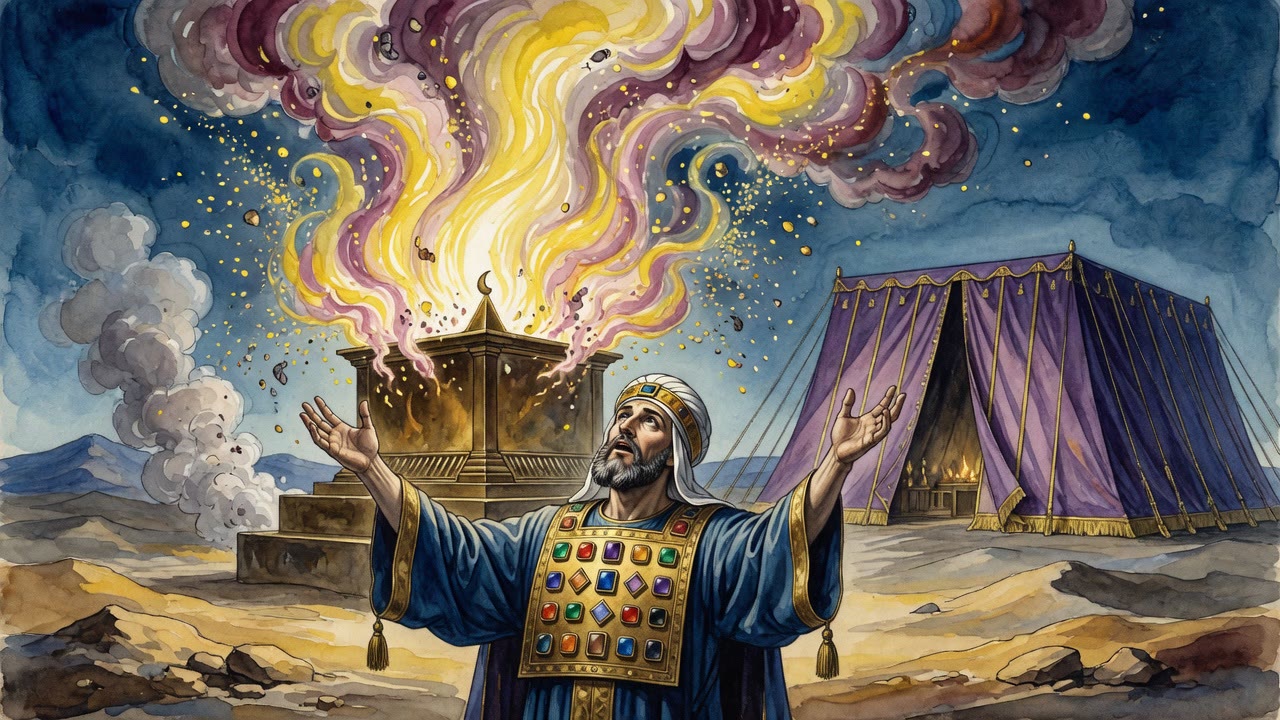
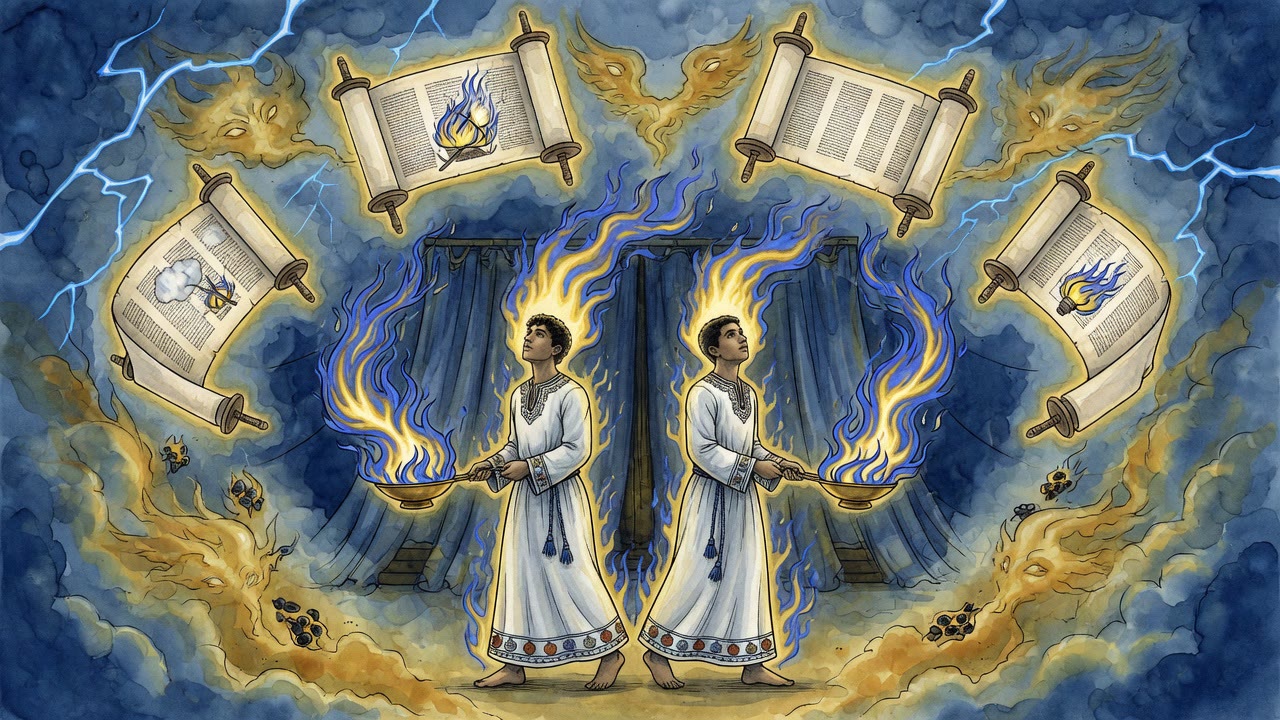
It came on the happiest day of Aaron's life, the day the Mishkan (the portable sanctuary Israel carried through the wilderness) finally stood ready, the day the priests stepped forward and the camp of Israel watched heaven draw near. His sons Nadav and Avihu carried fire toward God, but no command had summoned that flame. They brought esh zarah, strange fire, into a place where every movement had to answer a word from above.
The Day Opened With Glory
Morning had begun with order. Garments, offerings, altar, people, blessing. Aaron had waited through shame, preparation, and trembling obedience to reach this hour. The House was not a private tent. It was the meeting place between earth and heaven, and every eye in the camp knew that one wrong step near holiness could cost more than pride.
Then his two sons moved. They were not strangers. They were priests, firstborn and honored, close enough to the center to mistake nearness for permission. Each held his own firepan. Each stepped with the heat of zeal in his hands.
Strange Fire Crossed the Boundary
Their fault was not left vague. They drew too close. They brought an offering that had not been commanded. They carried fire from the common place, from the world of cooking-stoves and ordinary heat, instead of taking coals from the altar where holy fire already burned. Worst of all, they did not take counsel with one another.
Two brothers stood side by side and still acted alone. No hand caught a sleeve. No whisper slowed the step. No brother said, "Wait." Holiness was in front of them, but counsel was missing between them, and the strange fire went up.
Their Garments Stayed Whole
Fire came out from before God and met them.
It did not chew through cloth. It did not blacken flesh. It entered through the nostrils and took the soul, leaving the body and the priestly garments whole. The camp could see what had happened and still not see the place where death had struck. Two men remained dressed for service, emptied of life by a flame that knew exactly what to touch.
Aaron stood before the bodies of his sons. The day that was supposed to crown him had opened a wound in his house. The same holiness that had accepted the Mishkan had taken Nadav and Avihu at the threshold.
Moses Carried a Sentence From Sinai
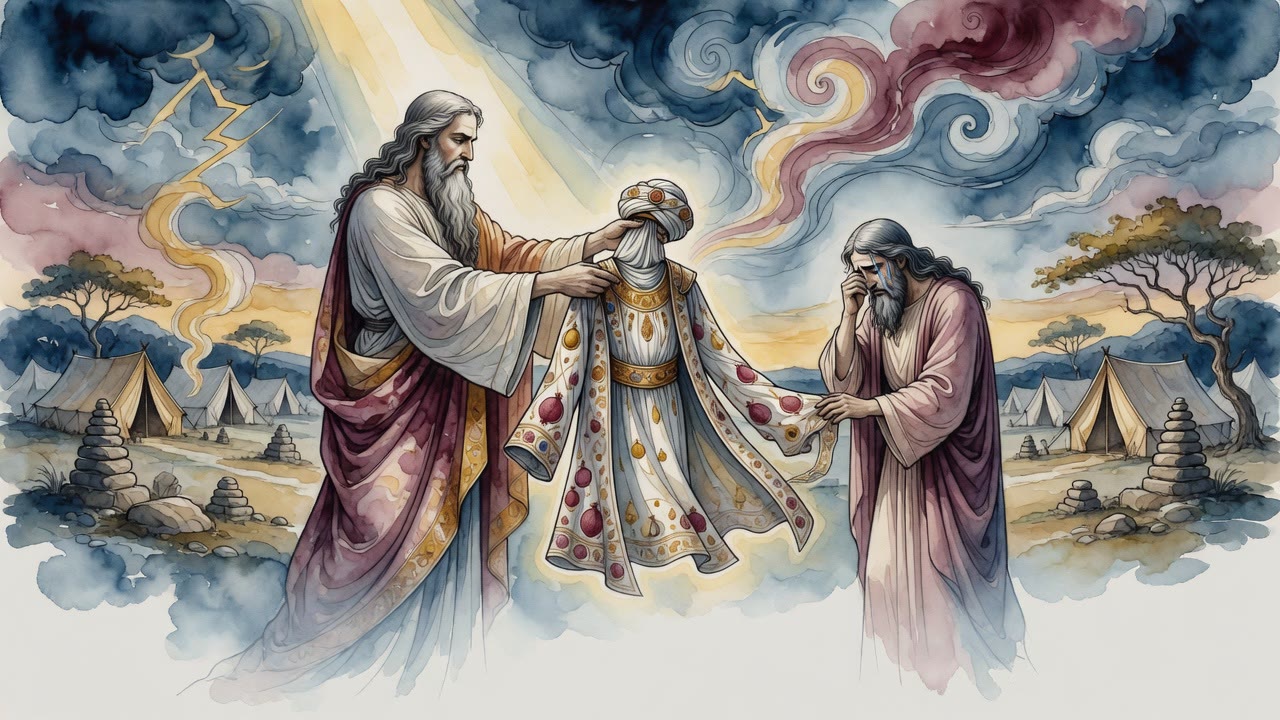
Moses saw his brother frozen and fear passed through him too. Woe to me, he thought. Perhaps the fault is in my house. Perhaps the fire has found something hidden in me. He came close to Aaron not as the lawgiver before the priest, but as one brother standing beside another when speech itself had become dangerous.
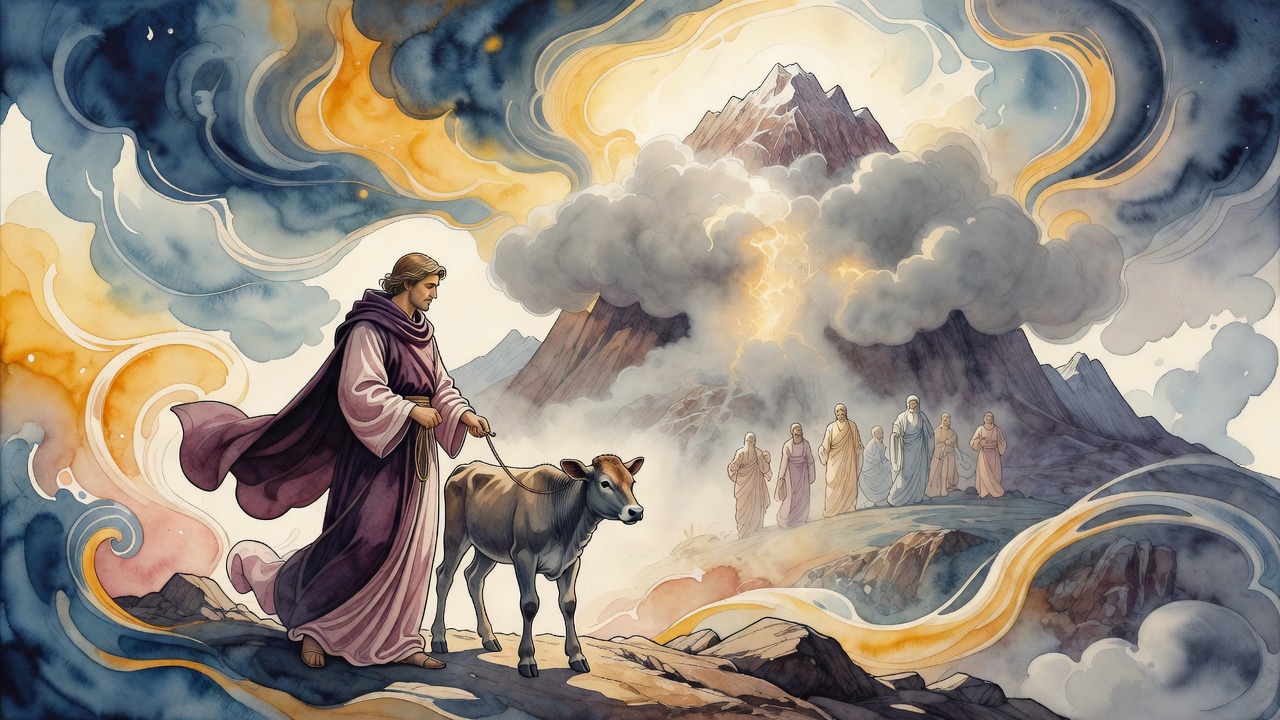
At Sinai, Moses had received a sentence he had not understood. The House would be sanctified through God's honored ones. He had imagined the words pointed to him, or to Aaron. One of them, he thought, would pay the price of making the Mishkan holy before Israel.
Now the meaning stood in front of him.
Moses spoke as gently as the words allowed. He had thought the decree marked him or Aaron. Now he saw that Nadav and Avihu were greater than both of them, the honored ones through whom the House had been sanctified.
Scripture Guarded the Dead
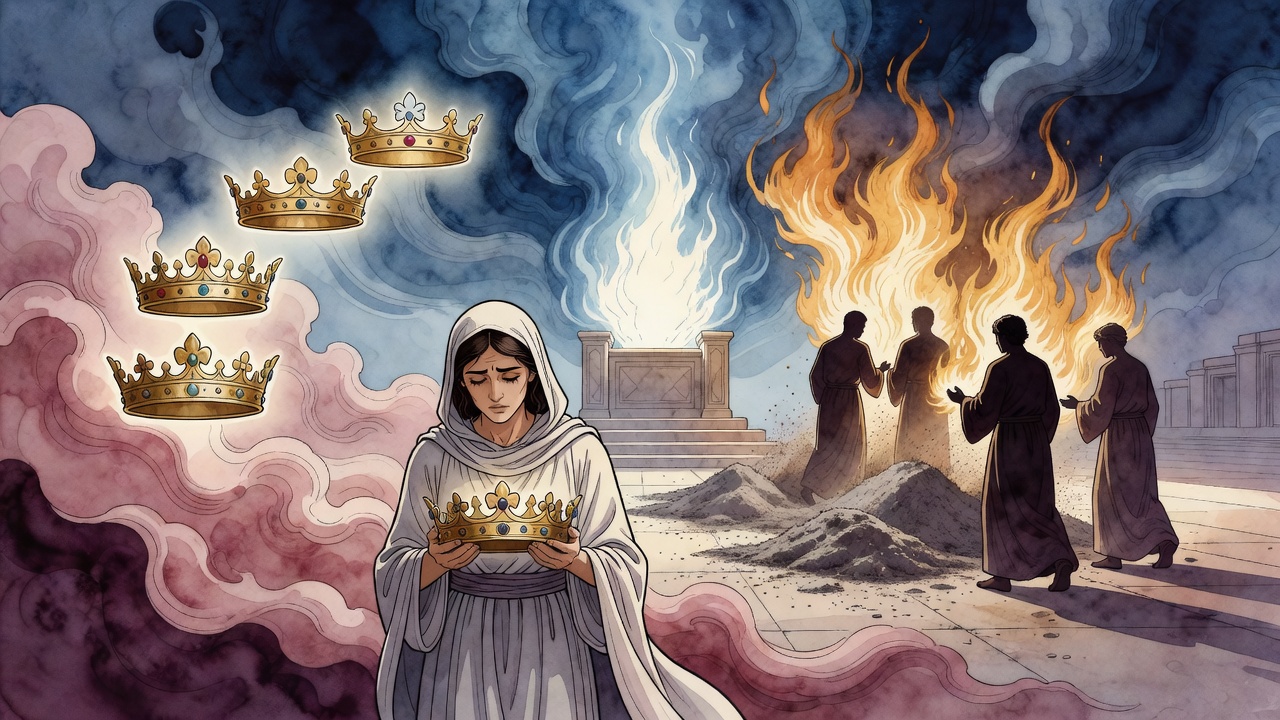
Rumor would have done the last violence. People know how to fill silence with rot. If two young priests died in a flash of fire, mouths would open: surely they hid corrupt deeds, surely some secret filth had come due, surely their public death exposed a private shame.
So the Torah sealed the door. Again and again, when it remembered the death of Aaron's sons, it set their offense beside their names. Not a lifetime of hidden evil. Not a heap of unnamed crimes. One sin. One crossing. One act of strange fire before God. The repetition became a guard at the grave, standing there so no whisper could climb over the truth.
Silence Became the Answer
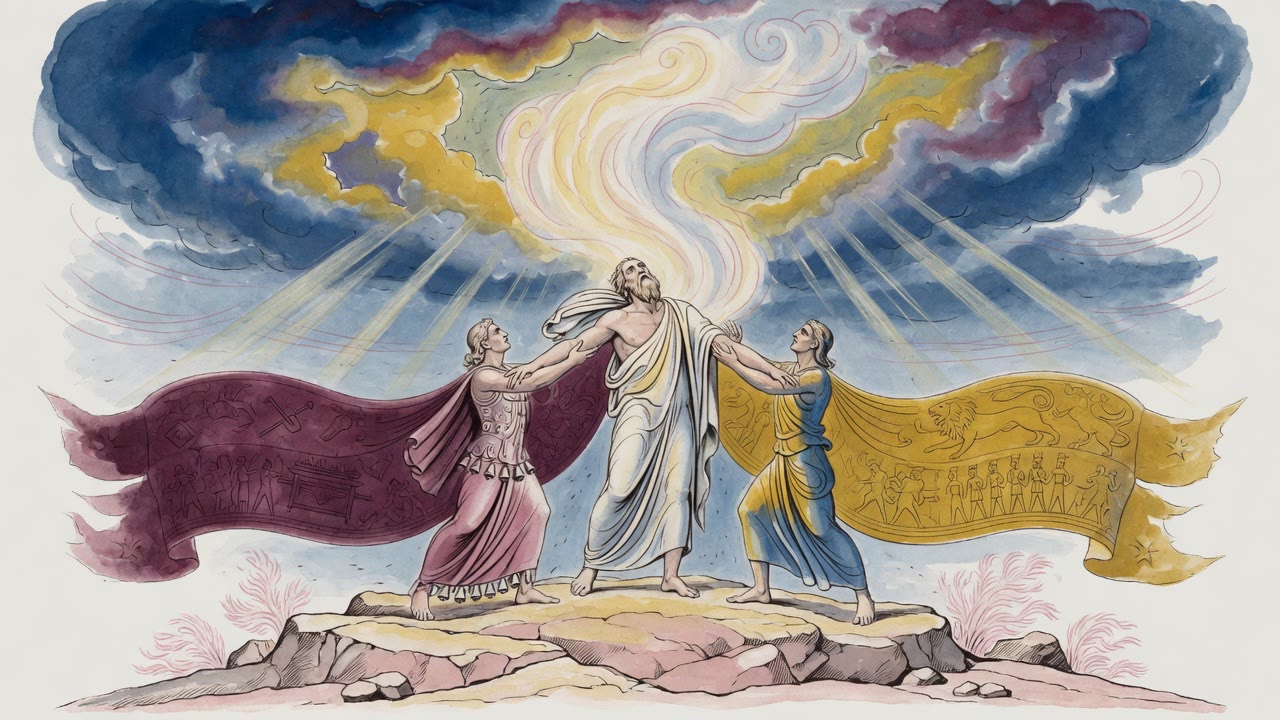
Aaron heard Moses and did not speak.
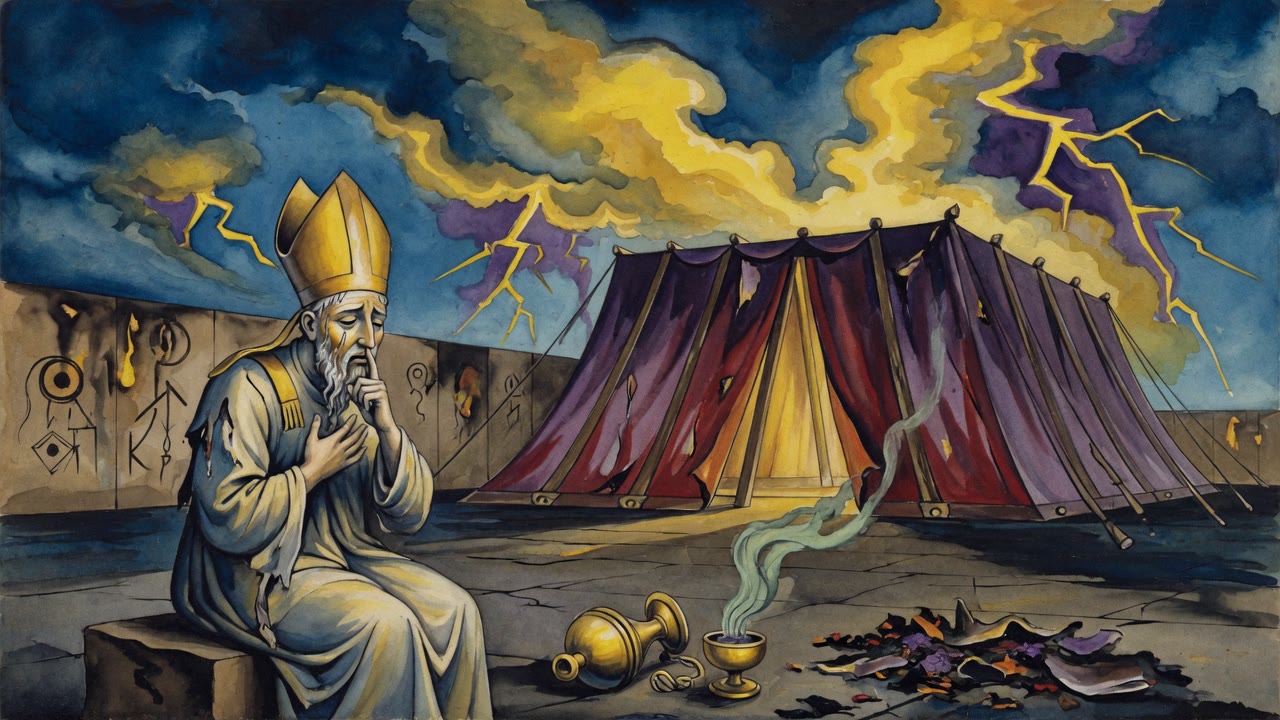
He did not call the fire gentle. He did not pretend the bodies before him were anything but his sons. He did not argue, curse, bargain, or explain. His silence was not emptiness. It was a closed door held shut by both hands.
Vayidom Aharon. Aaron was silent.
Because of that silence, speech came to him later by name. The divine voice, which so often passed through Moses, addressed Aaron alone. The father who had swallowed his cry did not vanish from the House. He remained standing inside it, wearing the service, carrying the names of the dead without letting rumor, rage, or even grief break the boundary that had just been drawn in fire.
← All myths