108 related texts · Page 1 of 3
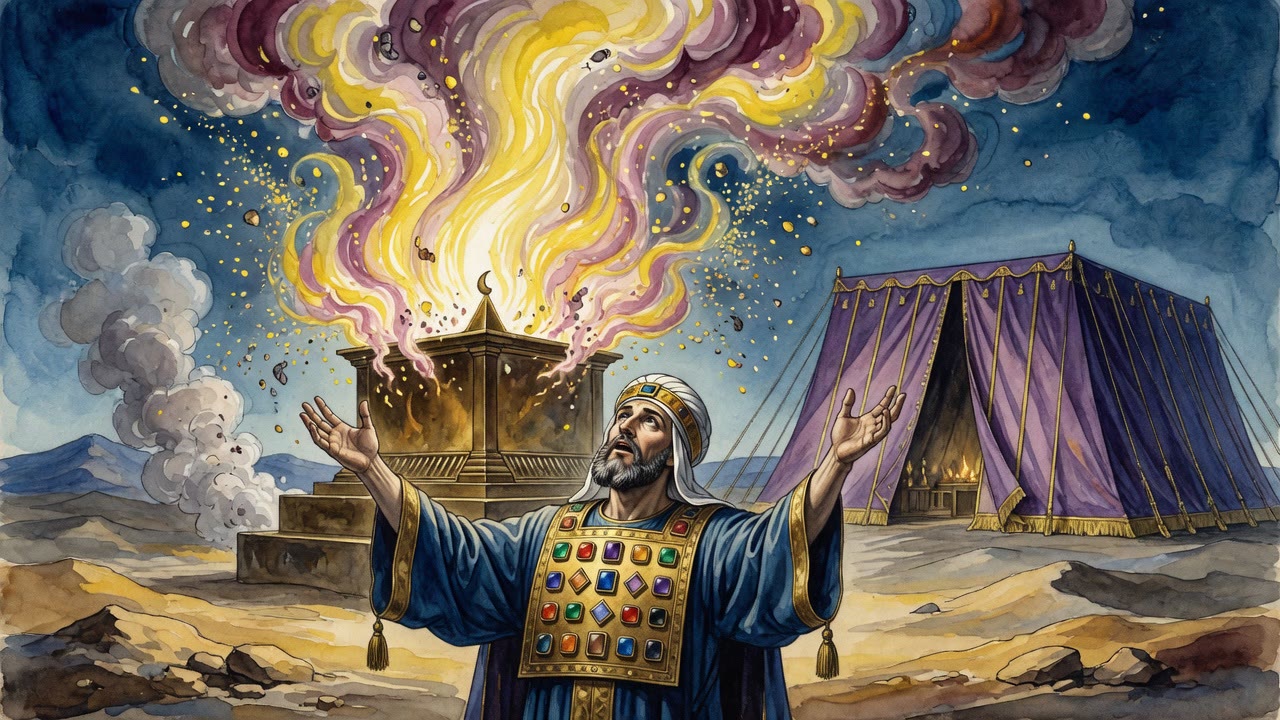
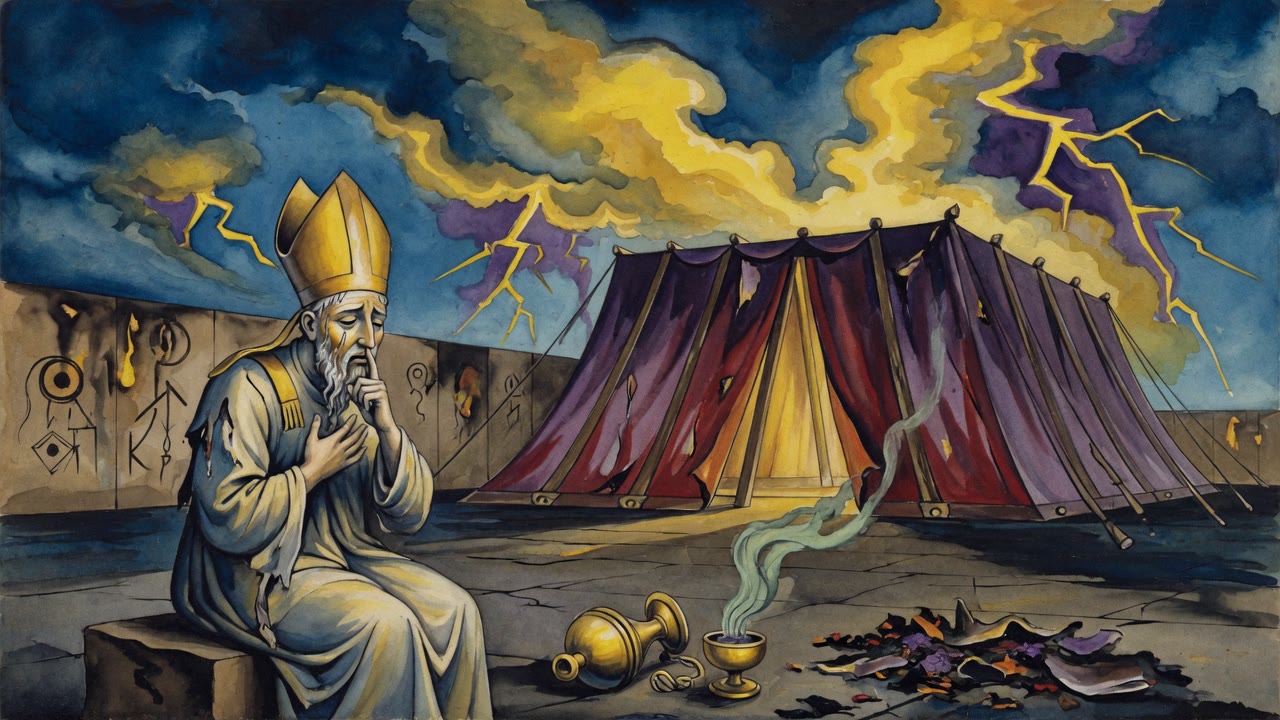
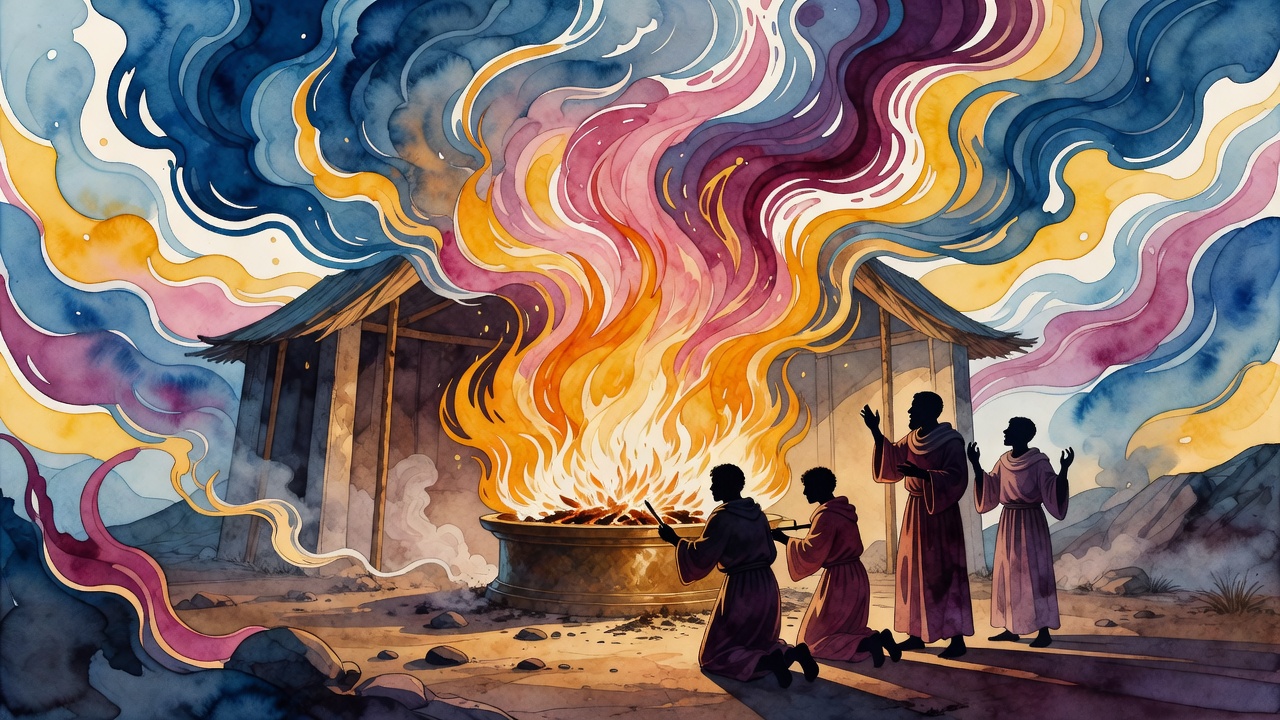
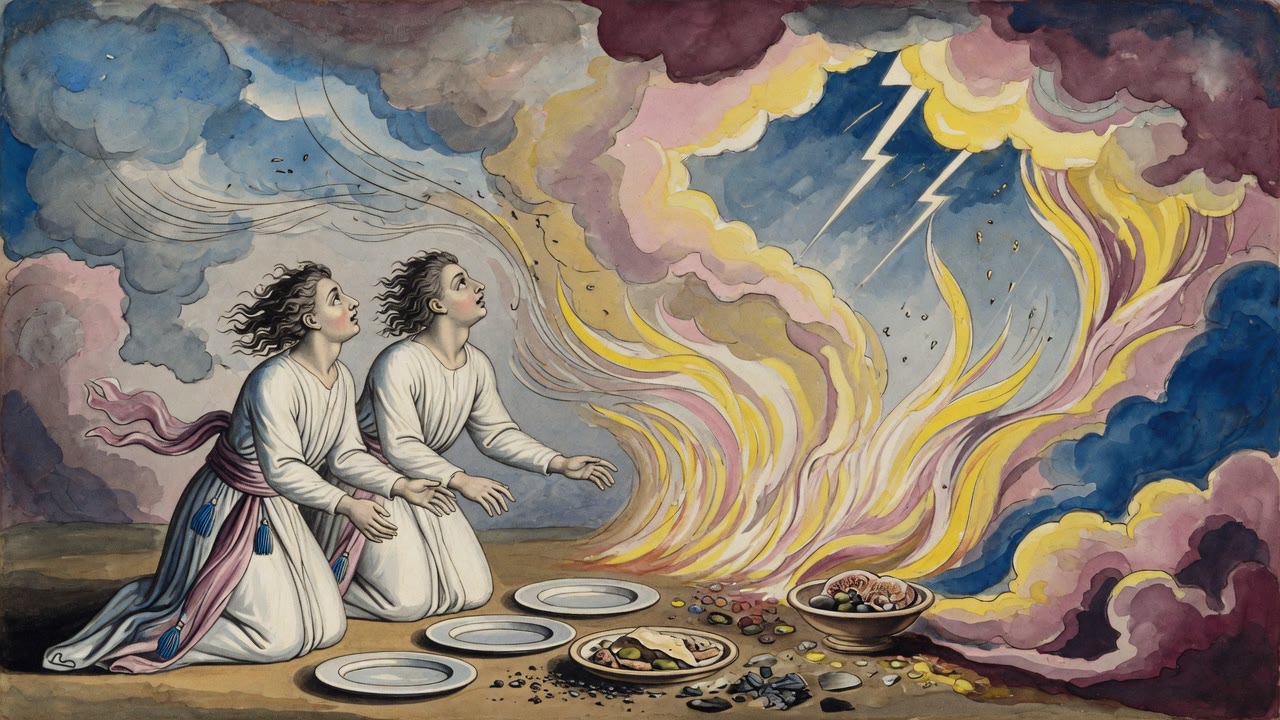
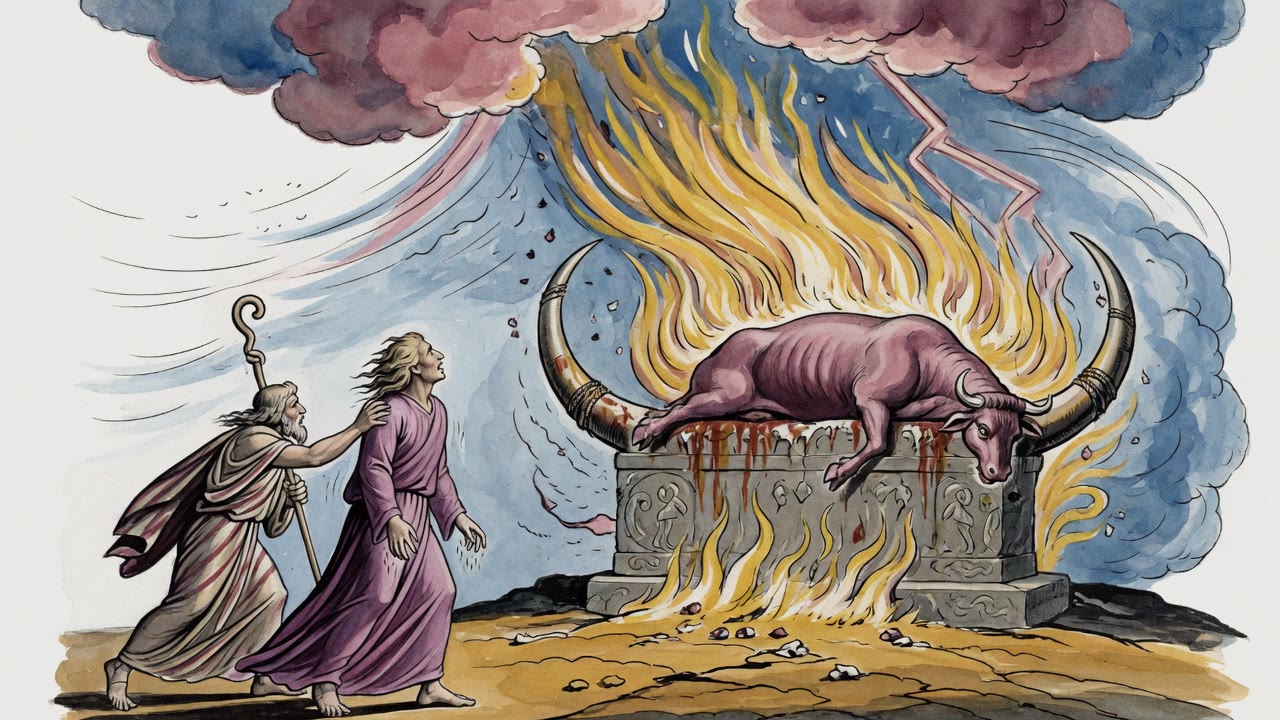
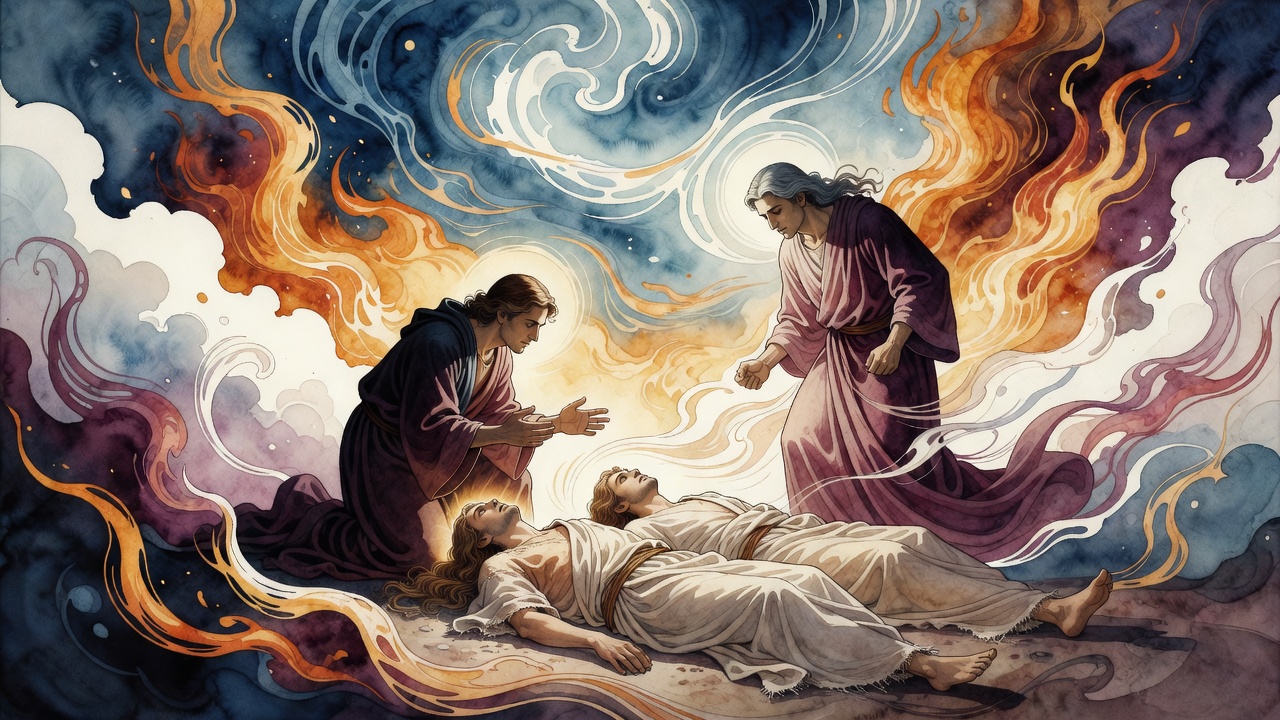
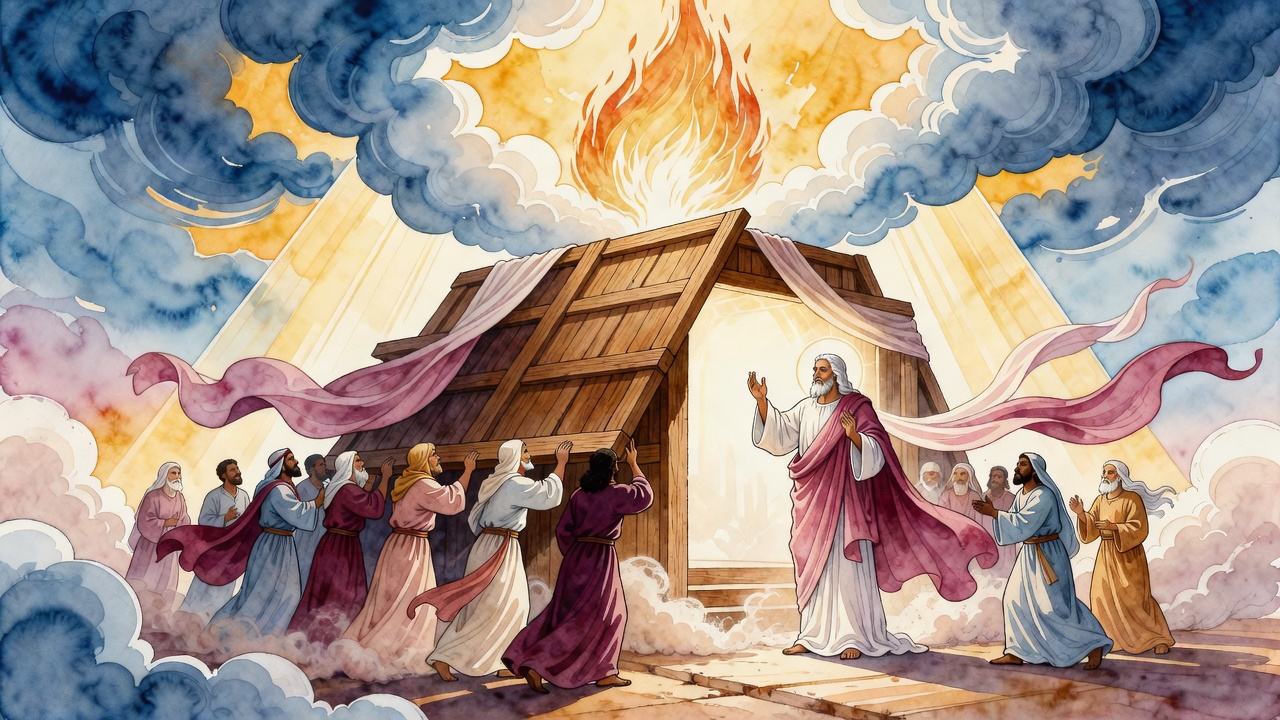
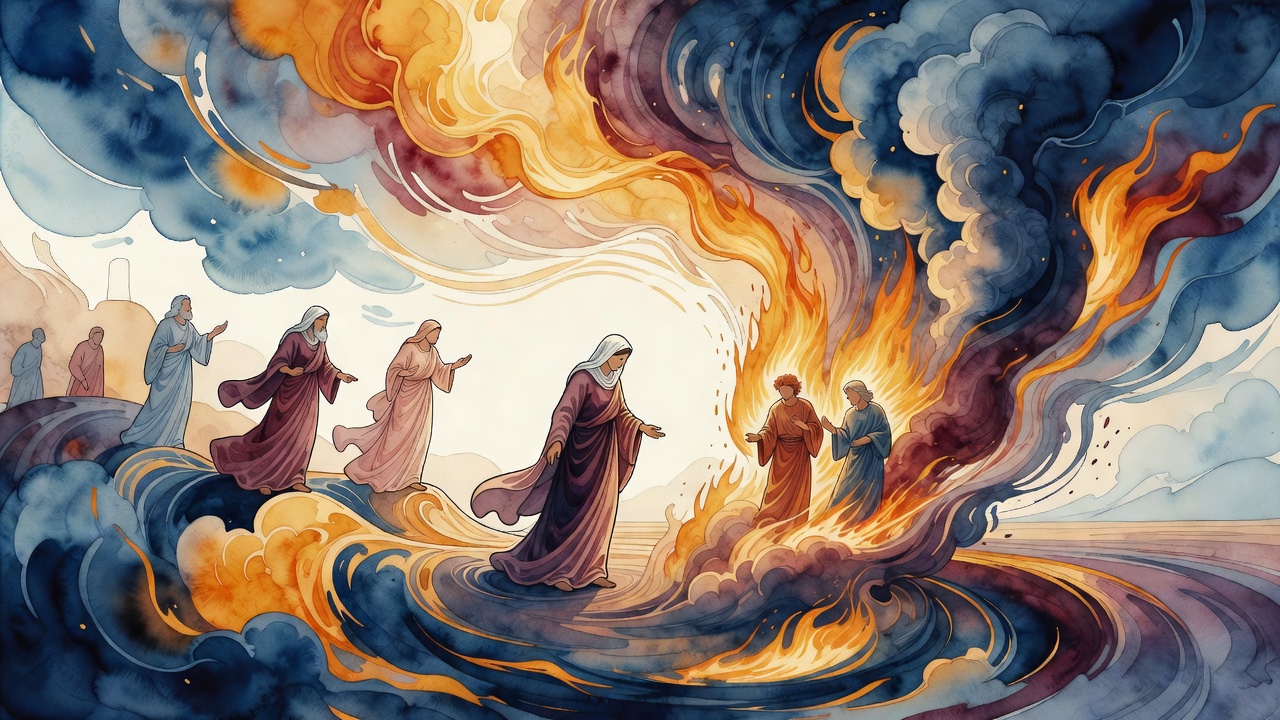
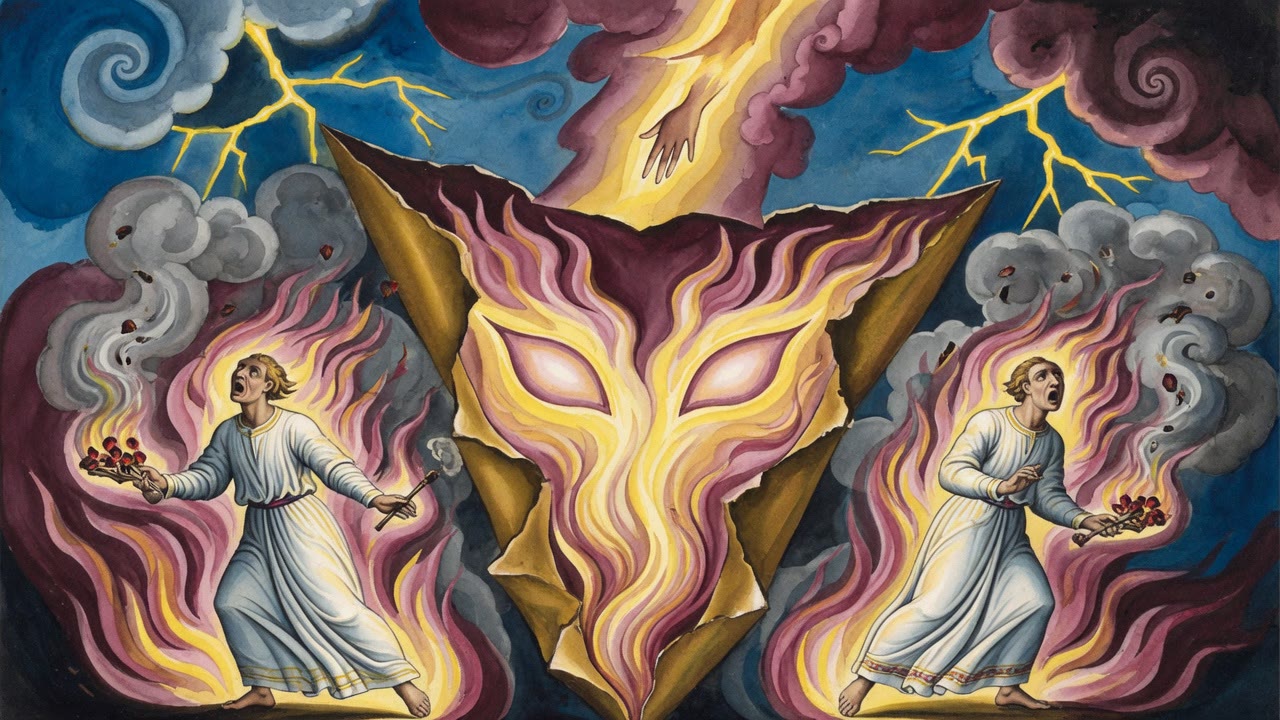
There's a story in the Torah, a rather unsettling one, about two brothers, Nadab and Abihu, the sons of Aaron, and it's been echoing through Jewish tradition for millennia. We find...
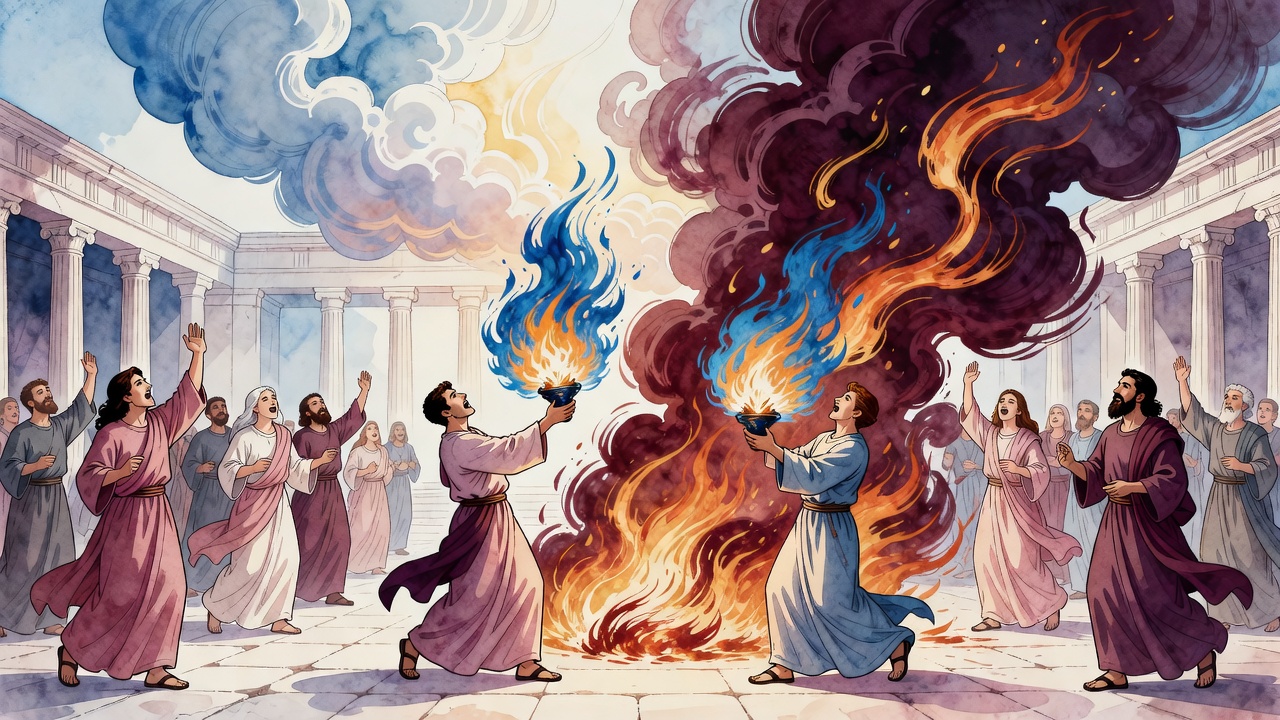
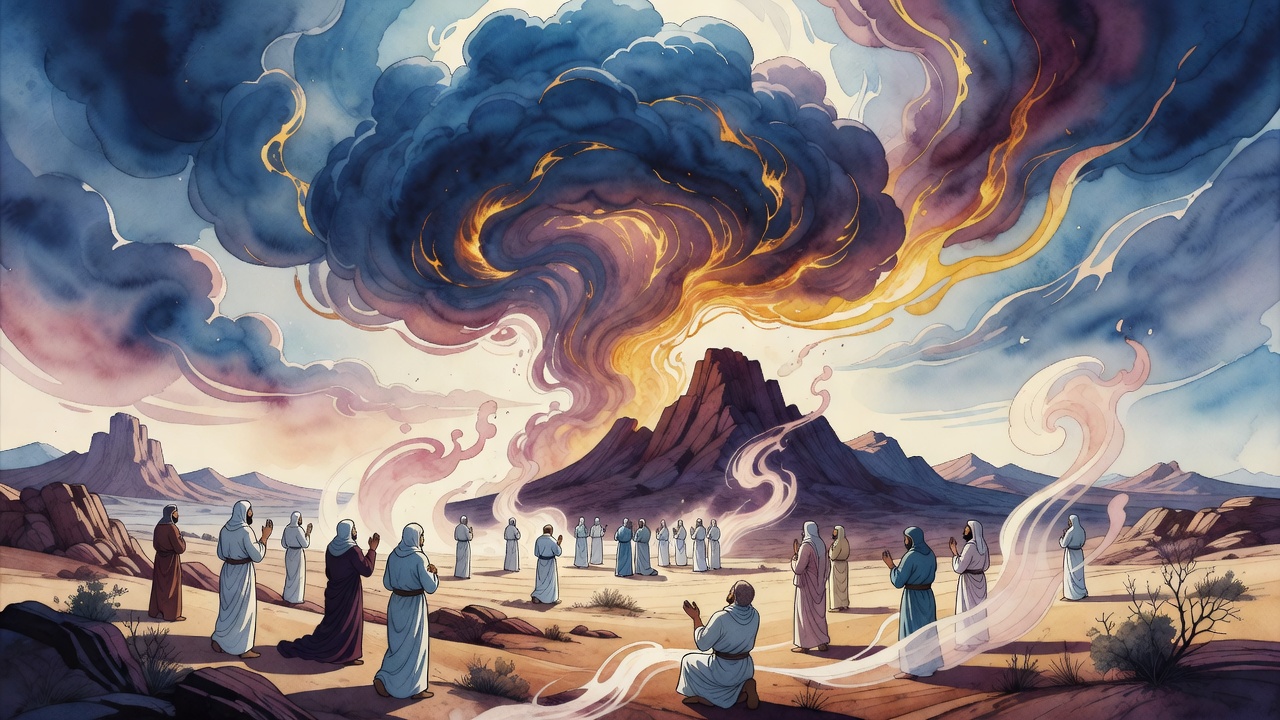
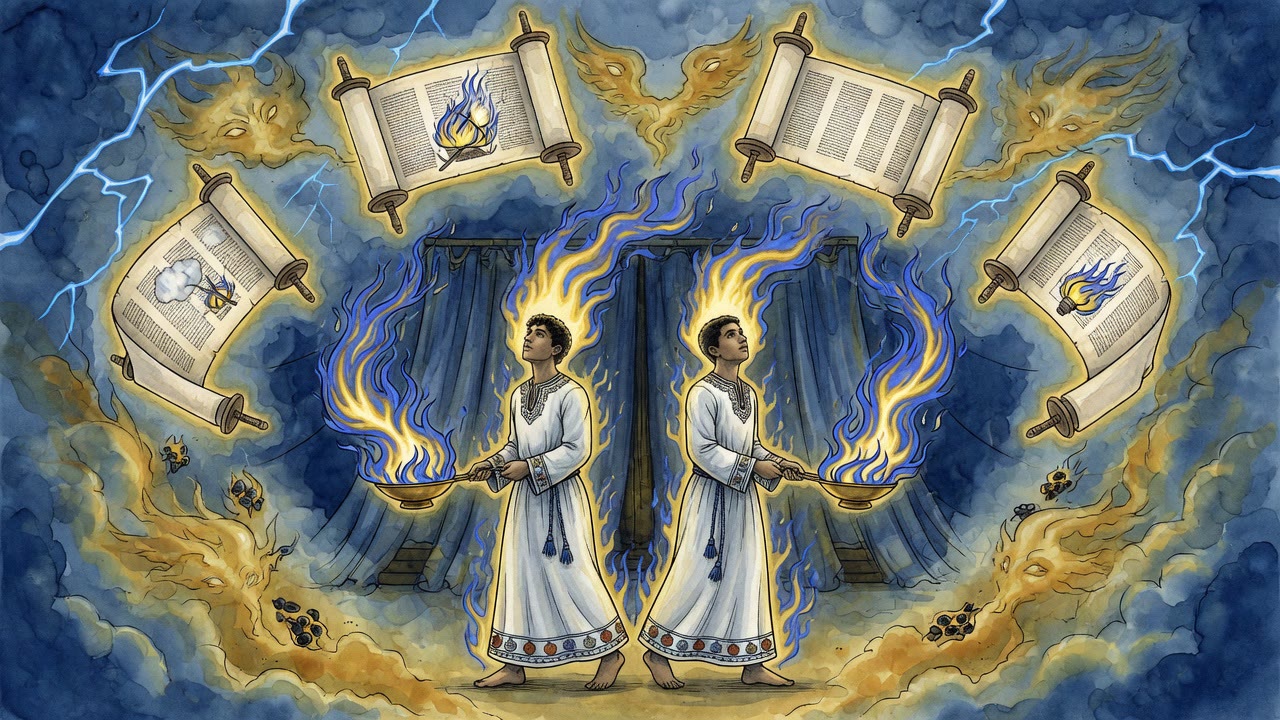
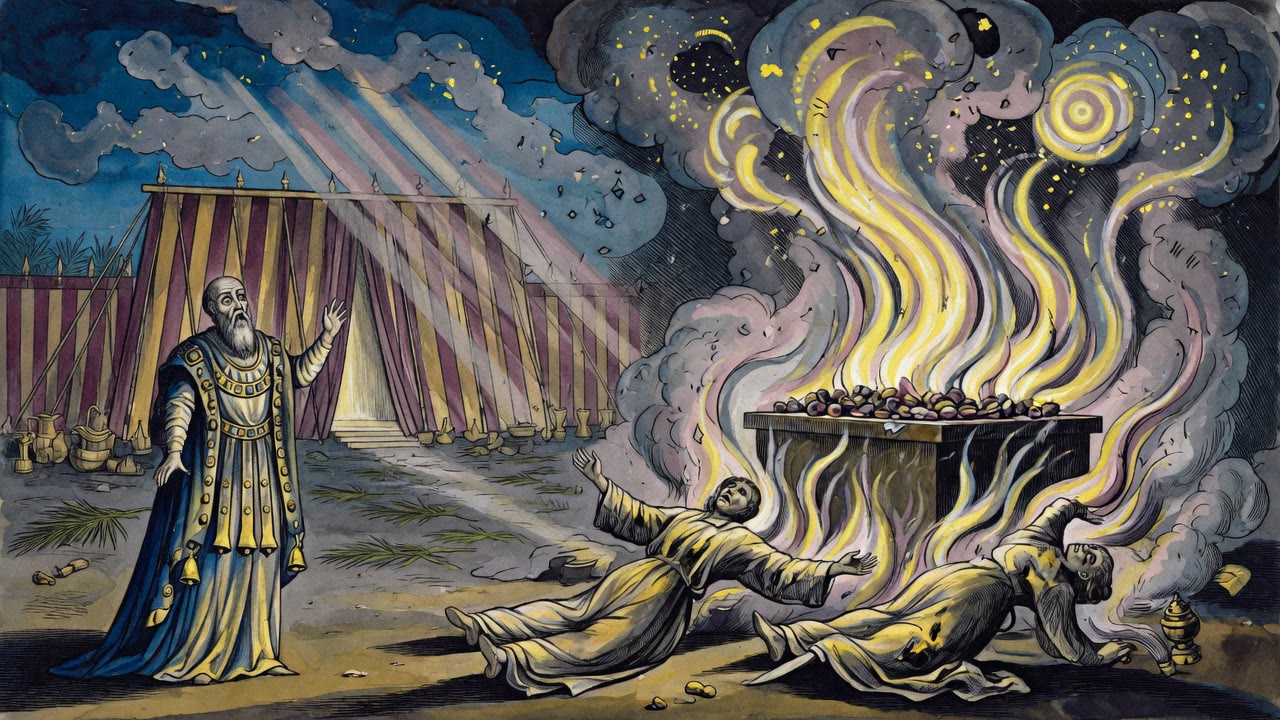
The Torah tells us that Nadab and Abihu, in their zeal, offered "strange fire" before the Lord and were consumed (Leviticus 10:1-2). A devastating blow, not only to their family bu...
God is bringing forth life in abundance, filling the waters with all kinds of fish, male and female, both clean and unclean. But how do we tell the difference? How do we know what’...
It’s more than just a label, it's a whole system, steeped in tradition and symbolism. Today, we’re diving into a single verse from Sefer Devarim, the Book of Deuteronomy, to unlock...
Rabbi Azarya began: “Do not see wine in its redness, for one who sets his eye on the cup will walk the straight path” (Proverbs 23:31). Rabbi Azarya said: “Do not see wine in its r...
The rabbis of Esther Rabbah made a stunning claim: every time the Hebrew word vayhi ("it was") appears in the Torah, it signals disaster. Rabbi Tanhuma, Rabbi Berekhya, and Rabbi H...
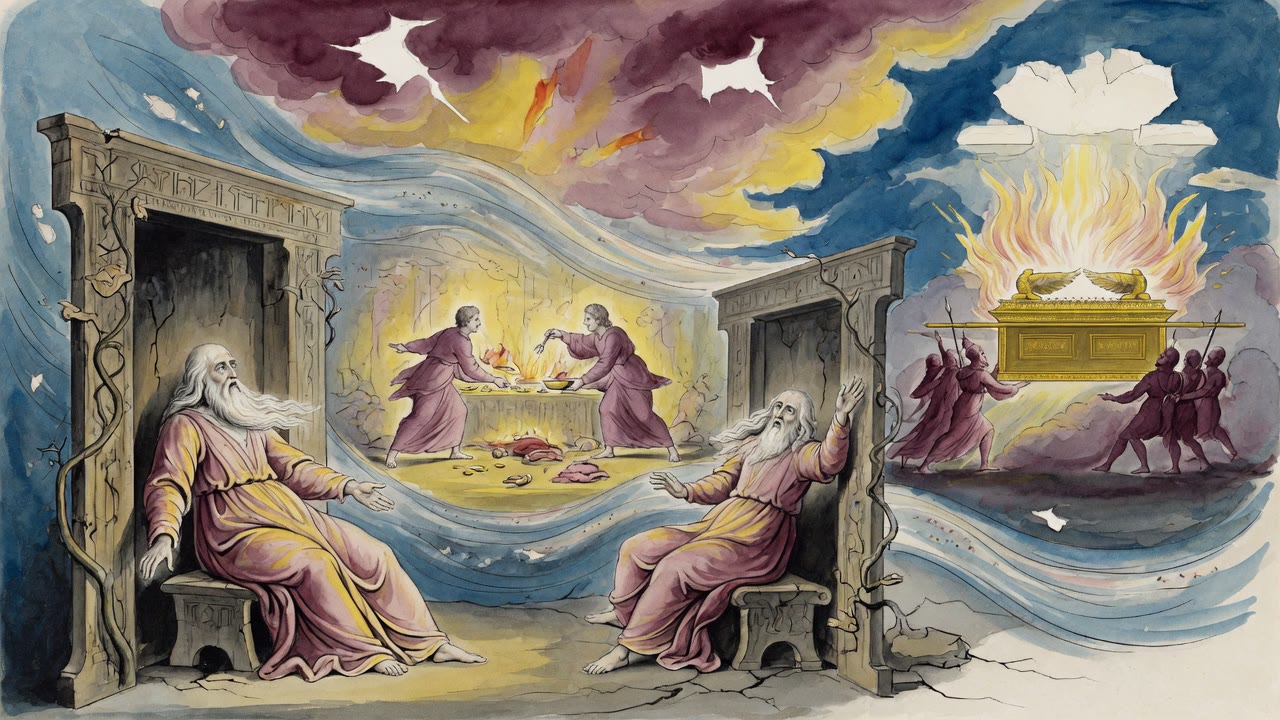
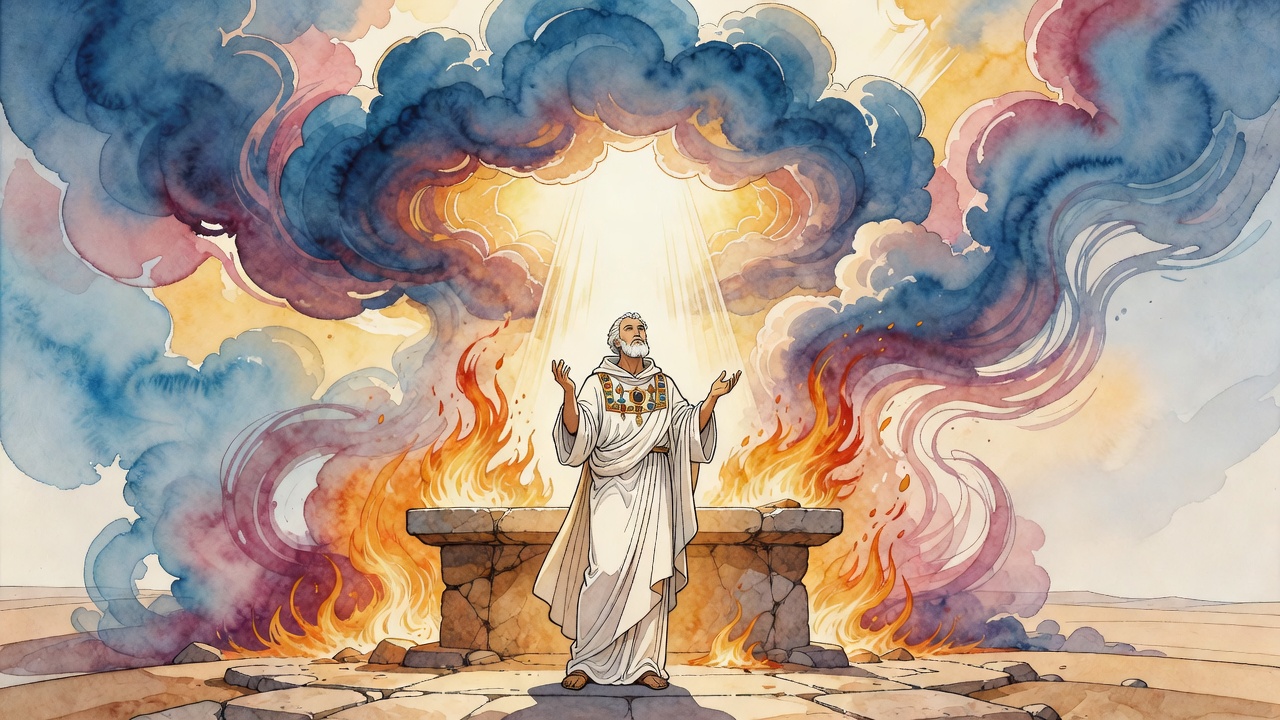
Nadab and Abihu, the two eldest sons of Aaron, offered unauthorized incense—and died. The Hebrew Bible says fire "came out from the Lord and consumed them" (Leviticus 10:2). The Ta...
It's easy to dismiss them as outdated or just plain weird. But what if there's a deeper wisdom hidden within? The Letter of Aristeas, an ancient text, gives us a fascinating perspe...
Talk about culture shock! How did she navigate this world without losing herself? Well, the Megillah (the Scroll of Esther) only gives us hints. But the sages, those master storyte...
Rabbi Akiva taught that there were three things Moses could not visualize on his own, no matter how great his prophetic power. God had to physically point them out to him. The firs...
It's more than just a list of dos and don'ts; it's a reflection of a deeper understanding of the world, a worldview even. And sometimes, ancient texts can shed surprising light on ...
It’s a question that’s sparked debate and curiosity for centuries. But what if I told you the answer isn’t just about dietary rules, but about something much deeper – about ethics,...
And Jewish tradition, with its rich tapestry of stories, doesn't shy away from tackling it head-on. Take the story of Nadab and Abihu, sons of Aaron, the High Priest. We encounter ...
The story of Nadab and Abihu, the sons of Aaron, plunges right into that question. It's a tale filled with both tragedy and a strange kind of… merit? We find this story in Leviticu...
We all know about the Exodus, the parting of the Red Sea, and even receiving the Ten Commandments. But what about the nitty-gritty details of setting up their new life, their new r...
But for Elisheba, the joy is amplified fivefold! As Ginzberg recounts in Legends of the Jews, luck seems to be showering blessings specifically on her. Her husband, Aaron, is the H...
Take, for instance, the story of Aaron, Moses, and Aaron’s surviving sons, Eleazar and Ithamar, after the tragic deaths of Nadab and Abihu. Remember Nadab and Abihu? They were cons...
Concerning this it is stated in the Tradition (Song of Songs 2:14) "My Dove in the clefts of the rock … Show me Your face; let me hear Your voice. For Your voice is sweet and Your ...
In the standard Hebrew text, God takes the Levites instead of Israel's firstborn sons. The Targum Jonathan adds details that transform this administrative swap into a high-stakes t...
The Roman Emperor wanted to test the wisdom of the Jewish sages, so he sent word that a great luminary should be dispatched to his court. The Jewish leaders chose Rabbi Meir, whose...
“The tongue of the suckling sticks to its palate from thirst; infants request bread, and no one breaks it with them” (Lamentations 4:4).“The tongue of the suckling sticks.” Rabbi A...
It's easy to dismiss them as arbitrary, ancient dietary restrictions. But what if there's something much deeper going on? Something about character, about virtue, about becoming th...
It's not just about taste, folks. It's a whole symbolic system, pointing to deeper truths about ourselves and our relationship with the Divine. The Letter of Aristeas, an ancient t...
We can find some interesting hints in the Sifrei Devarim, a collection of legal interpretations on the Book of Deuteronomy. One thing the Sifrei points out right away: there are mo...
The Targum Jonathan on (Deuteronomy 14) transforms a list of dietary laws into a detailed zoological manual. Where the Hebrew names animals and moves on, the Targum adds identifyin...
(Genesis 7:2) lays it out: seven pairs of every clean animal, but only one pair of unclean animals. Seems straightforward, but... why? That’s a question that’s been puzzling interp...
And some of their answers… well, they're One fascinating myth, collected orally and preserved in Howard Schwartz’s Tree of Souls, tells us that the Messiah was actually created at ...
Like after all the hard work, the dedication, the striving... shouldn't there be a bonus round of celebration? Well, Jewish tradition understands that feeling perfectly. to a fasci...
That’s the image Rabbi Pinḥas, quoting Rabbi Levi, uses to explain a powerful idea in Vayikra Rabbah. He tells the story of a king’s son who’d developed a taste for… well, let’s ju...
We're talking about a seven-year famine so severe, so utterly devastating, that it’s almost impossible to fathom. Imagine, if you will, the creeping desperation as each year brough...
The Torah mentions redeeming "the first-born of the unclean beast" in (Numbers 18:15), which could suggest that every unclean animal's firstborn must be redeemed. Camels, horses, d...
"The entire world was created only for my sake" (Sanhedrin 37a). Rabbi Nachman of Breslov takes this teaching at face value: if the world exists for you, then you are responsible f...
(Exodus 12:1) "And the L–rd spoke to Moses and to Aaron in the land of Egypt, saying": I might think that both Aaron and Moses were being addressed; it is, therefore, written (Exod...
The Mekhilta, the tannaitic midrash on Exodus, explores a striking rhetorical pattern found throughout the Hebrew Bible: moments where a prophet says God "has spoken," and the rabb...
"And the habitation of the children of Israel in Egypt and in other lands was four hundred and thirty years." This is one of the verses that they (the seventy-two elders changed) i...
Variantly: "awesome in praise": The measure of flesh and blood—A man's awe is more upon those who are distant from him than upon those who are near him. Not so, the Holy One Blesse...
The incense was terrifying. Israel had watched it kill Nadav and Avihu, the sons of Aaron, when they brought unauthorized fire before God (Leviticus 10:1). Two young priests, dead ...
When the Egyptians were drowning in the Red Sea, the ministering angels wanted to sing. God stopped them cold. According to Megillah 10b, He said: "My handiwork is drowning in the ...
Turns out, the rabbinic tradition has quite a bit to say about its motivations and character. The Torah tells us, "Noah opened the window of the ark that he had made and sent out t...
We often hear about it in religious contexts, but its origins are actually quite fascinating, steeped in ancient traditions and family dynamics. to one such story, found in the Boo...
It's more than just a matter of taste, that's for sure. The Letter of Aristeas, a fascinating text from the Hellenistic period, offers one particularly intriguing interpretation. I...
In the 130th year after the Israelites went down to Egypt, Pharaoh had a dream. Sitting on his throne, he saw an old man holding a merchant's balance scale. The old man gathered up...
It's not just about what we experience, but what echoes through the ages. Take the story of Aaron and his sons, for example. Before they could even begin their sacred service, they...
Moses, desperate, remembers a secret he learned during his time on Mount Sinai, when he ascended to receive the Torah. It's a pretty wild story, actually. Each angel he encountered...
King Ahaziah fell through the lattice of his upper chamber and was badly injured. Instead of praying to the God of Israel, he sent messengers to consult the Fly, the god of Ekron. ...
It all comes down to the relationship between the sephirot – those divine emanations that make up the Tree of Life. The Tikkun (spiritual repair)ei Zohar dives deep into the mystic...
If only a donkey's firstborn is redeemed, what does the Torah mean when it says in (Numbers 18:15), "but redeem shall you redeem the first-born of the unclean beast"? The Mekhilta ...
"On the eighth day shall you give it to Me" — the Torah specifies that a first-born animal becomes eligible for the altar on the eighth day after birth. But the Mekhilta asks: is i...