Sarah Was Lied to and Rebekah Sent Warriors to the Road
He said the boy was going to study with Shem. She packed bread and water and told him not to walk in the sun. The knife was already in the pack.
Table of Contents
 Click for full size
Abraham Sat Before Sarah and Lied
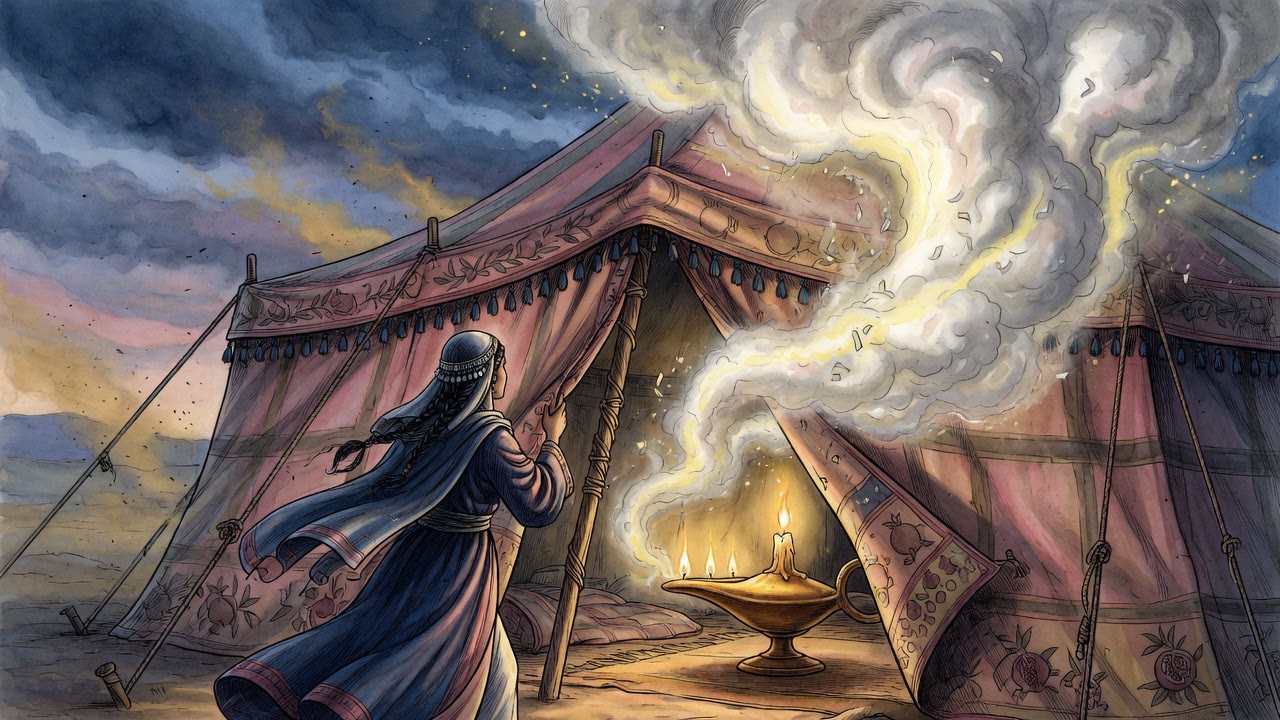
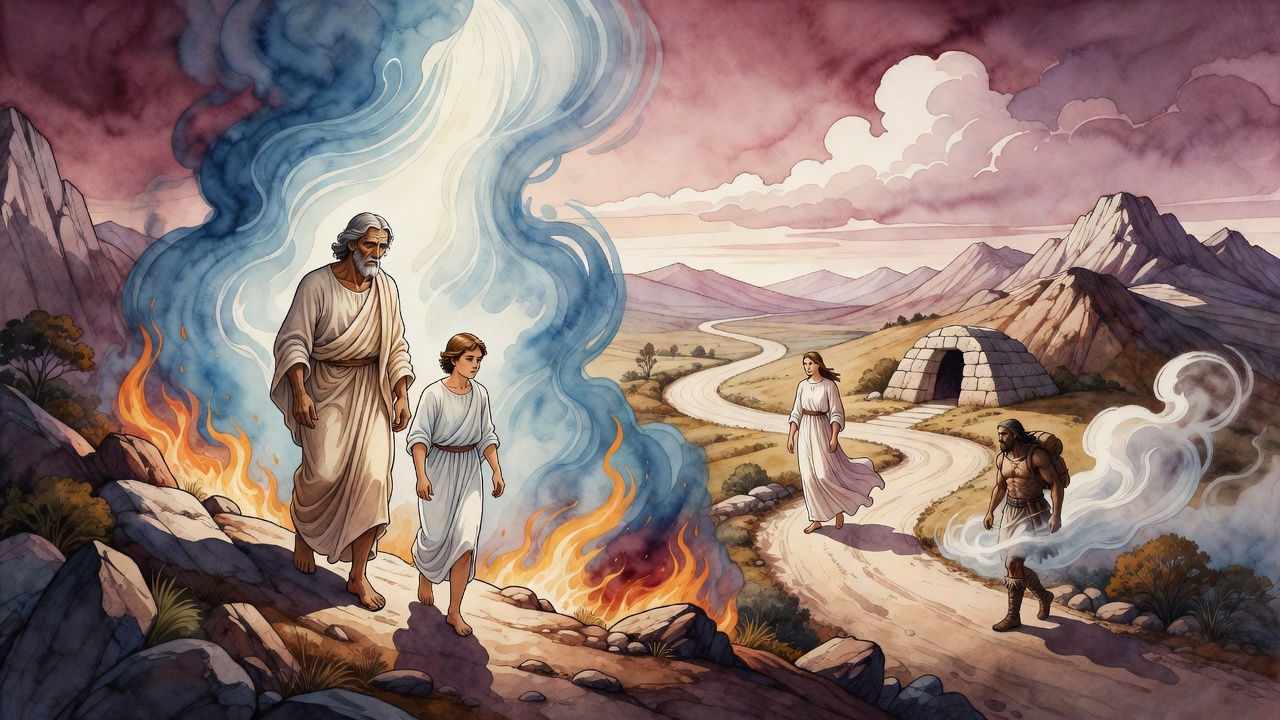
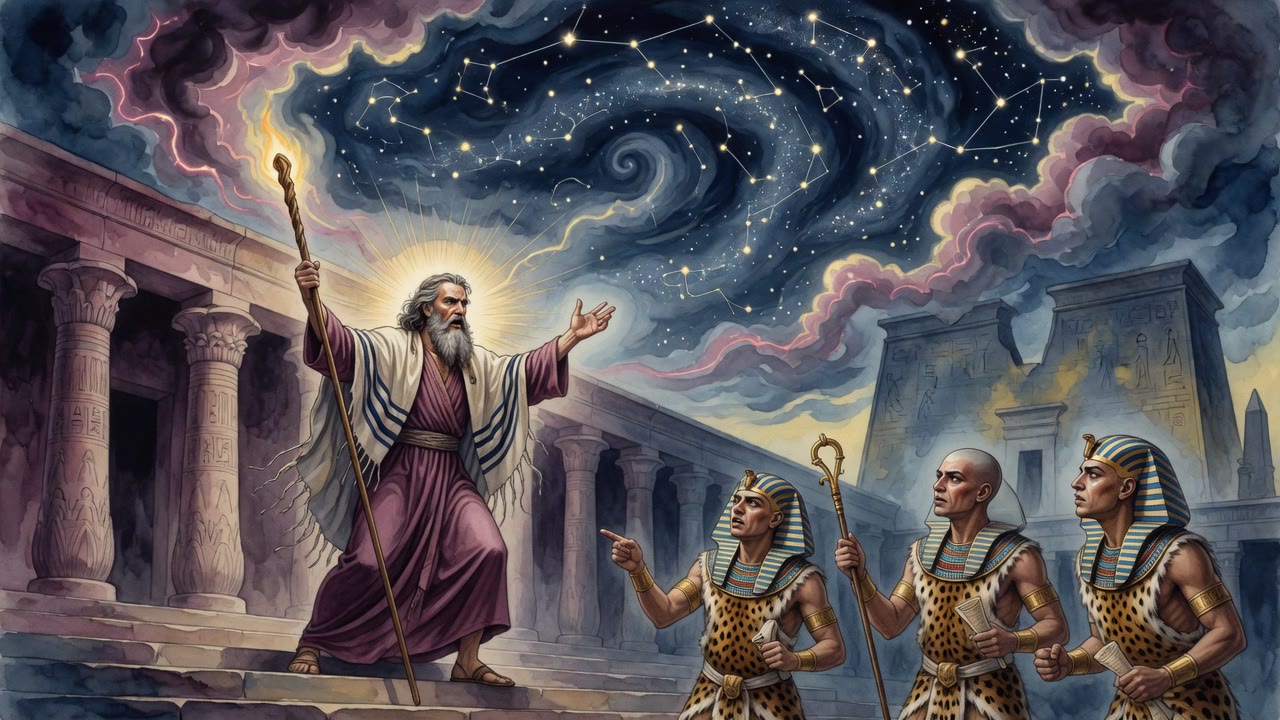
Abraham split the wood in the dark. The donkey was already saddled. Two servants waited by the flap. The command sat in his mouth, and he could not carry it into the tent. Take your son, your only one, the one you love. Offer him on the mountain in the land of Moriah (Genesis 22:2). Sarah would not let the boy past the door if she heard that.
He sat before her and chose a different sentence.
"Isaac is grown," he said. "He has not yet studied the service of God. Tomorrow I will take him to Shem and Eber. They will teach him how to pray so that God answers, and how to serve."
Sarah agreed at once. "Thou hast spoken well. Go. Only do not take him far, and do not leave him long. My soul is bound in his soul."
She kept Isaac with her until morning. She kissed him. She told Abraham what to do if the boy was hungry, if he was thirsty, if the sun stood too high, if the road ran empty. Do not let him walk alone. Do not take your eyes off him. She thought she was packing a student. The wood in the pack was for a fire that would not cook a meal.
Ishmael Counted the Inheritance on the Road
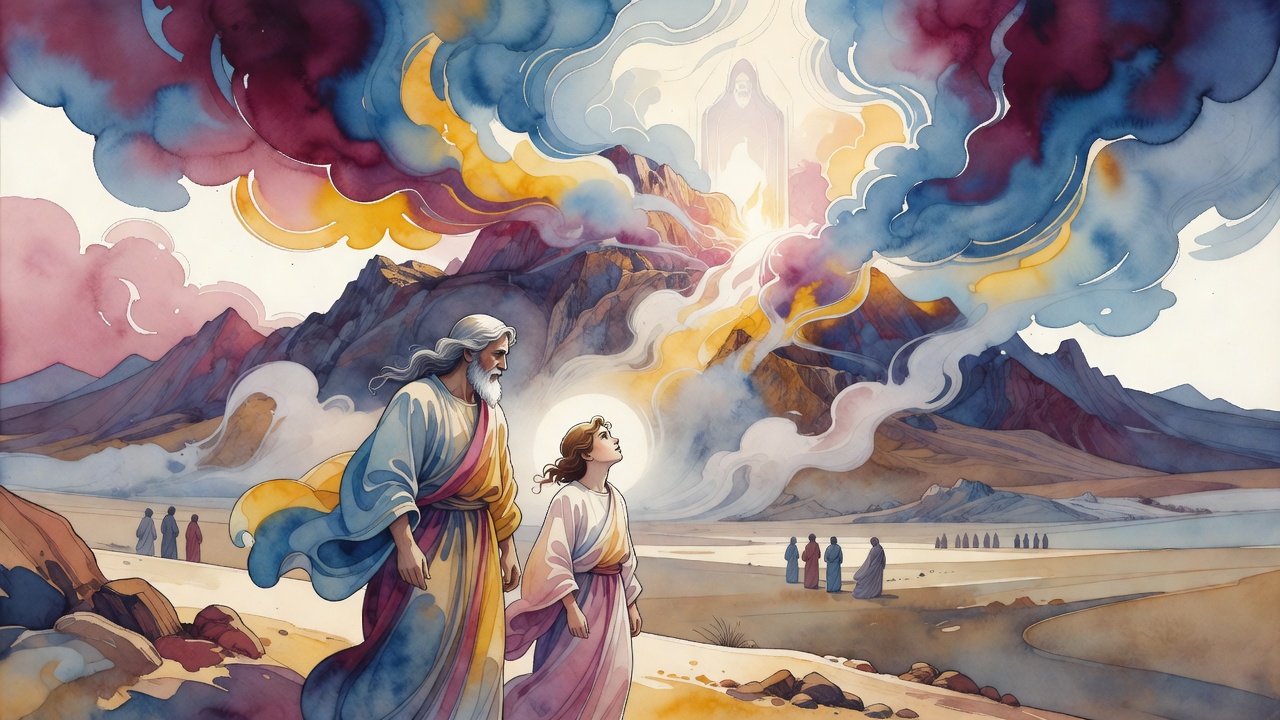
Sarah went back into the tent with the servants. Abraham took two young men with him, Ishmael and Eliezer. Dust rose around their sandals. Isaac walked. The knife rode with the wood.
Ishmael spoke first, low, as if the mountain could not hear.
"Abraham is taking Isaac up for a burnt offering. When he returns, he will give me all he has. I am the first-born."
Eliezer did not wait.
"He cast you off with your mother. He swore you would inherit nothing. I have served him night and day. The house will come to me."
Neither of them wanted an answer. An answer came anyway, on the road, before the boy they were dividing had even asked where the lamb was. Neither this one nor that one will inherit Abraham. Isaac kept walking between them, still packed for school.
Sarah Read His Face When He Came Down
On the mountain the angel stopped the knife. Isaac lived. Abraham came down with a face that had already gone up and come back from a place Sarah had not been told about.
She looked at him. She did not need the sentence he had practiced. The lie about Shem and Eber fell apart in the doorway. The shock killed her as surely as a blade. She had spent ninety years waiting for this child. She died of a morning she had packed bread for.
Isaac went on living inside a body that had watched a knife hang. Years later he met a woman at a well at evening and brought her into Sarah's tent, because that tent still smelled like his mother. He dug wells. He did not argue. The altar had already spent the part of him that speaks.
Rebekah Held the Word Until Isaac Called Esau
Rebekah felt the twins fight before they had names. She went to inquire of God and came back with a sentence Isaac did not hear. Two nations are in your womb. The elder will serve the younger (Genesis 25:23).
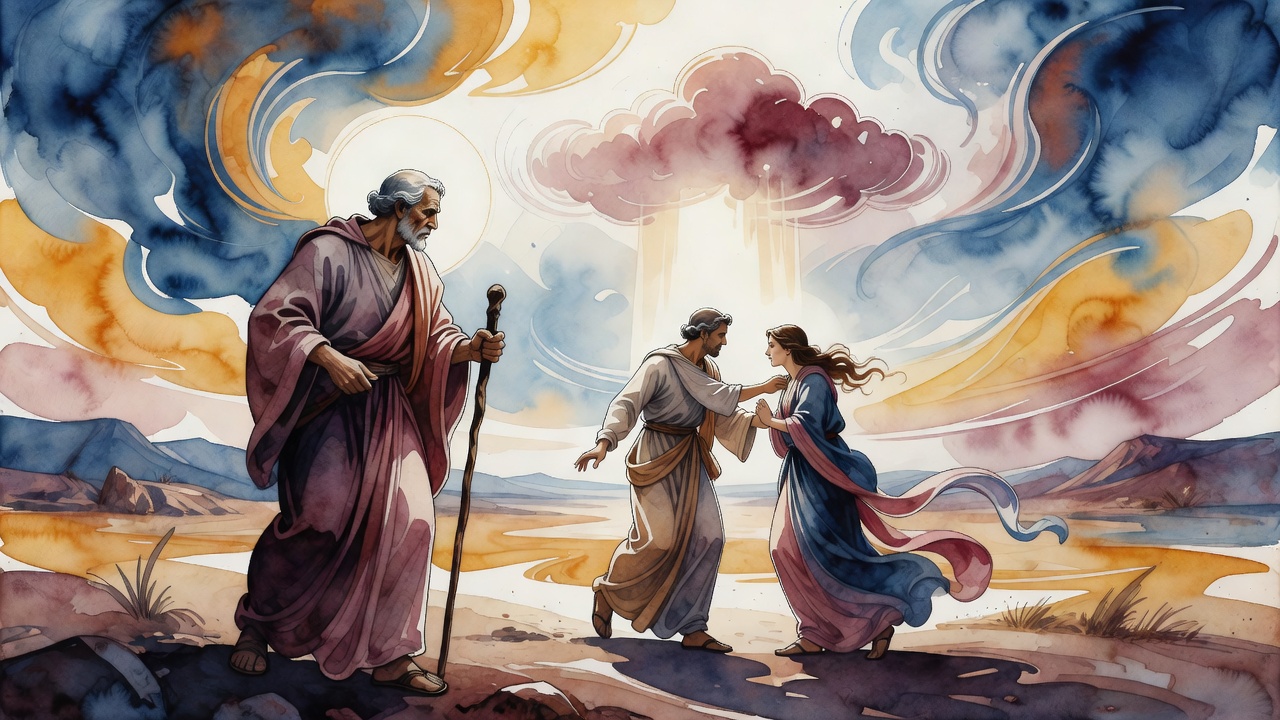
She kept it. Years went by. Esau hunted. Jacob stayed in the tents. Isaac's eyes failed. He called Esau to bless him. Rebekah moved. She dressed Jacob in Esau's clothes, covered his smooth hands with goat hair, put savory meat in his hands, and sent him into the tent before the hunter could return.
The blessing went. Esau's cry, when it came, was a sound the house could not swallow. Rebekah got Jacob out before the hunter's hands found him.
The Warriors Found Jacob Before Esau Did
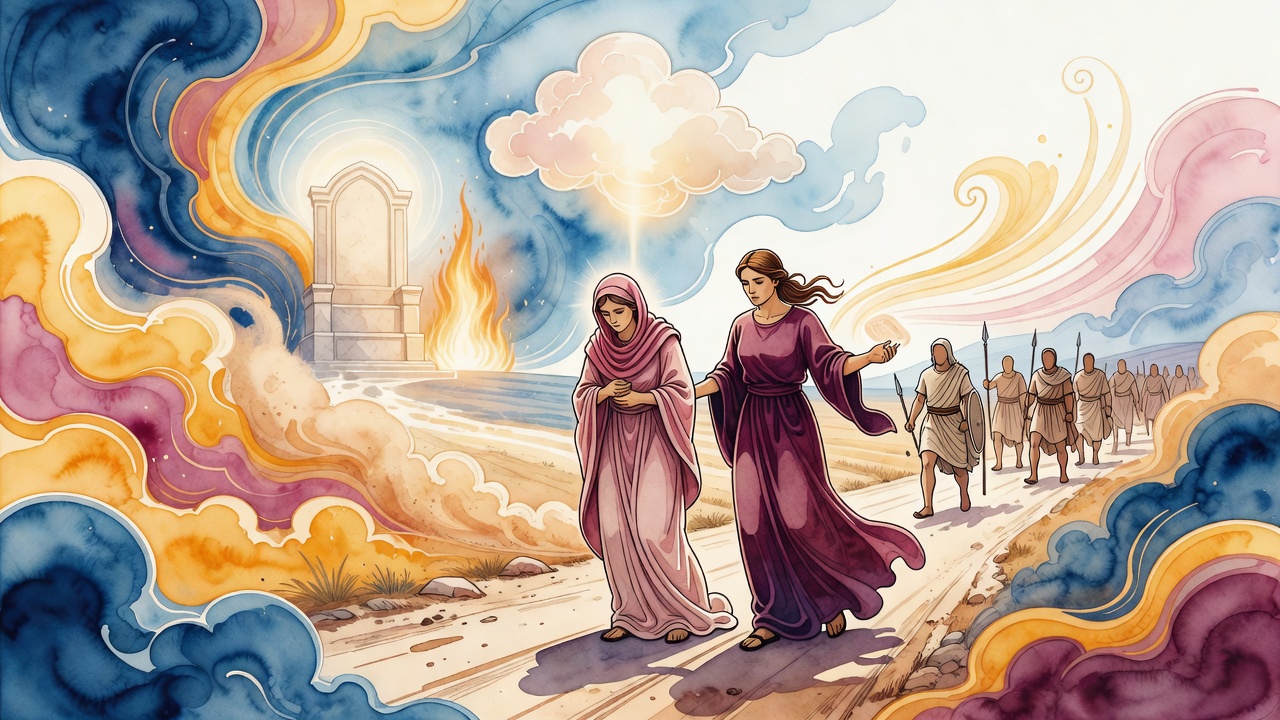
Years later Jacob was on the road home from Aram. Esau was coming the other way with men of Seir the Horite. Rebekah did not wait for Isaac to name that danger either. She sent skilled warriors to find her younger son.
They answered Jacob's questions about the patriarchs and the matriarchs first. Then they gave him his mother's message, word for word.
"I have heard that thy brother Esau hath gone forth against thee on the road with men of the children of Seir. Hearken to my voice. When he comes, supplicate him. Do not speak roughly. Give him a present from what God has favored thee with. When he asks concerning thy affairs, conceal nothing. Honor him. He is thy elder brother. Perhaps he will turn from his anger, and thou wilt save thy soul and all belonging to thee."
Jacob stood in the road with armed men at his back and a script for his mouth. The warriors waited. Esau's dust was already on the horizon. The matriarchs knew what the patriarchs could not say, and they had already said it, with packed bread and a message that arrived before the hunt.
← All myths