God Put the Covenant on Isaac, the Son Sarah Had Not Yet Borne
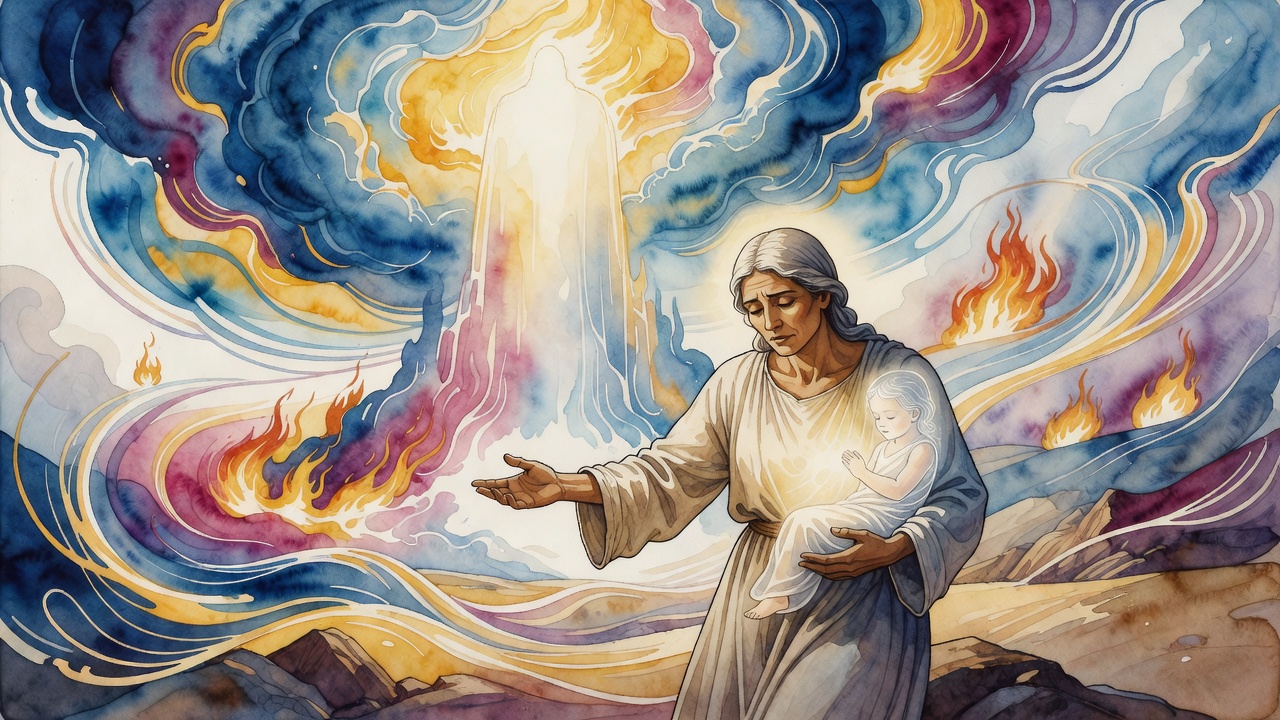
Abraham was ninety-nine and already had a son he loved. He asked God to let that boy carry the promise. The answer to him began with the word yes.
Table of Contents
 Click for full size
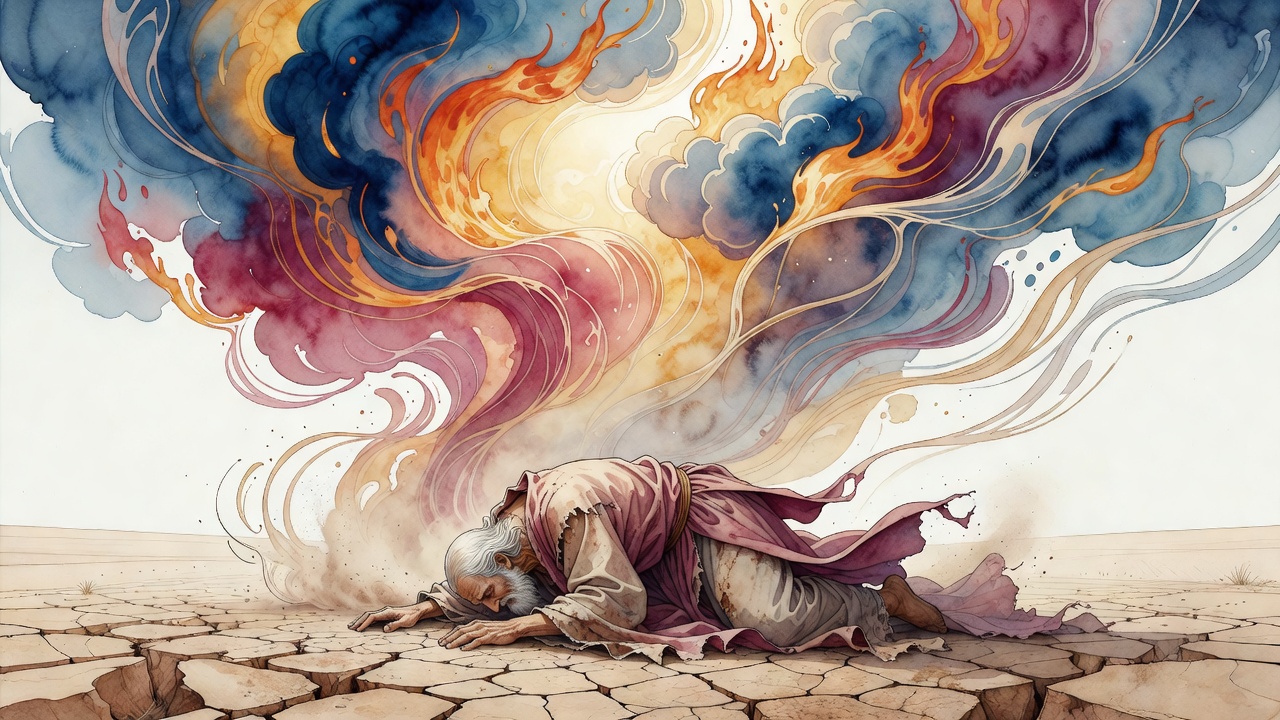
The Old Man Face Down in the Dust
Abraham fell on his face when he heard it, and then his shoulders started going.
He was ninety-nine years old. The arithmetic ran through him where nobody could see it. A son born to a man of a hundred years. Sarah, who was ninety, carrying a child. He did not say it out loud. He said it in his heart, face in the dust, laughing.
Laughing at a promise is a dangerous thing to do in front of the one making it.
He Asked for the Son He Already Had
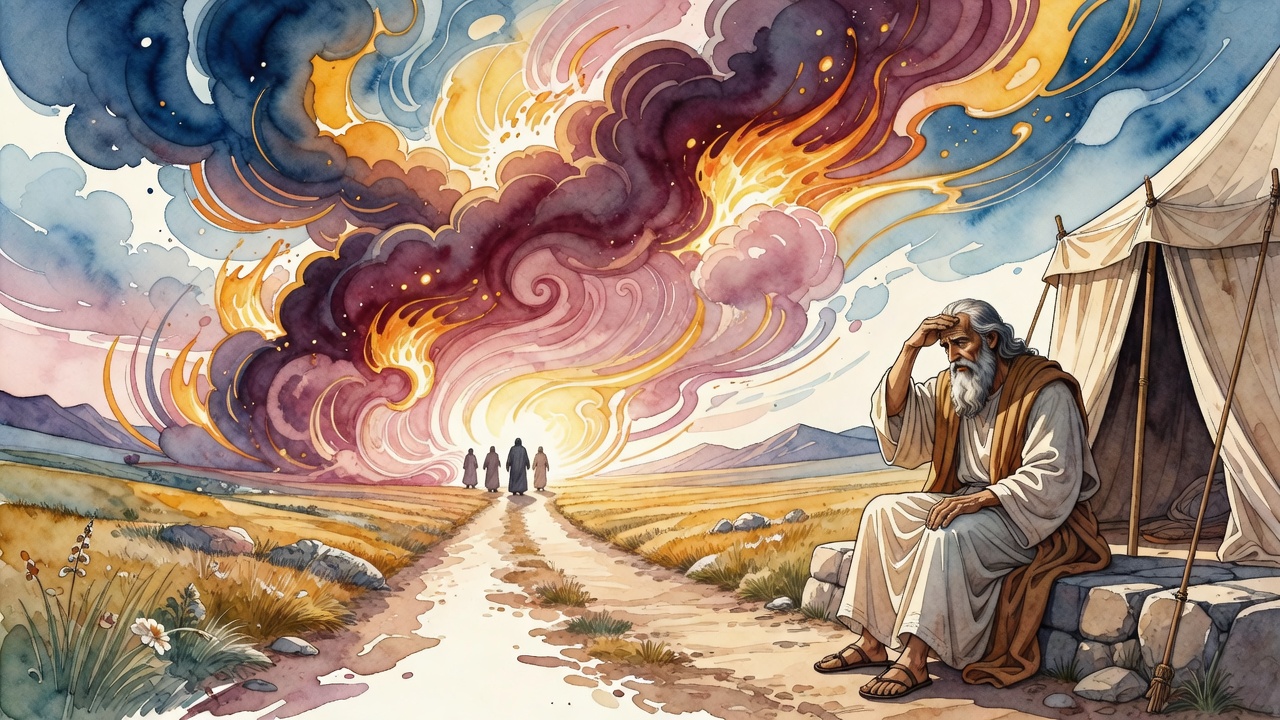
Then he lifted his head and made his own request, and it was not for the child in the promise.
"O that Ishmael might live before thee."
The boy was thirteen. He had been in the tents since before Abraham had grey in his beard, thirteen years of a son underfoot, learning the flocks, learning the wells. Abraham had a living child and was being handed a hypothetical one, and he asked, plainly, whether the living one could do.
It is the most human line in the chapter. Bless the one I can touch.
The Answer Began With a Yes
God did not rebuke the laugh.
The answer came back opening on a yes, and the yes was aimed at the laughing, not at the request. What had come up out of Abraham on the ground was joy with nothing adulterating it, and no hesitation underneath the belief, only the kind of awe that keeps a man's face down. So the yes granted him what he had already been given. What was promised would be done, and it would be done in his lifetime, on a stated date, within the year.
Only then did God turn to Ishmael.
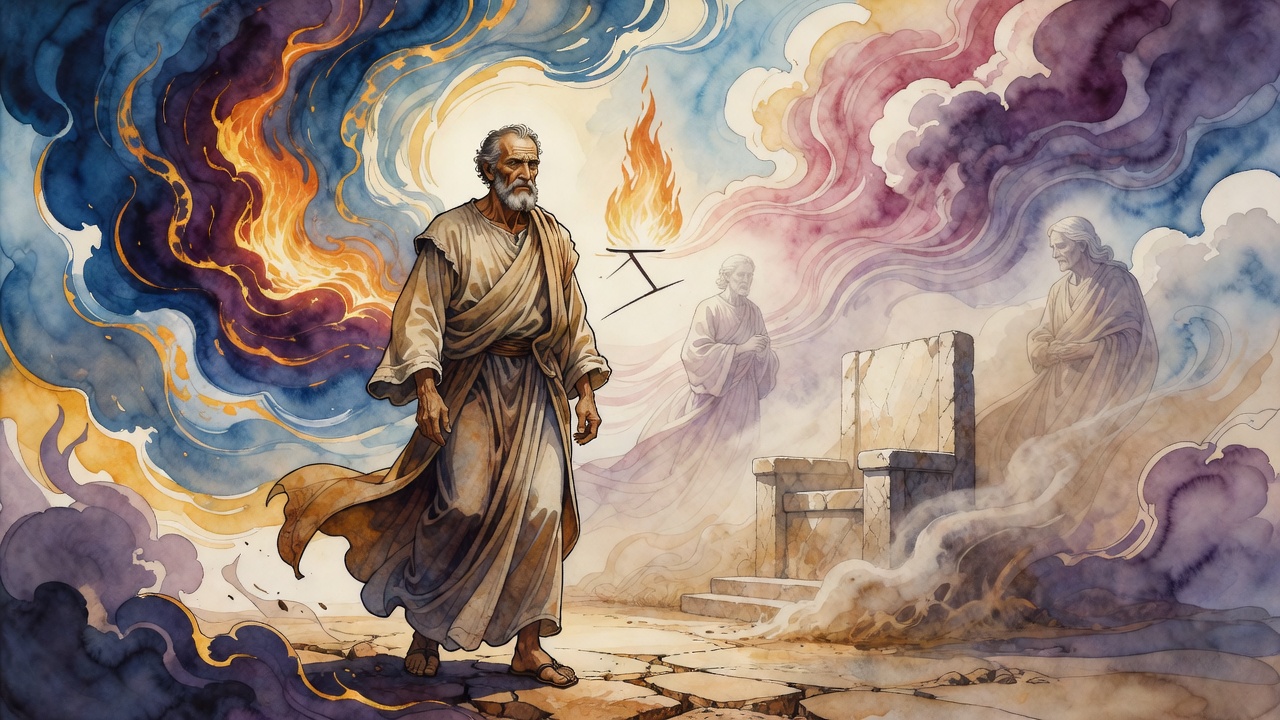
The Line Ran Through Sarah
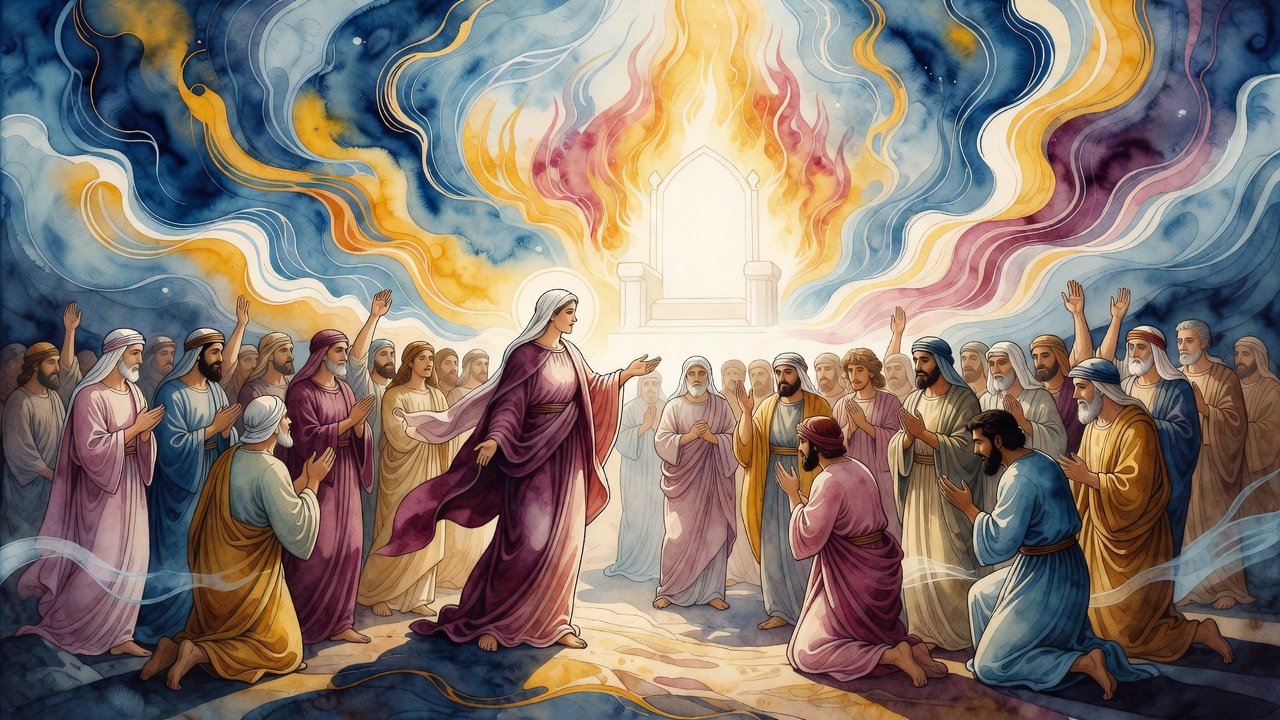
"And Sarah also will bear thee a son, and thou wilt call his name Isaac, and I shall establish My covenant with him, an everlasting covenant, and for his seed after him."
Also. Not instead, and not in addition to some other arrangement. The word sat there in the middle of the sentence like a foot in a door, and generations of readers refused to walk past it.
In the Aramaic the sentence is even harder to shrug off. Not perhaps, not in due course, but be-kushta, in truth, in fixed and settled reality, Sarah thy wife shall bear thee a son. A ninety-year-old woman standing in a tent behind a flap of goat hair was named, in advance, as the one the covenant would come through, and the child was named before he was conceived.
He was to be called Laughter. The sound Abraham had made face down in the dirt was handed back to him as his son's name, to be spoken every day for a hundred and eighty years.
What Ishmael Was Given Instead
Abraham had asked for the boy he had, and God had heard him. That is the strange mercy in it.
"And as for Ishmael also have I heard thee, and behold I shall bless him, and make him great, and multiply him exceedingly, and he will beget twelve princes, and I shall make him a great nation."
Twelve princes. A great nation. Everything a father could want for a son, handed over in one breath, with the one thing he had actually asked for held back. The covenant was not a prize for being loved most. It was a fixed line, and the line ran through a woman who had borne nothing in ninety years and a child not yet conceived.
Abraham got up off the ground. That same day he took Ishmael, and every male in the household, and cut the mark of the covenant into all of them, the boy of thirteen included. The sign went into the flesh of the son who would not carry it, a year before the son who would.
← All myths