Sarah Was a Prophetess Who Saw What Abraham Could Not
Abraham prayed, and a foreign king's house filled with infants. Sarah walked home with silver and empty arms until the angels refused to keep quiet.
Table of Contents
In Haran, Abraham argued in the open. He took the men out under the trees where a crowd could gather, and he took their gods apart in front of them. Sarah worked in the rooms he could not enter. She sat with the women over bread and wool and sick children, and one at a time they came out of those rooms worshipping something else.
 Click for full size
When the household packed for Canaan it was larger than the household that had come to Haran. Herds, goods, and people. Not people bought. People made. He had made the men and she had made the women, and neither of them could have done the other half of that work.
They called her Iscah because she saw. From the first of creation the world had been told to be fruitful, and her own body had not obeyed the order. She was sixty-five and she had no child.
The Slave Who Stopped Lowering Her Eyes
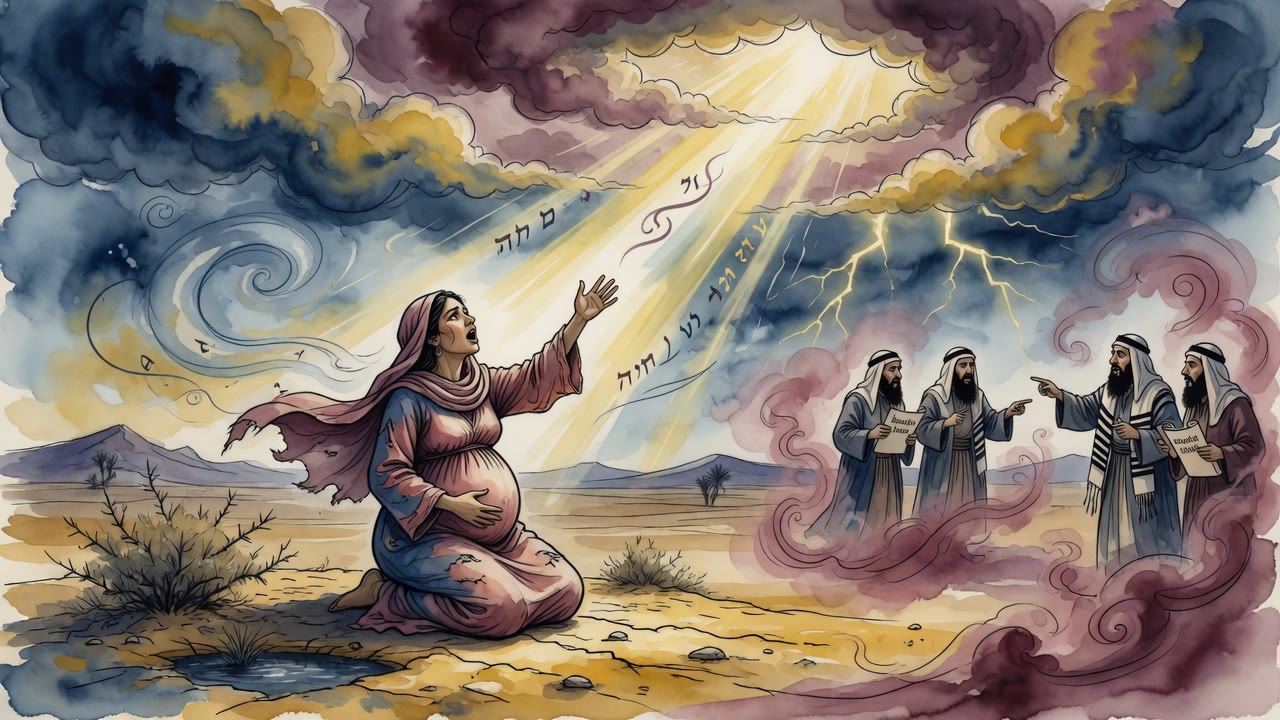
Ten more years in Canaan and nothing. So Sarah did the arithmetic herself and put her Egyptian slave Hagar into her husband's bed. She would rear whatever came of it. That was the plan, and it was hers, and it worked.
Hagar conceived. Then Hagar stopped lowering her eyes.
Sarah would not trade insults with a slave. She went to Abraham. "It is you who are doing me wrong," she said. "You hear what she says and you say nothing against it, and I hoped you would take my part. For your sake I left my birthplace and my father's house. In Egypt I said I was your sister so that no harm would come to you. When I saw that I would bear no children I gave you the Egyptian woman myself, and told myself I would rear what she bore. Now she holds me in contempt in front of you. Let God look at the wrong done to me and judge between you and me."
He told her the woman was in her hands. Sarah dealt hard with her, and Hagar ran, and out in the wilderness by a spring a voice found her and turned her back. An angel, or Noah's son Shem in his study house. Not God's own mouth. God did not speak to women.
The Laugh Behind the Tent Flap
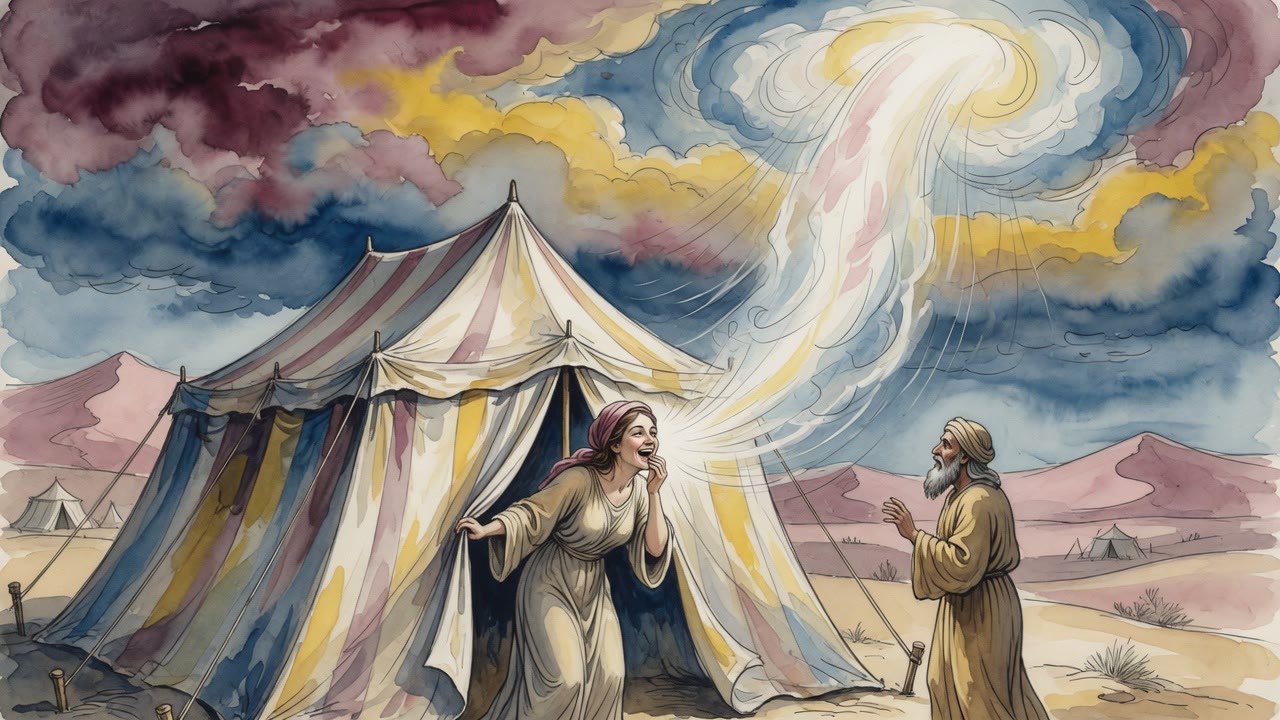
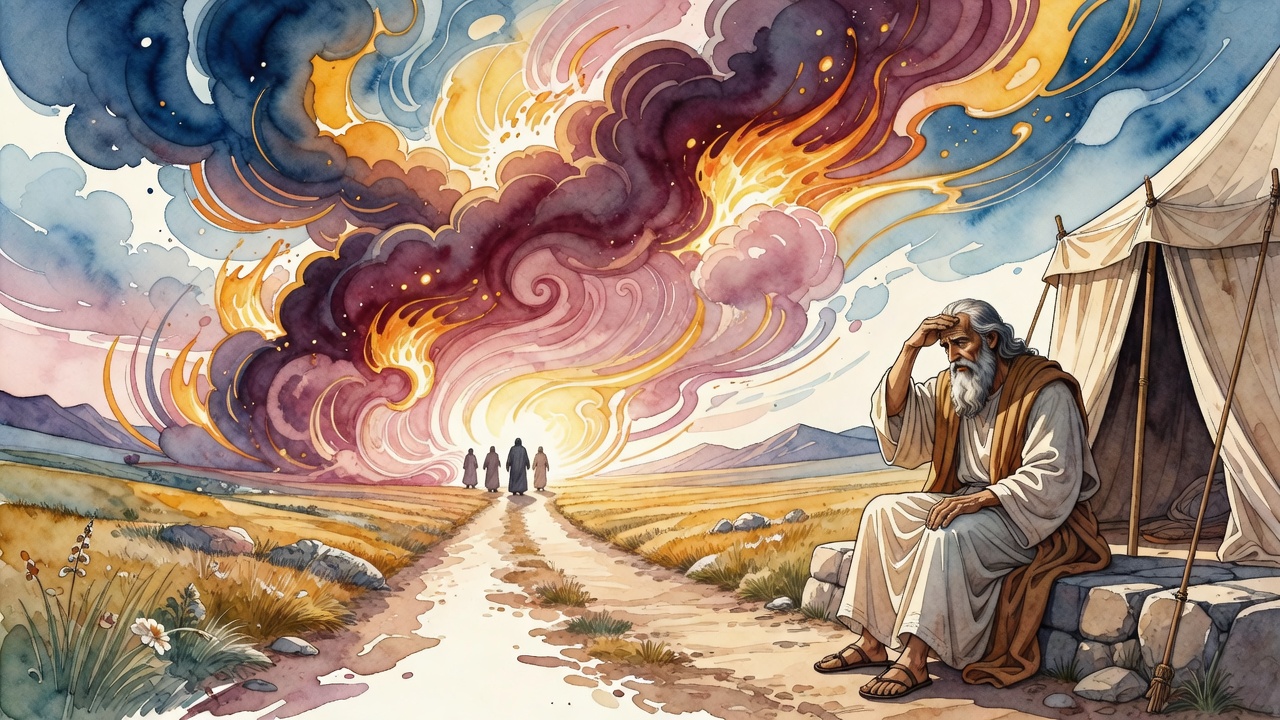
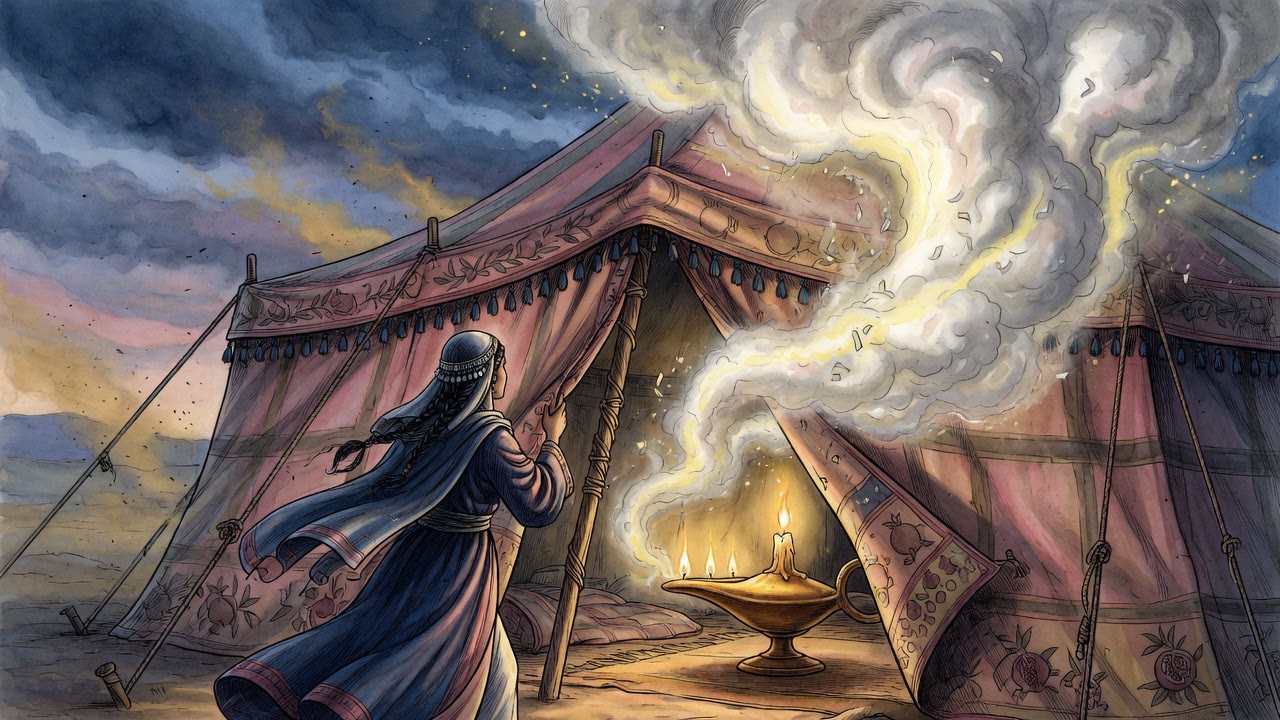
Years later three men stood at the tent door in the heat of the day, and one of them said that when he came back in a season Sarah would have a son. She was behind the flap, listening. She was old. Her husband was old. What they were promising had gone out of her body a long time earlier, and she laughed inside herself where nobody could hear it.
The visitor asked Abraham why his wife had laughed.
Sarah came out and said she had not laughed. She was frightened.
Then a voice answered her directly, over her husband's head. "No. You laughed." He did not call her a liar and He did not say it twice. He set the thing down in front of her and let her look at it. In all the long history of that household it was the only time He spoke straight to a woman, and it took a denial to draw Him out. Abraham had argued under the trees. Sarah saw the laugh named, and she had to live with the naming.
A Foreign King's House Opened First
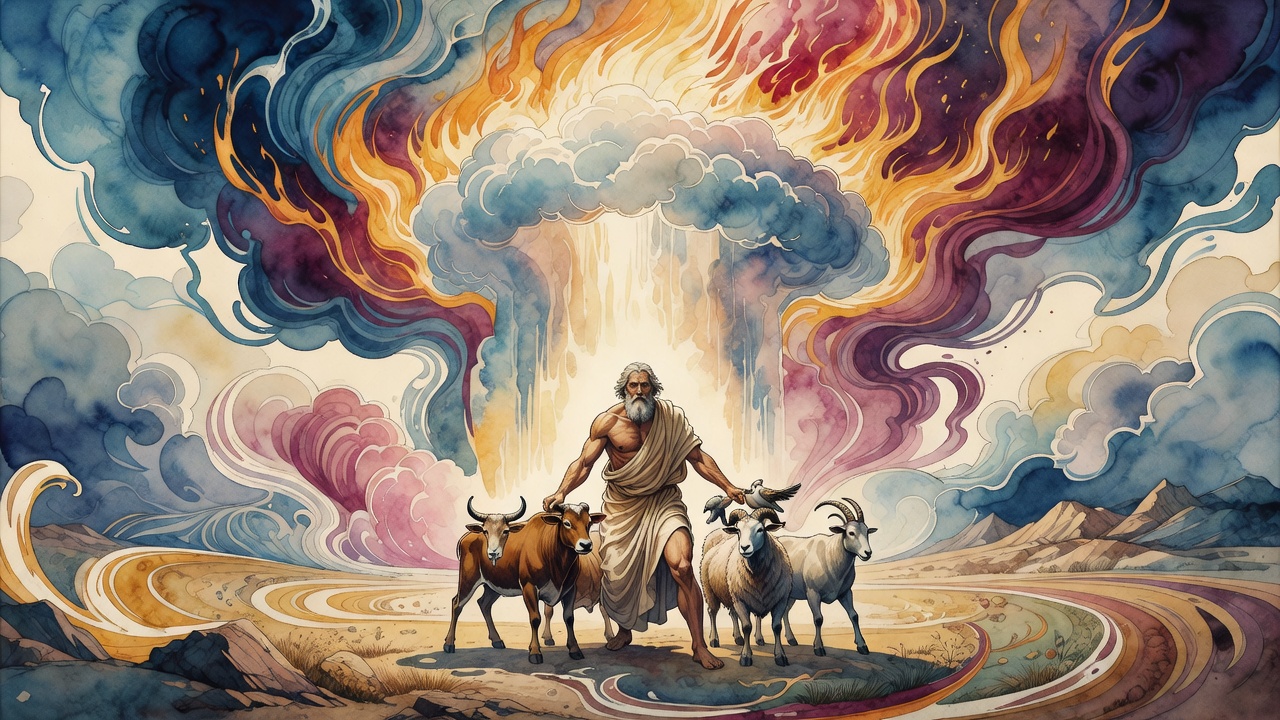
Later Abimelech of Gerar took Sarah into his palace, because Abraham had said again that she was his sister. God came to the king in a dream that night and told him he was a dead man. The king sent her back at dawn with sheep and oxen and a thousand pieces of silver, and every womb in his house had been shut while she was under his roof.
Abraham prayed for him. The wombs opened. The queen bore. The slave women bore. The palace filled with the noise of infants inside a year.
Sarah walked back to her own tent with the silver and nothing in her arms.
The Angels Raised Their Voices
The angels had been keeping the account and they refused to hold their peace. It was the first of the year, the day the world's portions are ruled on in heaven, and they cried out at the throne. "Master of the world. All these years Sarah has been barren, exactly as that man's wife was barren. Abraham prayed, and Abimelech's wife has been granted a child. It is only right that Sarah be remembered too."
She was remembered that day.
Seven months later, on the first day of Passover, the boy came. At ninety she nursed him herself, in the open, in front of everyone who had written her off, and the laugh she had denied at the tent door she hung on him for a name. They would count her first among the barren women who became mothers, Sarah before Rebecca, Rachel, Leah, Manoah's wife, Hannah, and Zion last. She had seen what Abraham, standing in front of the flap, had not: that the laugh was already a prophecy, and that God would answer it to her face.
← All myths