40 myths
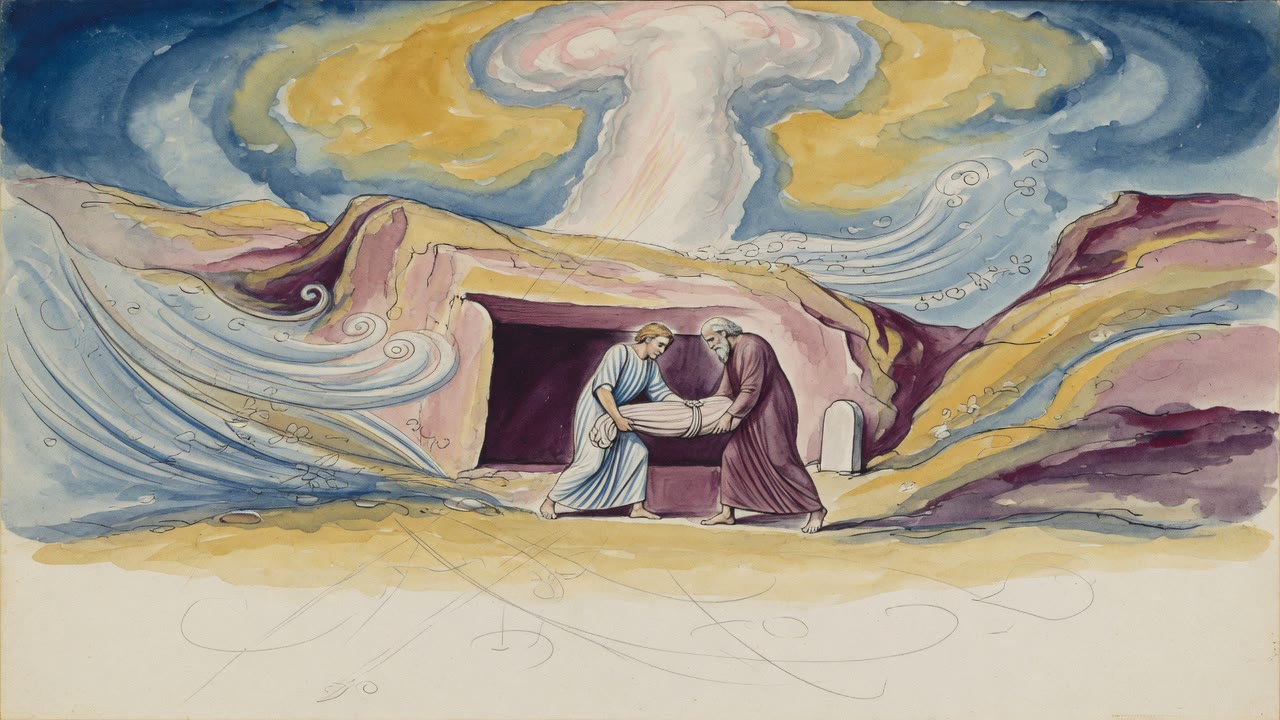
Ishmael was the older son. When Abraham died, the Torah listed Isaac's name first. The rabbis read that as Ishmael stepping back.
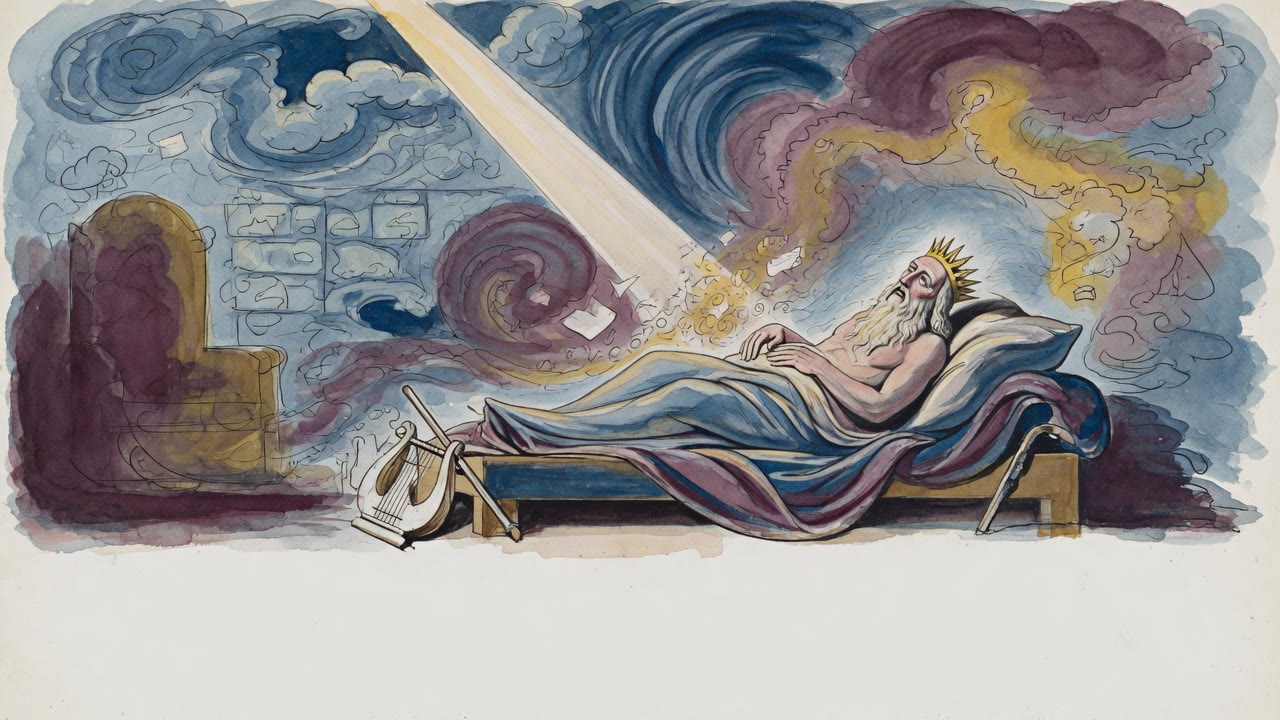
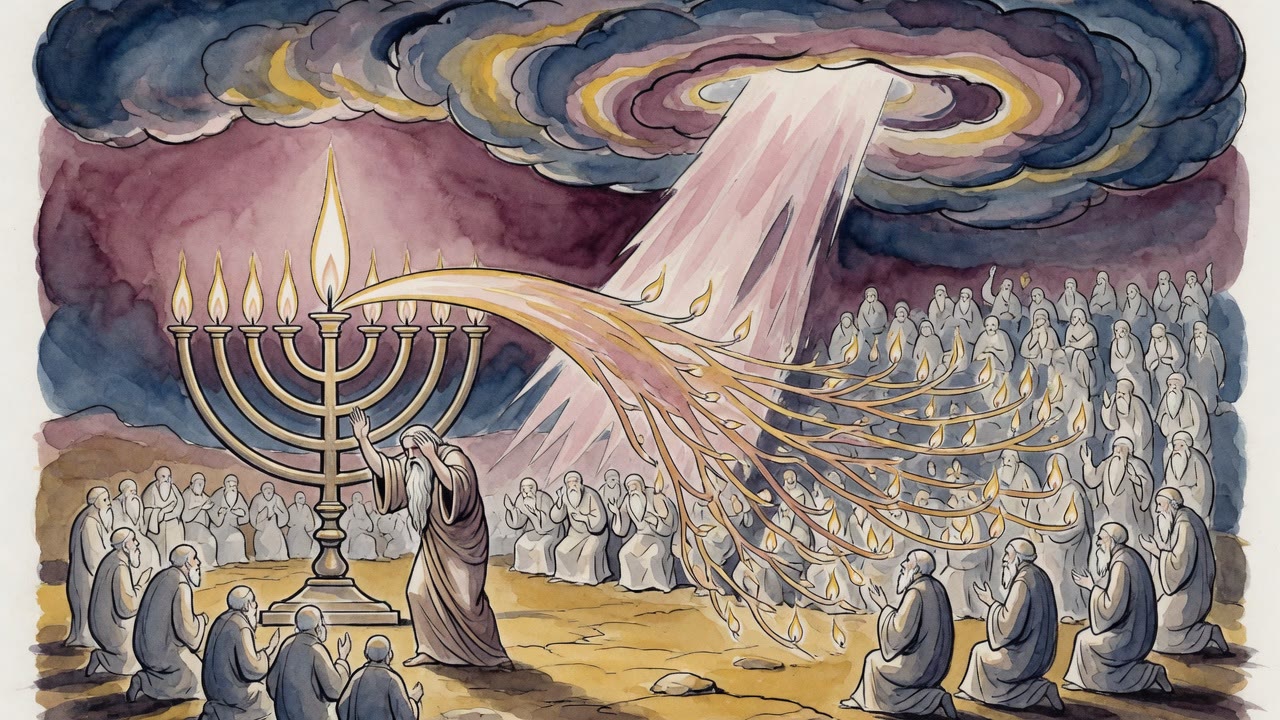
King David survived lions, bears, and Goliath, but under his own blankets the old king could not get warm, and his inner fire was leaving.
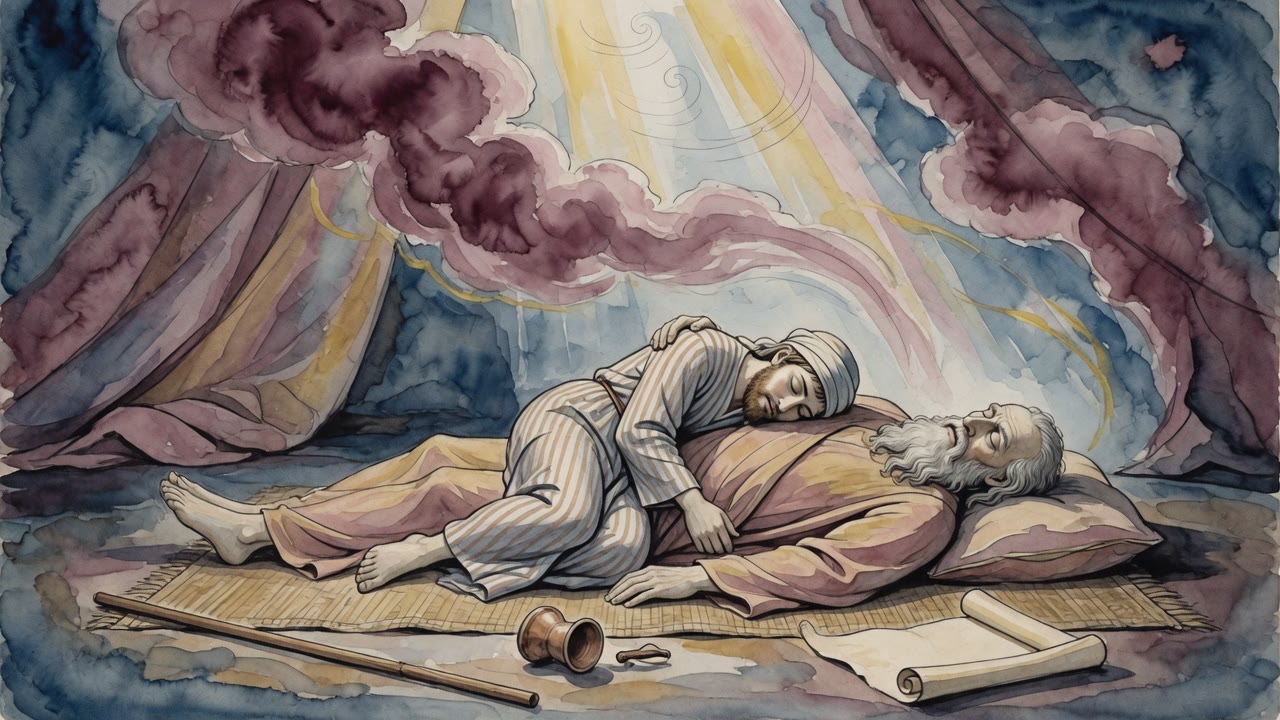
Abraham kissed him seven times and blessed the God who had brought him out of Ur. Then he stretched out his feet and died, without waking the boy.
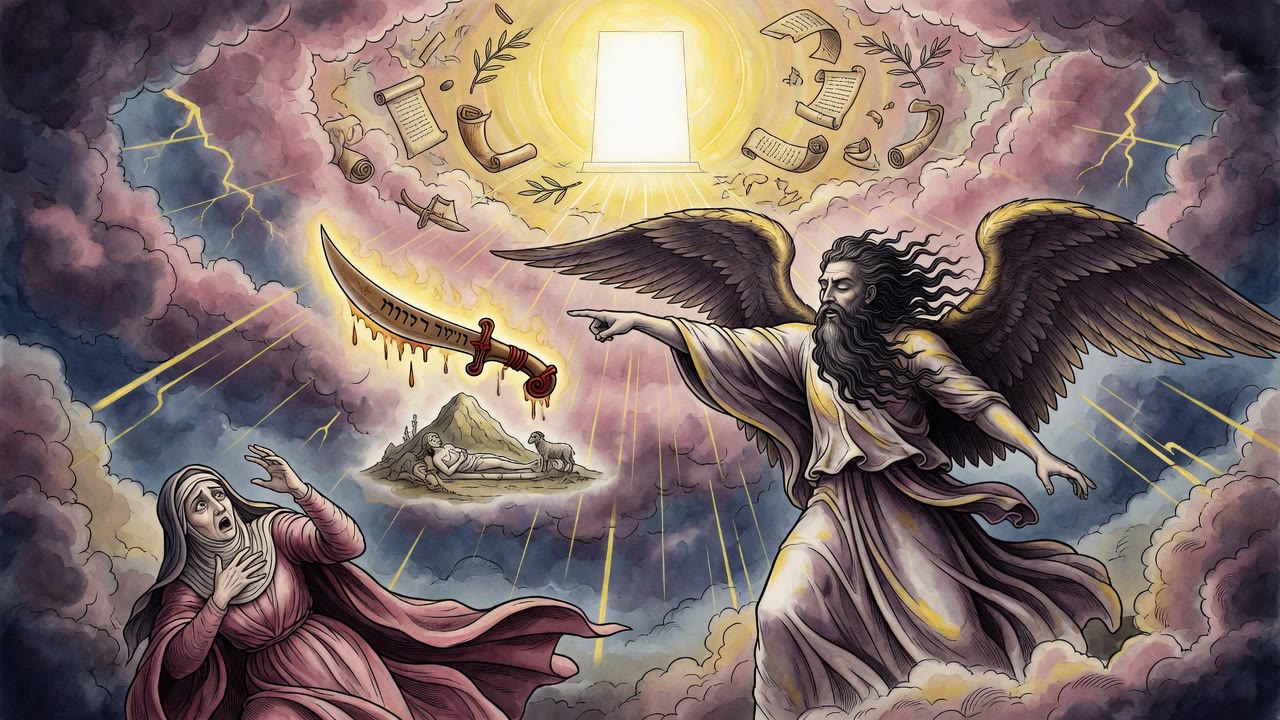
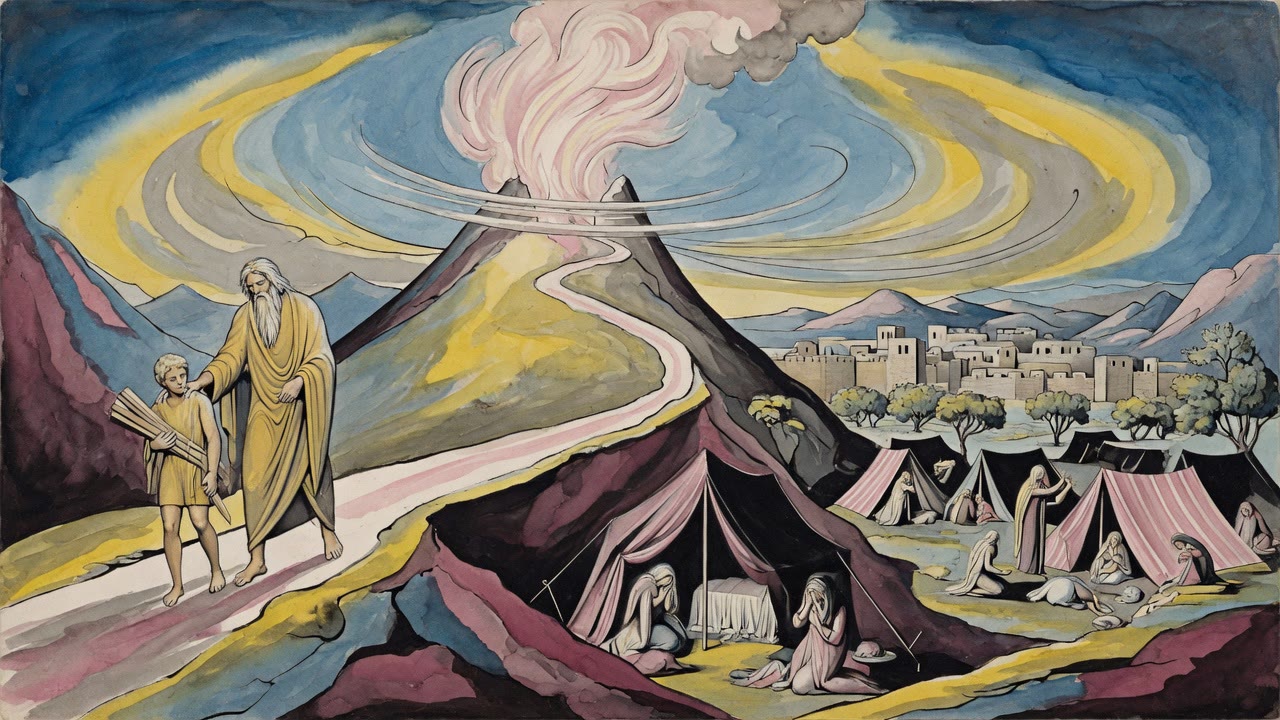
Abraham took Isaac up the mountain, and a stranger came to Sarah's tent with a vision of the raised knife. She screamed once, and her soul left.
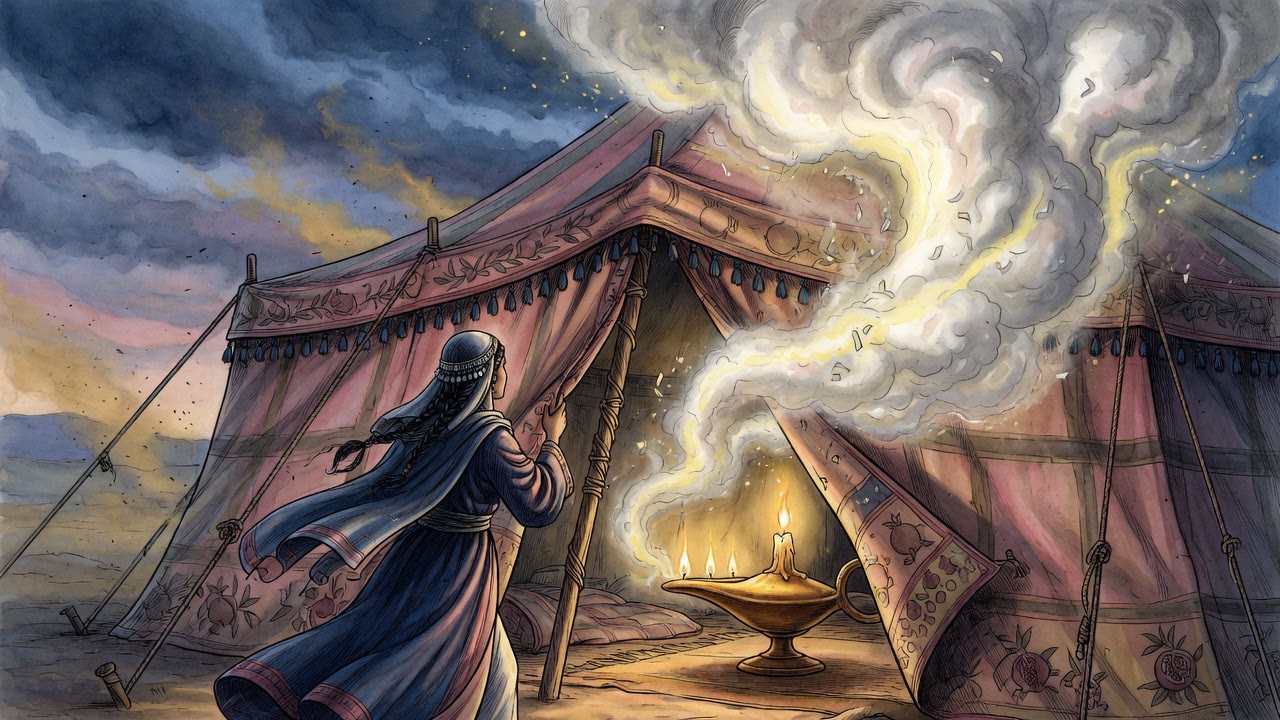
Sarah's tent had gone dark and empty. Then Isaac led Rebekah inside, and the cloud returned, the candle relit, the bread rose.
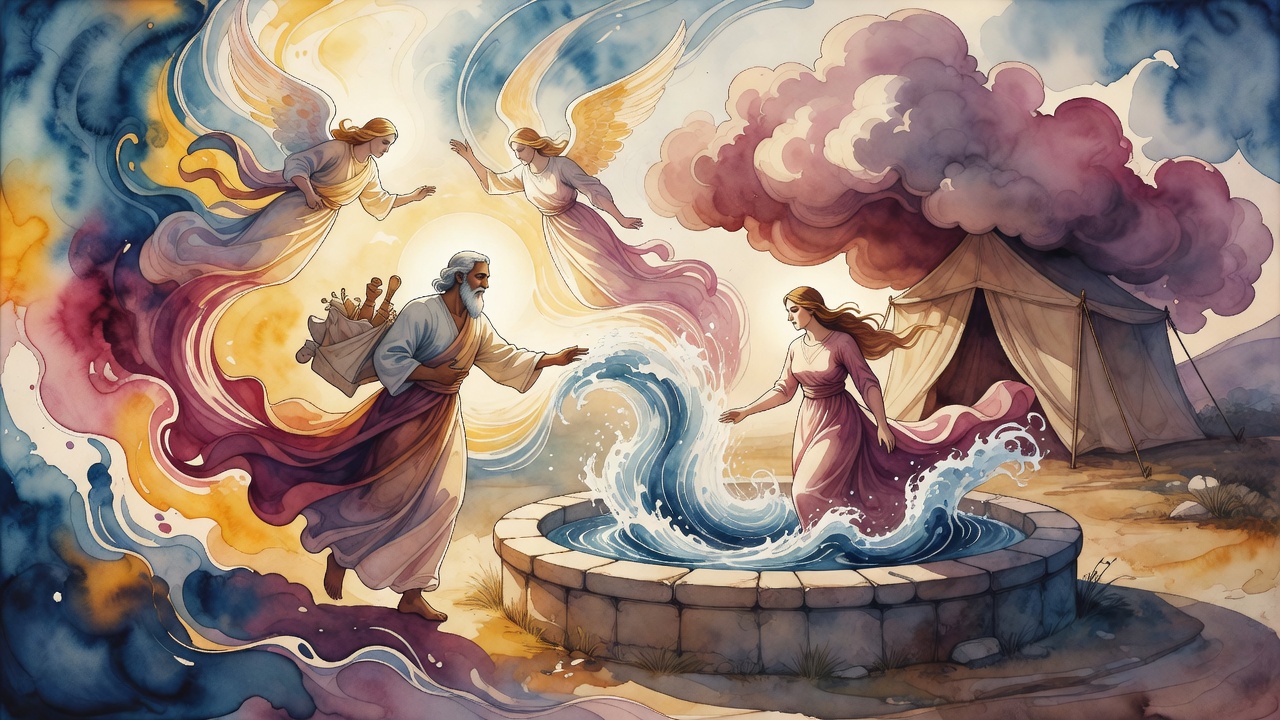
He put the nose-ring on her face before he asked her name. The two bracelets weighed out the exact price of a marriage contract nobody had negotiated.
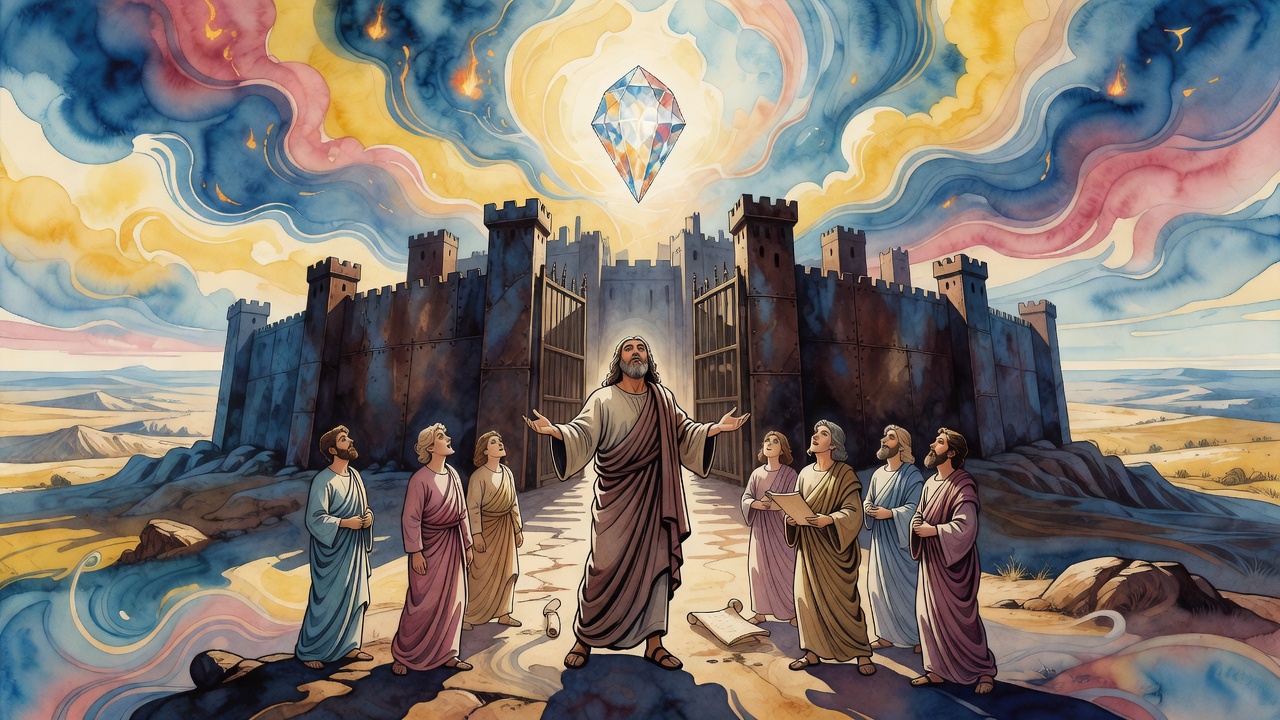
Abraham had six sons by Keturah. He gave them a gem that outshone the sun, taught them secret arts, and built them an iron-walled city in the eastern lands.
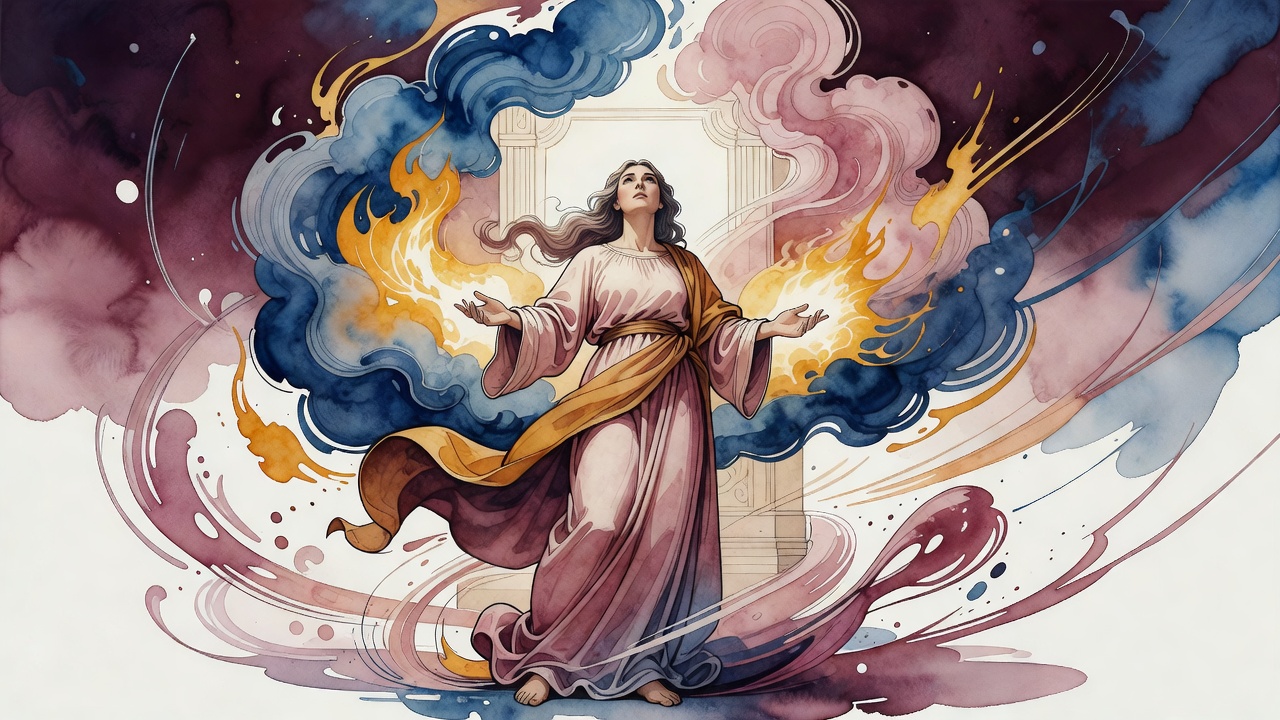
Abraham prayed, and a foreign king's house filled with infants. Sarah walked home with silver and empty arms until the angels refused to keep quiet.
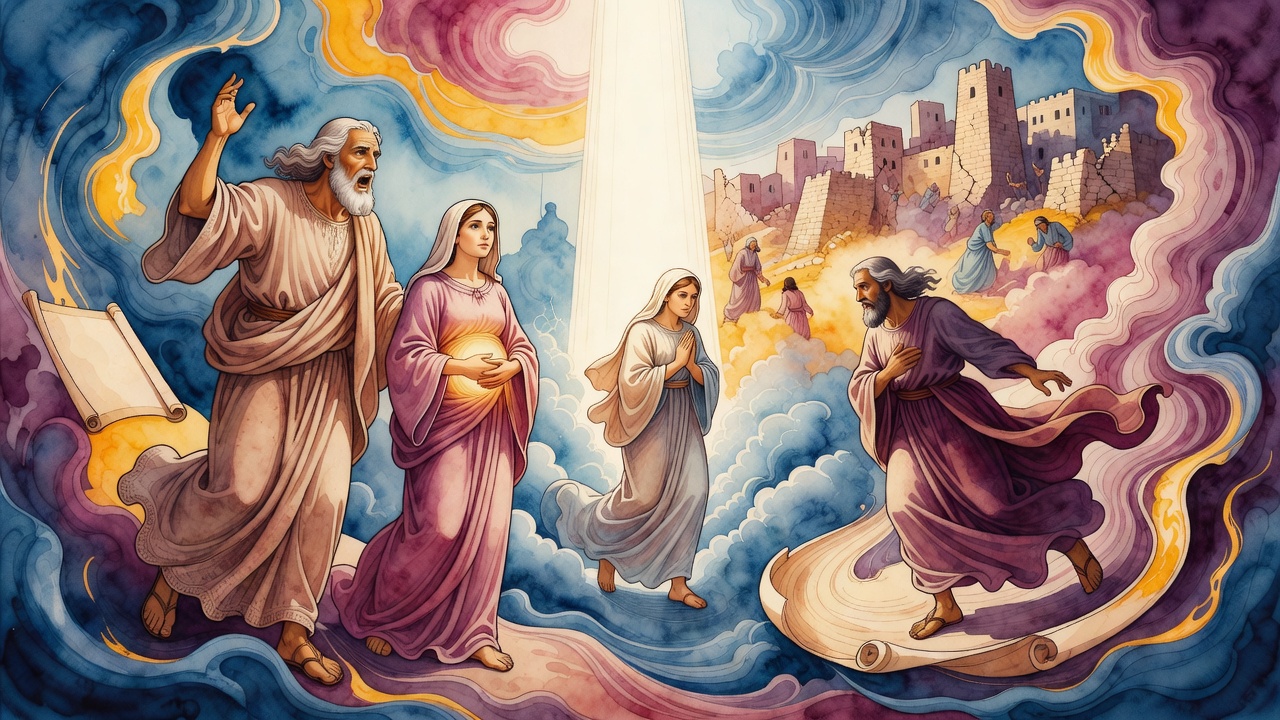
Jacob left home and the ground shortened under his feet. The sun set early so he would sleep at Bethel. The stones under his head gathered into one.
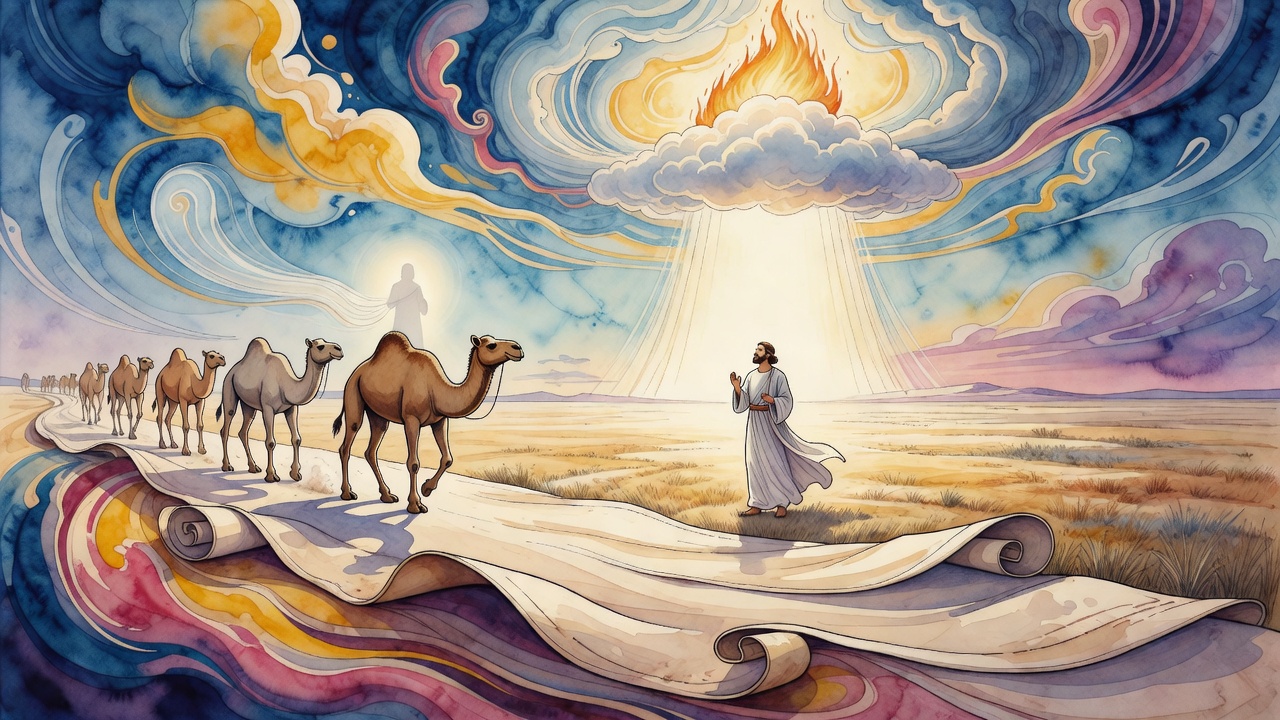
Eliezer's prayer is answered before it leaves his heart, the road folds under the camels, and Isaac stands in a field at evening to pray the first mincha.
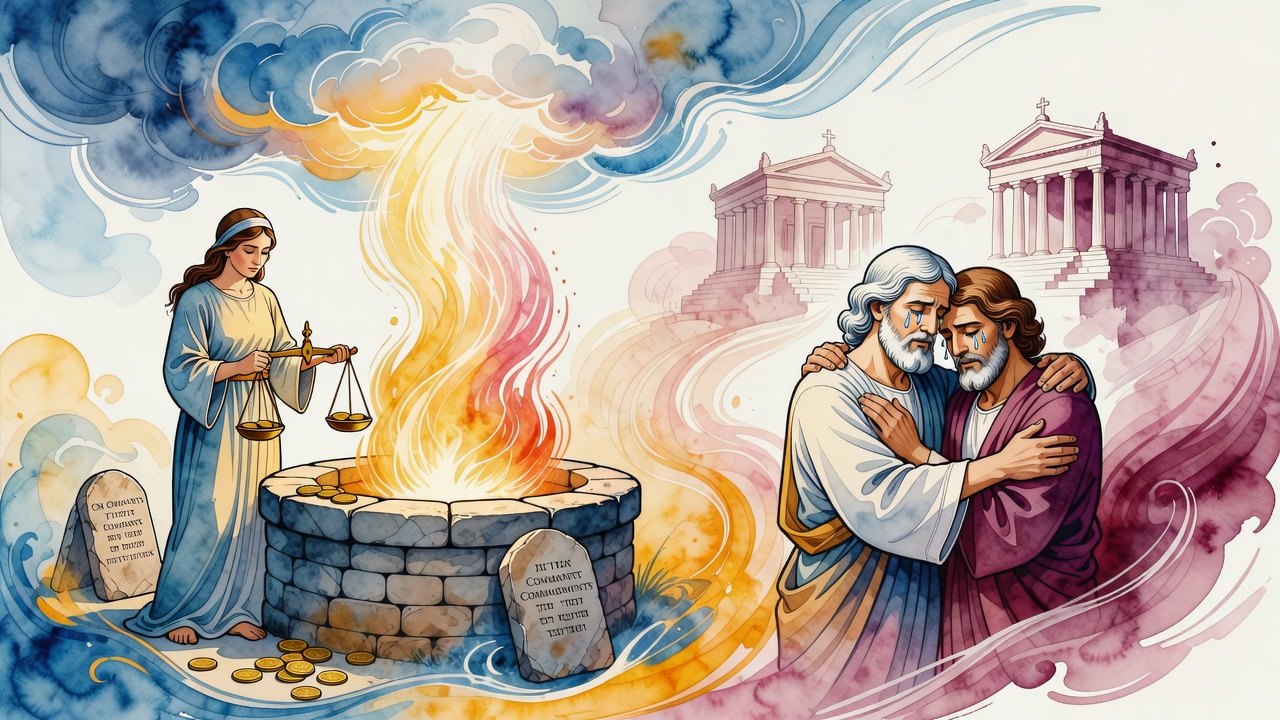
The servant would not touch the meal until he had said his errand. He talked half the night. By morning Rebekah's father was dead in the house.
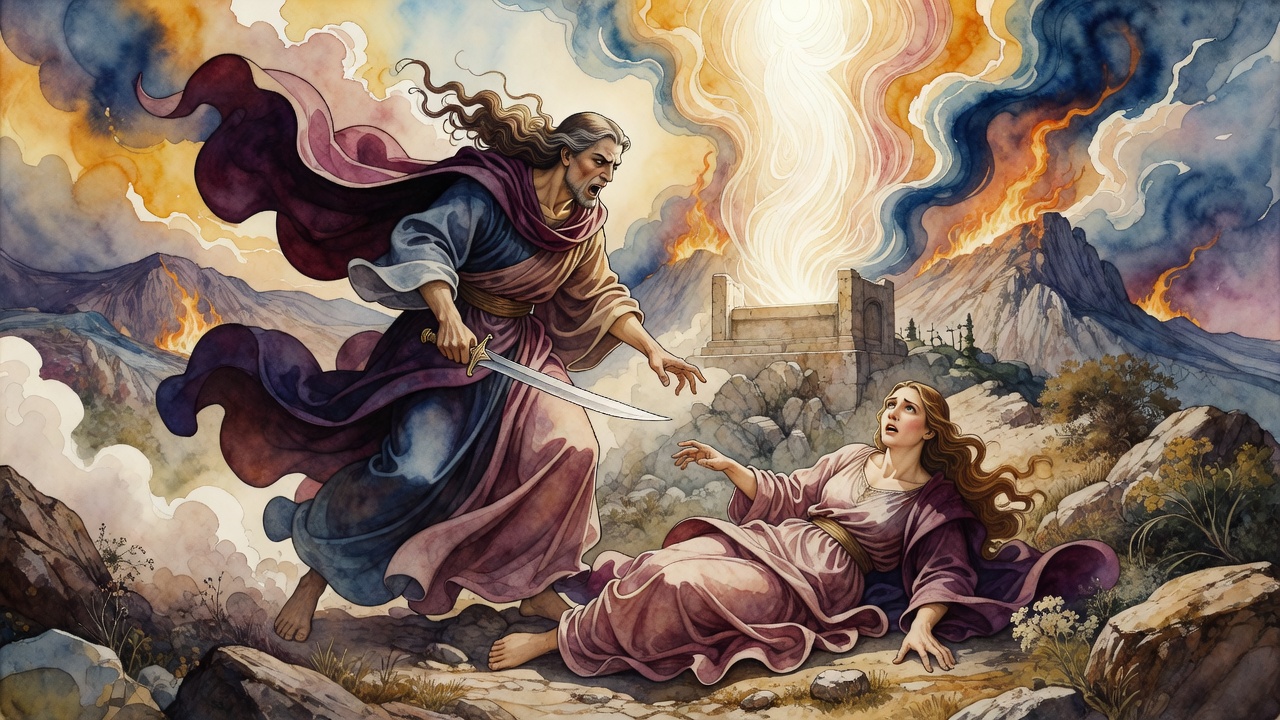
Robbed of Isaac when the knife was stayed on Moriah, the accuser Samael raced to Sarah and killed her with the truth of how close the blade had come.
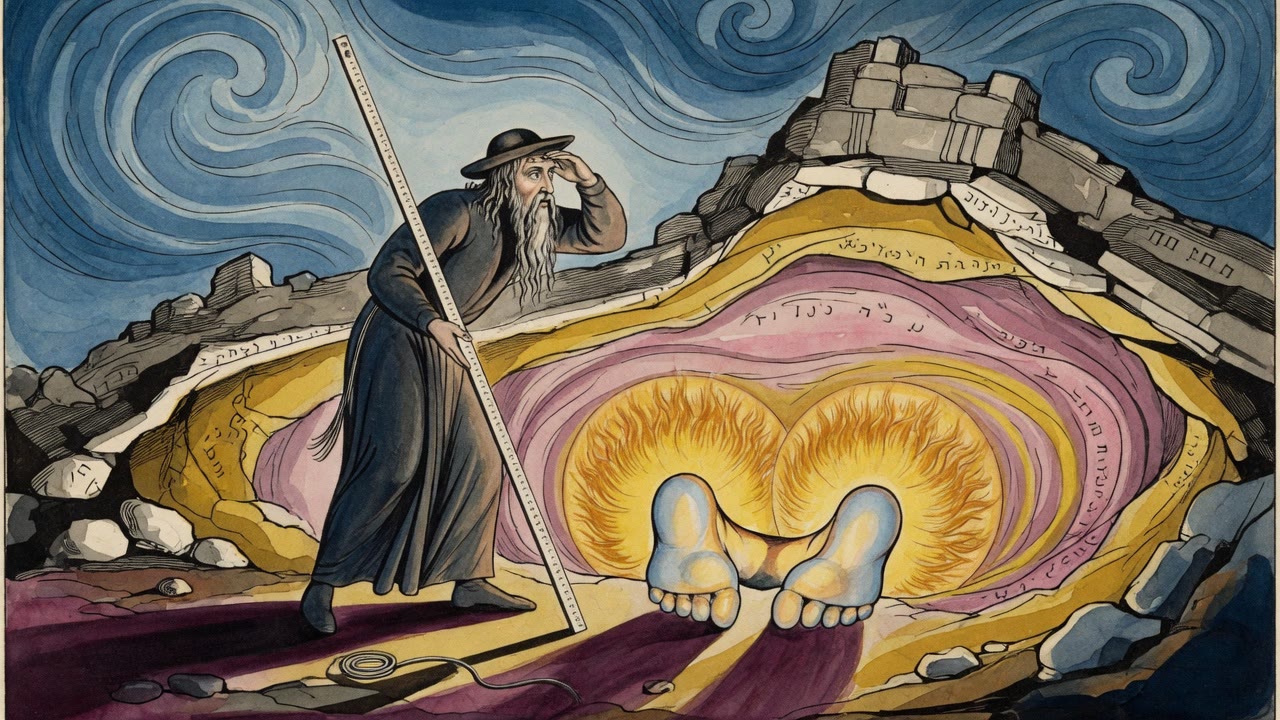
Rabbi Banaah measures the burial caves so the living do not stumble, and at Machpelah glimpses the heels of Adam blazing underground like the sun.
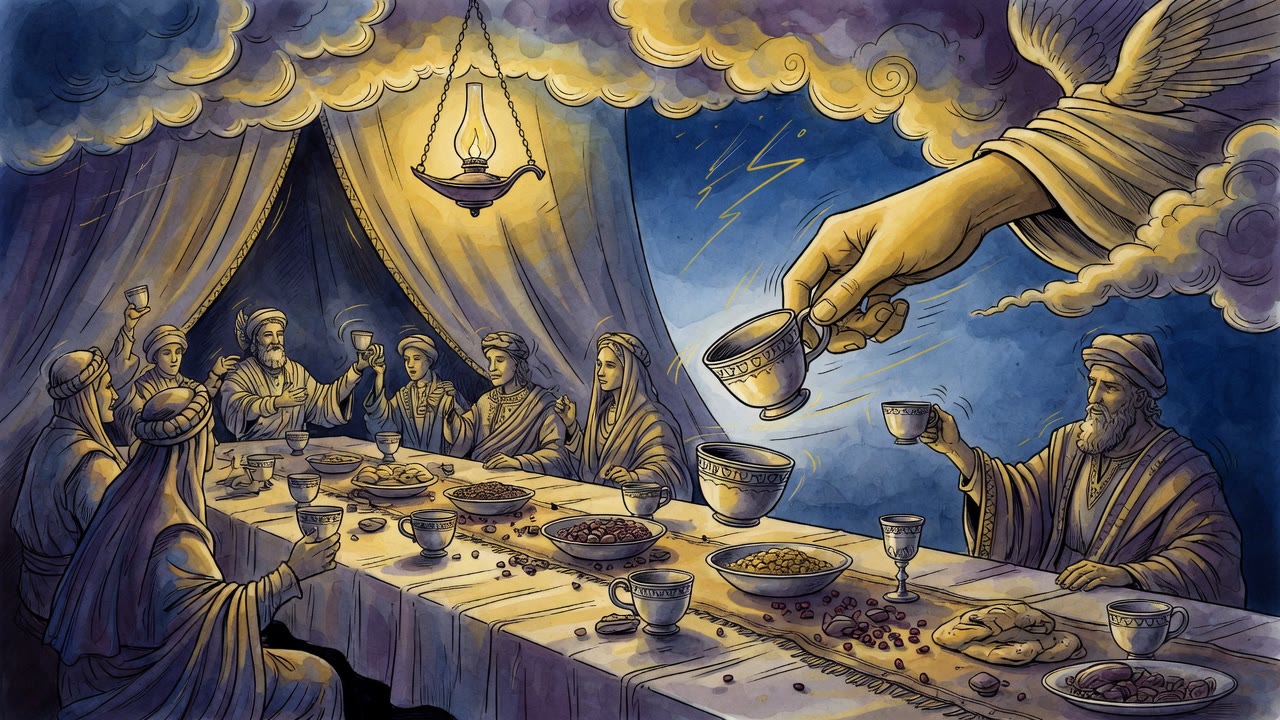
Bethuel laid poison for Abraham's servant, but an unseen angel turned the deadly cup so the host drank his own death before dawn.
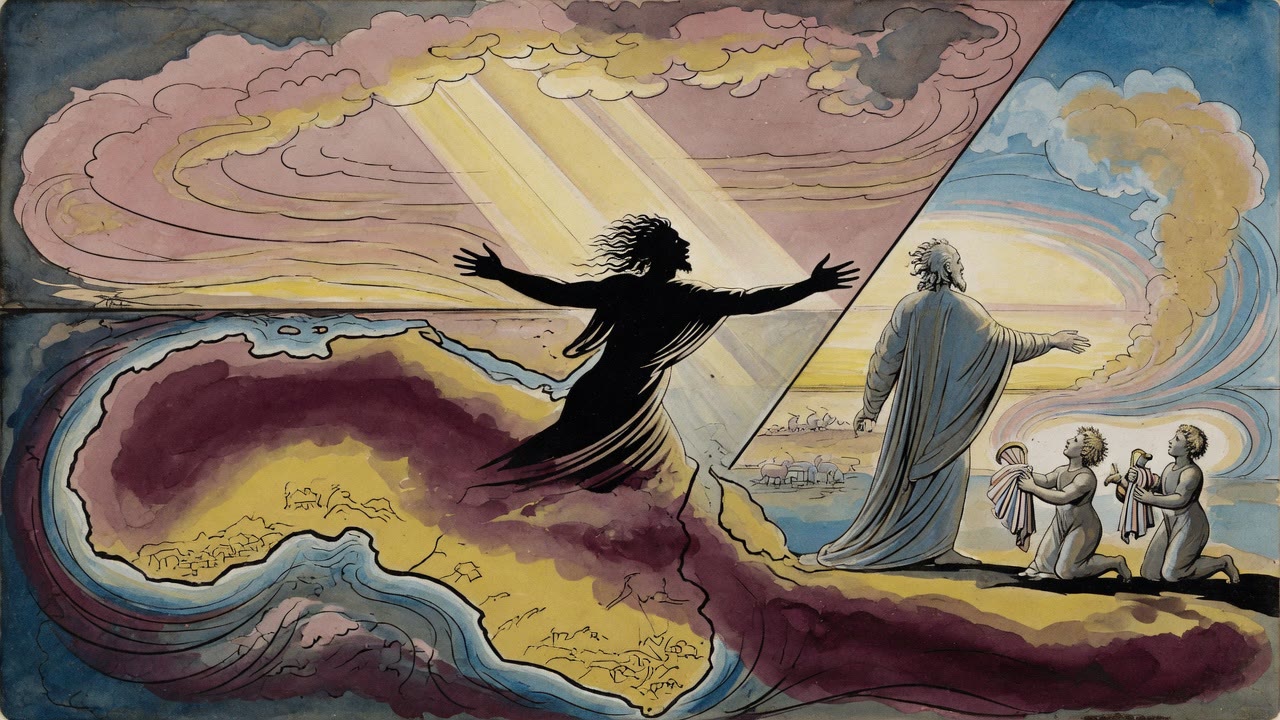
Abraham gave his youngest sons gifts and sent them east, but one grandson turned back toward the sunset and swallowed a continent.
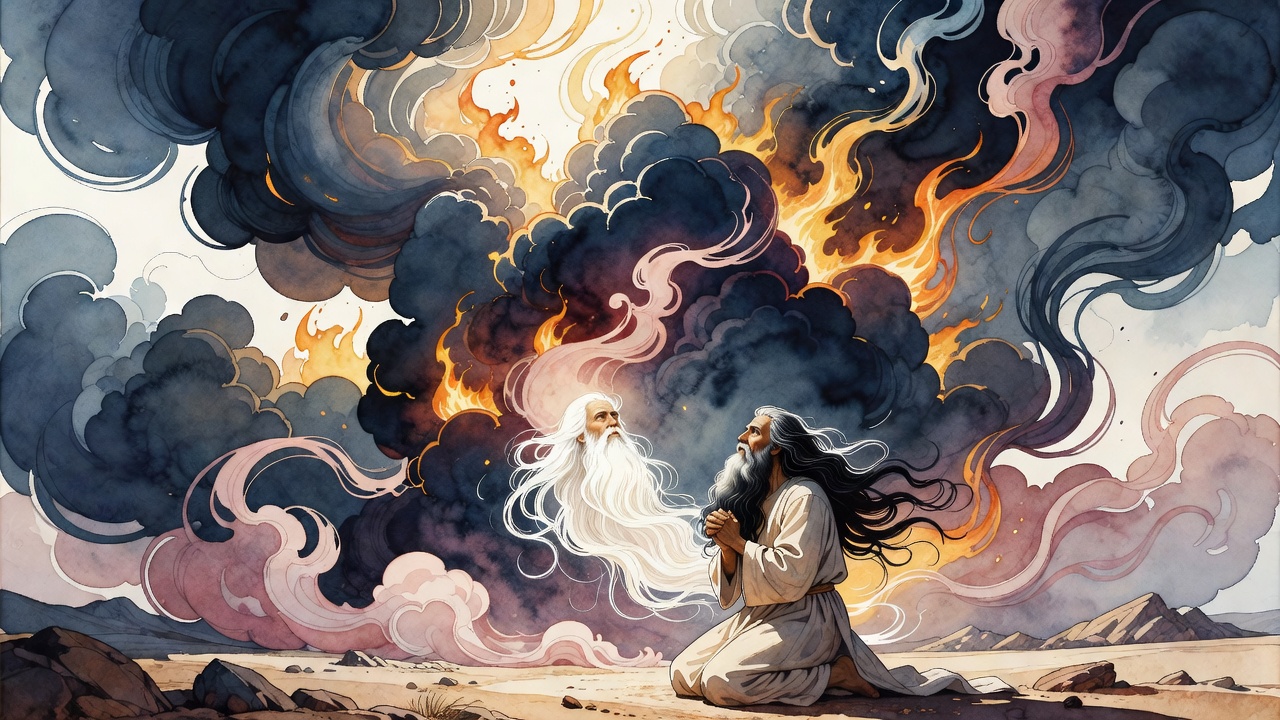
Before Abraham, no man's hair ever turned white and no elder was honored for his years, so he prayed to be marked by age, and heaven answered.
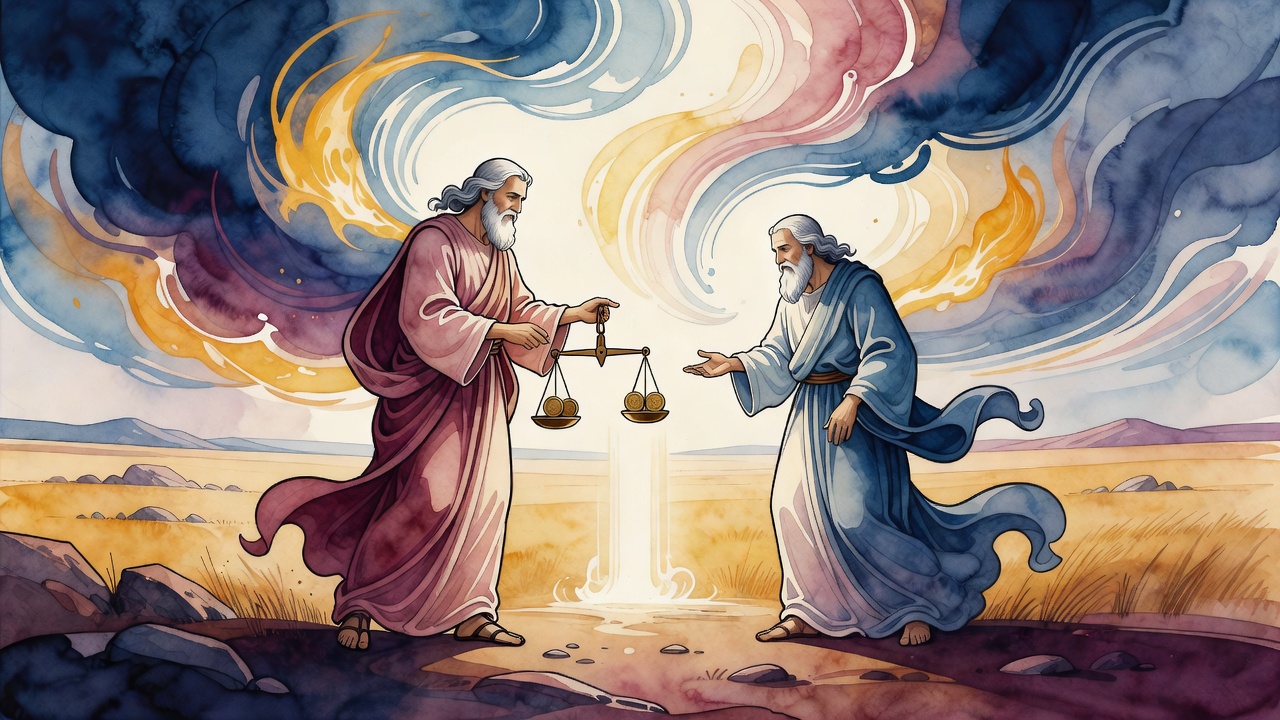
Ephron offered Sarah's burial field as a gift, then named four hundred shekels between friends. Abraham weighed full coin for the first lasting foothold.
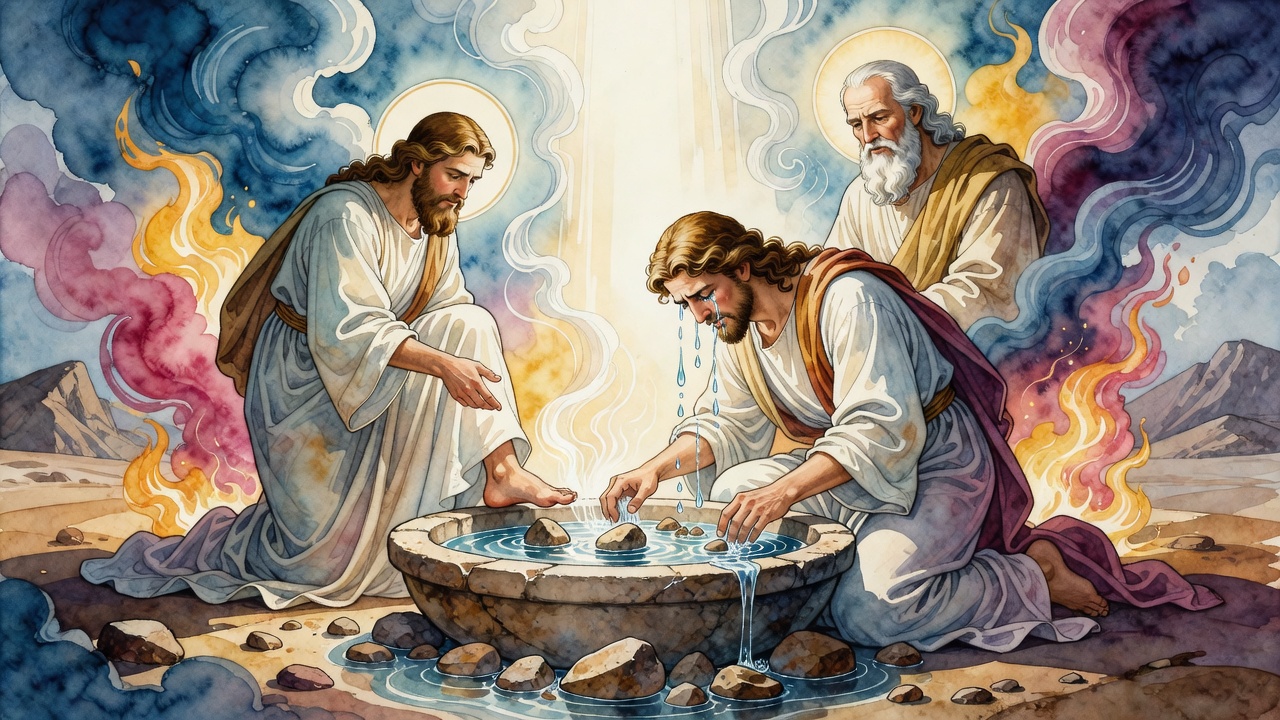
Isaac set the basin down. Abraham looked into the water and said he would never wash a guest's feet again. Michael's tears hit it.
On the day Ephron became chief of Heth, Abraham sealed the Cave of Machpelah with silver, after a covenant that Israel would not seize Jebus by force.
Isaac walked into his mother's tent and found the lamp dead. The cloud at the flap was gone. The dough sat like any other dough.
Promised all of Canaan, Abraham still stood in Hebron as a stranger and paid for Sarah's tomb, then refused to bless Isaac lest jealousy crack the house.
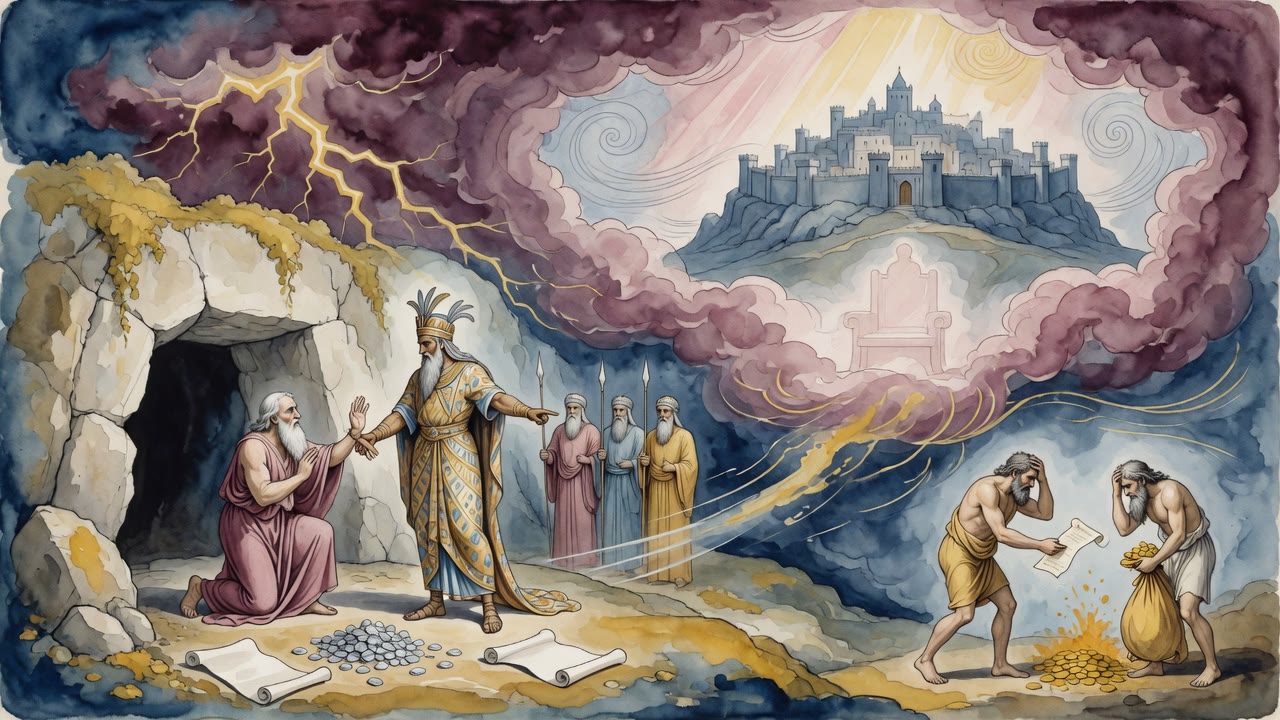
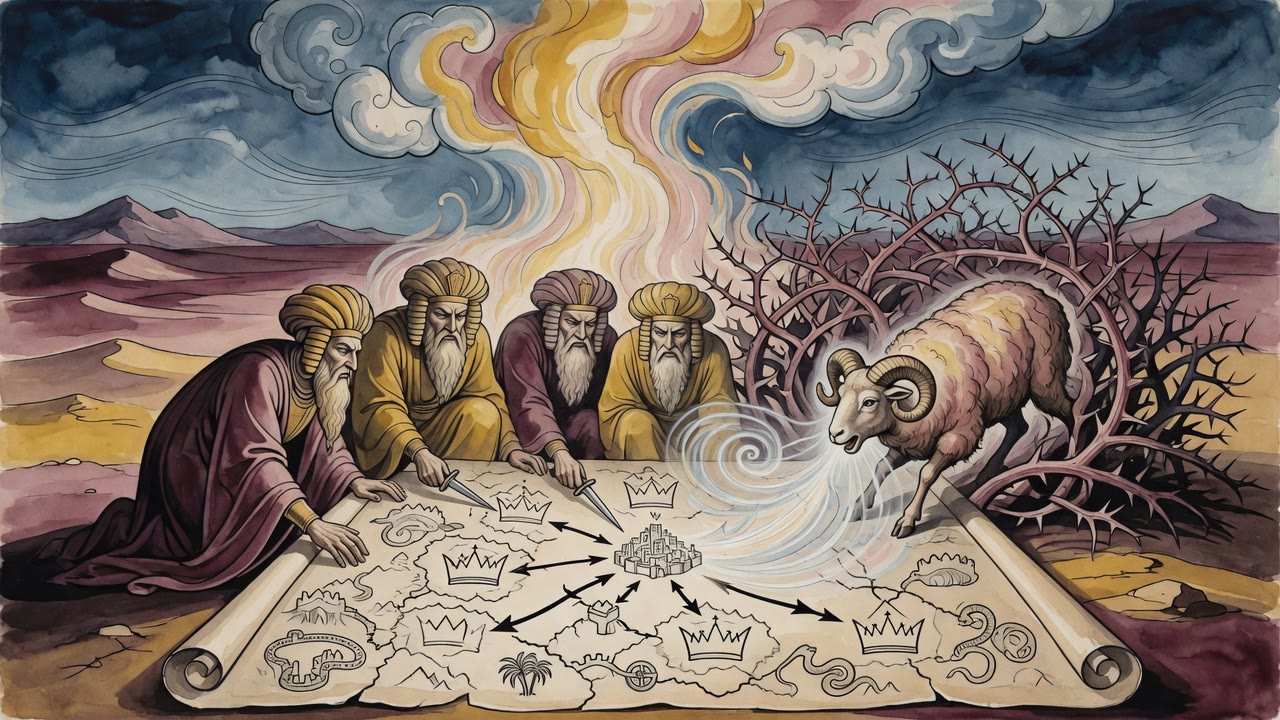
The Jebusites sold Abraham the cave only after he swore his seed would not seize their city. Generations later Esau sold his share for gold.
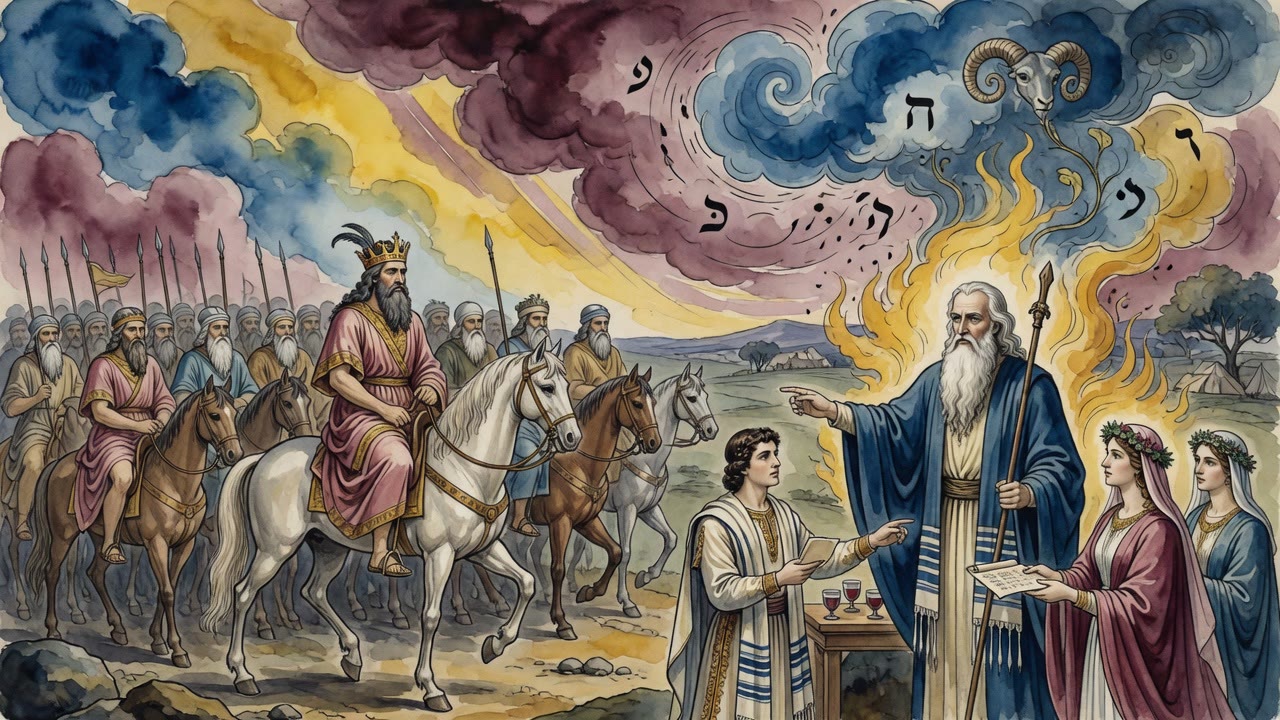
The servant ran the whole household and had a daughter of marrying age. He asked once. Then he swore an oath to go and find someone else.
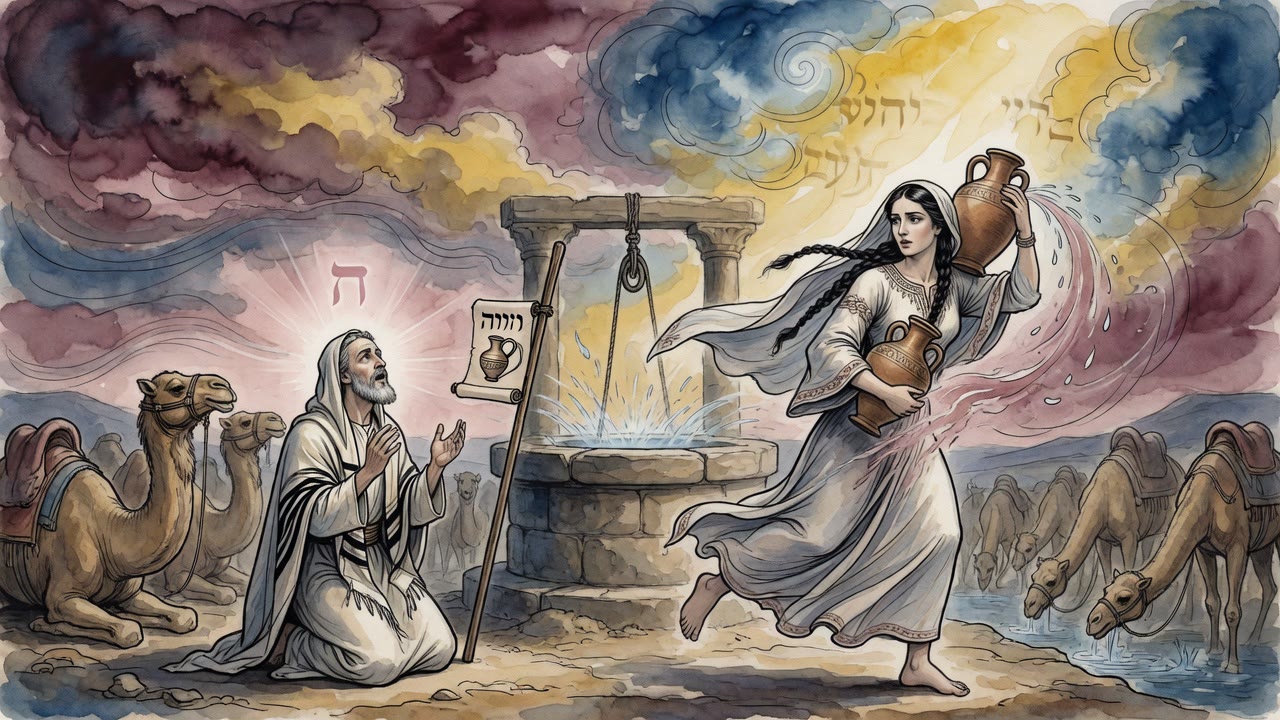
At the well Eliezer set a risky sign of water and camels. Before the prayer closed, Rebecca ran with her jug, and heaven corrected a dangerous vow.
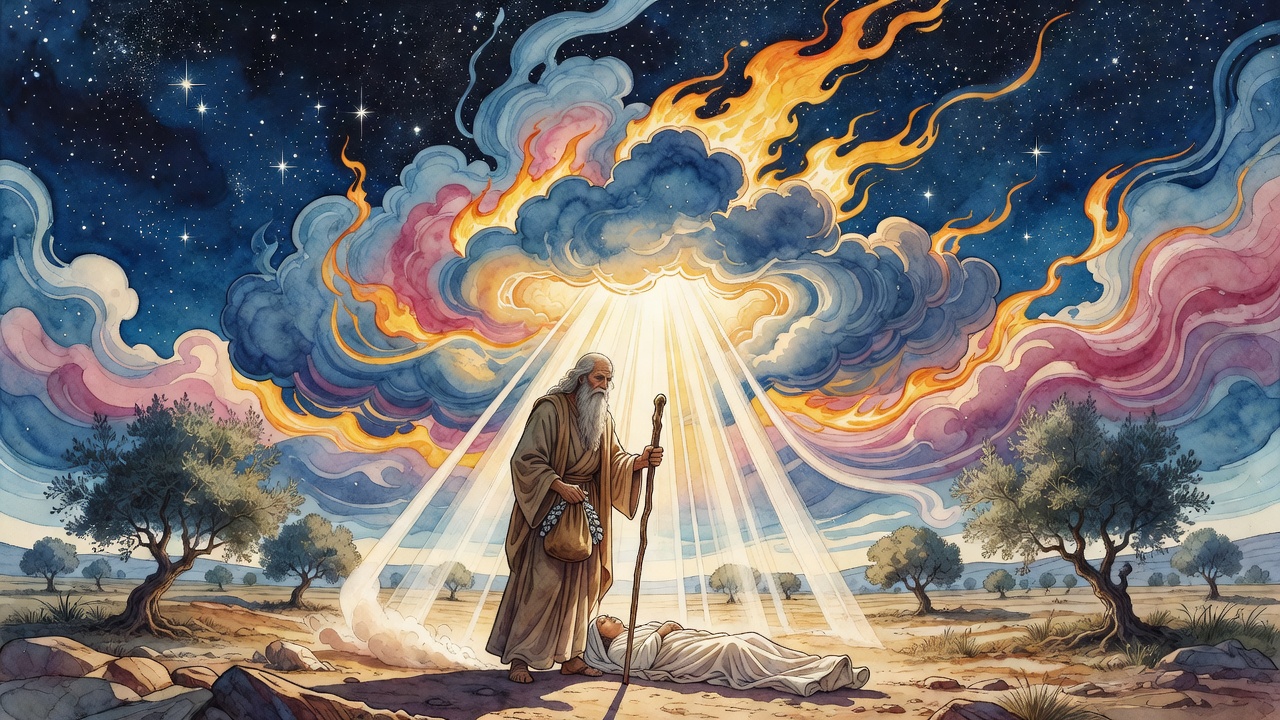
Sarah was dead. The land had been promised in stars and animal blood. Abraham asked the men of Hebron for a cave, and he would not take it as a gift.
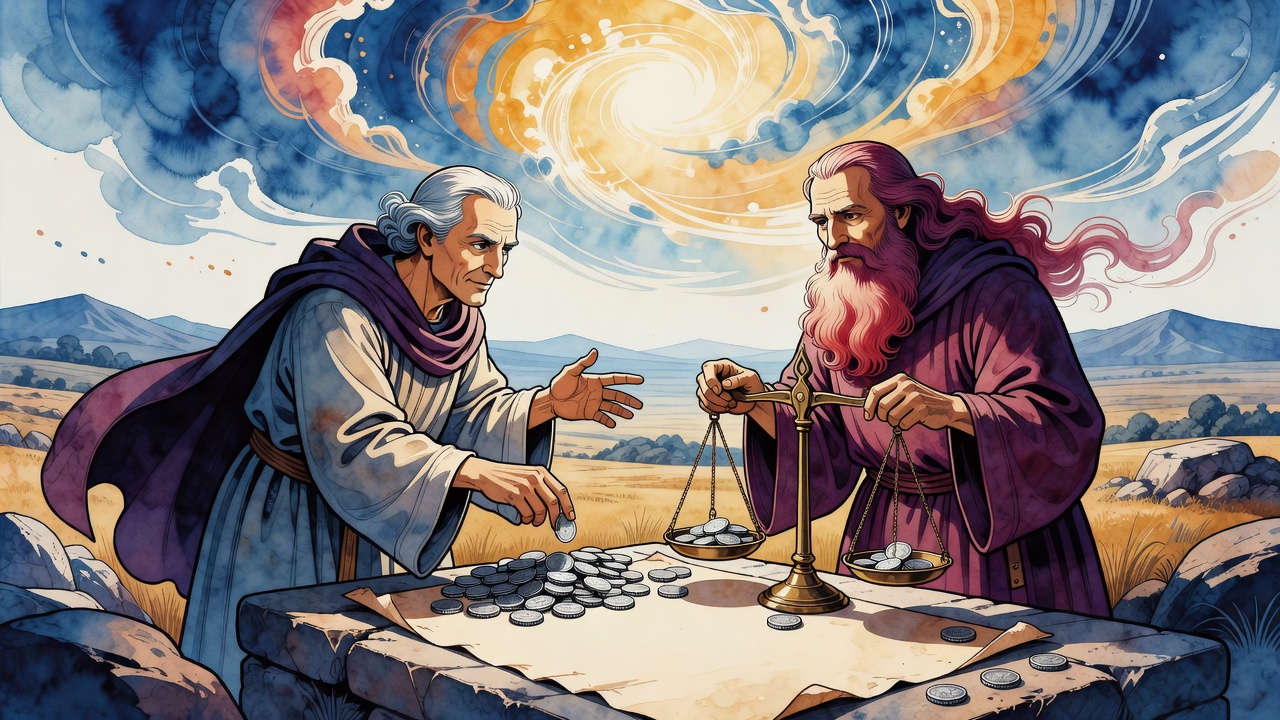
Ephron offers the field as a gift while naming four hundred shekels, skims the silver as Abraham weighs it, and his name drops a letter on the page.
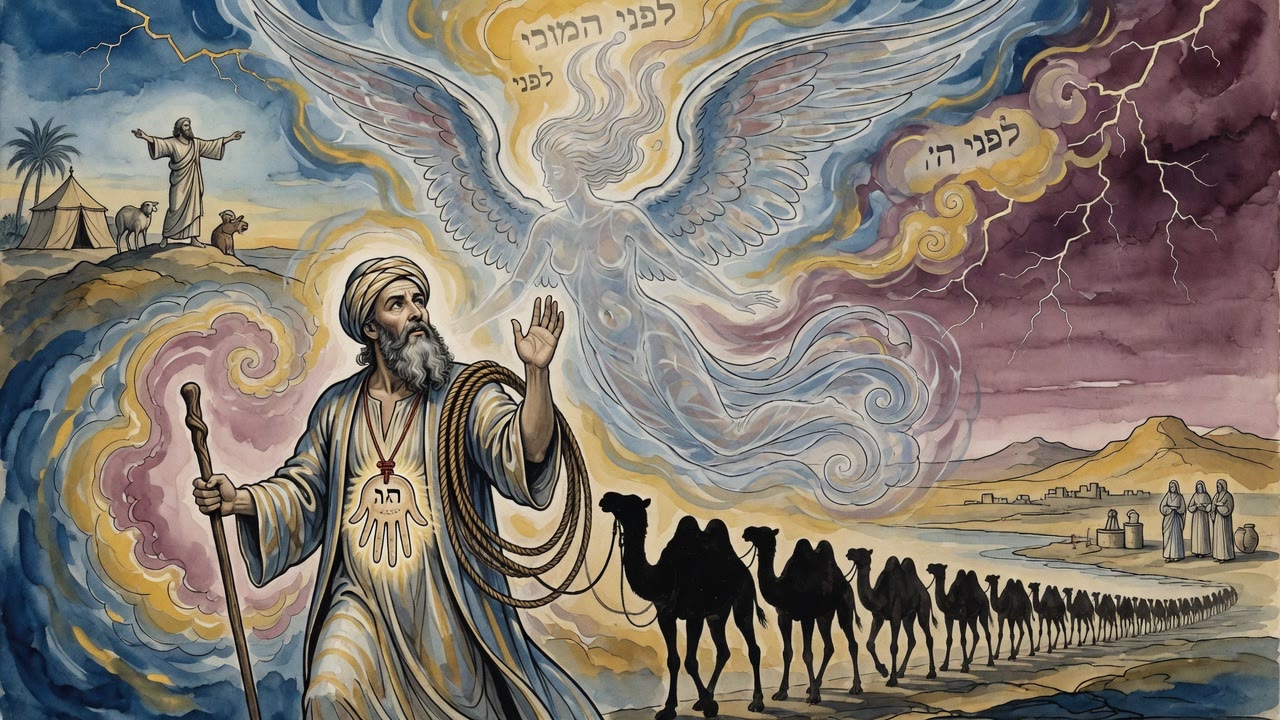
Abraham sends his servant for a wife for Isaac with one promise, not success but company, and Eliezer carries that oath all the way to Aram.
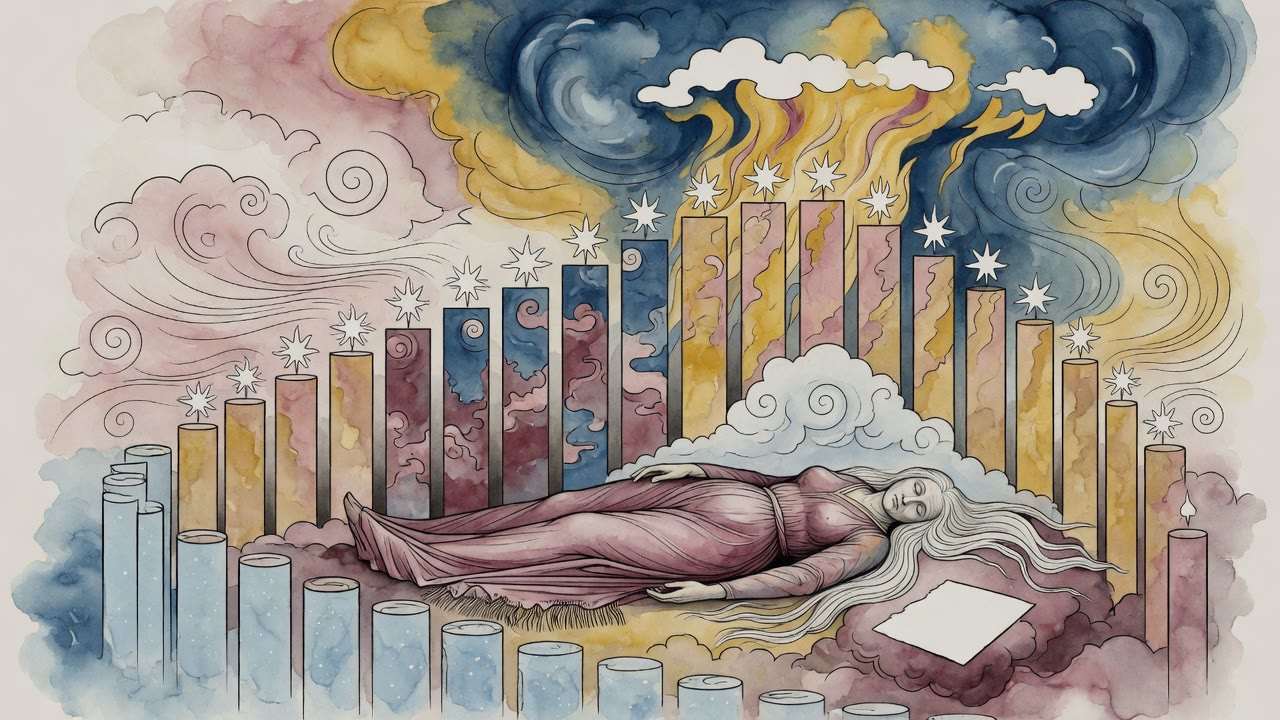
Abraham came down from Moriah with the knife still heavy in his hand, and found Sarah already fallen, her years counted only from the son she had finally held.
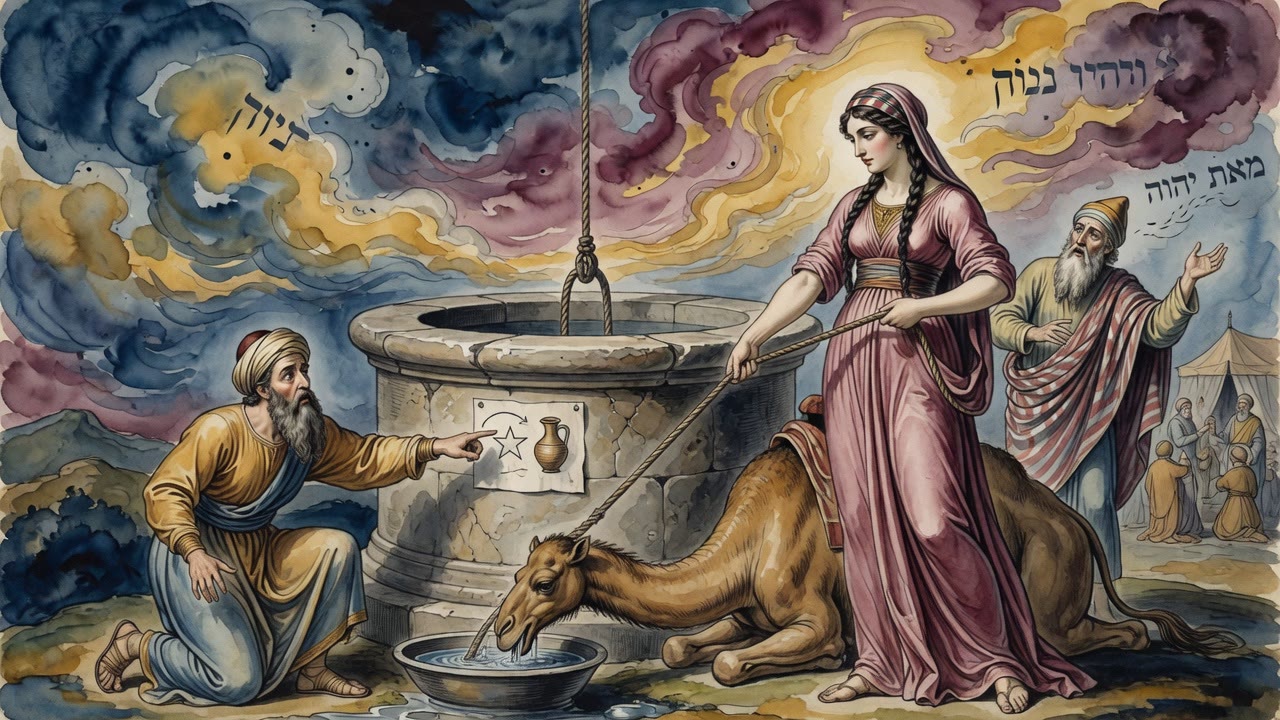
At the well Eliezer set a sign that could have crowned the wrong woman, yet Rebecca drew for man and camel while Laban confessed the match came from the LORD.
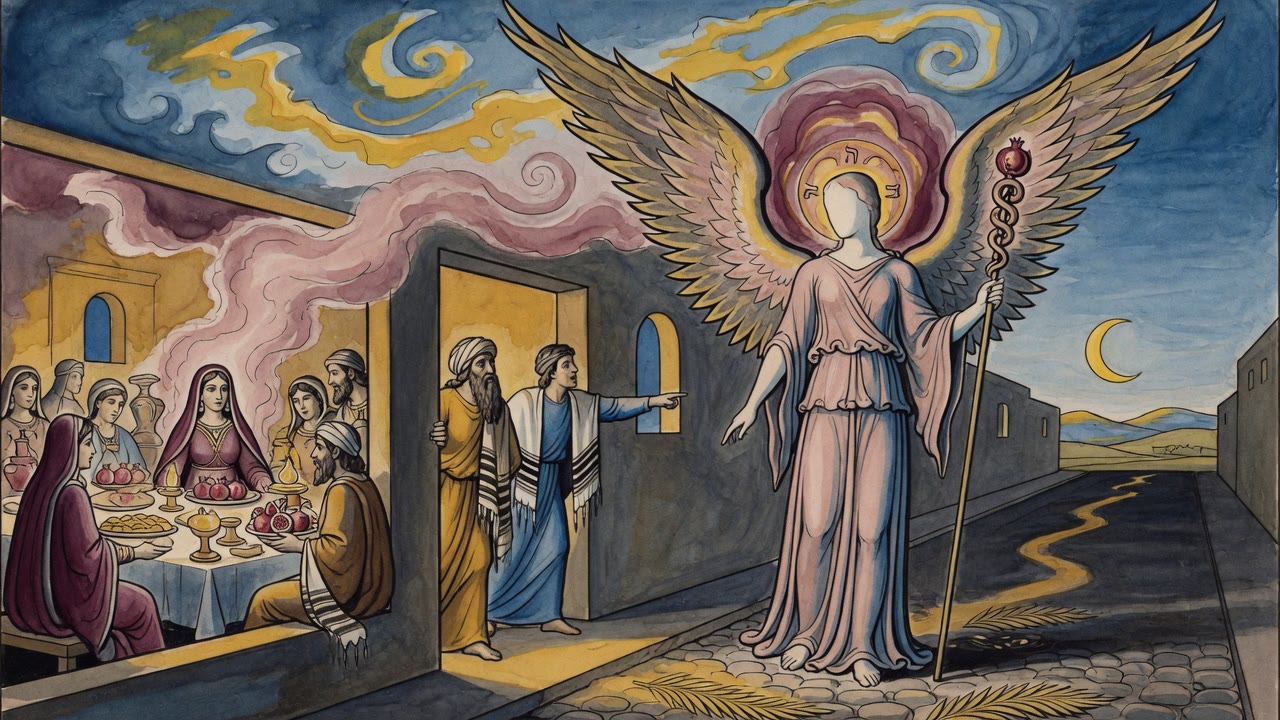
At Rebecca's farewell feast an angel stood outside in the street. The servant pointed to him and told Laban the road was already open.
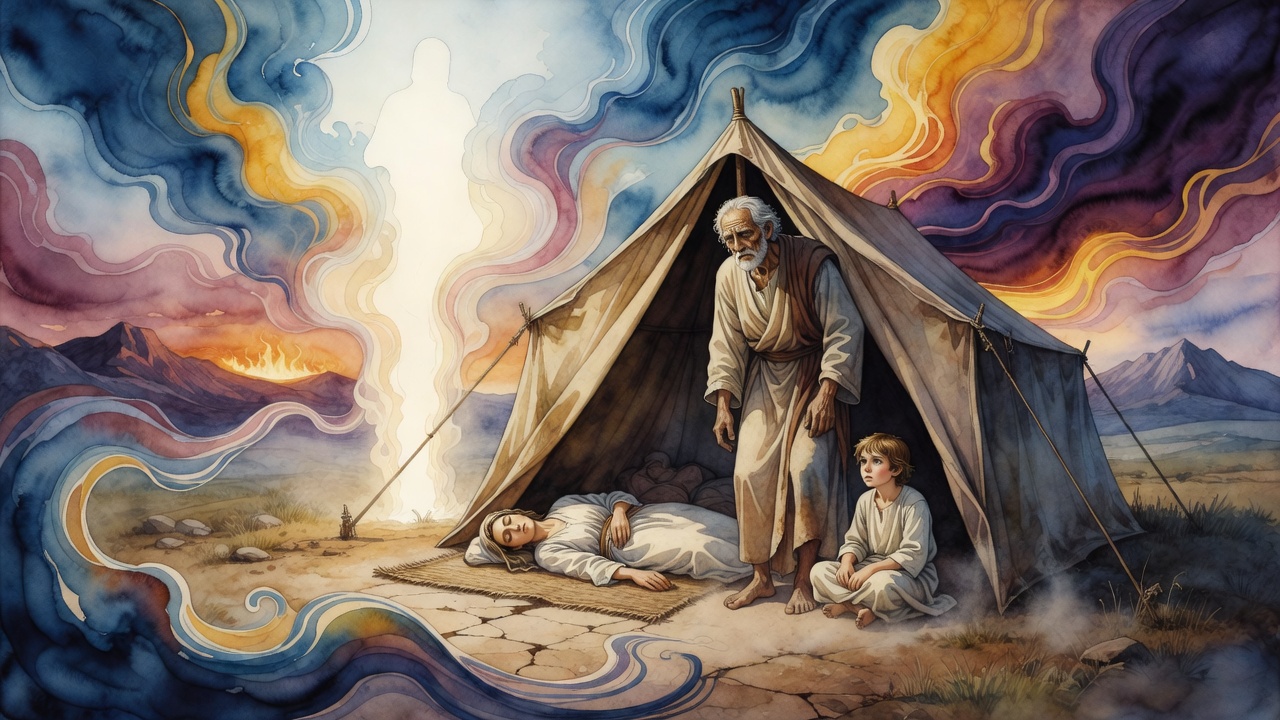
Abraham walked three days from the mountain of worship and reached the tent with a living son. Sarah did not rise to meet him.
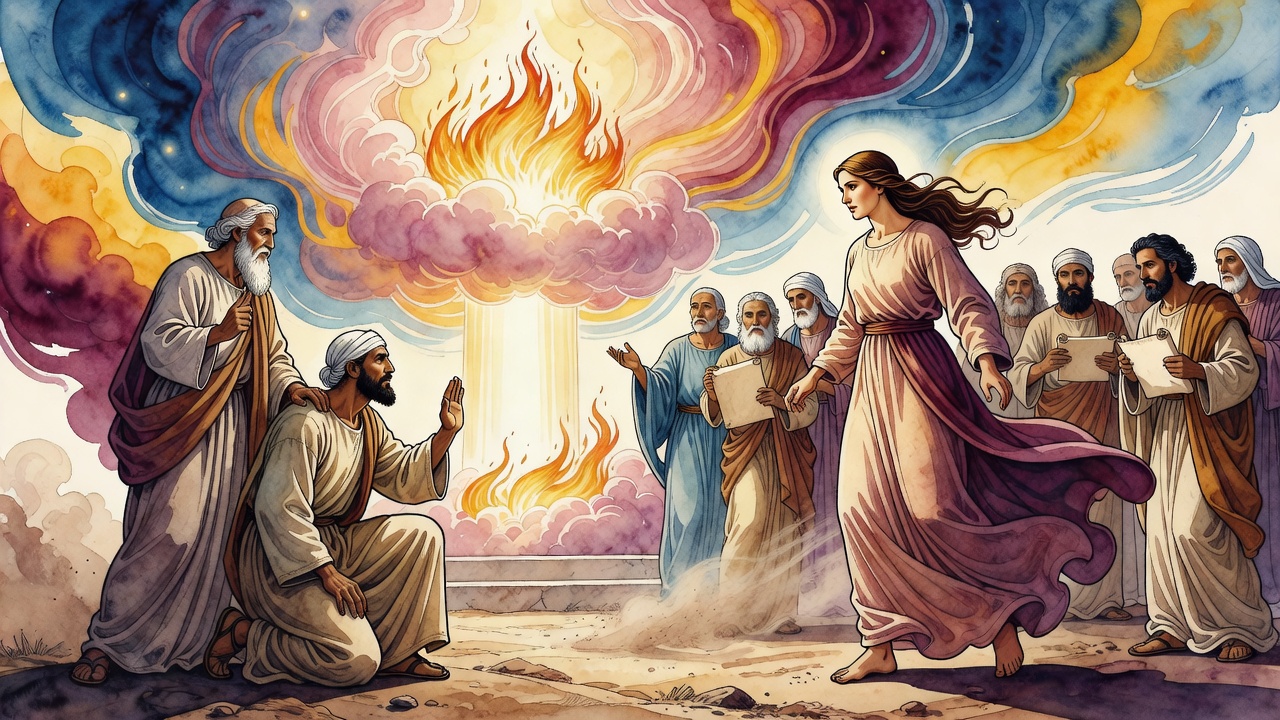
Abraham sent his servant east to find a wife for Isaac. Rebecca watered all ten of his camels, and her family stalled, but she said she would go.
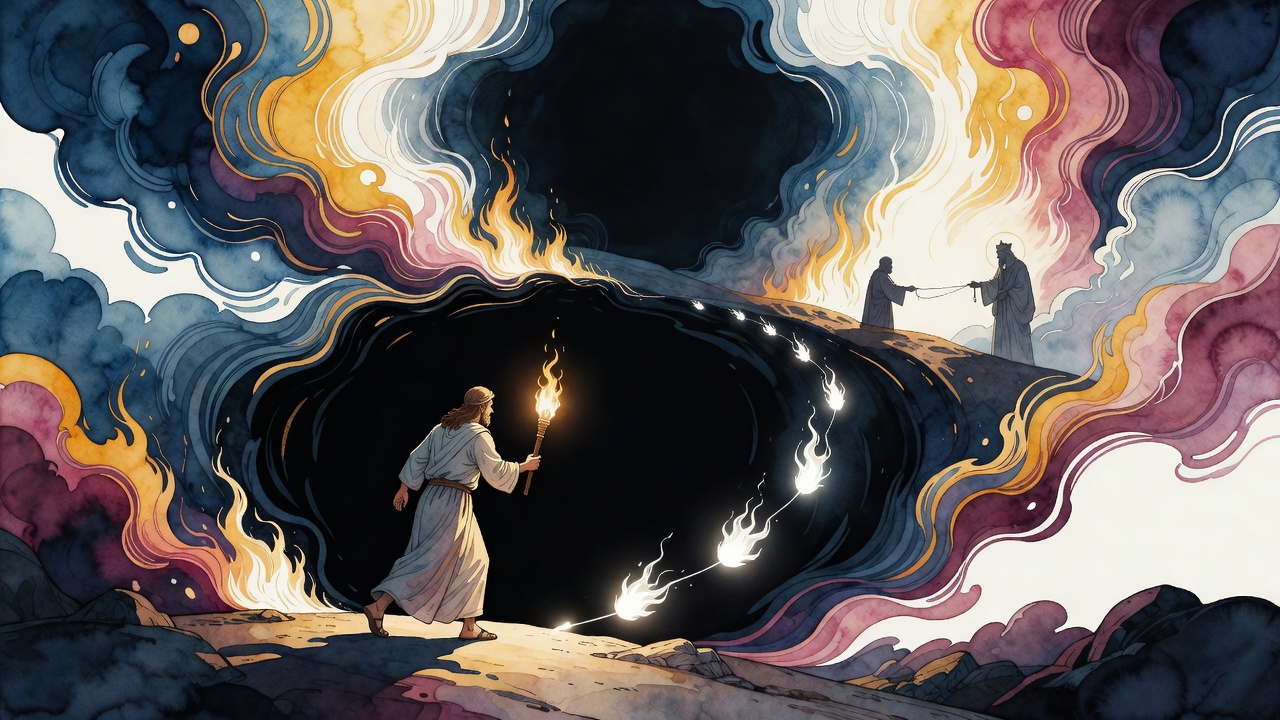
He was going to find a wife for Isaac, and the only light he got was lightning. Between flashes he pushed the ten camels forward in the dark.
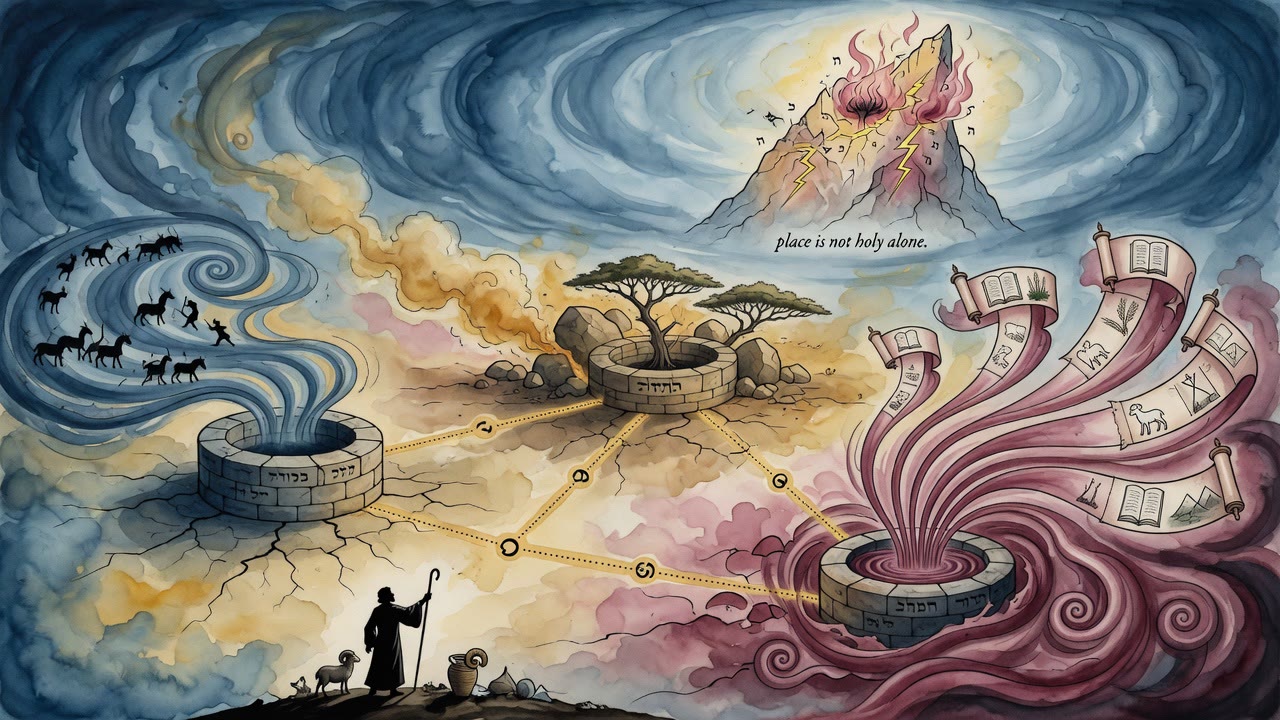
Eliezer asked for a girl who would offer water. Rebekah came, scolded the others, and the well rose to her jar while Laban's house readied poison.
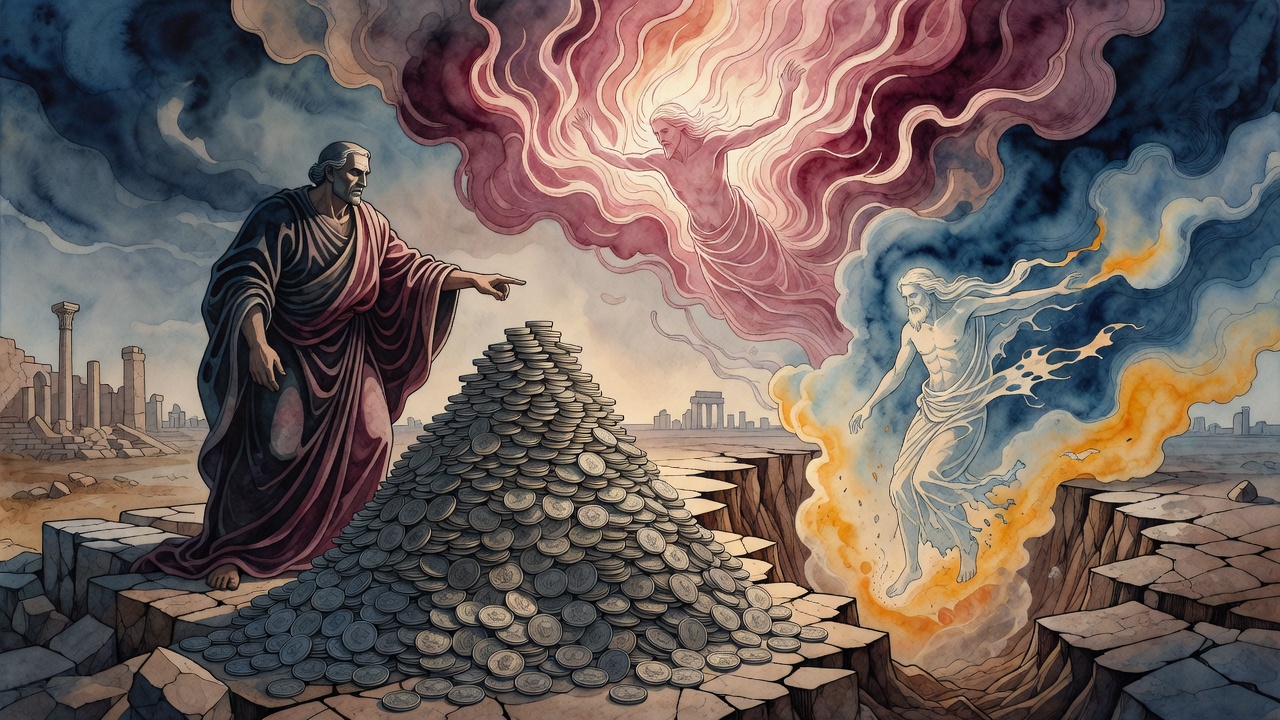
The beadle woke with Abraham still speaking. At the court gate the coins were waiting, every one dated to the year meant to kill them.
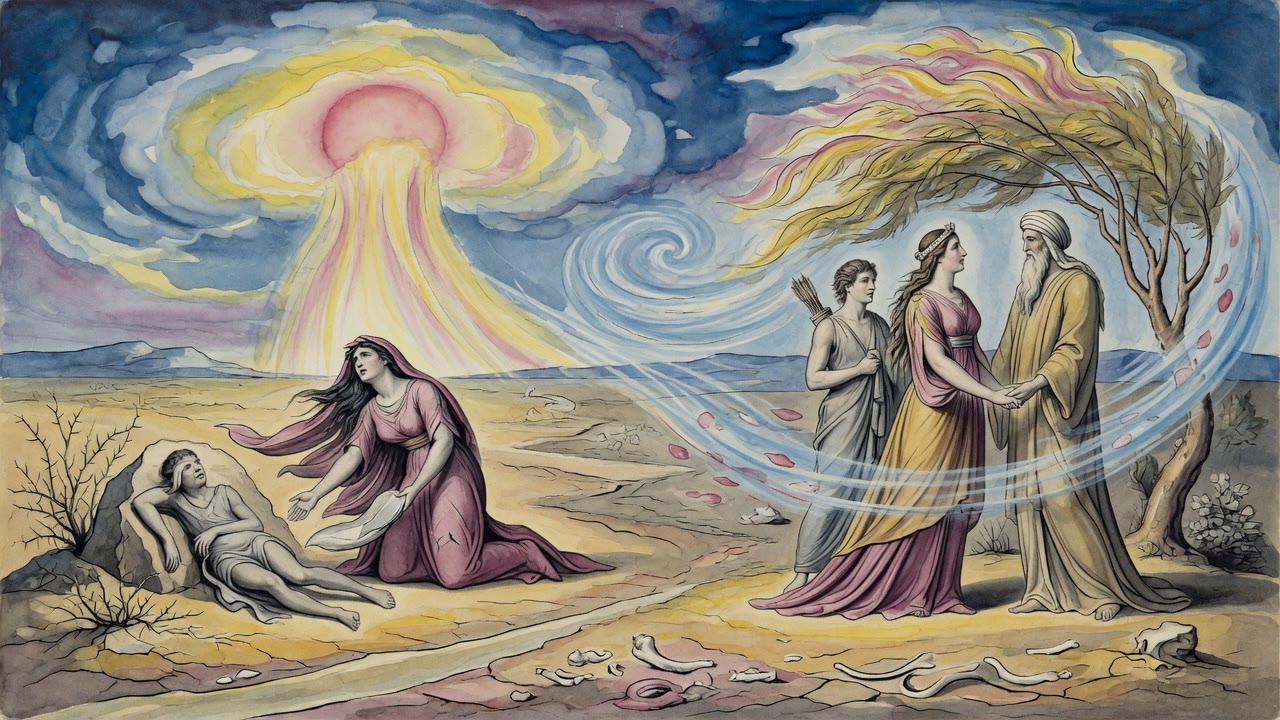
Sarah told Abraham to write a bill of divorce that would outlast the grave. After she was buried, he reached back for the woman he had sent into sand.
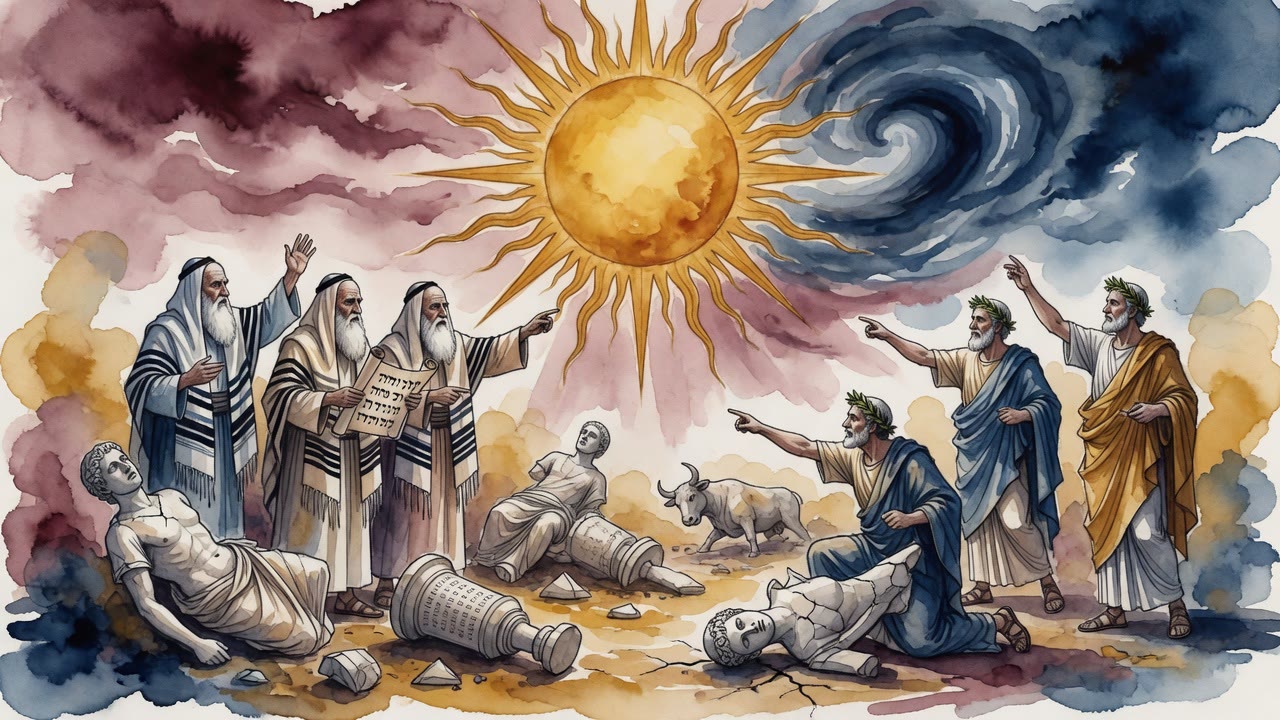
Before the sun of one tzaddik (a righteous person) goes dark God kindles another, and overhead the daylight charges out like a groom and drags home spent at.
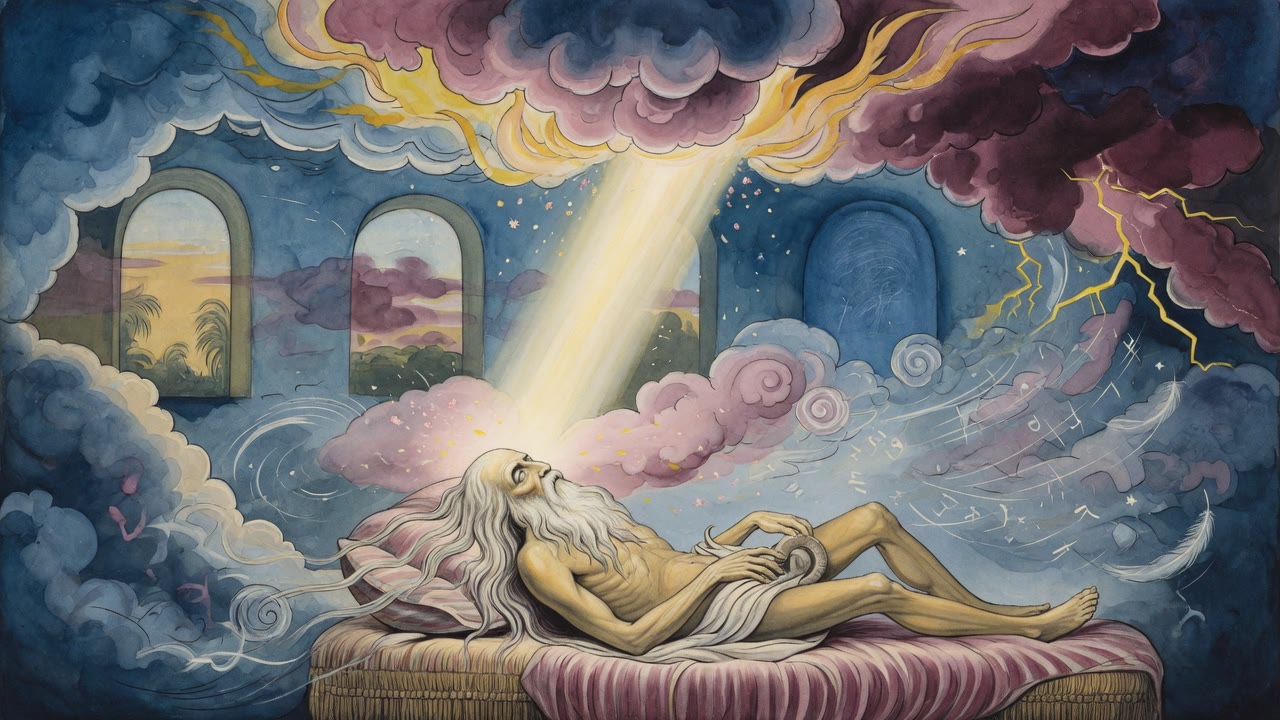
Old age shuts Abraham's windows and doors one by one. When death comes, it arrives as the kiss of the Shekhinah, the Divine Presence, not as decay's claim.
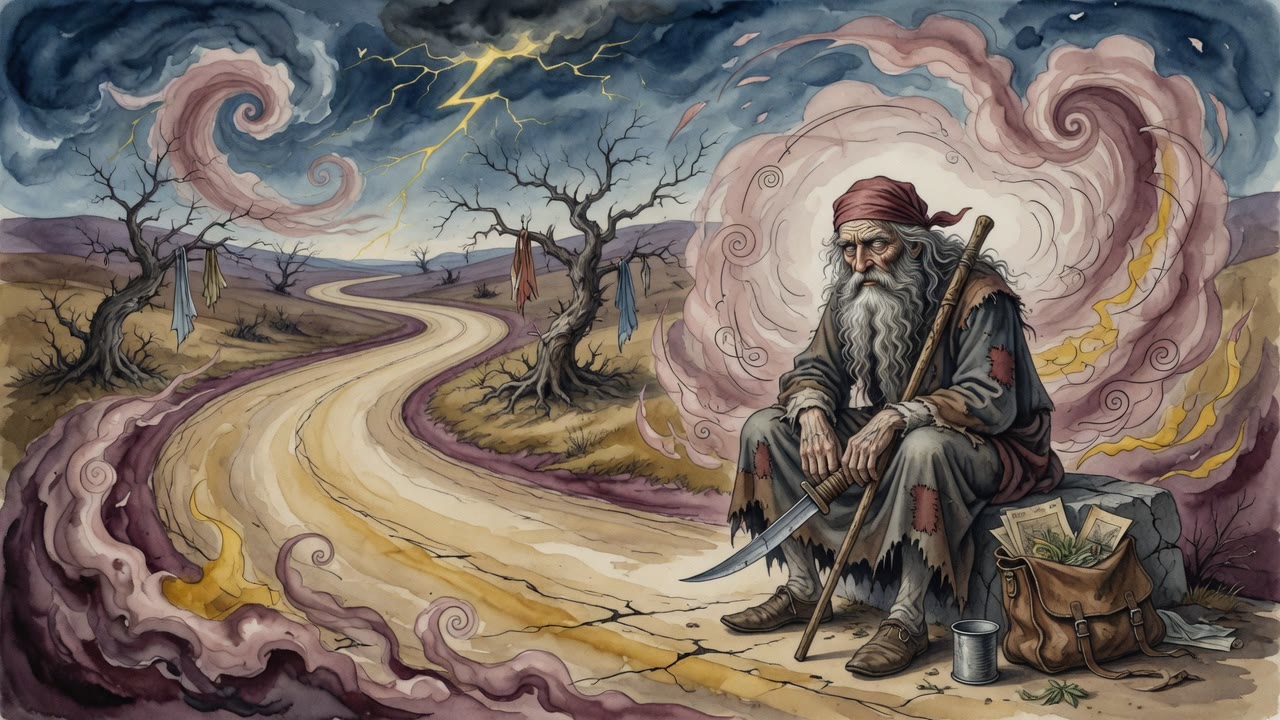
He worked the king's road until his own hands quit, and when he went down at last to make peace, the gate had nothing left to give him.
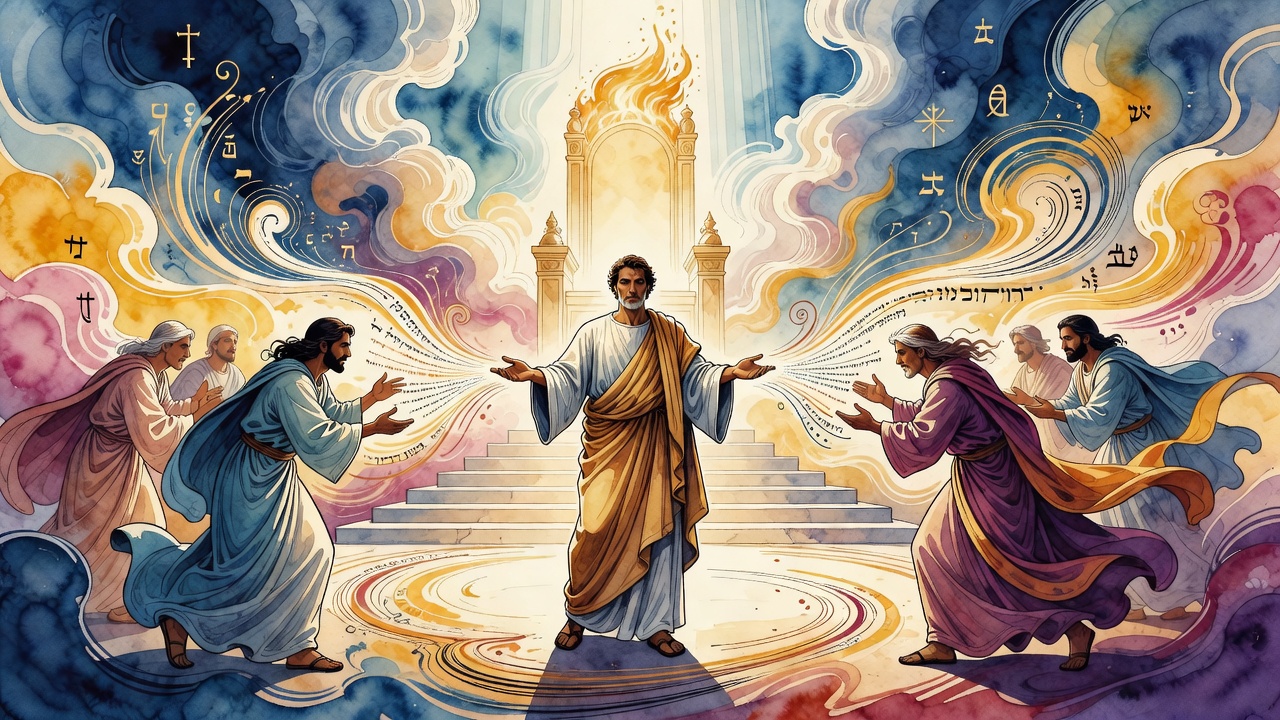
Four delegations stood before Alexander with Israel's own verses in their mouths. A man with no title asked leave to answer them.
