Sarah Gave Hagar to Abraham and Named Every Term
Hagar was Pharaoh's daughter, given away as a servant after the plagues. Sarah put it in writing: any son Hagar bore belonged to Sarah's household.
Table of Contents
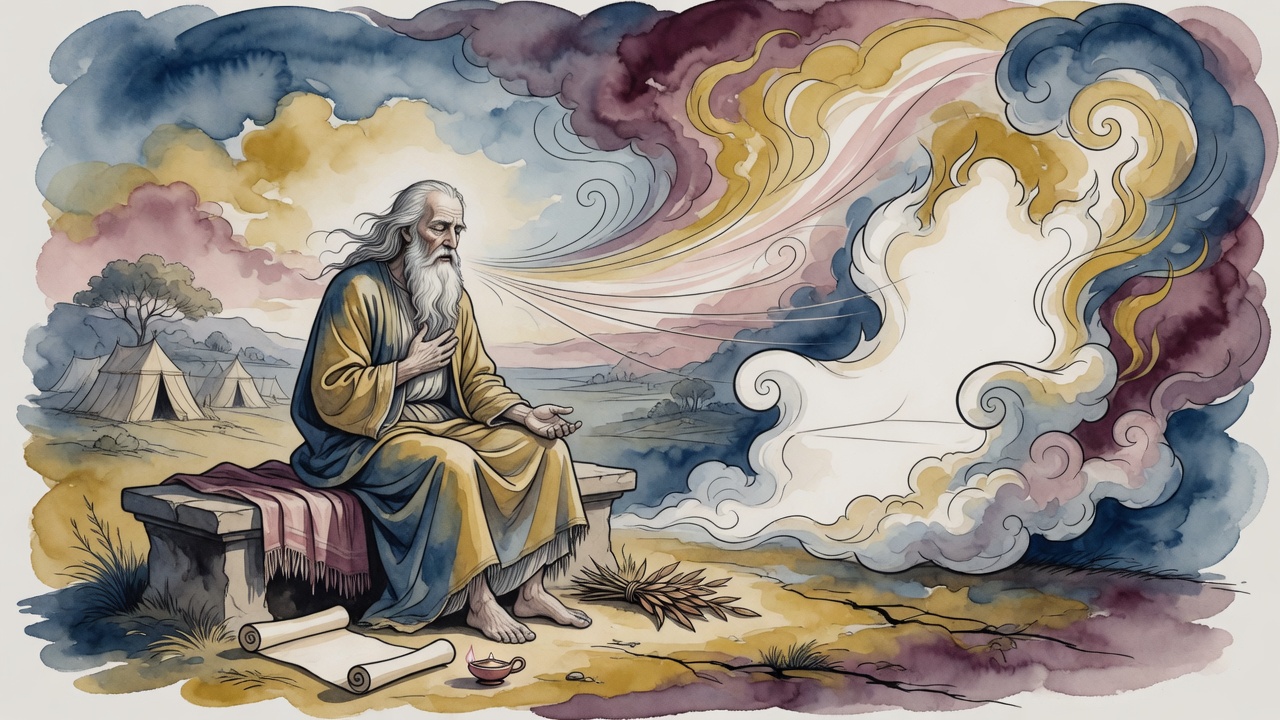 Click for full size
The Conclusion After Ten Years
After ten years in Canaan with no child, Sarah reached a conclusion. The problem was not the land.
Before they had left Haran, she and Abraham had told themselves that their childlessness was a matter of geography. Outside the Land of Israel, outside the covenantal territory, perhaps the conditions for the promise were not yet met. This was a reasonable comfort and it held for a while. Then ten years passed in Canaan and the calendar exposed it as a comfort, not a truth. Sarah understood that the fault lay with her. The Ginzberg tradition is careful to note that she made this determination without jealousy, which the account presents as remarkable. This was not a woman performing magnanimity. It was a woman making a precise decision under precise circumstances.
Who Hagar Was
What Sarah did next requires understanding who Hagar was. The Ginzberg tradition, drawing on earlier midrashic sources, explains that Hagar was Pharaoh's daughter. When the plagues had come upon the Egyptian palace because Pharaoh had taken Sarah, the king gave Hagar to her with a specific logic: better for my daughter to be a servant in this woman's house than to reign as mistress in any other. Pharaoh had seen something in Sarah. He wanted his own daughter near it.
Hagar had thus come to Abraham's household carrying the weight of what her father understood about it. She had lived there long enough to know the miracles the household had survived. She was not a stranger to this world when Sarah offered her to Abraham.
The Terms Sarah Named
The Book of Jubilees, composed in the second century BCE, frames the offer in terms of Abraham's tested faithfulness. He had already been tried through famine, through Pharaoh's palace, through the kidnapping of Sarah in Gerar, through the long absence of the promised child. The Jubilees account catalogs these trials not as complaints but as evidence of a man who had held to his trust through compounding difficulties.
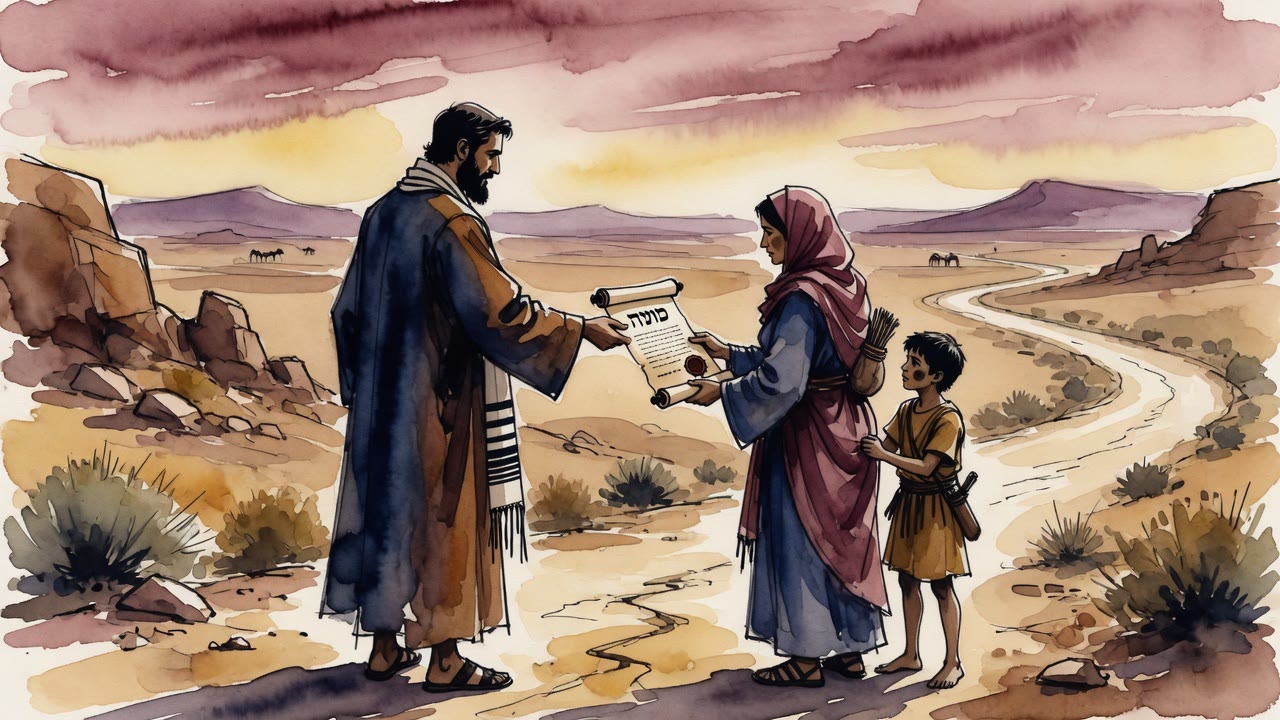
Sarah named the terms of the arrangement herself. If Hagar bore a son, the child would belong to Sarah's household. The hierarchy would not shift. The tradition notes that Sarah gave Hagar a legal document establishing her status, which is the kind of detail that distinguishes a woman managing a situation from a woman overwhelmed by one.
What Changed After Hagar Conceived
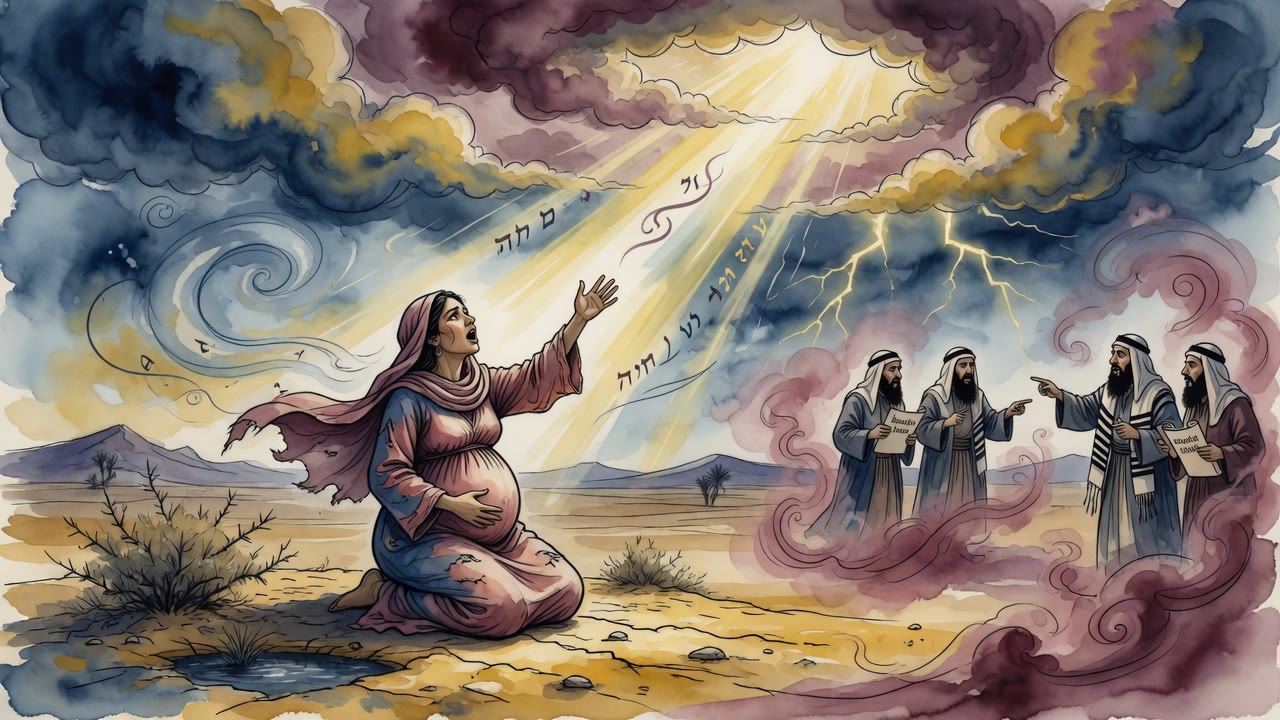
The moment Hagar felt the child quicken, she began treating Sarah with contempt. The mechanics were subtle at first. When noble women came to visit Sarah, Hagar would receive them afterward and use those visits to talk about her mistress. My lady Sarah, she would say, is not inwardly what she appears outwardly. If she were truly righteous, how could she have remained childless all these years while I conceived at once?
The tradition reads this as a catastrophic misuse of information. Hagar had seen more than almost anyone: she had watched plagues fall on her father's palace, she had lived alongside a household that survived a furnace, and she had been placed there by a king who understood what he was placing her near. She had all of this and she still chose her pregnancy as a tool for a score she wanted to settle. The Ginzberg tradition gives no sympathy here. Sarah had acted without jealousy. Hagar acted from nothing but.
← All myths