Sarah Gave Hagar Away and Regretted It the Moment She Laughed
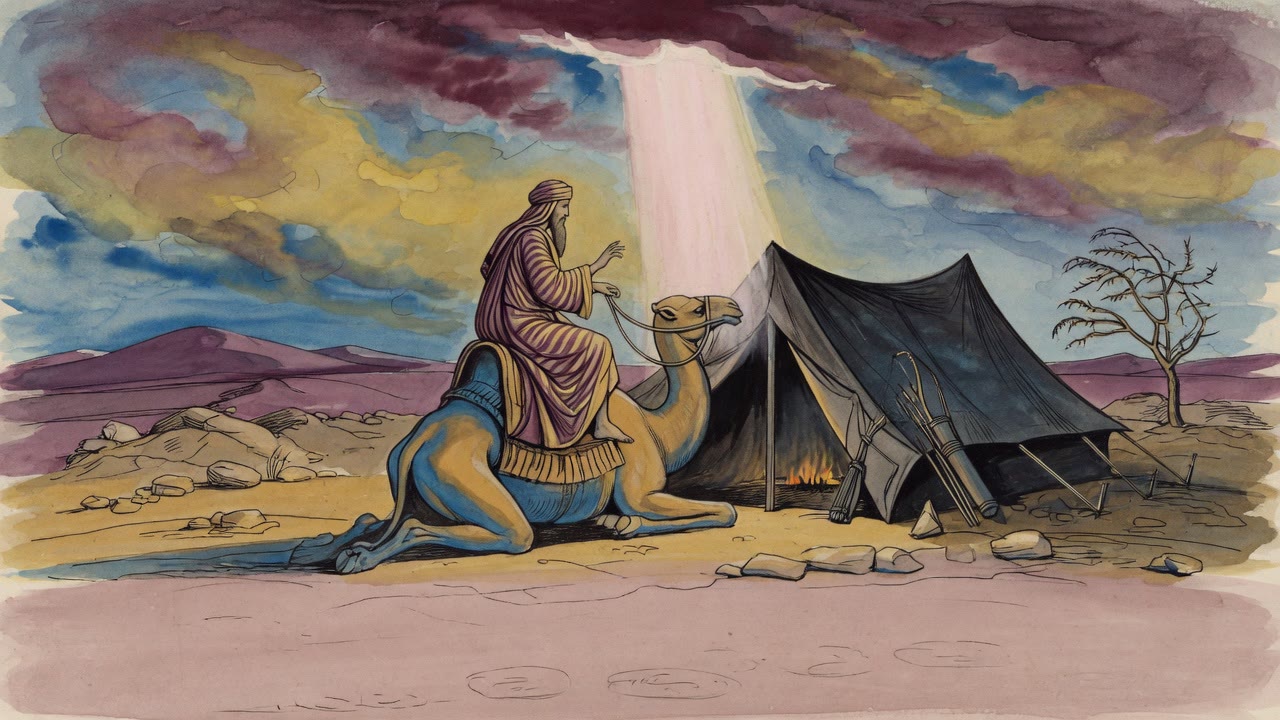
Go in unto Hagar, my Egyptian maid: Sarah said it first, and Abraham listened. Years later he sent Hagar off with bread and a skin of water on her shoulder.
Table of Contents
The decision was Sarah's. That is the part the story makes clear before it complicates anything else. It was Sarah who told Abraham to go in to Hagar. Sarah who chose her own maidservant and placed her in Abraham's arms, because the years had accumulated and her womb had not opened and she had run out of other plans. The Book of Jubilees, the second-century BCE retelling of Genesis, records the exact words: "Go in unto Hagar, my Egyptian maid. It may be that I shall build up seed unto you by her." And Abraham listened.
 Click for full size
He went in to Hagar. She conceived. She bore Ishmael in the forty-first jubilee, in the fifth year of the week. The calendar precision is Jubilees' signature. Every birth, every departure, every covenant, dated to the exact week within the jubilee cycle, so that no reader can mistake the timing or pretend the sequence happened any other way.
The Years the Arrangement Held
Abraham rejoiced. He blessed God and remembered the word spoken to him on the day Lot had parted from him: your seed will be like the sand of the seashore and like the stars of heaven. He had a son now. He was not dying childless. The grief that had pursued him after the battle, the grief he had voiced directly to God when he said the heir of my house is Eliezer of Damascus, a hired man, that grief was answered. The arrangement had done exactly what Sarah designed it to do.
For years, the household held together on those terms. Hagar was a servant. Ishmael was Abraham's son. Sarah was still the wife, still the first woman in the tent. The structure was not pleasant for everyone, but it was stable.
The Moment Everything Cracked
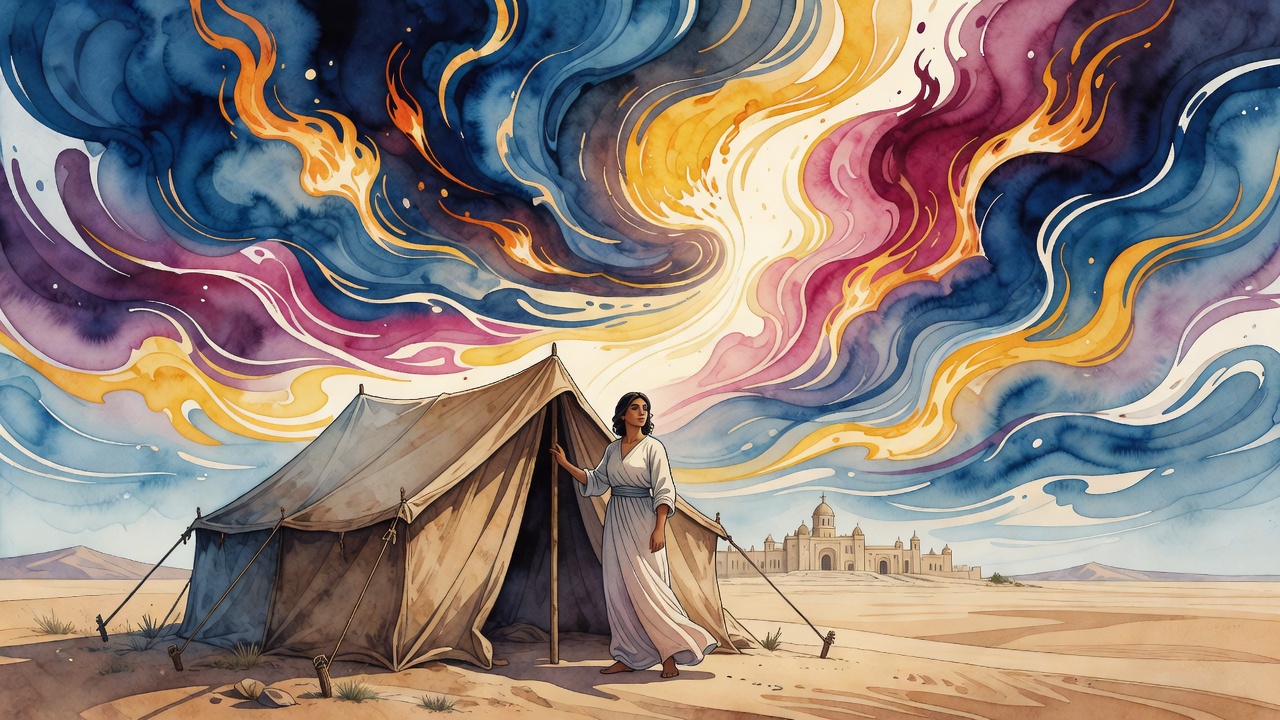
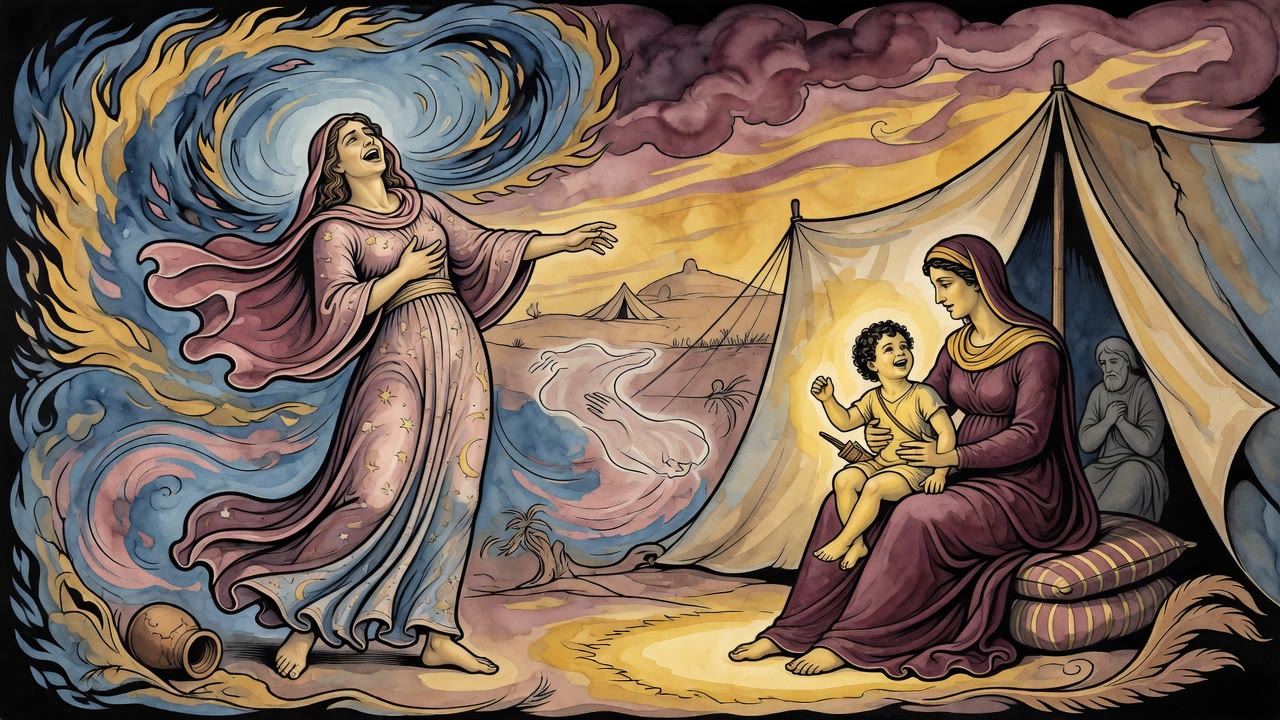
Then three men came to Abraham's tent at Mamre, and they told him that Sarah, in a year, would have a son. Sarah heard from the tent entrance and laughed. Not a laugh of joy. A laugh of a woman who has wanted something so long that the offer of it has become impossible to believe. The laugh was disbelief, and within the disbelief was everything she had suppressed in the years of waiting, all the calculation that had led her to give away the only other option she had.
She was ninety years old. Abraham was a hundred. The promise was absurd on its face, and she laughed, and then she denied laughing, and the visitor said: "no, you laughed." The honesty of that exchange is one of the most unsparing moments in the entire patriarchal cycle.
Hagar in the Wilderness
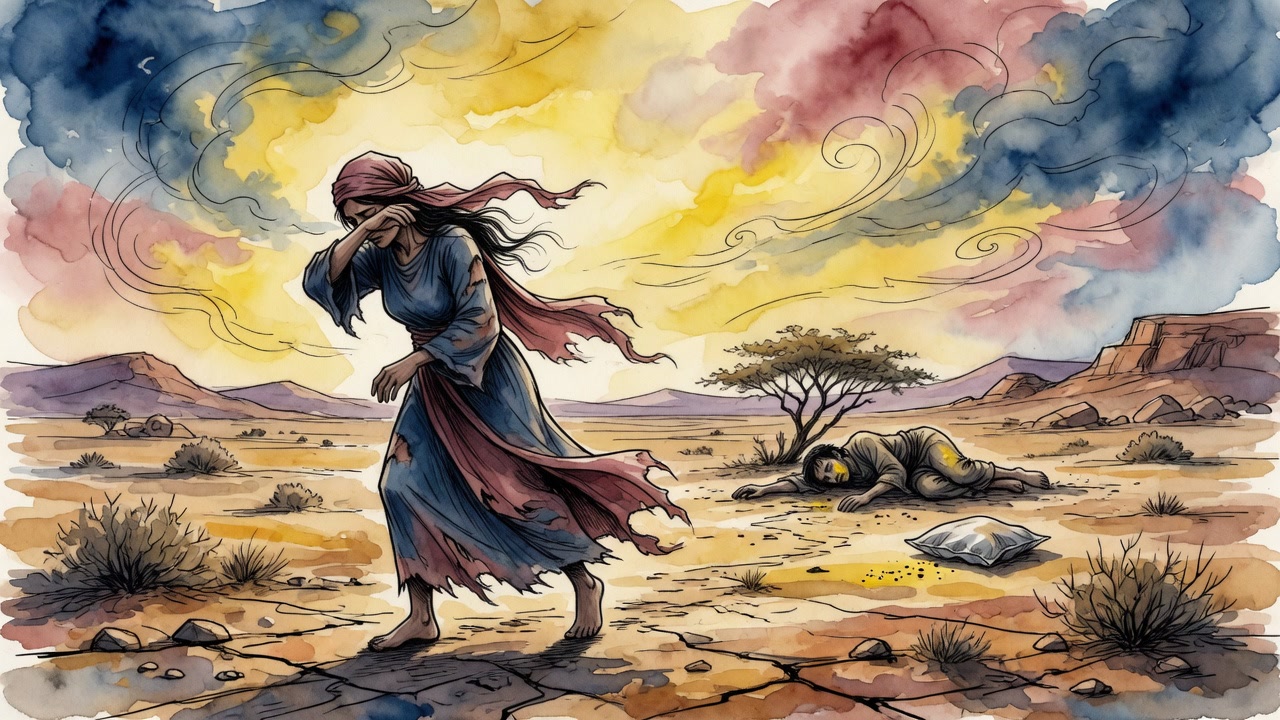
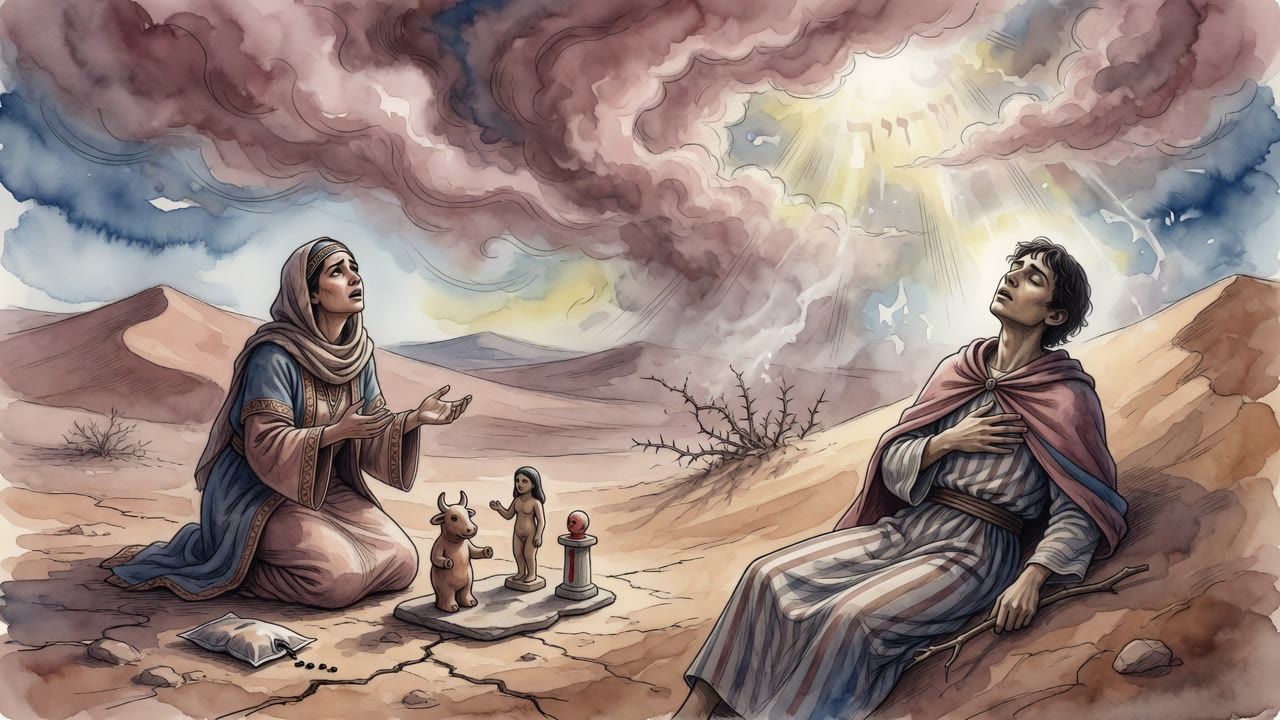
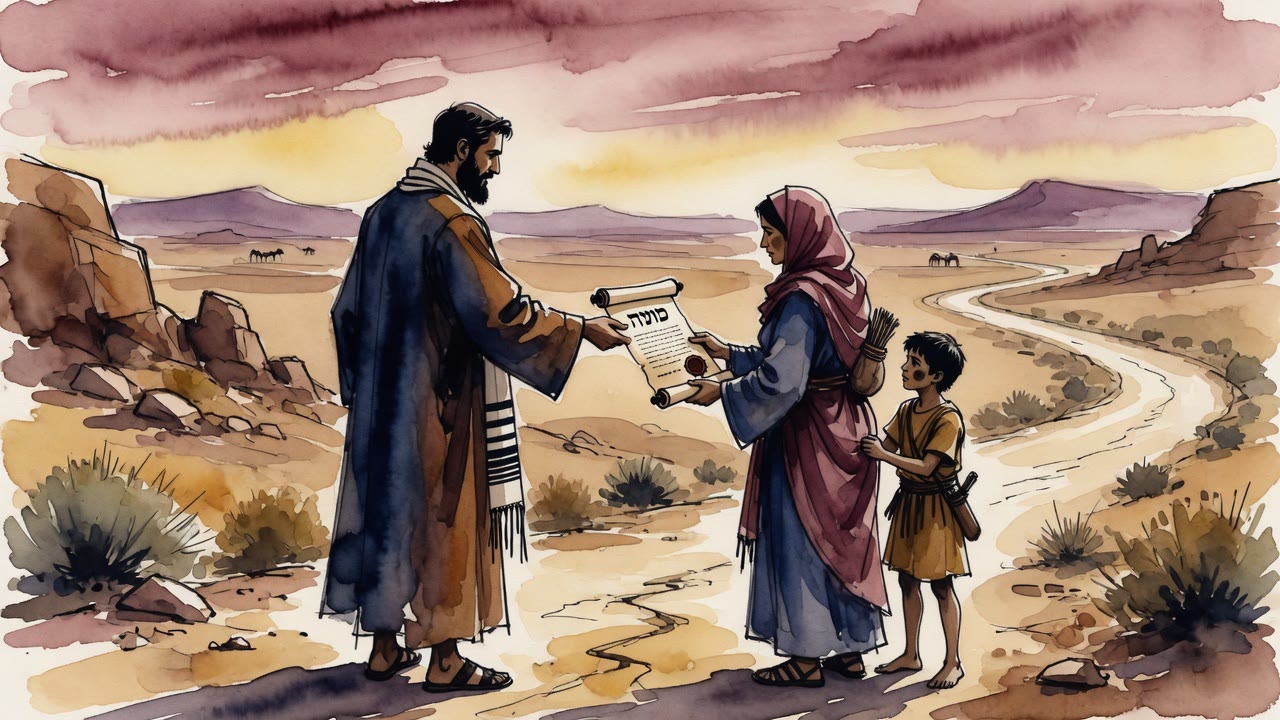
Abraham rose early in the morning and gave Hagar bread and a skin of water and placed them on her shoulder, and sent her away with Ishmael. She went and wandered in the wilderness of Beersheba. The water ran out. She placed the child under one of the shrubs and went and sat down a distance away, because she could not watch him die. An angel called to her from heaven: "what is wrong with you, Hagar? Fear not, for God has heard the voice of the child where he is. Lift up the child and hold him by the hand, for I will make a great nation of him." God opened her eyes and she saw a well of water. She filled the skin and gave the boy a drink. The wilderness that had been a place of dying became, for a moment, the place where a different covenant was confirmed.
When Isaac Arrived
When Isaac was born and weaned, Sarah saw Ishmael and knew she could not live with what she had built. The Jubilees tradition records her grief and her certainty together. She had made this arrangement. She had placed Hagar in Abraham's arms. She had watched Ishmael grow for years as the son she had provided when she could not provide a son herself. Now she stood with her own child in her arms and could not tolerate the other one's presence.
"Drive out this bondwoman and her son," she told Abraham. "The son of this bondwoman shall not be heir with my son." Abraham was troubled deeply, because Ishmael was also his son, and he had raised him and loved him. God had to tell him directly: "do what Sarah says. I will make a nation of the bondwoman's son also, because he is your seed."
← All myths