5 min read

The Court Cleared the Ox's Owner, but Heaven Still Held the Debt

The ox had been quiet for months. Then it lowered its head in the lane and a man went down. Its owner left court owing nothing and slept badly.

Curated by Arthur · Told by Maggid ·
Table of Contents
  1. Horn and Dust
  2. Absolved Before Men
  3. When Fire Walks Alone
  4. Burn for Burn
  5. Two Courts, One Lane
  6. Nature to Damage
The Court Cleared the Ox's Owner, but Heaven Still Held the Debt Click for full size

Horn and Dust

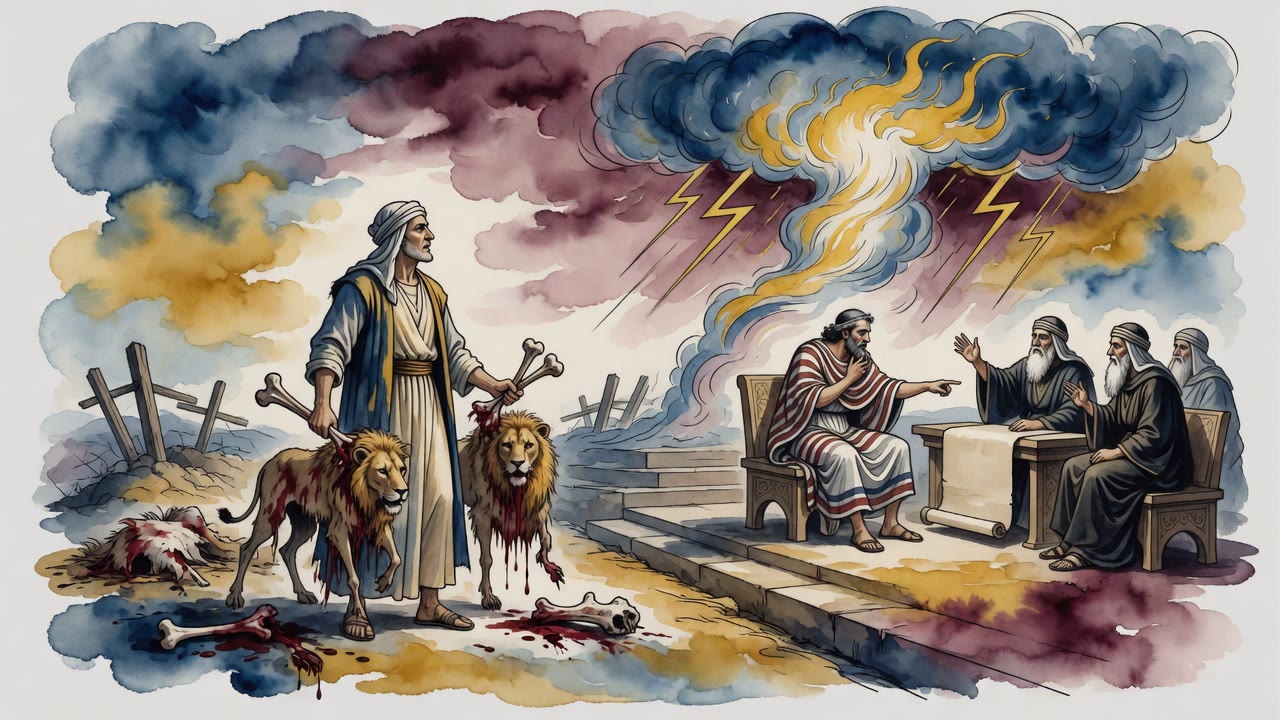
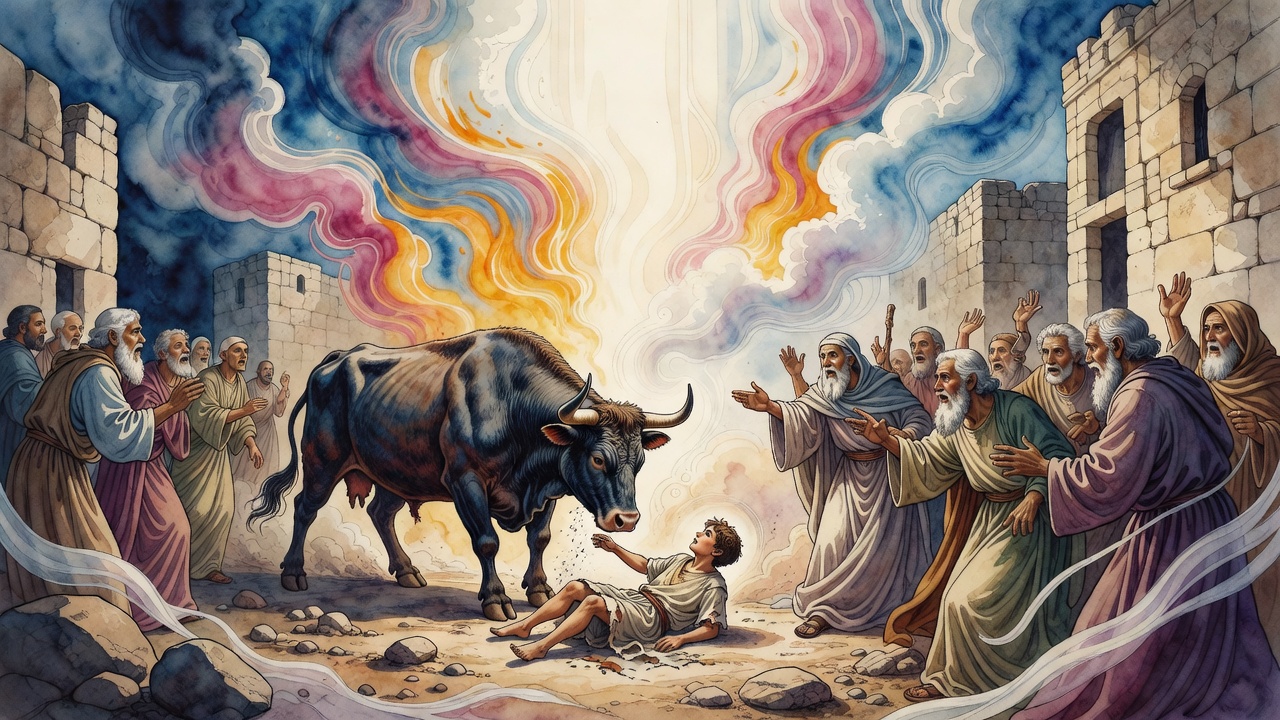
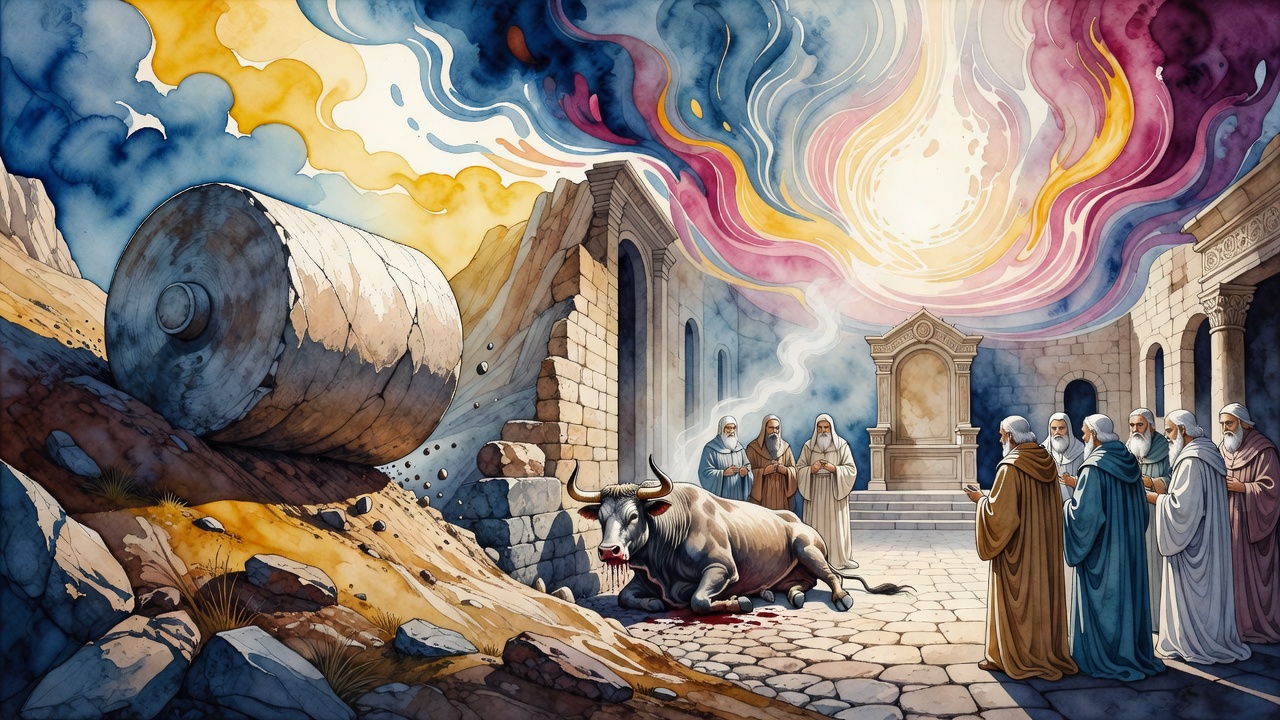
The ox had been quiet for months. Then it lowered its head in the lane and a man went down hard. Neighbors ran. The owner arrived with rope and a face already calculating court. Tam, they would say if the beast had no history. Mued, if warnings had stacked. The body on the ground did not care for Hebrew labels. It cared for air.

The animal was taken. The man was carried. By evening the lane smelled of blood and straw and fear of bills.

Women washed the dirt as if dirt could forget. Men argued over whether the beast had shown temper last month by the cistern. Children were pulled indoors. The owner walked the length of the rope again and again, as if a tighter knot could rewrite the afternoon.

Absolved Before Men

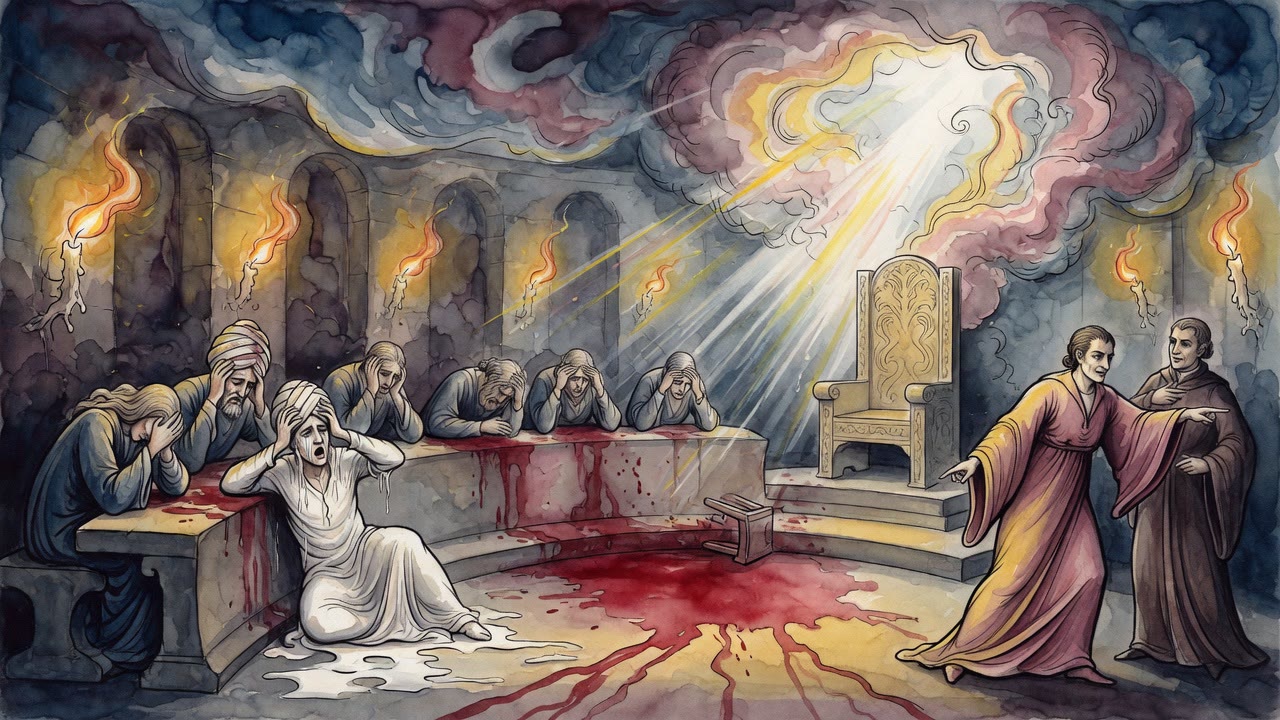
In court the phrases of Exodus moved like weights on a balance. Both a warned ox and a first-time gorer are stoned when they kill. For the warned ox, even after a human court is satisfied, heaven still pressed kofer, ransom for a life. Rabbi Yehudah heard the inference threaten the owner of the tam with the same ongoing debt. Scripture cut it short: "and the owner of the ox is absolved."

Absolved before a beth din of flesh and blood. Rabbi Yehudah would not let the word erase heaven. The owner walked out without the ransom line on his ledger and still felt a moral debt that no receipt could burn. Sleep did not come easy. The lane remembered the horn.

When Fire Walks Alone

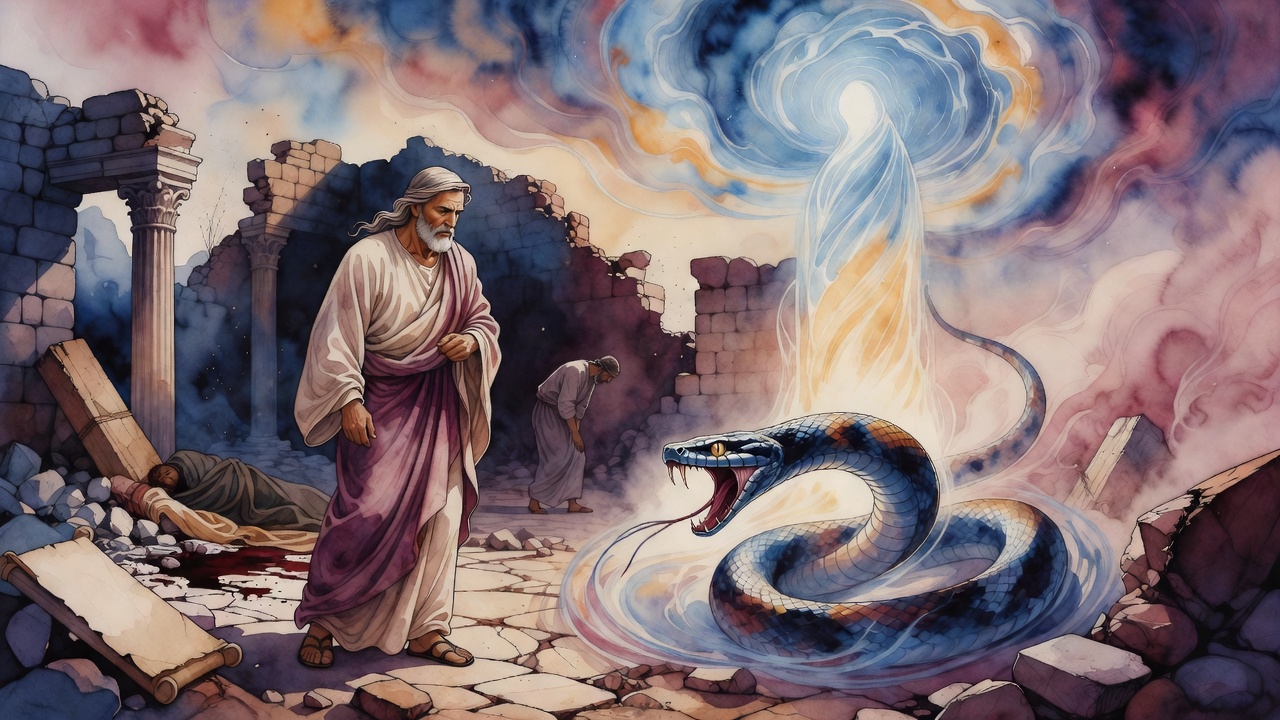
Another week, a stack of thorns caught at the edge of a field. Wind took it. Grain that was not his went black. "Pay shall he pay, the lighter of the fire." Why write it, when a man who damages is already in the law? Because fire and pit share a nature: they damage by what they are. The clause pins the one who kindled or watched the light walk into a neighbor's life.

He paid the lighter cost the verse names, hands empty, throat dry. The flame had no mind and still left a debt. Like the ox, it was a force loosed by a human who thought the day would stay ordinary.

Burn for Burn

A quarrel ended with a brand against skin. "A burn for a burn" (Exodus 21:25) sat among the injuries that demand payment. The Mekhilta pressed what the clause adds when so much is already covered. If the assailant burned and drew blood, other lines already speak. The burn stands as its own wound, its own assessment, its own refusal to let scarred flesh vanish into a general fine.

The burned man touched the mark and waited for assessors. Pain has categories. The law learns them one injury at a time so no hurt is swallowed by a louder neighbor-hurt.

Two Courts, One Lane

The ox-owner counted himself lucky under human rules and watched the night anyway. The lighter of the fire counted coins onto a table. The man with the burn counted days until the scab spoke less. Damages in these halls are not only money. They are the admission that a life, a field, a patch of skin can be broken by another person's animal, spark, or hand, and that heaven keeps a column the clerk may not see.

Absolution is real. It is also not the whole sky.

Nature to Damage

Fire and pit harm by what they are. An ox harms by horn when it turns. A burn harms by heat that leaves a map on skin. The Mekhilta keeps asking why each clause exists, not to multiply ink, but to stop one injury from hiding inside another. The lighter of the fire pays. The burner answers for the burn as burn. The ox-owner may leave court without kofer and still owe a night of reckoning to a Judge who saw the lane.

Neighbors who only watch money will miss the point. The tradition is training a people to feel damage as moral weather. Absolved is a legal word. It is not the last word over a body in the dust, a blackened field, or a scar that pulls when the weather changes.

Assessors would come for the burn. Surveyors for the field. Witnesses for the horn. Each specialty is a refusal to shrug. The owner absolved of ransom still whispered the name of the man in the lane. Heaven, Rabbi Yehudah insisted, had not closed the book when the clerk did.

The scene does not end when the telling pauses. Bodies still move inside it: hands, doors, rain, rope, bread, ash, rings, dew. The sources only fix the pressure. The people under that pressure finish the meaning by how they stand when the next hour arrives.


← All myths
From the tradition

Sources

3 sources

The texts behind this telling. Some cards carry a translation of the source; others are our own retelling of it, and each card says which. Every card links out to the original.

Mekhilta Tractate Nezikin 10:14Mekhilta DeRabbi Yishmael

Retold in our words. Read the original at the link below.Mechilta, translated by Rabbi Shraga Silverstein · CC-BY

This midrash from the Mekhilta DeRabbi Yishmael treats the case of an ox that gores a person, distinguishing two categories the rabbis call the tam, an ox not yet known to be dangerous, and the mued, an ox already warned about after repeated goring. Commenting on the phrase "and the owner of the ox is absolved," R. Yehudah teaches that this absolution is only before a human court; he remains accountable by Heaven. R. Yehudah reaches this by reasoning that without an explicit verse the opposite conclusion would follow.

His argument runs through the shared feature that both the mued and the tam are stoned when they kill. Since we have learned about the mued that even when its owner satisfied the demands of a court of flesh and blood, he had still not satisfied Heaven, for he was obligated to pay kofer, a ransom for the life that was lost, then the same should hold for the tam: even after meeting the court's demands, the owner would still owe a duty to Heaven. To prevent that inference from imposing the same monetary ransom on the owner of the tam, Scripture states "and the owner of the ox is absolved." The verse teaches that the owner of a tam is released, though R. Yehudah qualifies that the release is from the human court while a moral debt before Heaven endures, preserving both the limit on liability and the sense of accountability.

Full source
Mekhilta Tractate Nezikin 14:14Mekhilta DeRabbi Yishmael

Retold in our words. Read the original at the link below.Mechilta, translated by Rabbi Shraga Silverstein · CC-BY

The Mekhilta de-Rabbi Yishmael presses on the phrasing of the Torah's damage laws and asks why a particular clause is even necessary. Scripture says, "Pay shall he pay, the lighter of the fire." Why is this written? An earlier verse speaks of "a man" who causes damage (Exodus 22:4), and from that alone the rabbis would know only that a man bears liability. How then would we learn that a woman, a tumtum (a person of indeterminate sex), and a hermaphrodite are equally responsible for the harm they cause? From the broad phrase "the lighter of the fire," which fixes liability in any event, regardless of who lit it.

The midrash then widens the lens. So far the texts speak only of damage by beast and by fire. From where do we derive the same rule for all the other categories of damage in the Torah? The sages answer with a binyan av, an inference built from a shared feature of two cases. Beast is not like fire, and fire is not like beast, for they differ in many ways. But what they hold in common is decisive: it is their nature to cause damage, they are your property, it is your obligation to guard them, and when they do cause damage you must make the injured party whole. Because both share these traits, the Torah's principle extends to every damaging agent under a person's control, and payment is made from the best produce of the land.

Full source
Mekhilta Tractate Nezikin 8:23Mekhilta DeRabbi Yishmael

Retold in our words. Read the original at the link below.Mechilta, translated by Rabbi Shraga Silverstein · CC-BY

The verse lists "A burn for a burn" (Exodus 21:25) among the injuries for which a person must pay. The Mekhilta de-Rabbi Yishmael asks what this clause can possibly add, since the surrounding text already covers so much. If you say its meaning is that the assailant burned his victim and drew blood, that is already included under "a wound for a wound." If you say it means he raised a welt, that is already covered by "a welt for a welt." So how is "a burn for a burn" to be understood as a distinct category?

The rabbis answer that it addresses pure suffering, pain inflicted without any visible or lasting mark. It refers to a case where one person burns another on the nail or on the sole of the foot in a way that leaves no impression on the skin, or loads him with heavy stones and causes him pain that way, or places snow on his head and makes him miserably cold. In all such instances there is genuine suffering but no wound, welt, or scar, and the law requires that the offender compensate the victim for that suffering alone. The midrash adds a further measure of sensitivity. If the injured person was frail, indulged, and pampered, so that the same treatment would torment him far more than it would an ordinary person, then how much more so must his allotment of compensation for suffering be increased. This, the sages conclude, is the precise kind of pain that the phrase "a burn for a burn" was written to cover.

Full source