The Shepherd Brought Two Legs from the Lion
A guardian holds scraps of hide after a lion kills the flock animal. Court waits for proof, and the pit owner learns what a cover must hold.
Table of Contents
 Click for full size
Scraps in the Shepherd's Fist
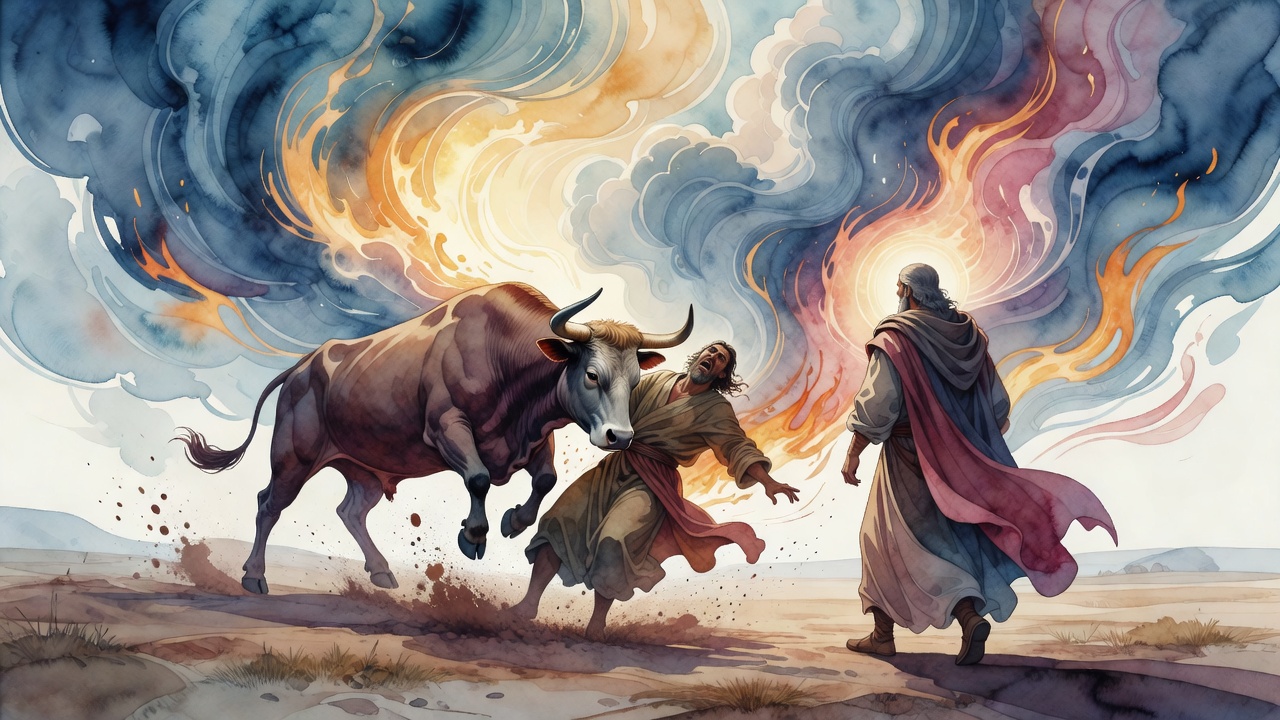
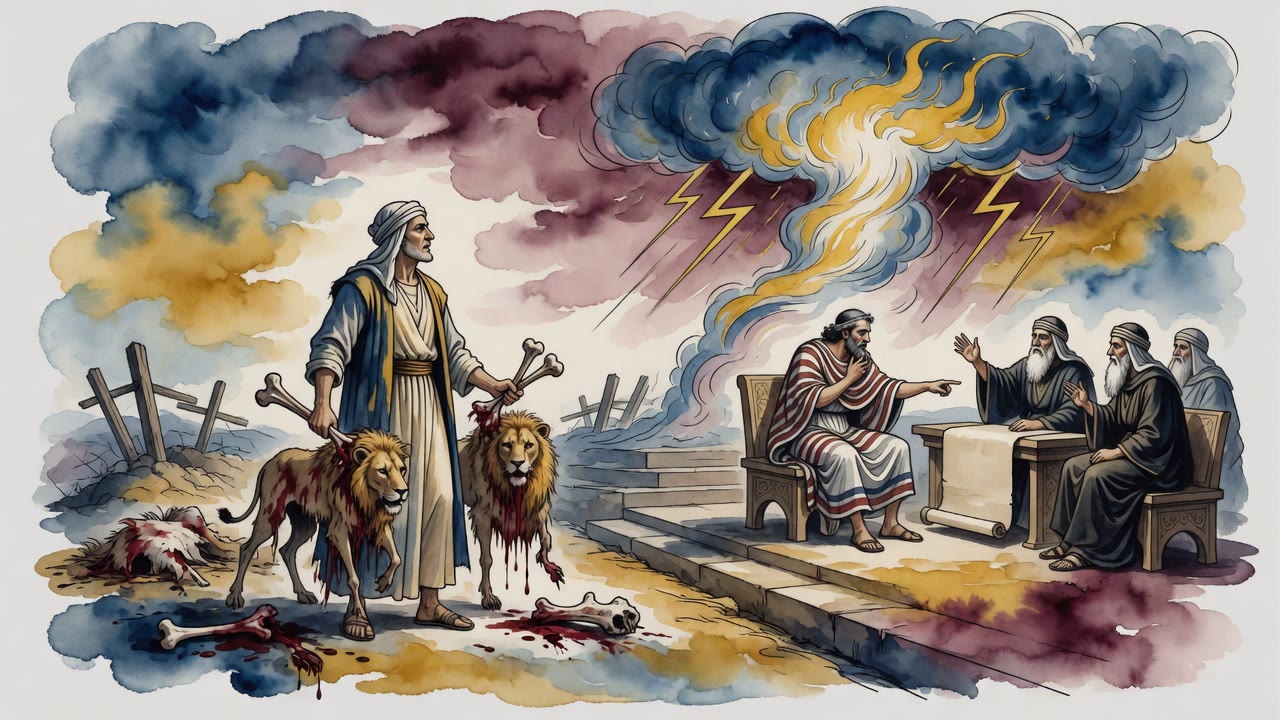
The shepherd came down the wadi with blood drying black on his sleeves and two legs of a ewe clenched against his ribs. The rest of her was gone. A lion had taken her in the night while she was under his watch, and the contract that bound him to the owner said one hard word. Torn. If the animal was torn by a wild beast, he did not pay. If she died from neglect, he paid everything.
He set the legs and a strip of ear cartilage on the stone before the judges. Rabbi Yoshiyah would later say that this was the meaning of the Torah's short command, "let him bring ed" (Exodus 22:12). Ed as hide, as what the predator left. The prophet Amos had already pictured a shepherd pulling two legs or a piece of an ear from a lion's mouth. The scrap was not sentiment. It was the only language left that could speak for the dead animal.
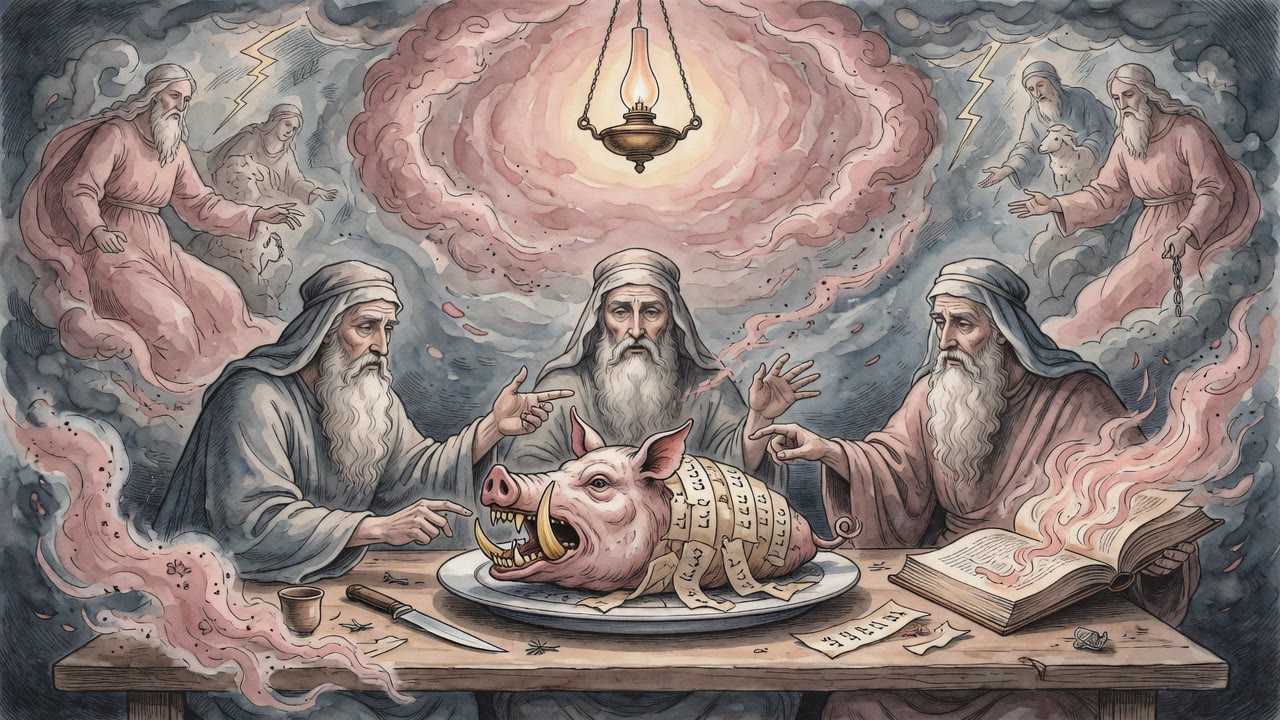
Rabbi Yochanan ben Yoshiyah pushed a different reading. Ed meant edim, witnesses. Bring men who saw the attack, not only scraps that could have been cut from a carcass after the fact. Two paths to the same exemption. Either the body of the beast testifies, or the mouth of a neighbor does. The court is not hunting a story. It is hunting a proof strong enough to spare a poor man from ruin.
The Pit That Waited Open
In the same season of cases a different danger waited under a thin lid. A man had dug a pit near the road and covered it with boards that looked solid from a distance. A donkey stepped on them. The boards gave. The animal fell and broke its neck. The digger claimed he had covered the hole. The judges asked one question that cut through every excuse.
Was the cover fit for the danger?
A lid strong enough to hold frees the owner. A flimsy cover that yields leaves him liable. The Torah's word "cover" already carries a standard inside it. Partners who share a pit share the duty until one of them opens it. Then the risk follows the hand that lifted the wood. If the cover slips off on its own and only one partner learns of it, that one alone bears the guilt. Awareness creates duty. The moment a partner knows the hole is open, the obligation lands on that one alone.
An ox falls in and the digger pays for the ox, not for the harness and load. Scripture names the beast and refuses the clever extension. Even the direction of the fall is weighed. An animal startled forward by the noise of digging and tumbling in makes the digger liable. One that bolts backward and falls does not. The hole itself answers either way. The digger dug. The danger remains his until he makes it safe.
The Ox That Faced Its Judges
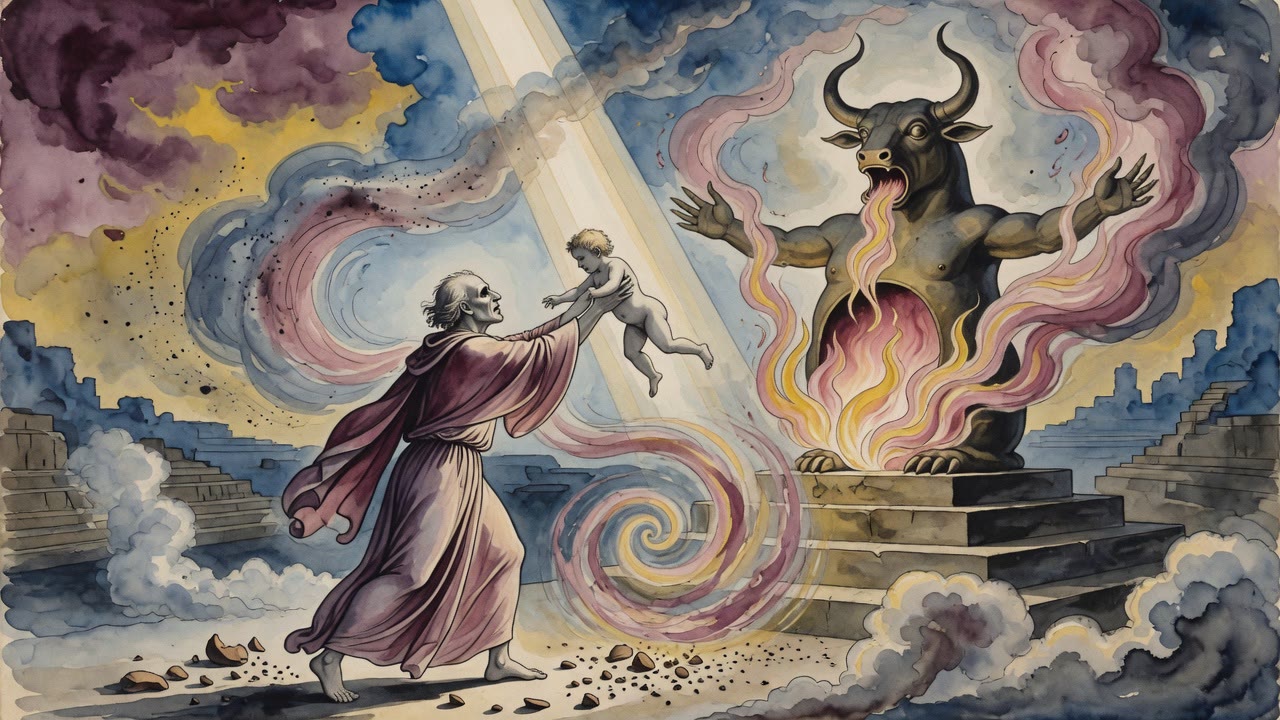
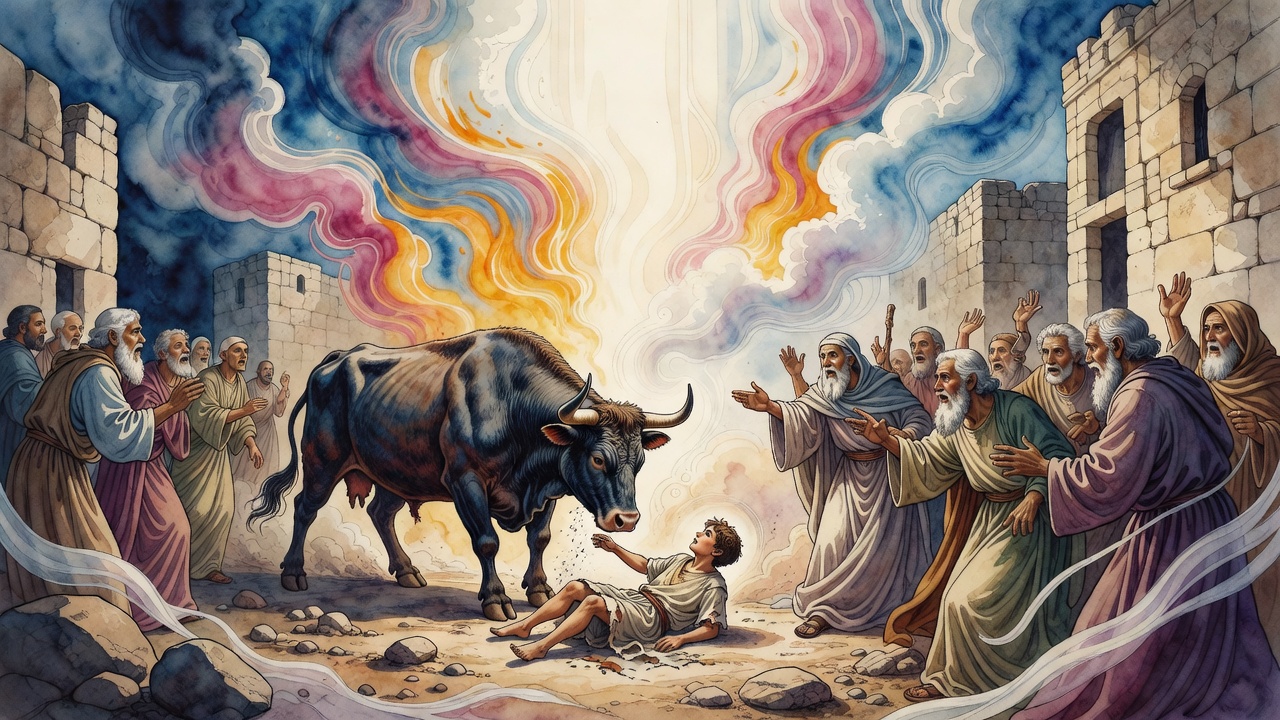
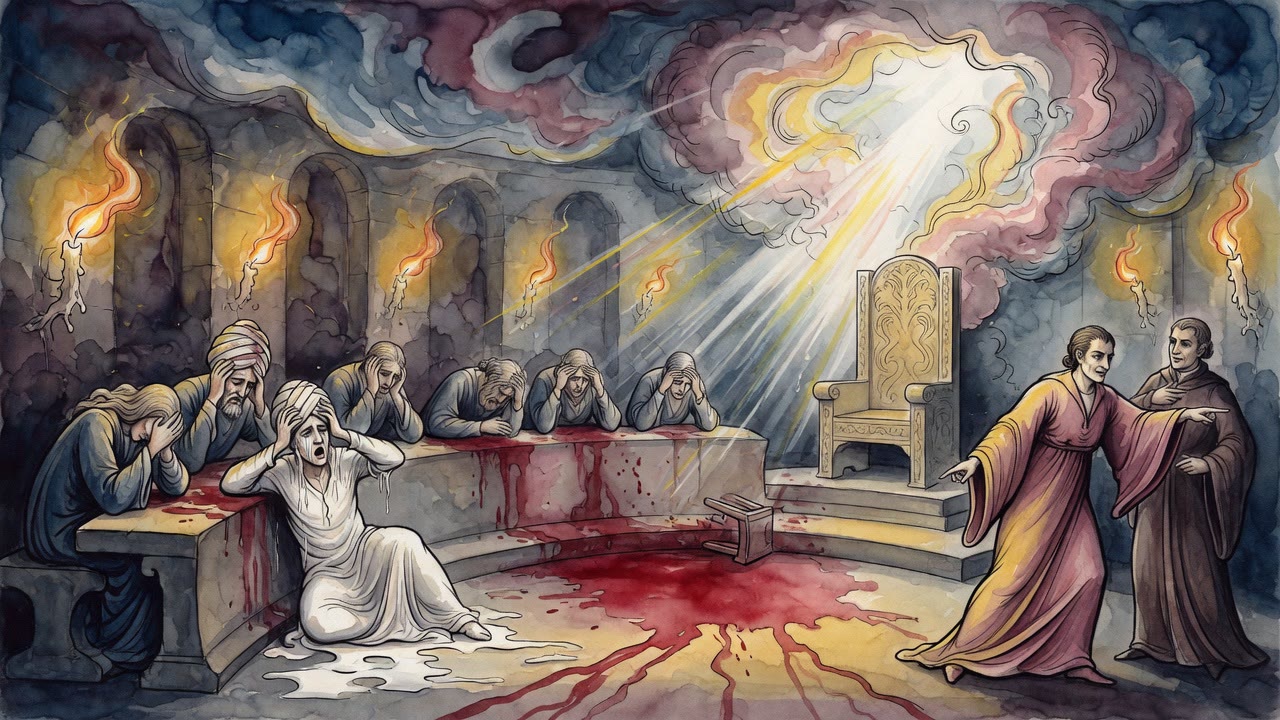
A goring ox stood in the courtyard with a rope around its neck while men argued whether an animal could stand trial. The verse pairs the beast with its owner. The ox shall be stoned, and its owner also shall be put to death. Once the court has spoken the verdict, the ox is already condemned. Returning it to the owner after that moment is empty. The owner could rightly protest that he would have driven it off to the open marsh and saved it, had it still been in his hands when the judgment came.
From that pairing the sages drew a rule that still sounds strange. The ox must be tried in its presence, just as a man would be. A man is not condemned in absentia. Rabbi Yaakov objected. A person can argue his own defense. What plea can an ox make? The others held the image. Death of the beast is modeled on death of the man. Fair process does not vanish because the defendant has hooves.
Intent matters even for horns. If the ox meant to gore an animal and killed a person instead, the law may treat the act differently. The court is not only measuring blood. It is measuring will, or the absence of will, inside a body that cannot speak.
What Proof Costs the Living
Three scenes, one pressure. Something dies under a human hand or under a human failure to guard. The survivor must walk into court with either flesh, a witness, a lid that held, or a verdict spoken while the doomed still stood there. The law does not love abstraction. It loves the hide in the fist, the board that does not crack, the rope that keeps the ox in the room where judgment is spoken.
The shepherd who brought two legs did not perform theater. He performed the only honesty left after a lion ate the rest. The pit owner who checked the cover at dawn did not perform piety. He performed the knowledge that a hole left open is a hole he still owns. The judges who insisted the ox stand before them did not perform cruelty. They performed a memory of how men are judged, stretched over a creature that never chose the pasture where it learned to gore.
← All myths