89 myths · Page 1 of 3
Each story names the sources it was written from.
God decides to tell Abraham what he is about to do to Sodom. Abraham recognizes an opening and presses it, bargaining God down from fifty righteous to ten.
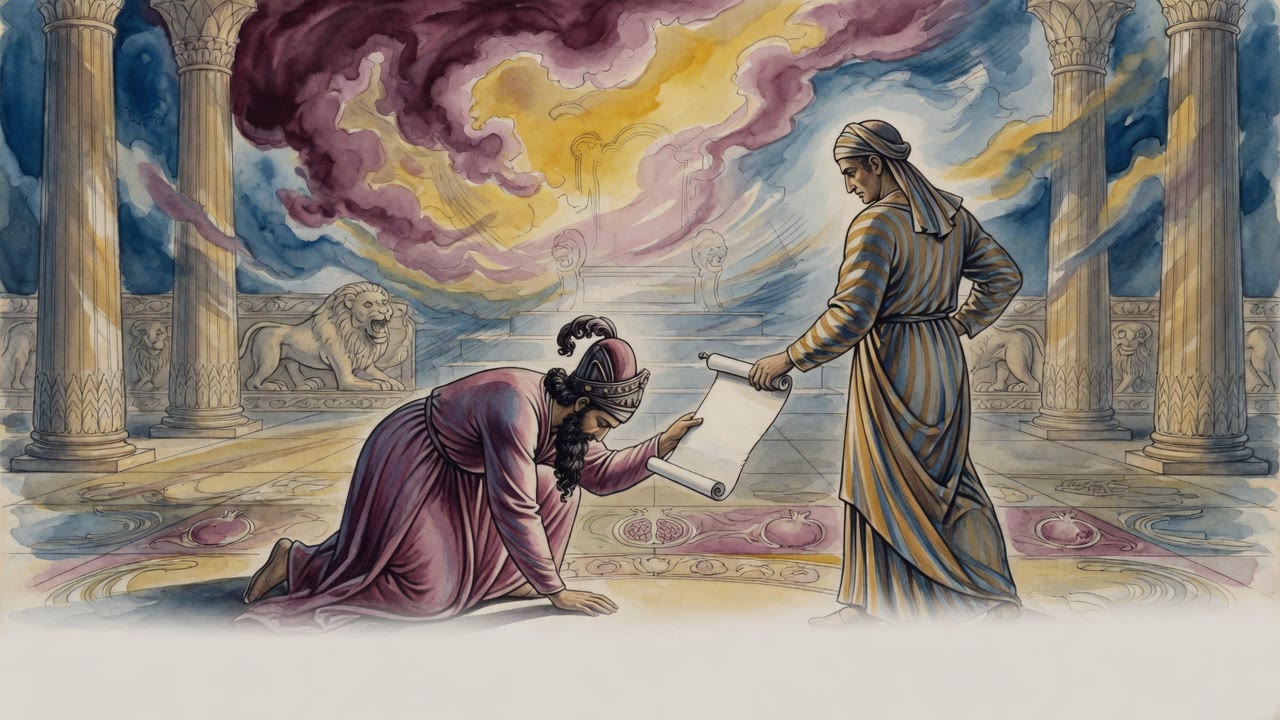
Haman's troops were starving. Mordechai had grain and would not take interest. He asked for a slave's name cut into his own knee.
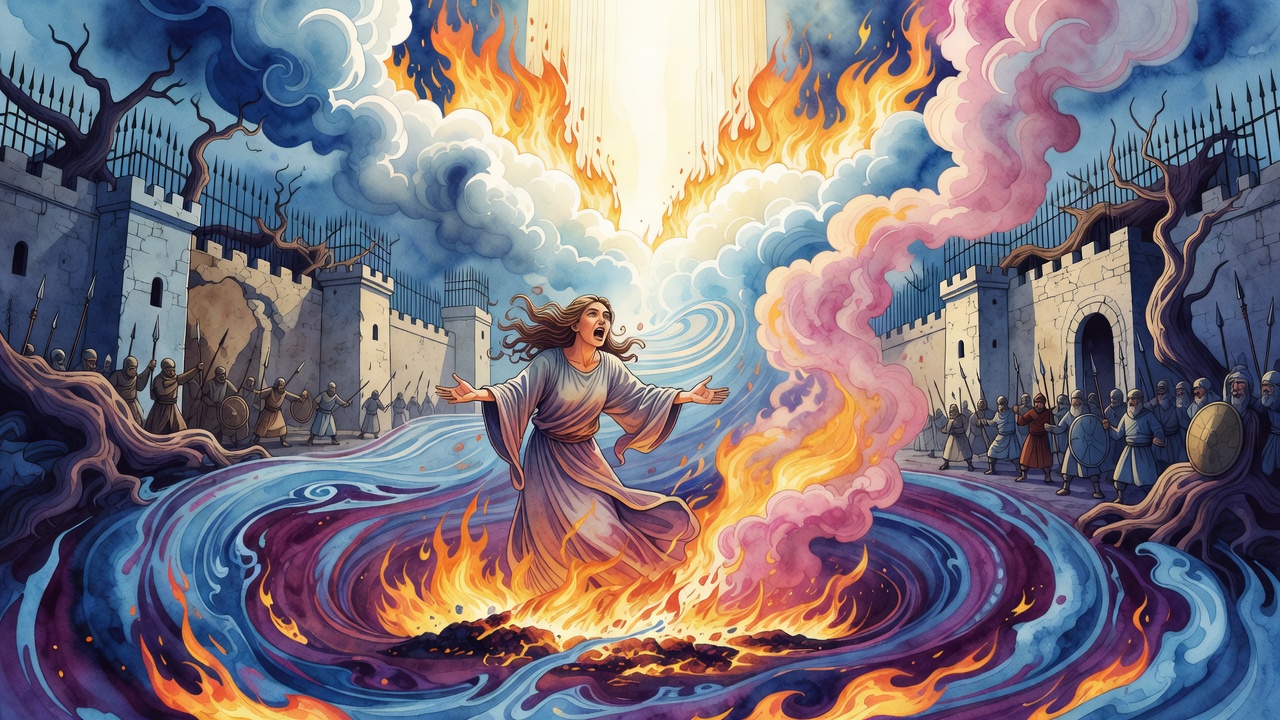
Peletith hid bread in her water bucket and carried it to the starving man in her street. Sodom burned her for feeding him.
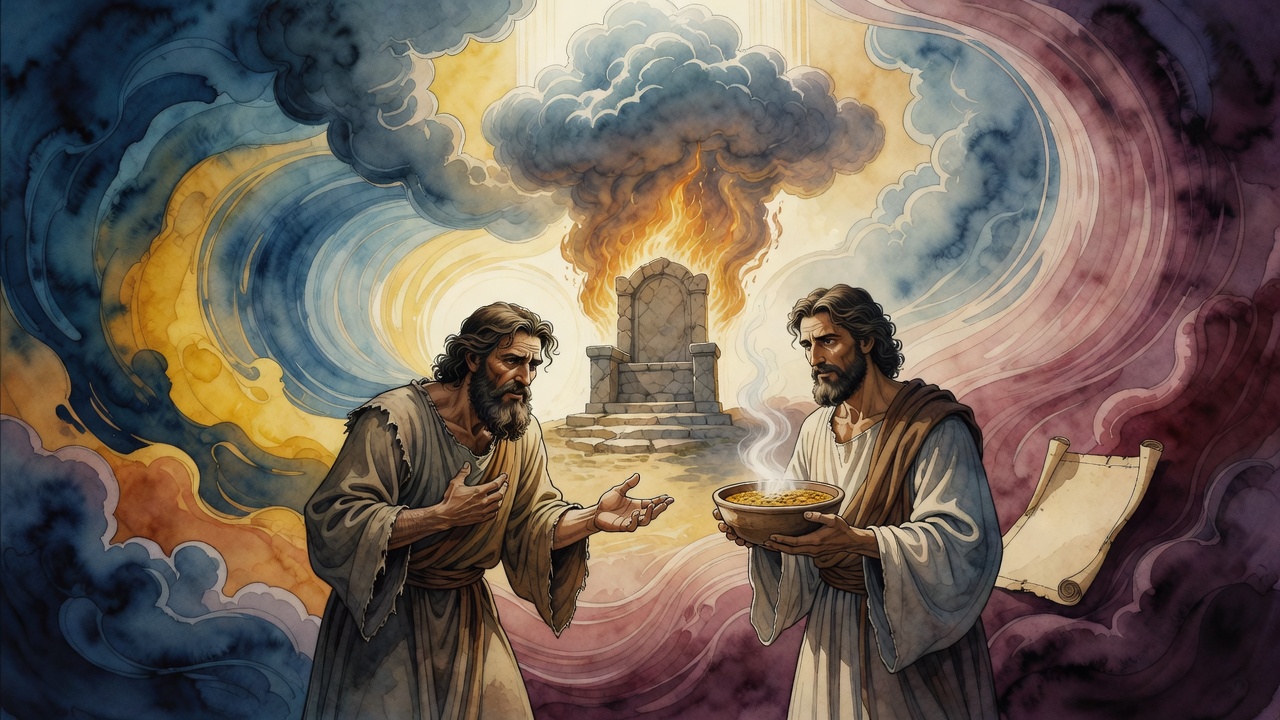
The soup was real. So was the hunger. But Jubilees and the Midrash say Esau traded away his burial place beside the patriarchs along with his inheritance.
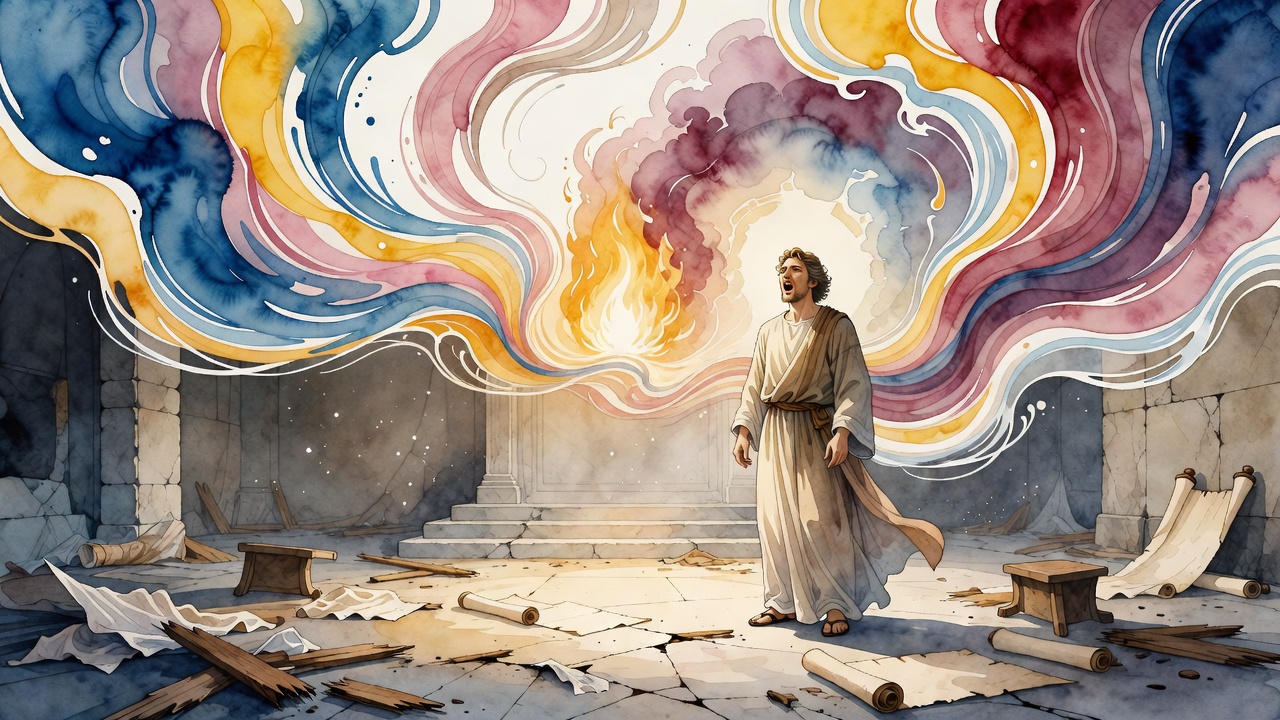
He had killed eight hundred men in one engagement. The Torah promised a thousand to a man who kept it. David wanted to know about the gap.
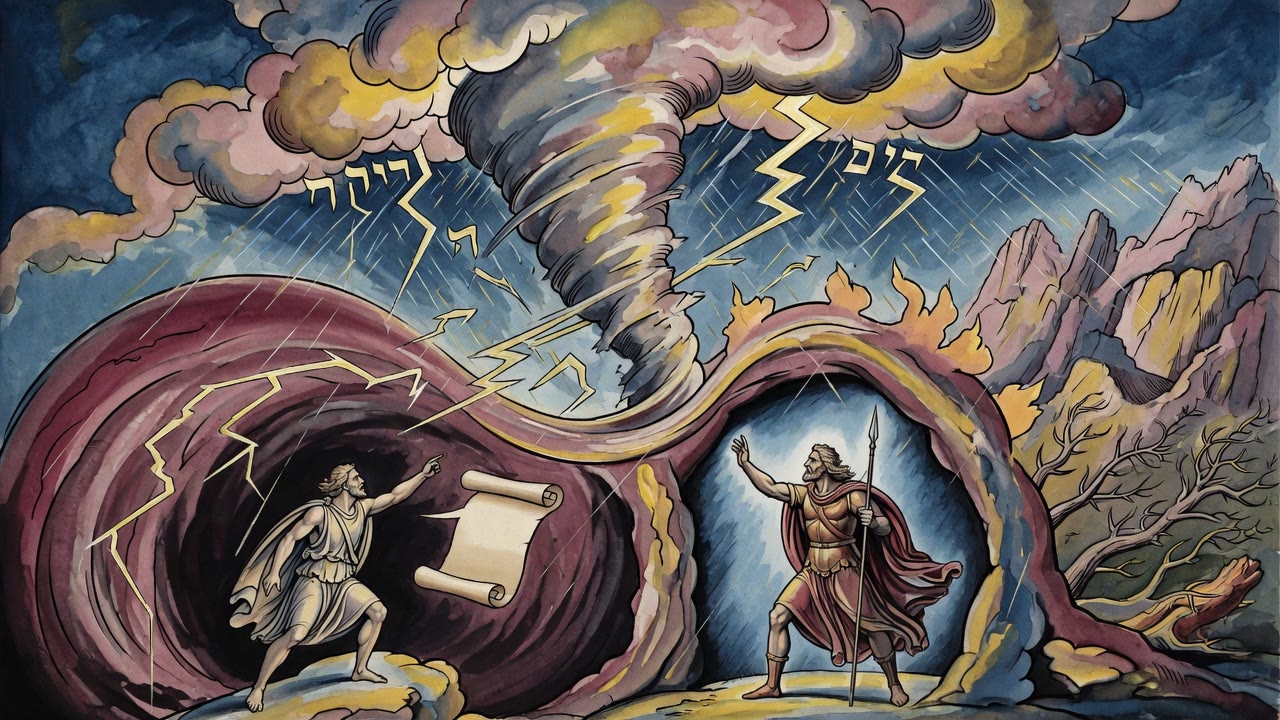
Samuel prays through the night, and the prayer strikes before the sword does. Agag lives one day too long and fathers the line that will become Haman.
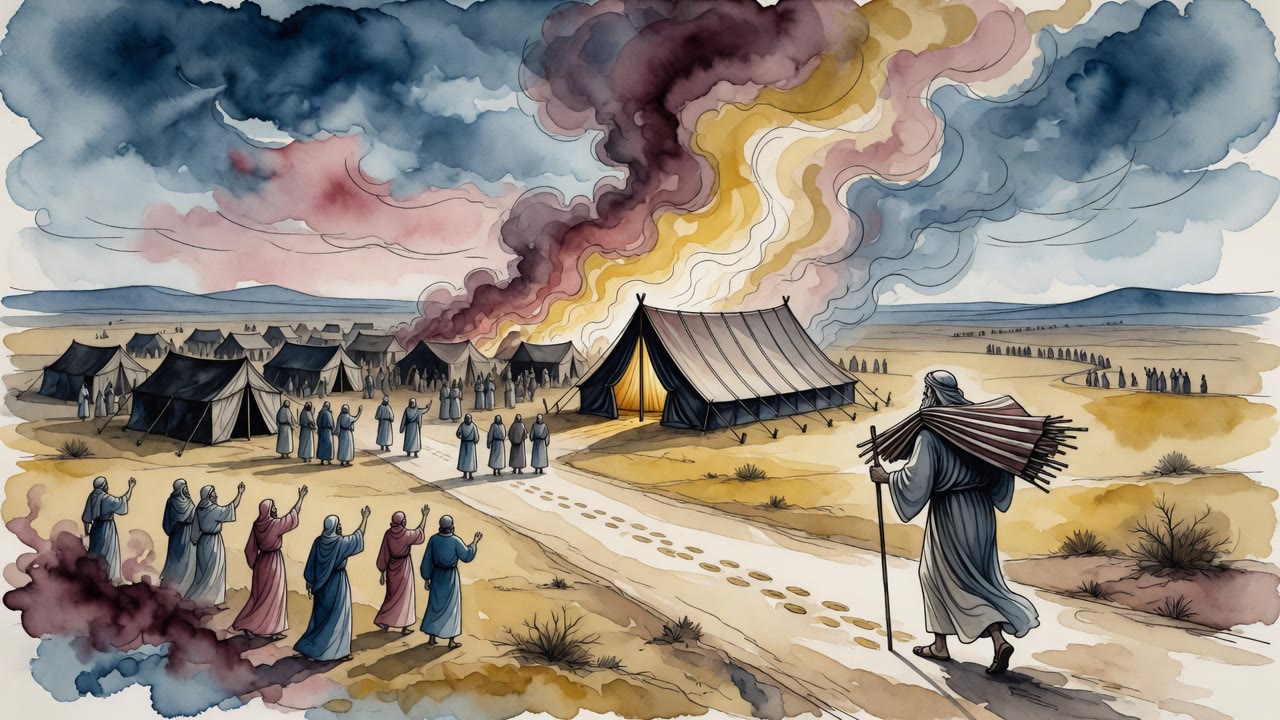
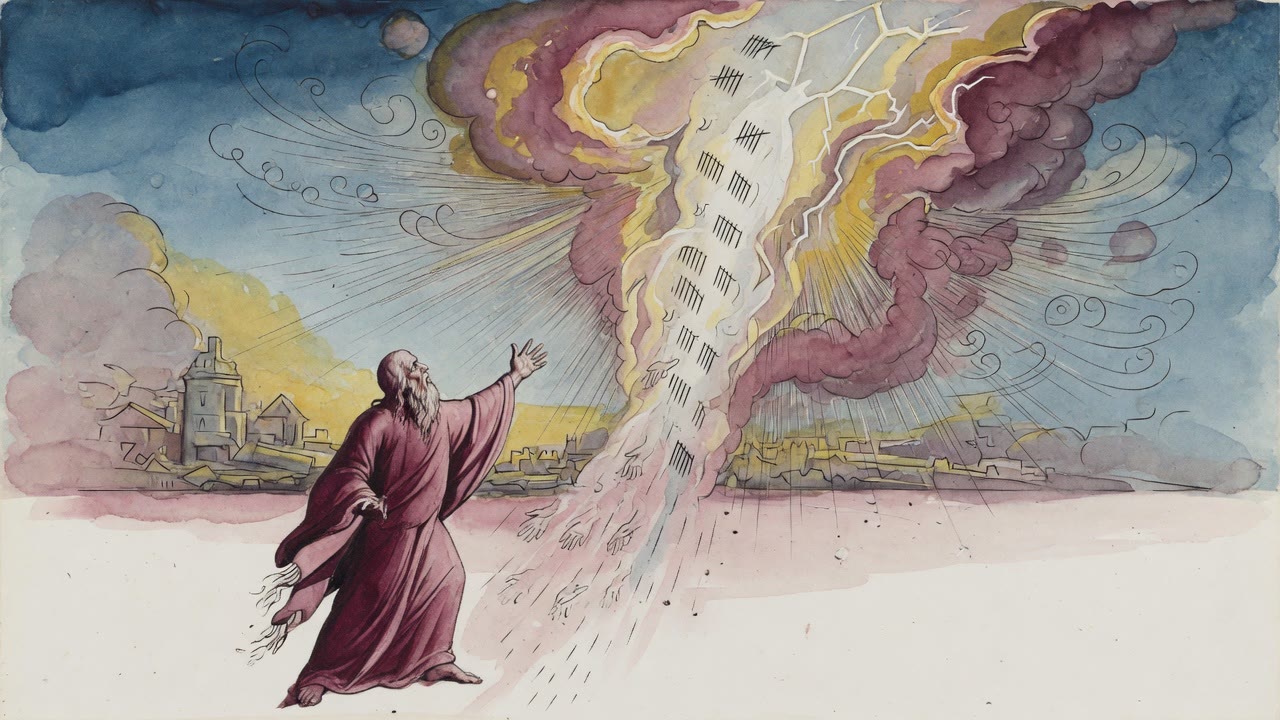
Moses prays 515 times at the Jordan's edge, draws a circle in the dust, and prays until heaven trembles. God finally says: enough, do not continue.
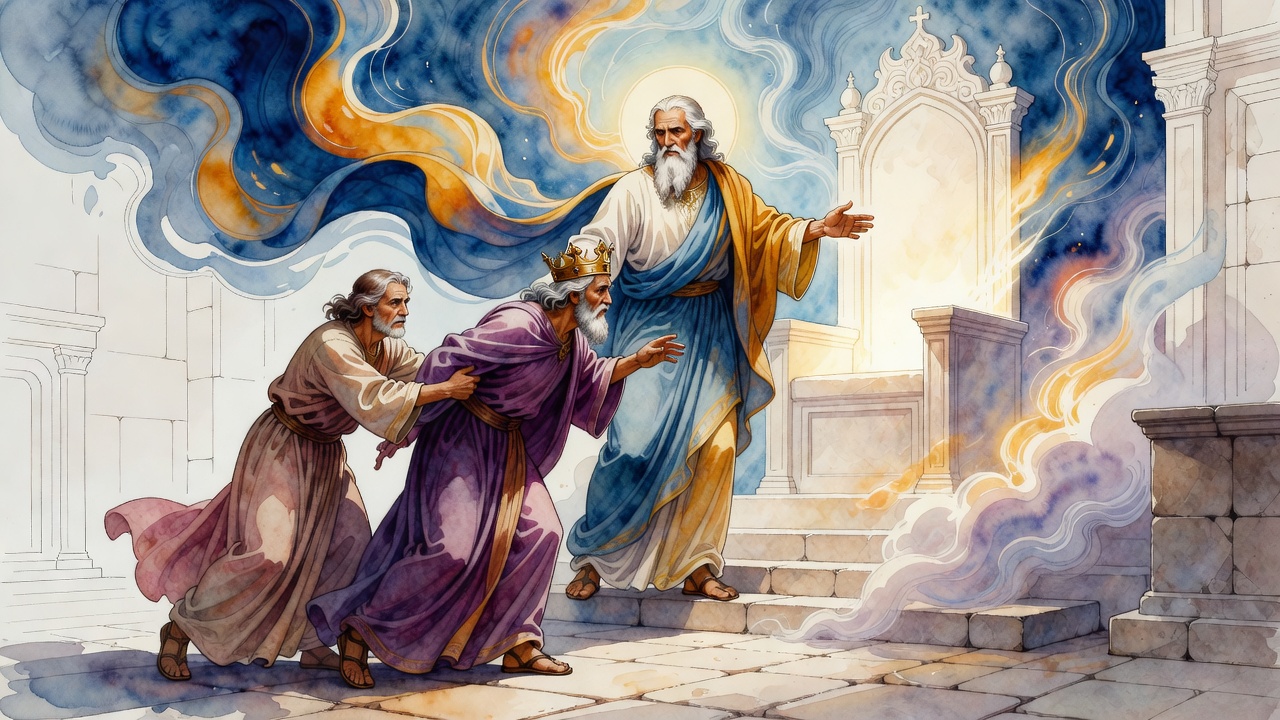
A plaintiff drags the Hasmonean king into court, and Simeon ben Shetah orders the crowned monarch to rise and answer like any defendant.
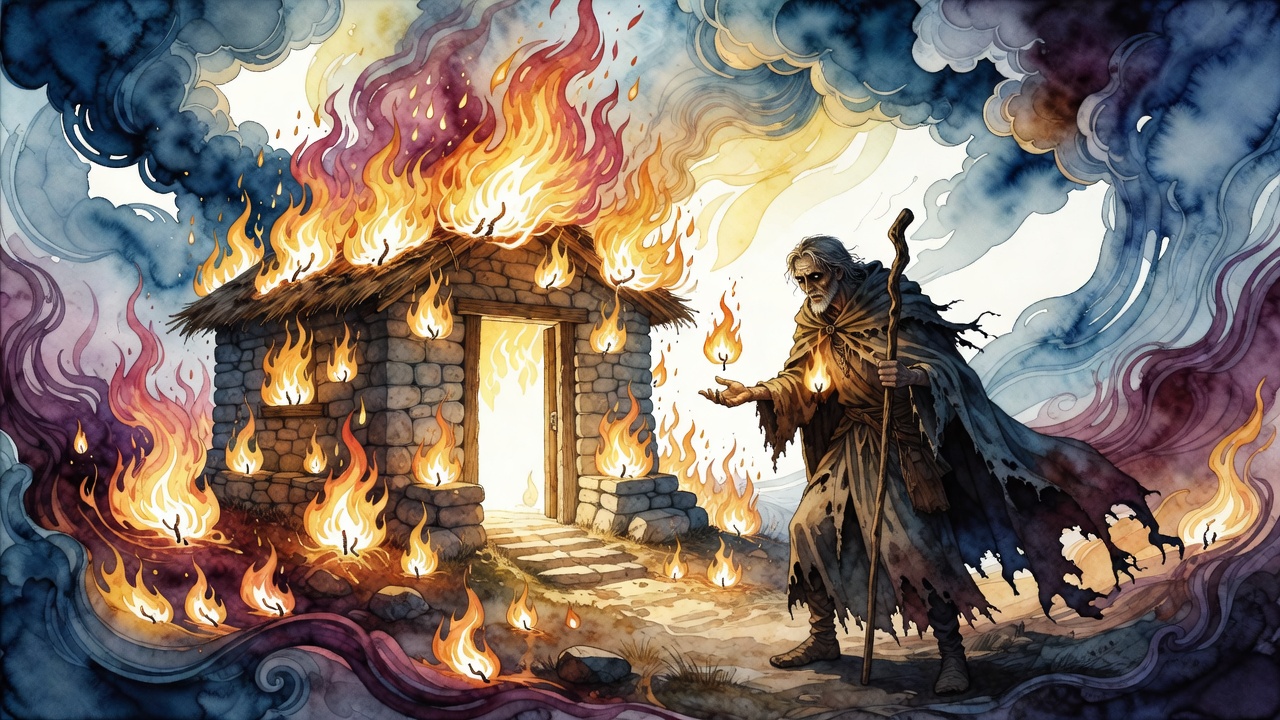
A man who spent his life hunting true justice finds a cottage where every flame is a soul, and his own has burned almost to the wick.

Thirty-three steps of gold, lions and eagles that moved, and six steps of justice that tested whether a king deserved to sit and judge at all.
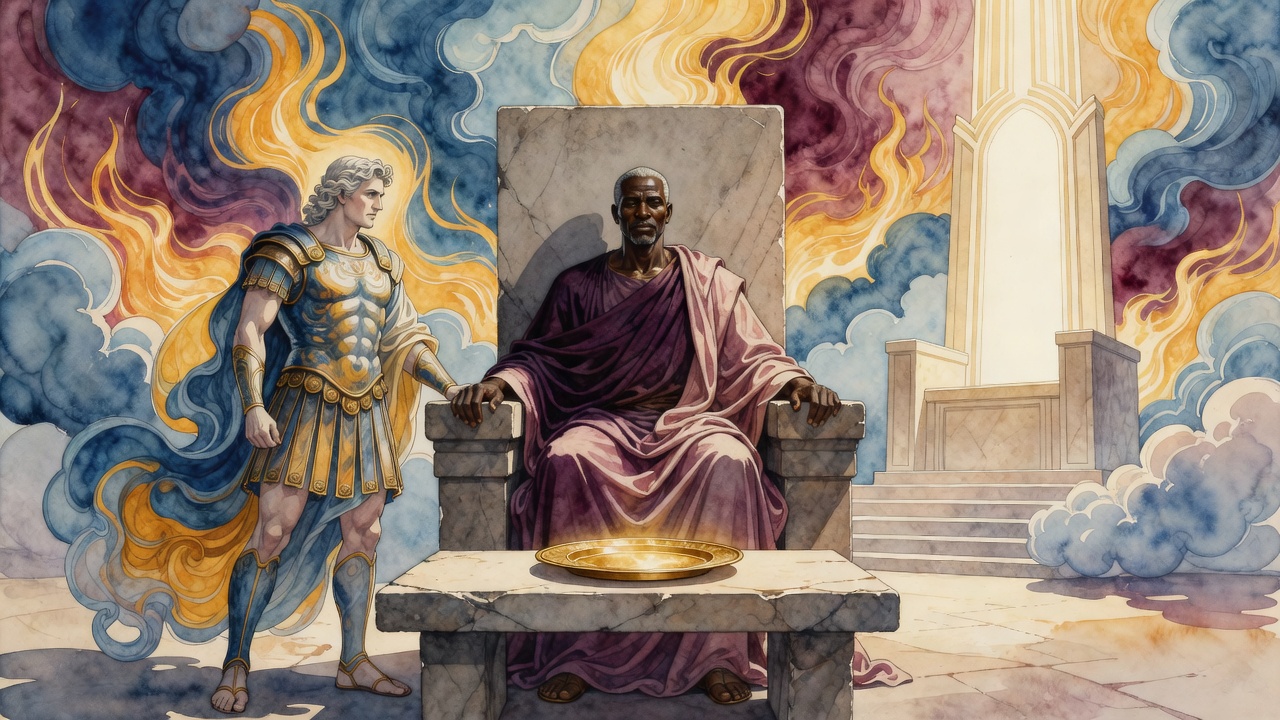
Alexander rode south to plunder Afriki and was sat before a feast he could not eat, then judged by a verdict that exposed his whole empire.
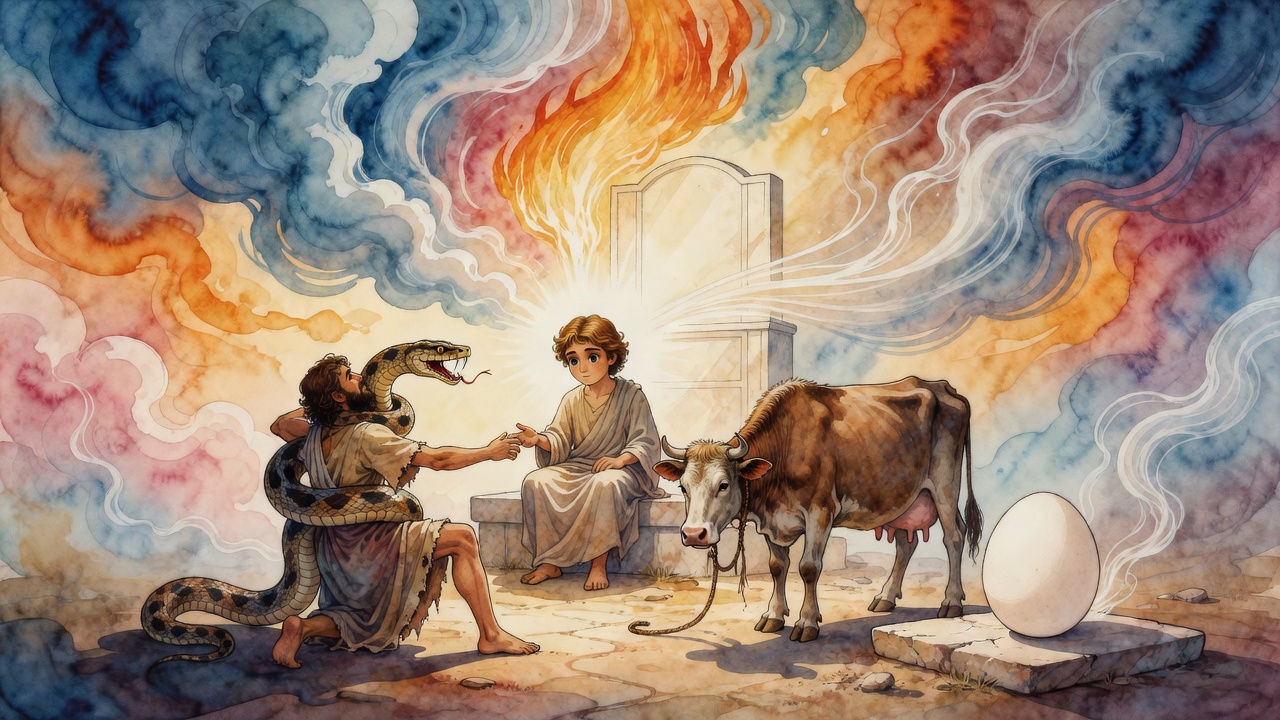
David found for the snake. The man left with coils on his throat. Outside the palace a boy fished a stick out of a well without reaching.
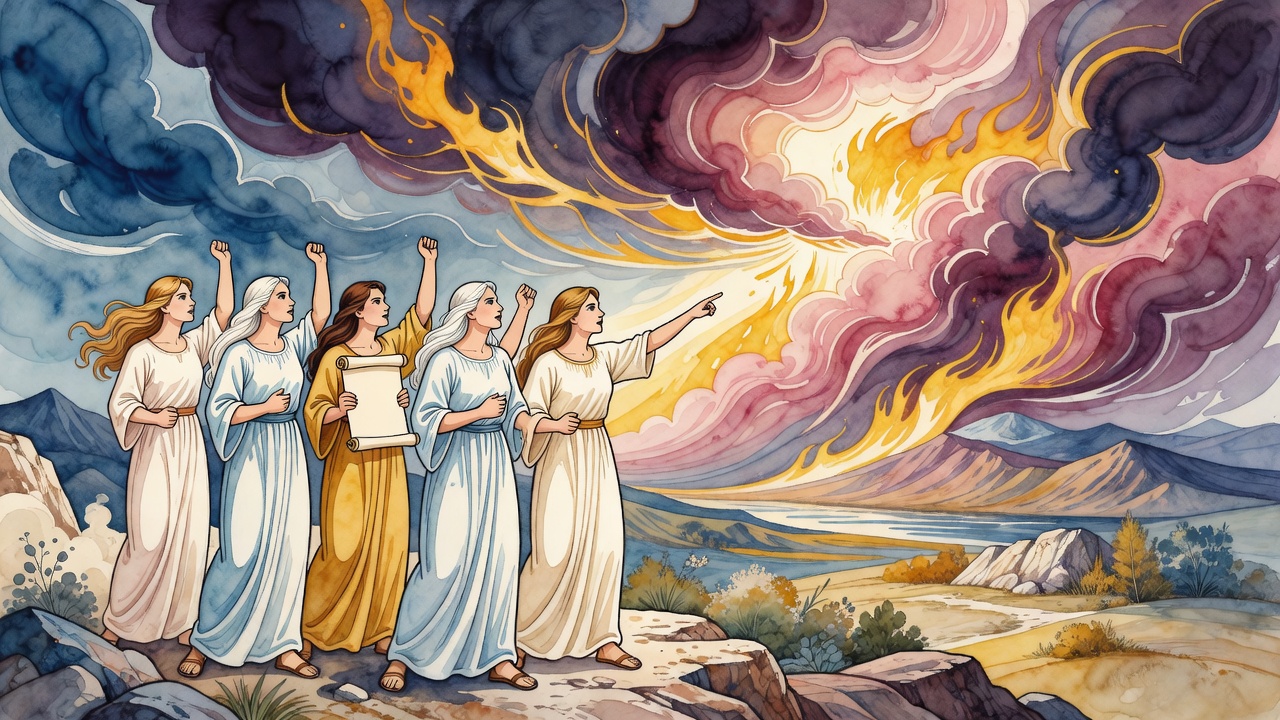
Zelophehad died without sons, his daughters forced a ruling on inheritance, and the women of the Exodus loved the land more than the men.
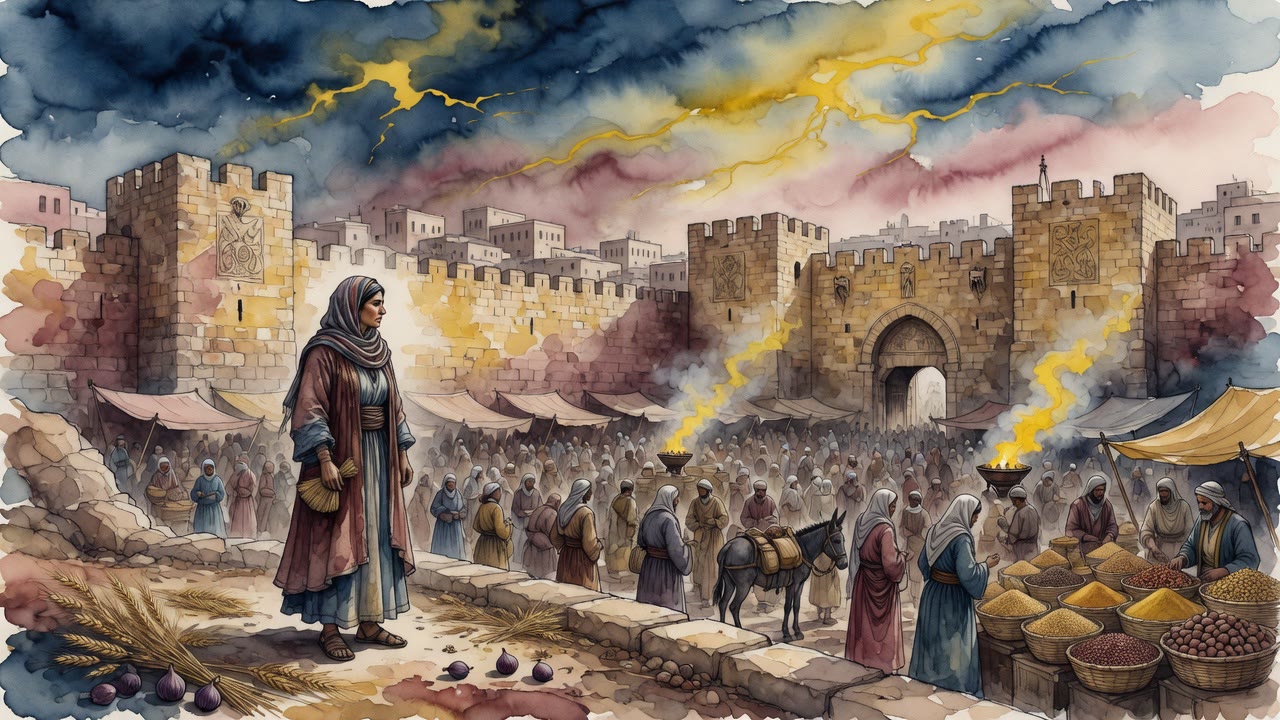
Jerusalem kept one market for kings, one for priests, one for Levites, and one for foreigners. Naomi did not want to arrive with two Moabite widows.
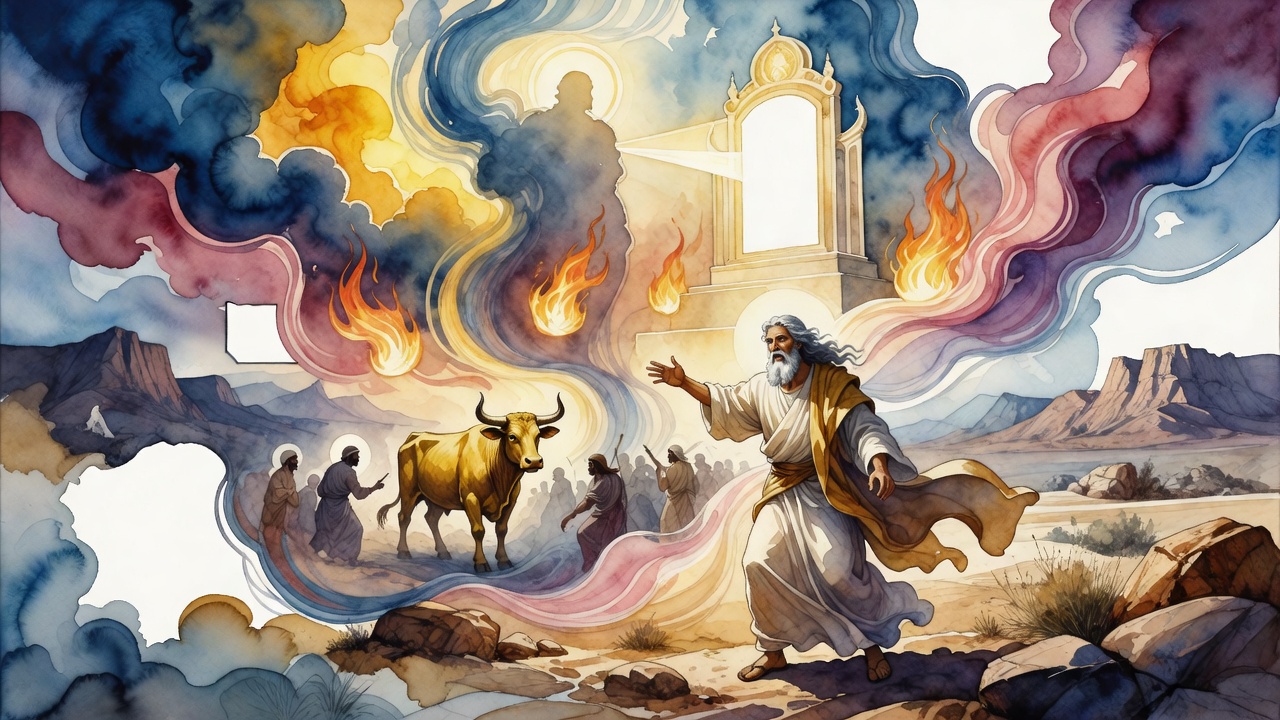
At the calf, Moses seizes a grammar loophole at Sinai. God said Elohekha, singular. Israel stole the ox from the chariot and paid fivefold in the wilderness.
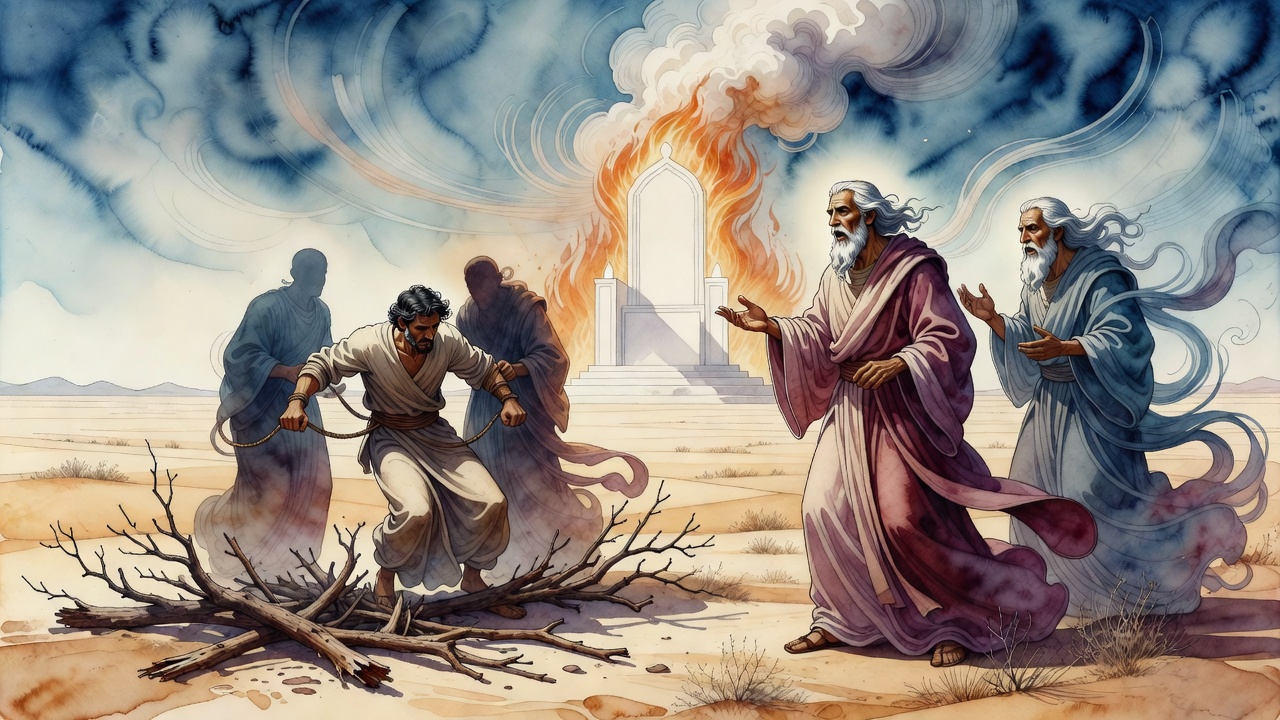
A nameless wood-gatherer was seized in the desert. Rabbi Akiva named Tzelafchad. Another sage called that slander of the dead.
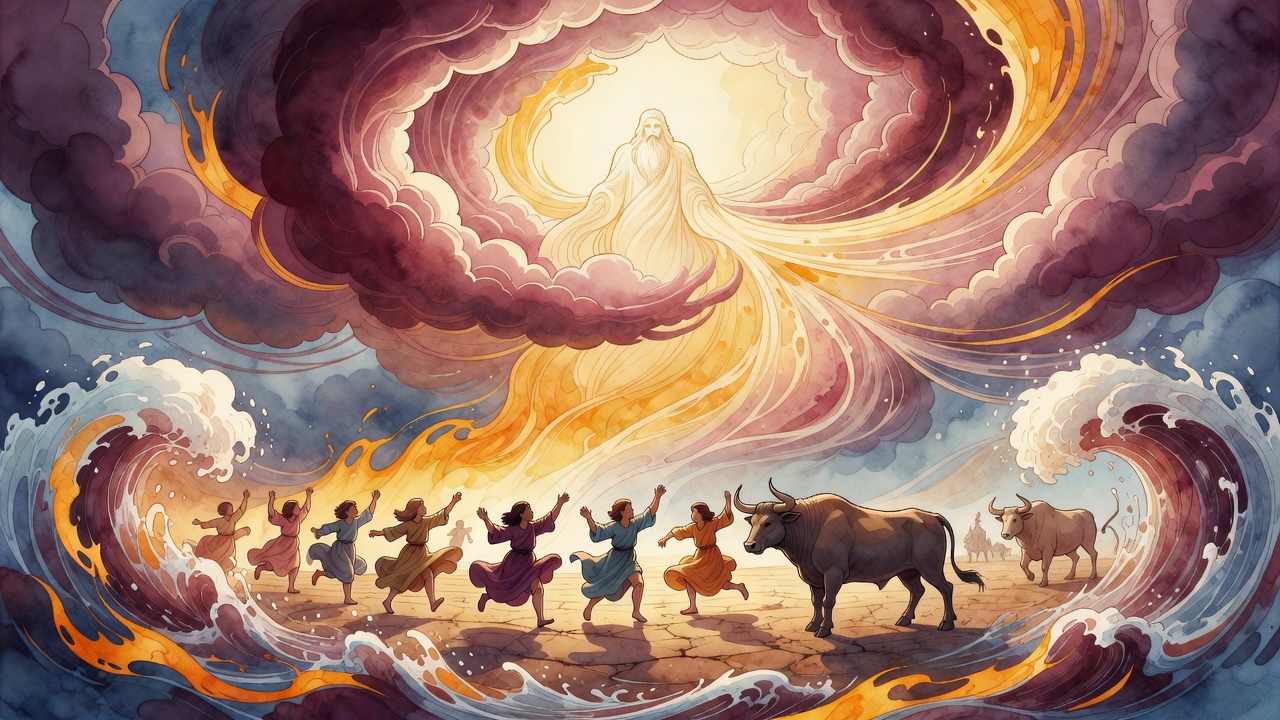
Their bulls bred and never failed, and their children ran loose through the fields with drums and harps. Then they told God to leave them alone.
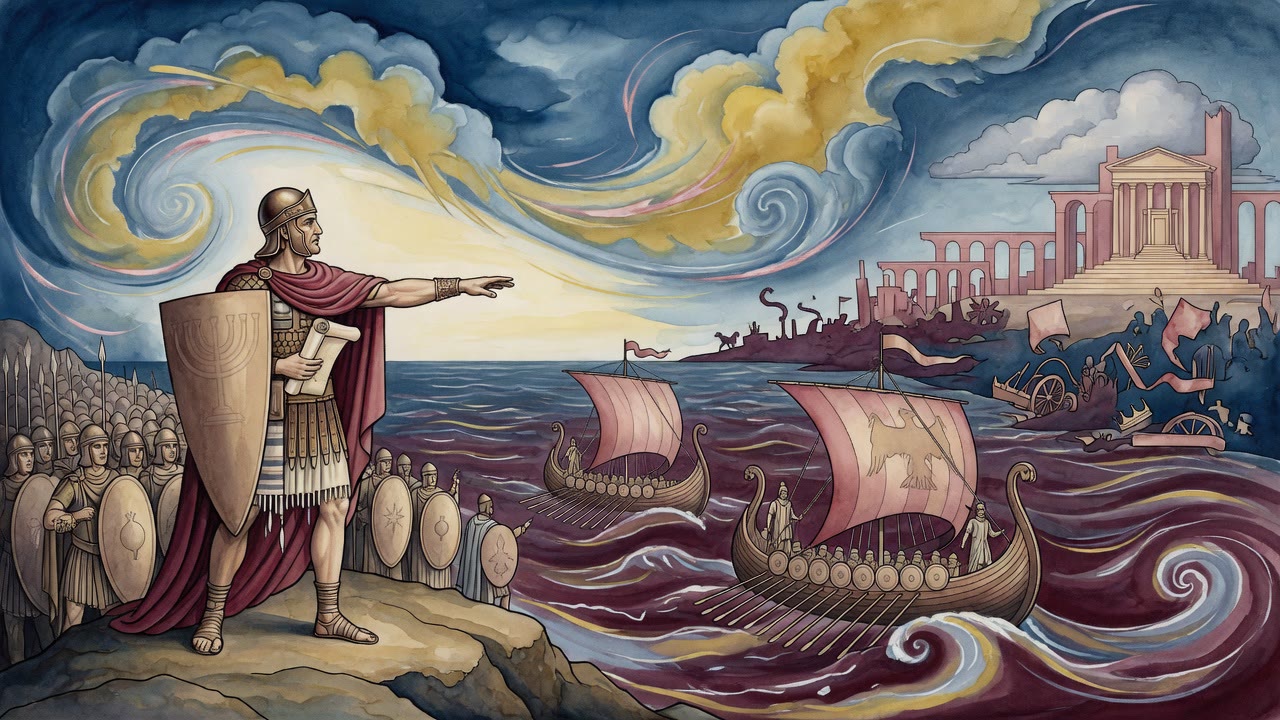
Gold apples, gold pomegranates, gold loaves. Alexander asked if they ate metal here. The king fed him a verdict that left two honest men alive.
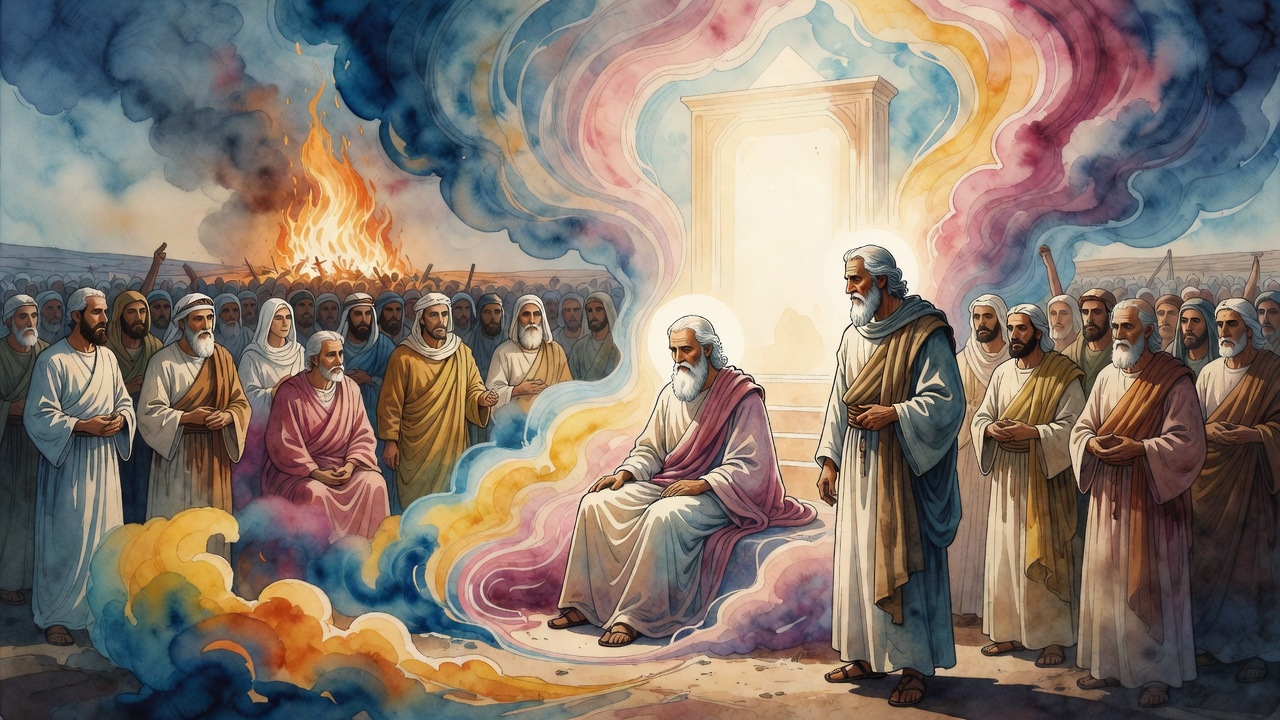
Jethro watched Moses judge alone from morning until night, then forced a new bench chosen by prophetic sight, wealth that cannot be bought, and fear of God.
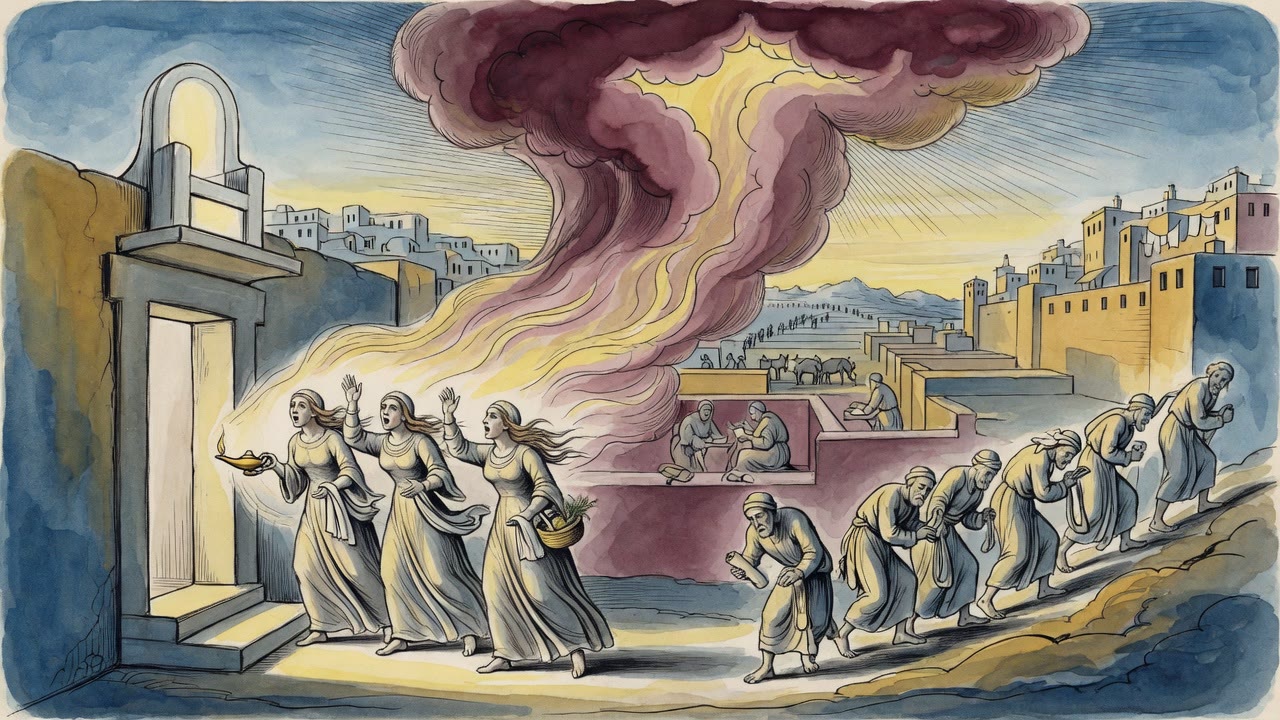
On his deathbed Rabbi Ammi cried while disciples praised his learning. He feared Heaven's bill for every case he would not hear.
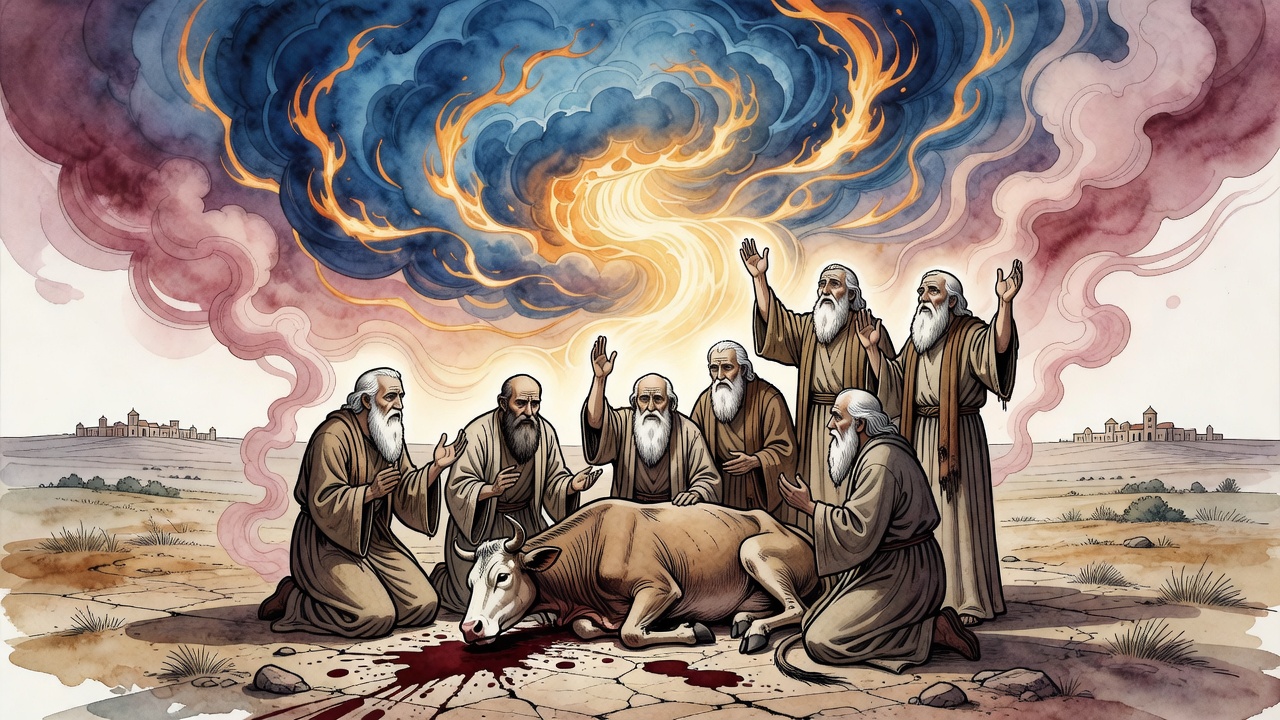
The corpse lay where one town's path forgot the next. No killer stepped forward. The nearest city still had to wash their hands over a valley.
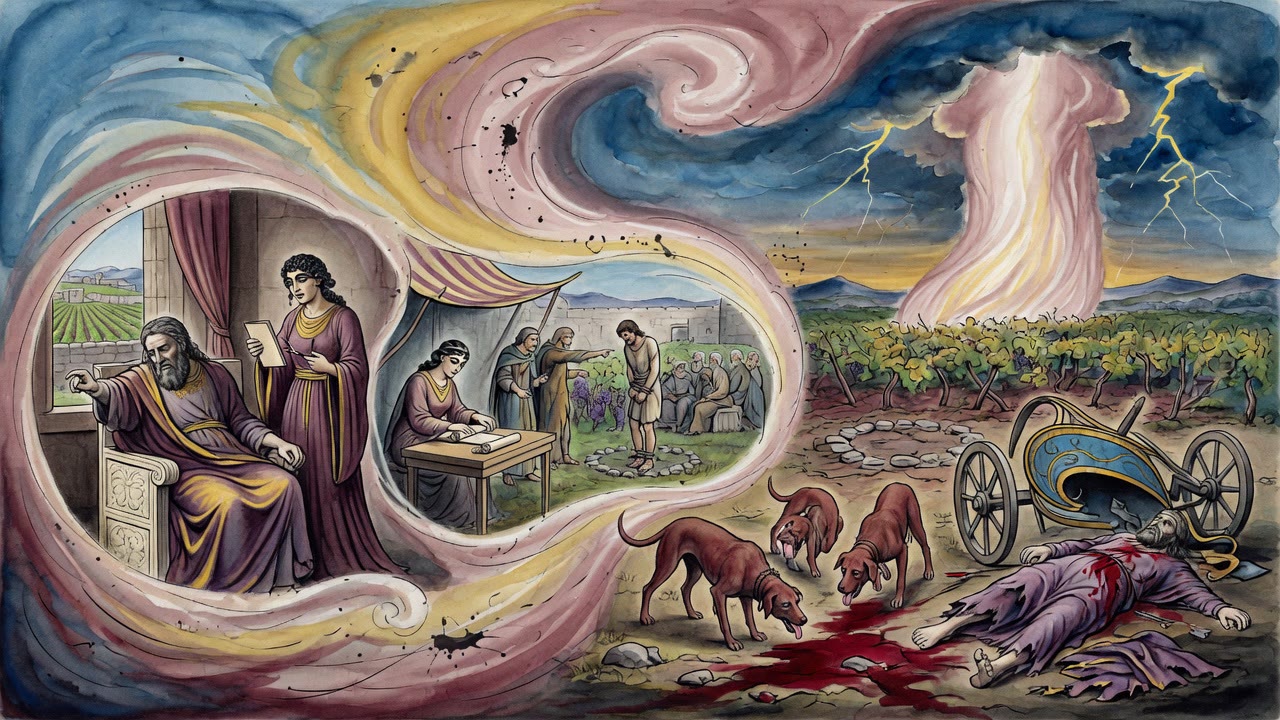
Naboth would not sell the vineyard that pressed the palace wall. Ahab turned his face to the wall and left the bread.
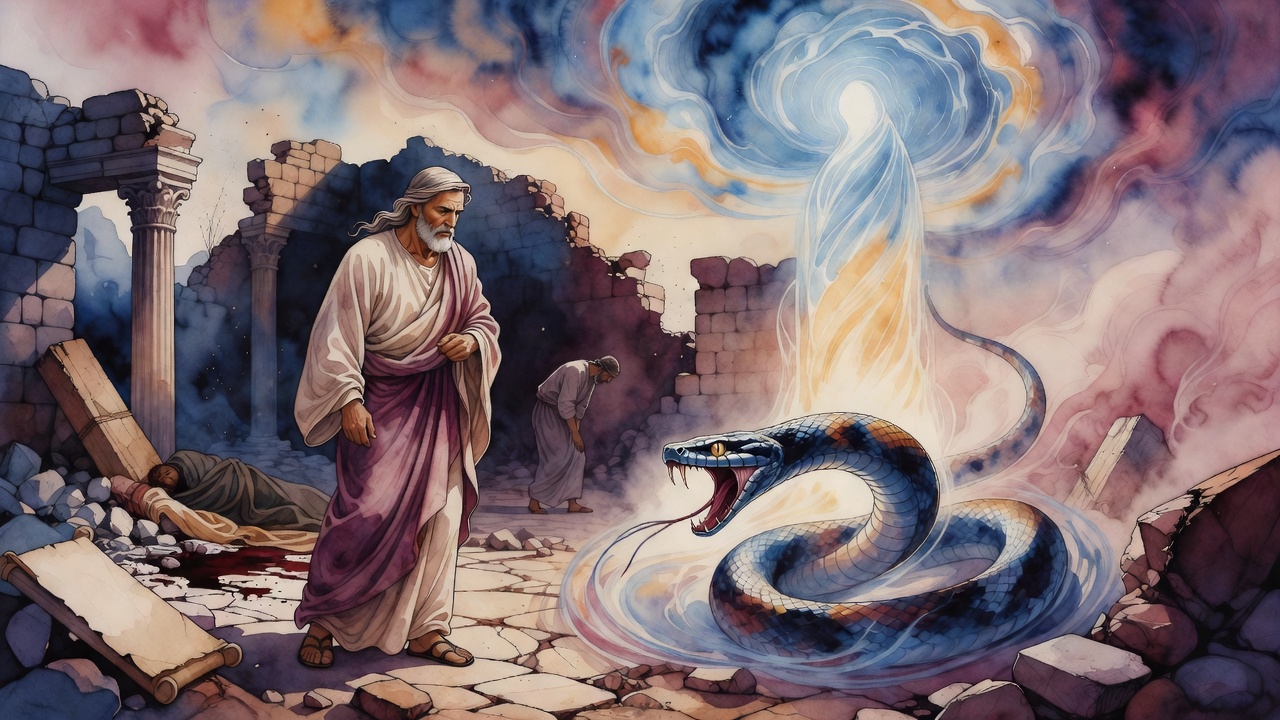
A man lay dying in a ruin and a second man stood over him holding a wet knife. Yehudah ben Tabbai was the only person who saw it, and one is not two.
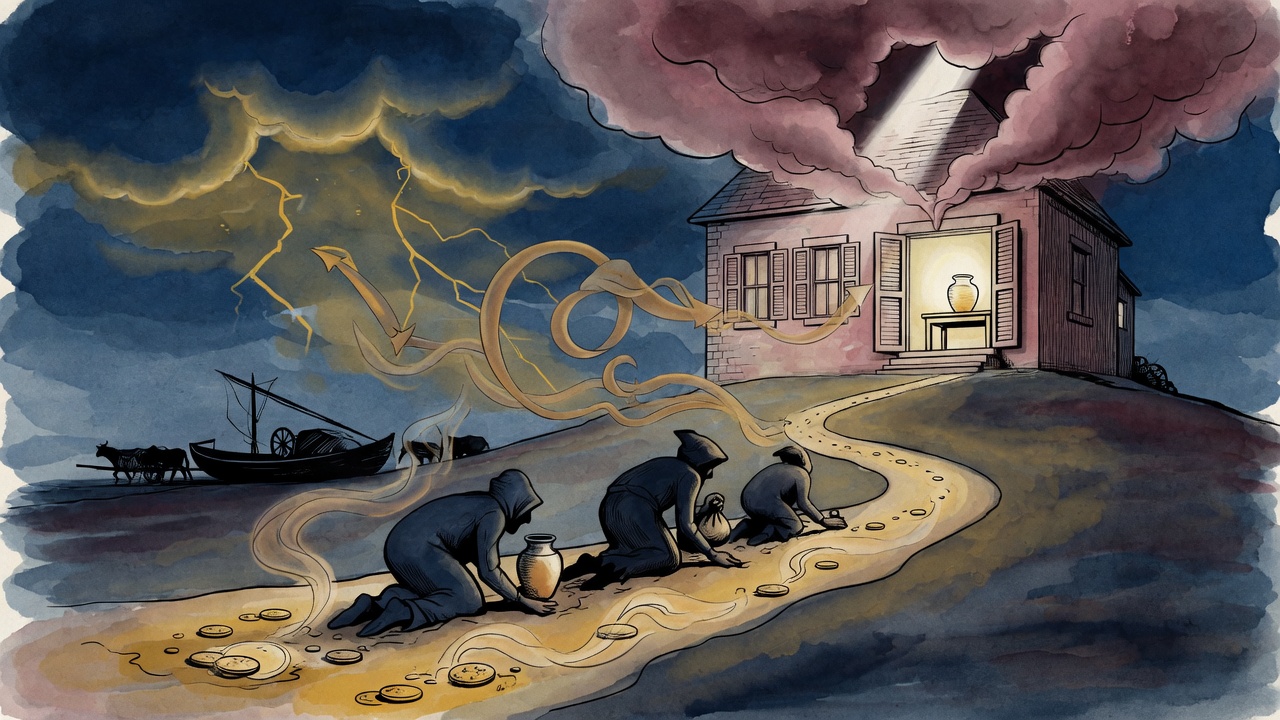
A stranger left a purse that smelled of oil. After dark the same men followed the scent back into the house that had held it.
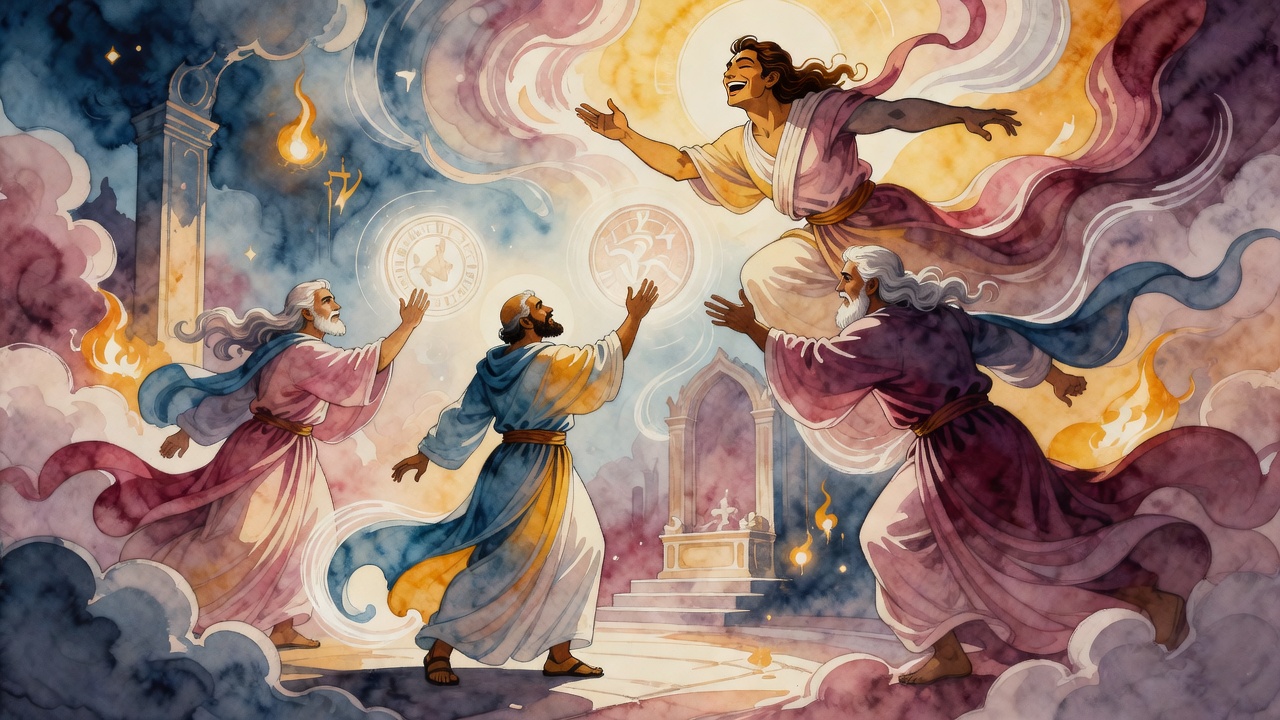
At the first heavenly palace, princes seize from right and left. Rabbi Ishmael lifts two seals, and Surya laughs already over a wicked man's end.
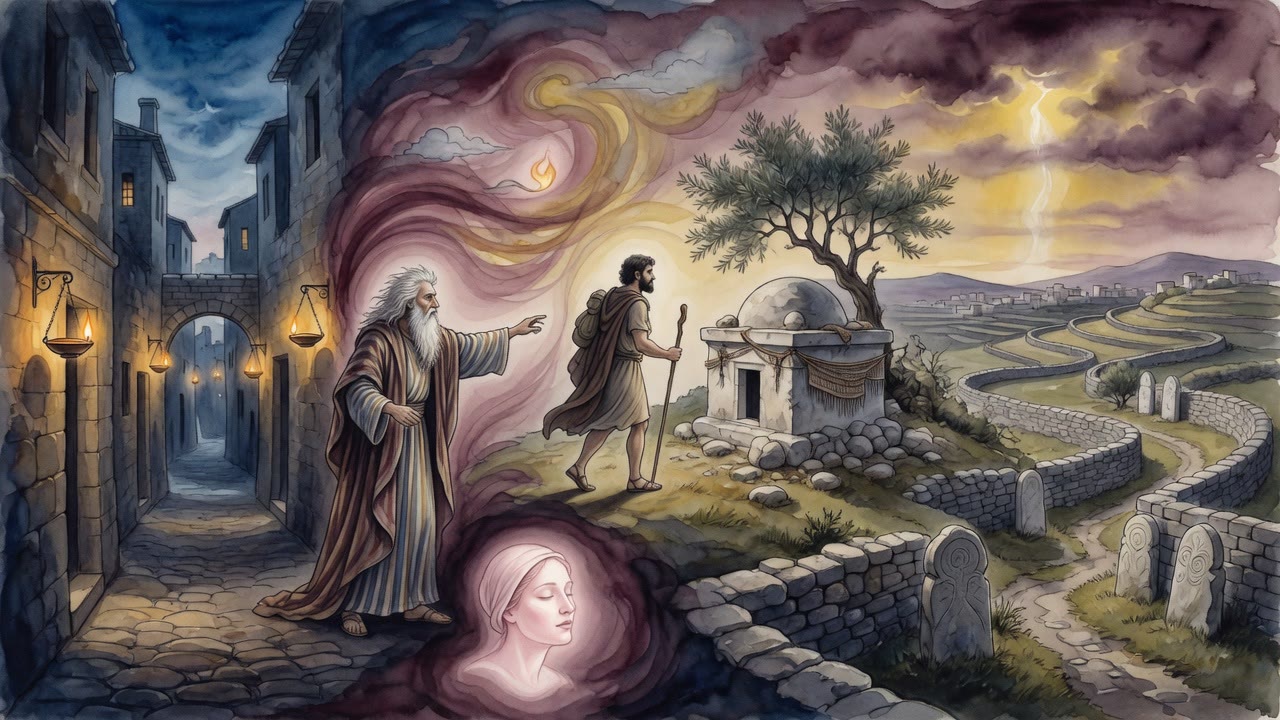
Disguised at Endor, the king swears by God while calling up the dead. Samuel offers him a place in truth if he accepts the sword.
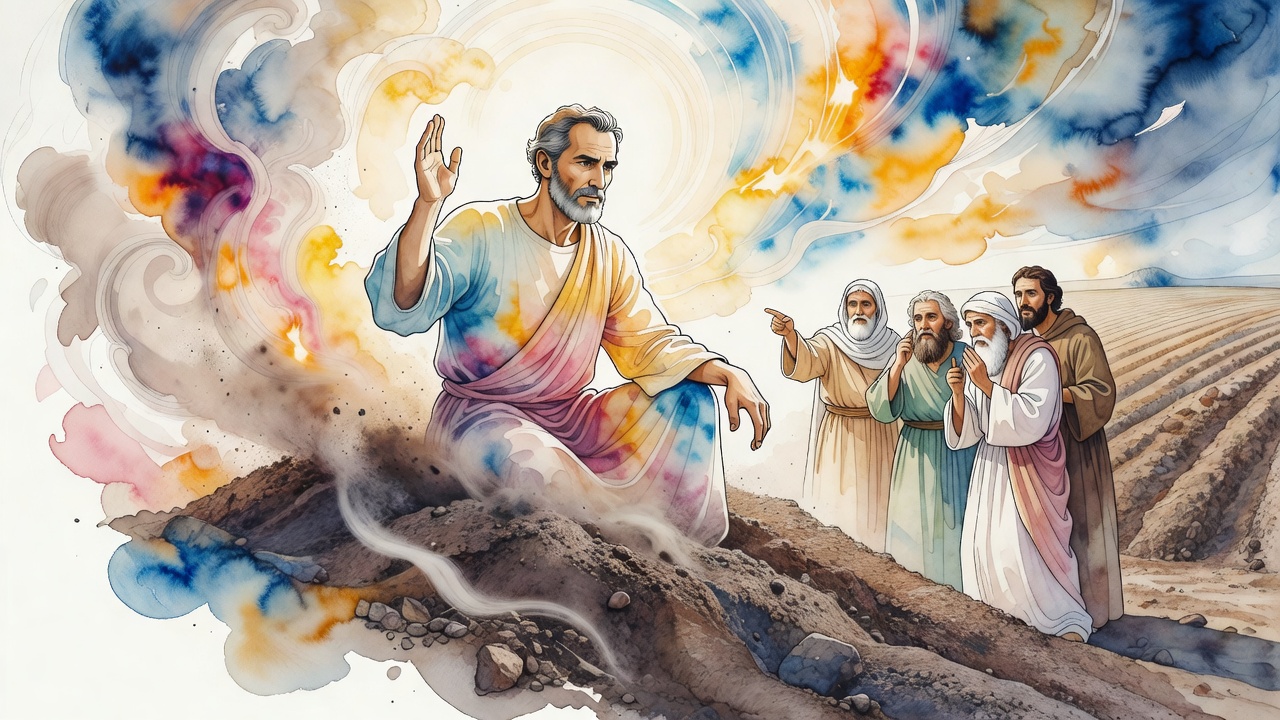
Boils from his scalp to his soles, and Job was still saying my land. The men listening heard a rich man who had learned nothing from losing it all.
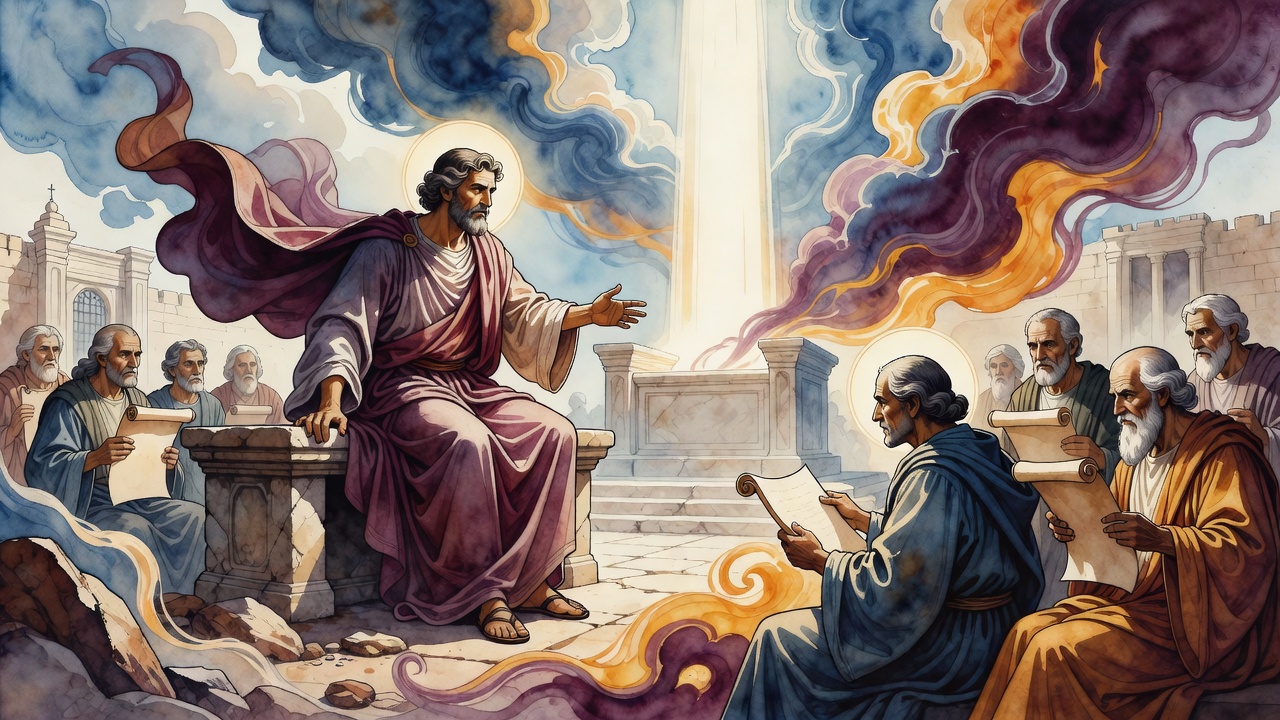
The new king ignored the pomp and hunted for judges. Jerusalem's beauty, he knew, was not marble. It was a clean court.
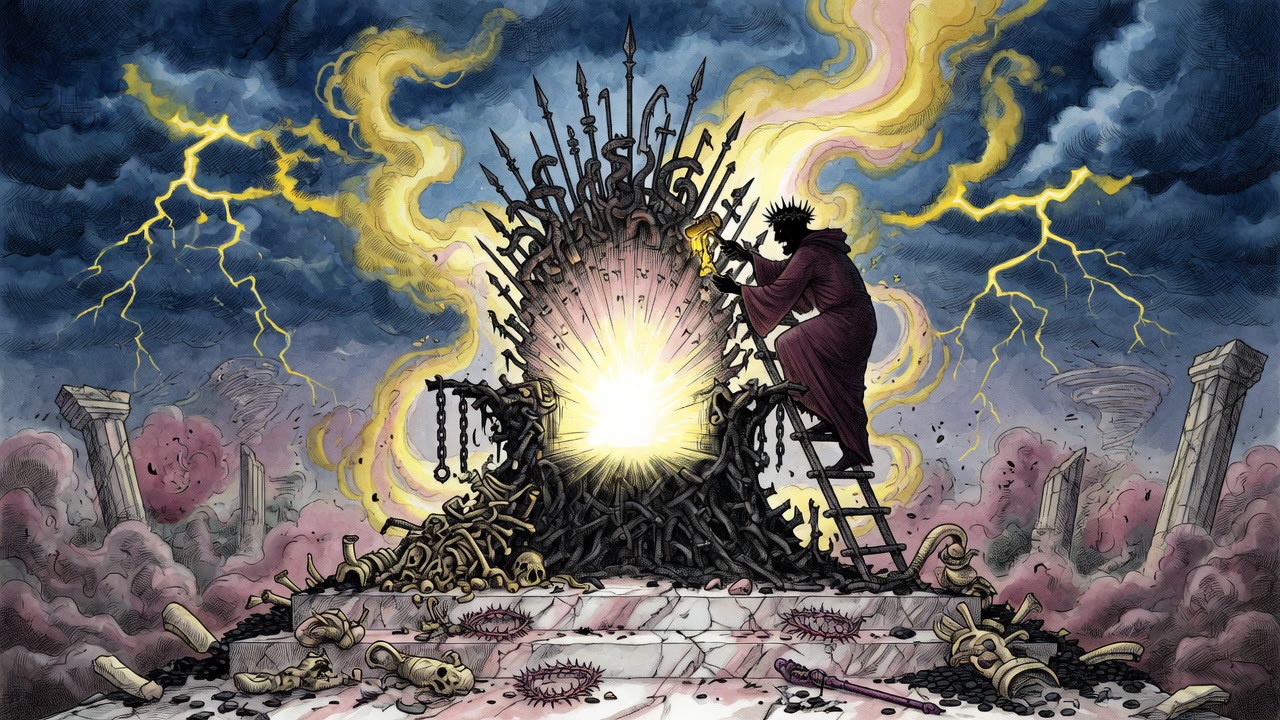
A woman found her stolen kettle warming on the judge's stove. Down the road a widow heard what court cost, and she turned around.
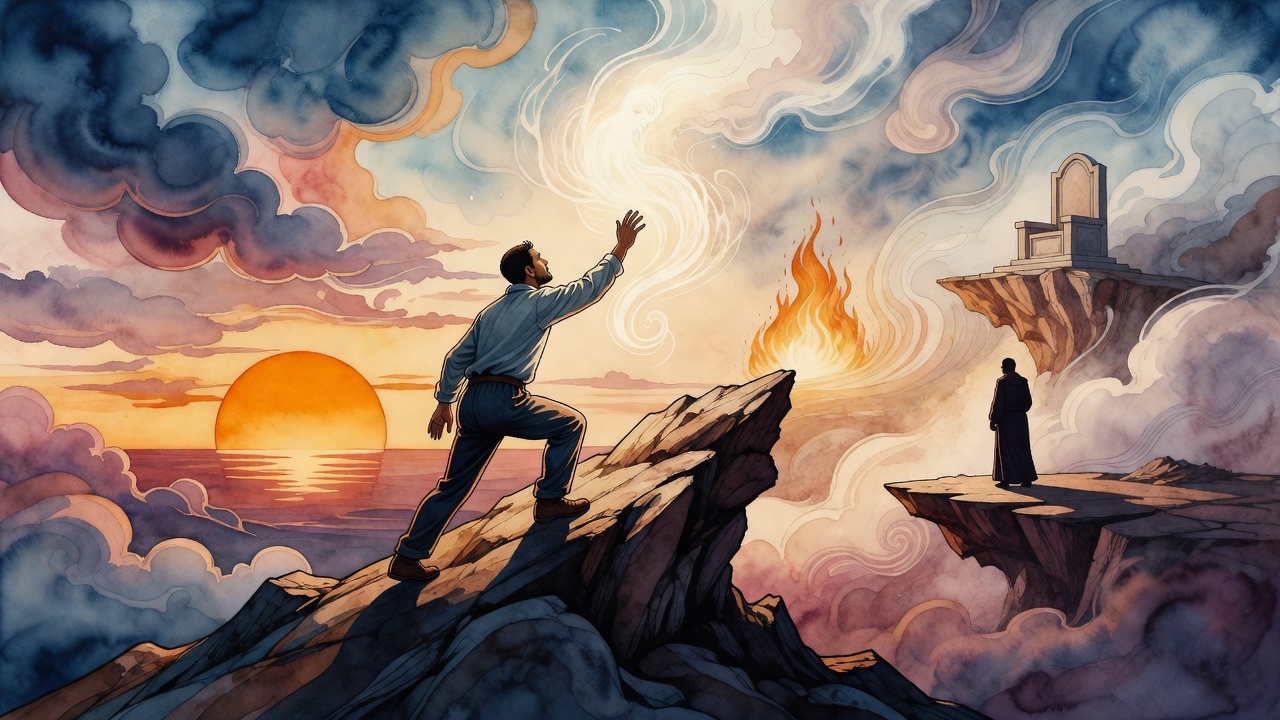
A hired man risks the ridge for a day's pay and watches the sun drop while the owner delays. Holding back his wage is counted as taking his soul.
