The Curse Fell on Canaan, Not on Ham Who Sinned
Ham came out of the tent and told his brothers what he had seen. They took a garment and walked in without looking. The curse missed him.
Table of Contents
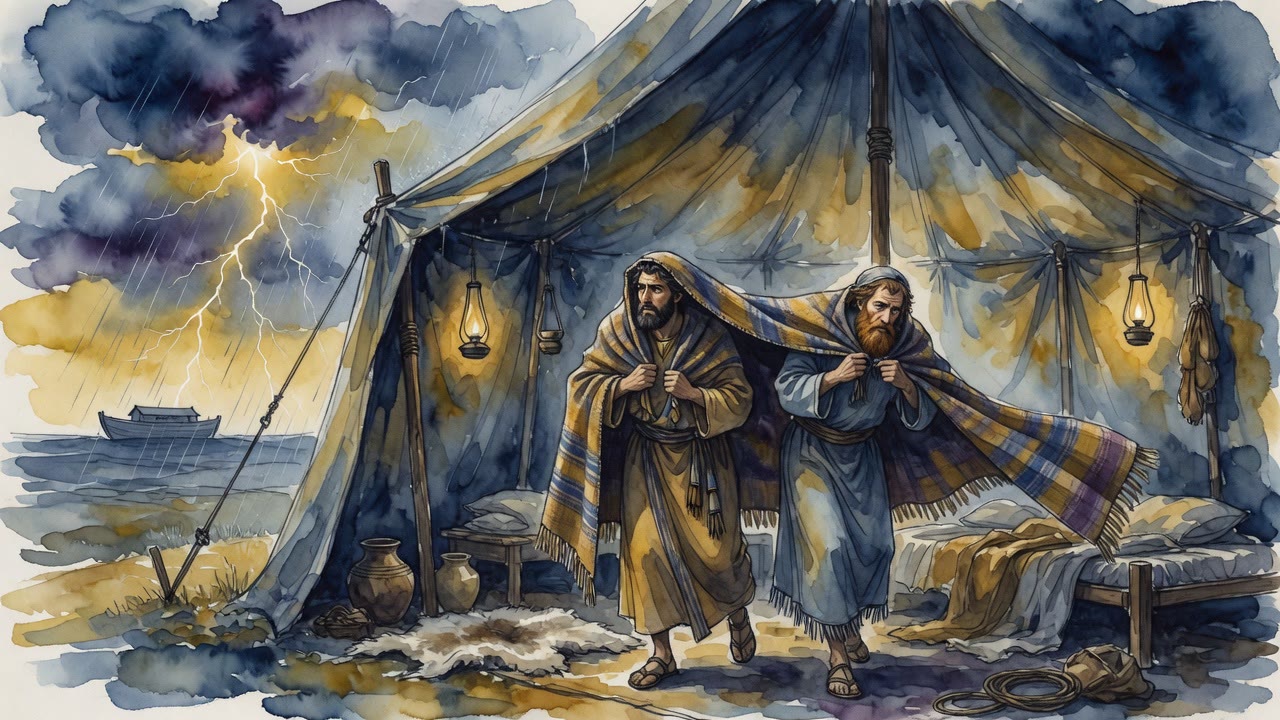
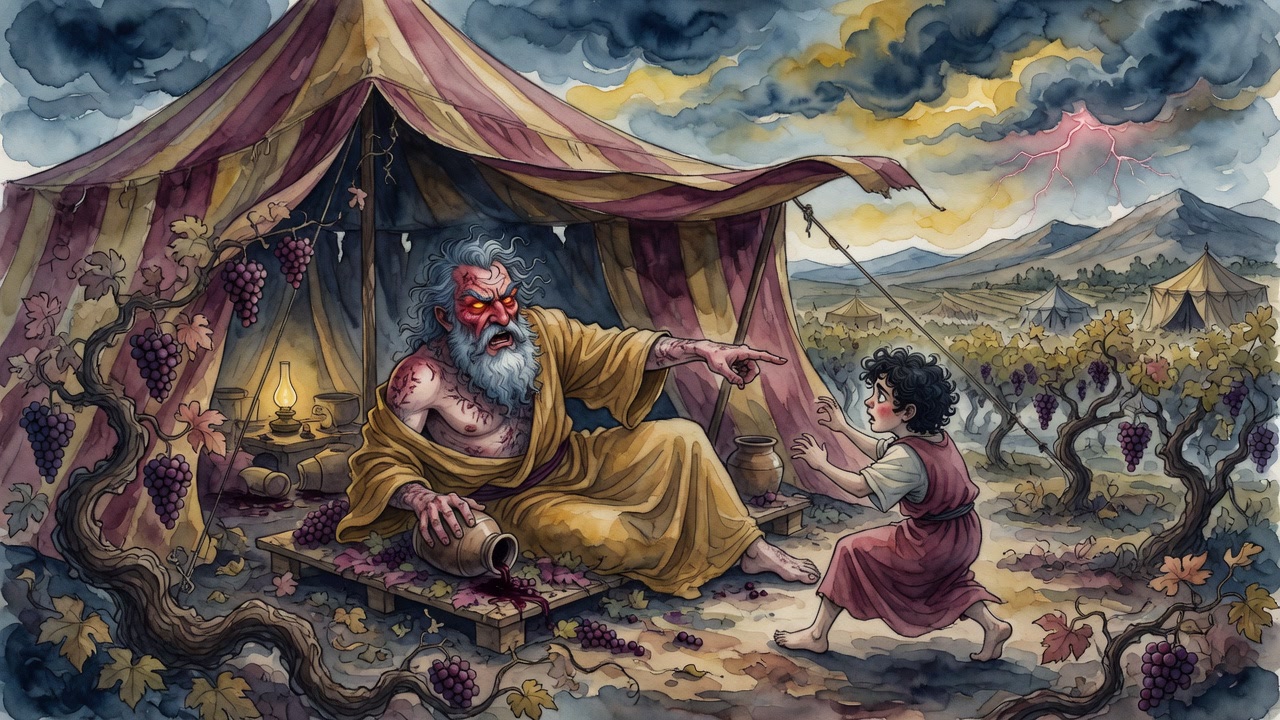
Noah lay in the tent uncovered, the wine still working in him. Ham went in, looked, and came back out to his brothers with the news in his mouth.
 Click for full size
He did not cover his father. He did not turn his face. He told Shem and Japheth what he had seen, and the telling had a laugh in it.
They Walked Backward With a Garment
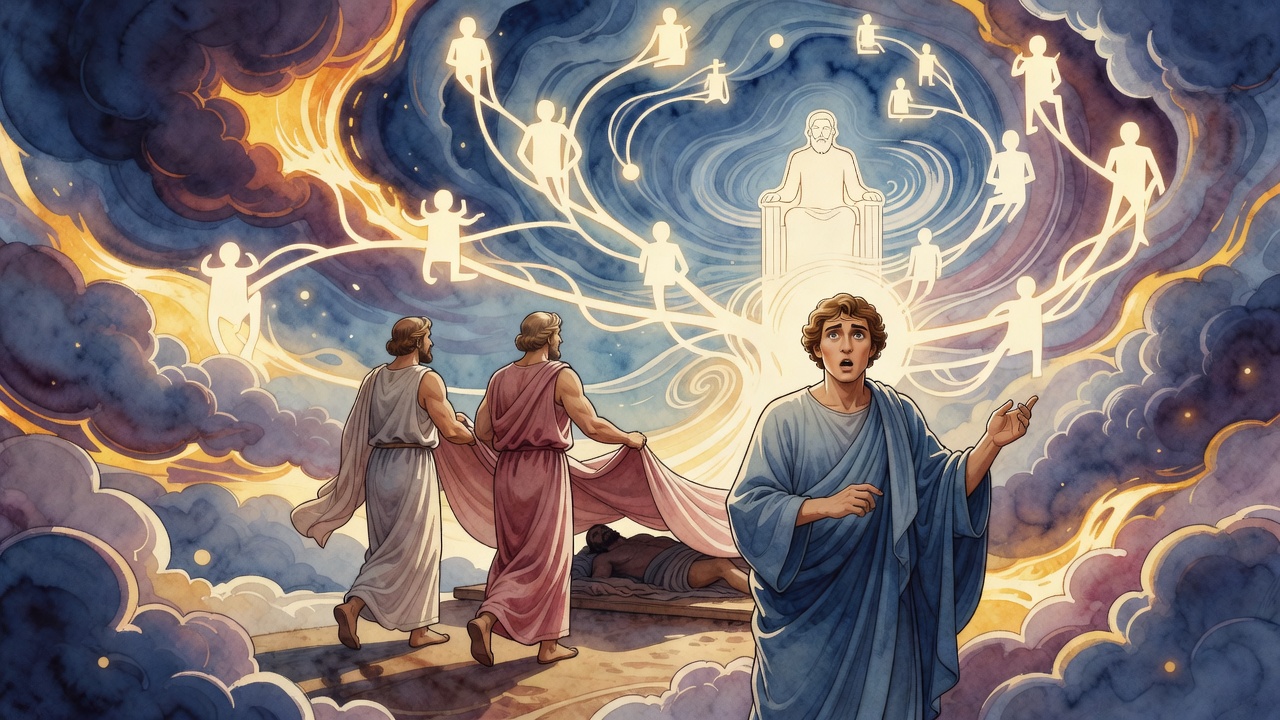
Shem took his own garment and rose. Japheth rose with him. They laid the cloth on both their shoulders and walked into the tent backward, faces turned to the door they had come through. They did not look. They let the garment fall over Noah's shame and they left the way they had entered, still backward, still not looking.
Ham had already used his eyes. The two who covered their father refused theirs. The tent held both kinds of son at once.
Noah Woke and Knew What Had Been Done
Noah woke from his sleep and knew what his younger son had done to him. Not only the looking. Ham had cut him so he could father no fourth son. The line that might have come after Japheth, Shem, and Ham was stopped in the body.
Noah opened his mouth for Ham. The name did not come. God had already blessed Noah and his sons after the flood (Genesis 9:1). A mouth that had been blessed could not be cursed from that tent. Noah's curse needed a body that the blessing had not already covered.
Ham had a fourth son. Canaan.
Noah said, "Cursed be Canaan. An enslaved servant shall he be unto his brethren." Then he blessed Shem. "Blessed be the Lord God of Shem, and Canaan shall be his servant."
Ham Heard His Son's Name, Not His Own
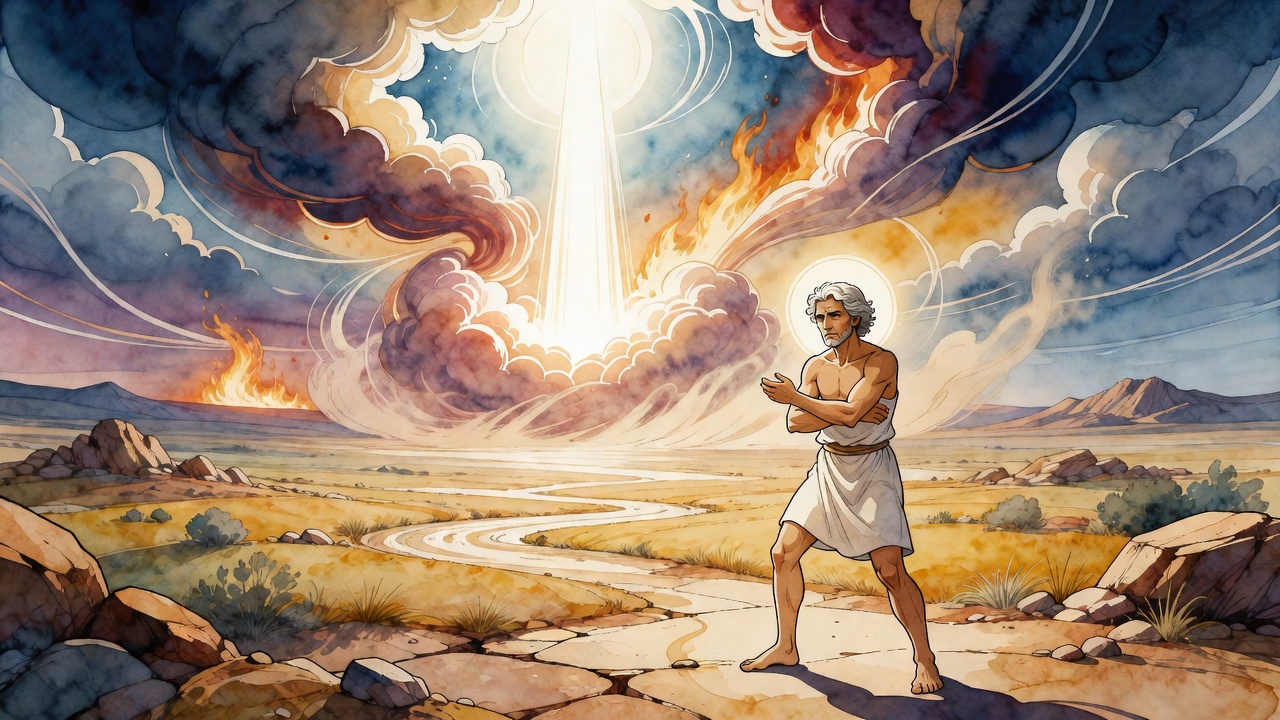
Ham stood there and waited for the blow to land on him. It landed on the boy.
Father and son were not two separate crookednesses in that hour. They were one heat in two bodies, the same turn away from what is covered and what is due. Canaan had not walked into the tent. The disposition had. God looked at them as one piece and still chose the name that would reach Ham where his own pain would not have reached him.
A man can make a story out of his own punishment. He knows what he did. He can hold it. Watch him when the suffering falls on the person he loves. Ham might have shaken off a curse aimed at his own head. He could not shake off Canaan made a servant of servants (Genesis 9:25).
The leader of the two took the punishment through the one who could still be named. Ham's counsels, words, and acts sat on a son who had not yet spoken them out loud.
The Naked Line and the Covered Line
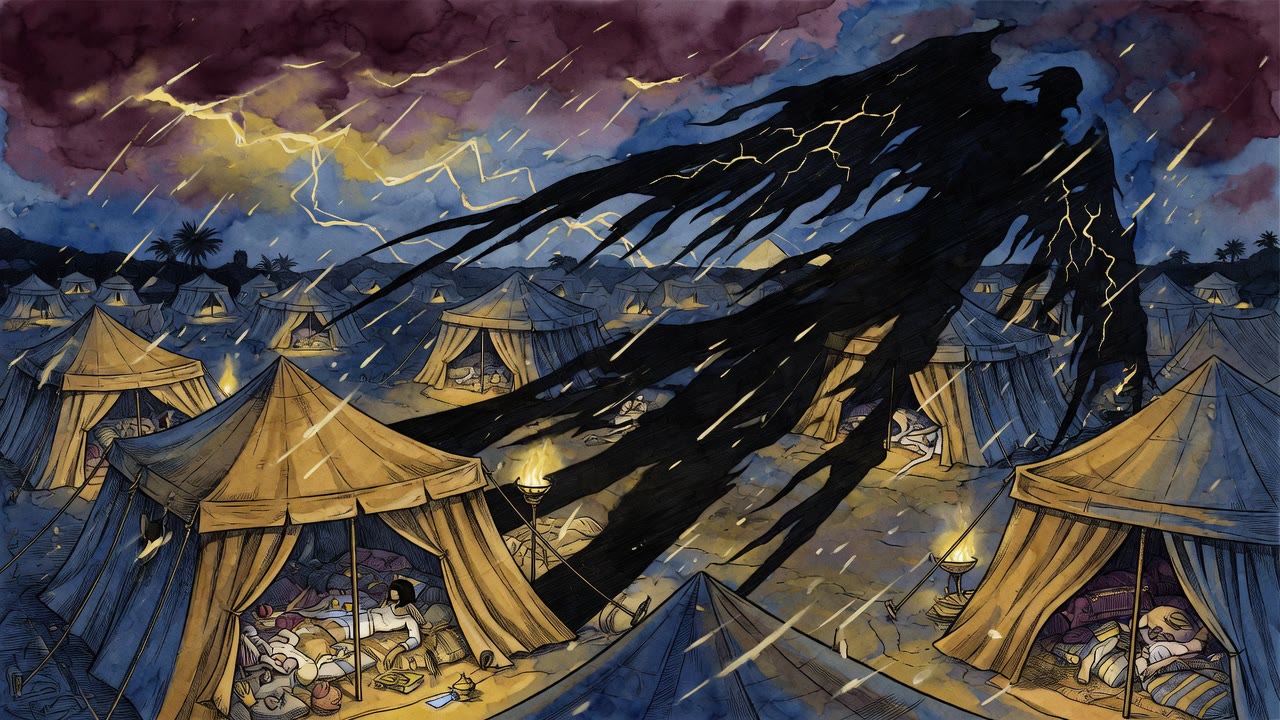
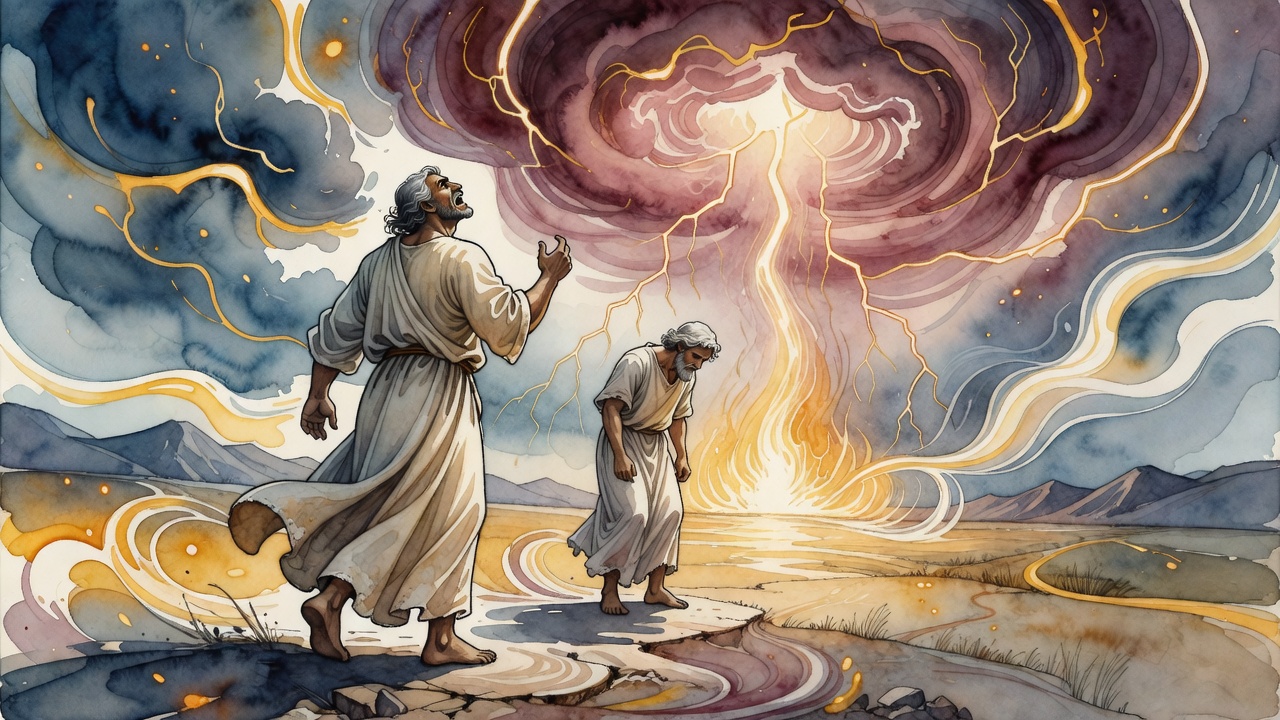
Shem and Japheth received what the backward walk had bought. Naked, the descendants of Ham, Egyptians and Ethiopians, were later led away captive by the king of Assyria. The descendants of Shem, even when the angel of the Lord burnt them in the camp, kept their garments. The cloth did not singe on the corpses.
In time to come, when Gog falls, God will provide shrouds and a burial place for him and all his multitude, the posterity of Japheth. The garment Shem and Japheth carried on their shoulders outlasted the tent. Ham's eyes outlasted it too, in the other direction.
Noah did not take the curse back. Canaan remained the name spoken in the doorway. Ham remained the man who had walked out laughing and then had to listen.
← All myths